Artwork
self-portrait
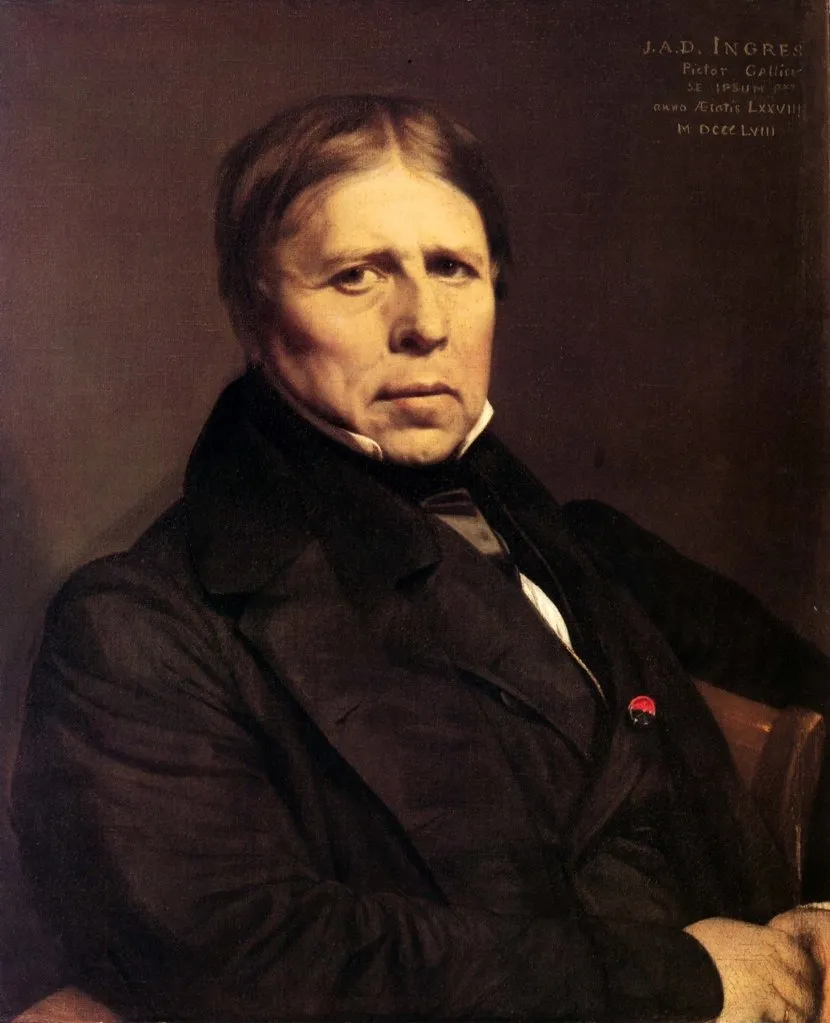
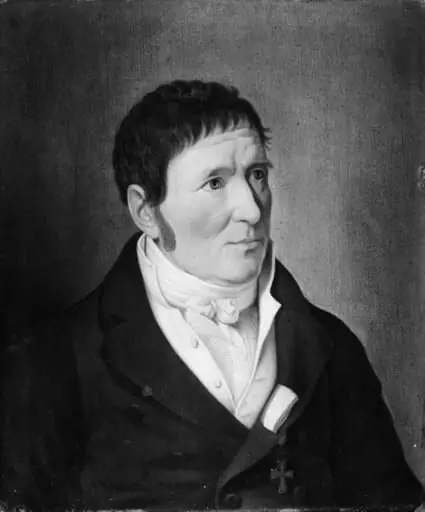
self-portrait is an oil painting by the Neoclassicist artist Jean Auguste Dominique Ingres. It dates from 1858 and is held in the collection of the Uffizi Gallery.
About this work
This is a self-portrait by Jean Auguste Dominique Ingres. It's an oil painting made in 1858.
Ingres was a French artist who made many portraits, but he didn't really enjoy making them. He thought of them as distractions from his main goal, which was to create history paintings.
You can learn more about the artist who made this portrait by looking up Jean Auguste Dominique Ingres.
Overview
The painting measures 24 3/8 by 20 1/8 inches and is held in the Uffizi Gallery in Florence, where it resides among other significant European portraits.
Painted in 1858, this oil-on-canvas work is one of Jean-Auguste-Dominique Ingres’s final self-portraits. Created when he was seventy-eight, it reflects his enduring engagement with his own image despite his lifelong preference for historical subjects. The painting measures 24 3/8 by 20 1/8 inches and is held in the Uffizi Gallery in Florence, where it resides among other significant European portraits.
Subject & Meaning
Ingres presents himself with unflinching clarity, his gaze direct and composed. The portrait conveys neither idealization nor dramatic flourish, but a quiet acknowledgment of age and experience. As an artist who viewed portraiture as a necessary but unwelcome task, this image stands as a personal record rather than a public statement, revealing his self-awareness in later life.
Technique & Style
Ingres employs his signature linear precision and smooth surface finish, hallmarks of his Neoclassical training. The rendering of his face and hands is meticulous, with subtle tonal transitions and restrained modeling. The background remains muted and undefined, focusing attention entirely on the figure, consistent with his approach to portraiture as a study of form over narrative.
History & Provenance
The painting remained in Ingres’s possession until his death in 1867. It entered the Uffizi’s collection in 1922, acquired from the artist’s estate through a bequest by his heirs. Its presence in Florence underscores the international recognition of Ingres’s work, even as he remained deeply rooted in French academic traditions.
Context
By the mid-19th century, Ingres was an established figure in French art, yet he continued to prioritize large-scale historical compositions over portraiture. This self-portrait emerged during a period when photography was beginning to challenge traditional representation, yet Ingres held fast to his disciplined draftsmanship, using the genre to assert his identity as an artist beyond institutional expectations.
Legacy
This portrait contributes to a broader series of self-representations by Ingres, offering insight into his evolving self-perception across decades. It is studied for its technical restraint and psychological subtlety, reflecting the quiet dignity of an artist who, despite his reservations, left behind a profound visual record of his own presence.
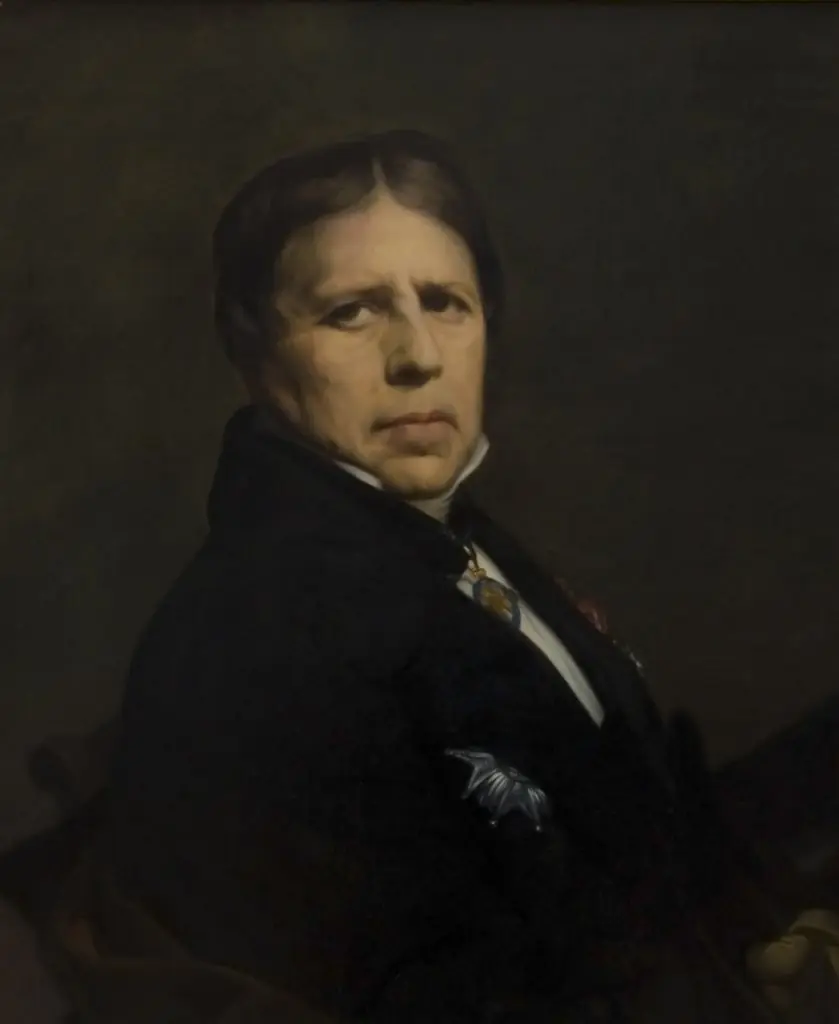
Artist & collection

Artist
Jean-Auguste-Dominique Ingres was a French Neoclassical painter. Ingres was profoundly influenced by past artistic traditions and aspired to become the guardian of academic orthodoxy against the ascendant Romantic…

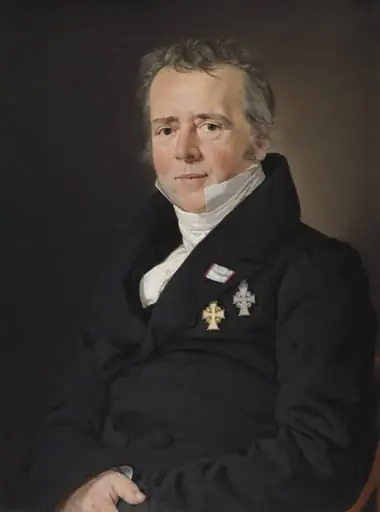 Portrait of the Scientist Hans Christian Ørsted
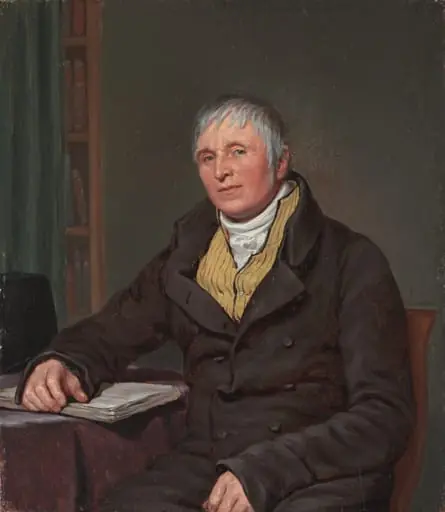 Charles Thompson
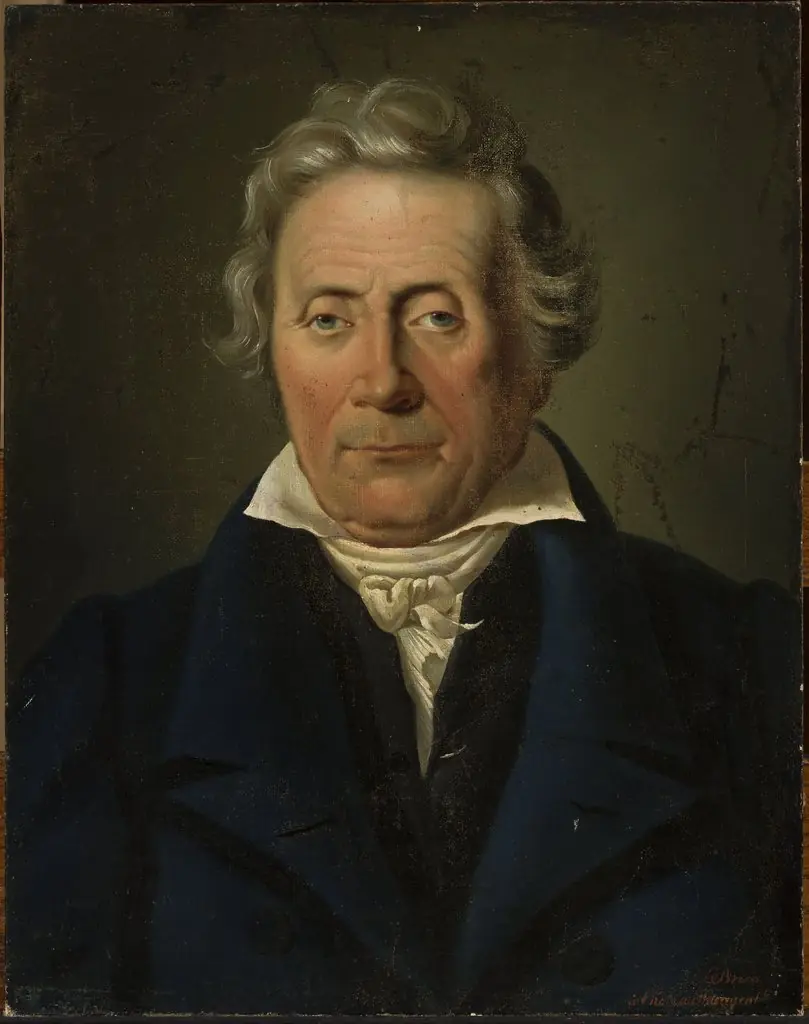 Portrait of Nicolas Demimuid
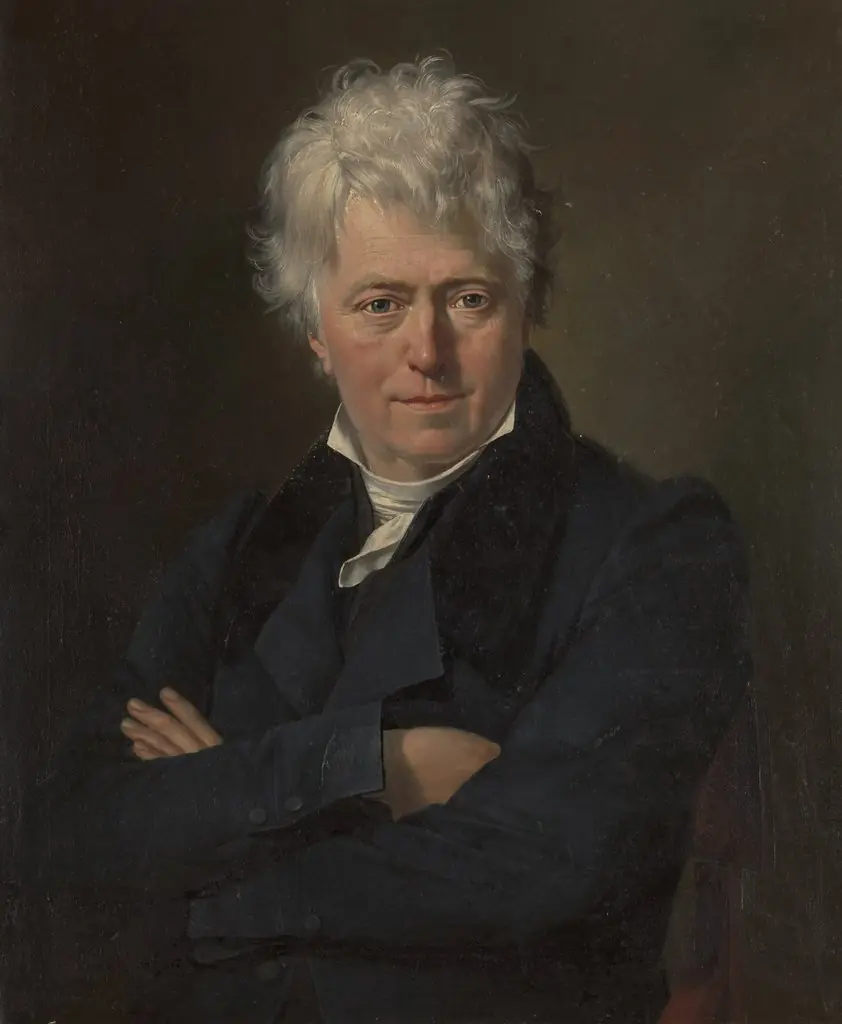 The Lawyer Jean Louis Bourceret
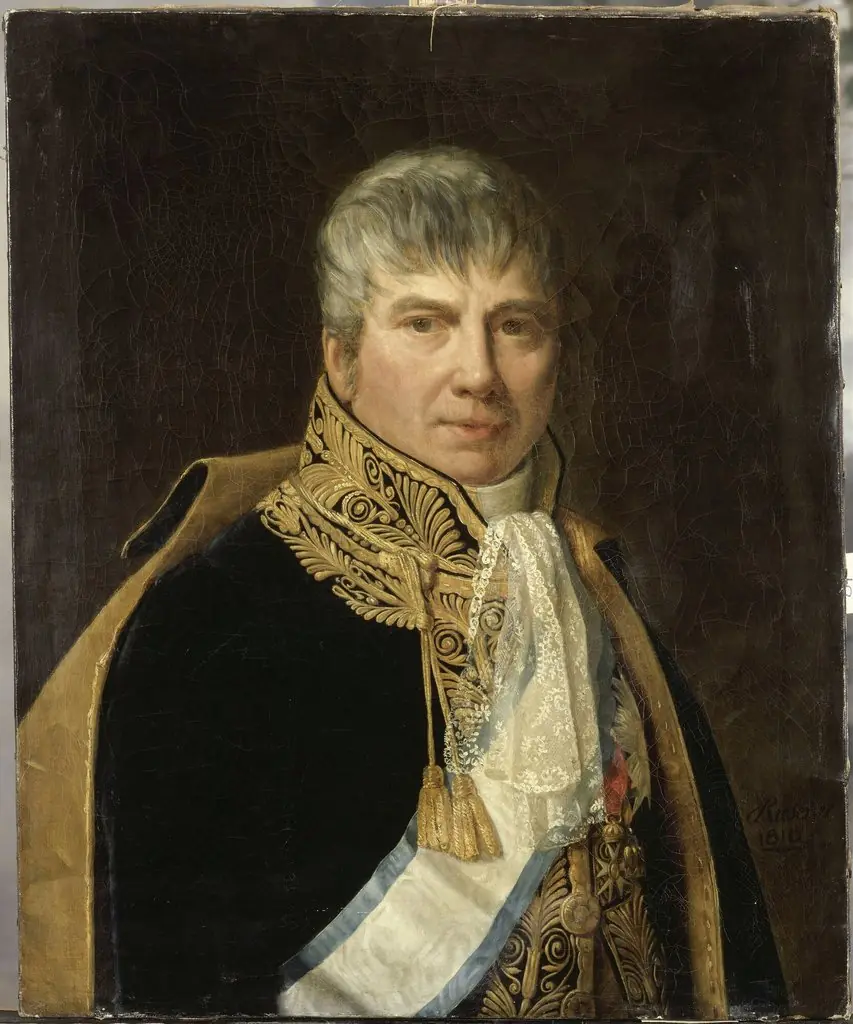 Michel, count Ordener, general (1755-1811)
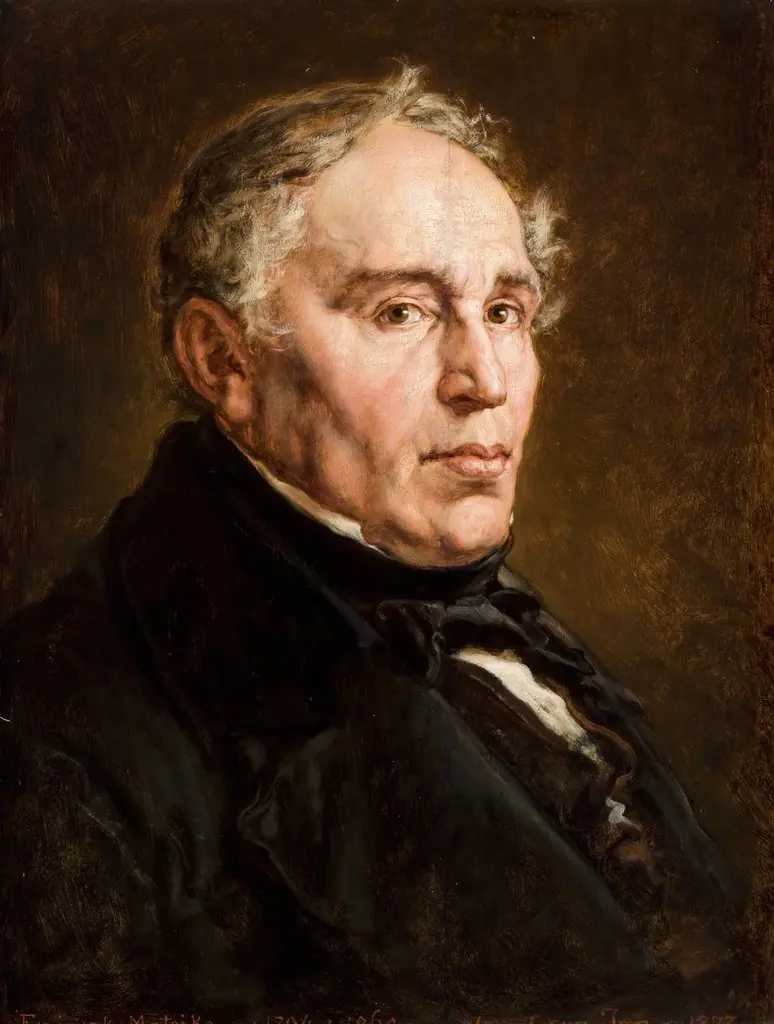 Portrait of Franciszek Matejko, Artist's Father.
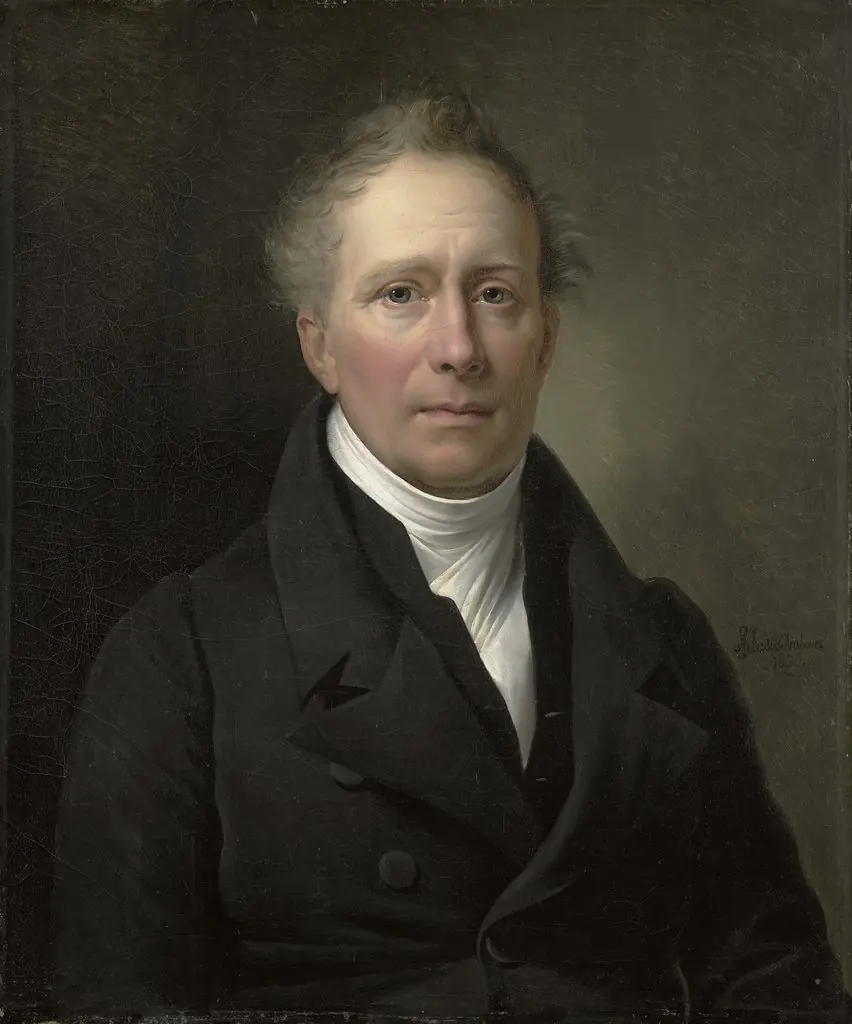 Portrait of Daniel Francis Schas, from 1814 to 1820 Member of the Board of Commerce for the Colonies
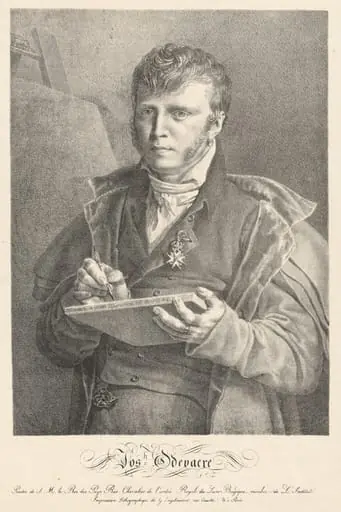 Self-Portrait of the Artist Drawing on a Lithographic Stone
 Portrait of the artist Sergey Zaryanko
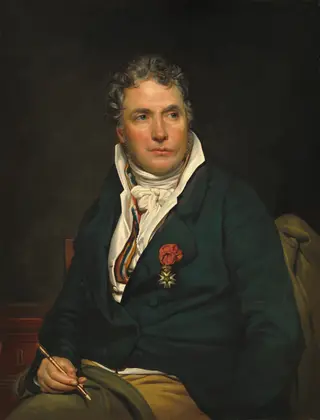 Jacques-Louis David
 Kobberstikkeren J.F. Clemens
- Self-portrait