Artwork
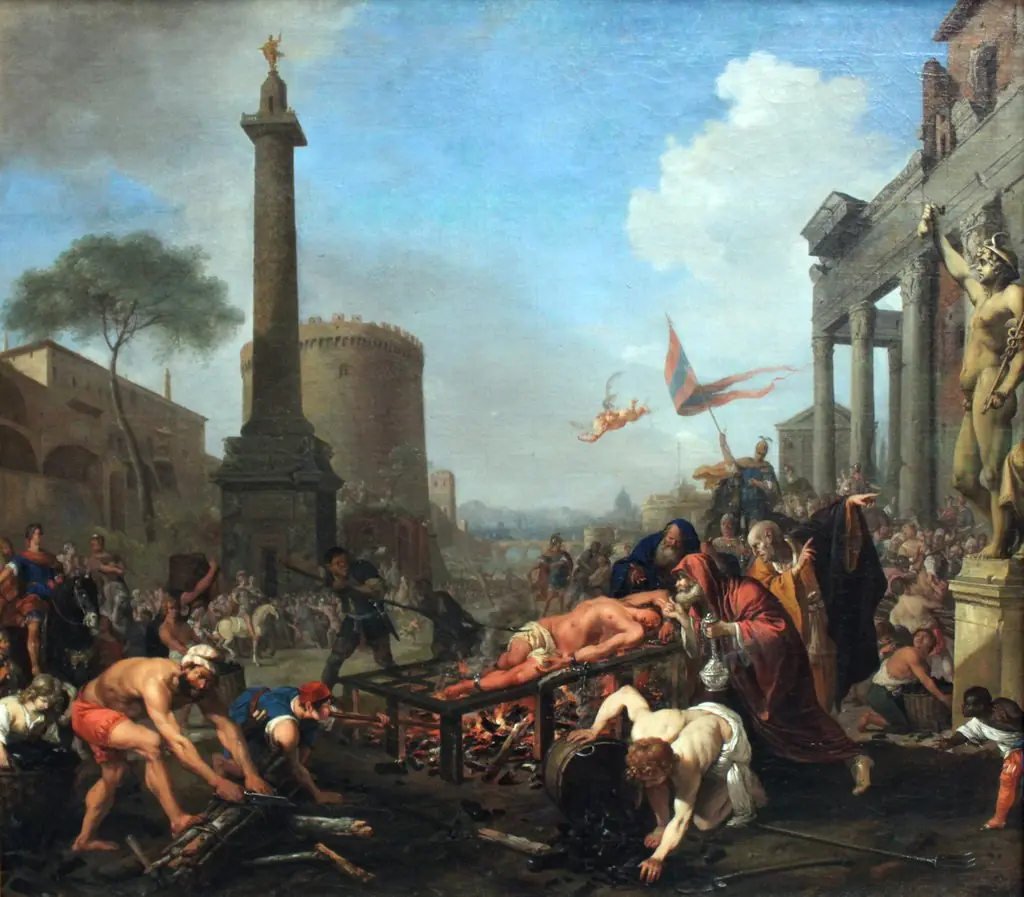
The Martyrdom of Saint Symphorien
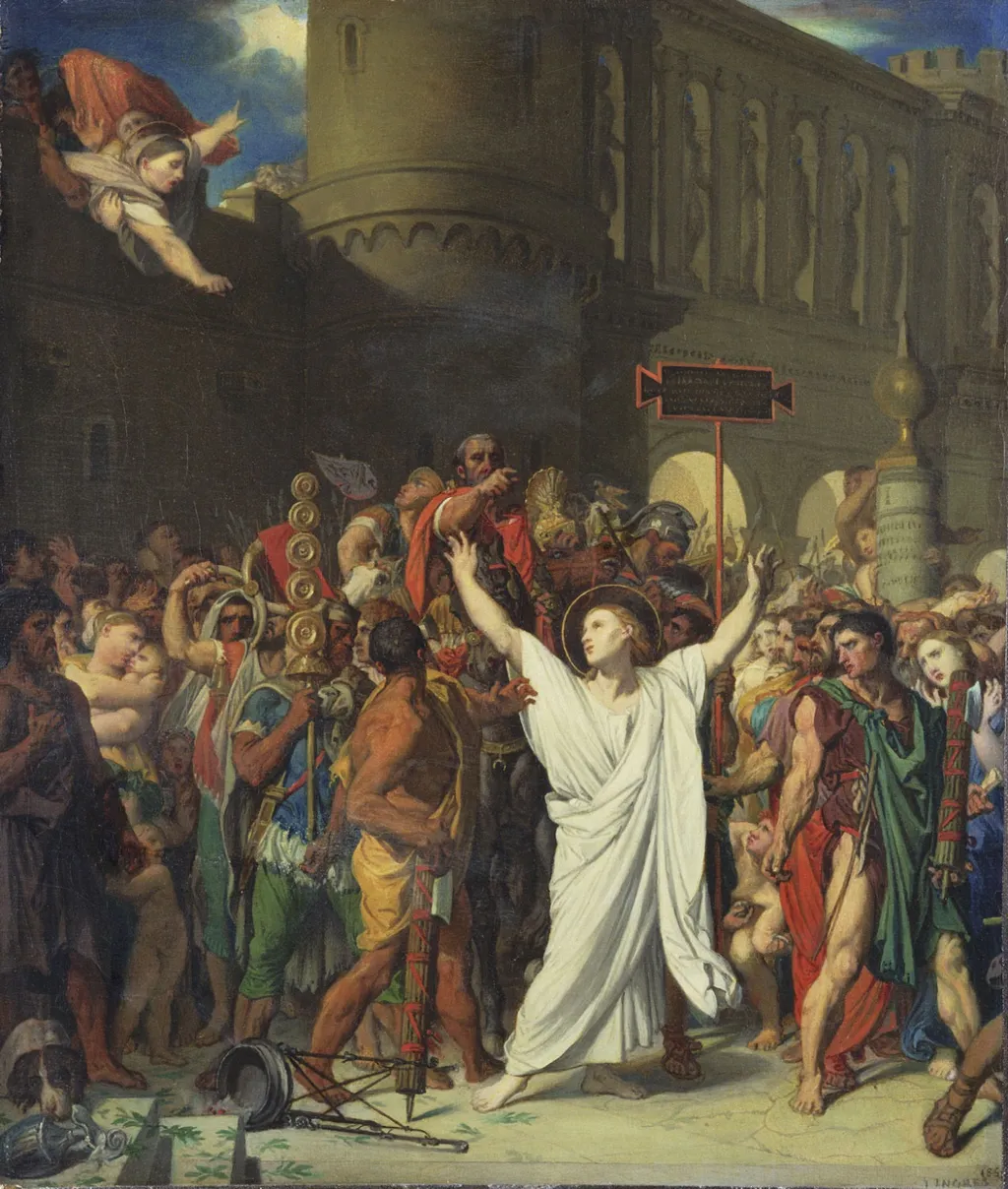
The Martyrdom of Saint Symphorien is an oil painting by the French Romanticist artist Jean Auguste Dominique Ingres. It dates from 1865 and is held in the collection of the Philadelphia Museum of Art.
About this work
Overview
Its composition centers on a solitary figure amid a group of onlookers, rendered with meticulous detail and a restrained emotional tone.
Painted in 1865 by Jean-Auguste-Dominique Ingres, The Martyrdom of Saint Symphorien is an oil on canvas work depicting the final moments of a Christian saint’s execution. The painting resides in the Philadelphia Museum of Art, where it stands as one of Ingres’s later religious compositions. Its composition centers on a solitary figure amid a group of onlookers, rendered with meticulous detail and a restrained emotional tone.
Subject & Meaning
The painting illustrates the execution of Saint Symphorien, an early Christian martyr traditionally said to have been killed in Autun during the reign of Emperor Hadrian. The central figure, shown with arms outstretched and a halo above his head, embodies passive endurance. The surrounding crowd, divided between restraint and observation, reflects the tension between persecution and faith, emphasizing the saint’s quiet acceptance of death as an act of devotion.
Technique & Style
Ingres employs precise linear draftsmanship and smooth, polished surfaces typical of his academic style. The figure of Symphorien is rendered in luminous white, contrasting with the darker, textured garments of the crowd and the monumental architecture behind him. The composition is carefully balanced, with arches and columns framing the scene in a manner that evokes classical antiquity, reinforcing the historical setting through controlled perspective and sculptural form.
History & Provenance
Commissioned for a church in Autun, the painting was completed in 1865 but never installed there due to the church’s refusal of its style. Ingres retained the work until his death, after which it entered a private collection. It was acquired by the Philadelphia Museum of Art in 1927, where it has remained as a key example of 19th-century French religious painting and Ingres’s enduring engagement with historical themes.
Context
Created during a period when religious subjects were increasingly marginalized in French art, Ingres’s choice to depict a martyrdom reflects his personal devotion and adherence to classical ideals. The work aligns with his lifelong interest in early Christian narratives and ancient Roman settings, even as contemporary artists turned toward realism or impressionism. Its formal rigor stands in contrast to the emotional intensity favored by Romantic contemporaries.
Legacy
Though not widely exhibited during Ingres’s lifetime, the painting has since become a reference point for understanding his late style and his commitment to narrative clarity through classical form. It illustrates how academic traditions persisted into the late 19th century, even amid shifting artistic currents. Scholars note its influence on later artists who sought to reconcile historical subject matter with disciplined composition.
Own this work as a print
Artist & collection

Artist
Jean-Auguste-Dominique Ingres was a French Neoclassical painter. Ingres was profoundly influenced by past artistic traditions and aspired to become the guardian of academic orthodoxy against the ascendant Romantic…

- Farewell of Hector and Andromache
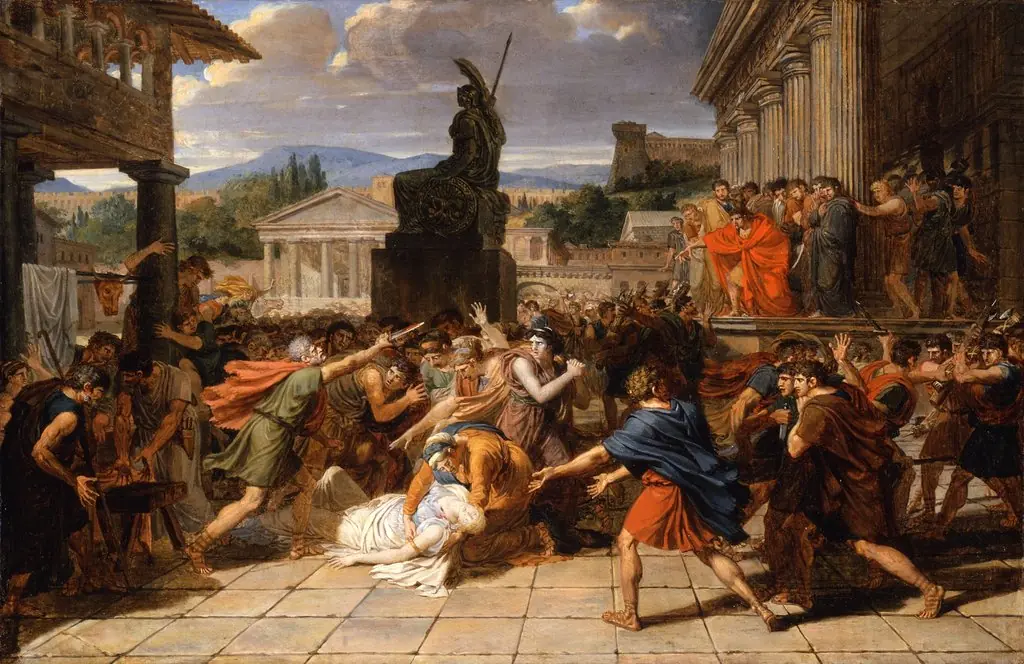 The Death of Virginia
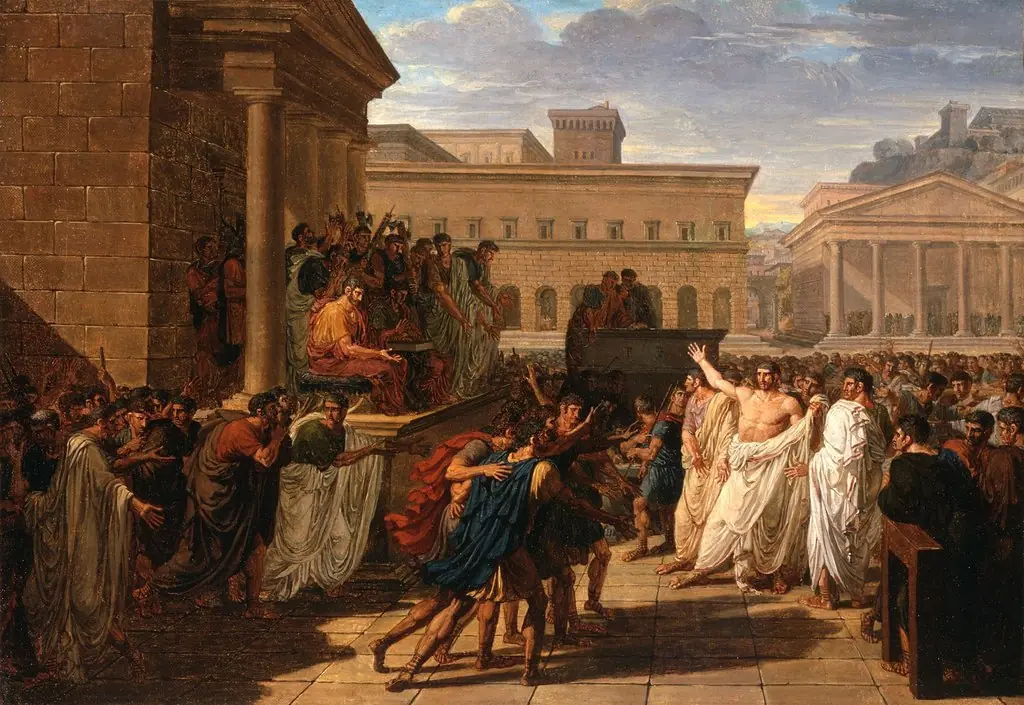 Brutus Listening to the Ambassadors from the Tarquins
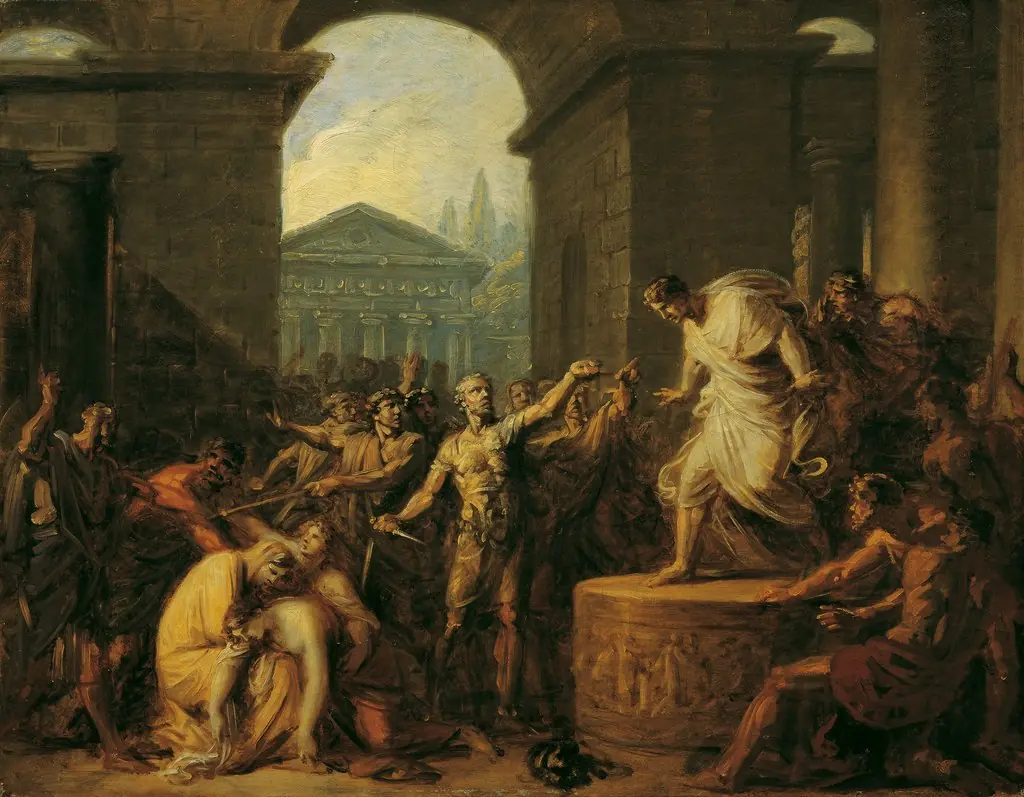 The Death of Virginia
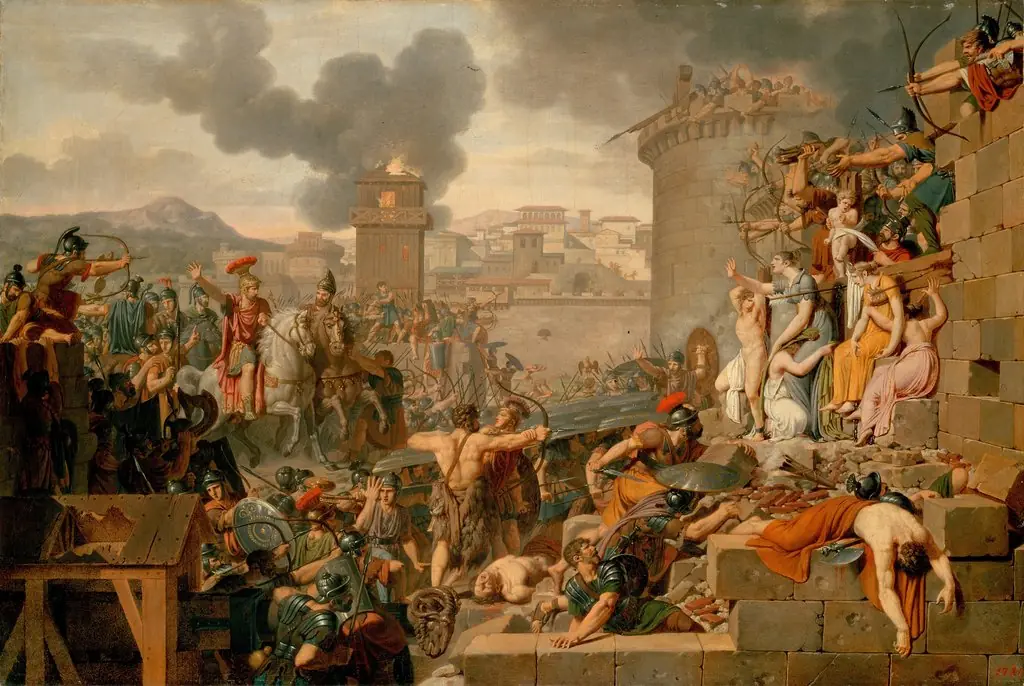 Metellus Raising the Siege
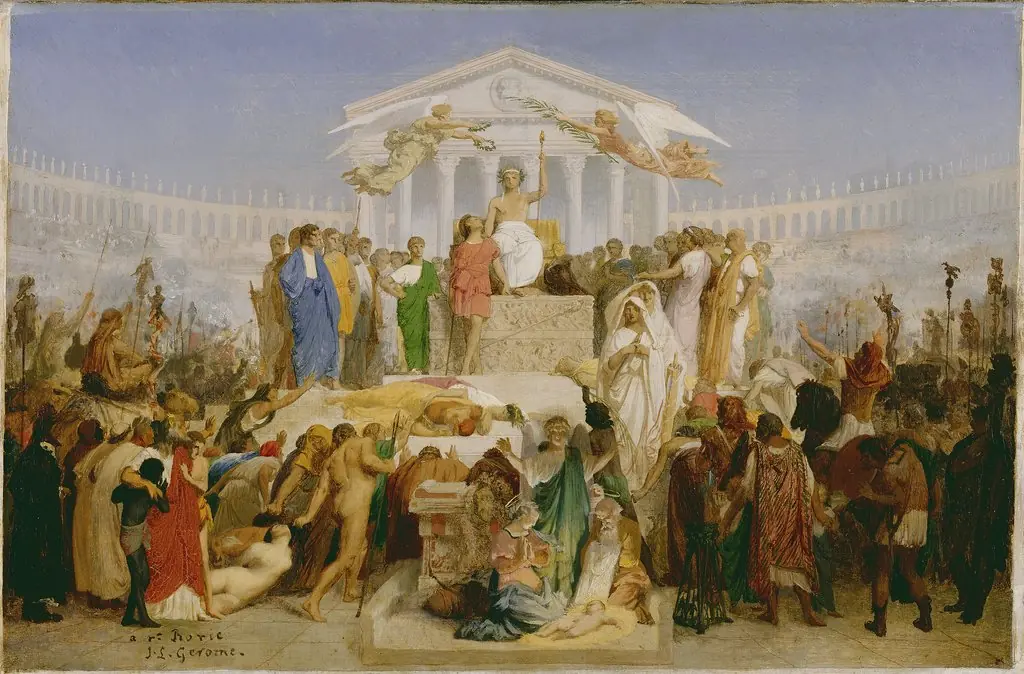 The Age of Augustus, the Birth of Christ
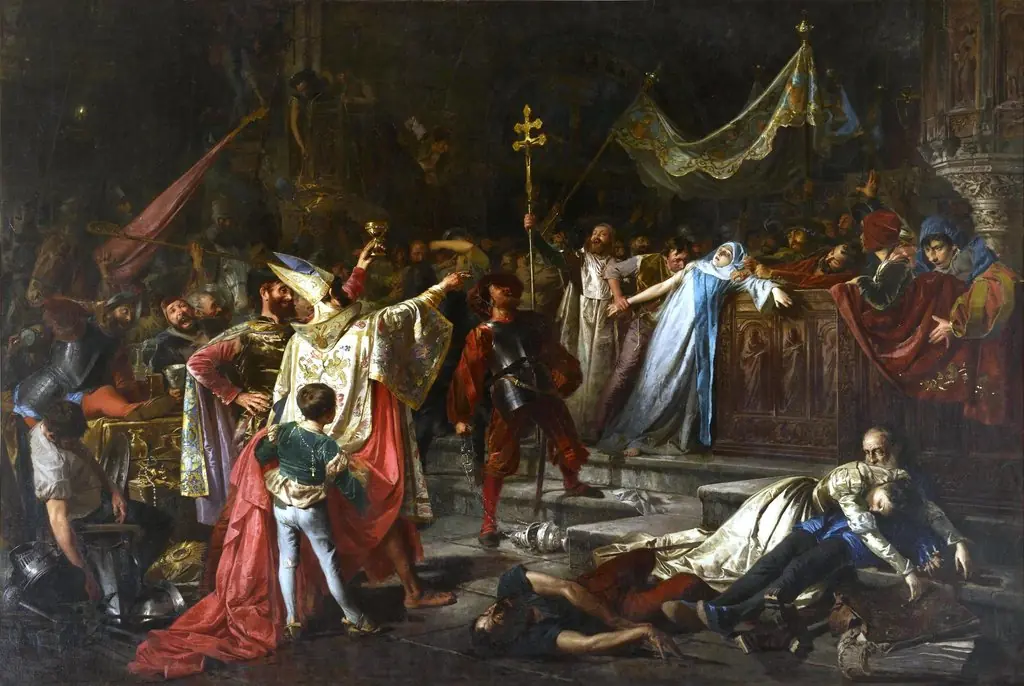 The Sack of Rome
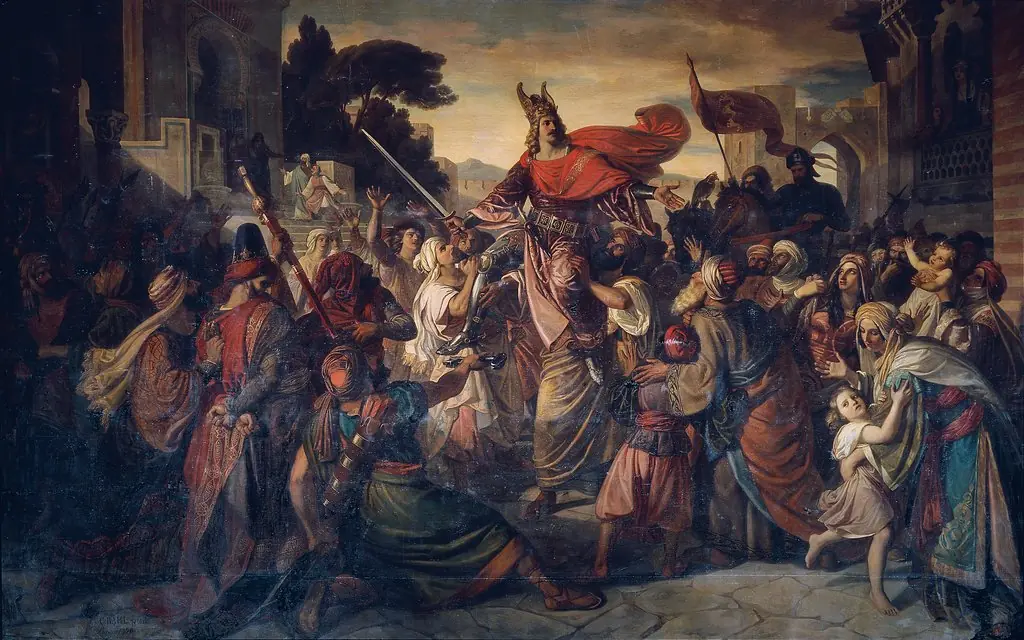 Der Empfang Manfreds (1231–1266) bei den Sarazenen in Luceria im Jahre 1254
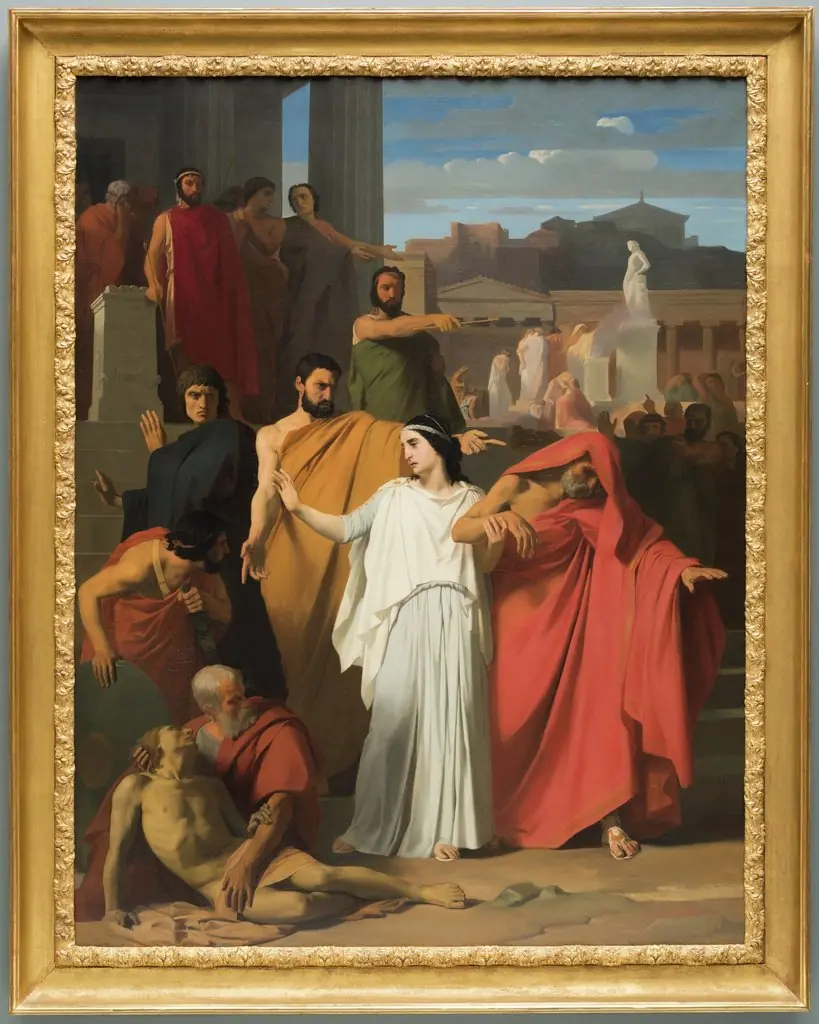 Oedipus Going into Exile from Thebes
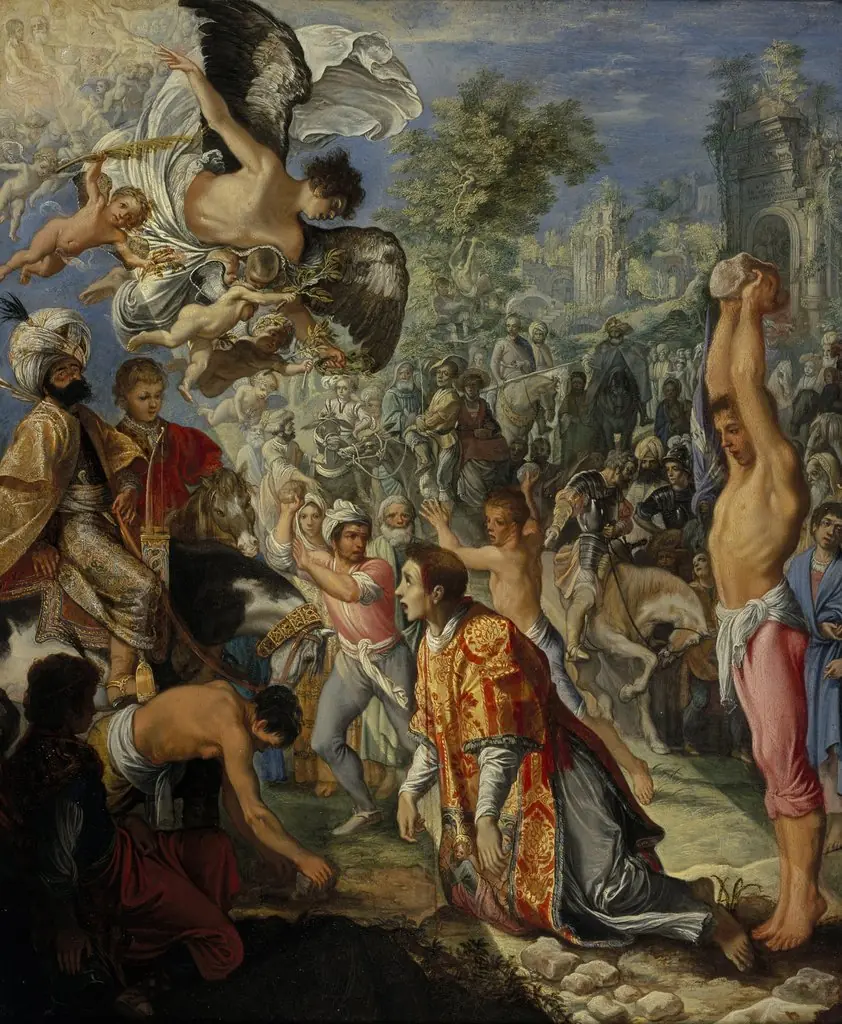 The Stoning of Saint Stephen
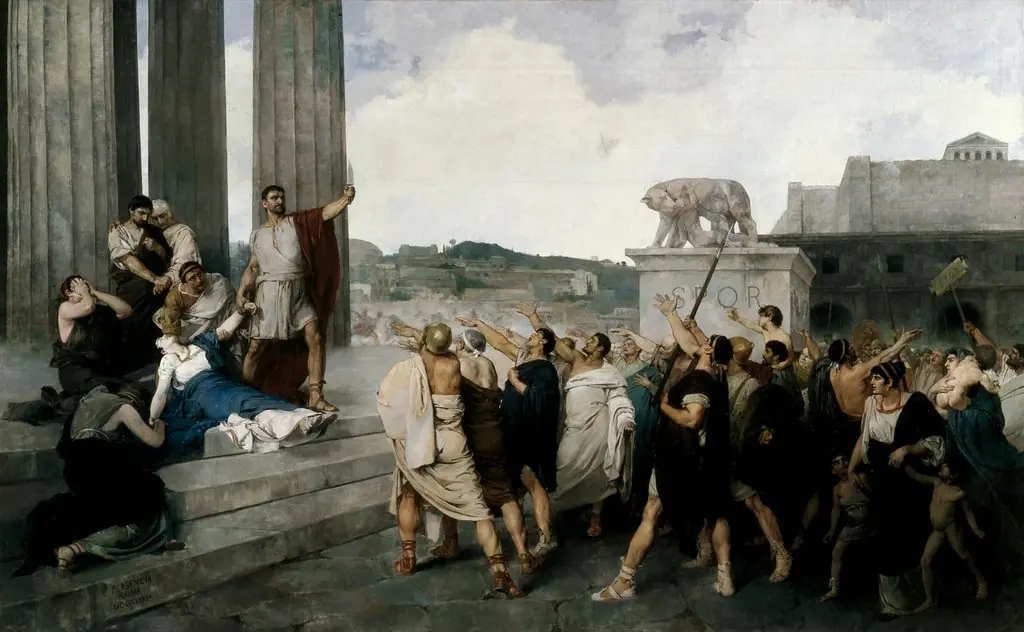 Origen de la República Romana (año 598 antes de la era cristiana)
 The Martyrdom of St. Laurence