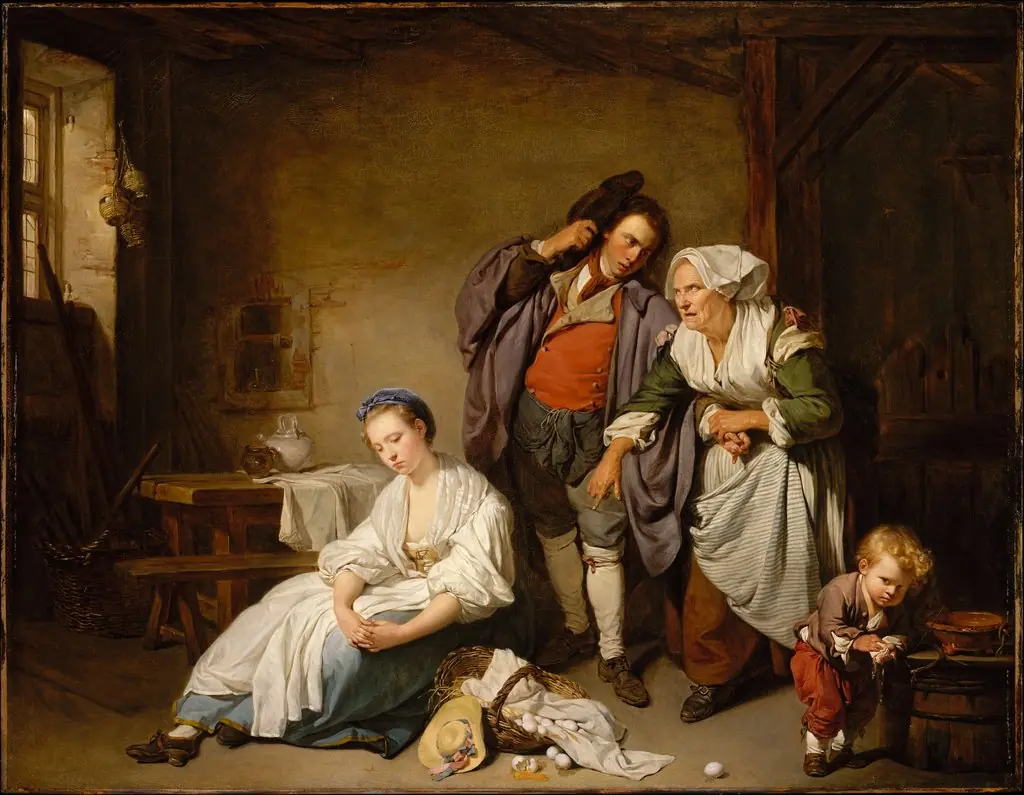
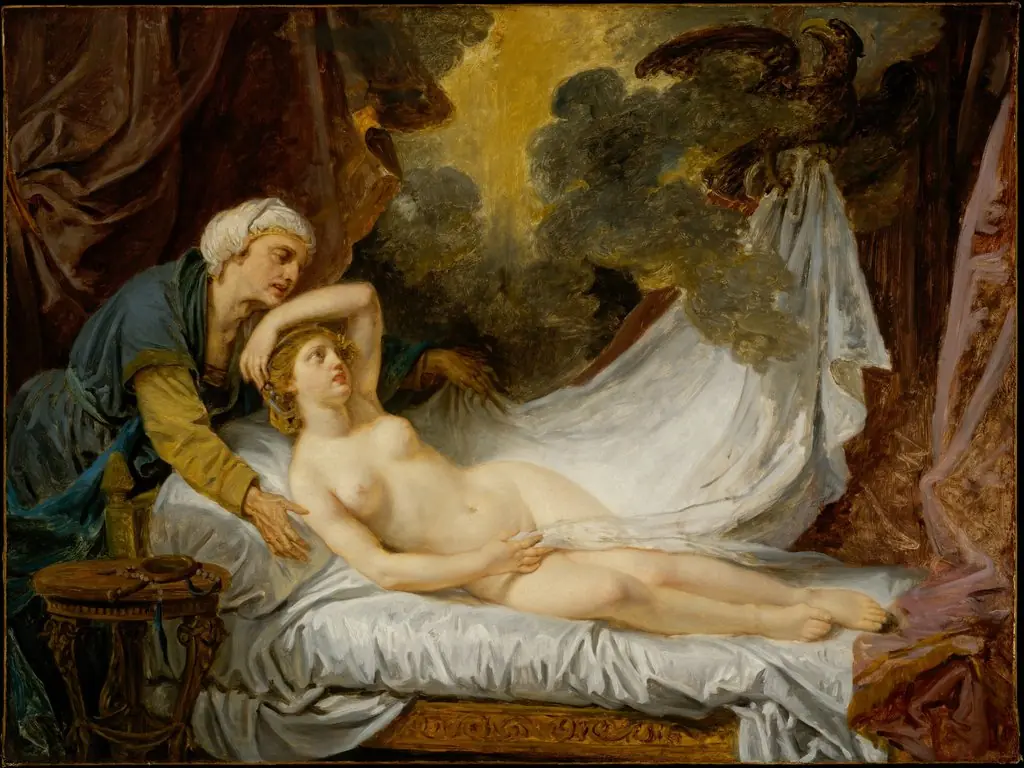
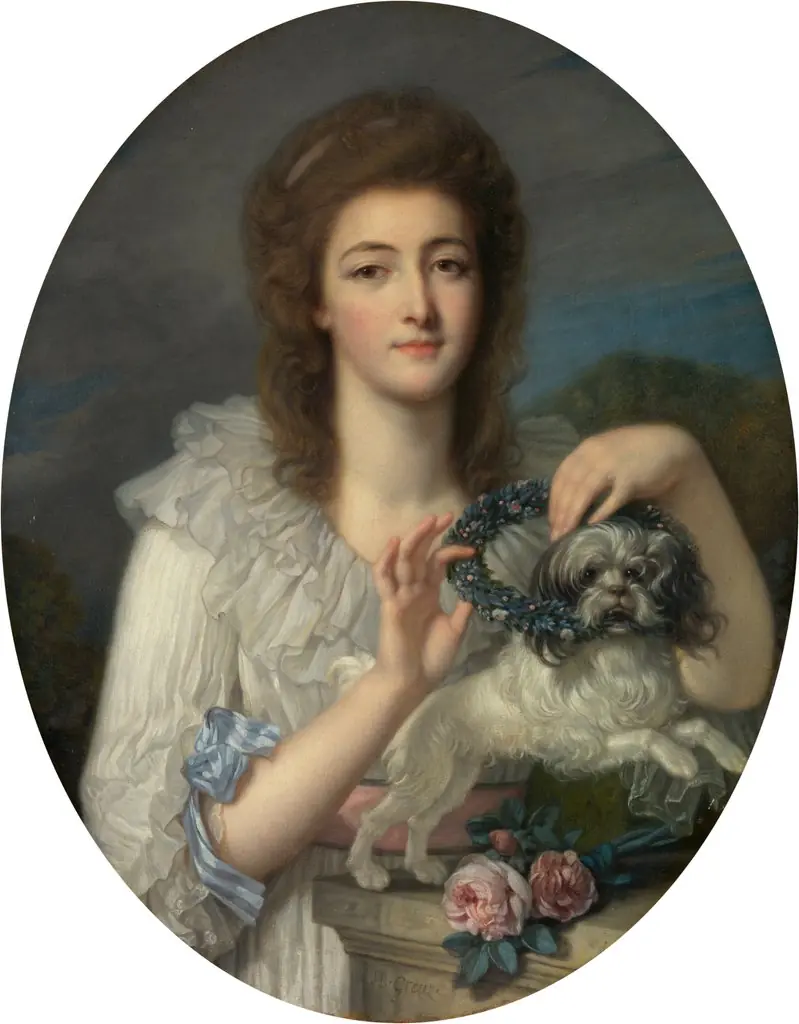
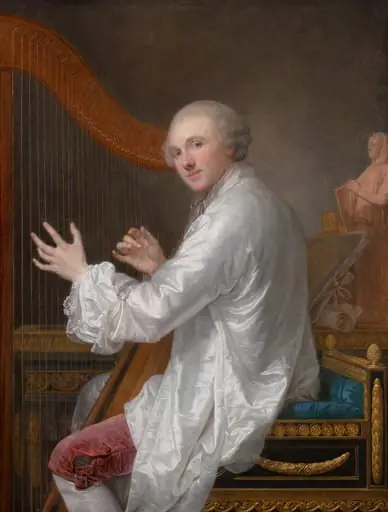
Artwork
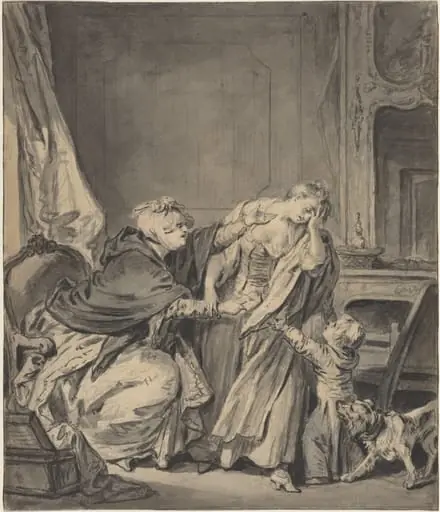
The Guilty and Repentant Daughter
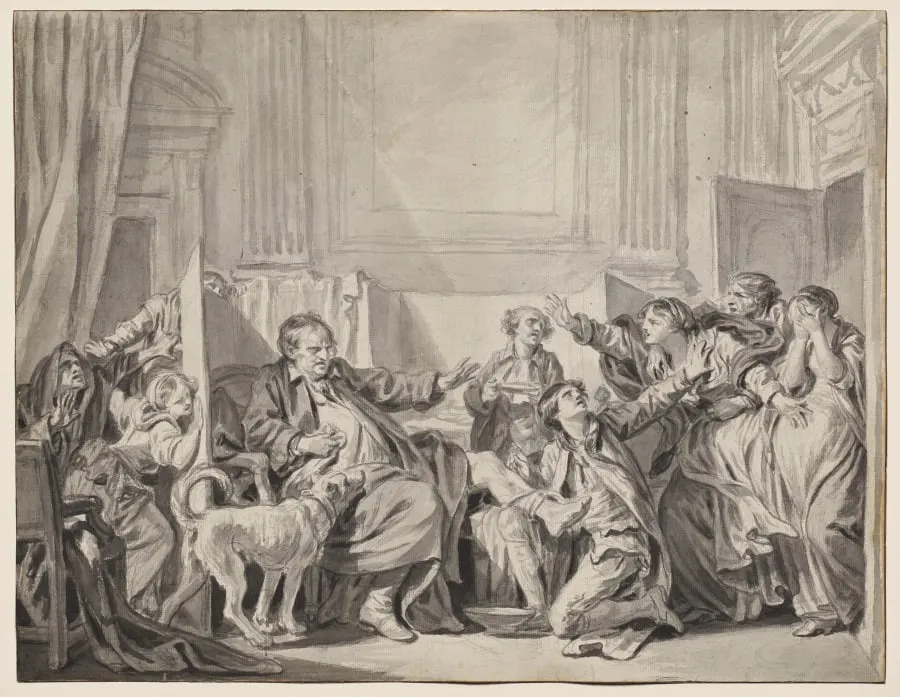
The Guilty and Repentant Daughter is a drawing by the Romanticist artist Jean-Baptiste Greuze. It dates from 1774 and is held in the collection of the Cleveland Museum of Art.
- Accession no.
- 1989.46
- Credit line
- Leonard C. Hanna Jr. Fund
About this work
The shallow space and tight grouping push every glance and gesture to the front, so you almost hear the silence.
A young woman steps into a dim room where a man and boy kneel on the floor. The father’s face is buried in his hands; the son clutches his arm. The girl looks down, fingers twisting her apron.
Greuze made these drawings to feel like tiny stage plays. The shallow space and tight grouping push every glance and gesture to the front, so you almost hear the silence. No one speaks, but the shame is loud.
If you want more scenes like this, look up the subject france, 18th century.
Overview
Jean-Baptiste Greuze’s drawing, dated to the 1770s, depicts a compact interior scene in which a father and his son are kneeling on the floor while a young woman enters from the right. The father hides his face in his hands, the boy clutches his arm, and the girl looks down, twisting the hem of her apron. An older woman stands behind her, gesturing toward the girl’s pronounced belly.
Subject & Meaning
The composition suggests a moment of familial disgrace, likely linked to an out‑of‑wedlock pregnancy. The title, taken from an inscription on the original frame, identifies the newcomer as a “guilty and repentant daughter.” The older woman’s accusatory gesture toward the swollen abdomen implies a confrontation over responsibility, while the father’s concealed face conveys shame and helplessness.
Technique & Style
Executed with a high degree of finish, the drawing employs a shallow pictorial space that concentrates the figures in the foreground. Greuze’s handling of line and shading creates a theatrical tableau, emphasizing gestures and facial expressions. The tight grouping and limited depth enhance the sense of immediacy, as if the viewer is witnessing a silent, staged drama.
History & Provenance
The work belongs to a series of intimate, narrative drawings Greuze produced in the 1770s, many of which explore domestic crises. The title derives from an inscription on the original frame, indicating that the piece was identified and possibly exhibited under that name during its early ownership. Its provenance prior to museum acquisition remains undocumented in the available records.
Context
During the late eighteenth century, French genre art often focused on moralizing scenes drawn from everyday life. Greuze’s interest in family conflict reflects contemporary concerns about virtue, reputation, and the consequences of private transgressions. The drawing’s theatrical quality aligns with the period’s fascination with staged narratives that served both didactic and emotional purposes.
Artist & collection

Artist
Jean-Baptiste Greuze (French pronunciation: 21 August 1725 – 4 March 1805) was a French painter of portraits, genre scenes, and history painting.