Artwork
Portrait of Count Pavel Stroganov as A Child
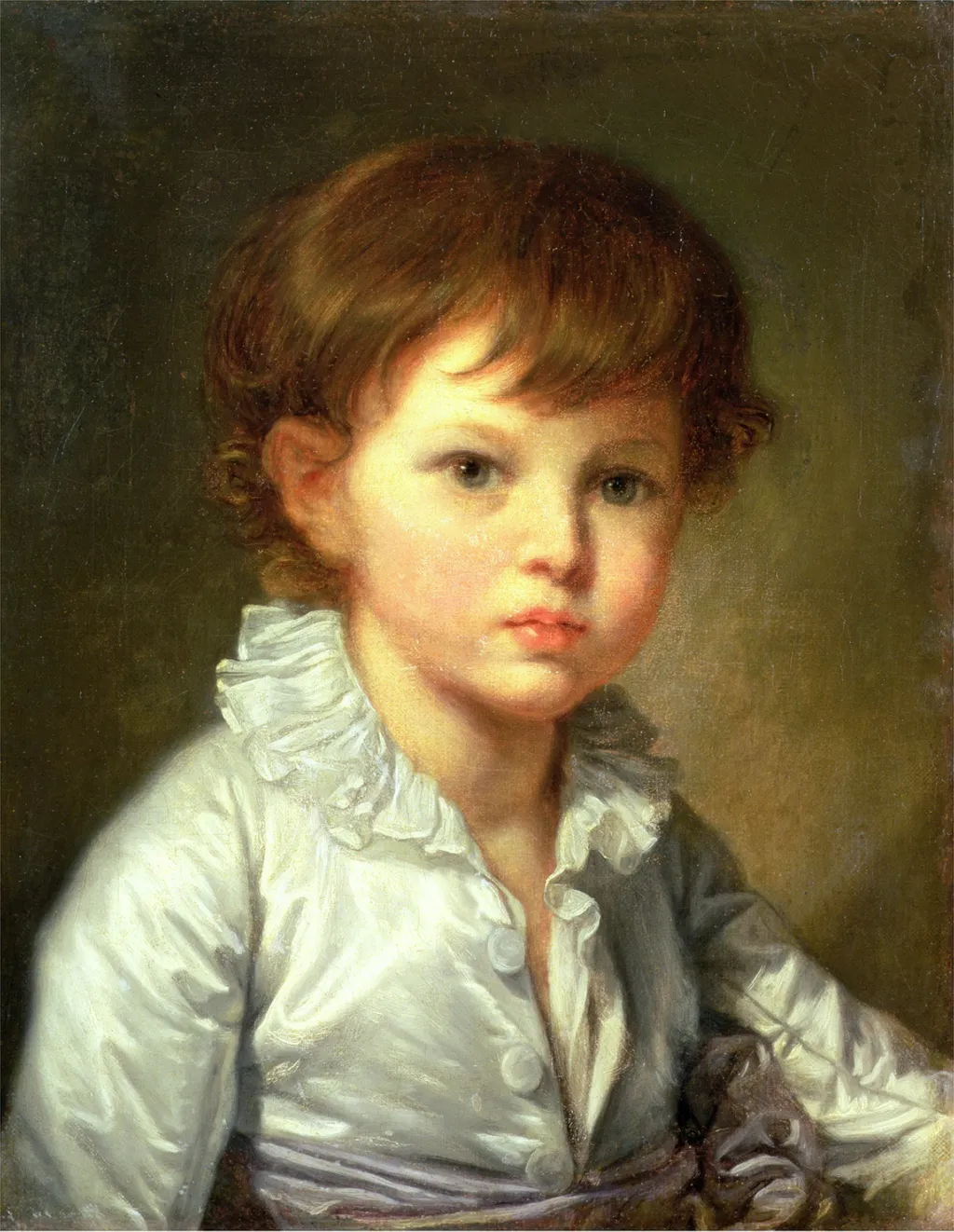
Portrait of Count Pavel Stroganov as A Child is an oil painting by the Rococo painting artist Jean-Baptiste Greuze. It dates from 1790 and is held in the collection of the Hermitage Museum.
About this work
Overview
The Portrait of Count Pavel Stroganov as A Child is an oil on canvas painting by the French artist Jean-Baptiste Greuze, dated 1778.
The Portrait of Count Pavel Stroganov as A Child is an oil on canvas painting by the French artist Jean-Baptiste Greuze, dated 1778. Measuring 50 by 40 centimetres, the work depicts a young Russian aristocrat at approximately four years of age and is currently held in the collection of the State Hermitage Museum in St. Petersburg. The painting exemplifies Greuze's skill in intimate portraiture and serves as a significant document of Franco-Russian aristocratic cultural exchange during the late Enlightenment period. It captures a subject who would later become a prominent military commander and statesman under Alexander I of Russia.
Subject & Meaning
The portrait depicts Pavel Alexandrovich Stroganov, born on 18 June 1774 in Paris to the wealthy and influential Stroganov family. At the time of the portrait, the Stroganovs were resident in Paris at the court of Louis XVI and Marie Antoinette, having relocated following the 1769 marriage of Pavel's parents. The child's full name and title, Count Pavel Stroganov, signals his position within one of Russia's most prominent noble families. The depiction of the young count in a white ruffled shirt, pale blue-gray jacket with buttons, and purple sash conveys aristocratic status through refined, rather than ostentatious, dress. The neutral expression and direct outward gaze, combined with the absence of any background detail, focus attention entirely on the sitter's presence and social identity. The purple sash may allude to honours or future military rank, though its specific significance remains unstated in available sources. The portrait thus functions simultaneously as familial keepsake and assertion of lineage, produced at a moment when the Stroganov family occupied a privileged position between French and Russian court cultures.
Technique & Style
Greuze executed the portrait in oil on canvas, working at a modest scale of 50 by 40 centimetres. The composition is bust-length, with the figure facing three-quarters toward the viewer and the head turned slightly to the right. Light enters from the upper left, illuminating the left side of the face and the white fabric while allowing the right side to recede into gentler shadow. The handling of paint varies across the surface: the face is rendered with smooth, blended brushwork that creates a soft, almost porcelain finish, while the clothing and the muted dark olive-brown background are treated with looser, more visible strokes. This differential handling draws the viewer's focus to the child's features while maintaining overall pictorial coherence. The restrained palette of warm browns, creamy whites, and soft blue-grays contributes to the intimate, contemplative atmosphere. The surface now shows fine craquelure throughout, consistent with its age and the oil medium on canvas support. These technical and stylistic choices align with Greuze's broader practice in portraiture, where psychological penetration and surface refinement were paramount.
History & Provenance
The painting was created in France in 1778, during the period when the Stroganov family maintained their residence in Paris. The work's early provenance is closely tied to the Stroganov family collections. By 1923, it was documented in the Stroganov Palace Museum in Petrograd, indicating its continuous association with the family estate before the Russian Revolution and subsequent nationalisation of private collections. The portrait is now in the State Hermitage Museum, St. Petersburg, though the precise date of its accession to the museum remains unspecified in available sources. The painting has been reproduced and licensed through commercial image archives including Bridgeman Images and Alamy, suggesting its established place in the canon of European portraiture accessible to scholars and the general public. No exhibition history beyond its museum location has been recorded in the provided sources.
Context
Jean-Baptiste Greuze (1725-1805) achieved renown in mid-to-late eighteenth-century France for his genre scenes and portraits that combined moral sentiment with technical precision. The commission from the Stroganov family places this work within the context of Greuze's international patronage among European aristocracy. The Stroganovs' presence in Paris during the 1770s exemplifies the cosmopolitan networks of the Russian nobility, who frequently engaged French artists, tutors, and intellectuals. Pavel Stroganov's own education by Gilbert Romme, a French mathematician and later revolutionary figure, further illustrates this pattern of Franco-Russian cultural exchange. The portrait thus emerges from a specific moment when Russian aristocratic families sought to document their status through engagement with leading French artistic practitioners. Critical reception of Greuze's work has historically oscillated between appreciation for his technical accomplishment and reservations about his sentimental tendencies; this portrait, with its restrained emotional register, may represent a more direct engagement with aristocratic portraiture conventions than his better-known moralising genre subjects.
Legacy
The portrait's significance extends beyond its value as a work by Greuze to encompass its documentary importance for understanding the Stroganov family and Russian aristocratic culture of the late eighteenth century. Its subject, Pavel Alexandrovich Stroganov, would become Lieutenant General and Adjutant General to Alexander I, participating in major conflicts including the Patriotic War of 1812 and the War of the Sixth Coalition, and serving as a member of the Privy Committee that outlined government reform. The childhood portrait thus preserves an image of a figure who would later occupy a significant position in Russian military and political history. The work's residence in the State Hermitage Museum ensures its continued visibility within one of the world's major collections of European art. Its reproduction and circulation through print and digital media, including commercial art print services, has extended its reach, though such commercial dissemination also raises questions about the transformation of historical portraiture into decorative commodity. The painting stands as a tangible connection between the French artistic milieu of the late Ancien Regime and the Russian aristocratic culture that would be transformed by the Napoleonic Wars and the eventual Decembrist era.
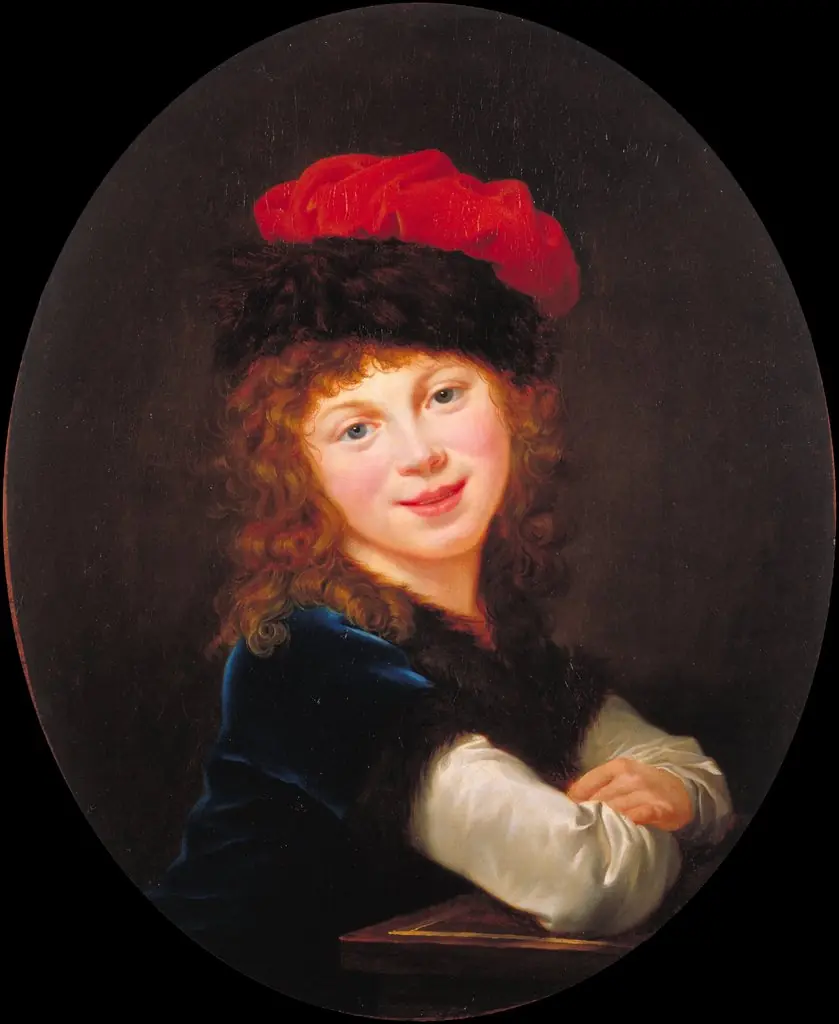
Own this work as a print
Artist & collection
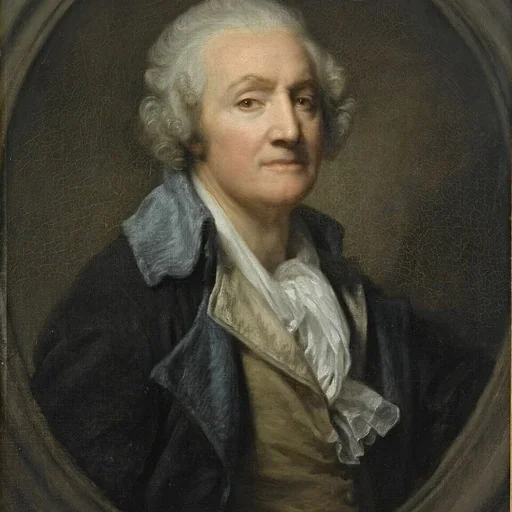
Artist
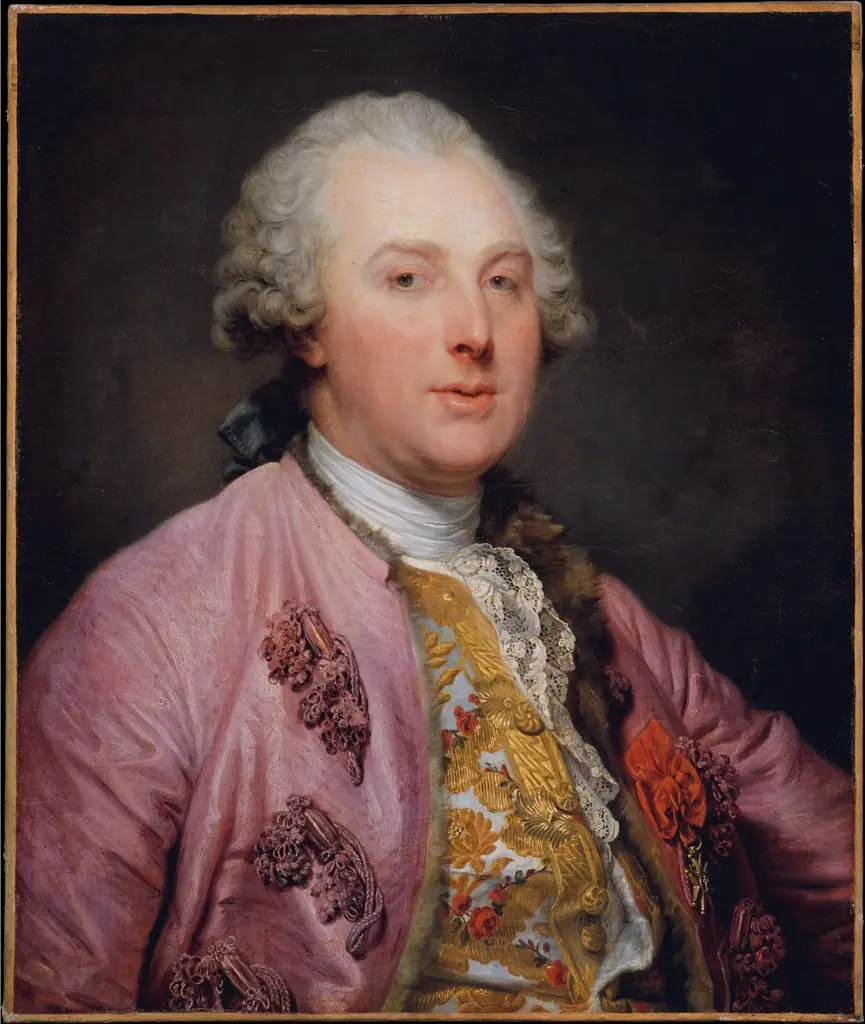
Jean-Baptiste Greuze (French pronunciation: 21 August 1725 – 4 March 1805) was a French painter of portraits, genre scenes, and history painting.

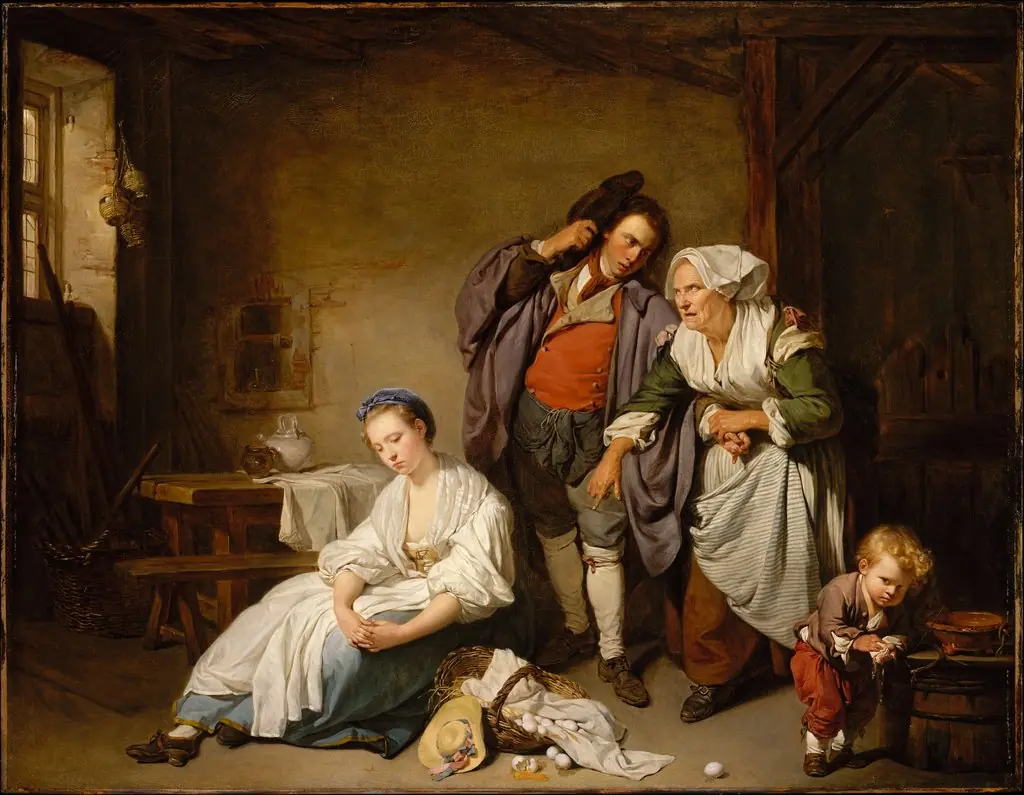
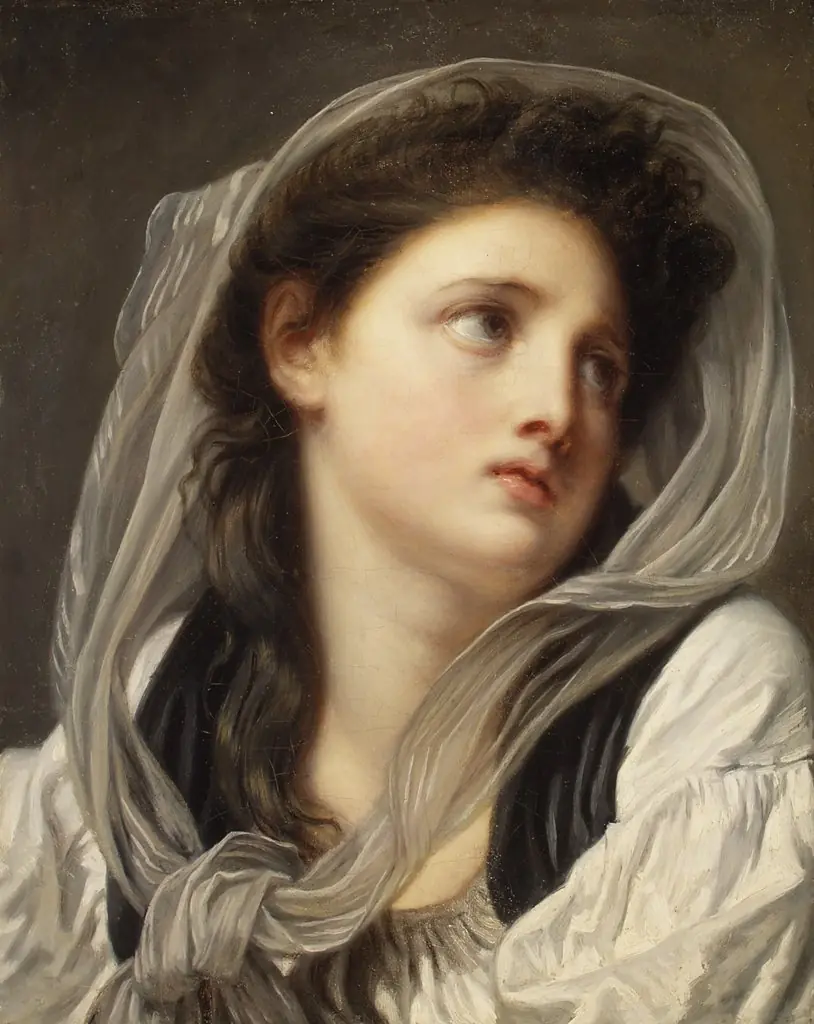
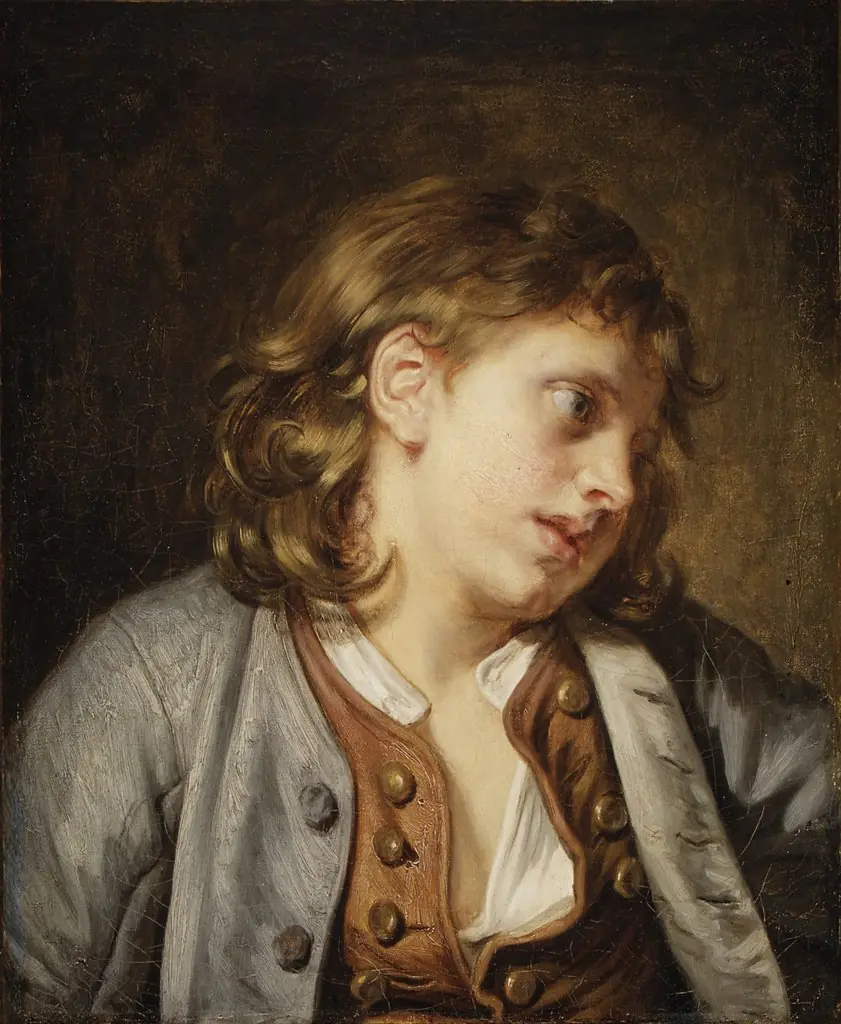
- Portrait of a Girl
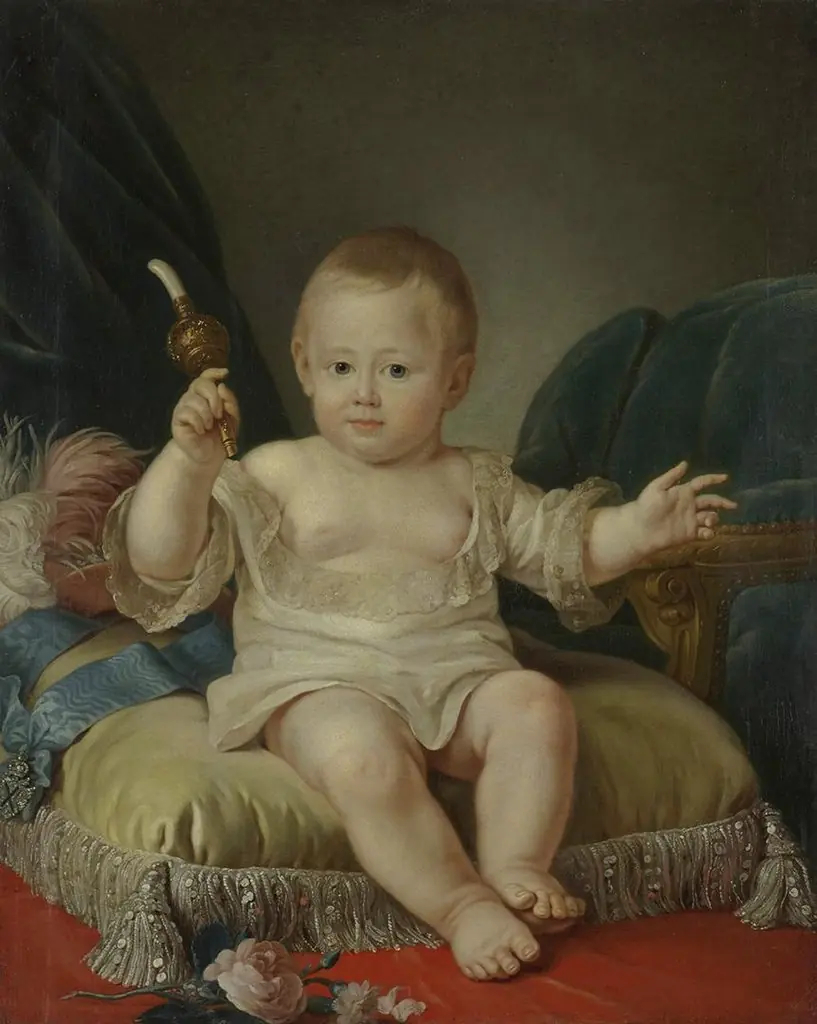 Portrait of Grand Duke Alexander Pavlovich as a Child
 Knabenbildnis
 Everard Benjamin
 Portrait of a Child of the Comminges Family
 Portrait of Oktawian Szukiewicz as a child
 Copilul
 Malvina Mortier de Trévise
 A Boy in a Red-lined Cloak
 Portrait of a boy
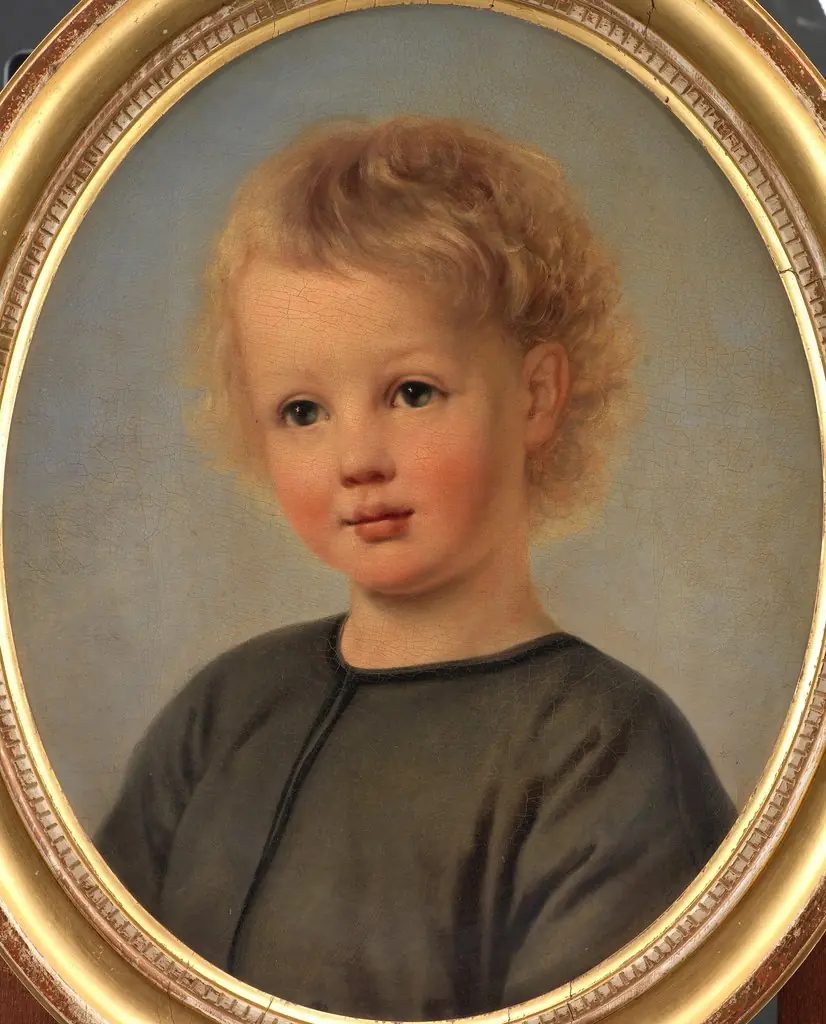 Portræt af Holger Aagaard Hammerich som 4-årig
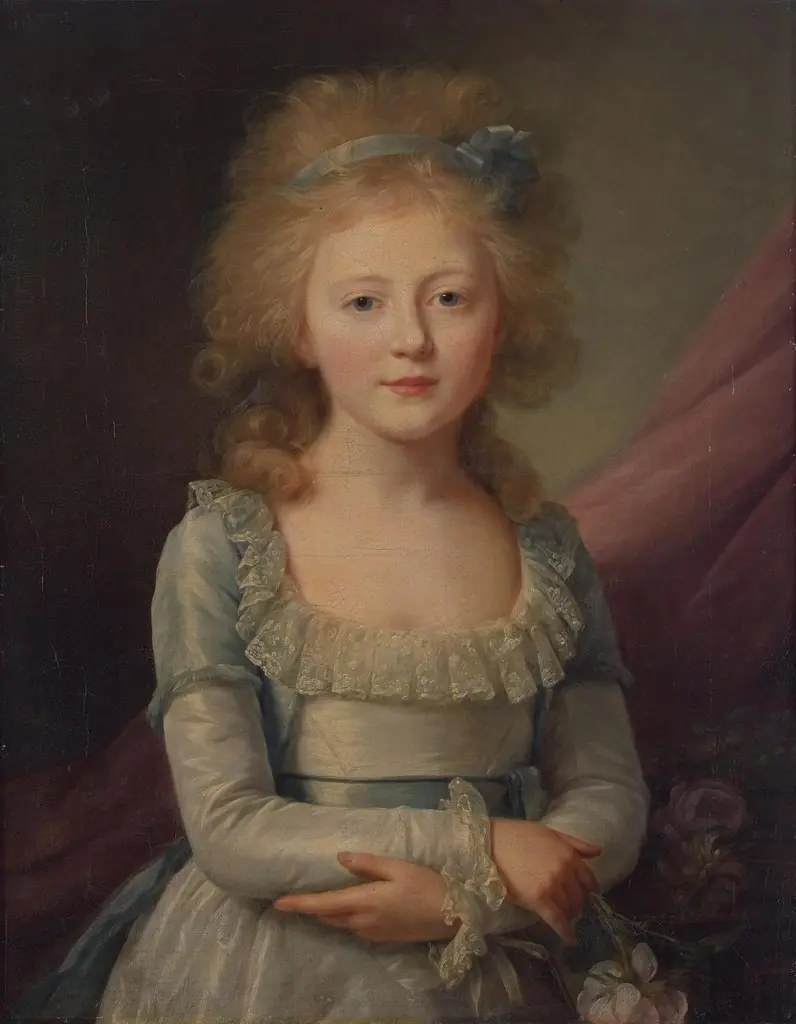 Portrait of grand Duchess Yelena Pavlovna as the Child