Artwork
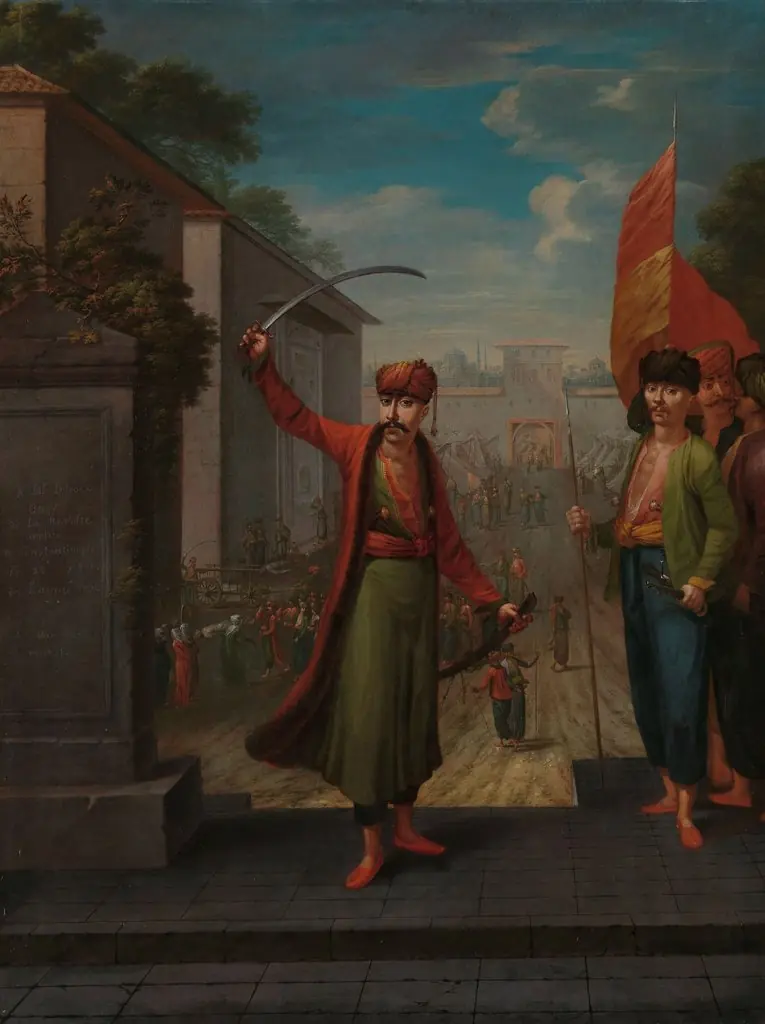
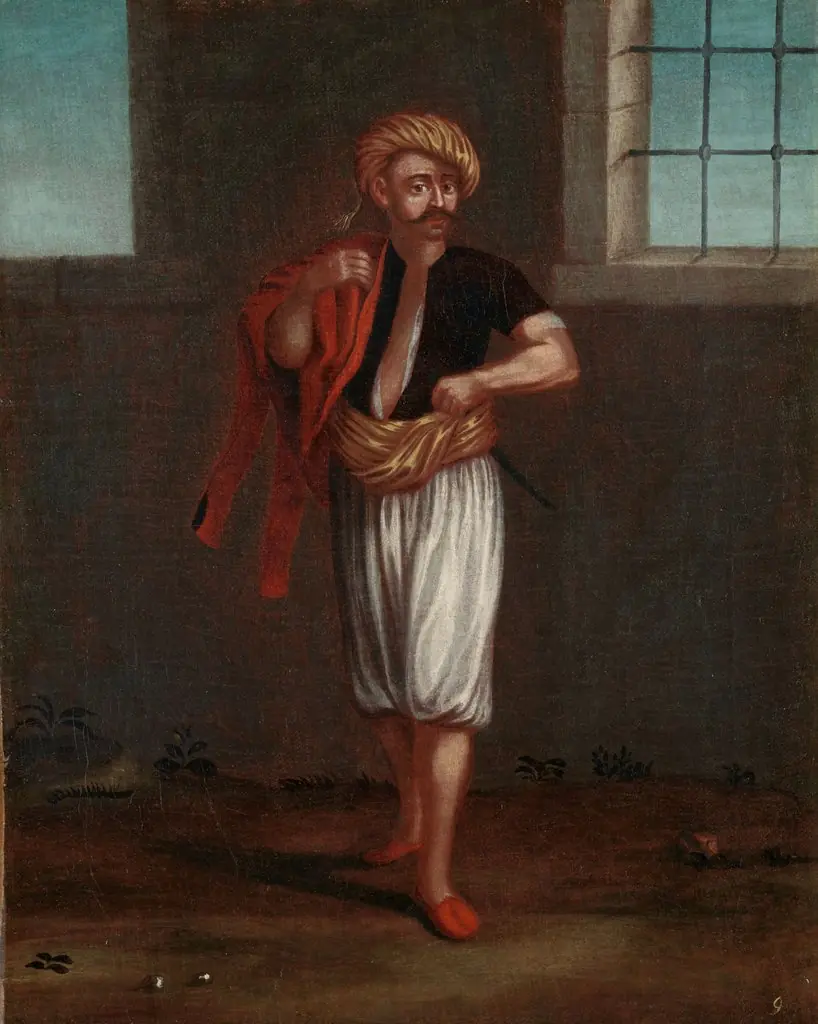
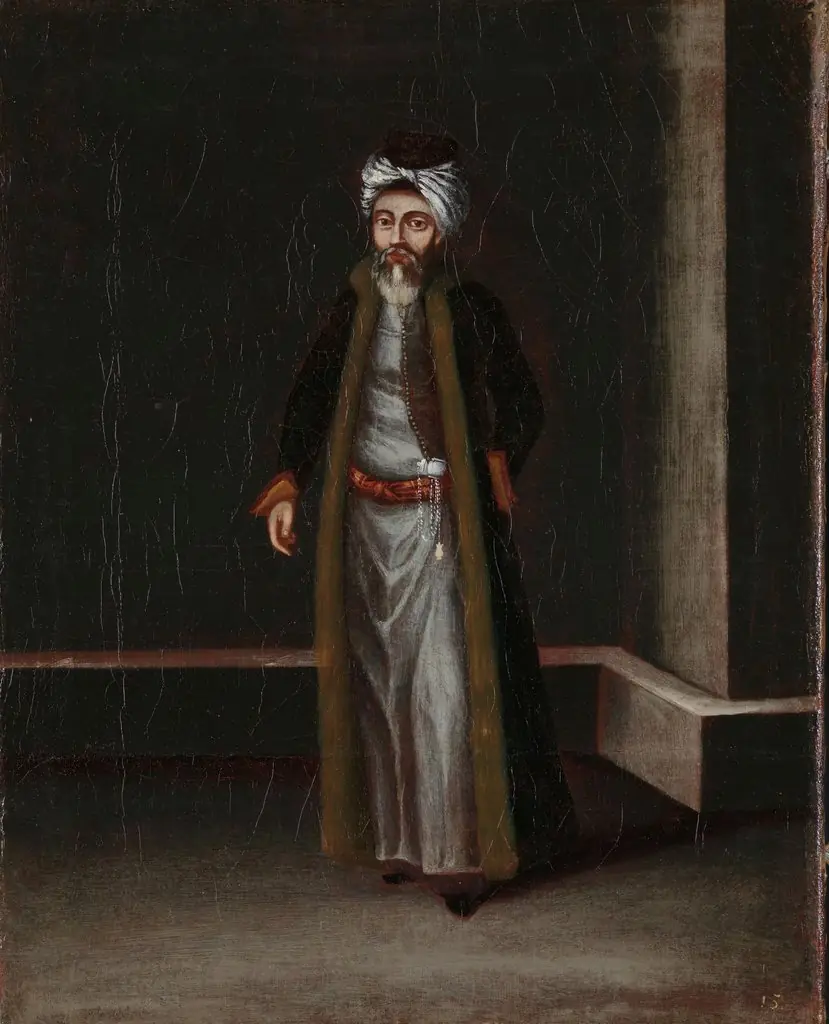
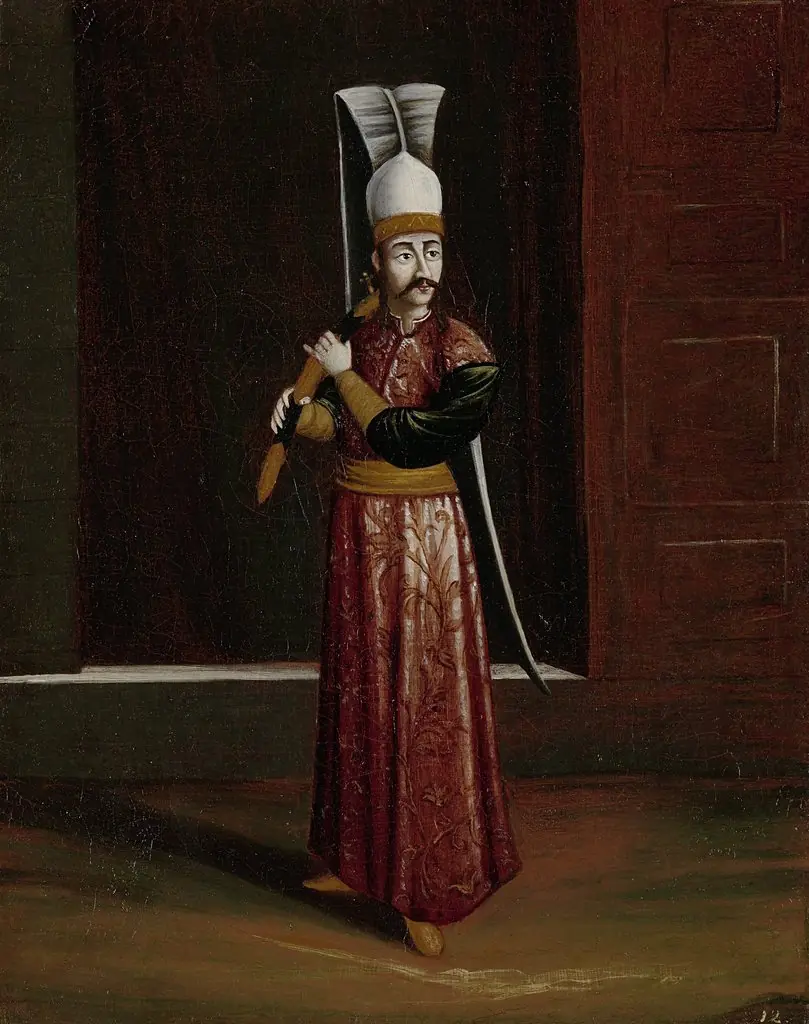
The Janissary Aga, Commander-in-Chief of the Janissaries
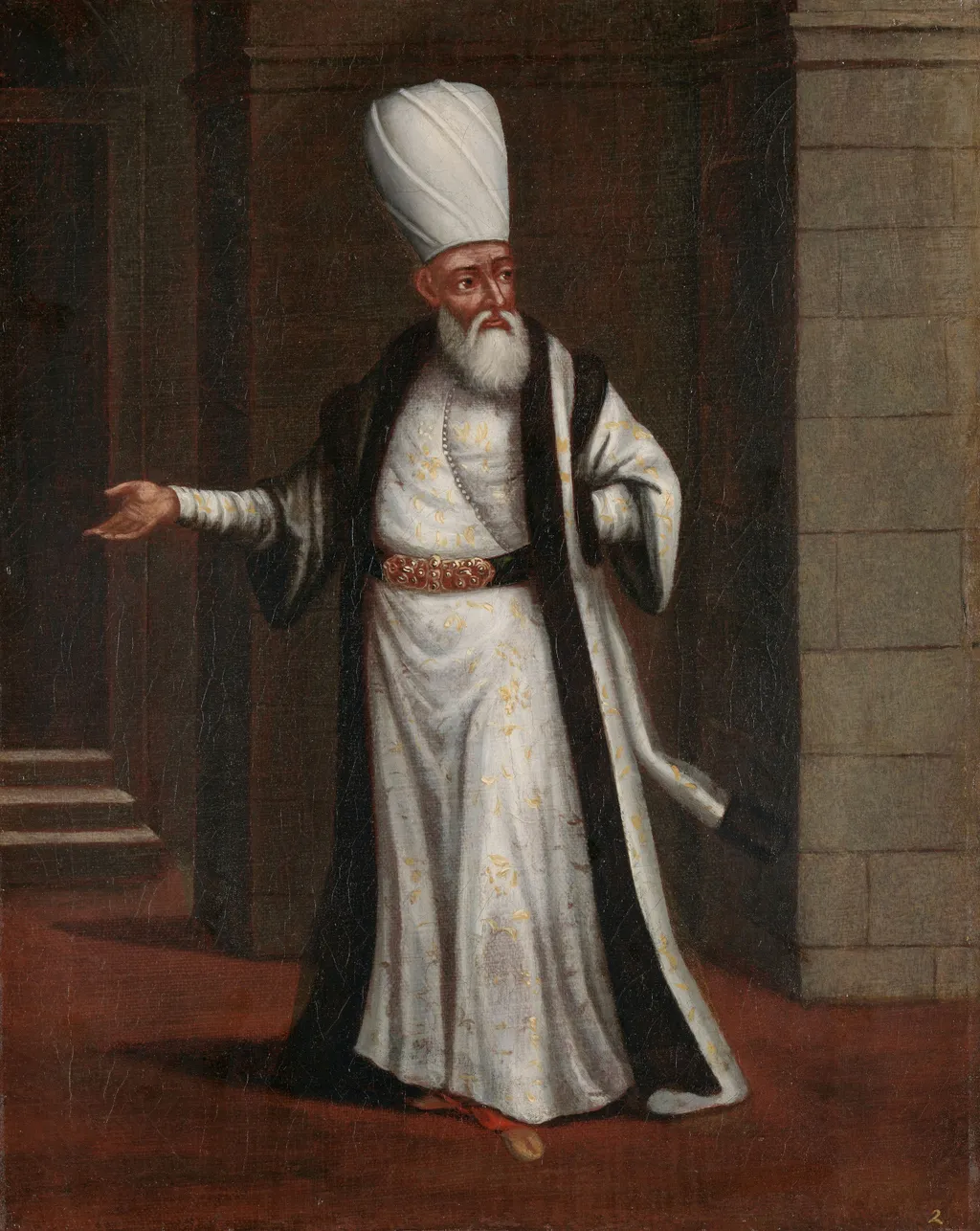
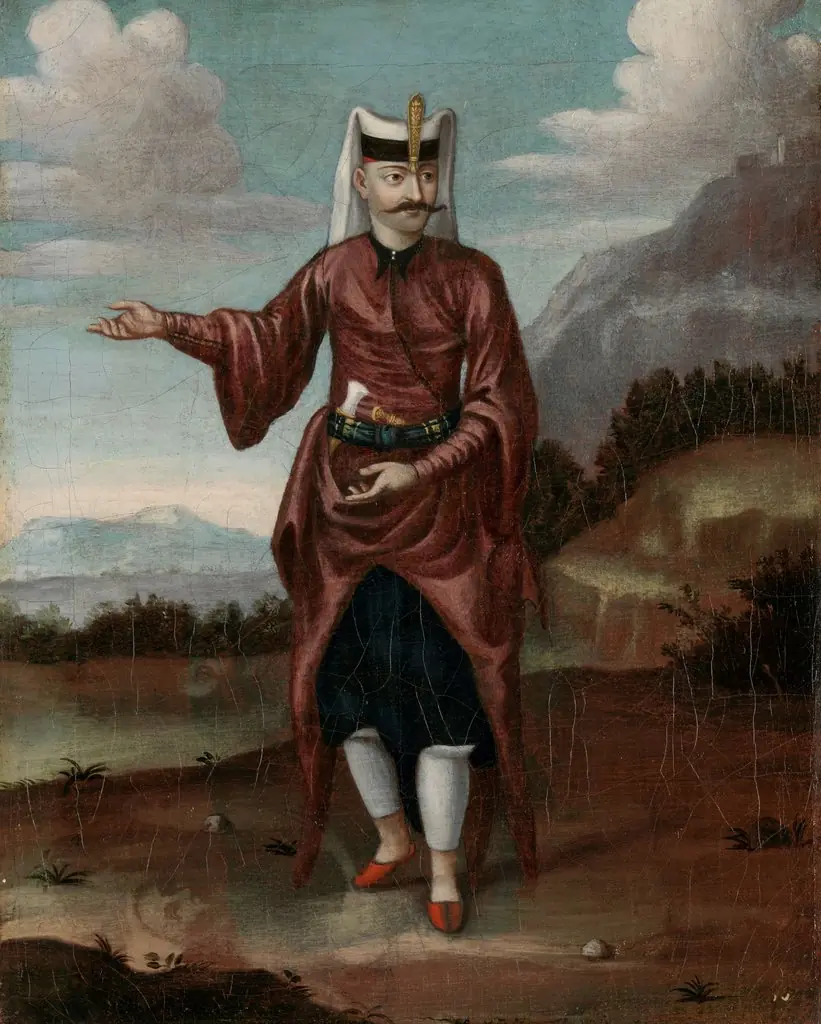
The Janissary Aga, Commander-in-Chief of the Janissaries is an oil painting by the Rococo painting artist Jean Baptiste Vanmour. It dates from 1718 and is held in the collection of the Rijksmuseum. Jean Baptiste Van Mour, a painter of Flemish origin who worked in France, completed this oil portrait in 1718.
About this work
Subject & Meaning
The work belongs to the genre of portraiture, focusing on the individual identity and rank of its sitter rather than a narrative or allegorical scene.
The painting portrays the Janissary Aga, the Commander-in-Chief of the Janissaries, the elite infantry corps that formed a central pillar of Ottoman military power. As a portrait of an agha, the work captures the figure of the highest-ranking officer of this corps, an office that carried both military authority and significant ceremonial status within the Ottoman hierarchy.
The work belongs to the genre of portraiture, focusing on the individual identity and rank of its sitter rather than a narrative or allegorical scene. Made in Istanbul in 1718, it reflects the European diplomatic and artistic interest in documenting Ottoman officials during a period when envoys such as Cornelis Calkoen, a former owner of the painting, were active in the Ottoman capital.
Technique & Style
Created in 1718, The Janissary Aga, Commander-in-Chief of the Janissaries is an oil painting executed on a canvas support. The work was produced in Istanbul by Jean Baptiste Vanmour, who utilized oil paint to render the portrait of an agha. As a portrait genre piece, the painting employs the medium of oil on canvas to depict the subject, reflecting the artistic practices of the period in the Ottoman capital. The specific handling and stylistic qualities align with Vanmour's documented approach to portraiture within this collection.
History & Provenance
The Janissary Aga, Commander-in-Chief of the Janissaries is an oil on canvas portrait painted in 1718 by Jean Baptiste Vanmour. It was created in Istanbul and originally owned by Cornelis Calkoen and his son Nicolaas Calkoen before entering the collection of the Rijksmuseum, where it remains today.
The painting is held in the Rijksmuseum collection in Amsterdam. Its inventory number is SK-A-2278. The work has been part of the Rijksmuseum's exhibitions showcasing Dutch Golden Age and Orientalist art, including displays focused on trade and diplomatic relations with the Ottoman Empire.
Context
The Janissary Aga, Commander-in-Chief of the Janissaries, painted in 1718 by Jean Baptiste Vanmour, exemplifies the European fascination with Ottoman elite portraiture during the early 18th century. Vanmour’s work reflects his role as a Dutch-French painter embedded in Istanbul’s diplomatic circles, capturing hierarchical authority through formalized European portrait conventions applied to Ottoman subjects. Its presence in the Rijksmuseum collection, acquired through historical ties to Dutch Levant trade networks, underscores its significance as both an artistic and colonial-era artifact.
Scholarship highlights the painting’s dual function as a diplomatic gift and a visual record of Janissary institutional power, situating it within broader debates about cultural exchange in Orientalist art. The work’s attribution to Vanmour, confirmed through archival documentation and stylistic analysis, remains central to understanding his Orientalist oeuvre within the context of 18th-century European engagement with Ottoman governance.
Overview
Jean Baptiste Van Mour, a painter of Flemish origin who worked in France, completed this oil portrait in 1718. The work depicts the agha, the senior commander of the Janissary corps, an elite military unit of the Ottoman Empire. It is part of the Rijksmuseum’s collection and exemplifies Van Mour’s interest in documenting Ottoman court life during the early eighteenth century.
Own this work as a print
Artist & collection
Artist
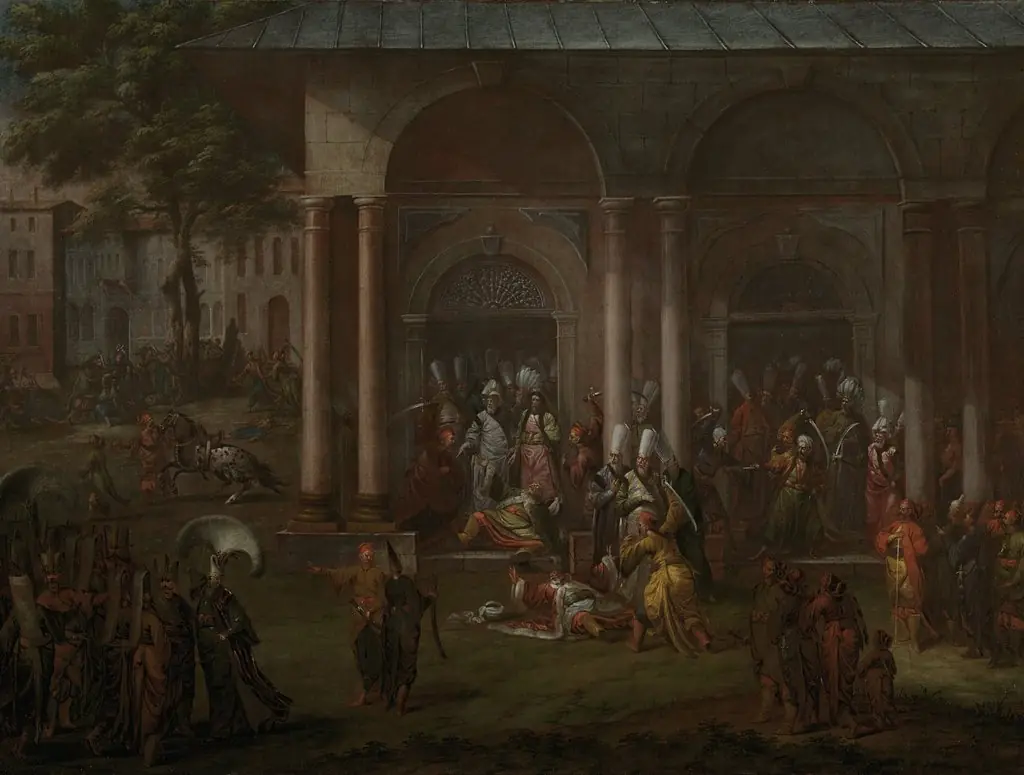
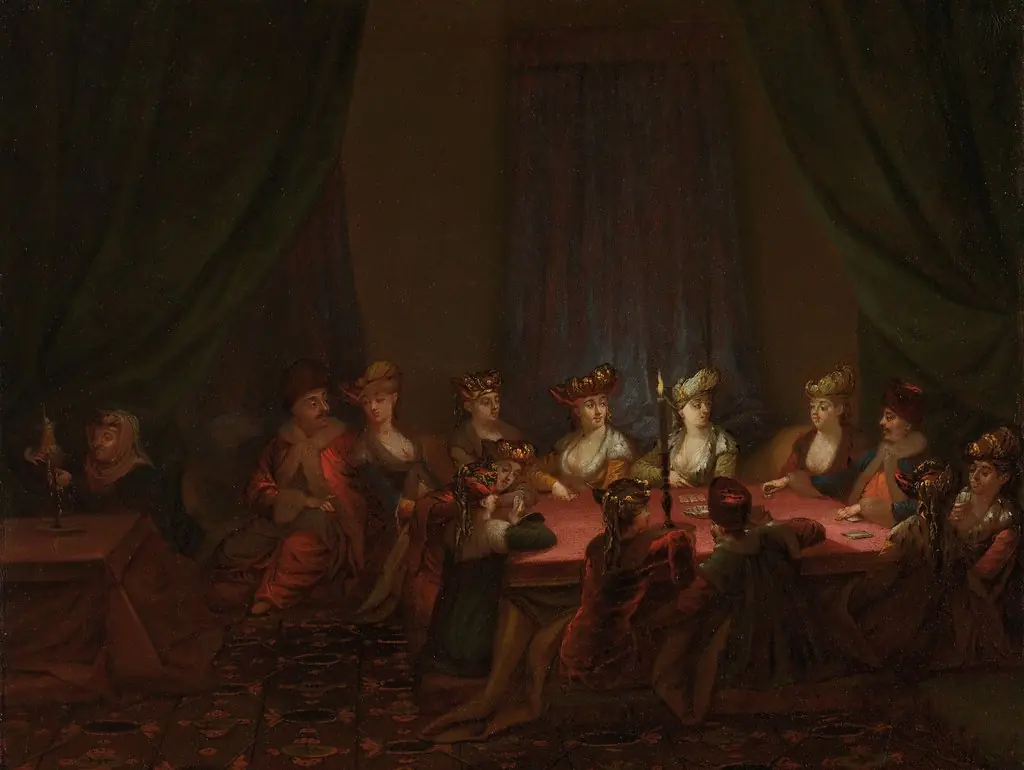
Jean Baptiste Vanmour or Van Mour (9 January 1671 – 22 January 1737) was a Flemish-French painter, remembered for his detailed portrayal of life in the Ottoman Empire during the Tulip Era and the rule of Sultan Ahmed III.