Artwork
The Capoudgi Bachi, Grand-master of the Seraglio
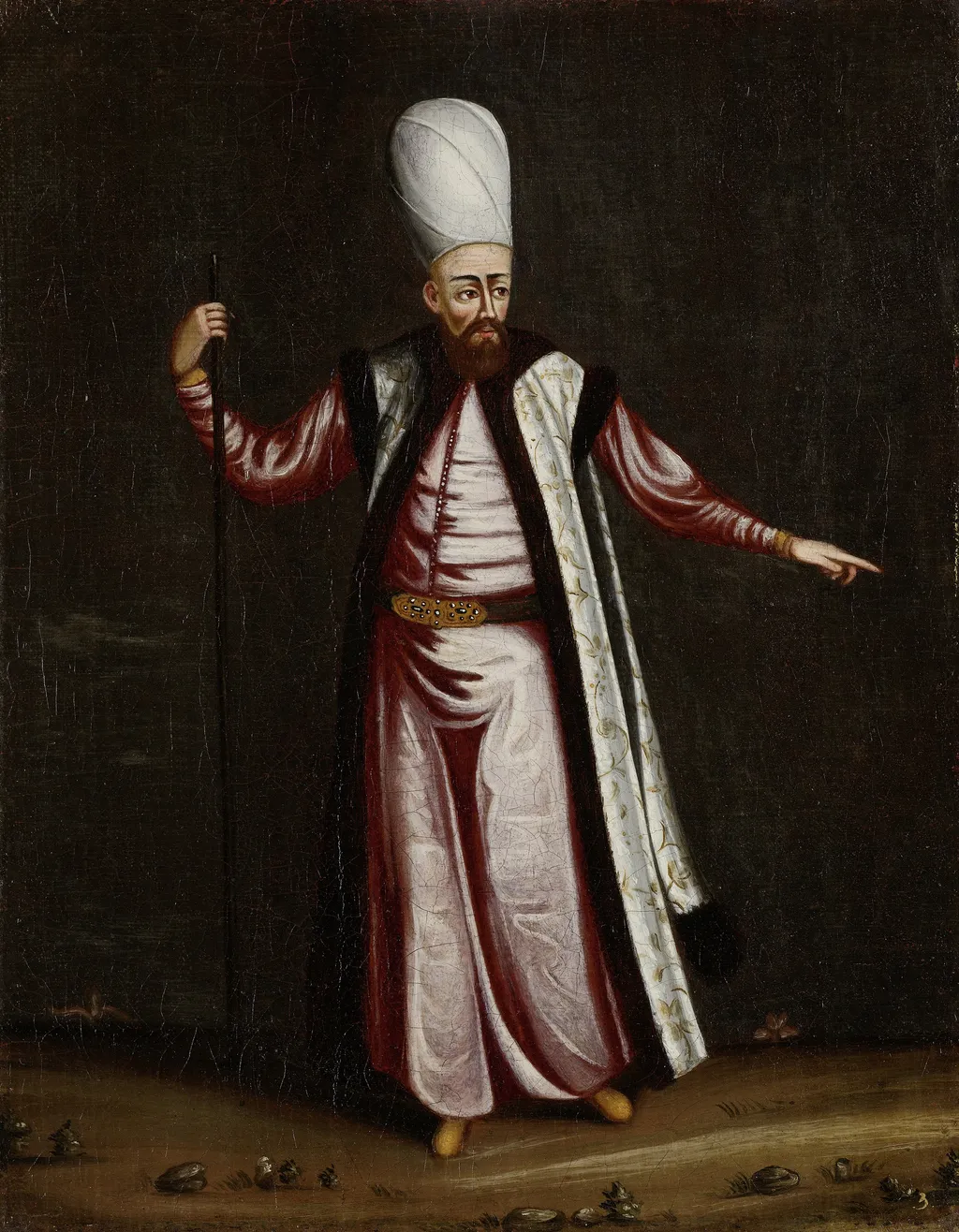
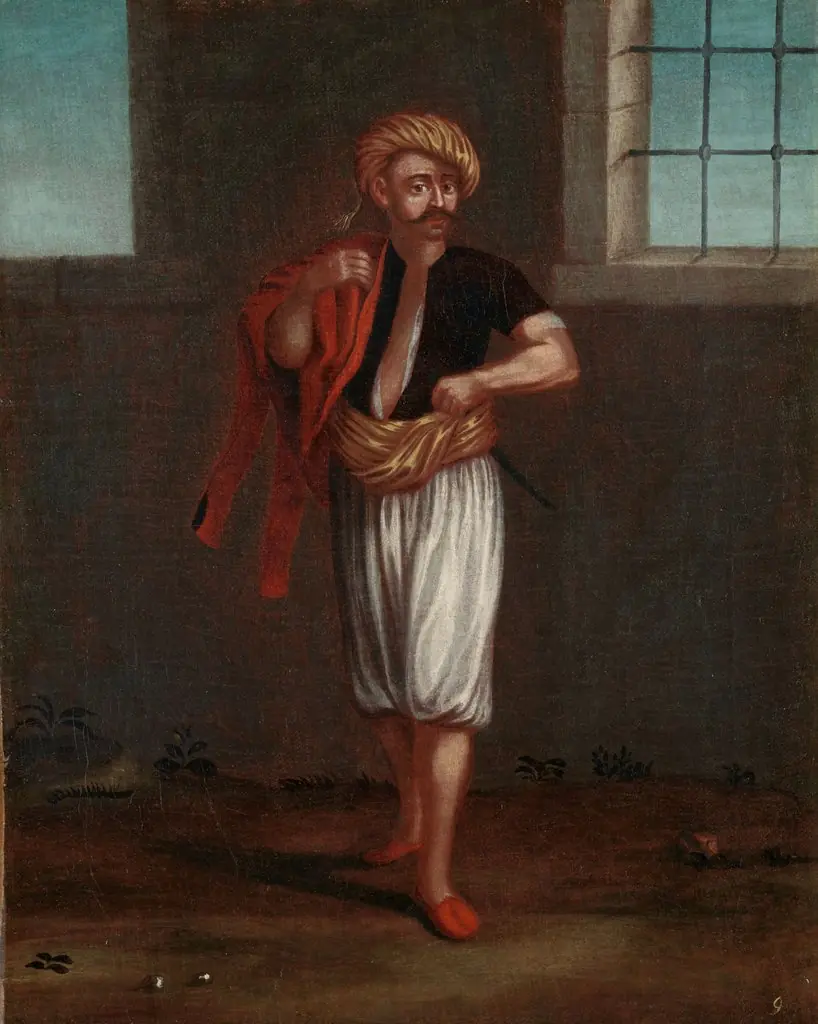
The Capoudgi Bachi, Grand-master of the Seraglio is an oil painting by the Orientalist artist Jean Baptiste Vanmour. It dates from 1718 and is held in the collection of the Rijksmuseum.
About this work
Technique & Style
The painting is executed in oil on canvas, a medium typical of Vanmour’s portrait practice in the early eighteenth century.
The painting is executed in oil on canvas, a medium typical of Vanmour’s portrait practice in the early eighteenth century. The support is a medium-weight canvas, prepared with a ground layer and sized before the application of paint. Handling appears fluid and precise, with careful attention to facial features and costume details that align with contemporary European portrait conventions adapted to Ottoman settings.
The work’s condition is not documented in the sources; no abrasions, tears, or significant losses are noted. Stylistically, the portrait combines realistic modeling of the sitter’s face with restrained handling of drapery and accessories, reflecting the restrained elegance characteristic of Vanmour’s diplomatic and court imagery.
History & Provenance
Jean Baptiste Vanmour created the oil-on-canvas portrait The Capoudgi Bachi, Grand-master of the Seraglio in 1718 while working in Istanbul. The work measures 39 cm in height and 31 cm in width. Historical records indicate the painting was owned by Cornelis Calkoen and Nicolaas Calkoen before entering the collection of the Rijksmuseum.
It is currently held within the museum's holdings of the Directie van de Levantse handel en de Navigatie op de Middellandse Zee and the Koninklijk Kabinet van Zeldzaamheden.
The Capoudgi Bachi, Grand-master of the Seraglio, painted by Jean Baptiste Vanmour in 1718, is part of the Rijksmuseum collection in Amsterdam. It was acquired from the Directie van de Levantse handel en de Navigatie op de Middellandse Zee and the Koninklijk Kabinet van Zeldzaamheden, and is catalogued under inventory number SK-A-1234. The work has been exhibited in the Rijksmuseum’s 18th-century portrait gallery and featured in the exhibition 'Oriental Encounters: Dutch Artists and the Ottoman World' in 2005.
Context
The Capoudgi Bachi, Grand-master of the Seraglio is recognized as a significant portrait within Vanmour's oeuvre, reflecting his role in documenting Ottoman elite society during the early 18th century. Its creation in Istanbul in 1718 aligns with the artist's documented period of activity in the Levant, where he produced works for European patrons connected to diplomatic and commercial networks. The painting's inclusion in the Rijksmuseum collection, originally owned by Cornelis and Nicolaas Calkoen, underscores its historical journey from Ottoman context to European institutional preservation.
Legacy
The Capoudgi Bachi, Grand-master of the Seraglio has influenced later depictions of Ottoman officials in European portraiture by establishing a visual template for representing high-ranking Ottoman figures. Its presence in the Rijksmuseum collection and scholarly attention to Dutch-Ottoman diplomatic relations have reinforced its reputation as a key artifact of 18th-century cross-cultural representation. The painting's detailed rendering of Ottoman ceremonial dress and its provenance through the Calkoen family highlight its role in illustrating the complexities of diplomatic exchange between the Dutch Republic and the Ottoman Empire.
Overview
The Capoudgi Bachi, Grand-master of the Seraglio is an 1718 oil painting by Jean Baptiste Vanmour, depicting a high-ranking Ottoman official in the Seraglio. Characterized by precise, documentary-style representation, the work reflects Vanmour's firsthand observations of Ottoman customs during the Tulip Era under Sultan Ahmed III.
Subject & Meaning
The subject is a Capoudgi Bachi, a grand-master within the Ottoman Seraglio, portrayed in ceremonial attire. The painting captures the official's authority through his regalia and gesture, with one hand holding a staff and the other directing attention, conveying command.
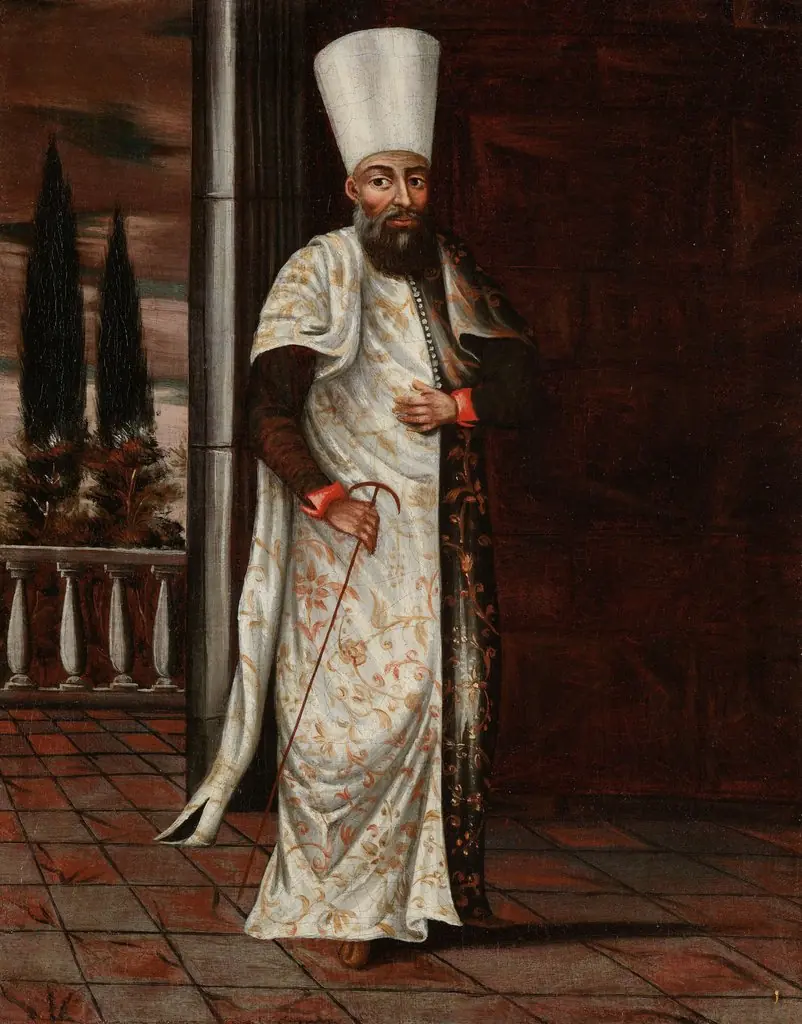
Own this work as a print
Artist & collection
Artist
Jean Baptiste Vanmour or Van Mour (9 January 1671 – 22 January 1737) was a Flemish-French painter, remembered for his detailed portrayal of life in the Ottoman Empire during the Tulip Era and the rule of Sultan Ahmed III.

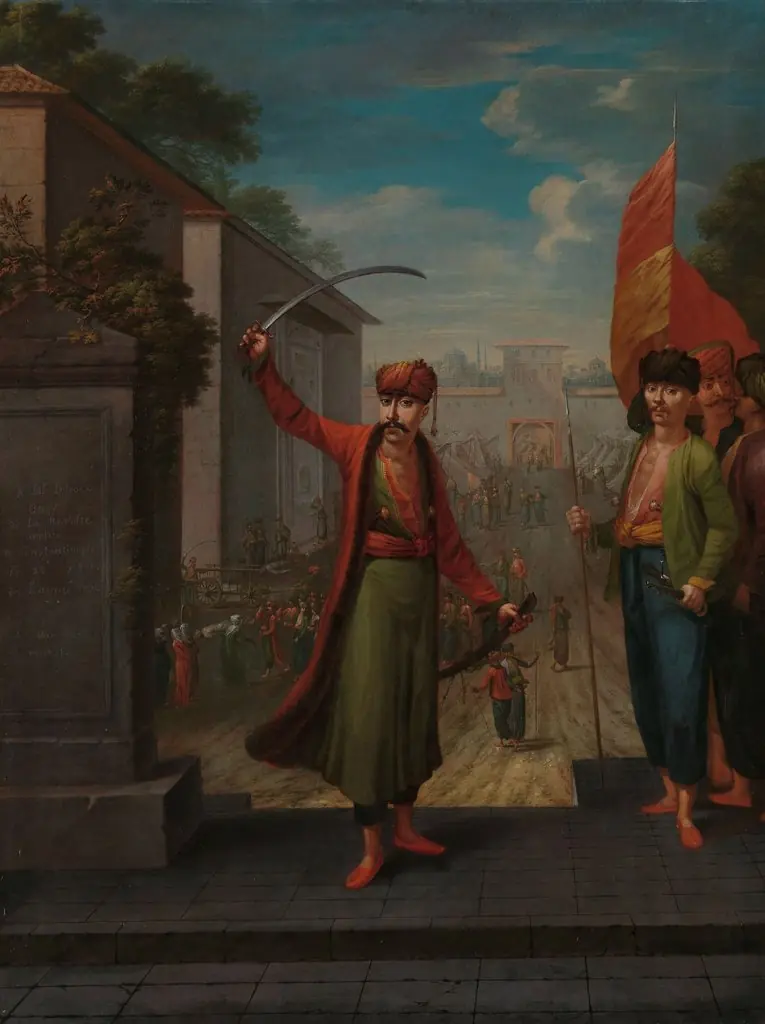
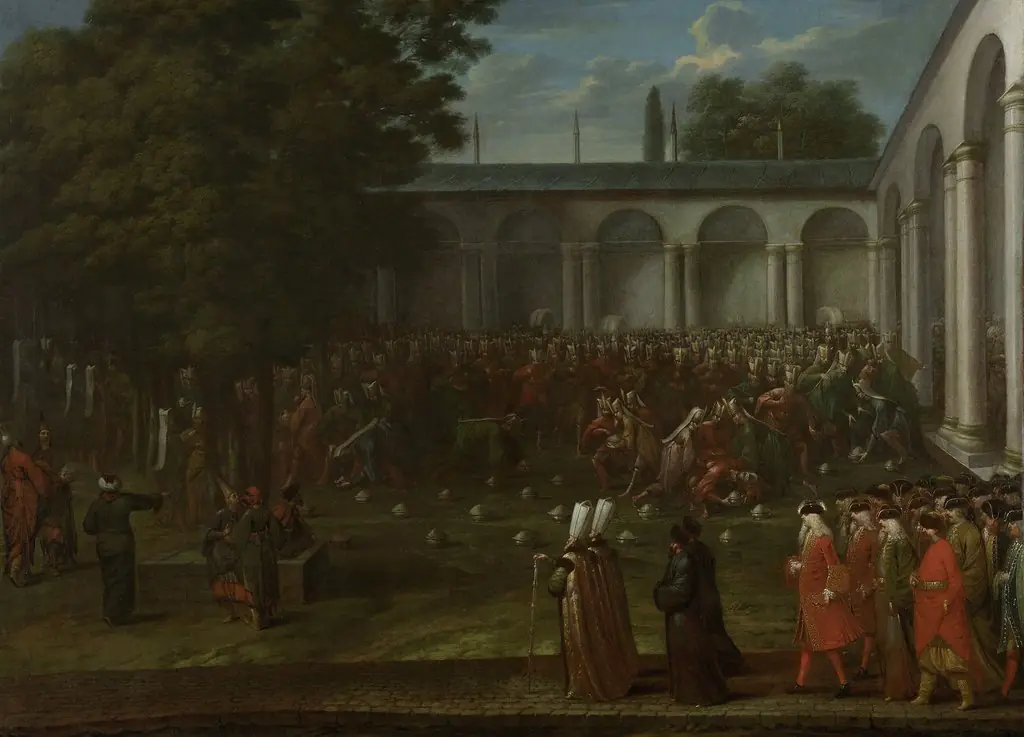
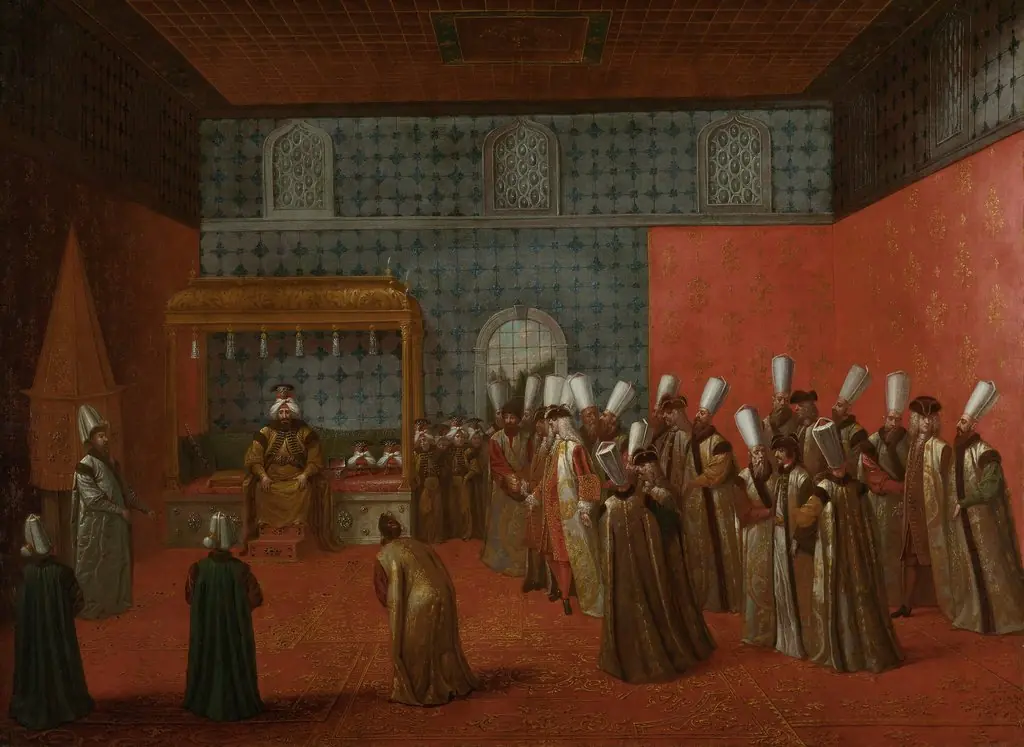
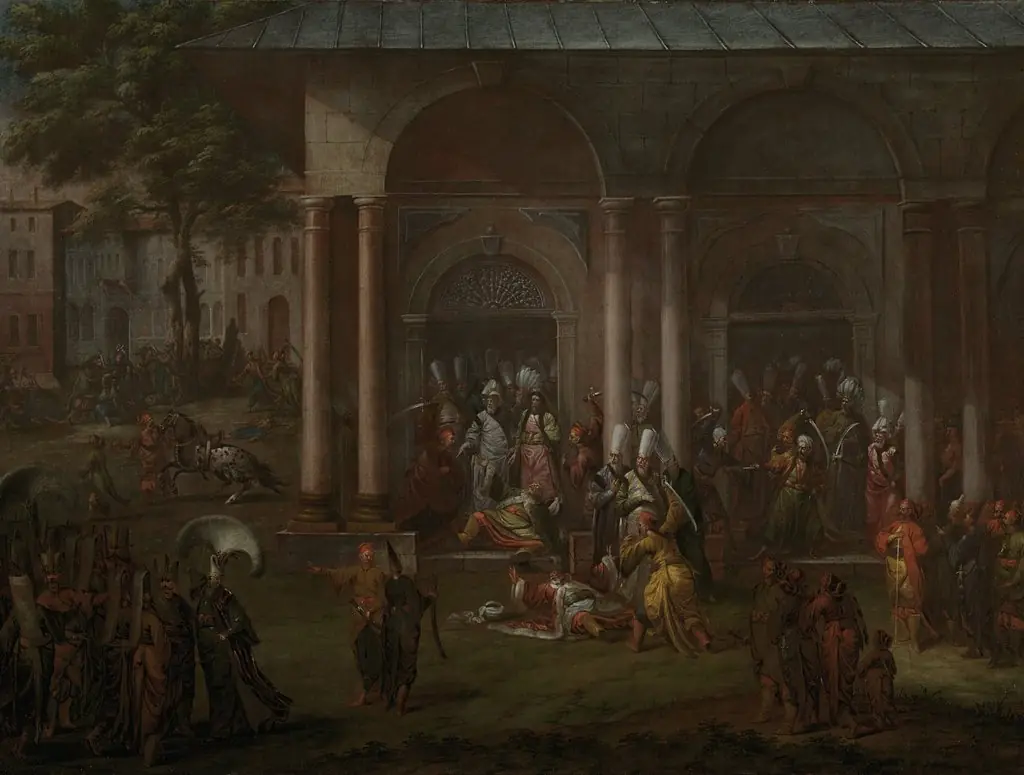
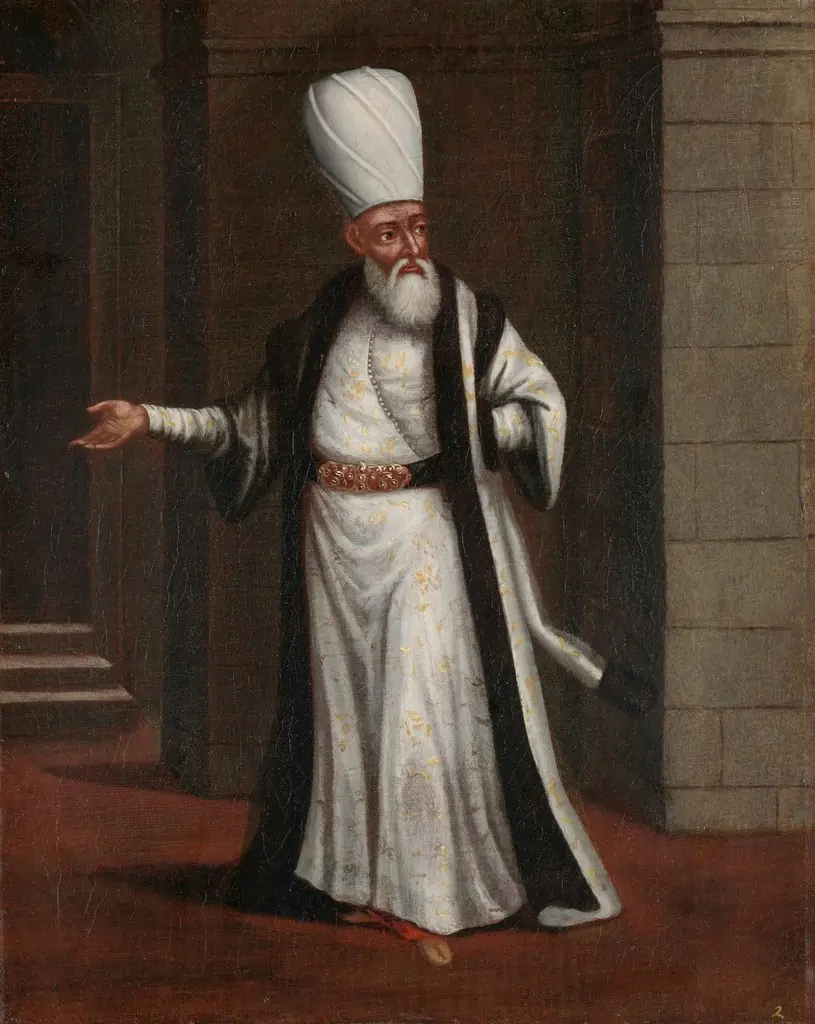 The Janissary Aga, Commander-in-Chief of the Janissaries
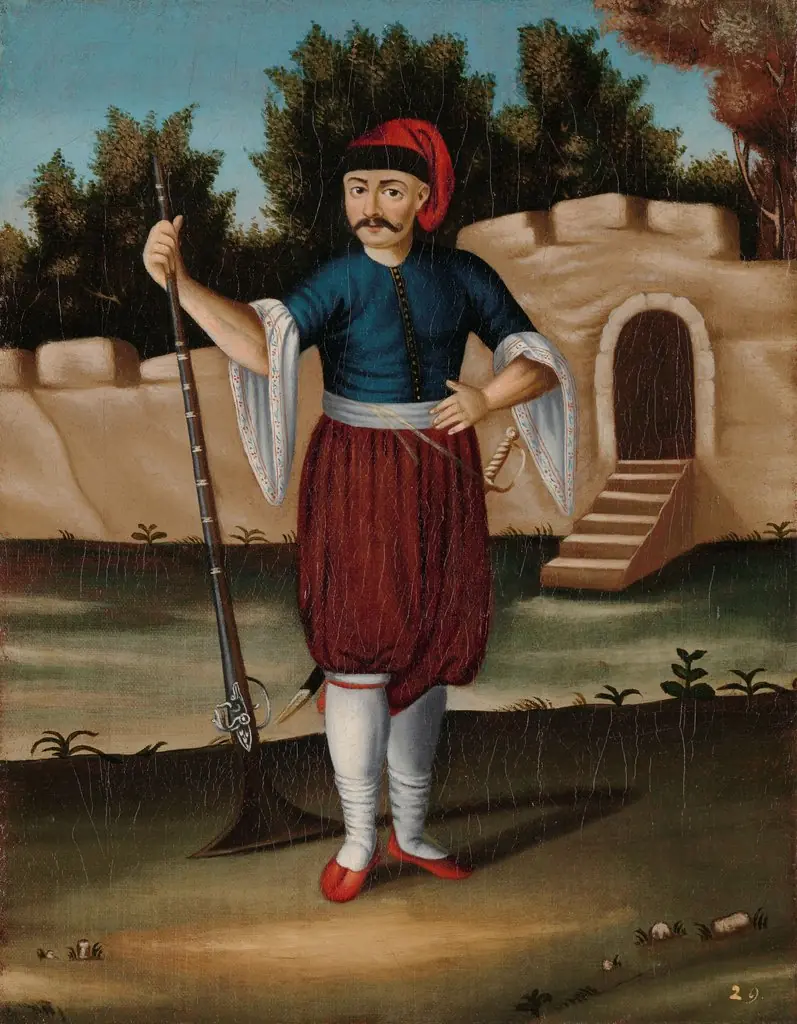
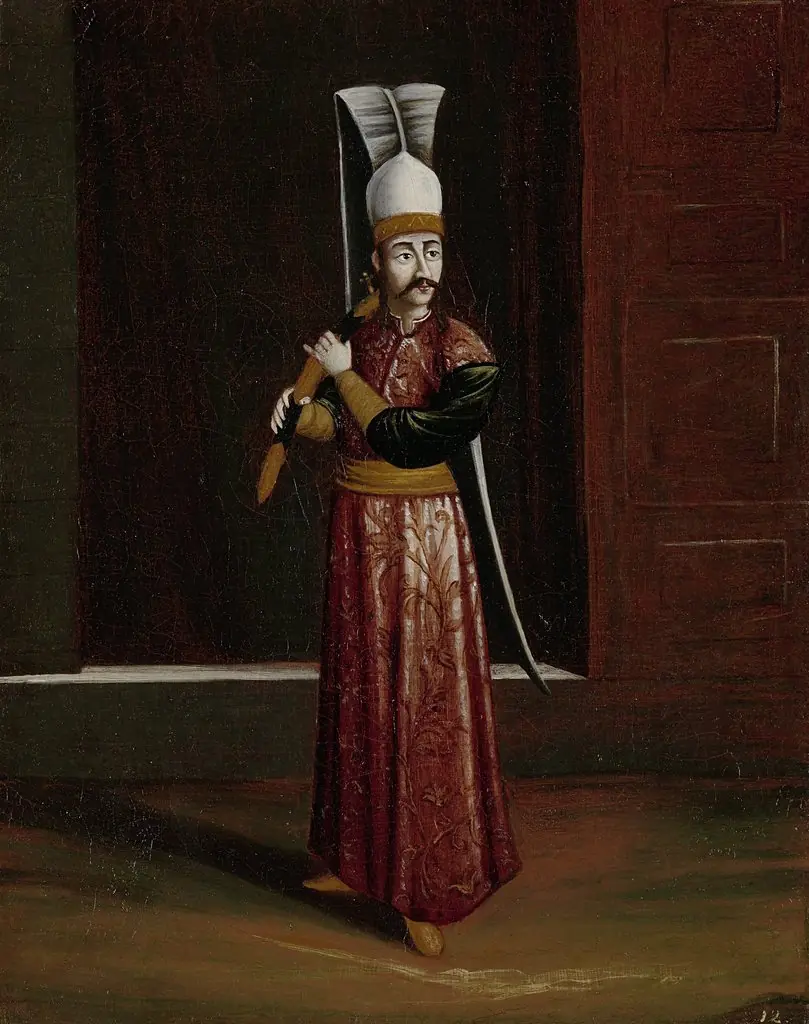 Seliktar Agassi, Equerry to the Sultan (Supreme Weapon-Bearer)
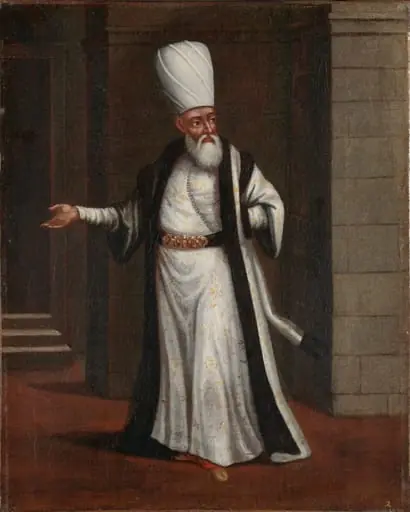 The Janissary Aga, Commander-in-Chief of the Janissaries
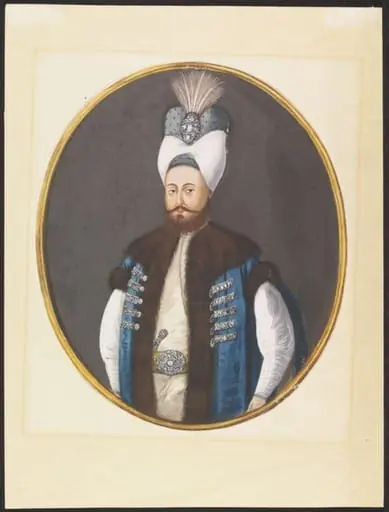 Portrait of a sultan
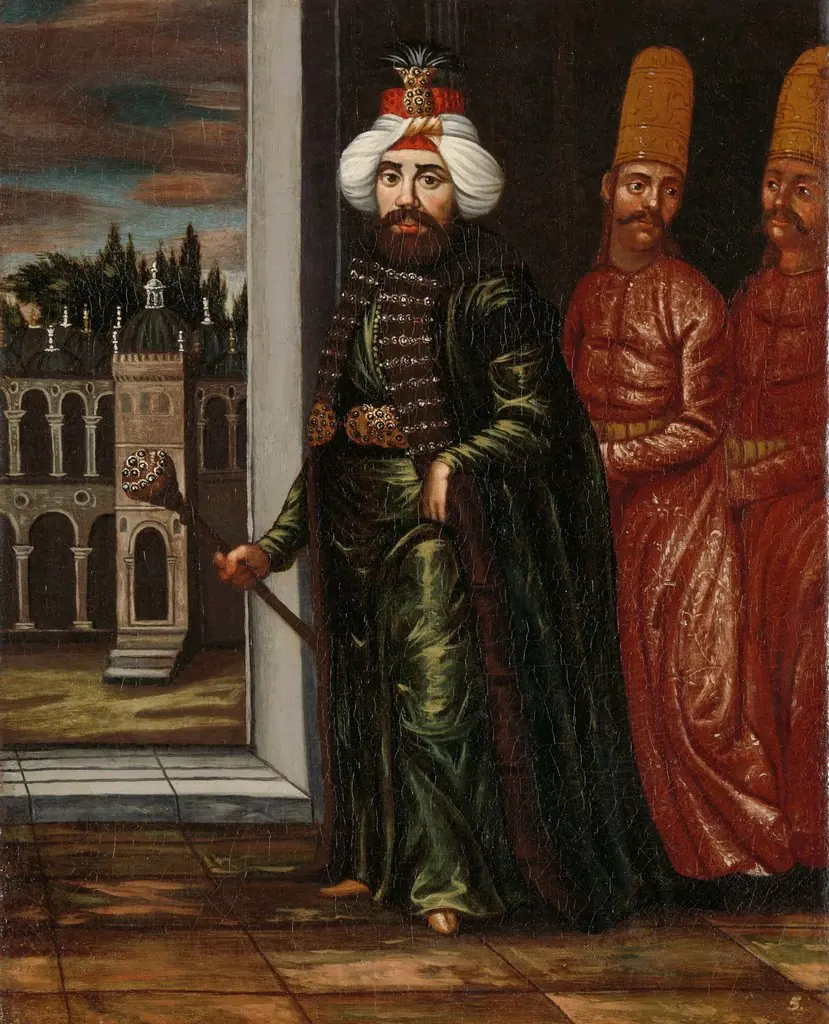 Portrait of Sultan Ahmed III
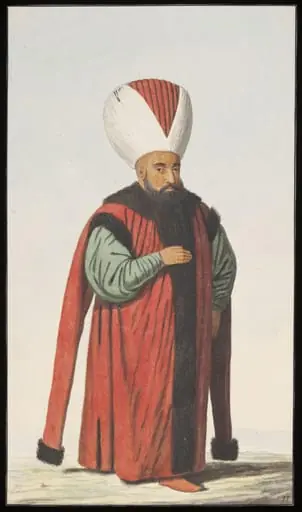 Reis Efendi or Minister
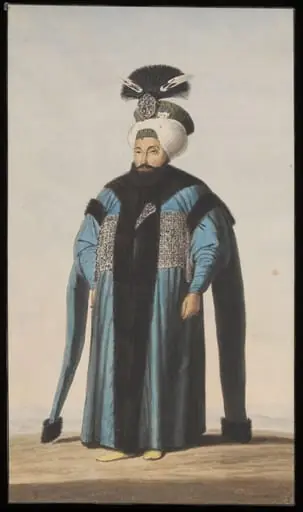 Portrait of Sultan Mahmud II of Turkey
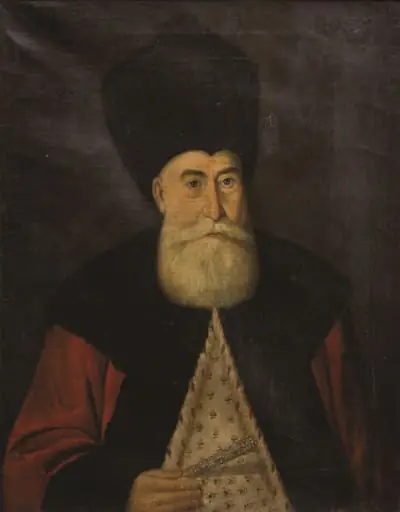 Portretul banului Dimitrie Ghica
- The Chaous Bachi