Artwork
Man from the Island of Tinos
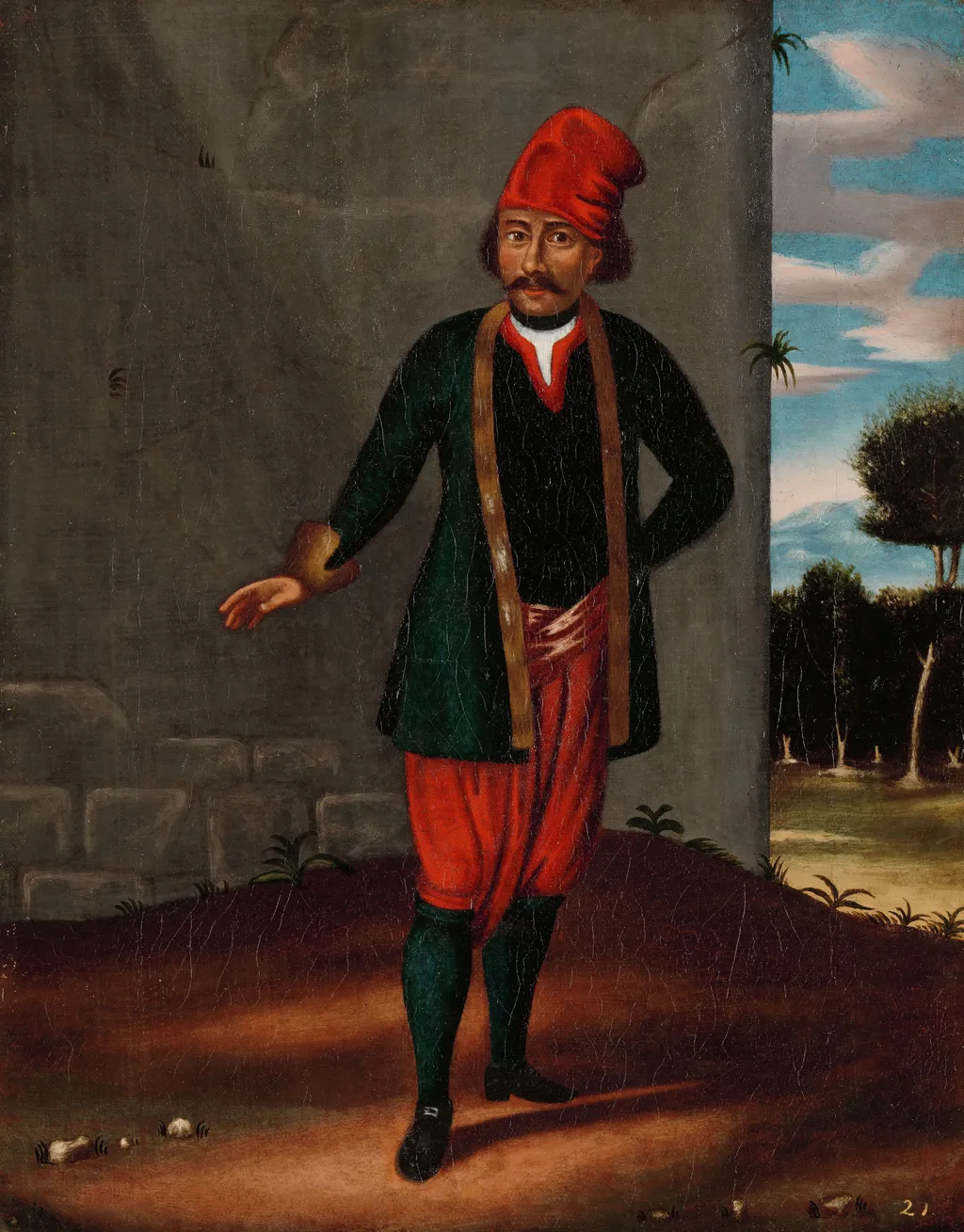
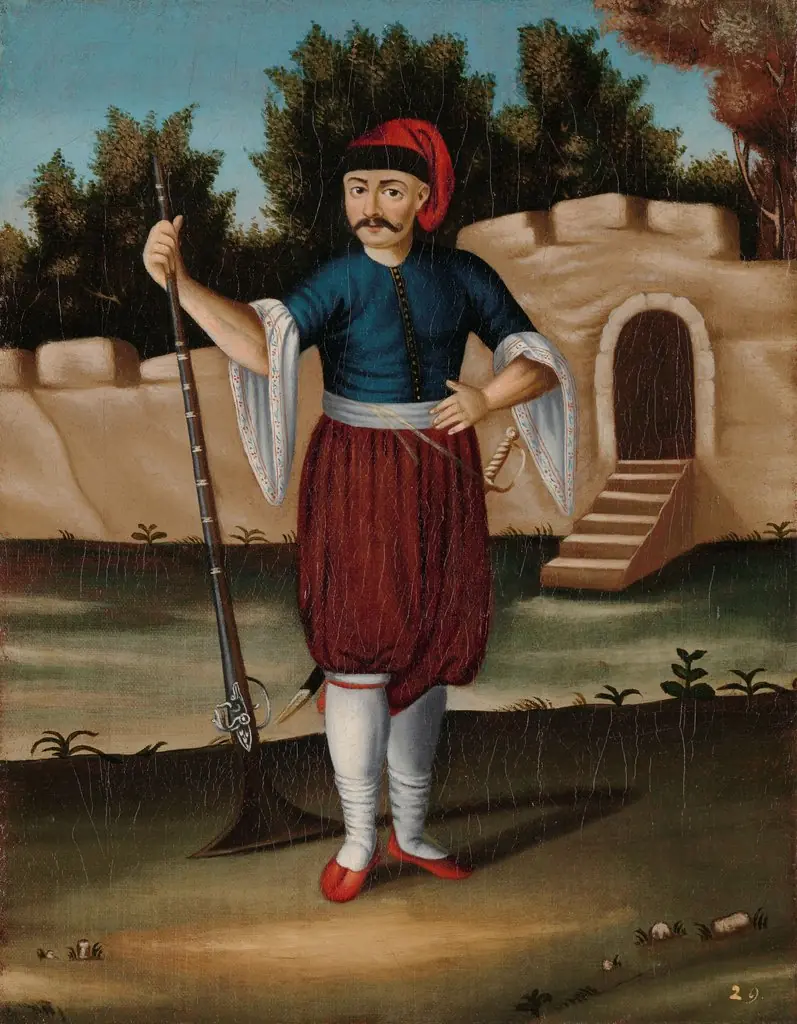
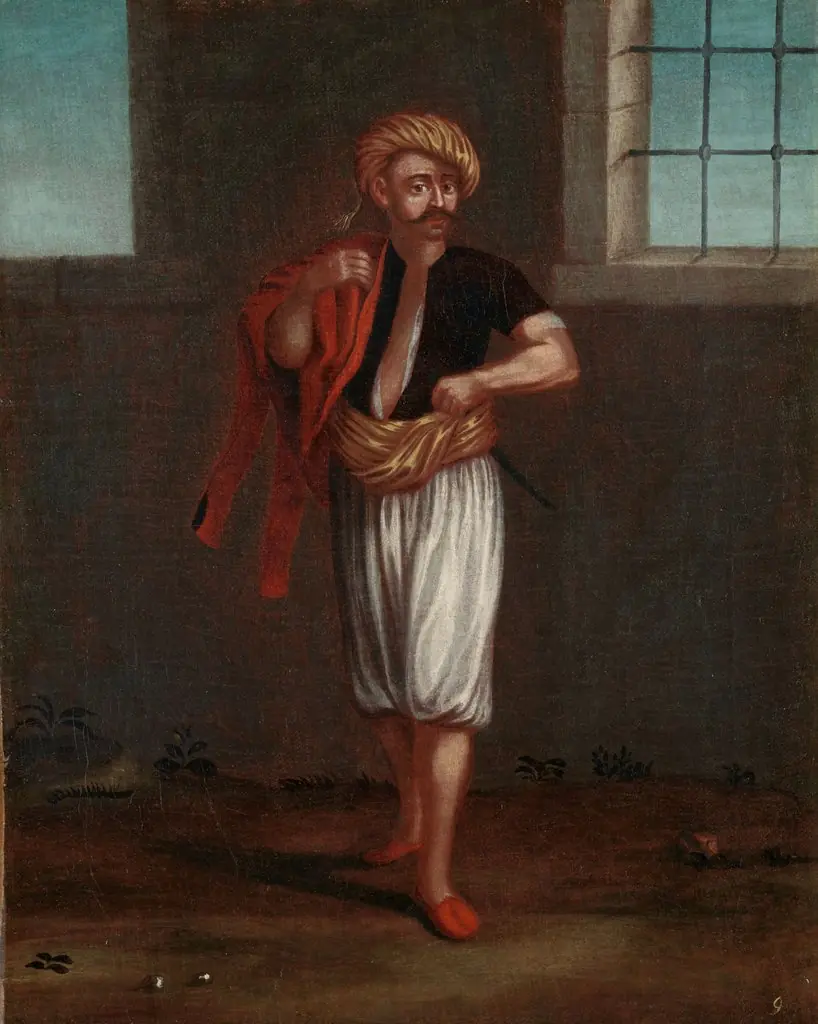
Man from the Island of Tinos is an oil painting by the Orientalist artist Jean Baptiste Vanmour. It dates from 1718 and is held in the collection of the Rijksmuseum.
About this work
Technique & Style
The sitter’s posture and direct gaze contribute to a restrained yet engaging presence typical of European portrait conventions of the early 18th century.
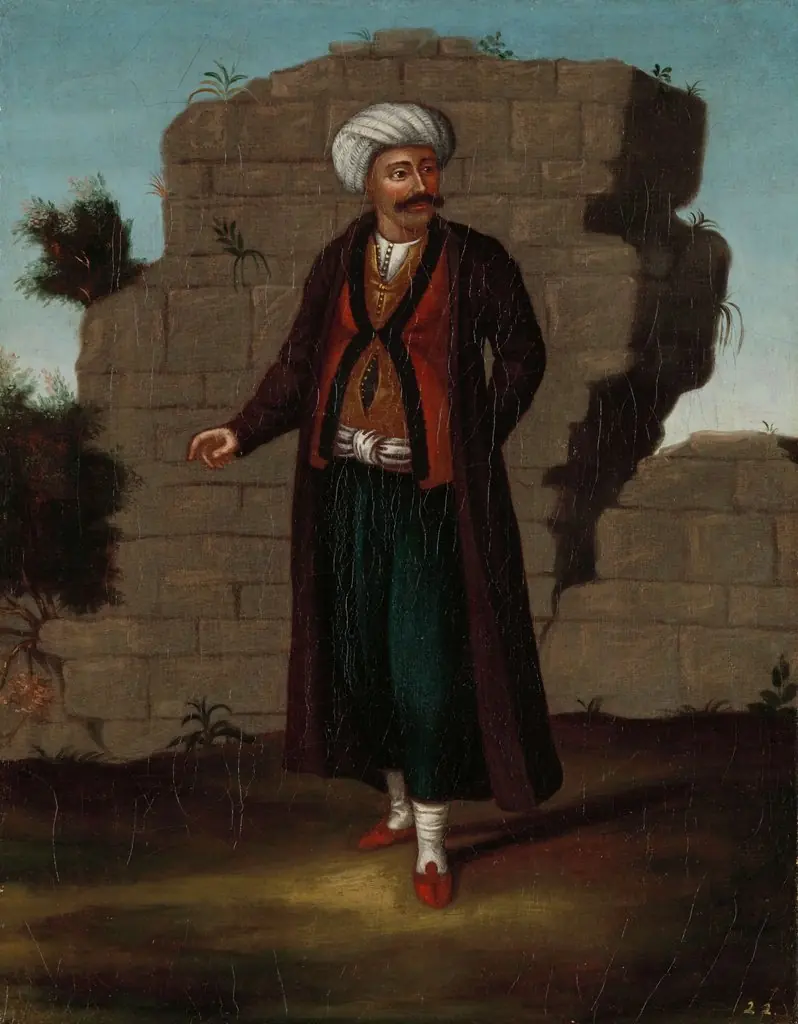
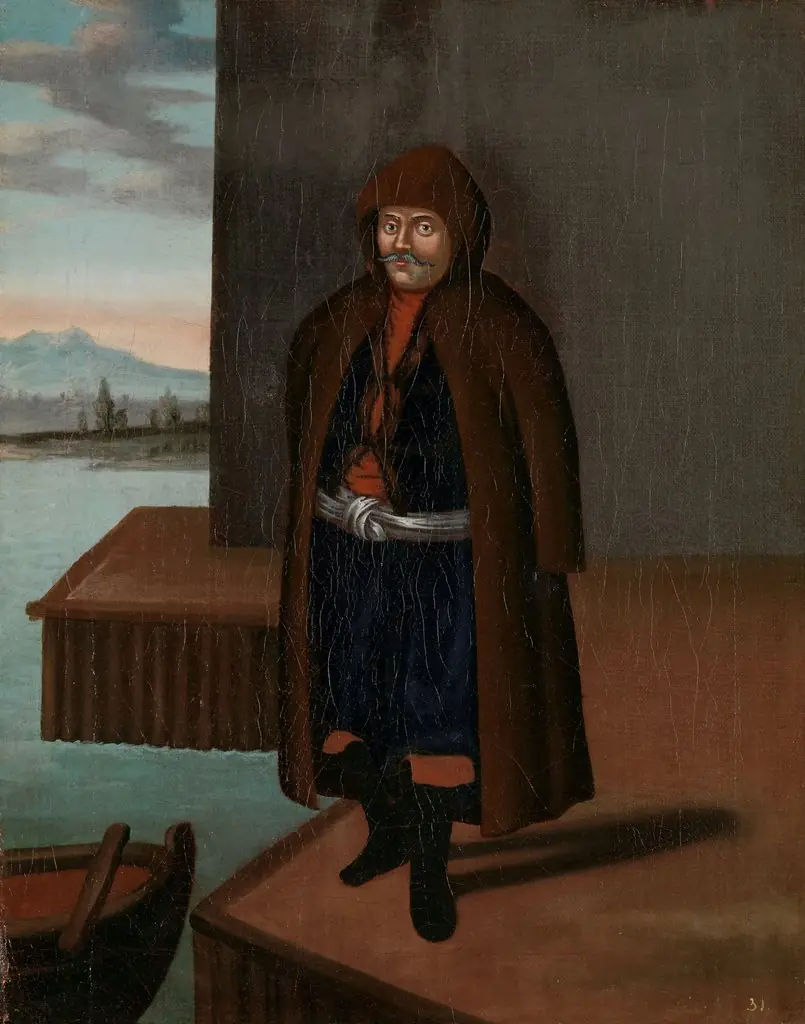
The painting is executed in oil on canvas, with the figure presented in a three-quarter view against a plain background. Handling emphasizes smooth modeling of the face and hands, while the costume, comprising a dark outer garment and white underlayer, is rendered with careful attention to folds and texture. The sitter’s posture and direct gaze contribute to a restrained yet engaging presence typical of European portrait conventions of the early 18th century.
The work’s small scale (39.5 cm × 31 cm) and refined finish align with the genre of elite portraiture produced for diplomatic or mercantile contexts in the Ottoman Empire.
History & Provenance
Jean Baptiste Vanmour executed this oil portrait on canvas in 1718 while working in Istanbul. The work depicts a man originating from the Greek island of Tinos. Historically, the painting belonged to the collection of Cornelis Calkoen and was subsequently owned by Nicolaas Calkoen.
The artwork entered the holdings of the Directie van de Levantse handel en de Navigatie op de Middellandse Zee. It was also part of the Koninklijk Kabinet van Zeldzaamheden and the Nederlandsch Museum voor Geschiedenis en Kunst before becoming part of the Rijksmuseum collection.
The painting is held in the Rijksmuseum, Amsterdam. Its accession number is SK-C-1922.
It was previously in the collection of Cornelis Calkoen and later Nicolaas Calkoen before entering the Dutch state holdings. The work was transferred to the Koninklijk Kabinet van Zeldzaamheden and subsequently to the Nederlandsch Museum voor Geschiedenis en Kunst before being allocated to the Rijksmuseum.
Overview
Jean Baptiste Vanmour, a Flemish‑French painter active in the early 1700s, completed the oil portrait Man from the Island of Tinos in 1718. The work depicts a solitary figure in an outdoor setting and is part of the Rijksmuseum’s collection. It exemplifies Vanmour’s interest in documenting the peoples and customs of the Ottoman world during the period known as the Tulip Era.
Subject & Meaning
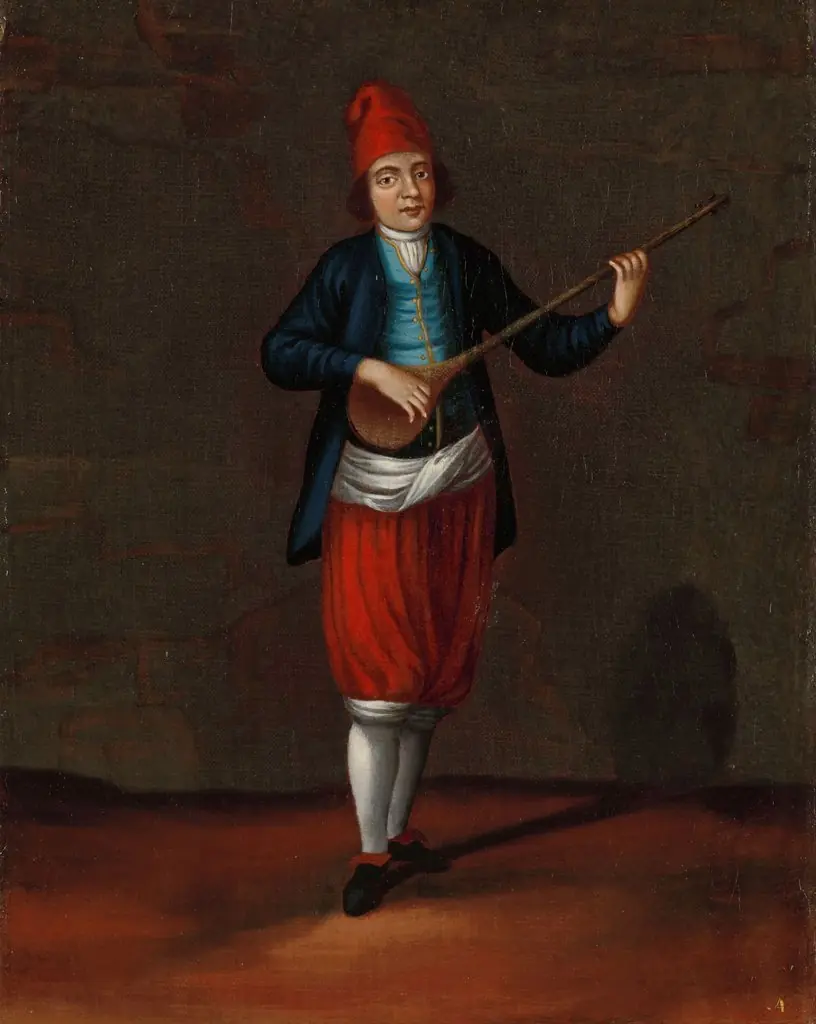
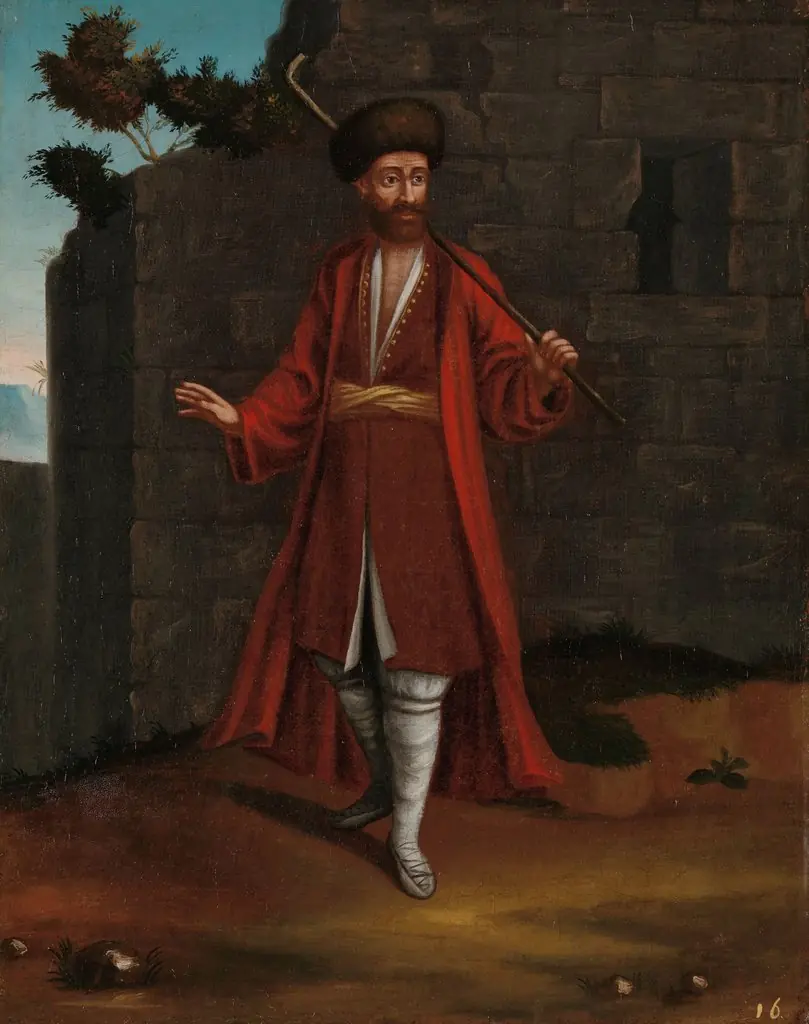
The sitter is presented standing in a garden, wearing a vivid red hat and trousers that contrast with a dark green coat and brown vest. He holds a folded sheet in one hand, suggesting a document or letter, while the other hand rests at his side. The composition foregrounds his individual presence against a tranquil landscape, reflecting an ethnographic curiosity about a man from the Greek island of Tinos.
Own this work as a print
Artist & collection
Artist
Jean Baptiste Vanmour or Van Mour (9 January 1671 – 22 January 1737) was a Flemish-French painter, remembered for his detailed portrayal of life in the Ottoman Empire during the Tulip Era and the rule of Sultan Ahmed III.