Artwork
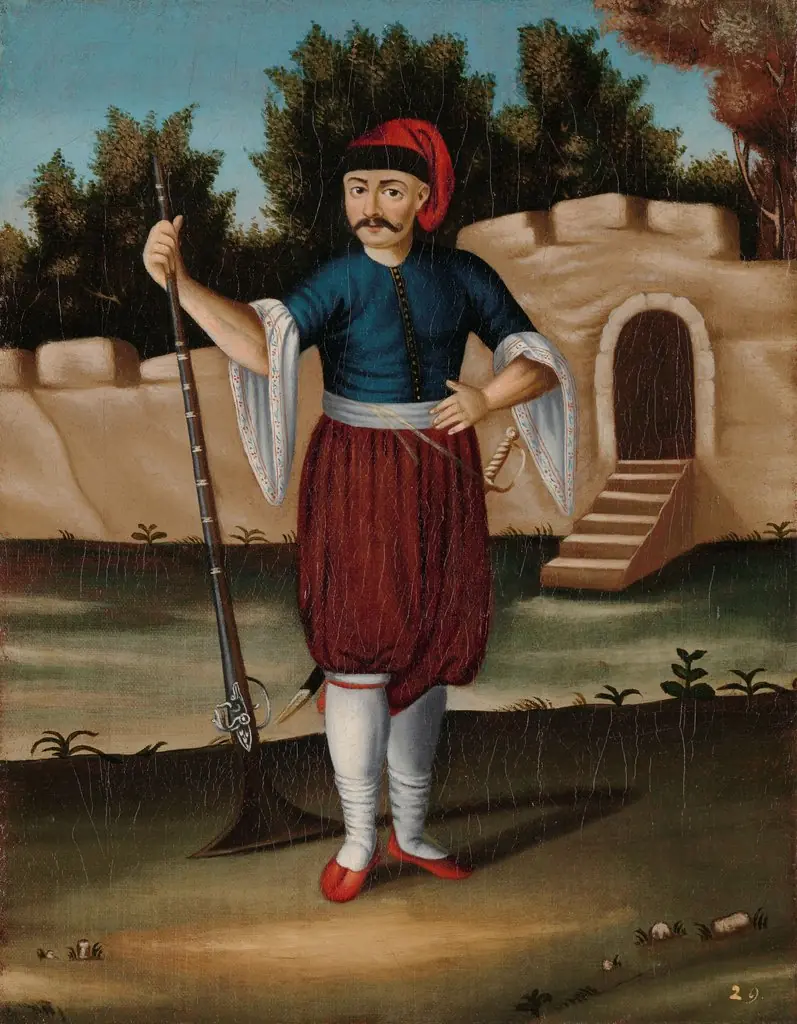
Man from the Bulgarian Coast
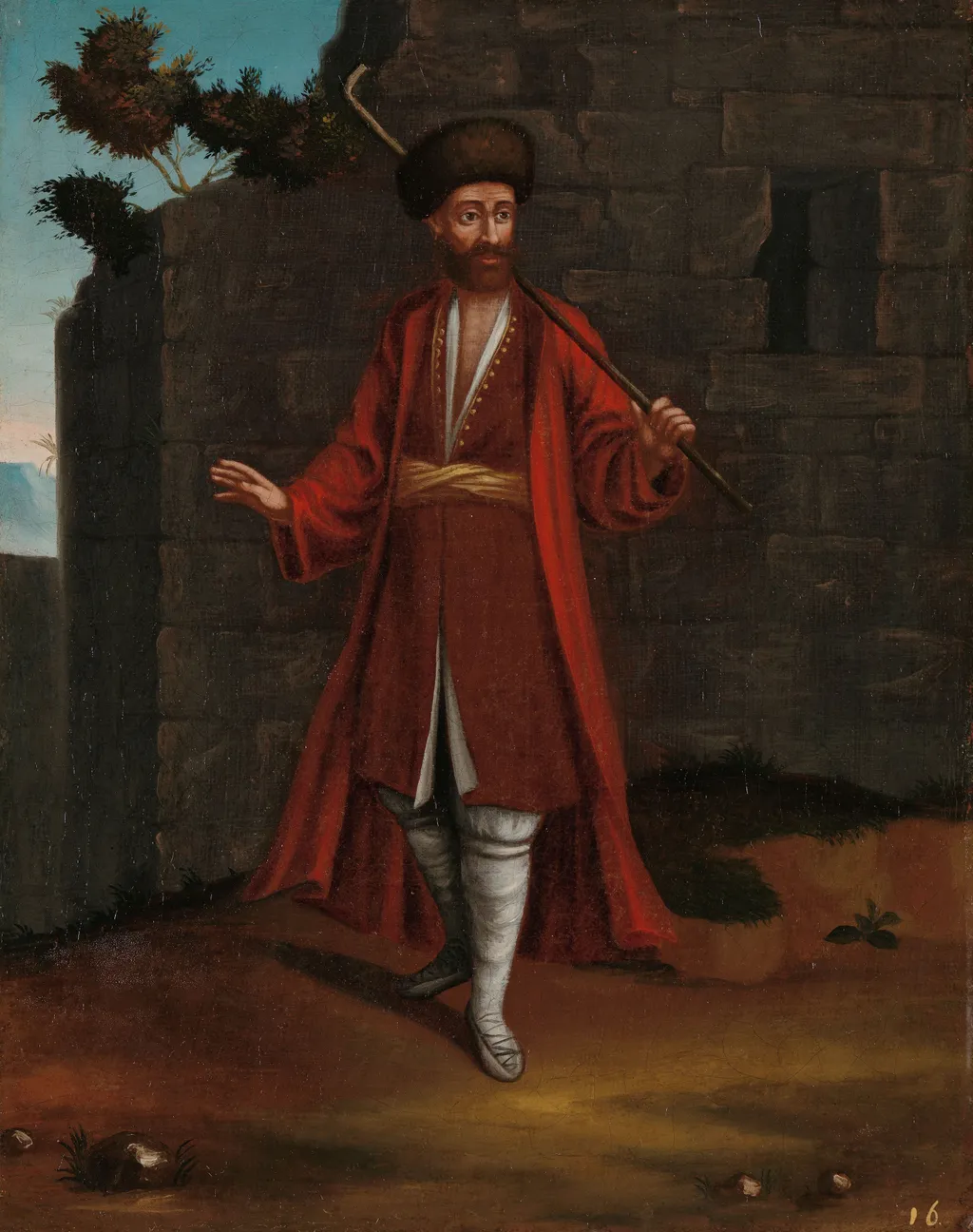
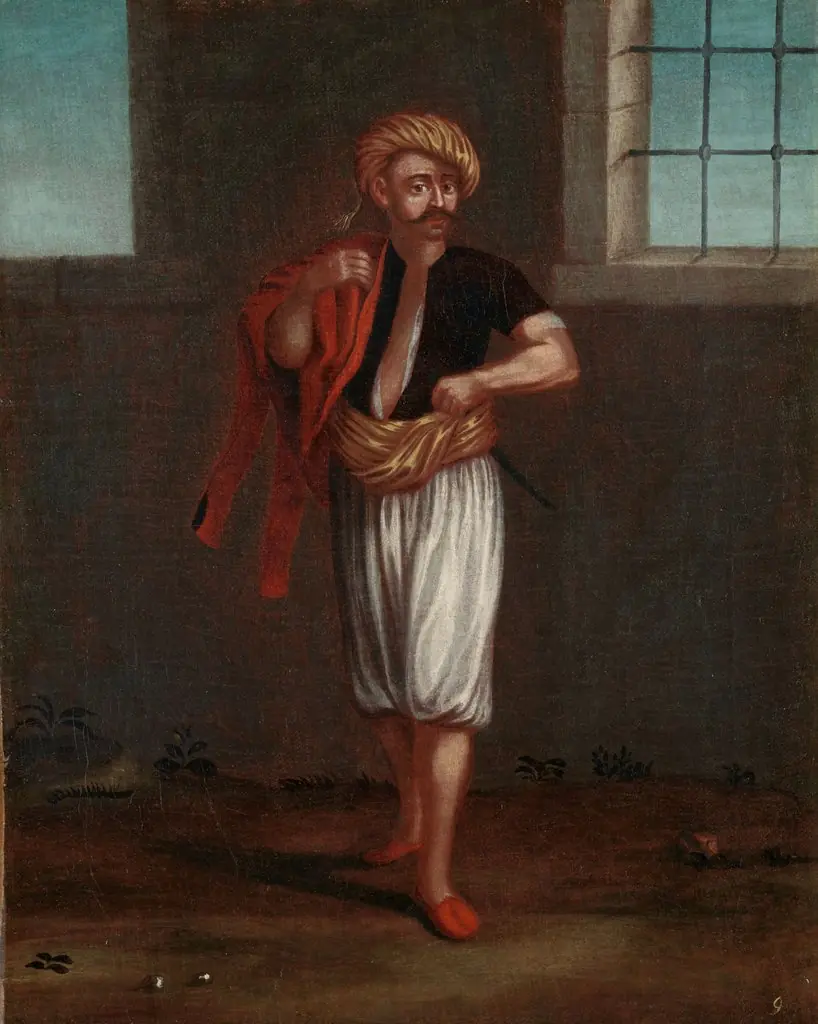
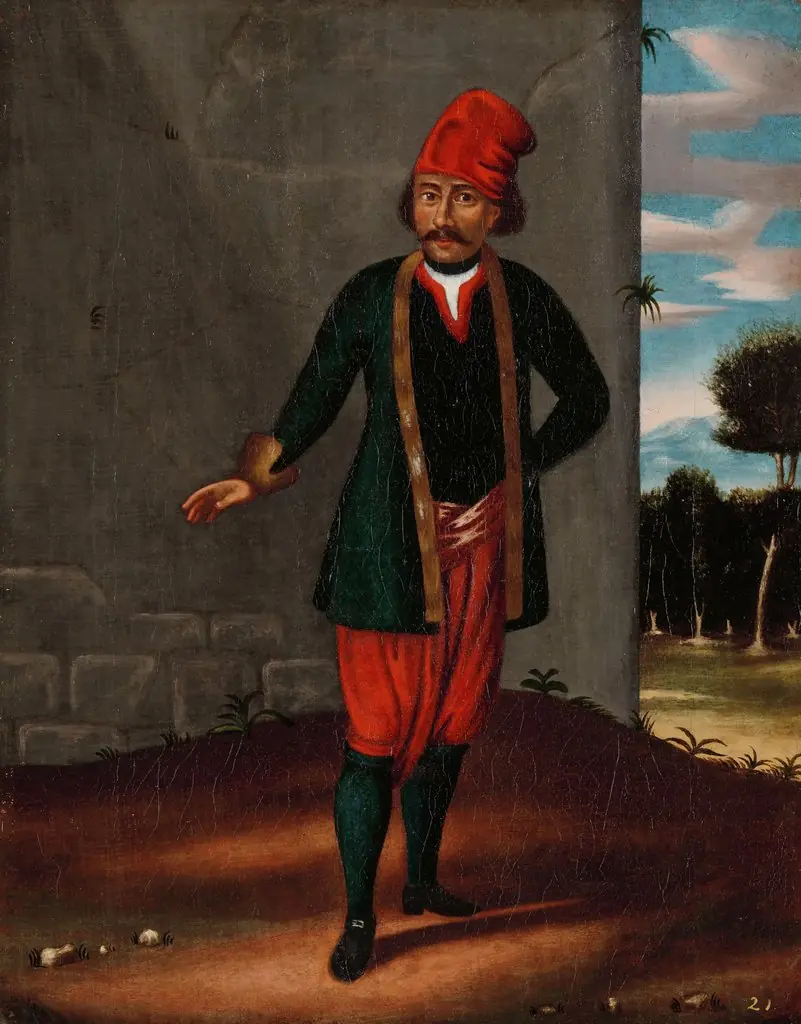
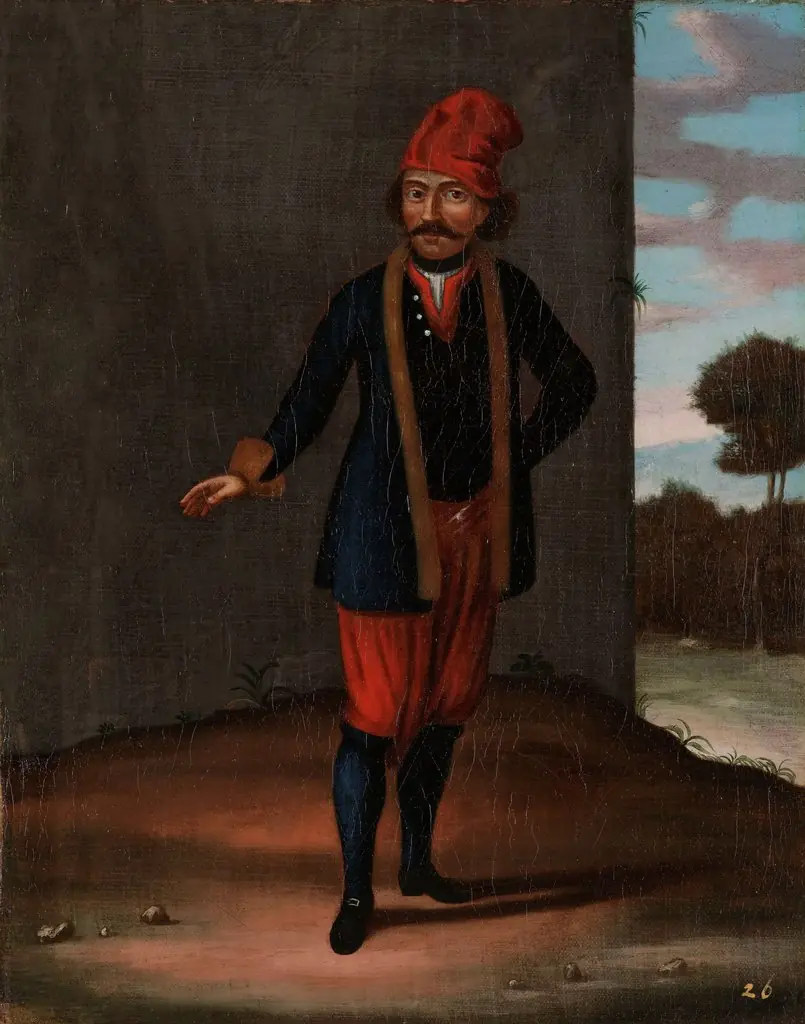
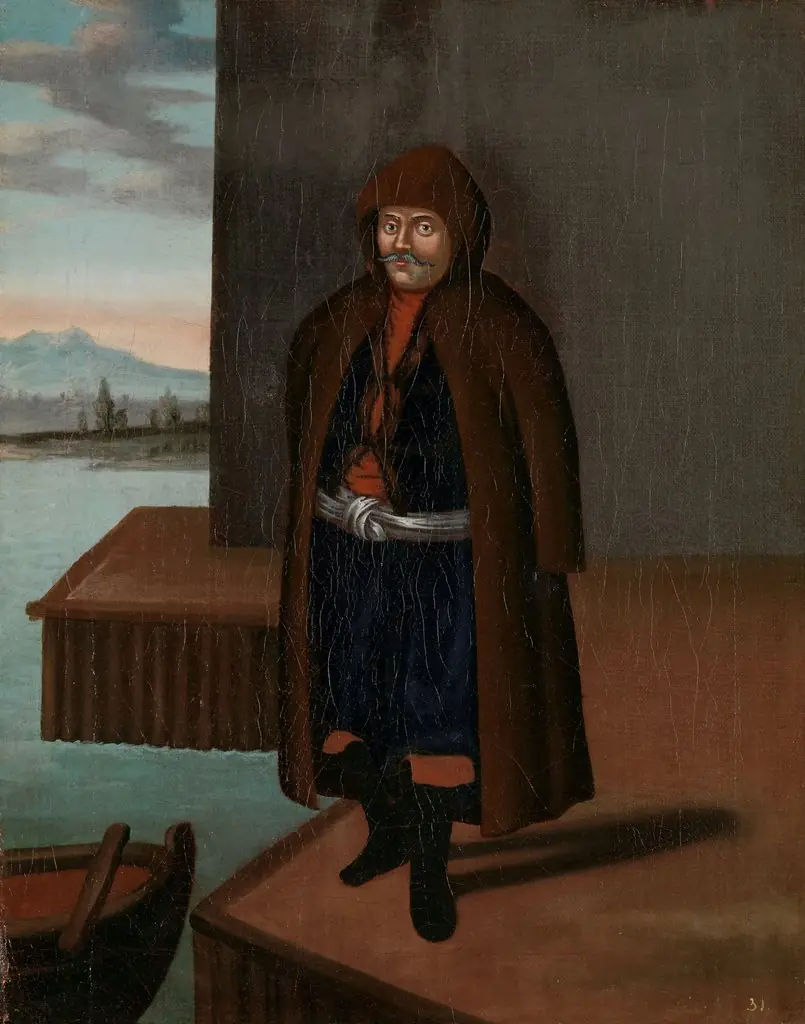
Man from the Bulgarian Coast is an oil painting by the Rococo painting artist Jean Baptiste Vanmour. It dates from 1718 and is held in the collection of the Rijksmuseum.
About this work
Subject & Meaning
The subject of Vanmour's 1718 oil painting is an unnamed man standing on the Bulgarian coast, depicted in a half-length portrait against a neutral background.
The subject of Vanmour's 1718 oil painting is an unnamed man standing on the Bulgarian coast, depicted in a half-length portrait against a neutral background. The work shows the sitter in contemporary 18th-century attire, reflecting European artistic conventions of the period. As a portrait created during Vanmour's time in Istanbul, it captures a local figure within the broader context of Levantine trade and diplomatic relations, linking the sitter to the cultural exchanges of the Dutch East India Company network.
The painting's iconography centers on the individual's presence in a foreign landscape, with the coastal setting serving as symbolic context rather than narrative focus. Its creation for Cornelis and Nicolaas Calkoen, prominent figures in Dutch commercial and diplomatic circles, suggests the work functioned as both a personal portrait and a visual record of cross-cultural encounters in the Ottoman Empire's periphery.
Technique & Style
Man from the Bulgarian Coast is an oil on canvas portrait painted in 1718 by Jean Baptiste Vanmour. The work measures 39 cm in height and 31 cm in width, depicting a man in traditional Bulgarian coastal attire. It was created in Istanbul and later entered the collection of Cornelis Calkoen before being acquired by the Rijksmuseum, where it remains on display.
The painting’s surface shows a finely rendered oil medium on a taut canvas support, with delicate handling that emphasizes the sitter’s textured garments and the subtle play of light across his facial features. Stylistically, Vanmour combines Dutch portrait conventions with Ottoman influences, resulting in a balanced composition and a restrained palette that foregrounds the sitter’s dignified presence.
History & Provenance
The painting Man from the Bulgarian Coast is dated 1718 and attributed to Jean Baptiste Vanmour, placing its creation within the artist’s mature period in Istanbul. It entered Dutch collections via Cornelis Calkoen, an official of the Levant trade, suggesting it was acquired during his service in the Ottoman Empire. By 1820 the work was held by the Directie van de Levantse handel en de Navigatie op de Middellandse Zee, indicating state-level custody of Levant-related art.
It later passed to the Koninklijk Kabinet van Zeldzaamheden and subsequently to the Nederlandsch Museum voor Geschiedenis en Kunst before entering the Rijksmuseum’s holdings, where it remains.
Jean Baptiste Vanmour's 1718 oil painting Man from the Bulgarian Coast is held in the collection of the Rijksmuseum in Amsterdam. The work belongs to the Directie van de Levantse handel en de Navigatie op de Middellandse Zee within the Koninklijk Kabinet van Zeldzaamheden and the Nederlandsch Museum voor Geschiedenis en Kunst. It depicts a man and was created in Istanbul.
The painting, measuring 39 cm in height and 31 cm in width, was previously owned by Cornelis Calkoen and Nicolaas Calkoen. No specific exhibition history is recorded in the available sources.
Overview
Created in 1718, this oil on canvas portrait presents a figure identified as a man from the Bulgarian coast. He stands before a stone wall with a sparse backdrop of trees, his posture solemn and his gaze directed inward. The work exemplifies the detailed, observational approach of its creator, offering a glimpse into the attire and demeanor of a regional inhabitant during the early eighteenth century.
Own this work as a print
Artist & collection
Artist
Jean Baptiste Vanmour or Van Mour (9 January 1671 – 22 January 1737) was a Flemish-French painter, remembered for his detailed portrayal of life in the Ottoman Empire during the Tulip Era and the rule of Sultan Ahmed III.