Artwork
Jules Pelletier
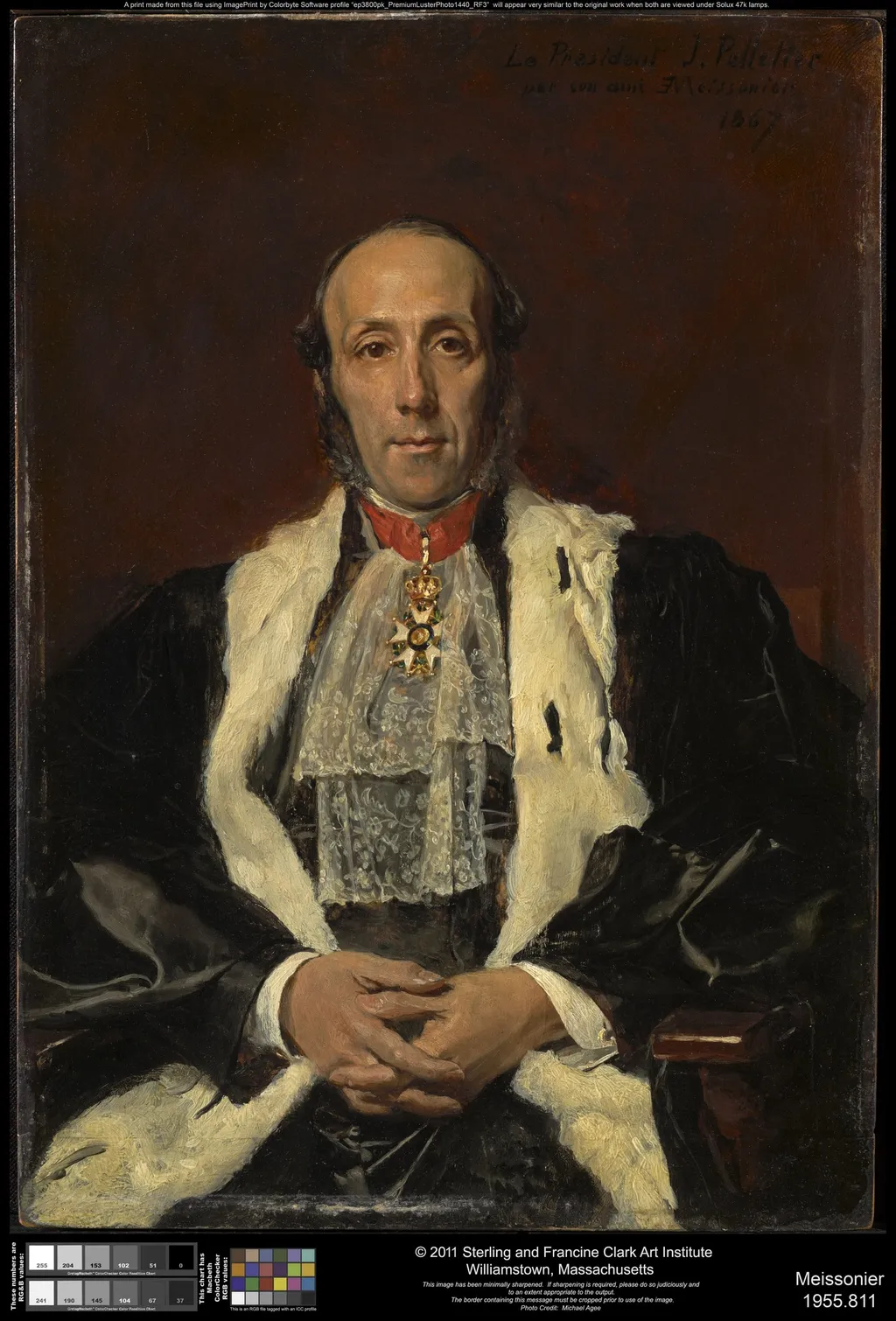
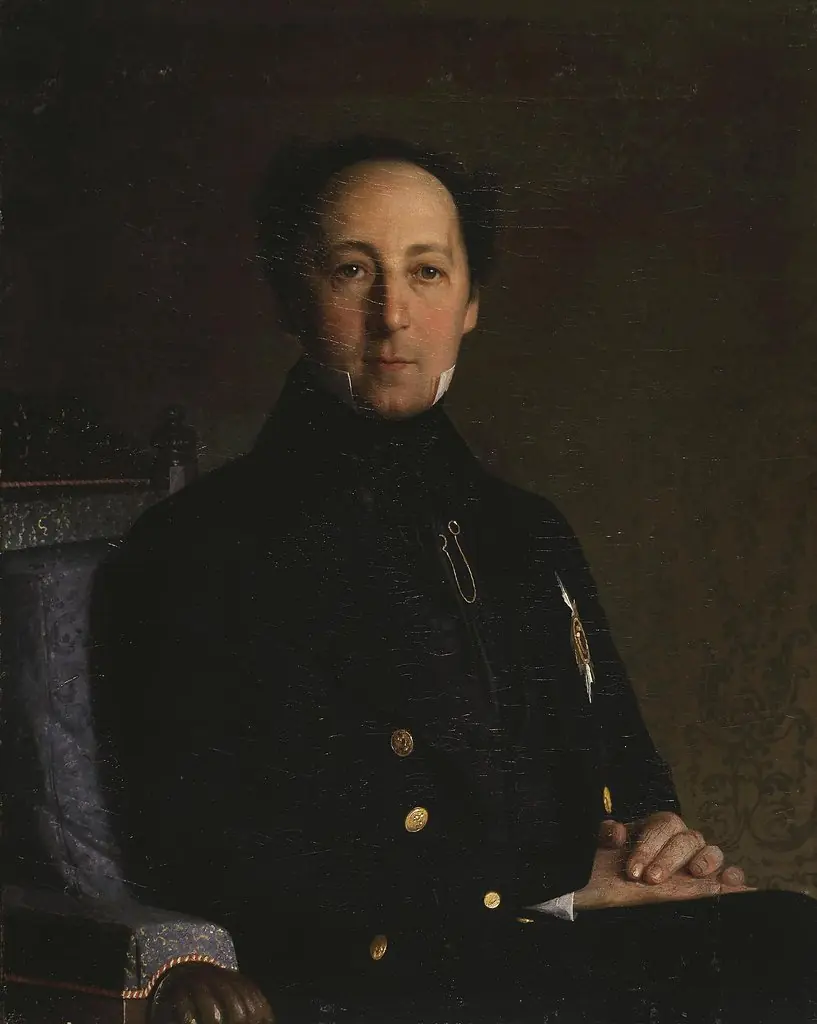
Jules Pelletier is an oil painting by the Realist artist Jean Louis Ernest Meissonier. It dates from 1867 and is held in the collection of the Clark Art Institute.
About this work
Overview
Unlike his historical scenes, this piece focuses on a single figure, emphasizing quiet authority through restrained composition and meticulous detail.
Painted in 1867 by Jean-Louis Ernest Meissonier, this oil portrait captures Jules Pelletier, a French civil servant and art patron. The work is part of the Clark Art Institute’s collection and exemplifies Meissonier’s precision in rendering texture and posture. Unlike his historical scenes, this piece focuses on a single figure, emphasizing quiet authority through restrained composition and meticulous detail.
Subject & Meaning
Jules Pelletier is portrayed in formal attire, conveying his social standing and official role. The white fur trim, lace collar, and gold medal suggest honors received, while his clasped hands and direct gaze project composure and introspection. The absence of narrative context shifts focus to character and presence, presenting a portrait of dignity rooted in civic identity rather than grandeur.
Technique & Style
Meissonier employed fine brushwork to render the textures of fur, lace, and silk with near-photographic clarity. The dark, neutral background isolates the figure, heightening the contrast of the white and red elements. His controlled palette and sharp definition reflect his academic training and preference for detail over emotional expression, aligning with 19th-century French portraiture conventions.
History & Provenance
The painting was completed in 1867 and remained in private hands until acquired by the Sterling and Francine Clark Art Institute. Its provenance traces back to Pelletier’s circle, likely gifted or sold shortly after completion. The work’s preservation in good condition reflects its careful stewardship, though little is documented about its exhibition history prior to the 20th century.
Context
In mid-19th-century France, portraiture served as a tool for affirming social status among the bourgeoisie and state officials. Meissonier, known for historical subjects, occasionally turned to portraiture to engage with contemporary figures. Pelletier’s likeness reflects this trend, capturing a man whose influence lay in administration and cultural patronage rather than military or political power.
Legacy
Though not among Meissonier’s most widely recognized works, the portrait stands as a refined example of his skill in capturing individual presence. It contributes to understanding his range beyond battle scenes and historical reconstructions. The painting remains a quiet testament to the values of decorum and restraint in French elite culture during the Second Empire.
Artist & collection

Artist
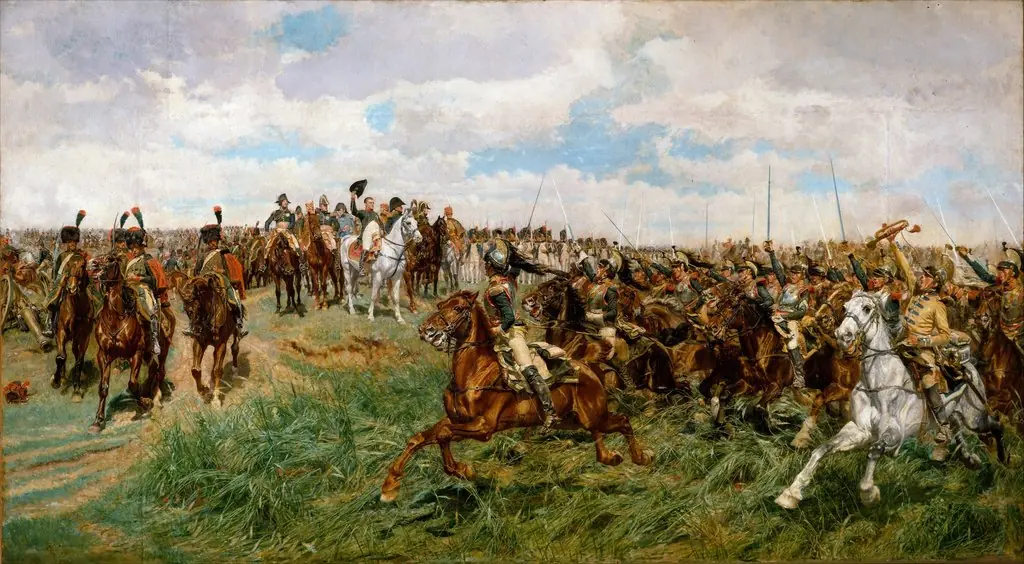
Jean-Louis-Ernest Meissonier was a French academic painter and sculptor. He became famous for his depictions of Napoleon and his military sieges and manoeuvres in paintings acclaimed both for the artist's mastery of…

 Untitled
 Bildnis eines Freimaurers. Alderman W. Bean
 Προσωπογραφία του Frederick North
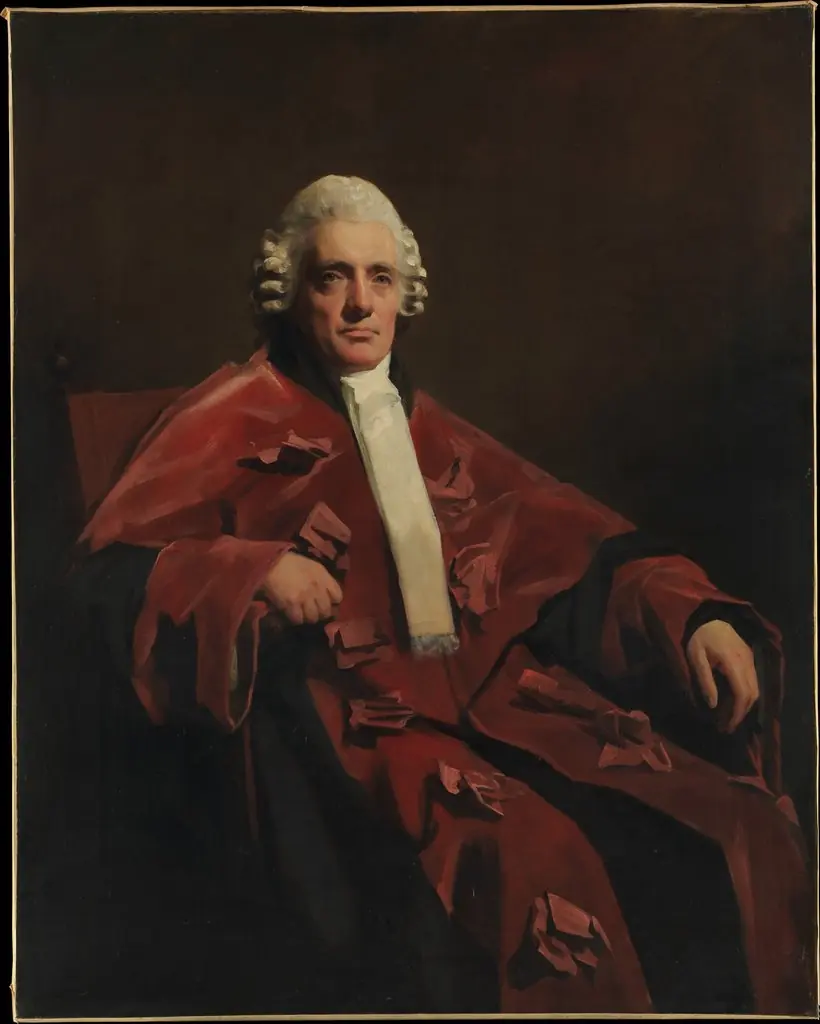 William Robertson (1753–1835), Lord Robertson
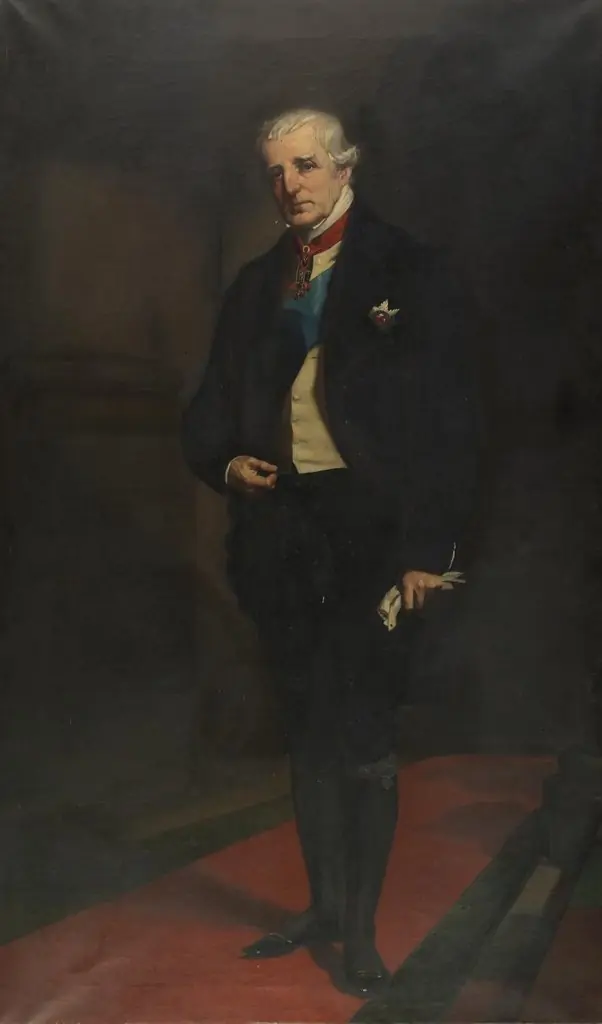 Arthur Wellesley (1769–1852), 1st Duke of Wellington
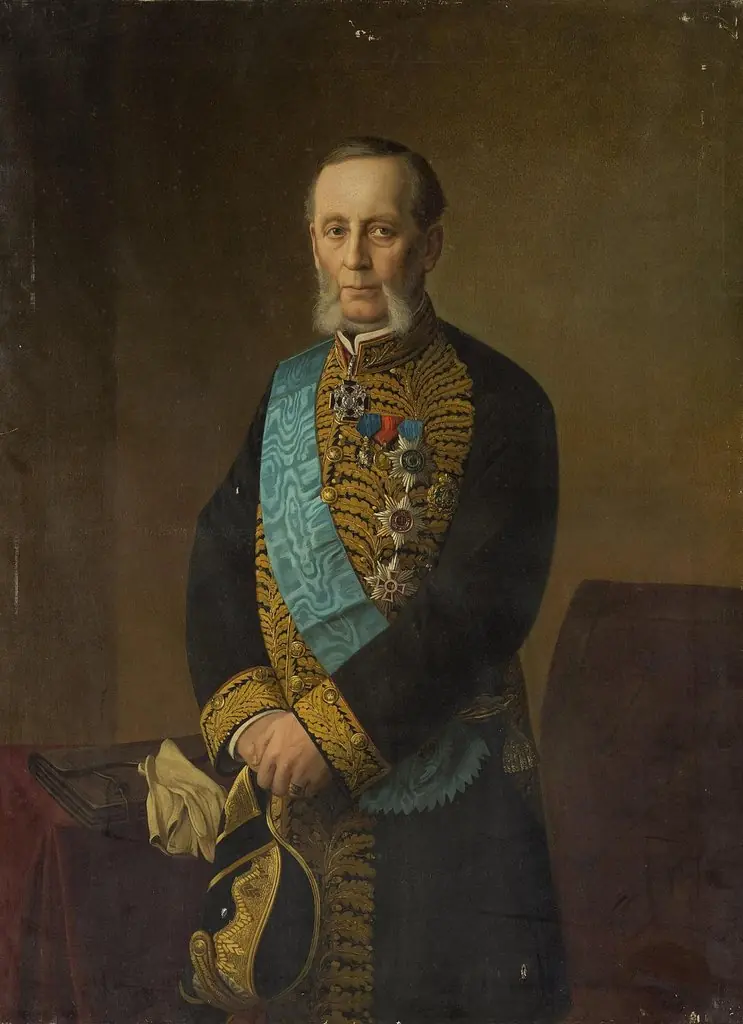 Portrait of Count Piotr Valuyev
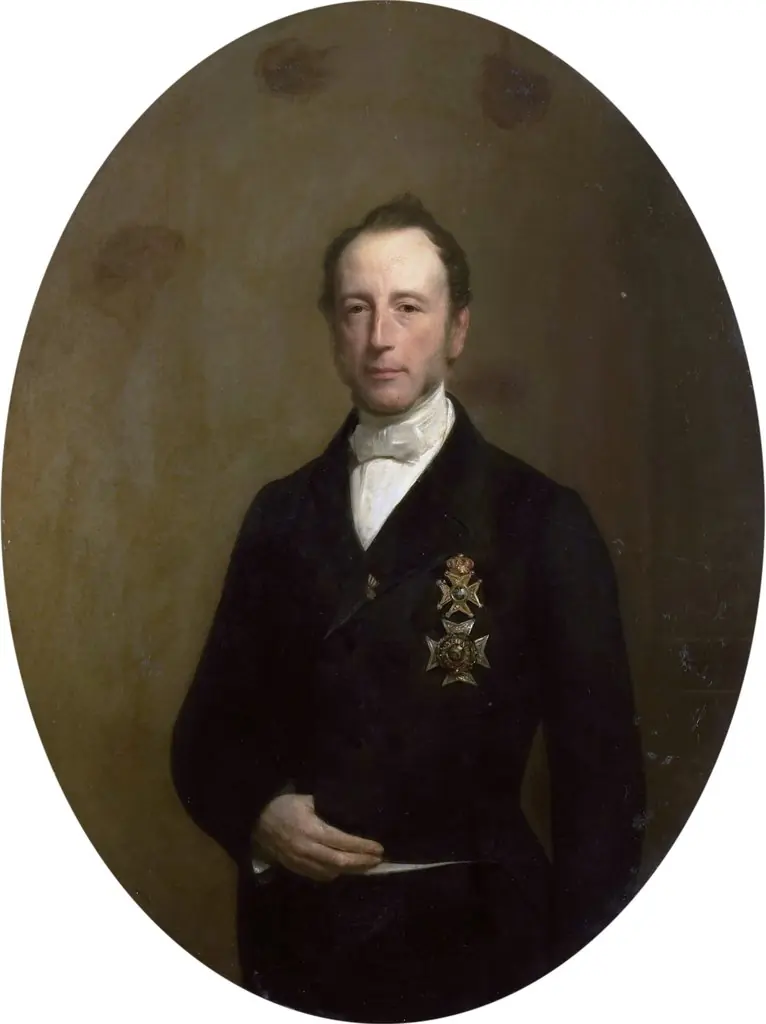 Portrait of Albertus Jacob Duymaer van Twist (1807-87), Gouverneur-generaal (1851-55)
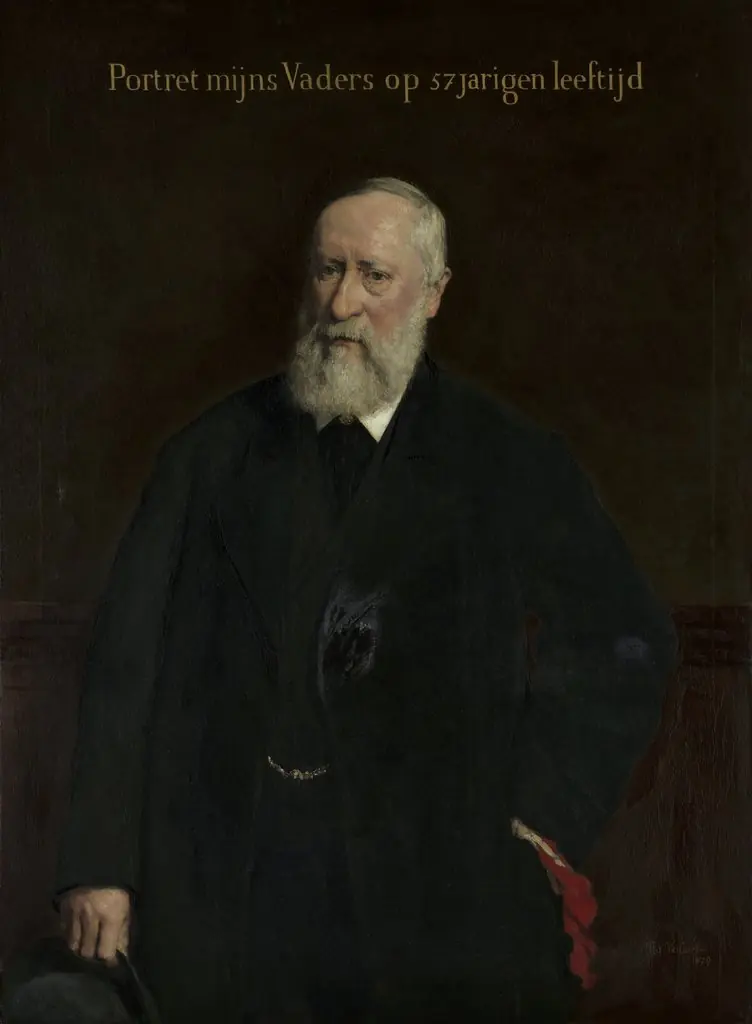 Jan Verhaert, the Artist's Father
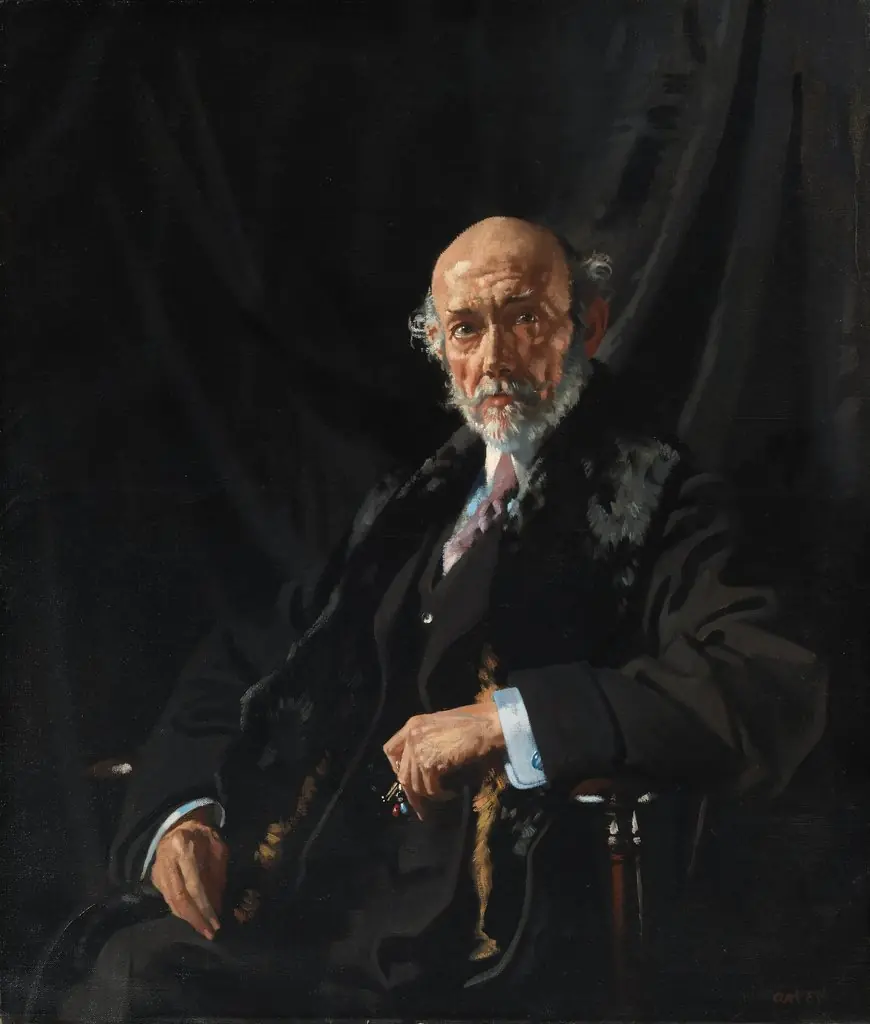 Portrait of Dr E.J. Dillon, War Correspondent and Publicist
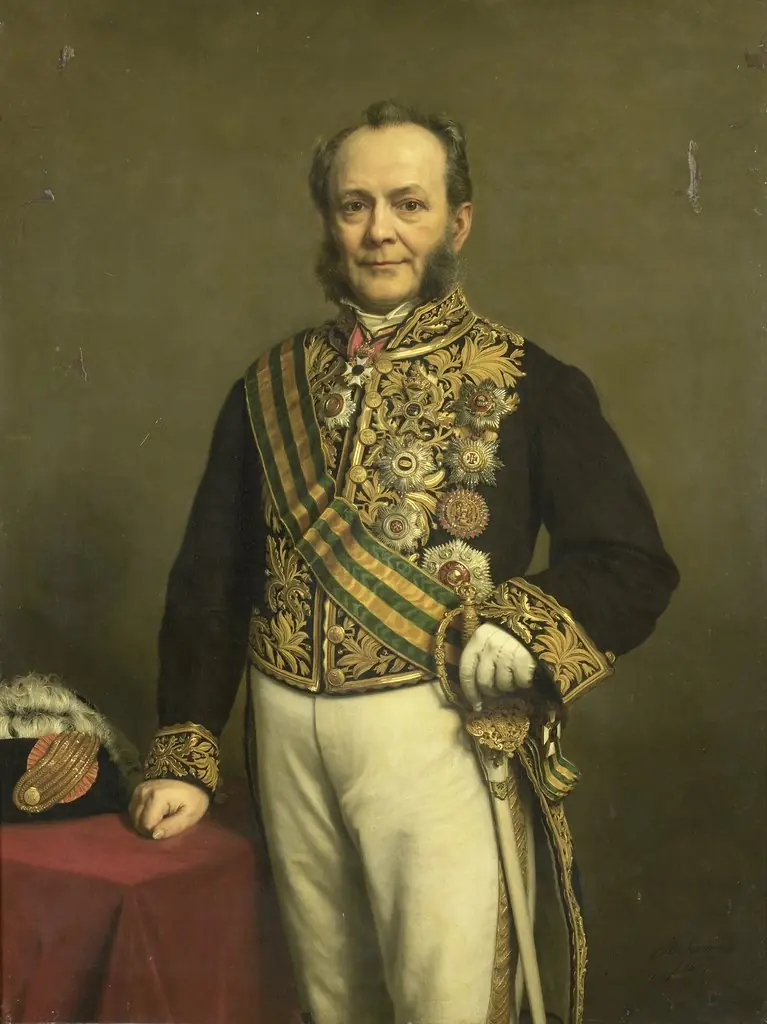 Pieter Mijer (1812-81). Gouverneur-generaal (1866-71)
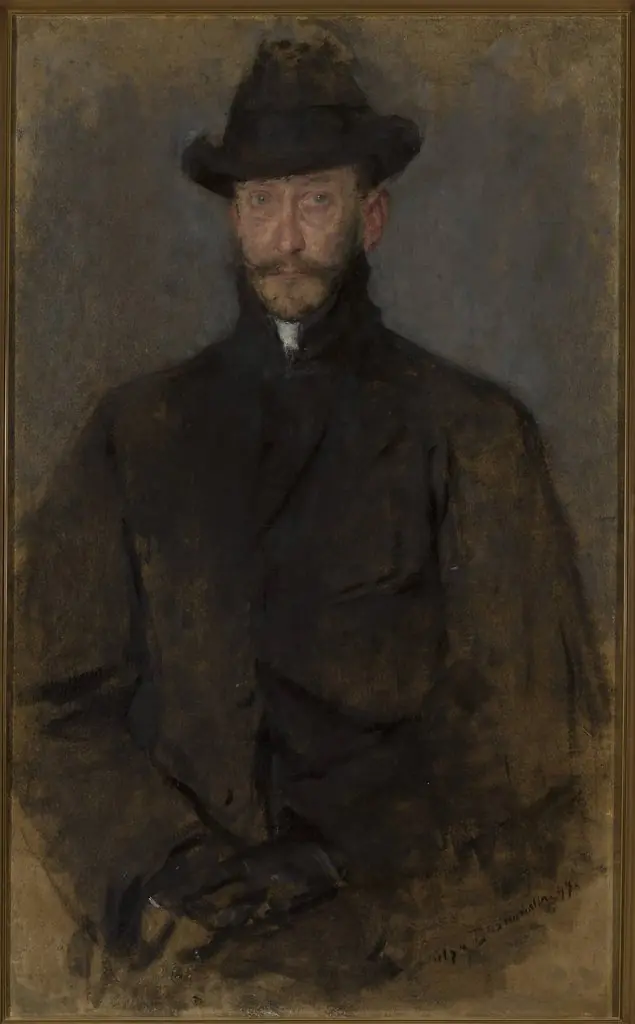 Portrait of Antoni Kamieński (1860/1861–1933), painter
 Fyodor Pryanishnikov