Artwork
Hyde Park
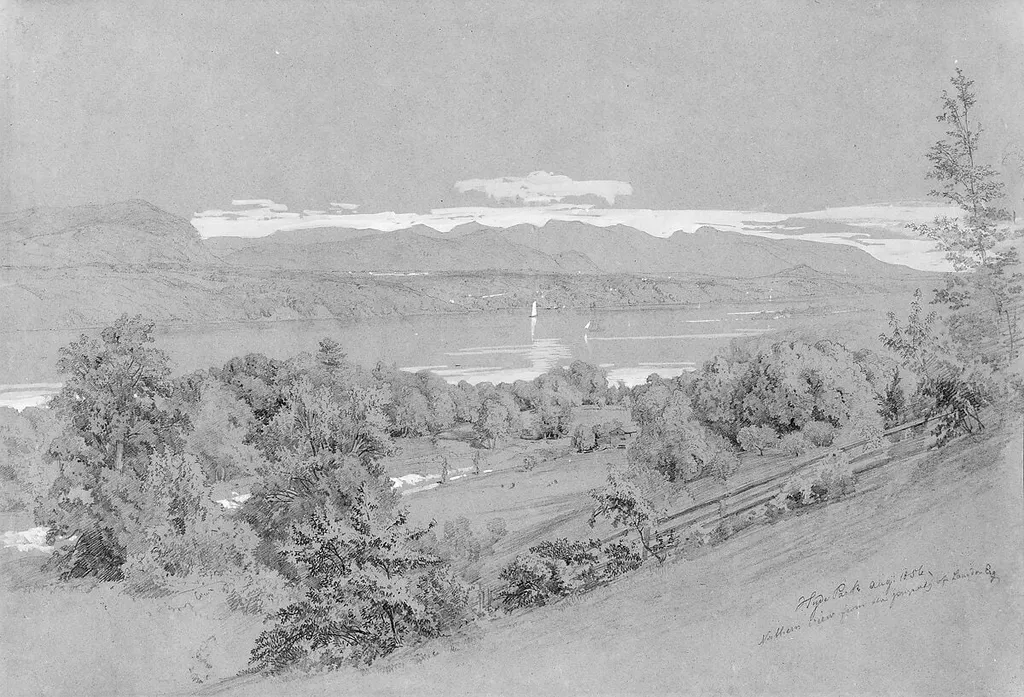
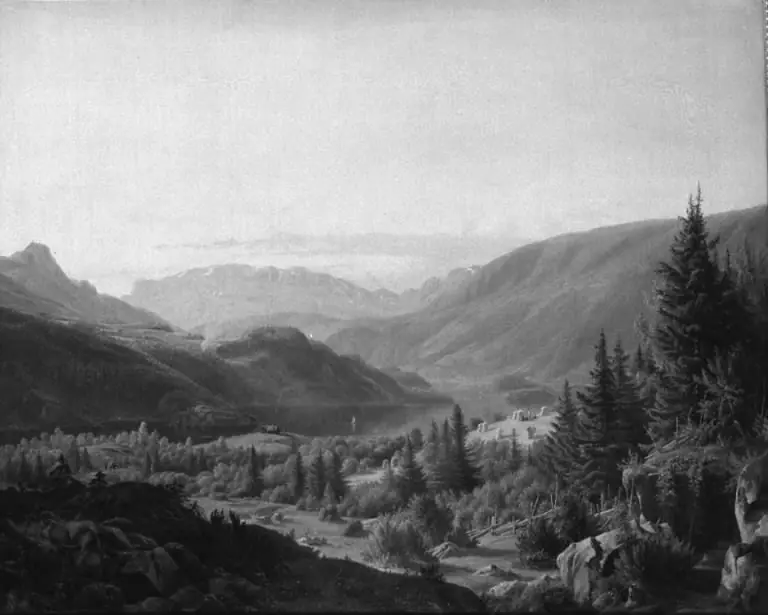
Hyde Park is a gouache drawing by the Impressionist artist Johann Hermann Carmiencke. It dates from 1856 and is held in the collection of the Metropolitan Museum of Art.
About this work
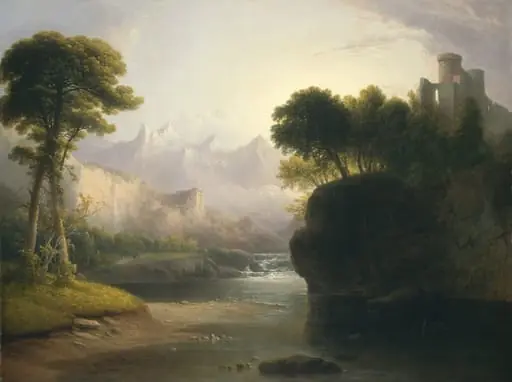
You see a quiet river winding through tall trees, with soft hills in the distance.
Carmiencke drew this in 1856, just as New York’s parks were being planned. The trees feel real, each leaf is a quick pencil stroke, while the river shines with white gouache, a thick, chalky paint. It’s like a snapshot of a place that’s about to change.
If you like this, look up the subject: landscapes.
Subject & Meaning
Johann Hermann Carmiencke's 1856 work Hyde Park presents a landscape scene characterized by the interplay of natural elements.
Johann Hermann Carmiencke's 1856 work Hyde Park presents a landscape scene characterized by the interplay of natural elements. The composition depicts a river, mountains, and trees, rendered in graphite and white gouache on brown wove paper. As a landscape genre piece, the artwork focuses on the representation of these specific topographical features without additional narrative or allegorical figures mentioned in the sources.
The work serves as a visual record of the natural environment, emphasizing the relationship between the waterway, the elevated terrain, and the vegetation within the frame.
Technique & Style
Executed in 1856, this landscape drawing by Johann Hermann Carmiencke utilizes graphite and white gouache applied to brown wove paper. The work measures 41.1 by 61.1 units. Visually, the composition depicts a natural scene featuring trees, a river, and mountains, leveraging the tonal qualities of the support alongside the added white highlights to define form within the landscape.
History & Provenance
The work Hyde Park was created by Johann Hermann Carmiencke in 1856. Executed as a drawing, the piece utilizes graphite and white gouache applied to brown wove paper. The artwork is currently held in the collection of the Metropolitan Museum of Art, where it is classified within the American Wing.
While the specific commission details and the full chain of ownership prior to its arrival at the museum are not detailed in the provided records, the creation is firmly dated to 1856. The work depicts a landscape featuring mountains, rivers, and trees.
Johann Hermann Carmiencke's 1856 drawing Hyde Park is held in the collection of the Metropolitan Museum of Art, specifically within its American Wing. The work, executed in graphite and white gouache on brown wove paper, was accessioned as part of the museum's holdings of American landscape art. While the piece depicts a landscape featuring mountains, rivers, and trees, the available records do not specify a unique inventory or accession number. There is no documented exhibition history for this specific drawing in the provided sources.
Legacy
The drawing Hyde Park by Johann Hermann Carmiencke, created in 1856, has been recognized for its atmospheric rendering of natural elements and subtle composition. It was acquired by the Metropolitan Museum of Art and is cataloged within The American Wing's landscape collection. Scholars have noted its influence on subsequent American landscape artists who sought to capture the grandeur of untouched wilderness. The work continues to be referenced in studies of 19th-century American art and environmental representation.
Overview
Johann Hermann Carmiencke's 'Hyde Park,' executed in 1856, is a landscape drawing rendered in graphite and white gouache on brown wove paper. The composition depicts a serene river winding through a dense grove of tall trees, with soft hills receding into the background. Carmiencke employs the brown paper as a mid-tone base, using graphite to define the foliage with quick, distinct strokes that suggest individual leaves rather than detailed realism.
White gouache is applied to the water's surface to create a luminous, chalky reflection, contrasting with the darker tones of the surrounding forest. Created during a period of significant urban development in New York, the work reflects the artist's engagement with the American landscape tradition while retaining the technical sensibilities of his German training. As a member of the Hudson River School circle, Carmiencke captures the quietude of the natural world, focusing on the interplay of light and texture.
This piece stands as a representative example of his mid-career output, bridging European academic drawing techniques with the emerging American interest in specific, observed landscapes.
Context
Hyde Park belongs to the broader tradition of 19th‑century landscape drawing, a genre that often served both aesthetic and documentary purposes. By depicting a specific, yet unnamed, locale, Carmiencke contributes to the visual record of American wilderness before extensive alteration by infrastructure and park development.
Artist & collection

Artist
Johann Hermann Carmiencke (1810–1867) was an artist, born in Hamburg.

- Maidstone, Vermont
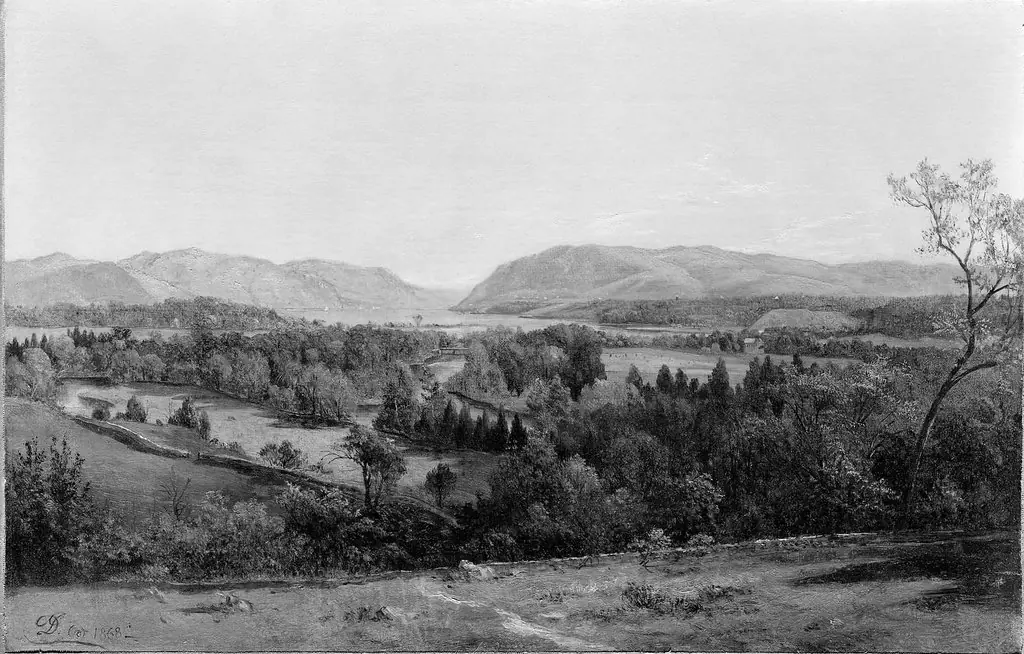 Cornwall on the Hudson
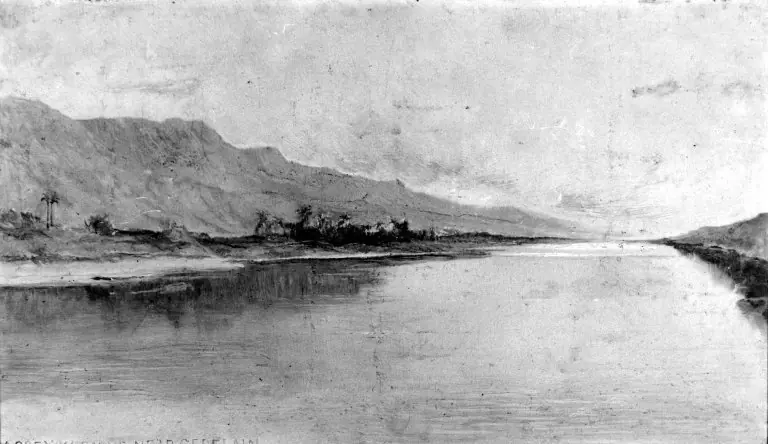 The Nile, Gray Morning, Gebelain
 A View of Casamicciola, Ischia
 Landscape with Hills
 At Five Ponds, North Waterford, Maine
 From the Flume House, Franconia, New Hampshire
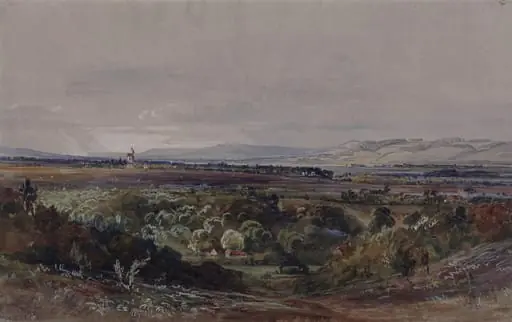 Landscape with Distant Windmill
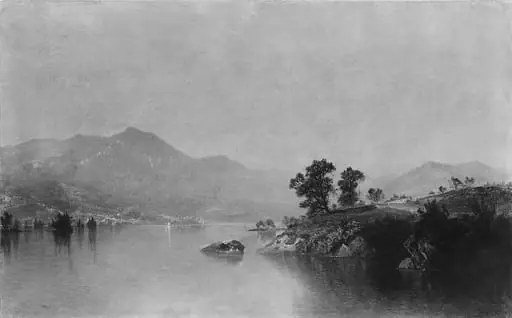 Lake George, New York
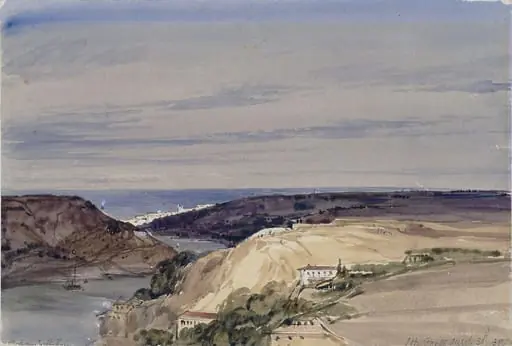 Oporto
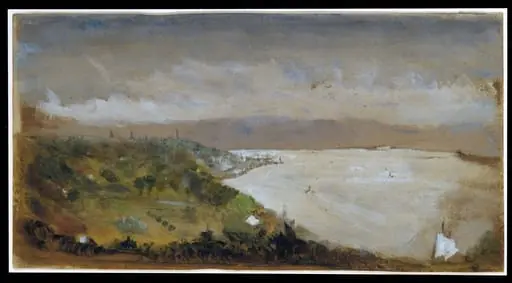 View of the Hudson River from the Catskills
 Parti i Valders i Norge. Aften