Artwork
The Golden Age
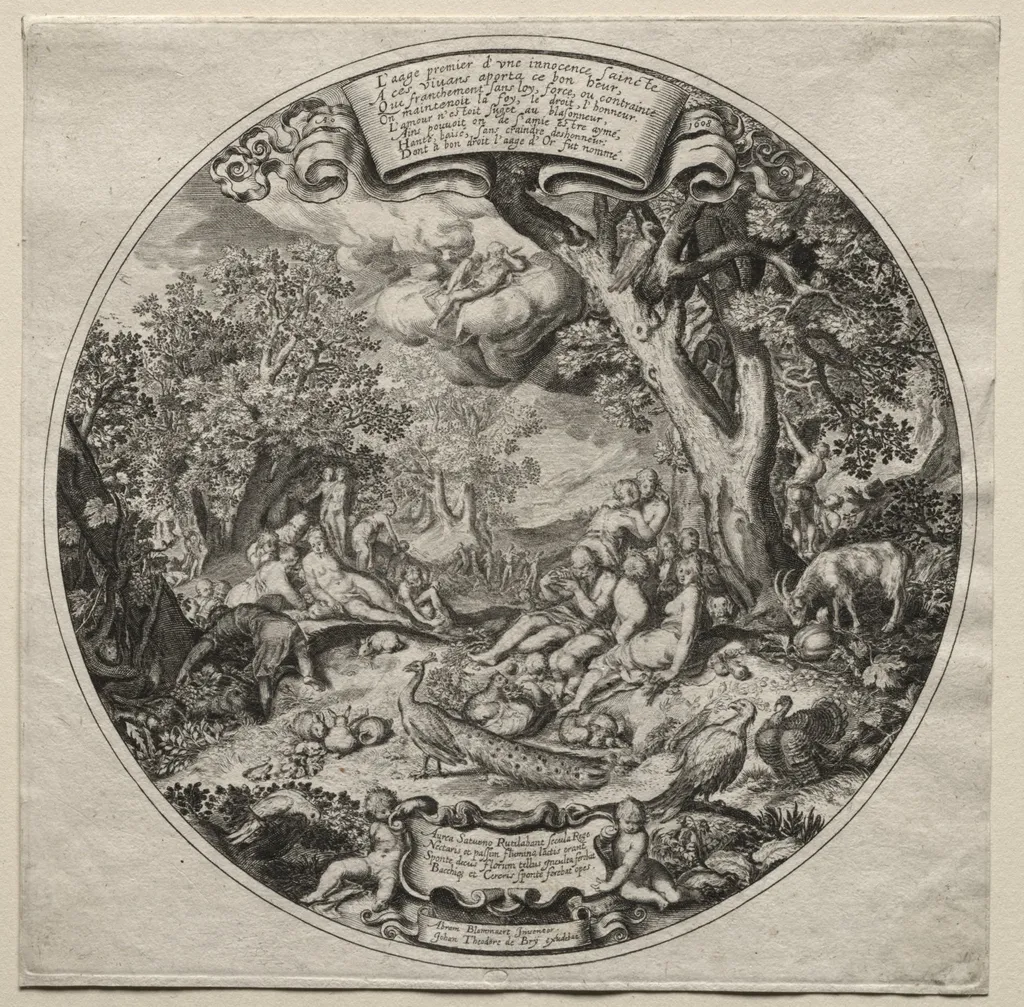
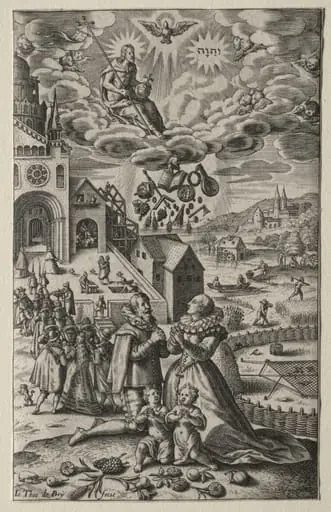
The Golden Age is a print by the Baroque artist Johann Theodor de Bry. It dates from 1608 and is held in the collection of the Cleveland Museum of Art.
- Accession no.
- 1945.235
- Credit line
- Gift of The Print Club of Cleveland
About this work
Overview
Created in 1608 by Johann Theodor de Bry, this print is a finely detailed engraving that depicts an idealized natural landscape teeming with life.
Created in 1608 by Johann Theodor de Bry, this print is a finely detailed engraving that depicts an idealized natural landscape teeming with life. The composition is densely populated with human figures, animals, and fantastical vegetation, arranged to evoke a sense of timeless abundance. Its intricate lines and minute elements reflect the precision typical of early 17th-century Northern European printmaking traditions.
Subject & Meaning
At the center stands a massive, anthropomorphic tree whose face observes the scene below, suggesting a guardian spirit of nature. Figures engage in quiet rituals, dancing, resting, wandering, as if caught in a perpetual moment of peace. The inclusion of Latin inscriptions and the harmonious coexistence of species imply an allegory of a lost, Edenic era, where humanity and nature exist in balanced equilibrium.
Technique & Style
Executed as a copperplate engraving, the work demonstrates meticulous line work and controlled shading to render texture and depth. Every surface, bark, fur, fabric, foliage, is rendered with fine, deliberate strokes. The framing vines and bordering text create a contained, almost manuscript-like space, enhancing the sense of a curated, symbolic world rather than a literal landscape.
History & Provenance
The print was produced in the early 17th century by Johann Theodor de Bry, a member of a prominent family of engravers and publishers. It entered the collection of The Cleveland Museum of Art through documented acquisitions in the 20th century. Its survival in good condition reflects its value as a rare example of devotional and allegorical printmaking from the period.
Context
Produced during the transition from Mannerism to the Baroque, the work reflects contemporary European fascination with natural philosophy and the myth of a primordial golden age. Similar imagery appeared in emblem books and religious allegories, where nature served as a moral mirror. The Latin inscriptions align with scholarly traditions of the time, inviting viewers to interpret the scene as a meditation on time and virtue.
Legacy
Though not widely reproduced, the print exemplifies how Northern European artists used intricate engraving to convey complex philosophical ideas. Its emphasis on nature’s sentience and cyclical harmony influenced later symbolic landscapes in Romantic and pre-Raphaelite traditions. Today, it remains a key reference for understanding early modern visual allegory and the intersection of art, science, and myth.
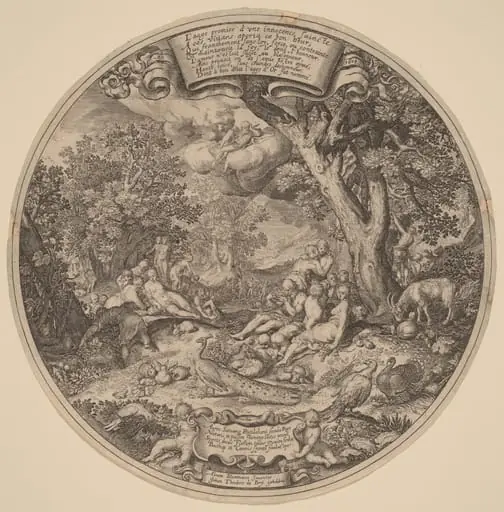
Own this work as a print
Artist & collection

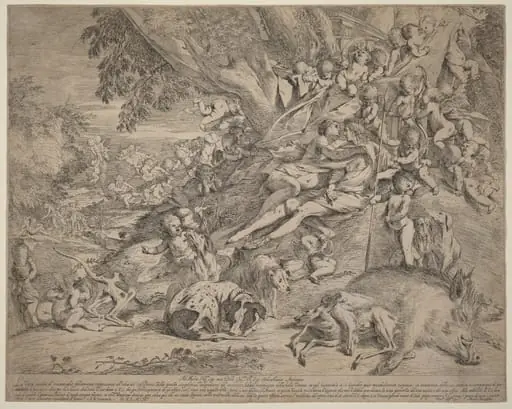 Venus and Adonis
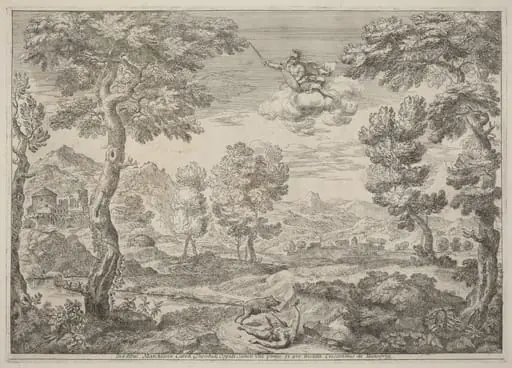 Mars's Revenge on Adonis
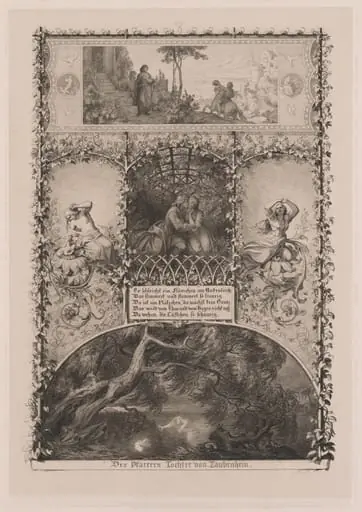 Des Pfarrers Tochter von Taubenhein (The Parson's Daughter from Taubenhain)
 Untitled
 Narcissus
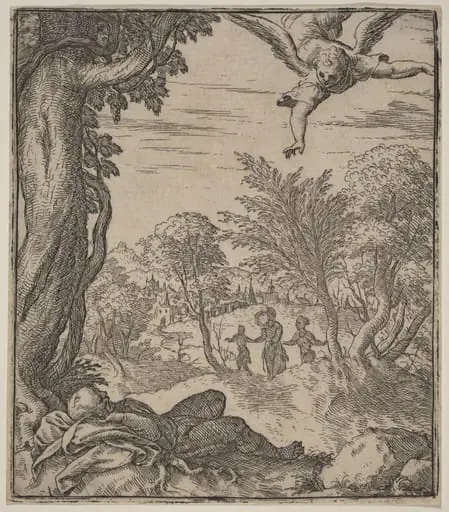 The Angel Appearing to Joseph
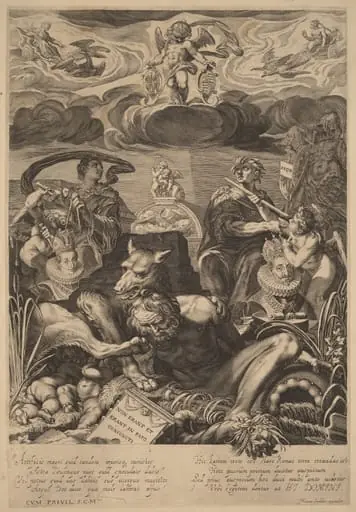 Allegory of the Marriage of Emperor Ferdinand II and Eleanor Gonzaga
![Omnia Vincit Amor [Apollo and Daphne], by Robert van Audenaerd](https://artifactworldgallery.com/img/robert-van-audenaerd--omnia-vincit-amor-apollo-and-daphne--7af37b2f424f6e58-w320.webp) Omnia Vincit Amor [Apollo and Daphne]
Omnia Vincit Amor [Apollo and Daphne]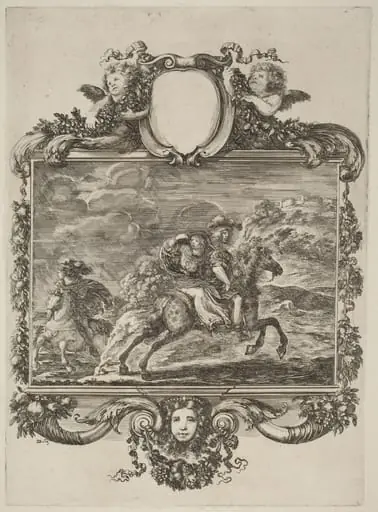 Clovis and Clotilda
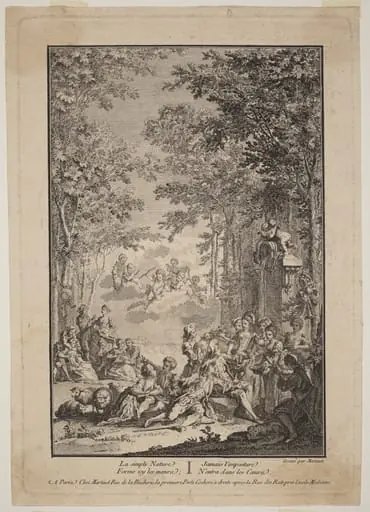 La simple Nature