Artwork
The Yeoman of the Guard
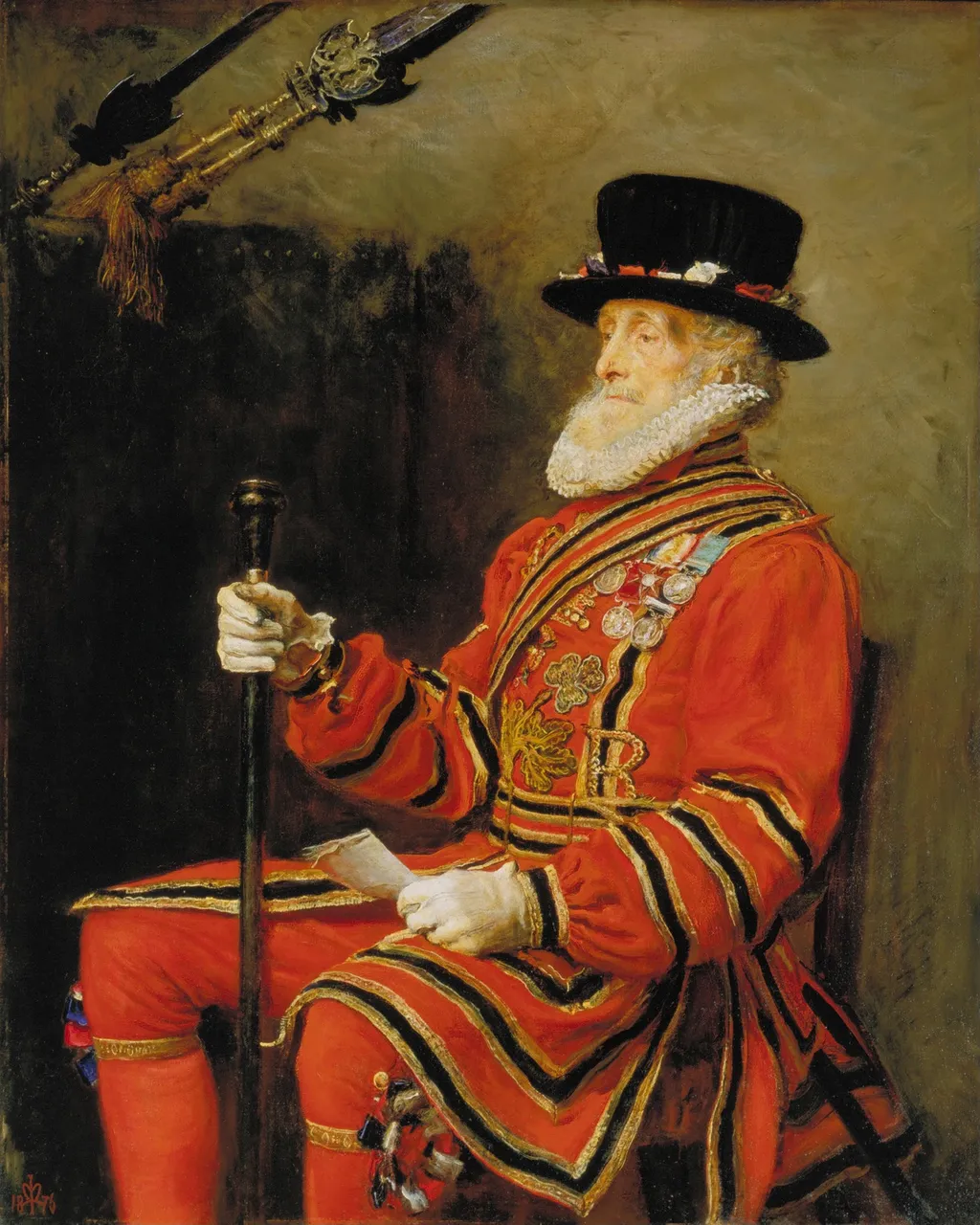
The Yeoman of the Guard is an oil painting by the Pre-Raphaelite artist John Everett Millais. It dates from 1888 and is held in the collection of the National Gallery.
About this work
Overview
Painted in 1888 by John Everett Millais, this oil on canvas portrait portrays a Yeoman of the Guard, a ceremonial attendant to the British monarch.
Painted in 1888 by John Everett Millais, this oil on canvas portrait portrays a Yeoman of the Guard, a ceremonial attendant to the British monarch. Though Millais was an early leader of the Pre-Raphaelite Brotherhood, this work reflects his later, more restrained style, moving away from the movement’s early intensity toward a dignified realism. The subject’s formal attire and composed posture anchor the piece in institutional tradition rather than narrative drama.
Subject & Meaning
The figure is a member of the Yeomen of the Guard, a historic bodyguard unit dating to the Tudor period. Dressed in the regiment’s distinctive red tunic with gold and black trim, and wearing a black hat adorned with a red-and-white feather, the man embodies continuity and duty. His white beard and seated, contemplative stance suggest age and experience, reinforcing the role’s ceremonial weight and the enduring nature of royal service.
Technique & Style
Millais employs a muted, dark background to isolate the figure’s vivid uniform, enhancing its visual impact through contrast. Brushwork is precise but less ornate than his earlier Pre-Raphaelite works, favoring clarity over detail. Subtle chiaroscuro models the face and fabric, lending volume without theatricality. The composition is frontal and static, emphasizing the subject’s presence rather than movement or emotion.
History & Provenance
Commissioned during Millais’s later career, the painting was likely intended as a portrait of an individual serving in the Yeomen, rather than a symbolic allegory. It remained in private hands after its completion and entered a public collection in the 20th century. Unlike his earlier narrative works, this piece was not exhibited widely at the time, reflecting its quiet, non-dramatic character.
Context
By the late 19th century, the Yeomen of the Guard had become a symbol of enduring British tradition, their ceremonial role preserved despite the decline of their military function. Millais, once a radical reformer of art, now engaged with established institutions. This portrait aligns with a broader cultural interest in historical continuity, as Britain sought to anchor national identity in visible, unchanging symbols.
Legacy
The painting stands as a quiet testament to Millais’s evolution from revolutionary to respected academic figure. It does not seek to challenge or idealize but to record with dignity. While less celebrated than his early works, it offers insight into how Victorian artists reconciled personal style with institutional subjects, preserving the visual language of service and hierarchy in a changing age.
Own this work as a print
Artist & collection
Artist
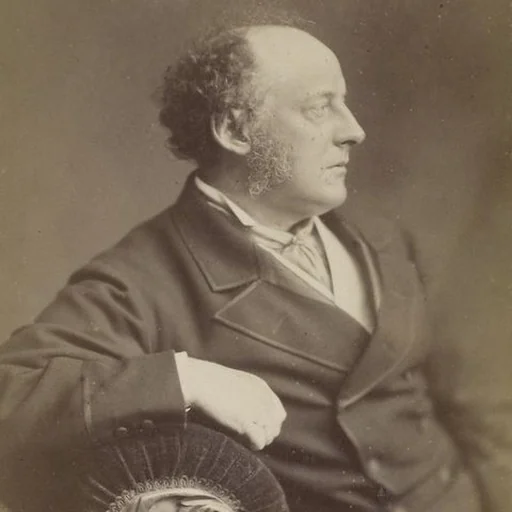
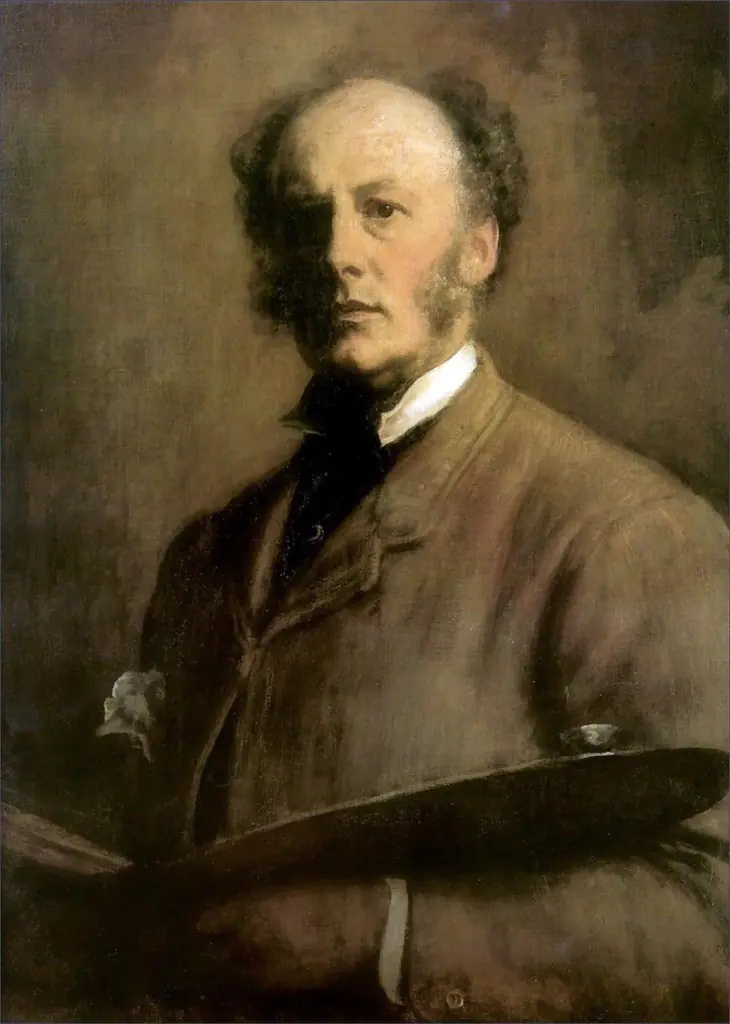
Sir John Everett Millais, 1st Baronet ( MIL-ay; 8 June 1829 – 13 August 1896) was an English painter and illustrator who was one of the founders of the Pre-Raphaelite Brotherhood.

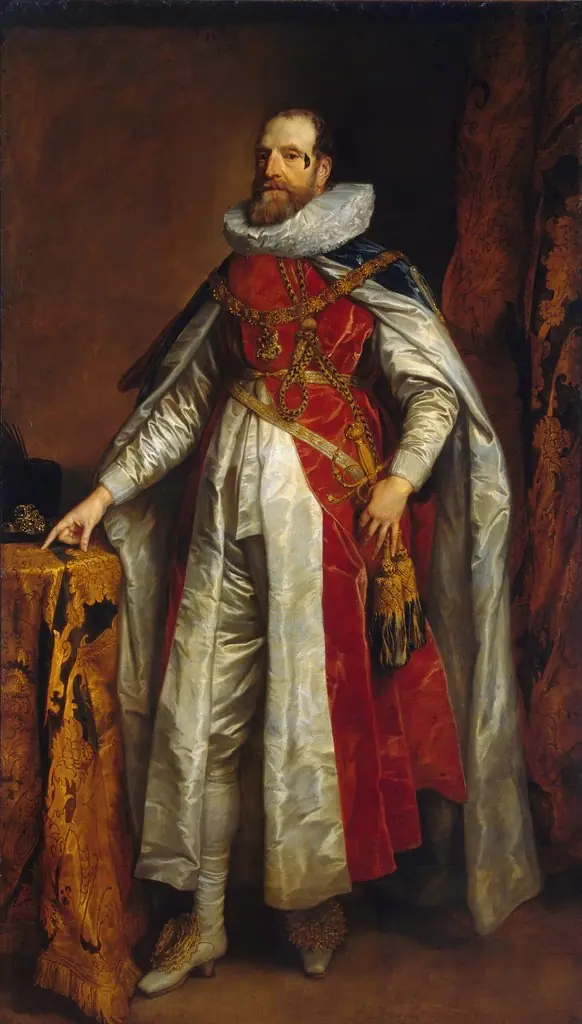
- Portrait of Henry Danvers, Earl of Danby
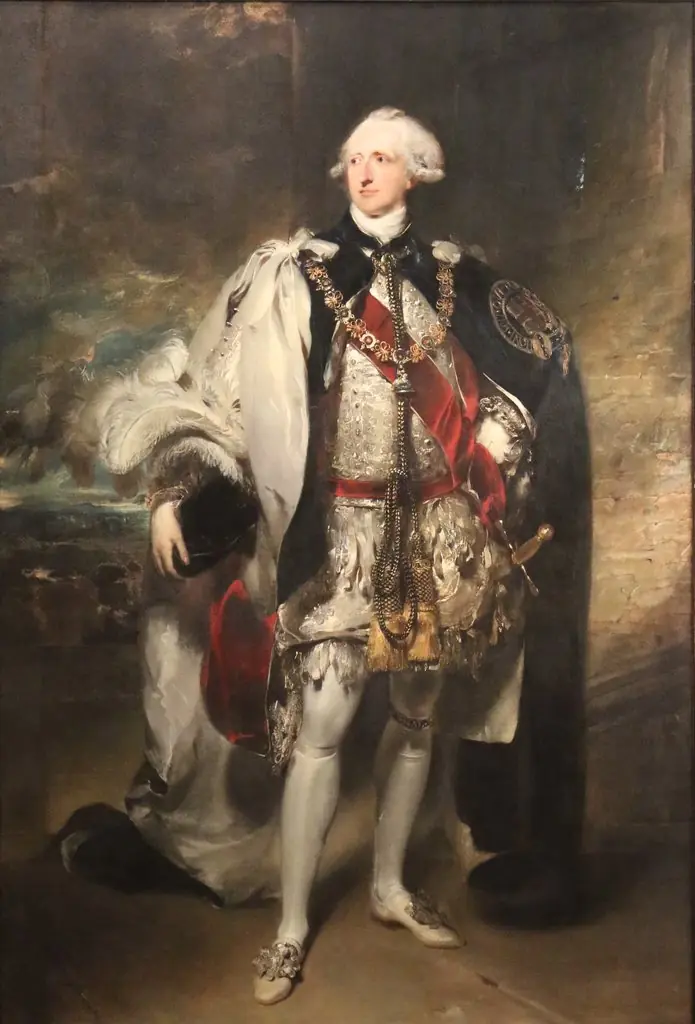 Francis Osborne, 5th Duke of Leeds
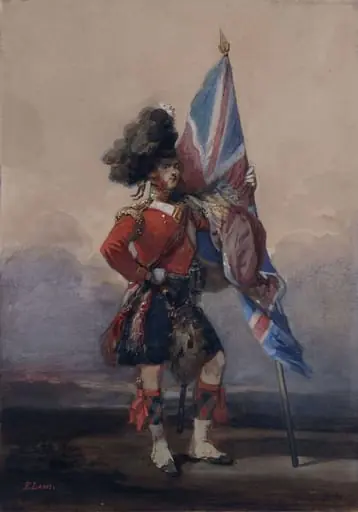 Ensign of the 79th Highlanders
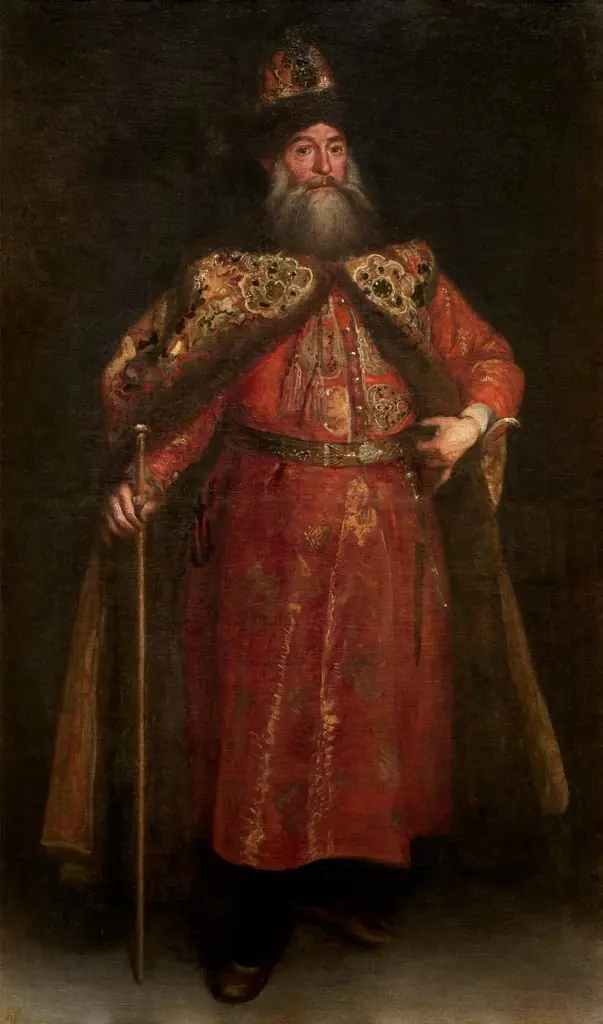 Peter Ivanowitz Potemkin, The Russian Ambassador
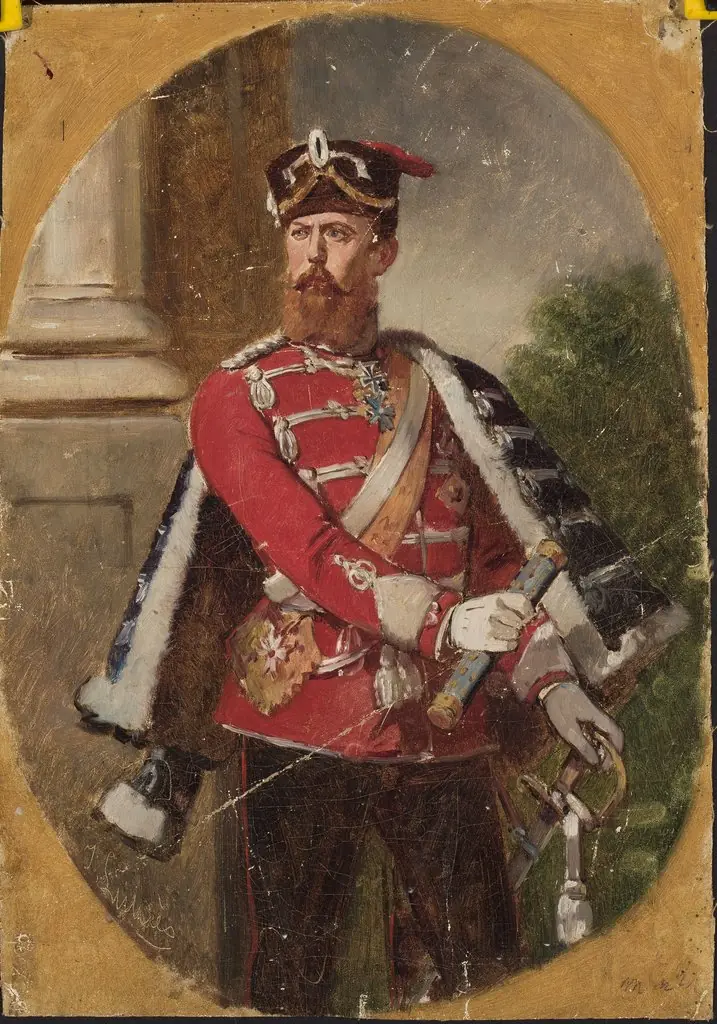 Portrait of a man in the uniform of the Imperial Guard hussar officer
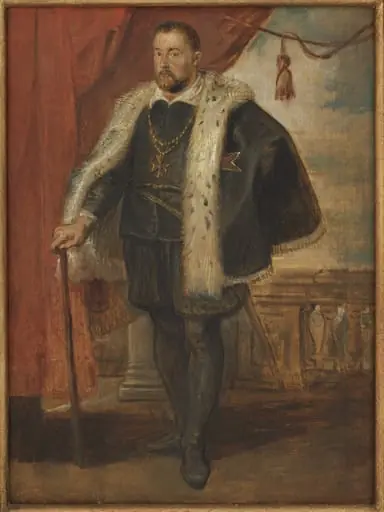 Francesco I de' Medici (1541-1587)
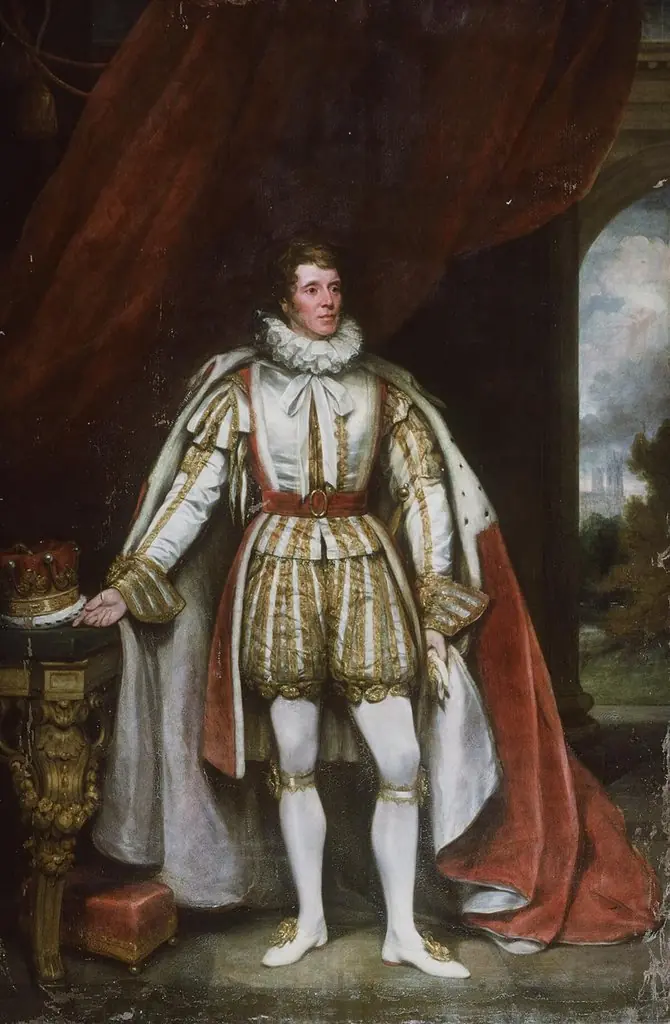 Henry Windham, 2nd Earl of Dunraven
 Charles I of England (1600-1649) as Prince of Wales
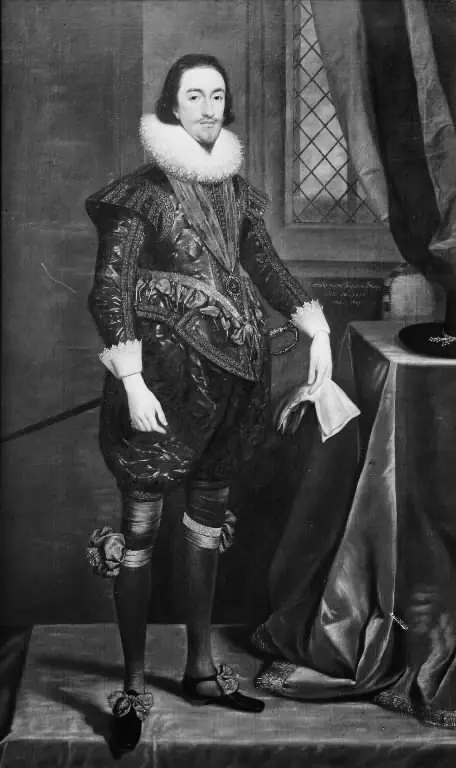 Charles I of England (1600–1649) as Prince of Wales
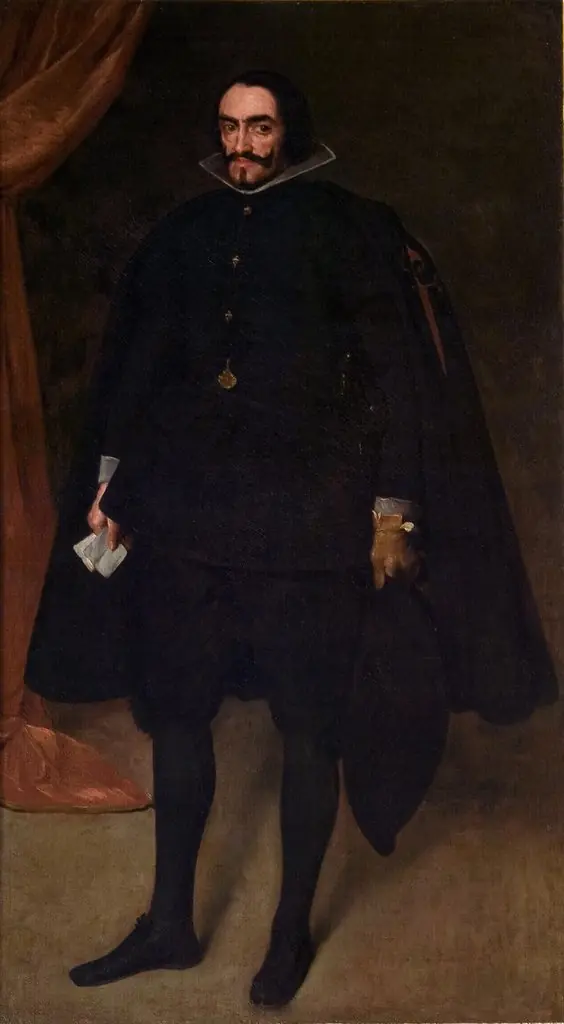 Portrait of a Knight of the Order of Santiago
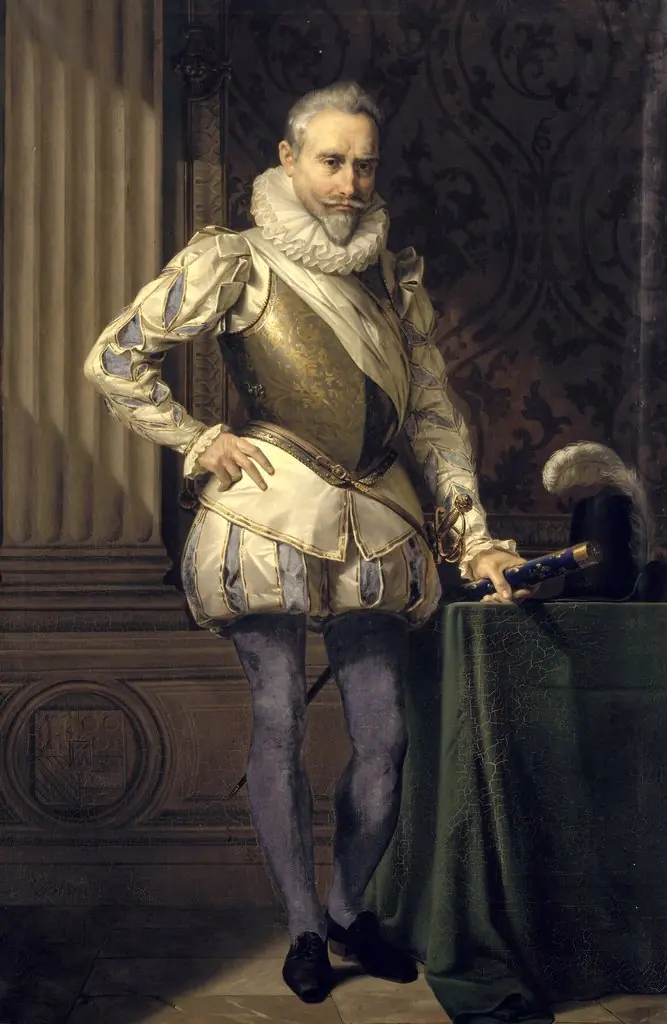 Portrait of Henri de La Tour d'Auvergne, duc de Bouillon
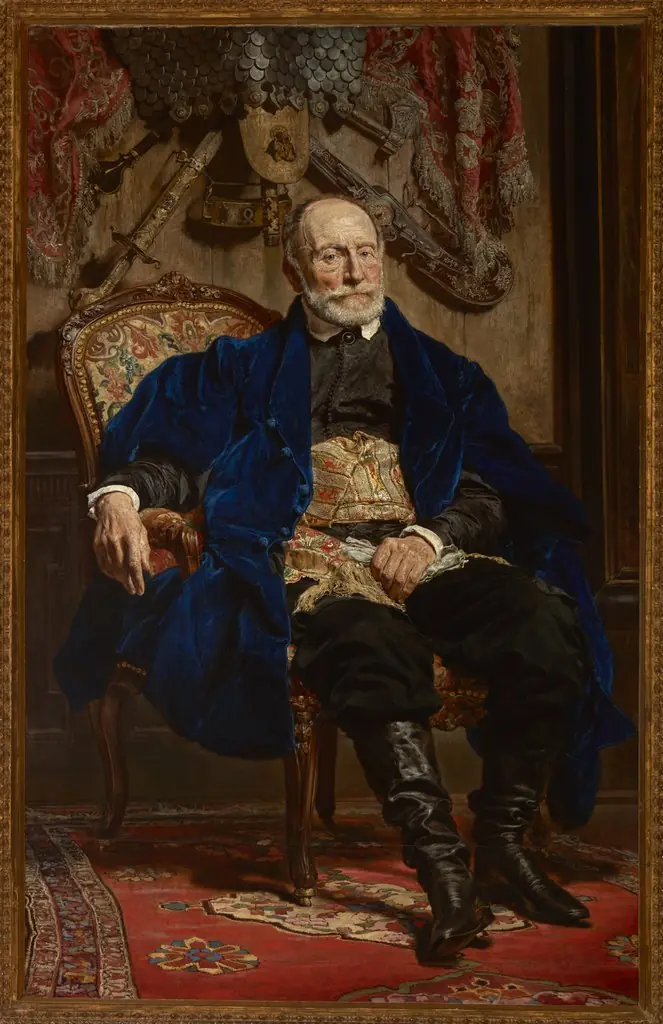 Portrait of Piotr Moszyński