Artwork
James Bleecker
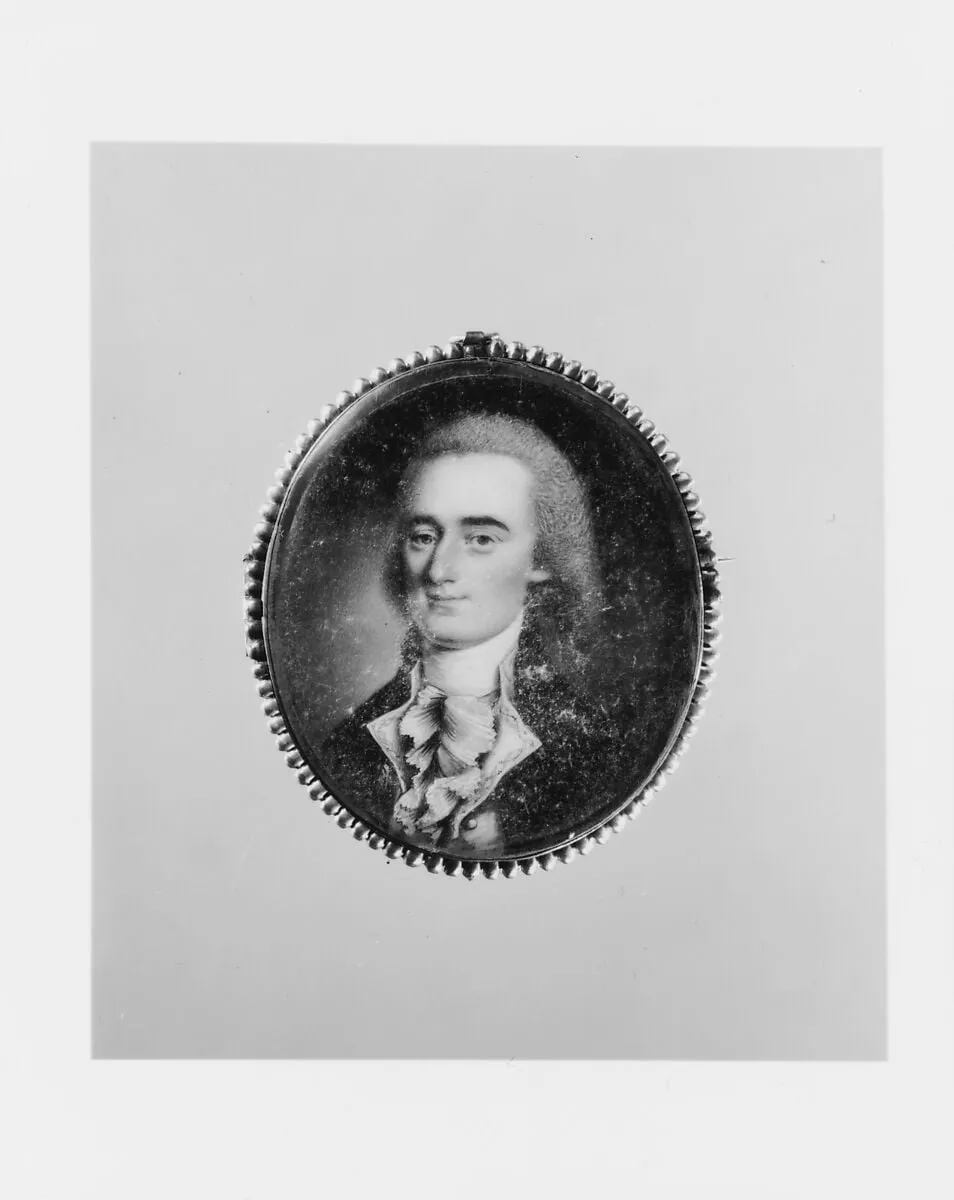
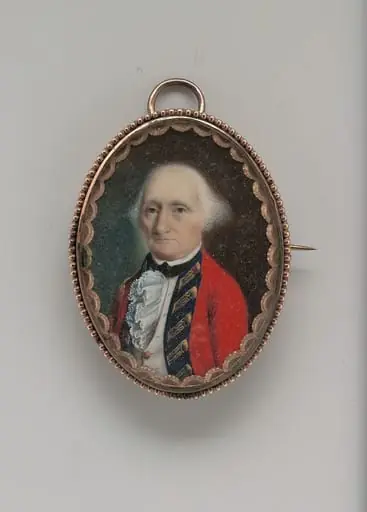
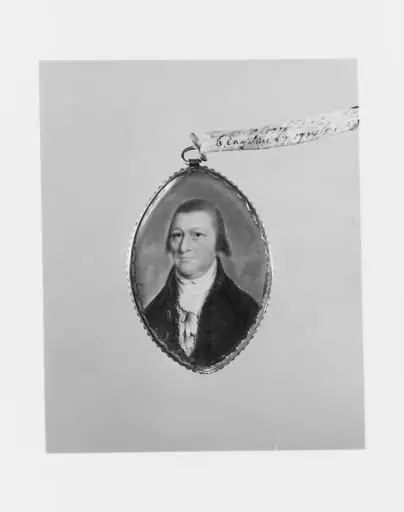
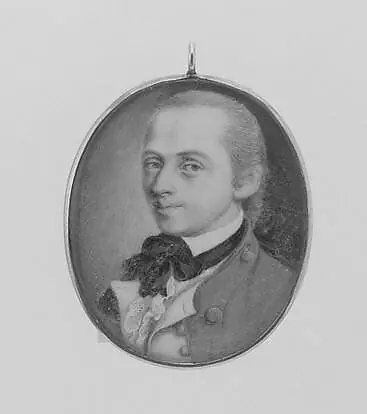
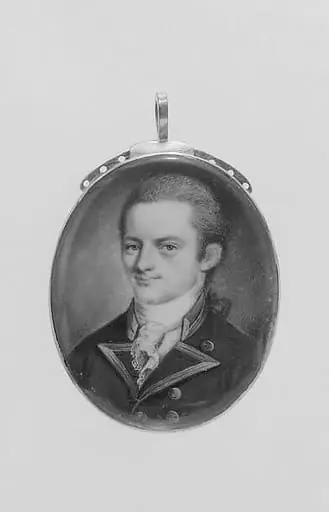
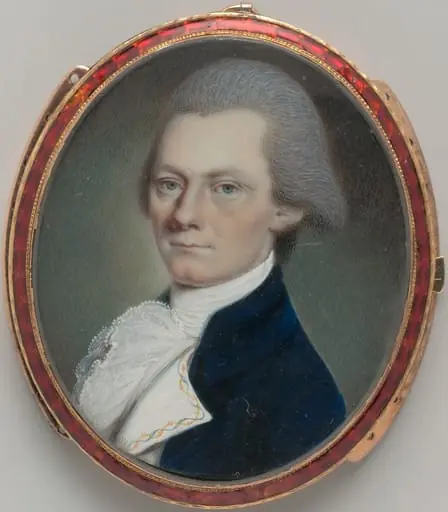
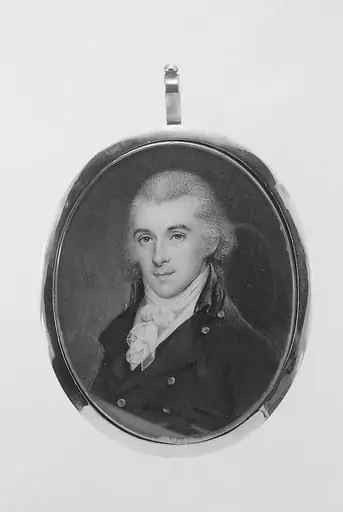
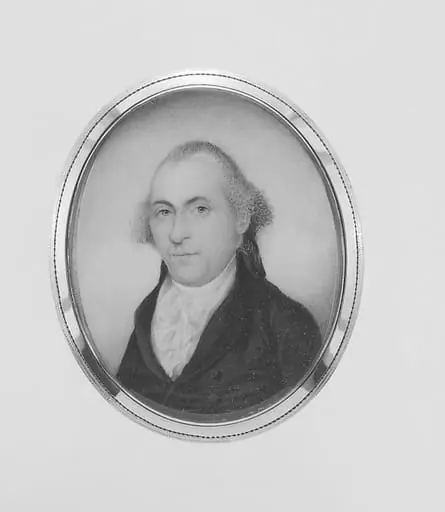
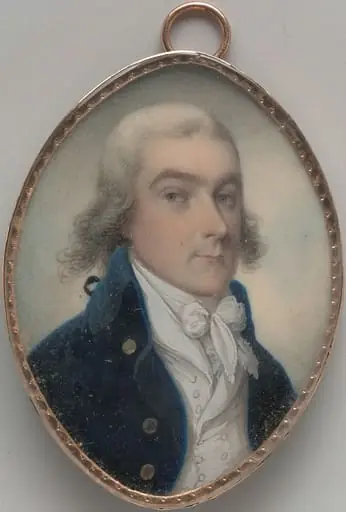
James Bleecker is a watercolor painting by the Rococo painting artist John Ramage. It dates from 1788 and is held in the collection of the Metropolitan Museum of Art.
About this work
Subject & Meaning
The composition focuses exclusively on the man, utilizing the intimate scale of the ivory support to create a personal record of his appearance.
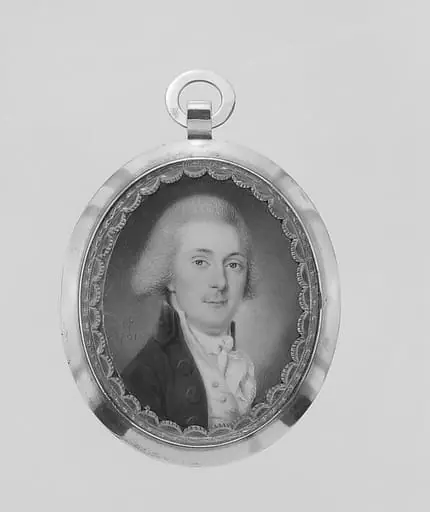
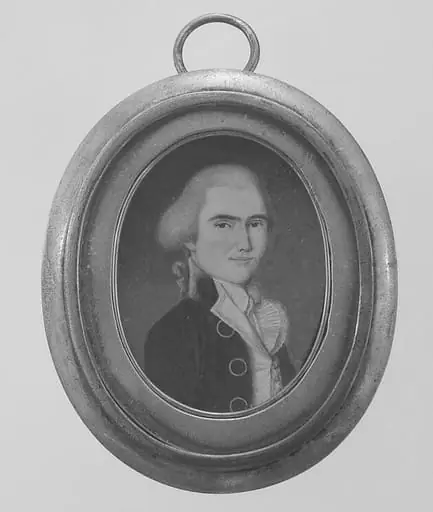
Executed in 1788 by John Ramage, this watercolor on ivory functions as a portrait depicting James Bleecker. The work's iconography is that of a formal male likeness, consistent with late eighteenth-century miniature traditions where the primary objective was the faithful representation of the sitter's features. As a portrait genre piece, the image symbolizes the individual identity and social standing of Bleecker within his historical context.
The composition focuses exclusively on the man, utilizing the intimate scale of the ivory support to create a personal record of his appearance. The work represents a specific moment in American portraiture, serving as a visual document of the subject rather than employing complex allegorical symbolism beyond the inherent statement of presence and status conveyed by the commission of such a likeness.
Technique & Style
Executed in 1788, this portrait by John Ramage uses watercolor applied to an ivory support. The work is characterized by its small scale, with a recorded height of approximately 2.9 cm, a format typical of miniature painting of the period. The medium of watercolor on ivory allows for the delicate handling required to render the likeness of the male subject.
As a piece classified within the American Wing of the Metropolitan Museum of Art, the object represents the technical approach to portraiture prevalent in late eighteenth-century America, where the luminous quality of the ivory ground enhances the translucency of the watercolor pigments.
History & Provenance
The miniature portrait James Bleecker by John Ramage is dated 1788, aligning with Ramage's documented activity in New York during the late 1780s. The work is held in the Metropolitan Museum of Art, classified within The American Wing. The sitter, James Bleecker, was a prominent New York merchant and civic figure, suggesting the portrait was commissioned to commemorate his status during the early national period.
The available records do not specify a unique accession or inventory number, nor do they document any exhibition history for the piece.
Overview
This early American portrait miniature, titled James Bleecker, was created by the Irish-born artist John Ramage around 1788. Executed in watercolor on a small piece of ivory, the work exemplifies the genre of miniatures, which served as intimate, portable likenesses in an era before photography. Such small-scale portraits were often carried by their owners as personal mementos.
Context
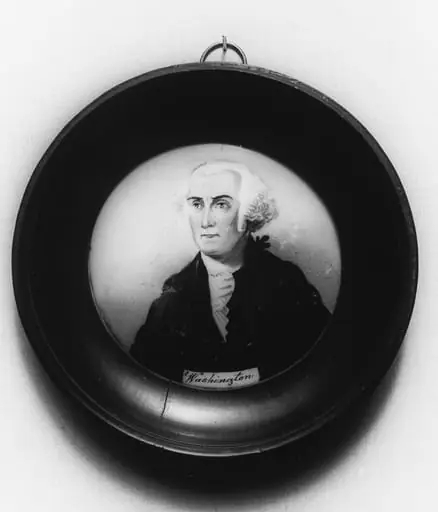
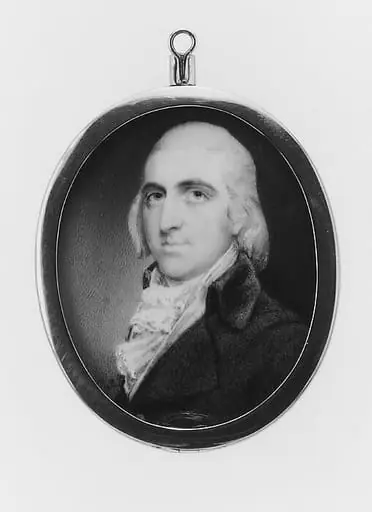
John Ramage was a versatile figure in early American art, also working as a goldsmith and serving in the military. He holds the distinction of being the first artist to paint George Washington following his presidency, underscoring his prominence in the nascent American art scene. The Metropolitan Museum of Art's collection includes only two of Ramage's known miniatures, making this example a significant representation of his work.
Artist & collection

Artist
John Ramage (1748 – 24 October 1802) was an Irish American artist, goldsmith, patroller, and second lieutenant.