Artwork
The Thames
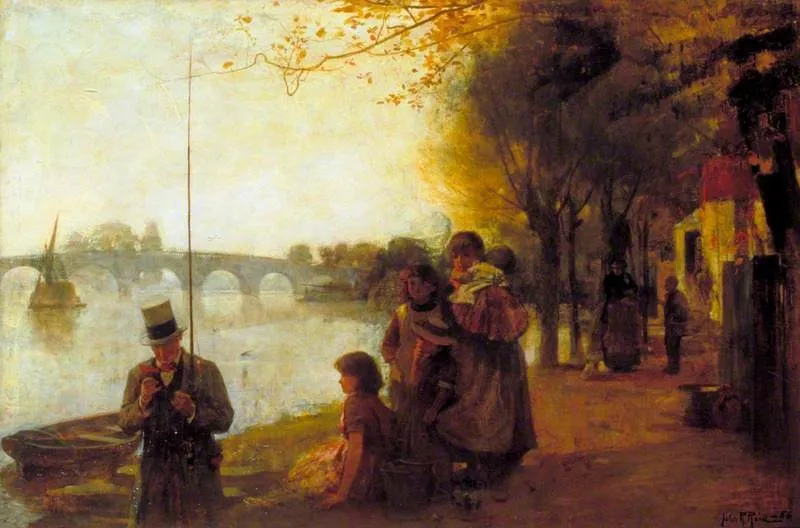
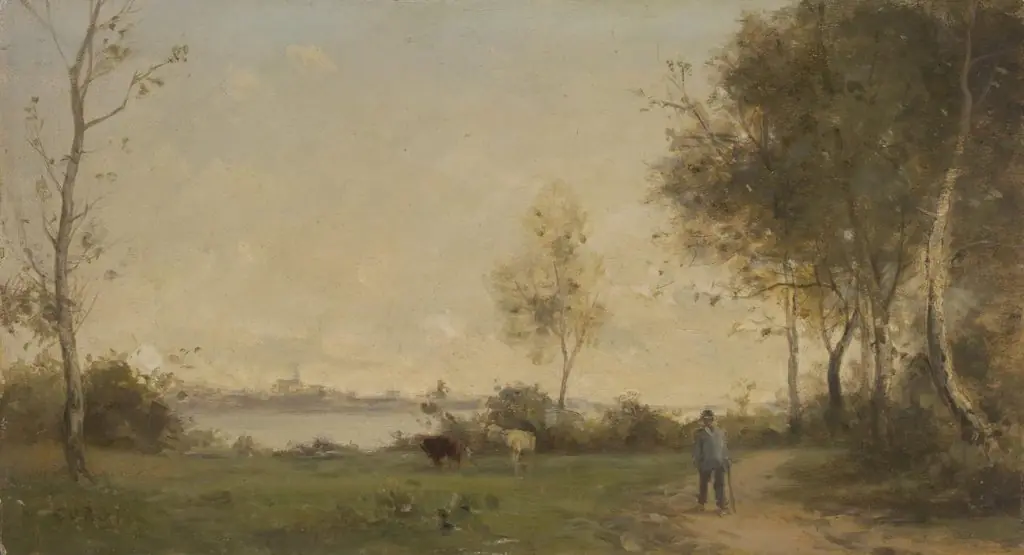
The Thames is an oil painting by the Impressionist artist John Robertson Reid. It dates from 1894 and is held in the collection of the Victoria and Albert Museum.
About this work
Overview
The Thames is an 1894 oil painting by Scottish artist John Robertson Reid, characterized by its Impressionist style and depiction of everyday life along the River Thames.
Subject & Meaning
The painting captures a serene moment of leisure by the Thames, featuring a group of people, including a man fishing, a woman with a child, and another seated on the ground. The scene conveys a sense of tranquility and ordinary life.
Technique & Style
Reid employed loose, expressive brushstrokes to imbue the scene with movement and energy. The warm, golden light, potentially influenced by chiaroscuro techniques, adds depth and illuminates the figures against the backdrop of a bridge and a boat on the river.
History & Provenance
Created in 1894, The Thames is part of the Victoria and Albert Museum's collection. Reid's involvement with prominent artistic societies, including presidencies, facilitated his integration into London's art world.
Context
As an Impressionist work, The Thames reflects Reid's adaptation of the movement's emphasis on capturing modern life and the effects of light, set against the familiar backdrop of London.
Legacy
While specific details on the painting's direct impact are not highlighted, its presence in a major museum collection and its stylistic alignment with Impressionism contribute to its recognition within Reid's oeuvre and the broader Impressionist movement in Britain.
Artist & collection
Artist
John Robertson Reid (6 August 1851 – 10 February 1926) was a Scottish painter who spent his early working life in Surrey, and then from the early 1880s in Cornwall in the wild south-west of England.

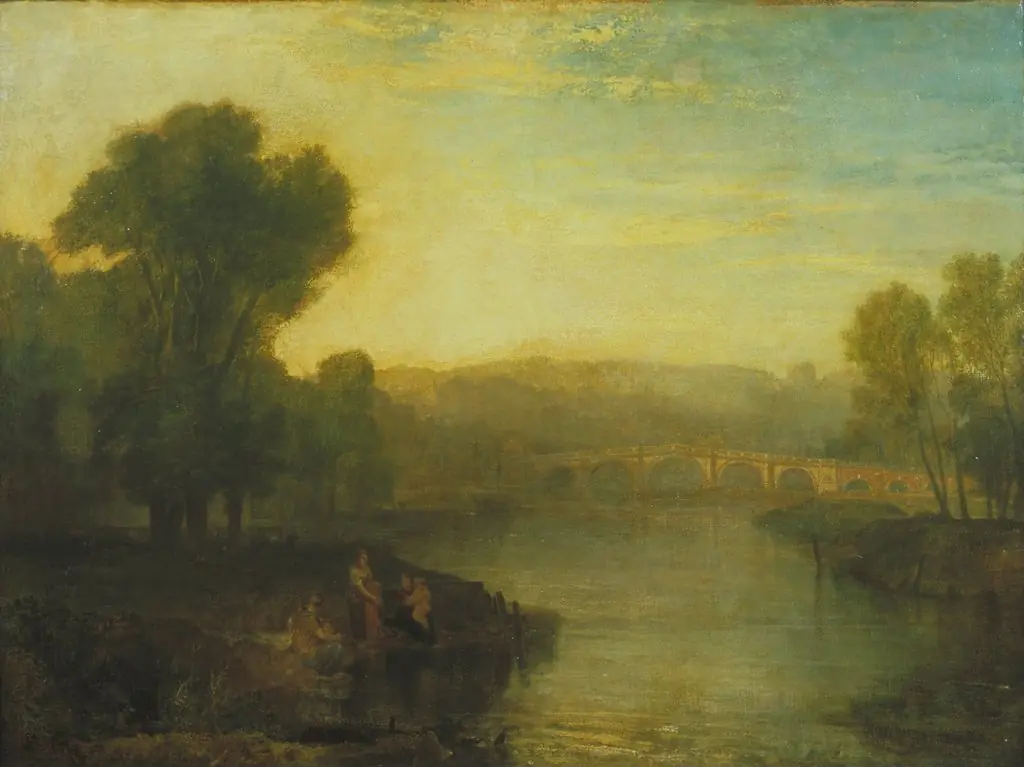 View of Richmond Hill and Bridge
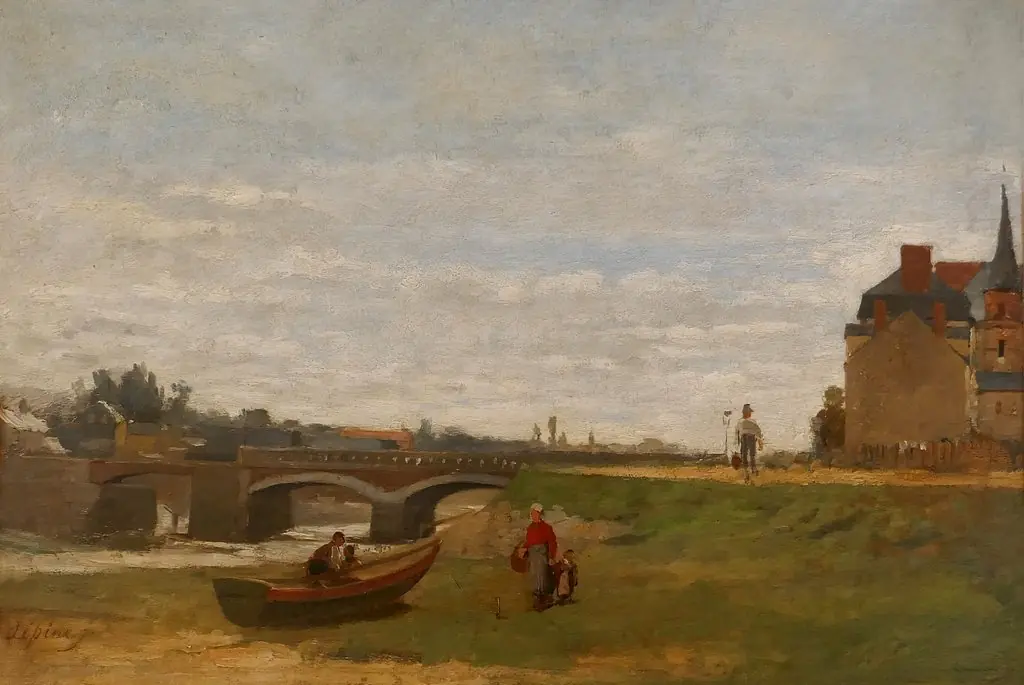 Landscape with a Bridge
 Fin de Belle Journée
 Dublin Streets: a Vendor of Books
 The Nungate Bridge, Haddington
 Cottage by the River with Washerwomen
 Summer Morning: Dedham from Langham
 Somer Hill, Tonbridge
 Cottage by the River with Washerwomen
 Riverbank with Bathers
 Landscape sketch
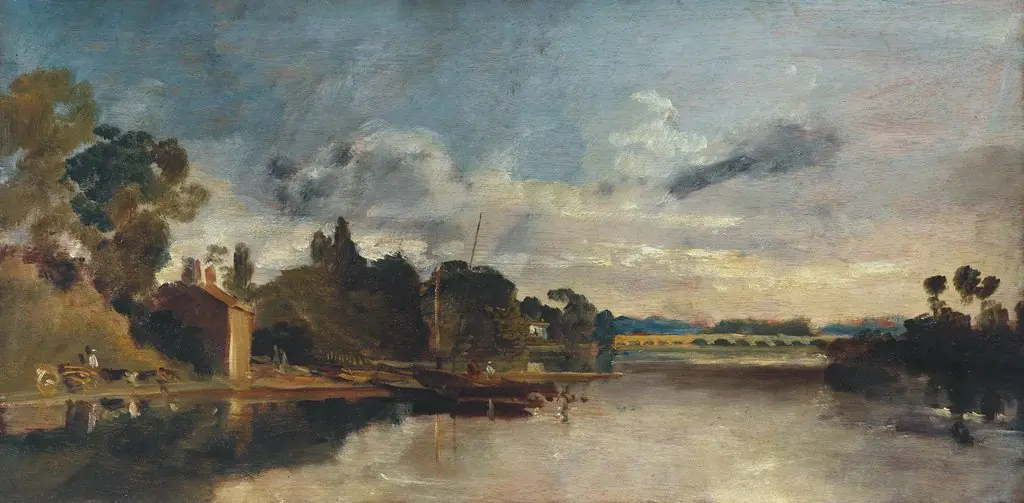
- The Thames near Walton Bridges