Subject
Fishing
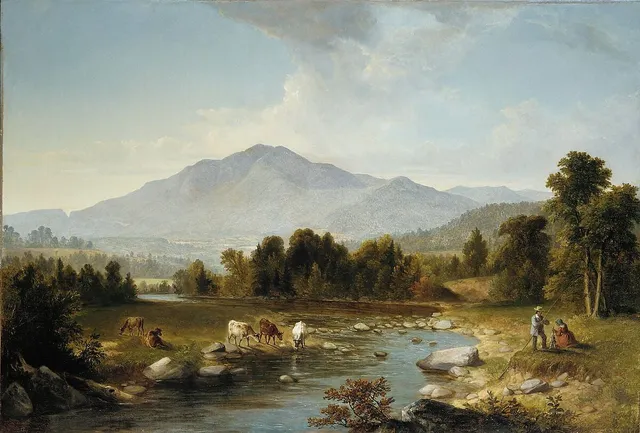
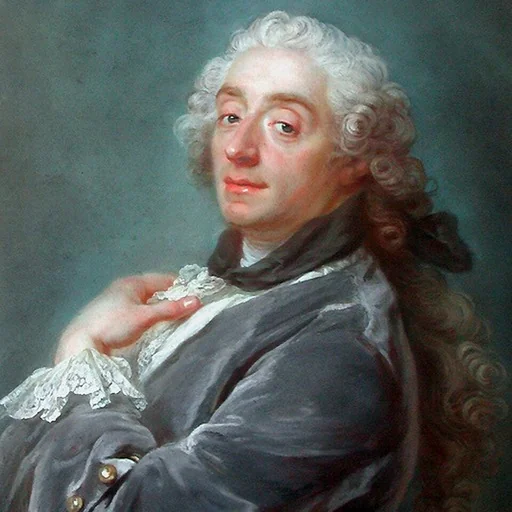
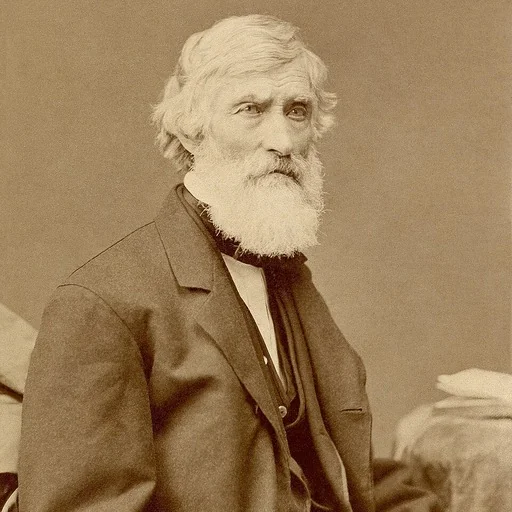
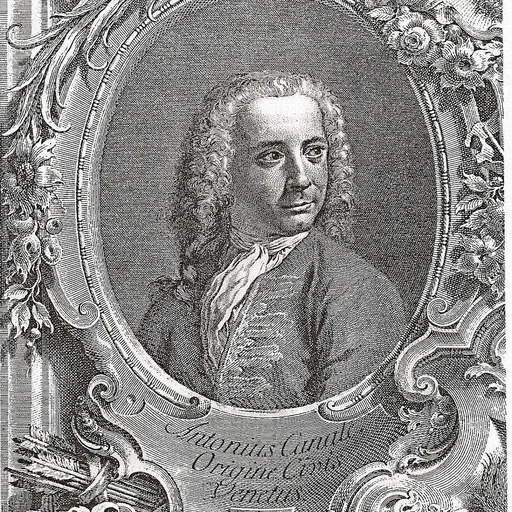
Fishing is a subject in art. The gallery holds 140 works in this subject in art, including works by François Boucher, Asher Brown Durand and Canaletto.
Fishing is the activity of trying to catch fish. Fish are often caught as wildlife from the natural environment (freshwater or marine), but may also be caught from stocked bodies of water such as ponds, canals, park wetlands and reservoirs.
Key artists
Overview
Fishing is the activity of attempting to catch fish and other aquatic animals from their natural or stocked environments, including freshwater, marine, and wetland settings. As a fundamental human pursuit, it encompasses a wide range of techniques such as angling, netting, spearing, and trapping. The practice dates back to the Upper Paleolithic period, roughly 40,000 years ago, with isotopic analysis of early modern human remains indicating regular consumption of freshwater fish. Archaeological evidence, such as 90,000-year-old harpoons and catfish bones found in the African Rift Valley, further underscores its ancient origins. Because it has persisted from prehistoric hunter-gatherer societies through successive industrial revolutions, fishing has remained a continuous subject of human material culture and visual representation.
Iconography & meaning
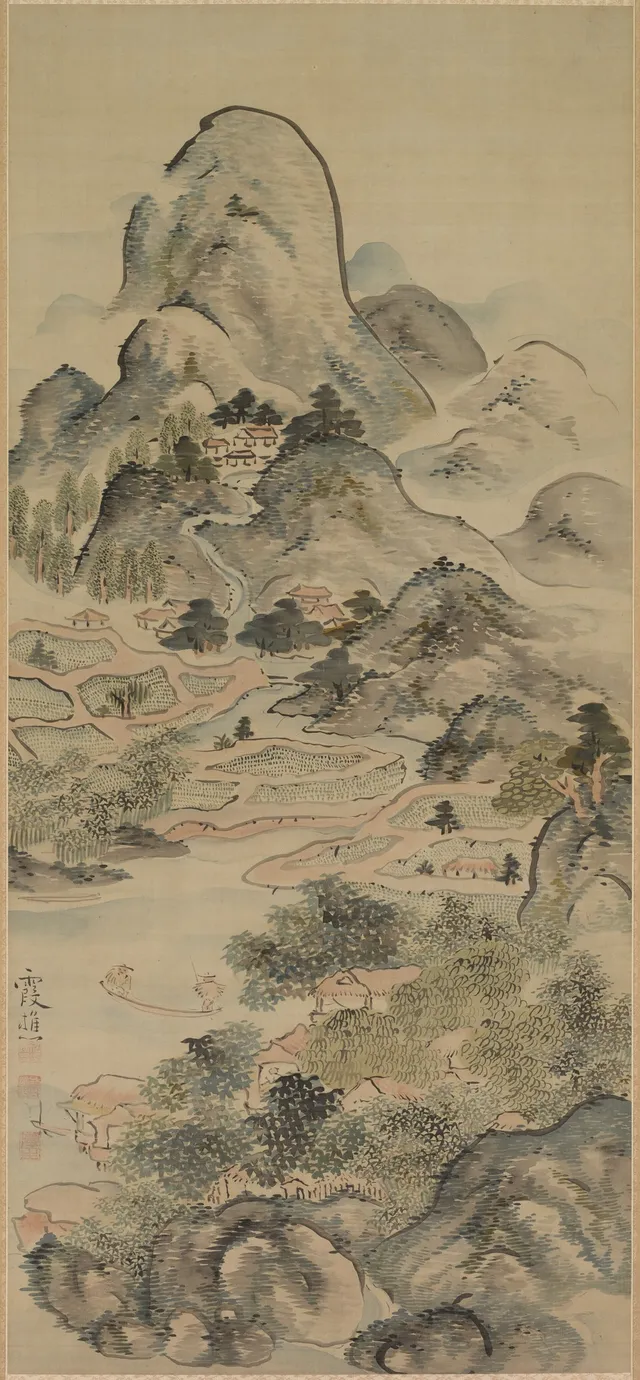
In visual culture, the iconography of fishing extends beyond the mere depiction of a subsistence activity to embody complex symbolic meanings. Prehistorically, the depiction of fish was often symbolic or tied to seasonal cycles, as seen in Magdalenian cave art where migratory species like salmon, sea trout, and eel were most frequently represented, possibly referencing their seasonal availability rather than just dietary preference. In later East Asian painting traditions, the fisherman became a potent symbol of the recluse or the philosophical wanderer seeking harmony with nature, rather than a laborer extracting resources. This is evident in classical scroll and album paintings where the figure of the solitary angler represents eremitic withdrawal and rustic joy.
Across movements & periods
The artistic treatment of fishing has shifted significantly across periods and cultures, reflecting evolving relationships with labor, nature, and technology. In prehistoric and ancient contexts, representations were largely schematic or symbolic, such as the detailed but overlaid fish engravings on 15,800-year-old slate plates from Gönnersdorf, which explicitly combine fish figures with grid patterns to depict the use of fishing nets. During the medieval and early modern periods in East Asia, the motif was elevated to a philosophical ideal within literati culture, focusing on the solitary figure in vast landscapes. Conversely, in Western art, the industrialization of the 19th century transformed the motif from a rustic or leisure activity into a subject of maritime labor and technological progress, as seen with the rise of the Brixham sailing trawler and the subsequent introduction of steam-powered trawlers, which shifted depictions toward the realities of deep-sea commercial enterprise and large-scale extraction.
Notable depictions
Notable early depictions of fishing and fish include the Magdalenian cave paintings and engravings of southwestern France, created between 35,000 and 10,000 years ago, where salmonids were the most frequently and realistically figured subjects. Another significant prehistoric depiction is found on the Gönnersdorf slate plates, where recent imaging technology revealed detailed engravings of fish overlaid with grid patterns representing nets. In the history of East Asian art, canonical depictions of the fishing motif include Wu Zhen's Fisherman and Wang Fu's Joys of the Fisherman, which are foundational examples of the angler-recluse trope in Yuan and Ming dynasty landscape painting. These works stand in contrast to later Western depictions of commercial trawling fleets, which document the industrialization of ports like Grimsby rather than philosophical withdrawal.
Legacy
The legacy of fishing as both a cultural motif and an economic force is defined by its transition from a vital prehistoric subsistence method to a massive global industry, a shift that has generated contemporary ecological concerns. The industrialization of fishing, which began with the development of the Brixham trawler in the 19th century and accelerated with steam and diesel power, led to massive fleet expansions and the overexploitation of maritime resources. By the late 20th and early 21st centuries, overfishing became a critical global issue, with the percentage of overfished species rising from 10 percent in 1974 to 34 percent in 2017. This environmental degradation has altered the cultural perception of fishing, prompting regulatory frameworks like the European Union's fishing quotas and the rise of sustainability certifications, which now contextualize the once-uncomplicated image of the fisherman.
Works
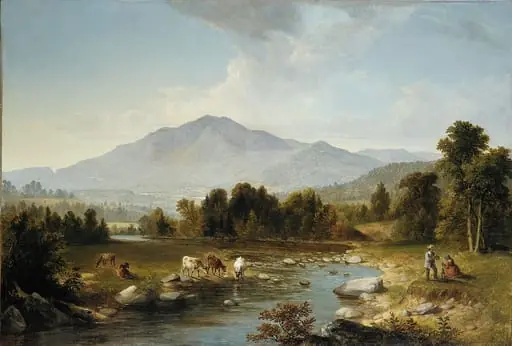 High Point: Shandaken Mountains
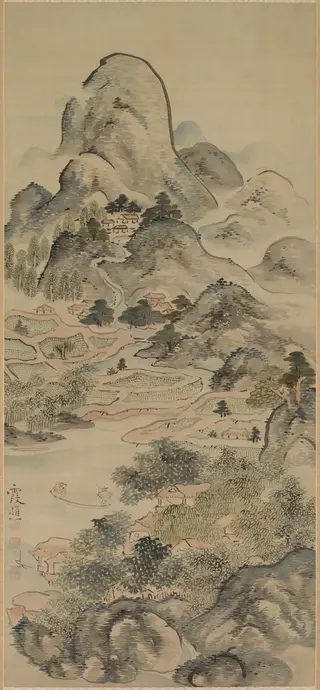 Fishing in Springtime
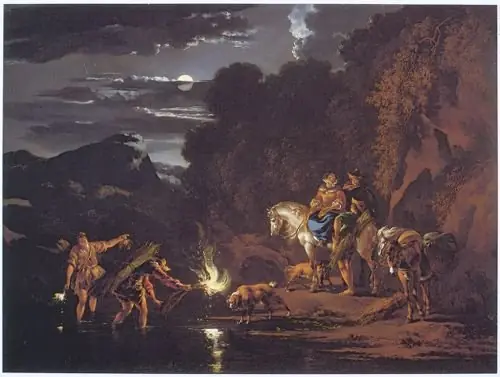 Moonlight Landscape with Crab Fishermen
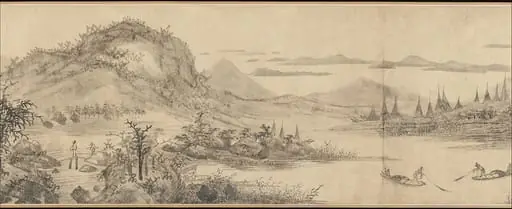 明 王紱 江山漁樂圖 卷|Joys of the Fisherman
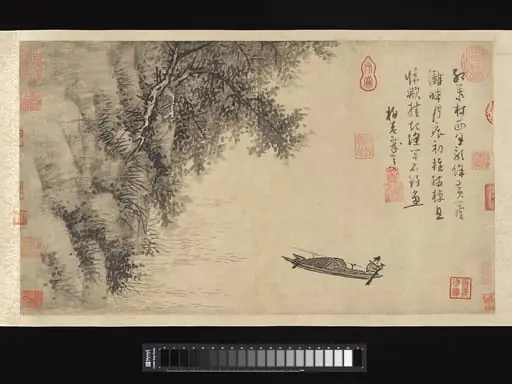 元 吳鎮 蘆灘釣艇圖 卷|Fisherman
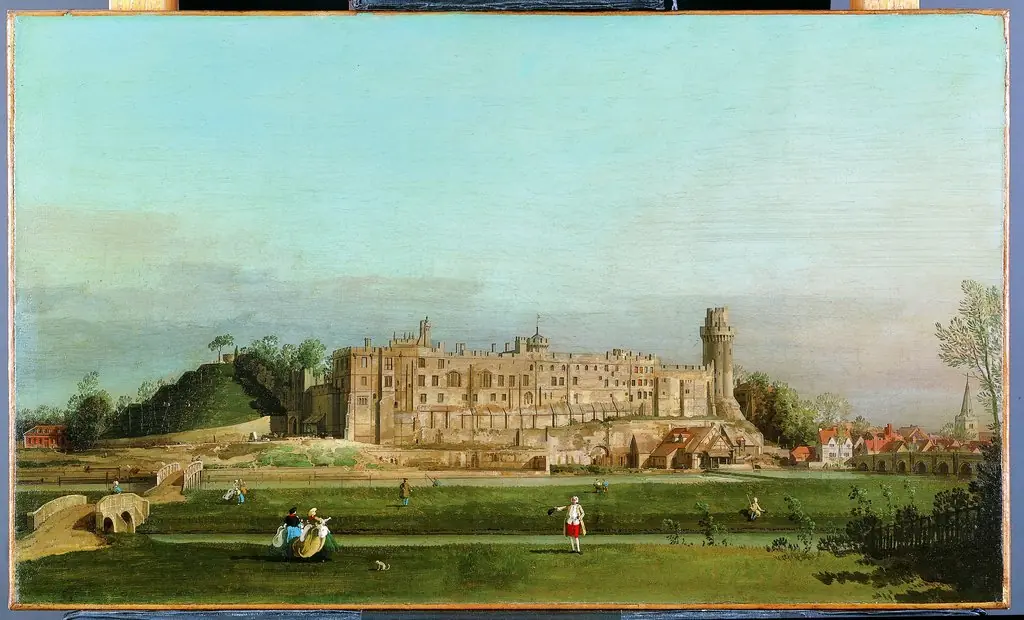 Warwick Castle
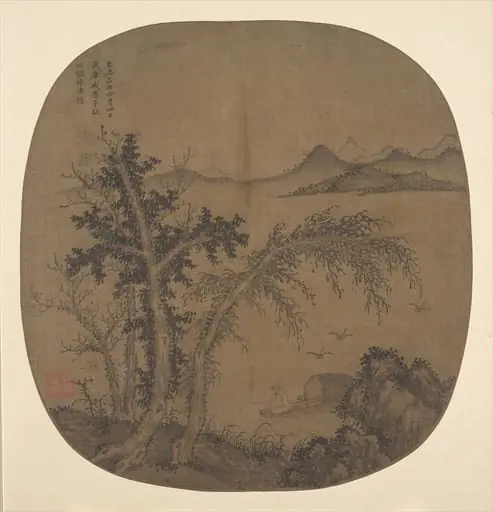 元 盛懋 秋林漁隱圖 團扇|Recluse Fisherman, Autumn Trees
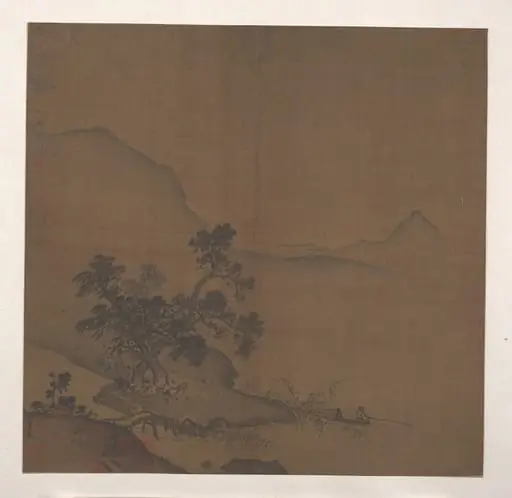 Untitled
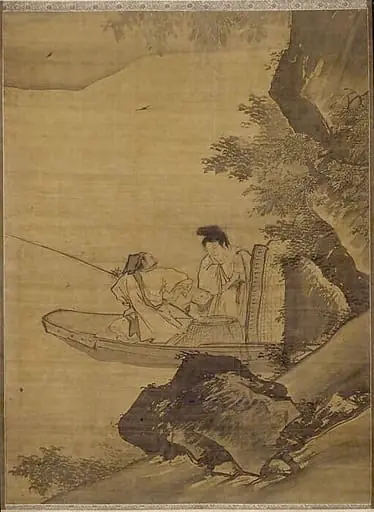 明 傳張路 溪畔漁家圖 軸|Fisherman and family
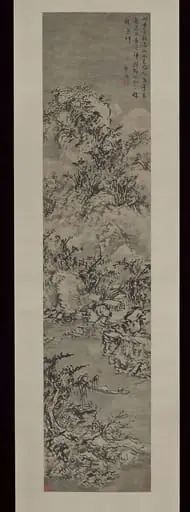 明 史忠 雪景山水圖 軸|Winter landscape with fisherman
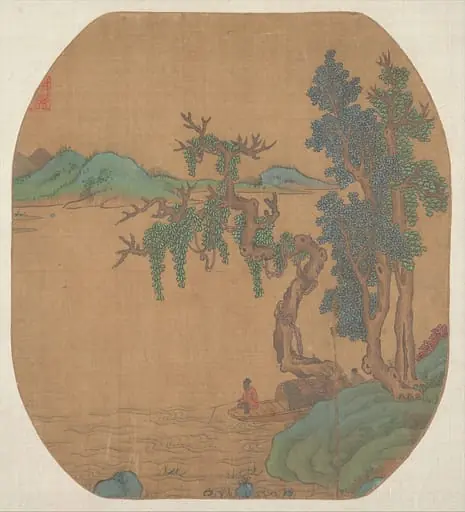 Untitled
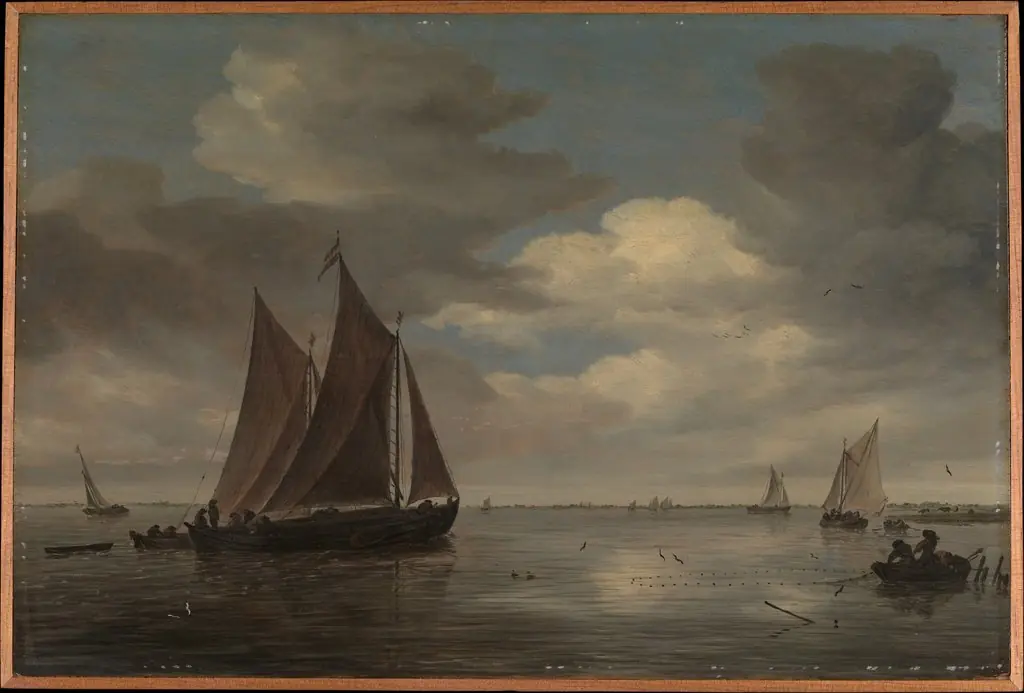 Fishing Boats on a River
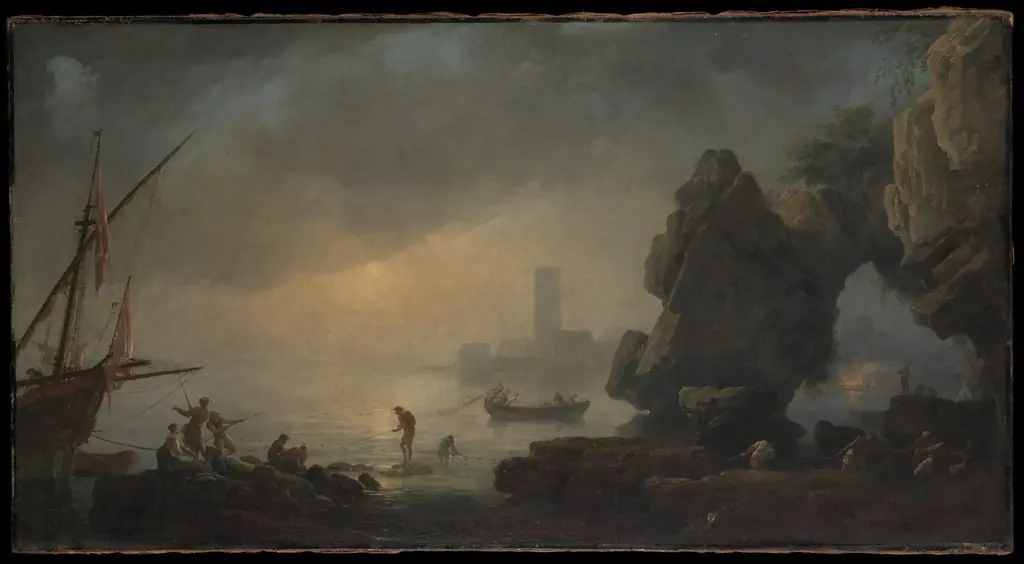 Harbor Scene with a Grotto and Fishermen Hauling in Nets
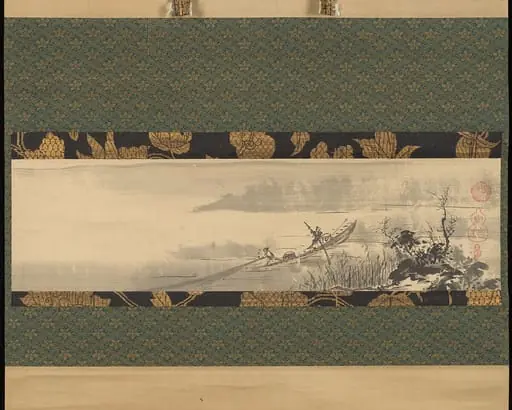 Untitled
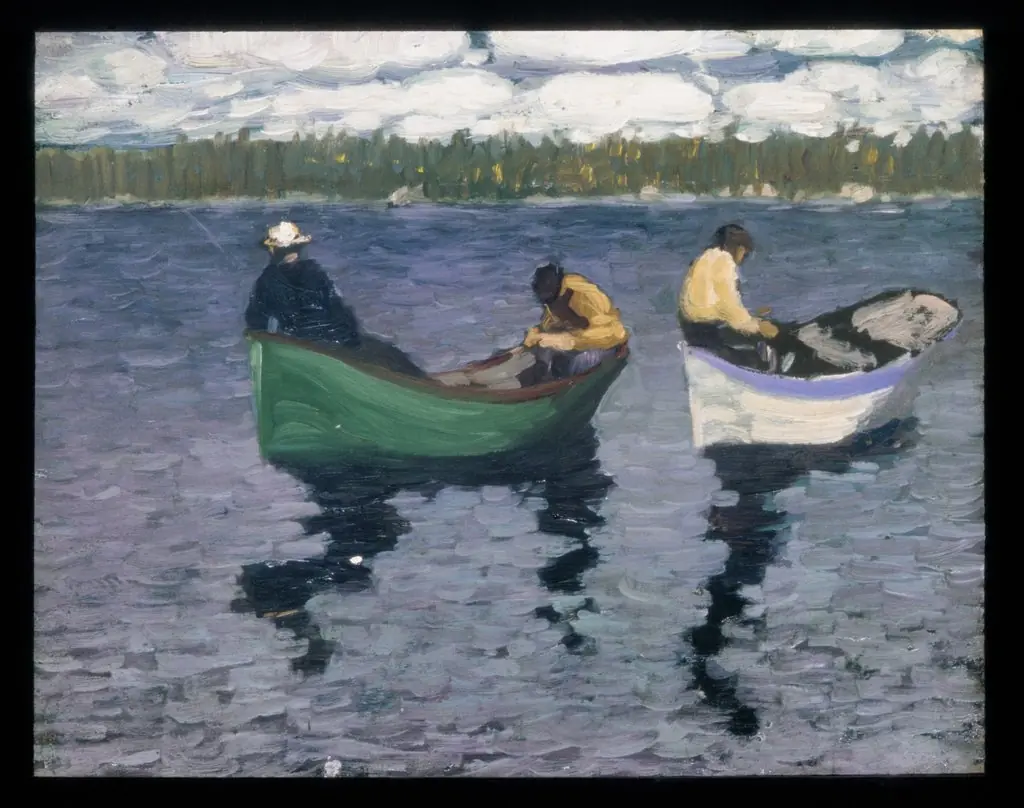 Fishermen
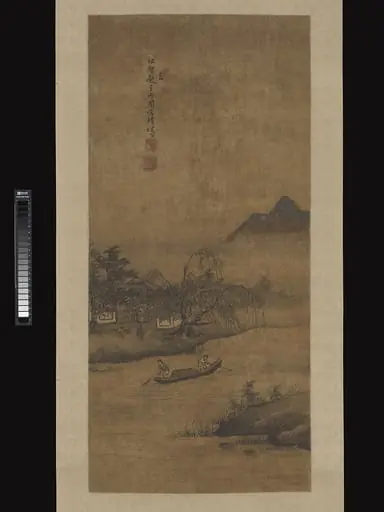 明 周文靖 漁隱圖 軸|Rustic retreat among fishermen
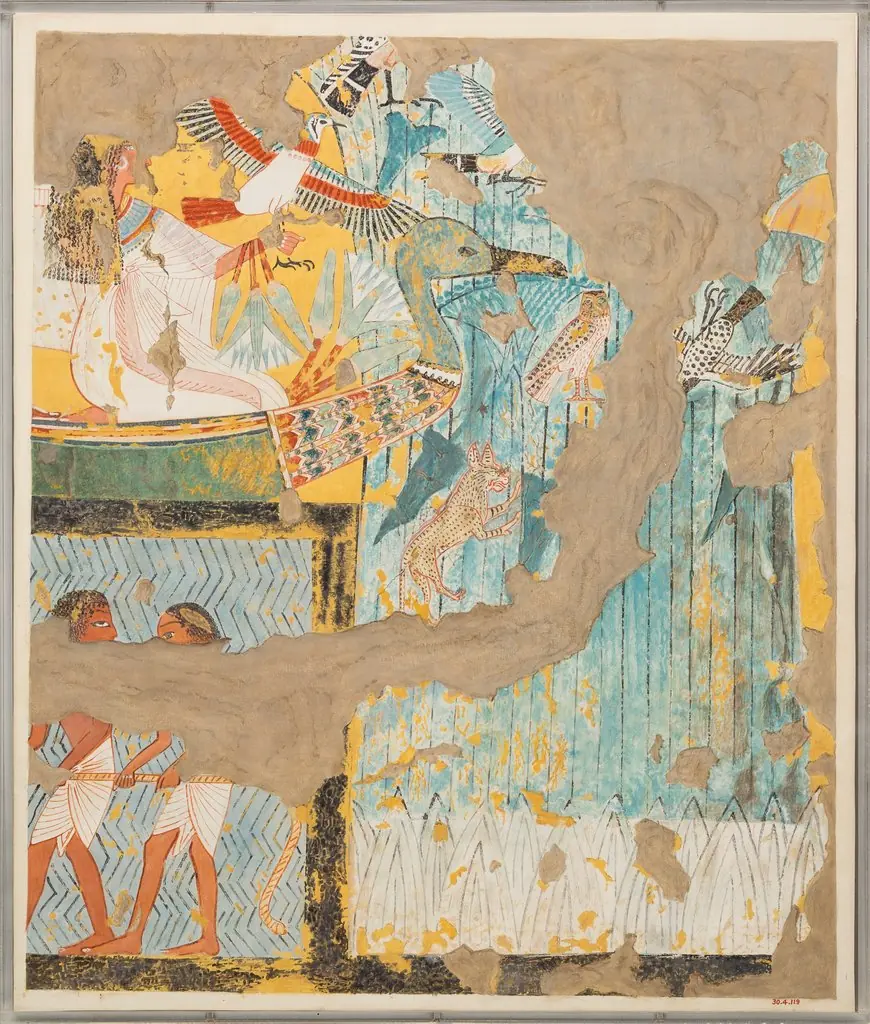 Fishing and Fowling, Tomb of Ipuy
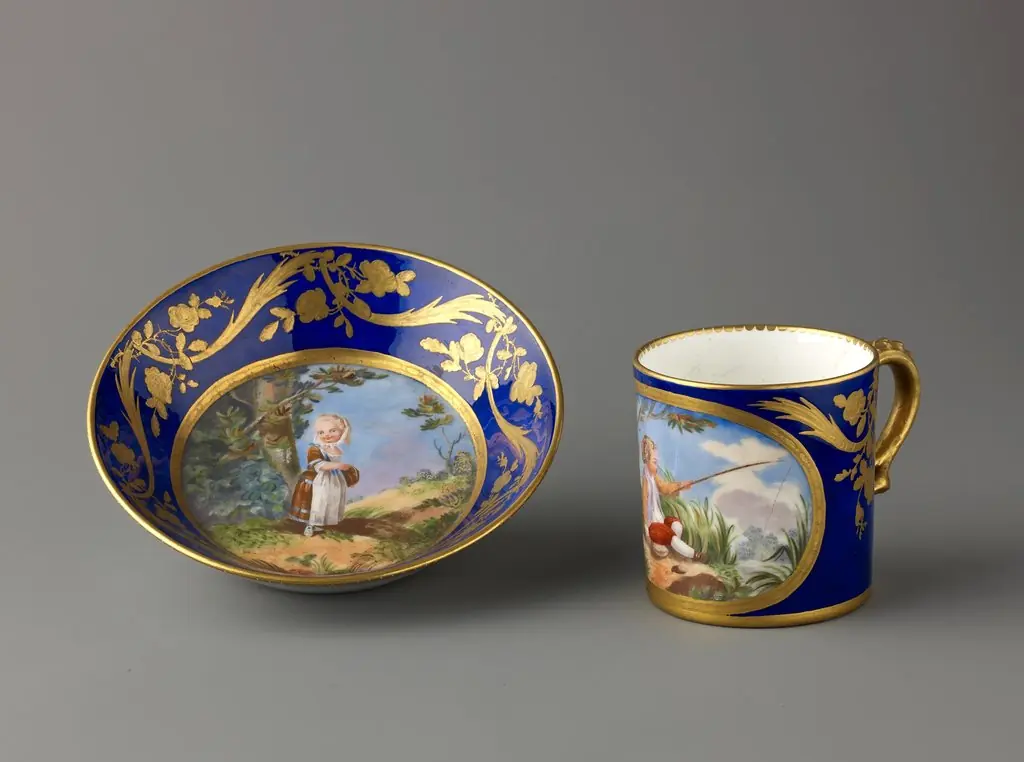 Cup and saucer
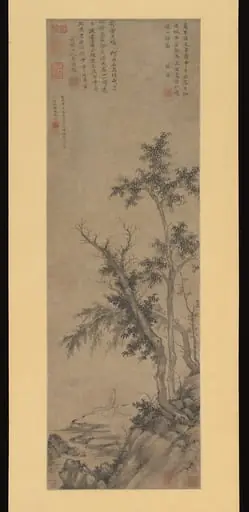 元 盛懋 秋林漁隱圖 軸|Recluse Fishing by Autumn Trees
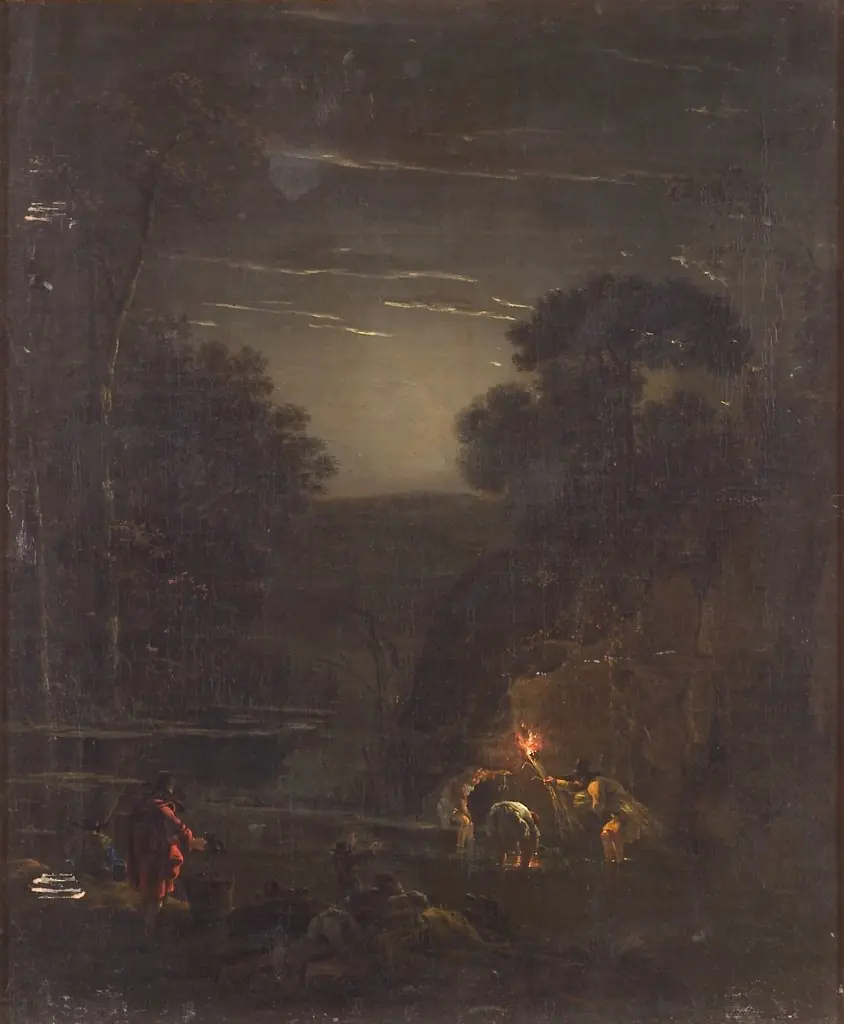 Nocturnal Crayfishing
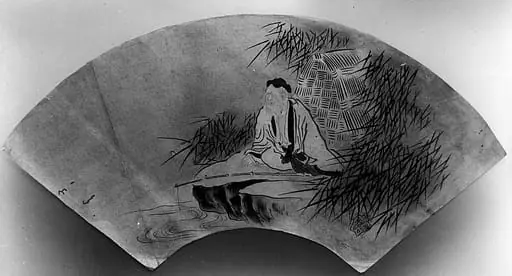 Untitled
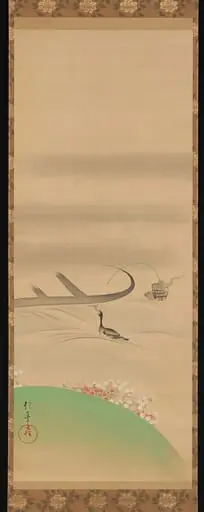 Untitled
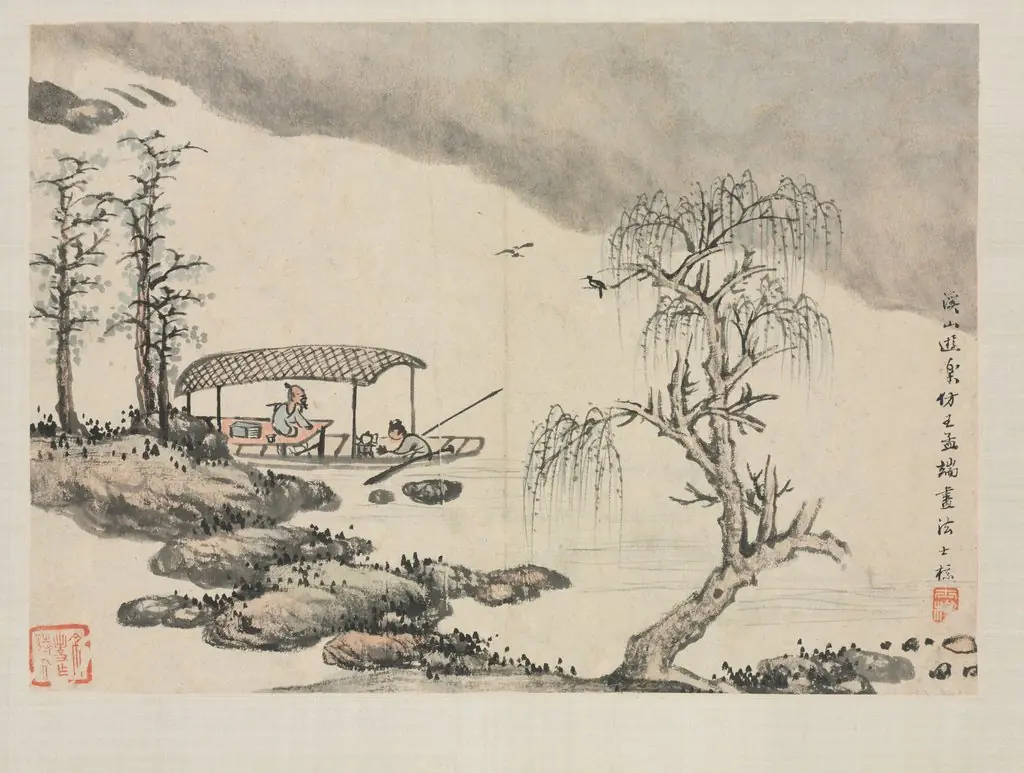 Landscape Album in Various Styles: Pleasure in a Mountain Brook
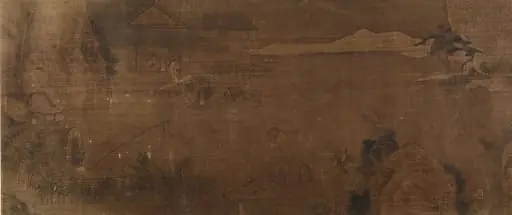 Untitled
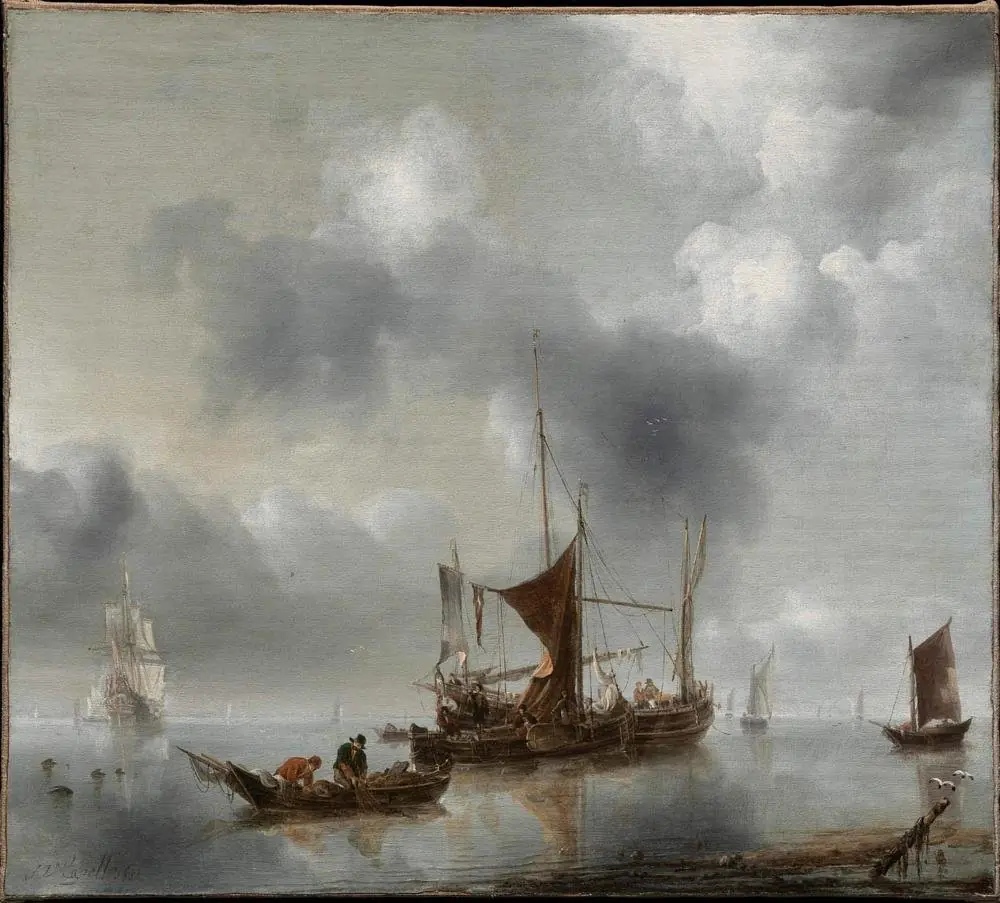 A Kaag and a Smak in a Calm
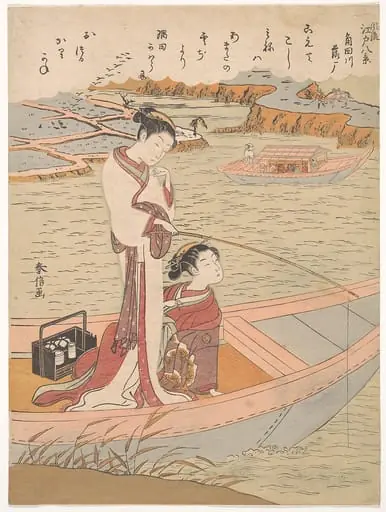 Sumidagawa no rakugan|風俗江戸八景 隅田川落雁|Wild Geese Flying Down the Sumida River
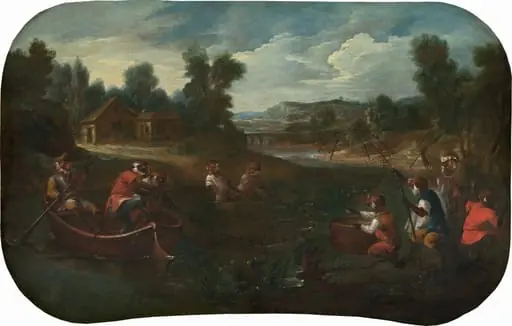 Singerie: The Fishermen
 Fisherman's Joy
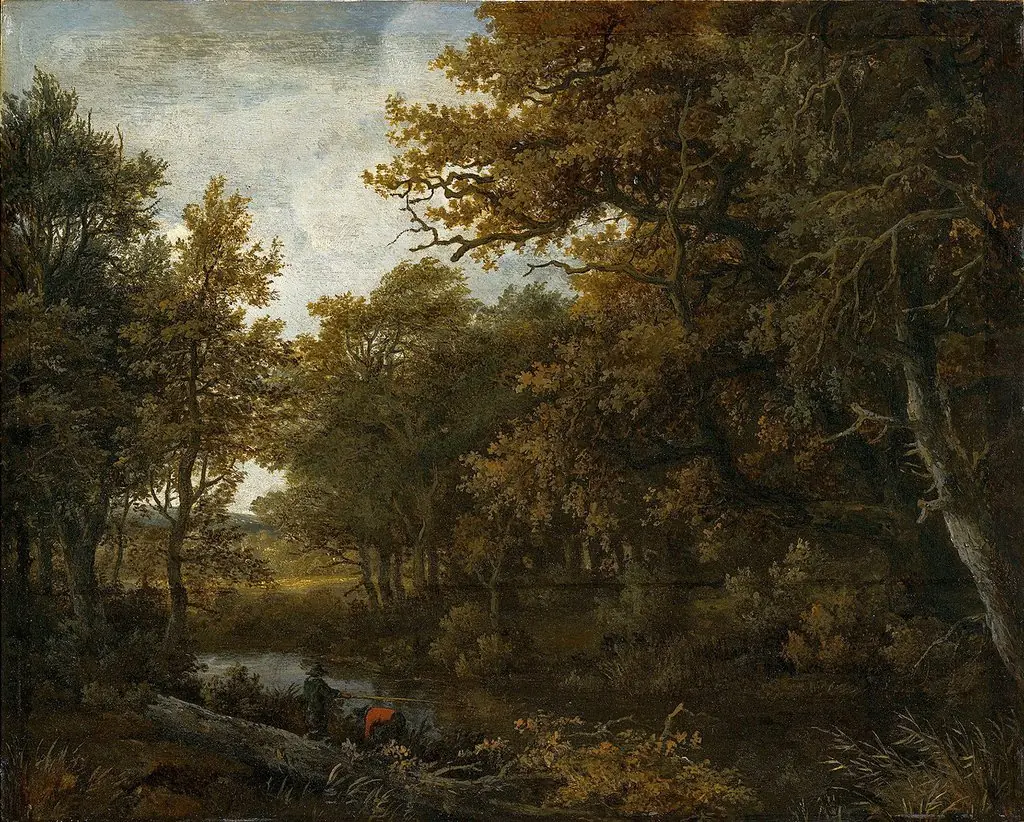 Forest
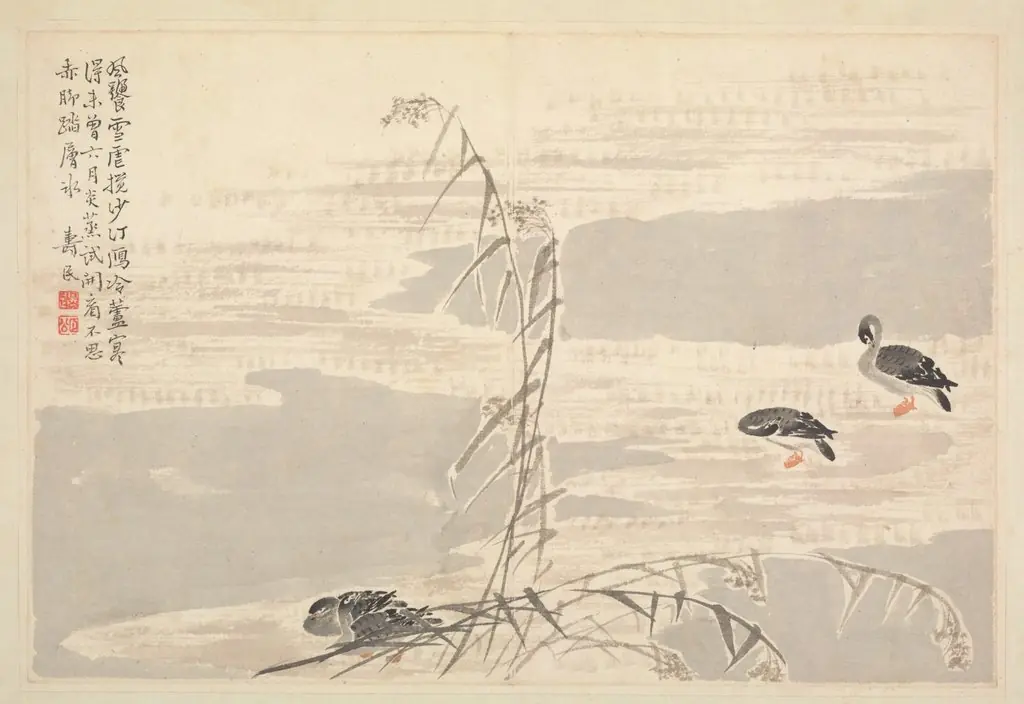 Album of Calligraphy and Paintings
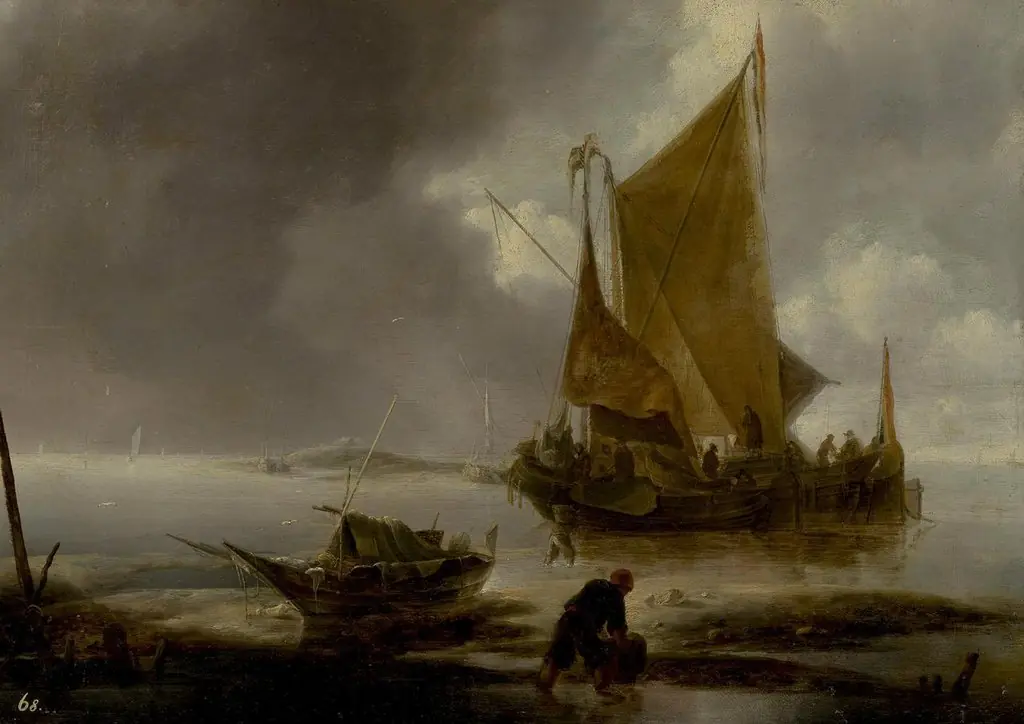 Seascape
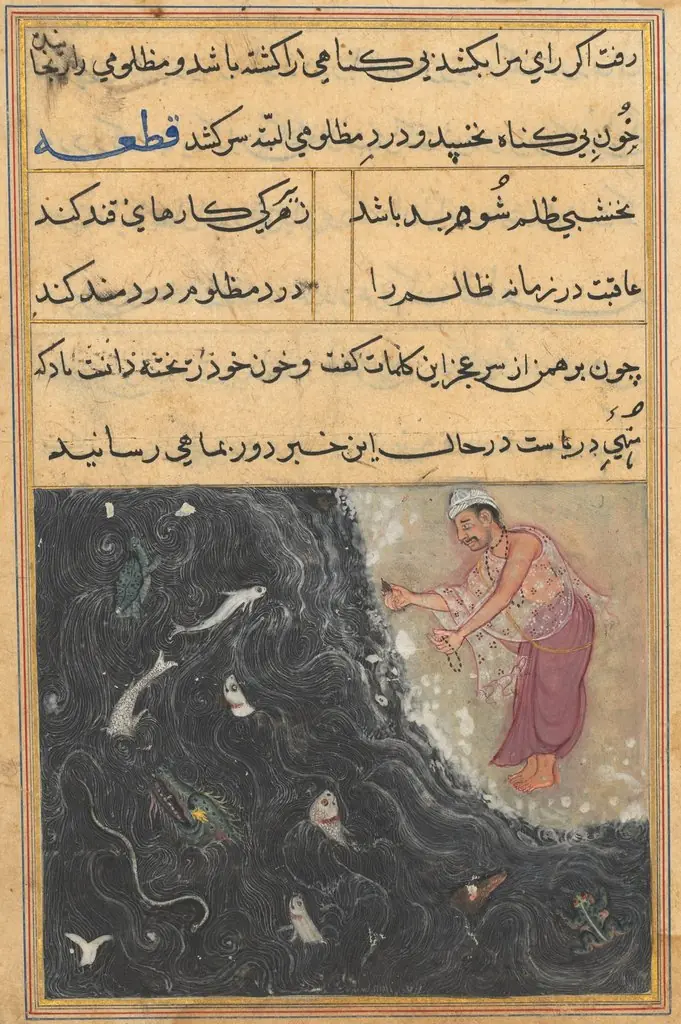 The Brahman’s predicament is conveyed by the wind to the fish who carries the news to the king of the Ocean, from a Tuti-nama (Tales of a Parrot): Eleventh Night
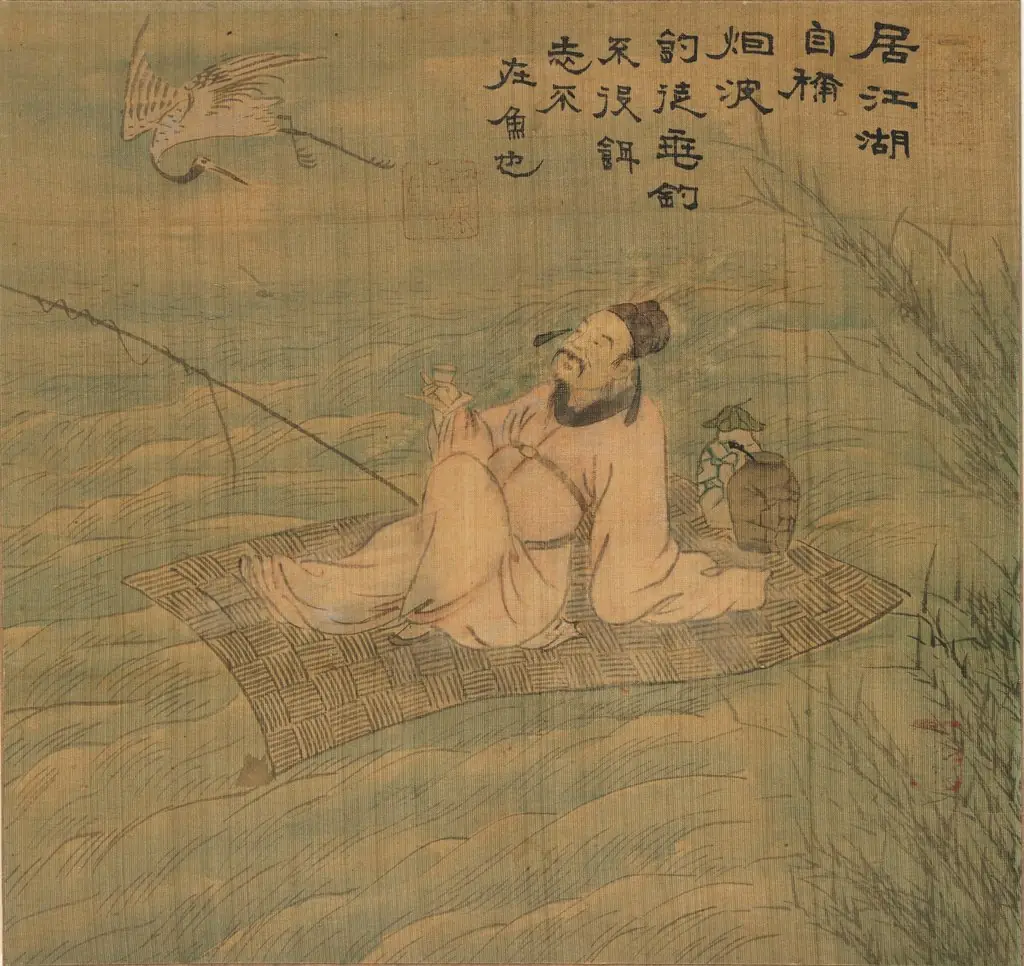 Poet Fisherman
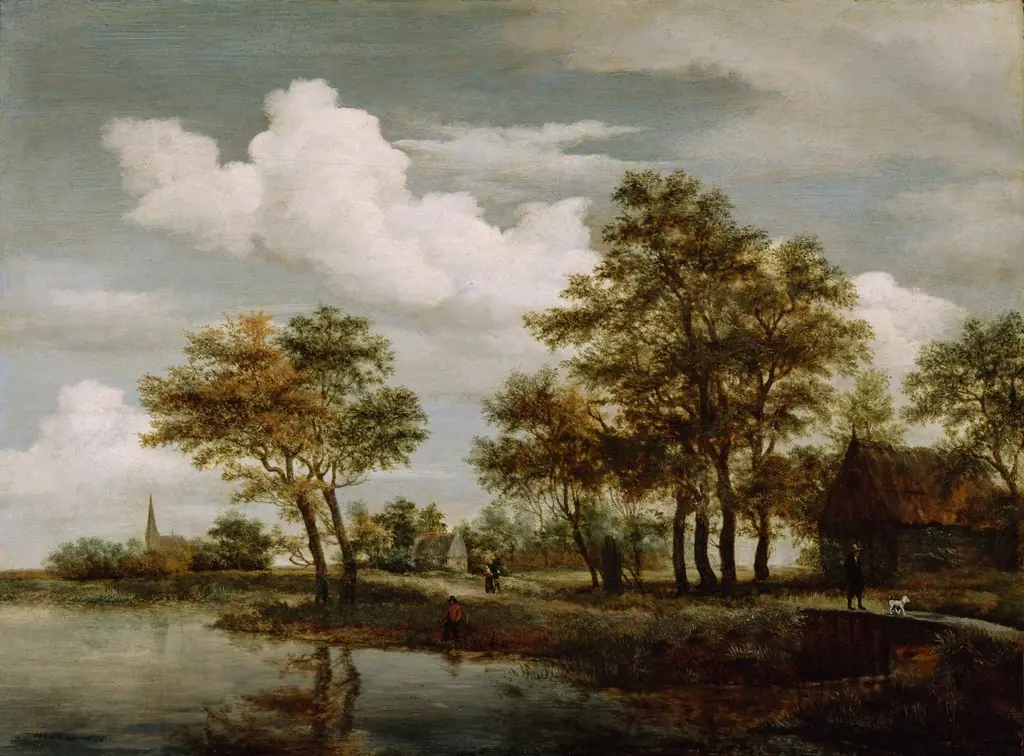 A River Scene
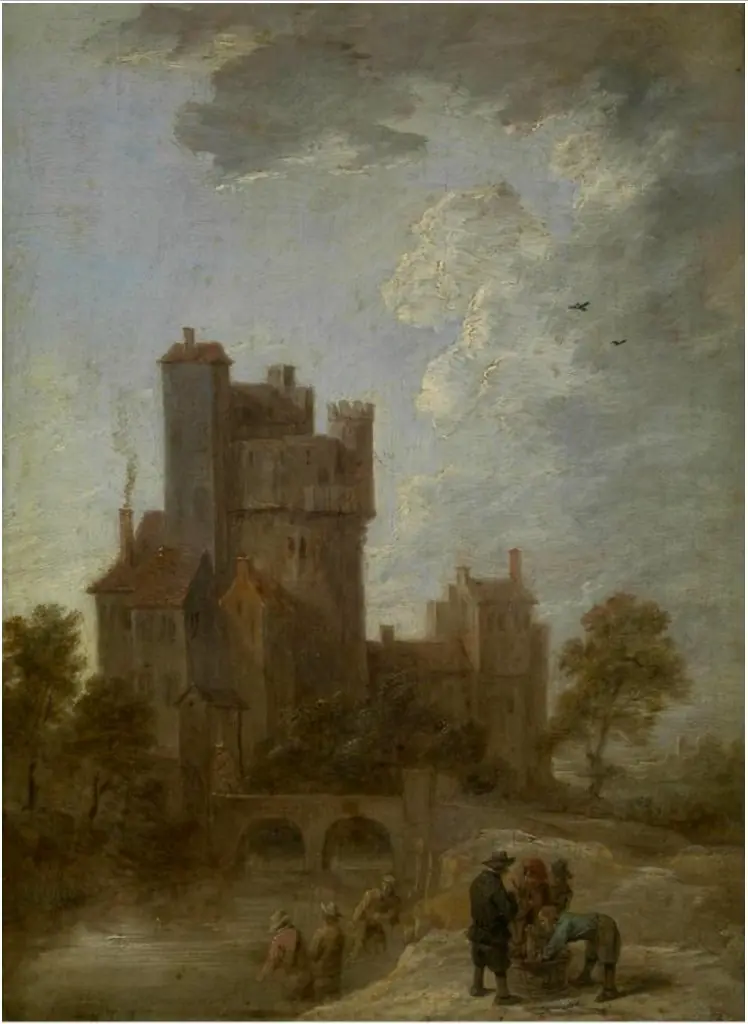 Morning
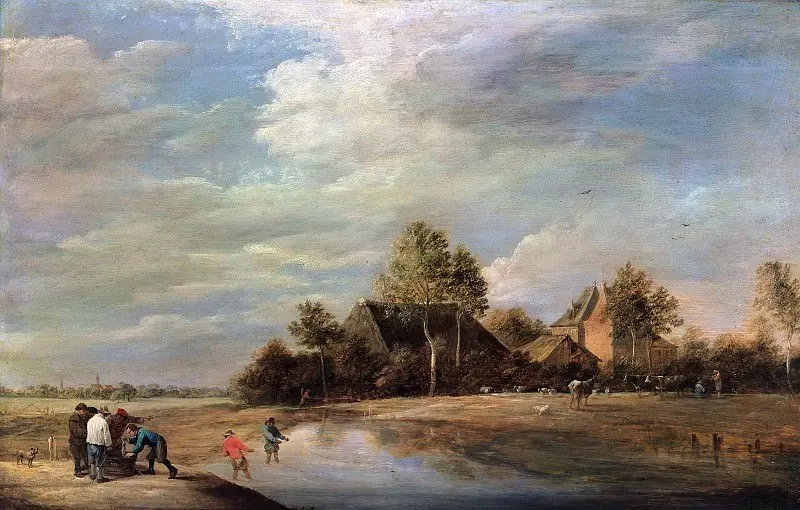 Landscape with Fishermen
 Fishing
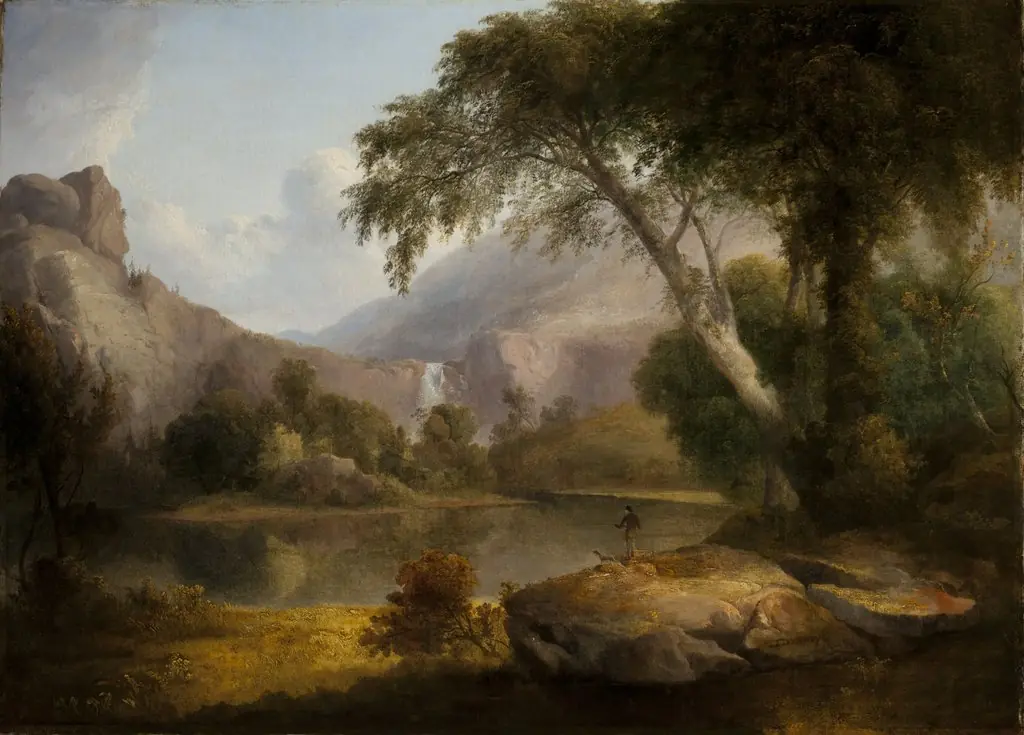 White Mountains, New Hampshire
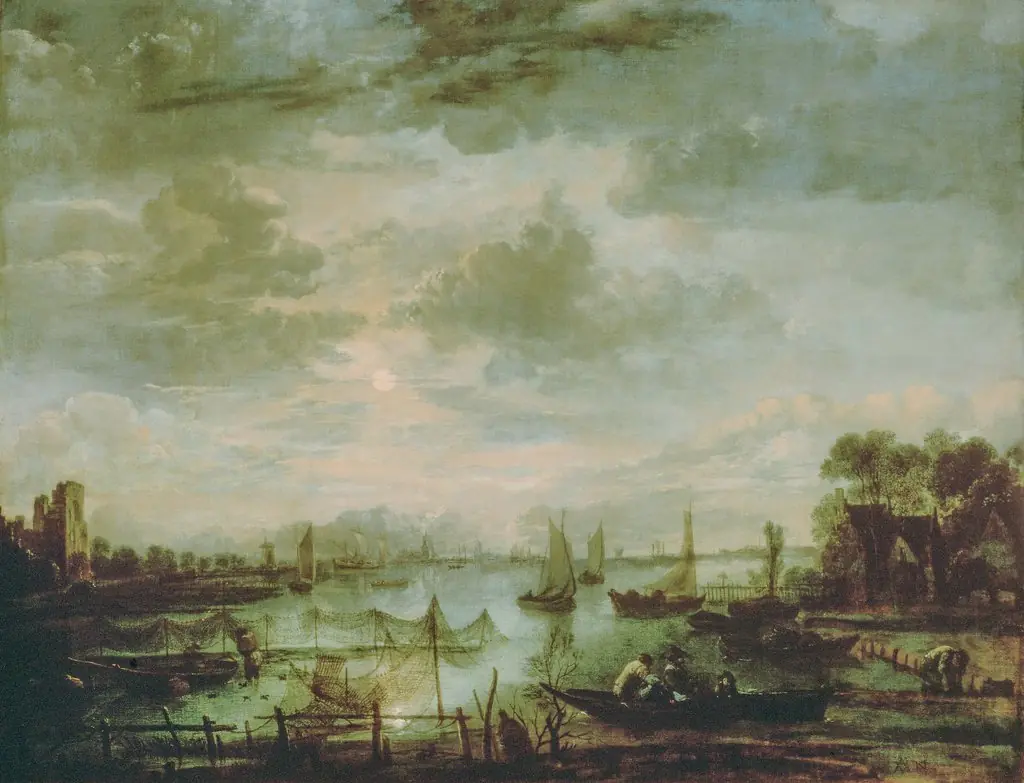 River landscape with ships by moonlight
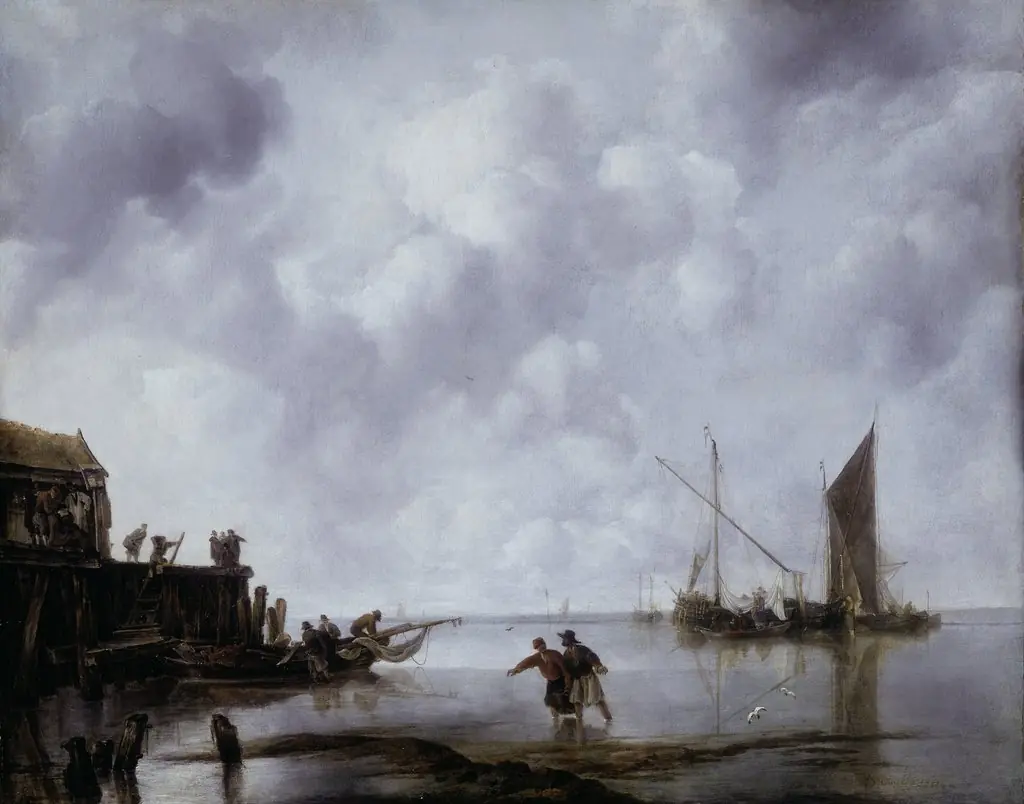 Fishing Boats in a Calm
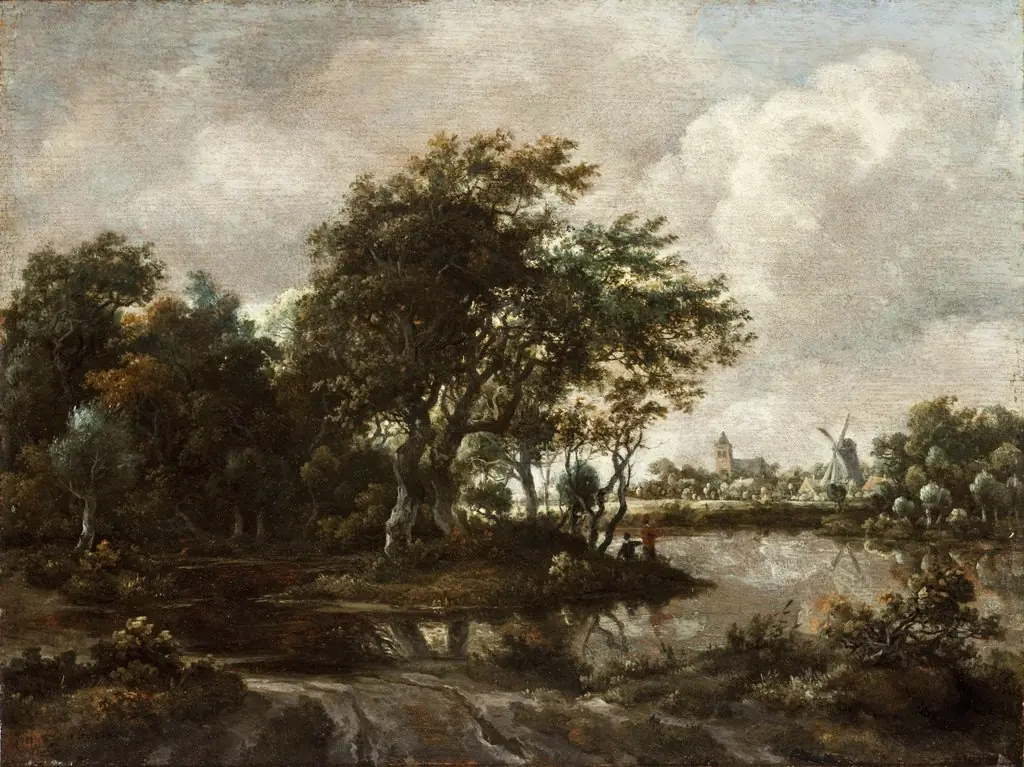 Landscape with Anglers and a Distant Town
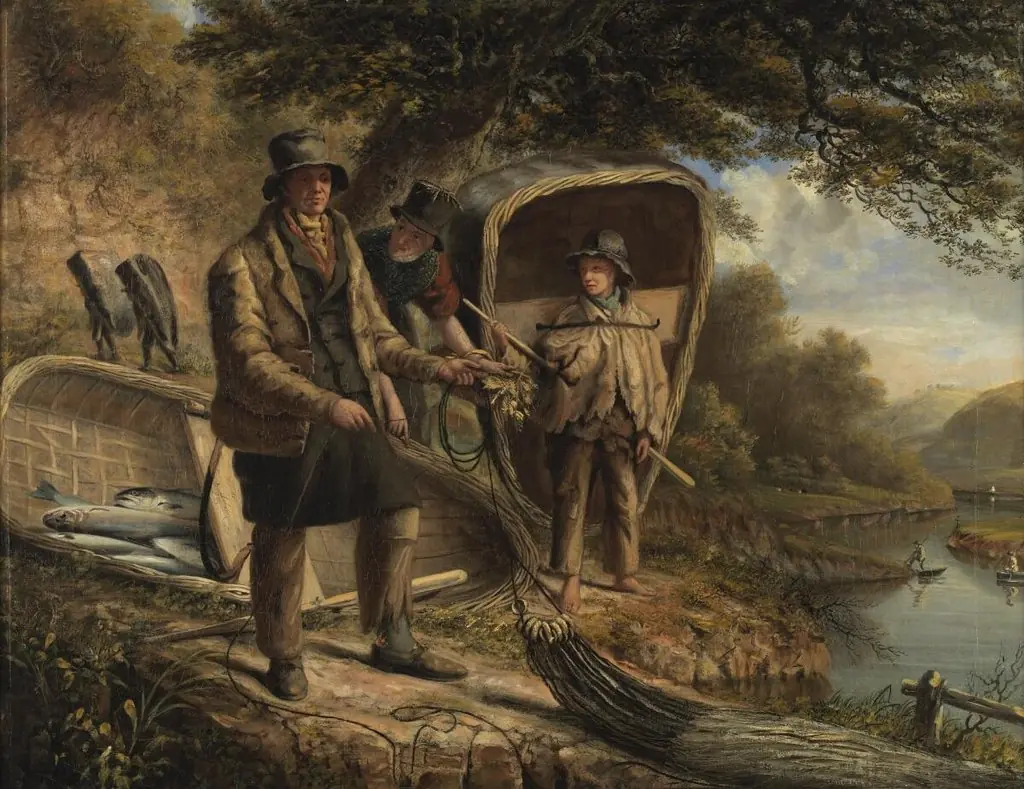 Salmon netting in Wales
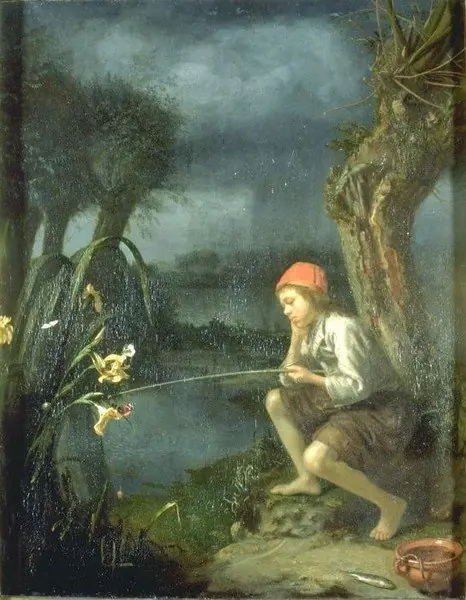 The Fishing Boy
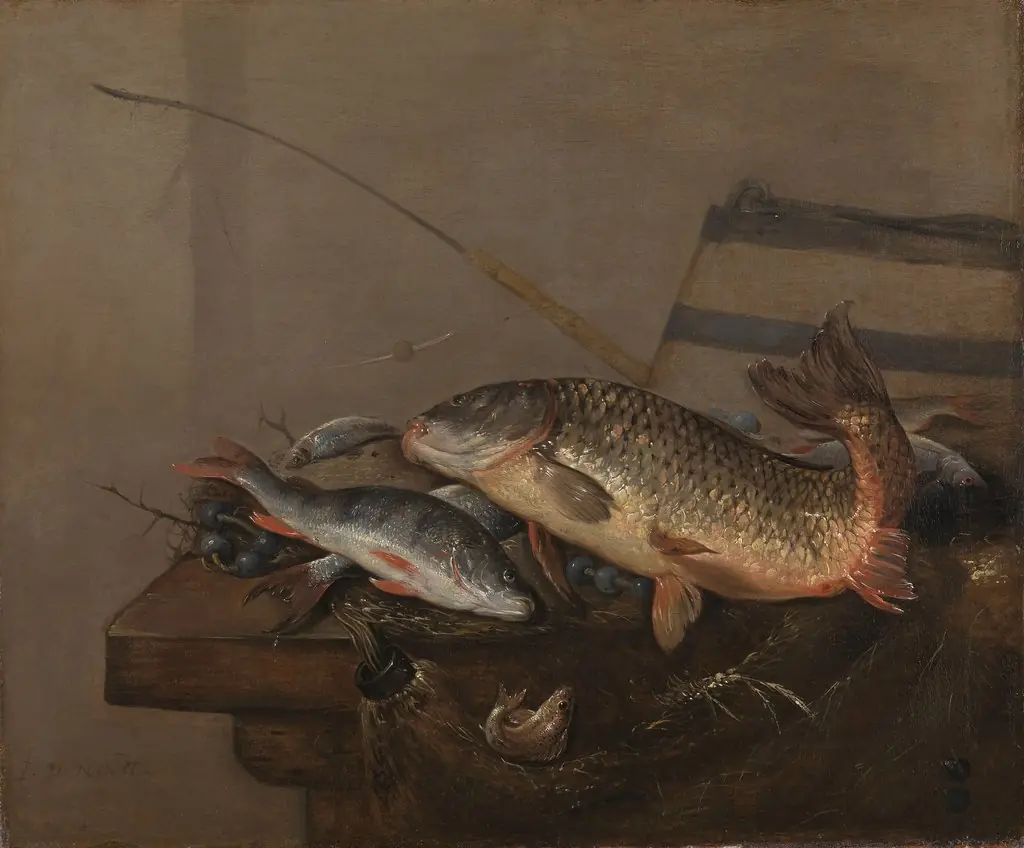 Still life with fish
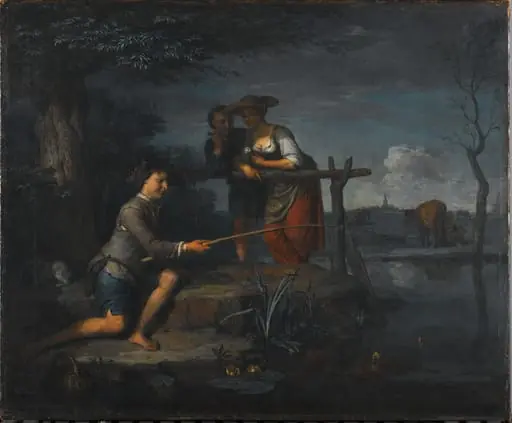 The Angler
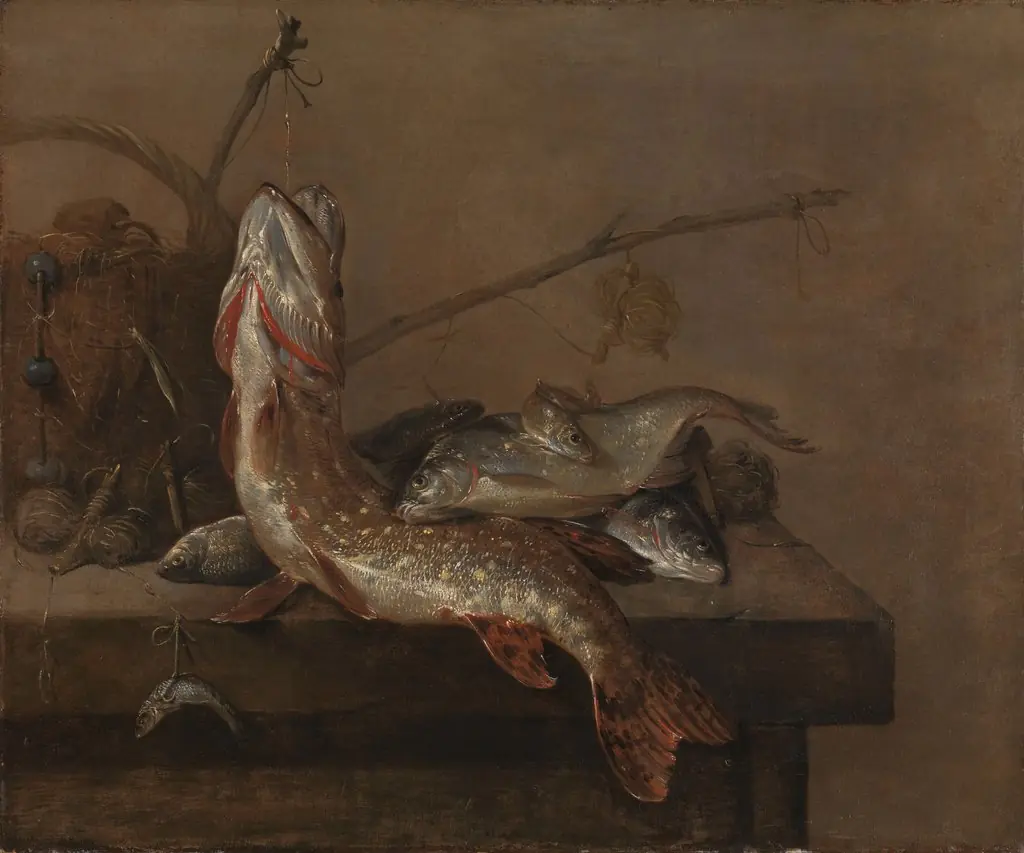 Still life with fish
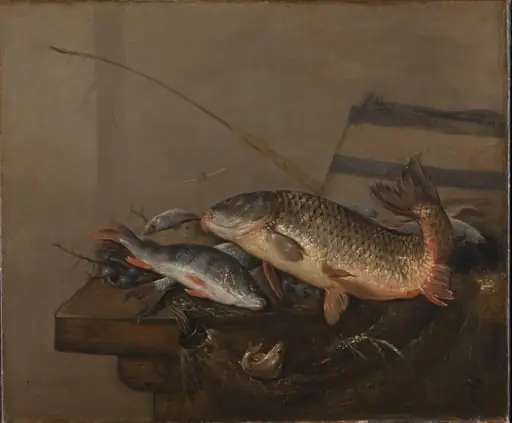 Still life with fish
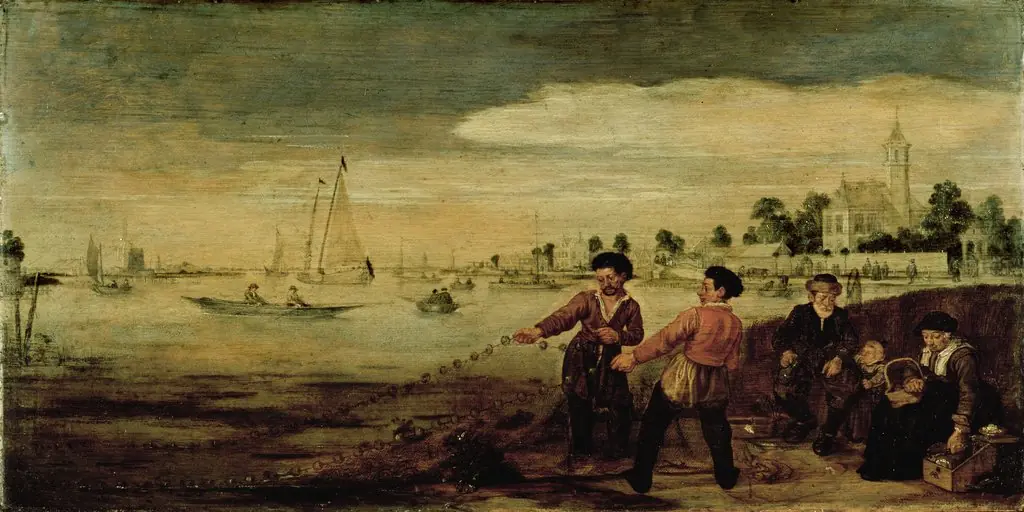 Fisherman on the bank of the Amstel near the Pauwentuin, Amsterdam
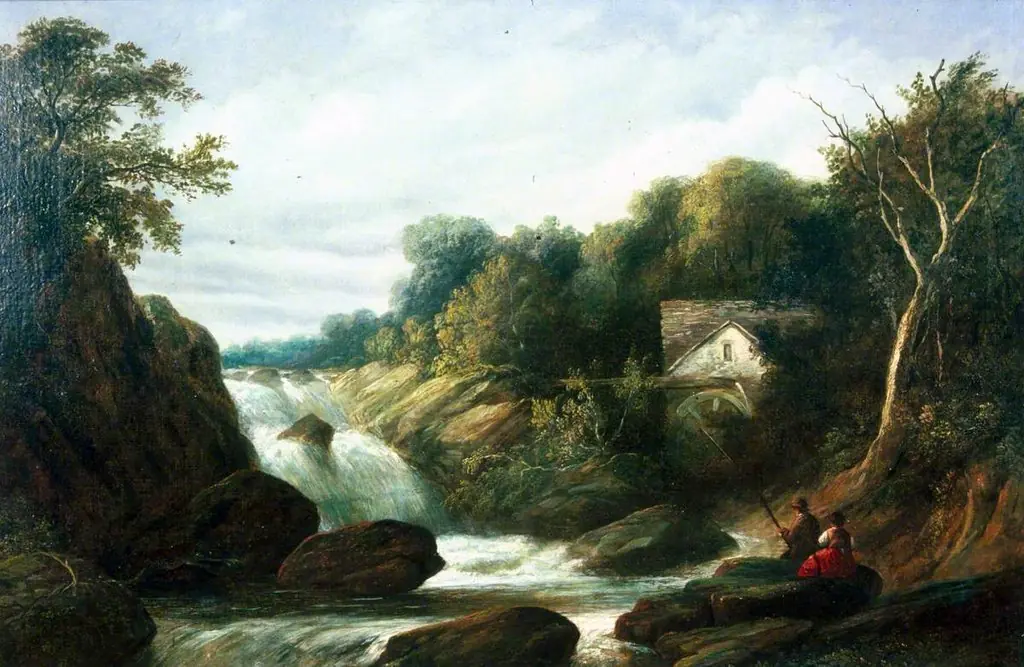 Mill
Mill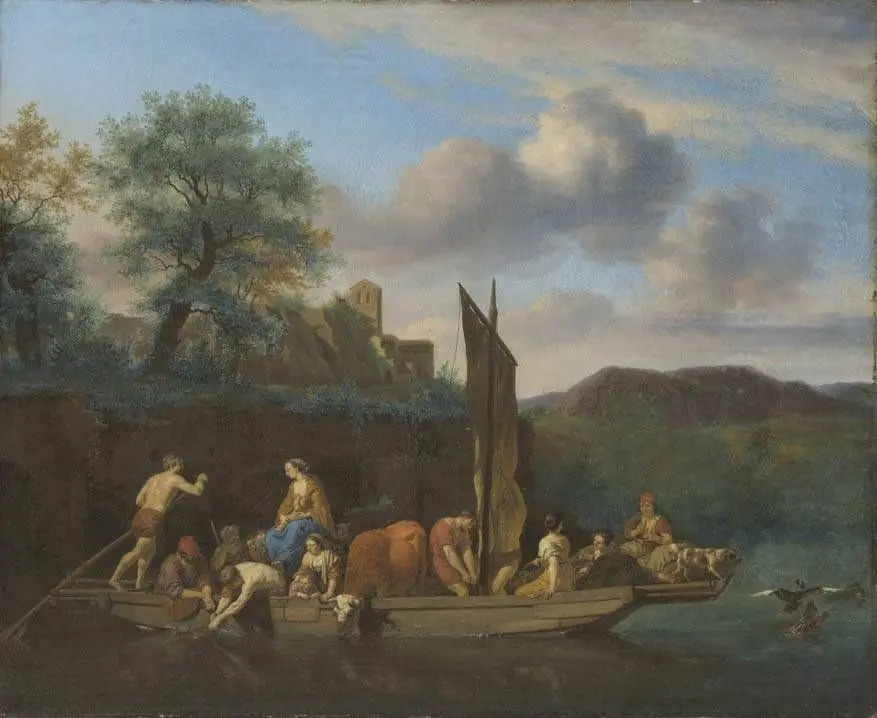 Landscape with Ferry
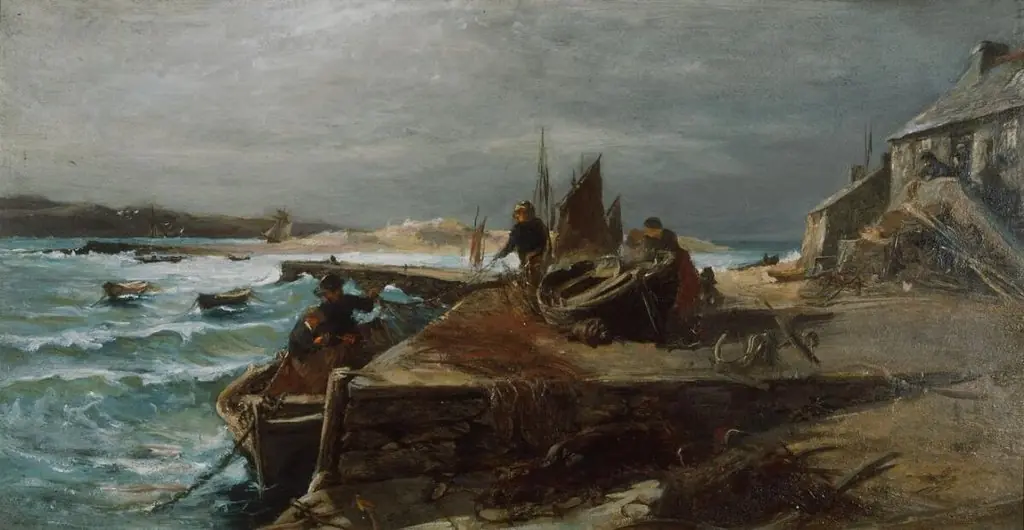 Unloading nets, Barmouth
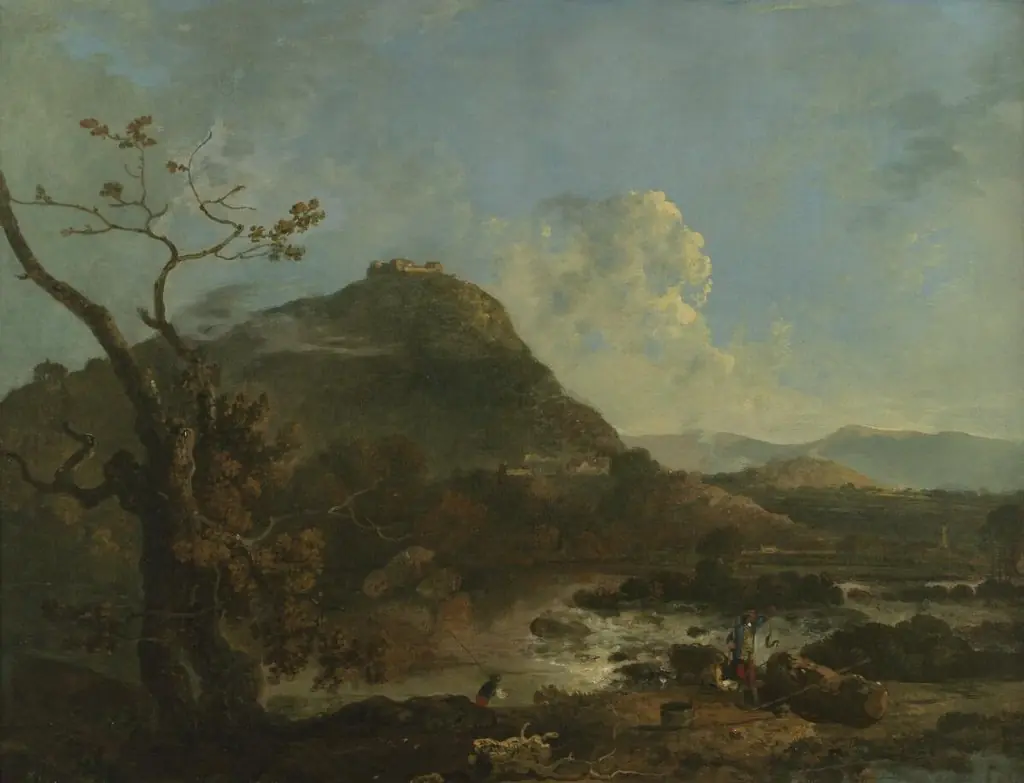 Castell Dinas Bran
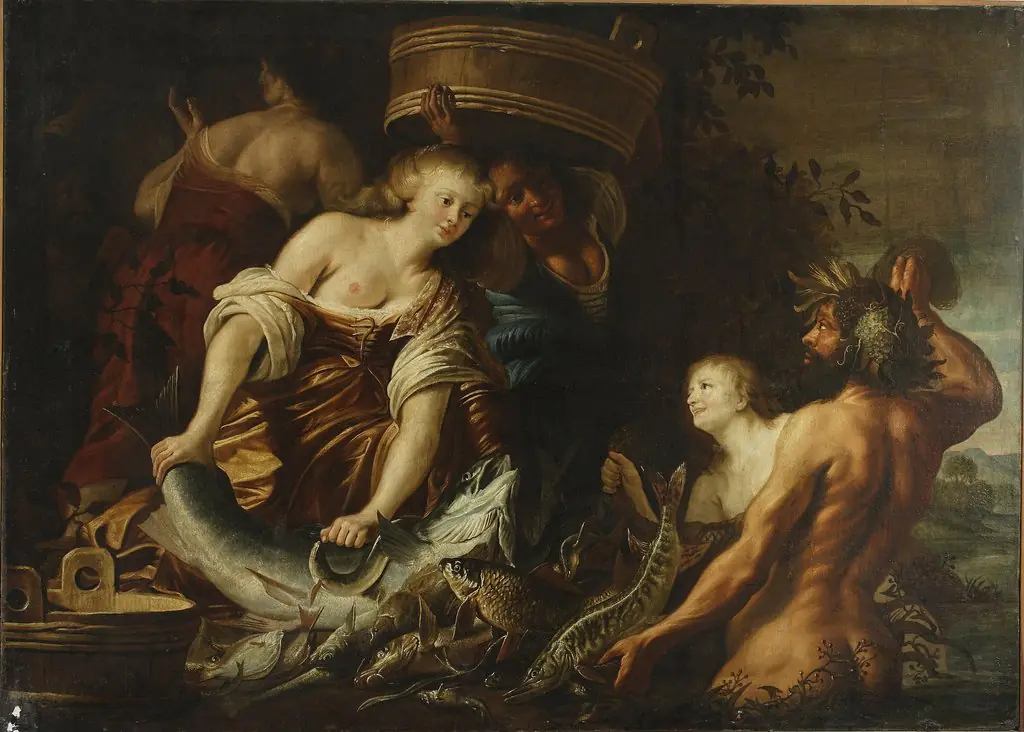 Allegory of the abundance of the sea – scraping fish
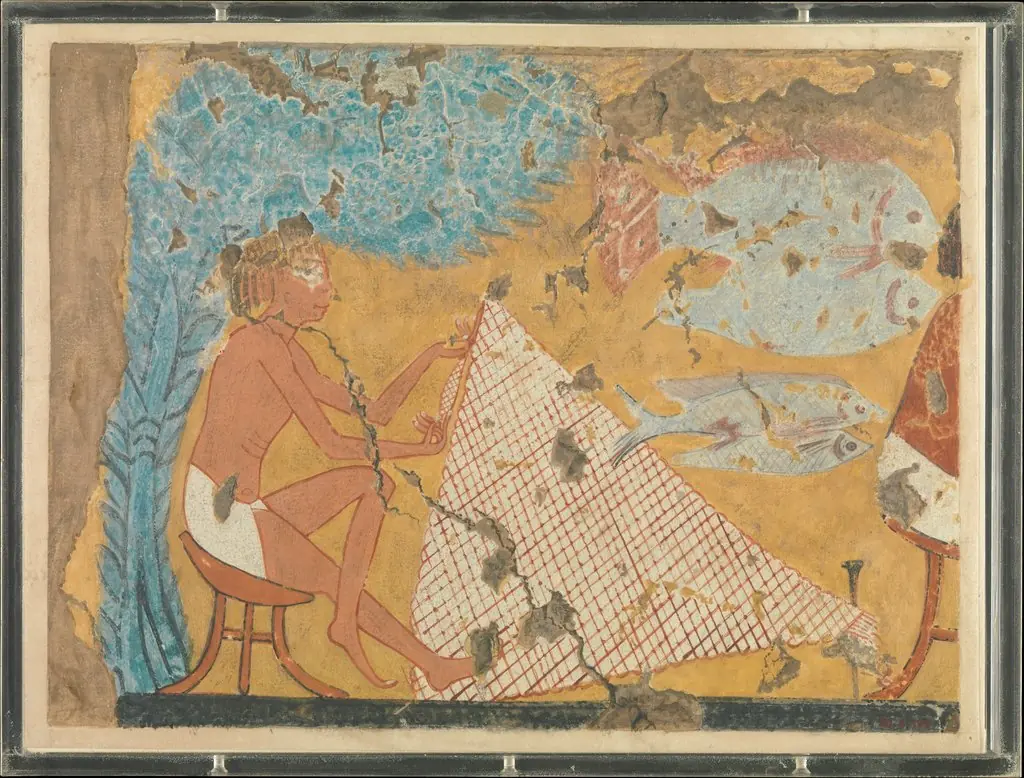 Man Making a Net, Tomb of Ipuy
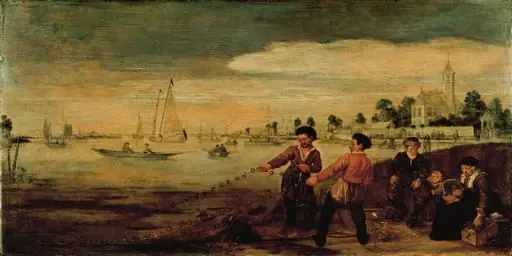 Untitled
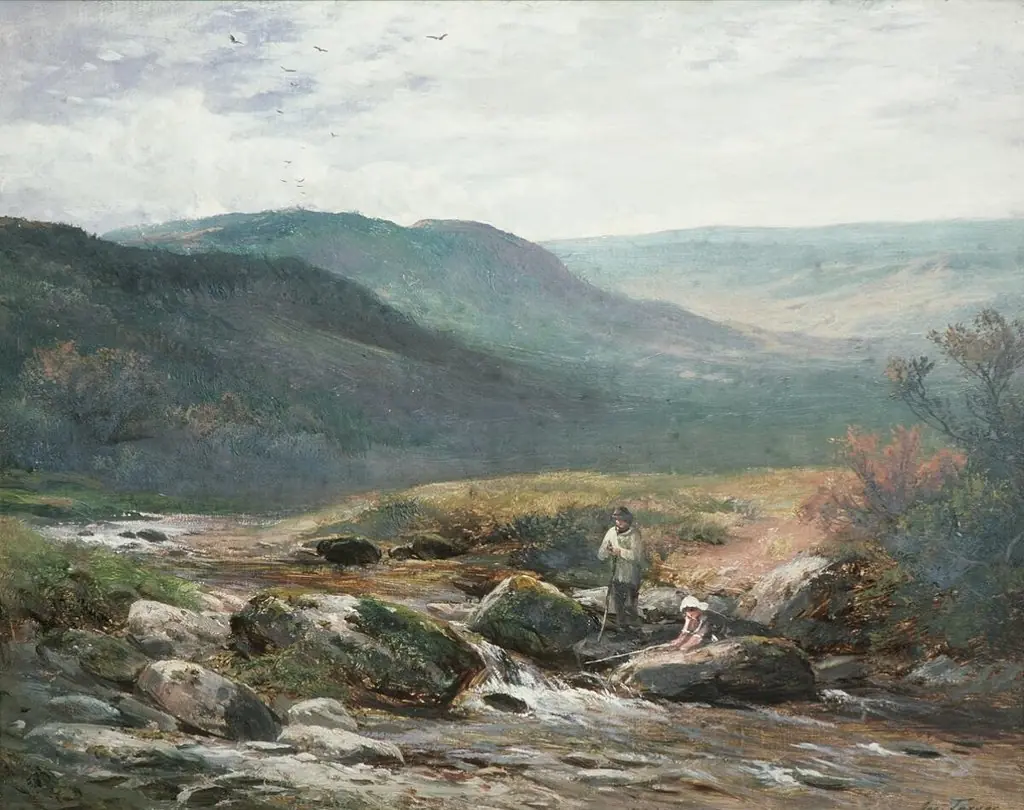 Trout Stream near Bettws y Coed
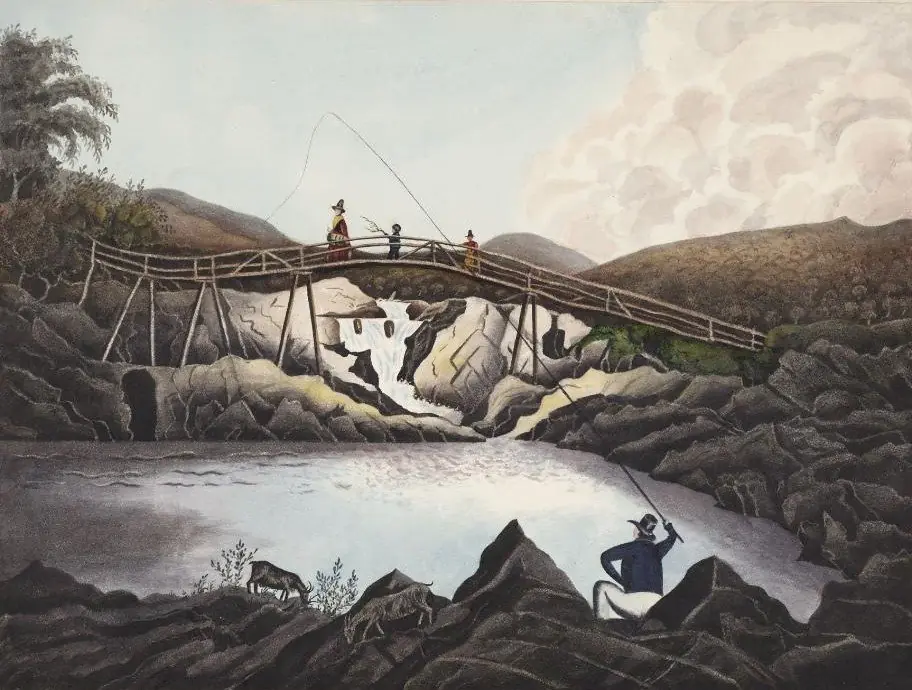 A Bridge over the Rhydol
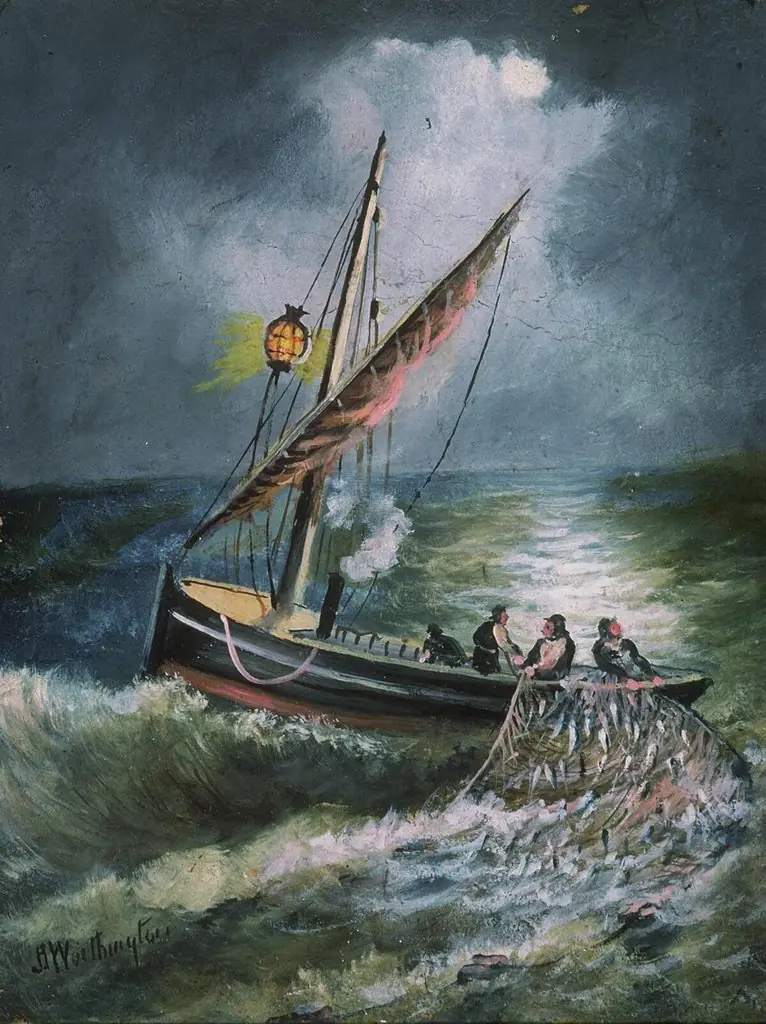 Aberystwyth Trawler
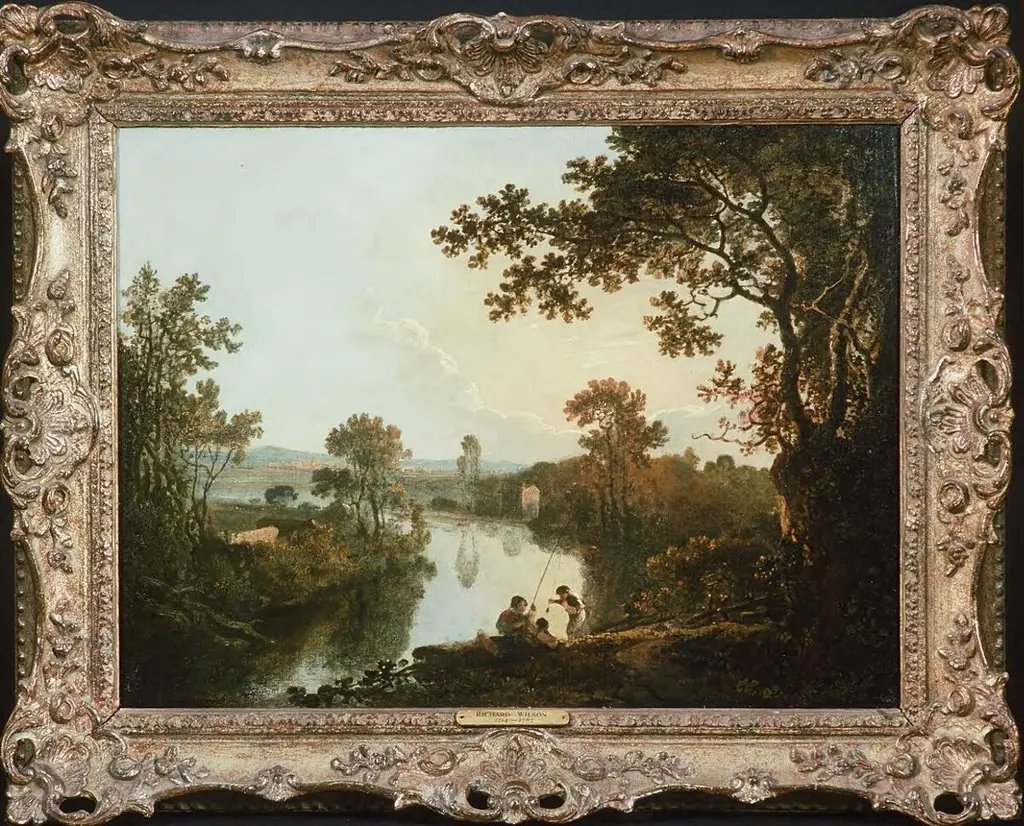 view on the river Dee with anglers
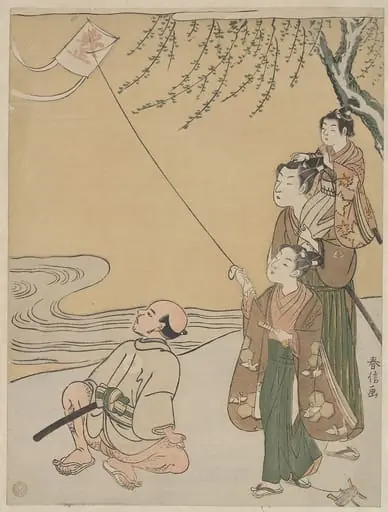 Untitled
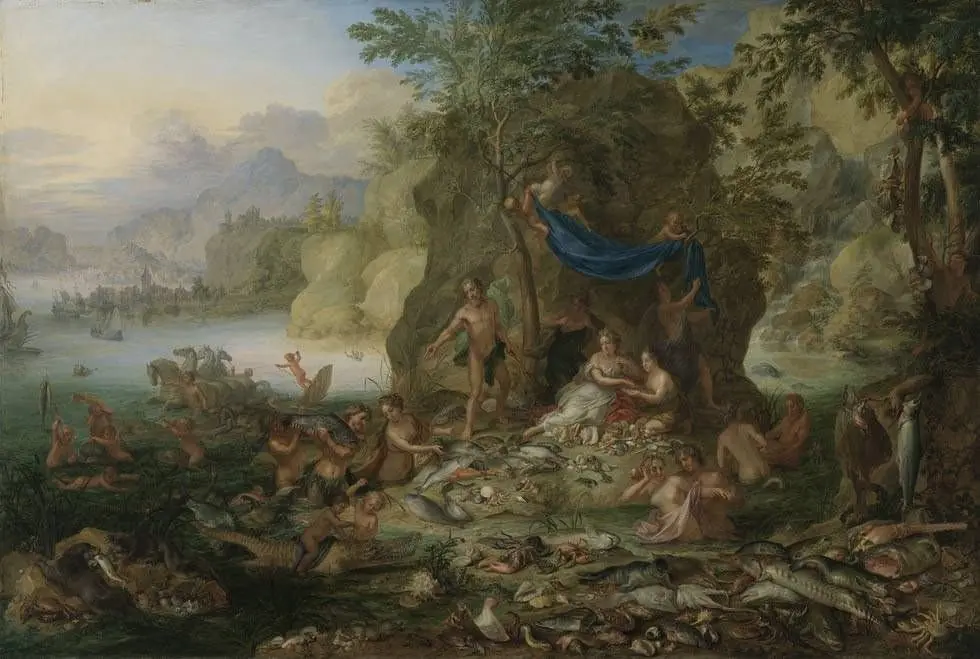 Das Wasser (aus der Folge der Vier Elemente)
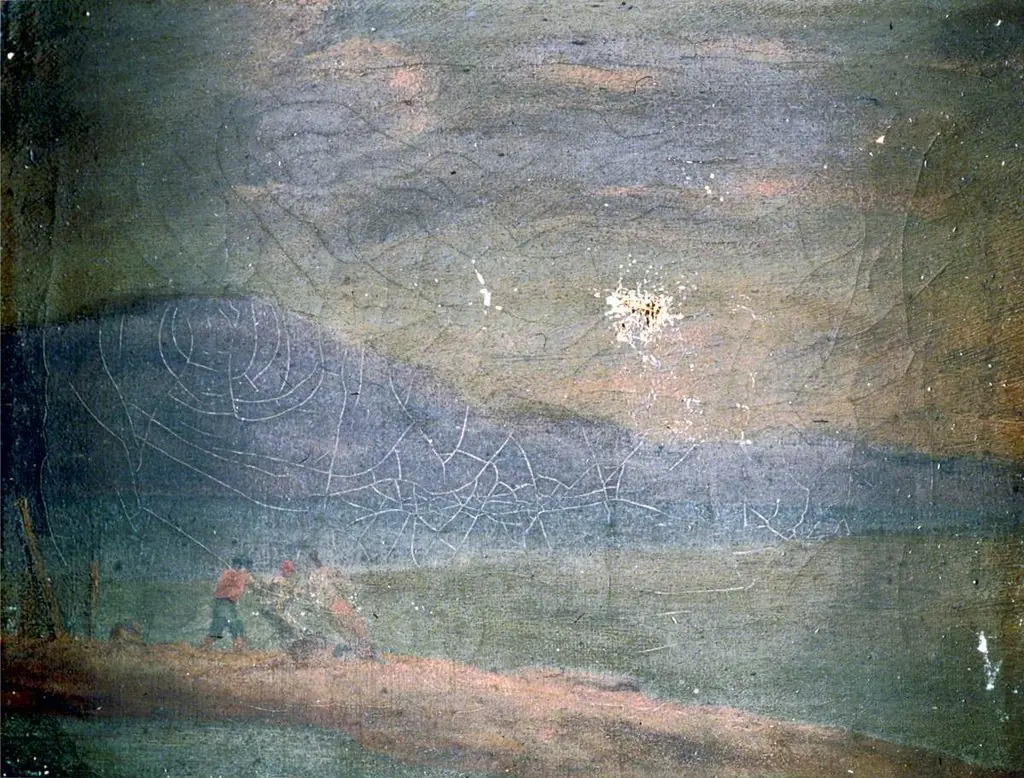 Coastal Scene with Three Figures Fishing
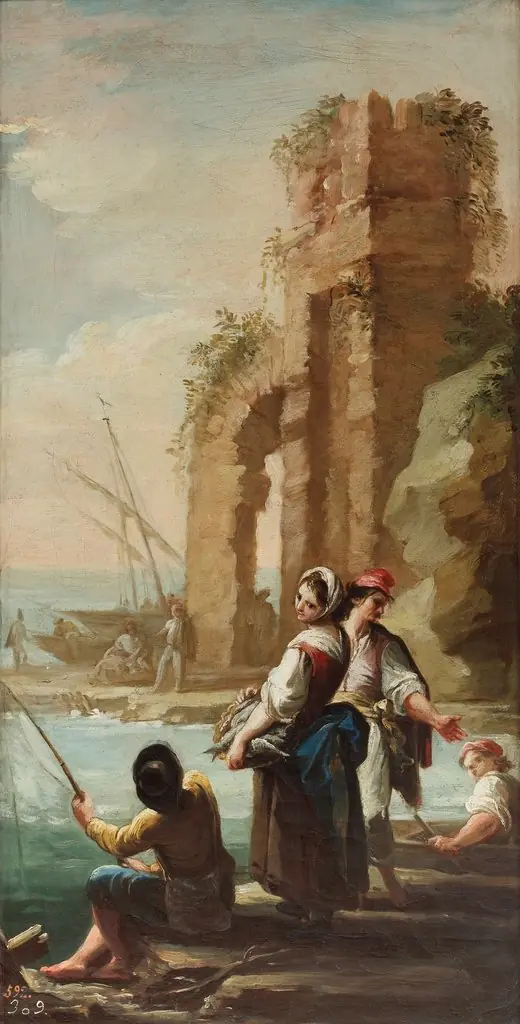 Harbour Scene
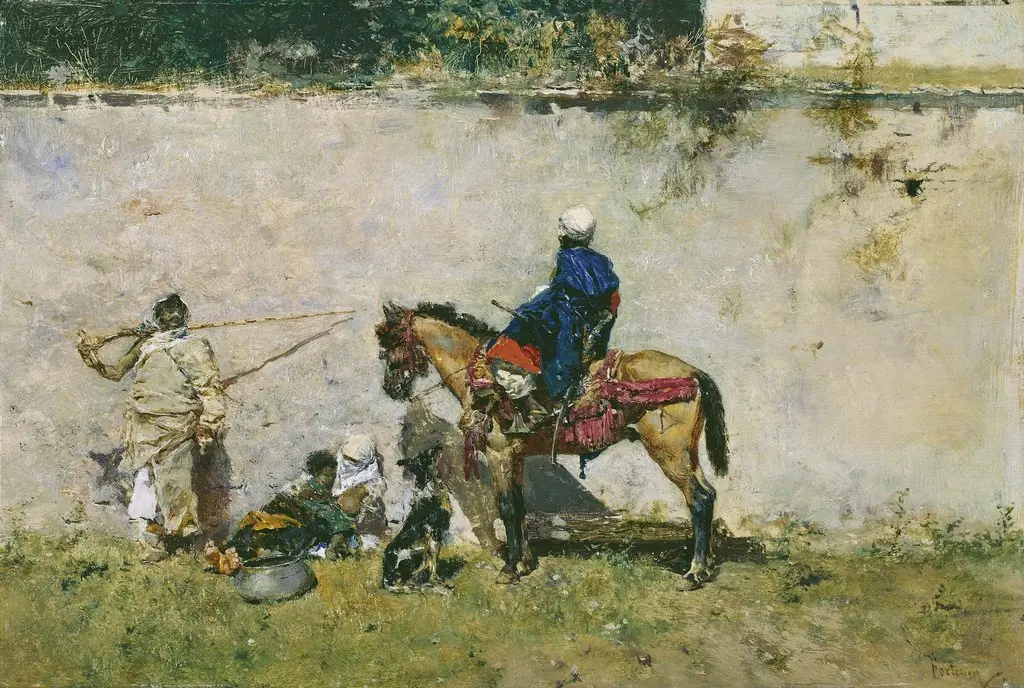 Morocans
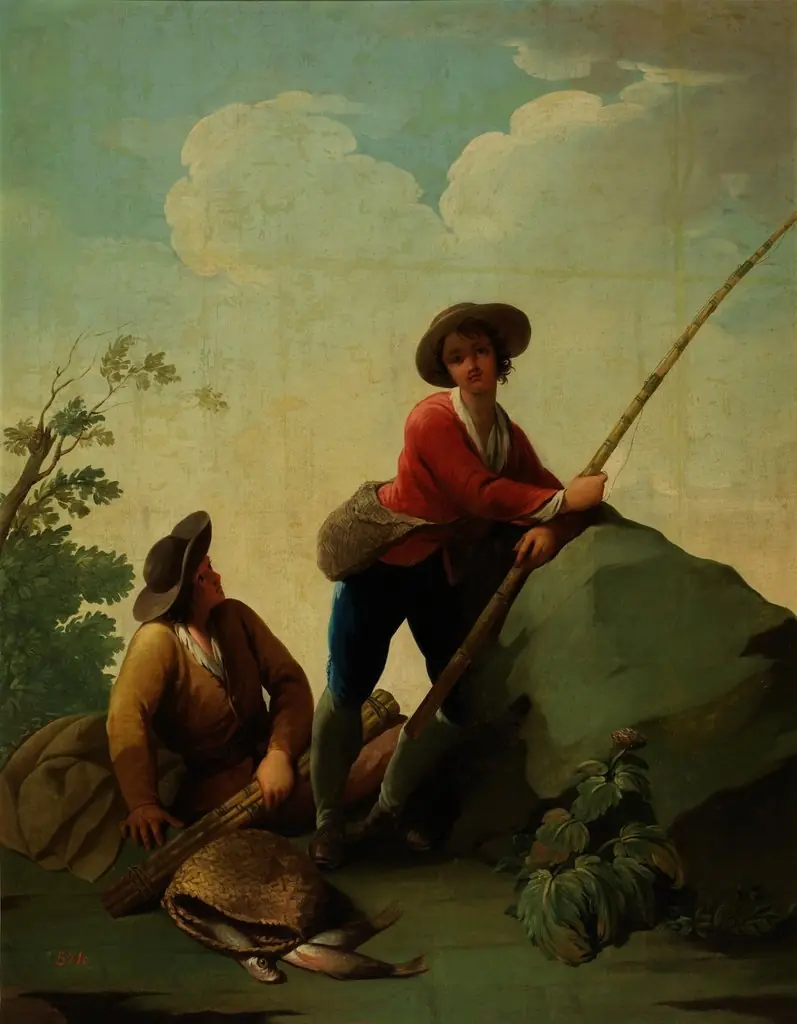 Dos pescadores uno con caña y otro sentado
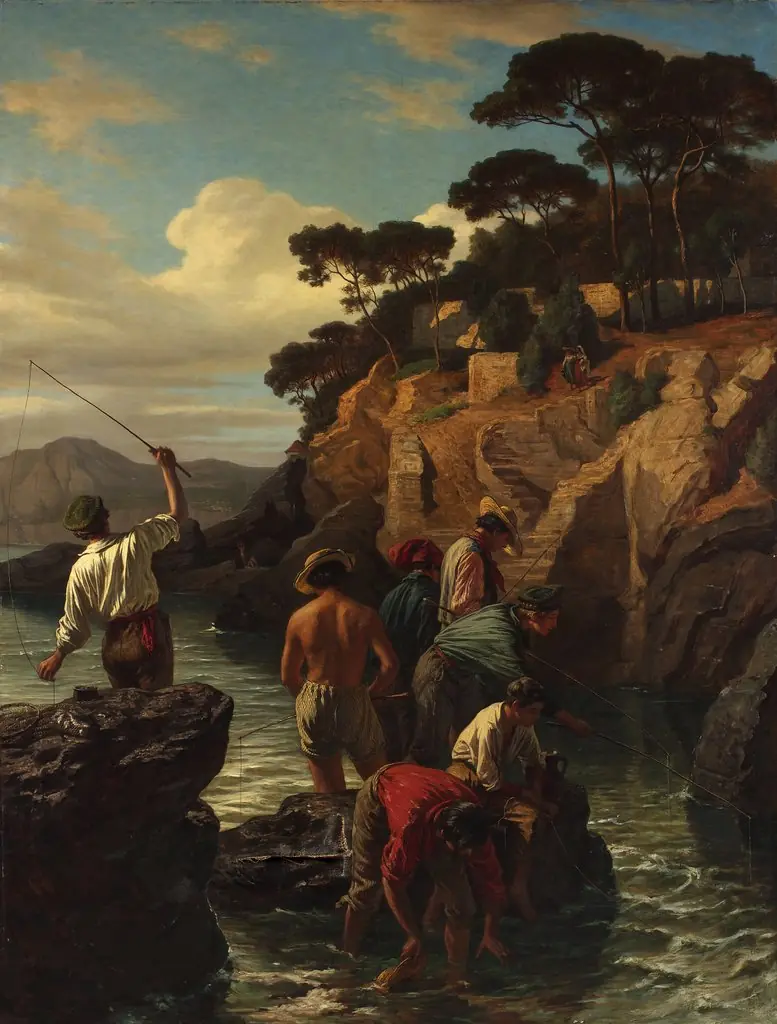 On the Coast of Genoa
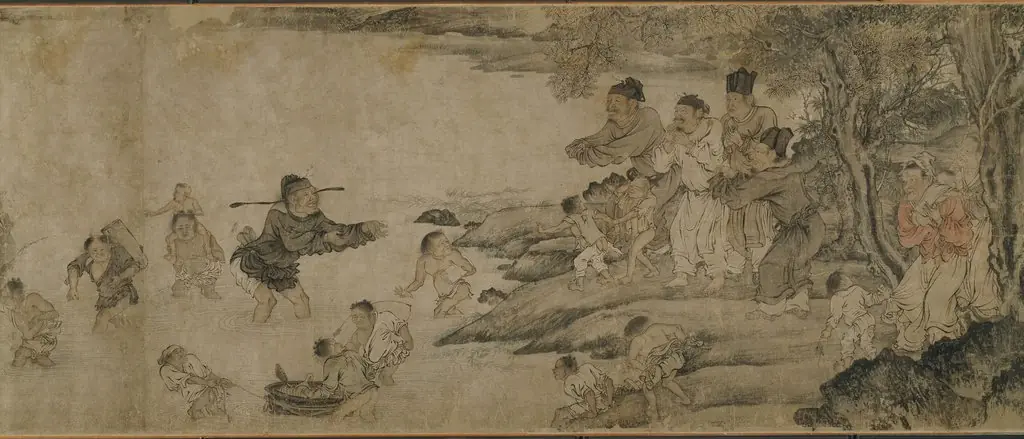 Yang Pu Moving His Family
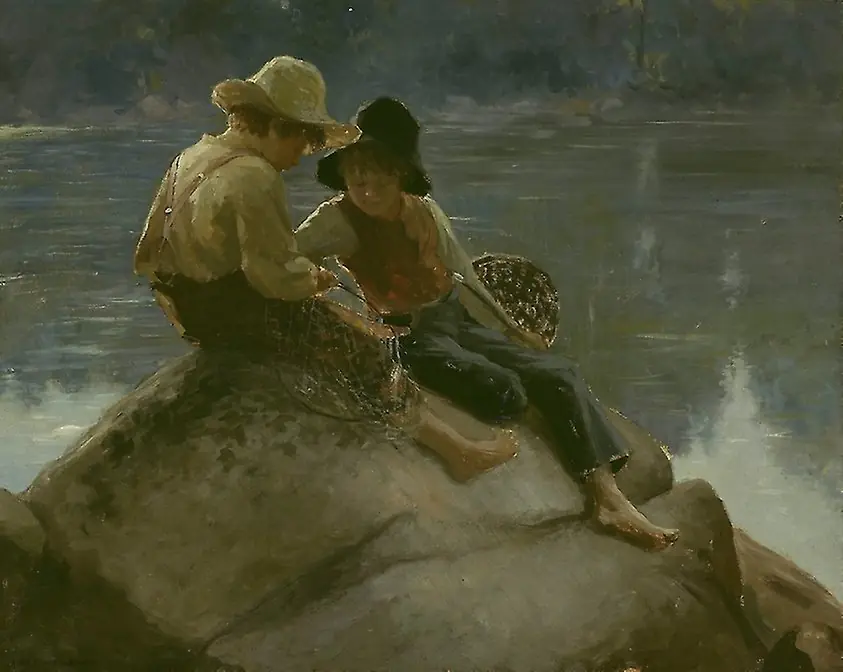 Barnacles
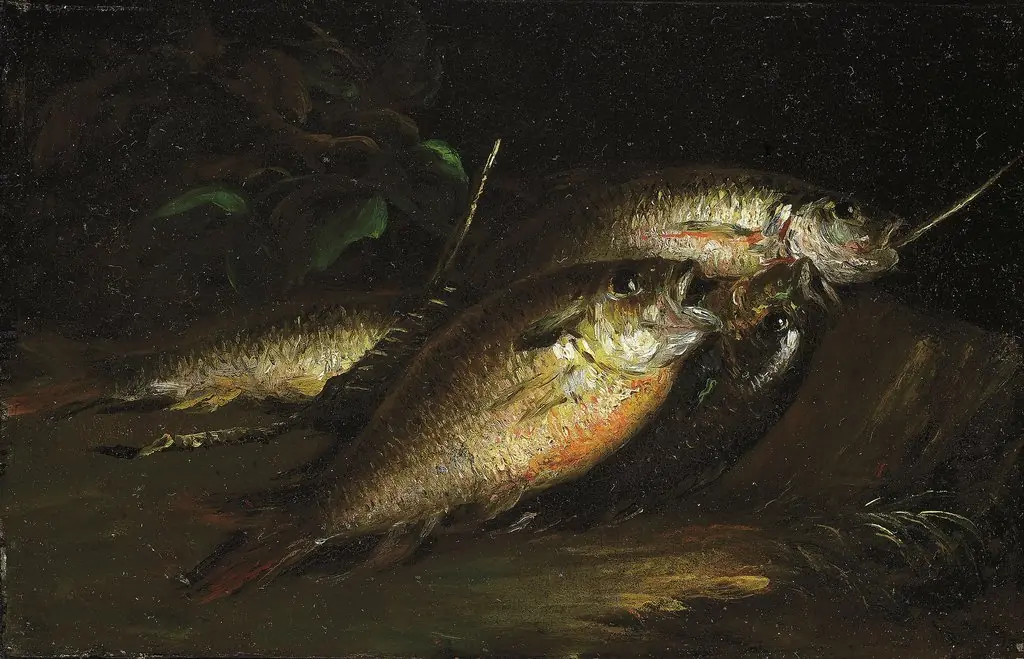 Fish
Fish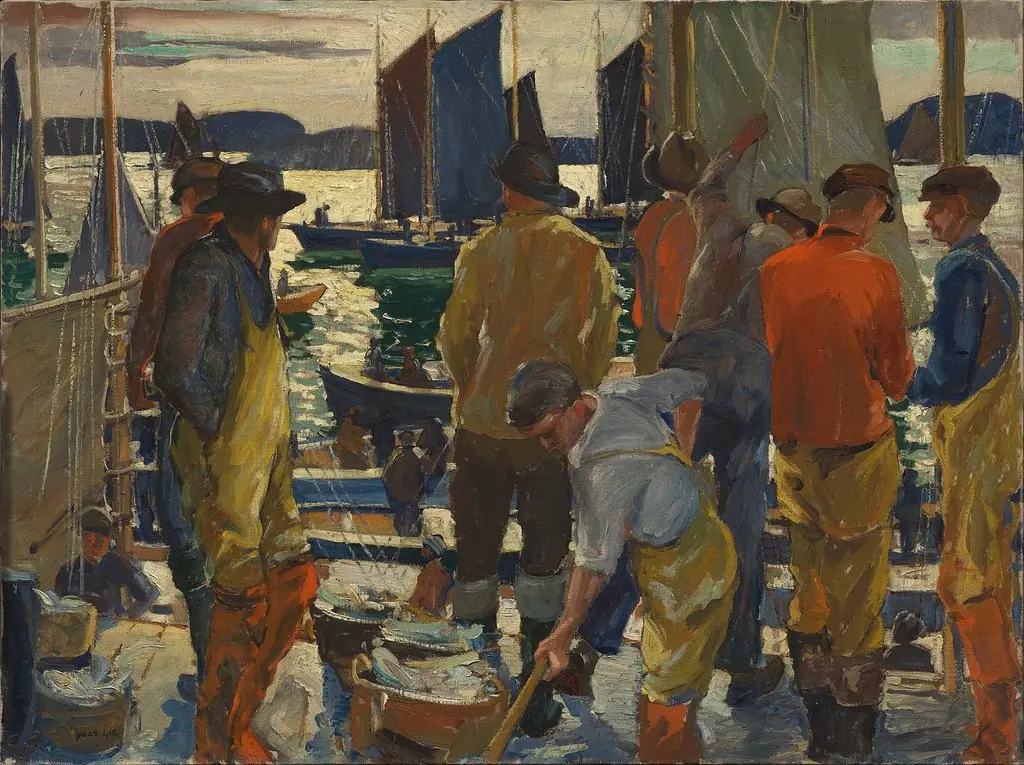 When the Boats Come In
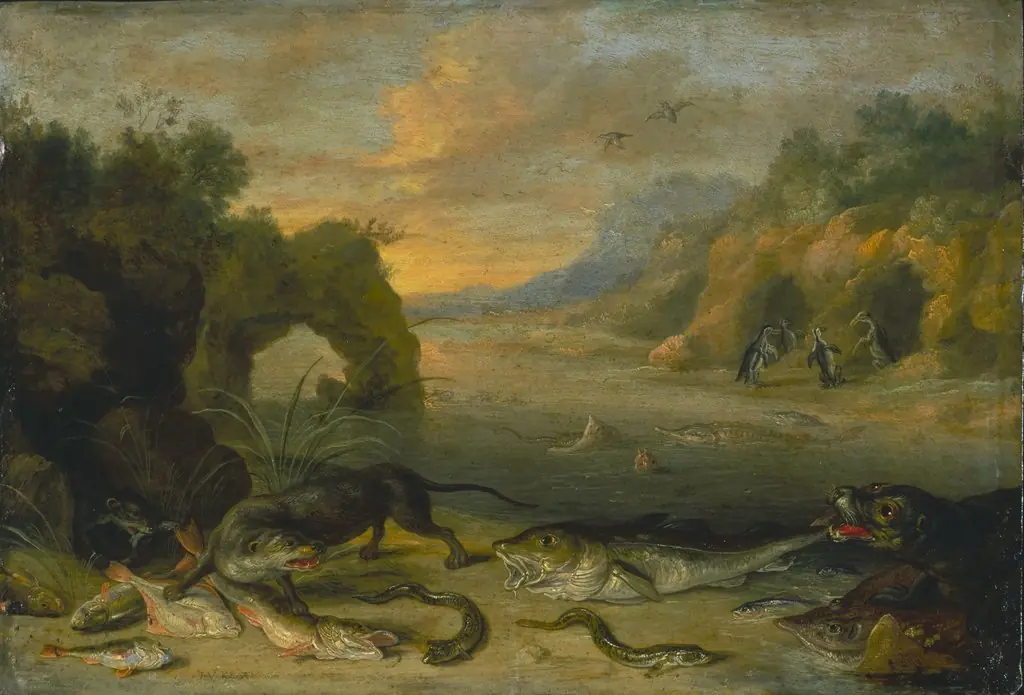 Water
Water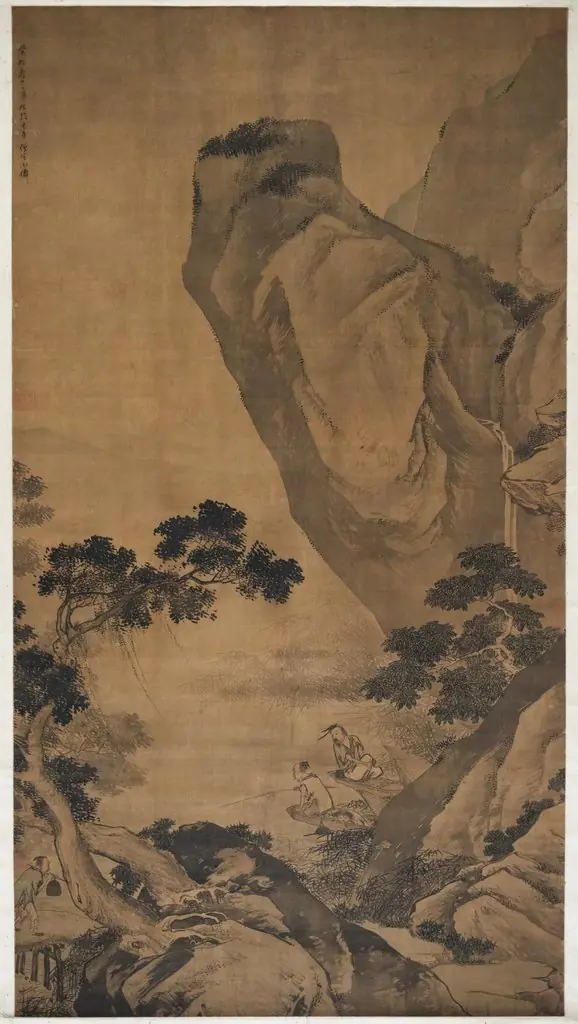 Fishing in Summer Shade
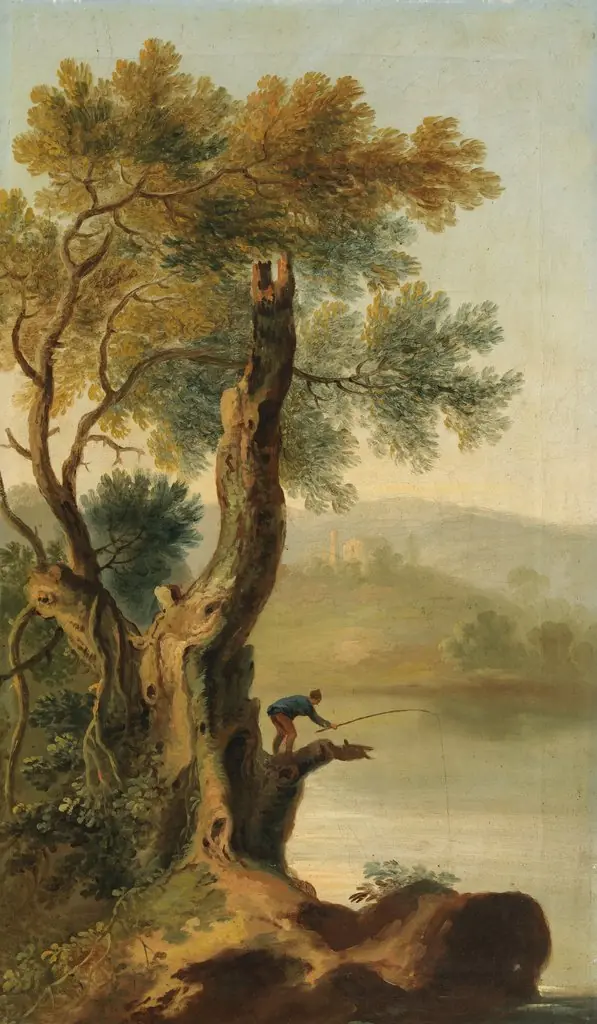 A Landscape with a Man Fishing
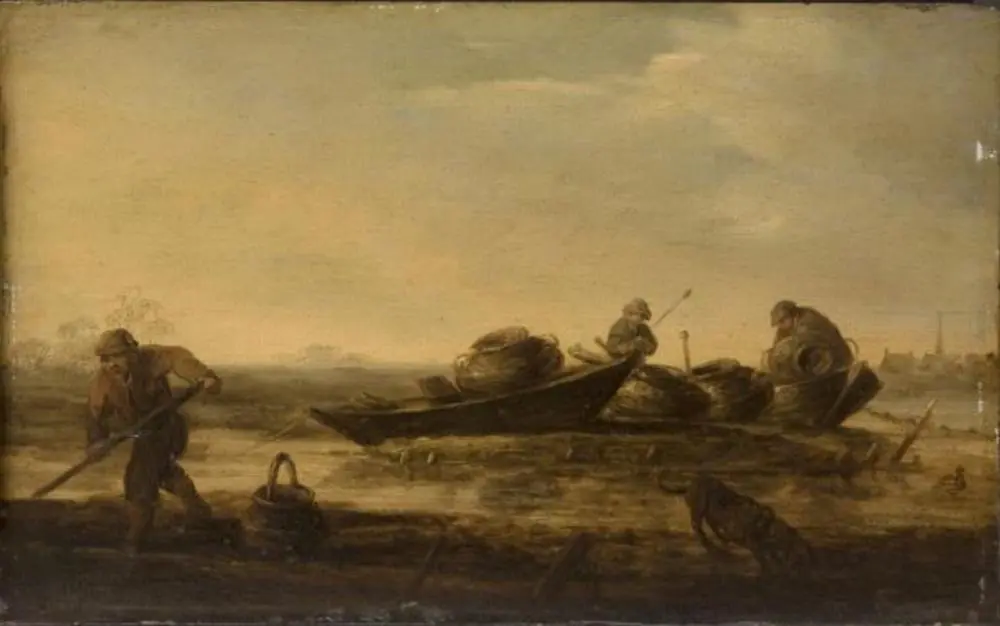 Boats on a Beach
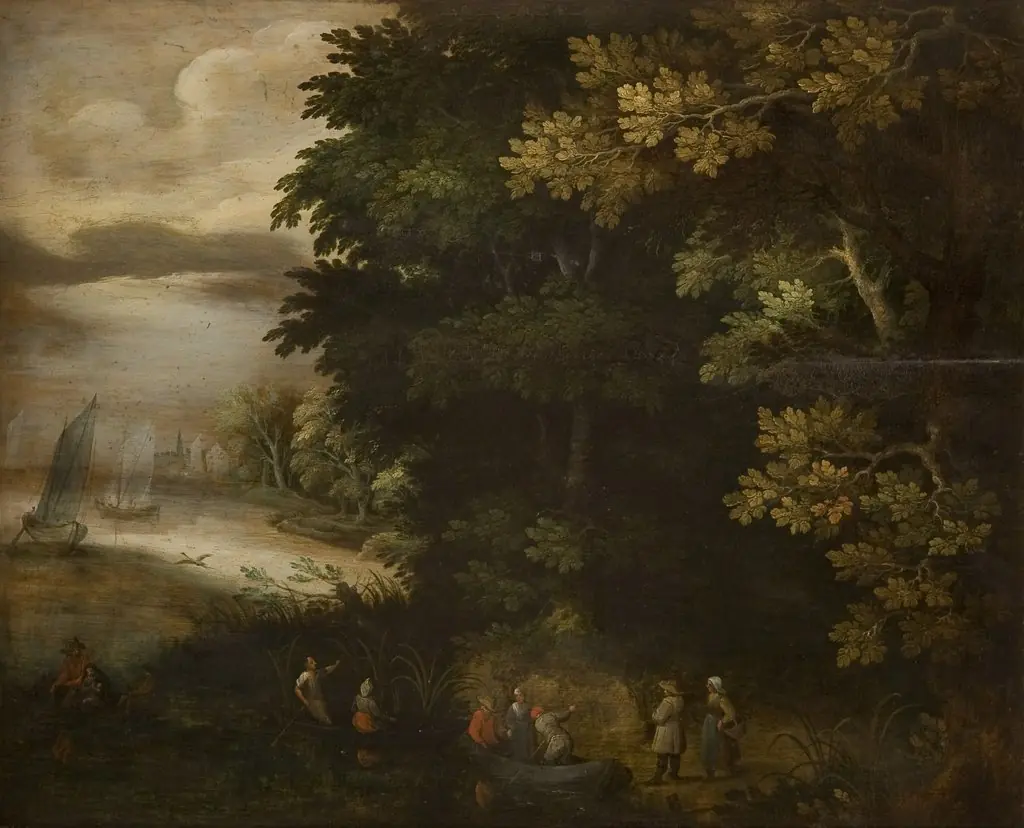 Landscape with the Scene of the Flight to Egypt
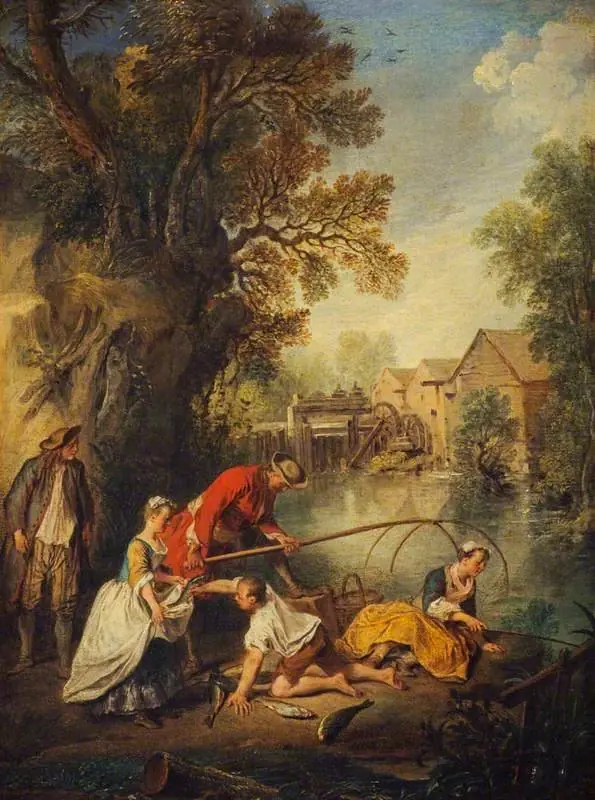 The Watering Party (L'eau)
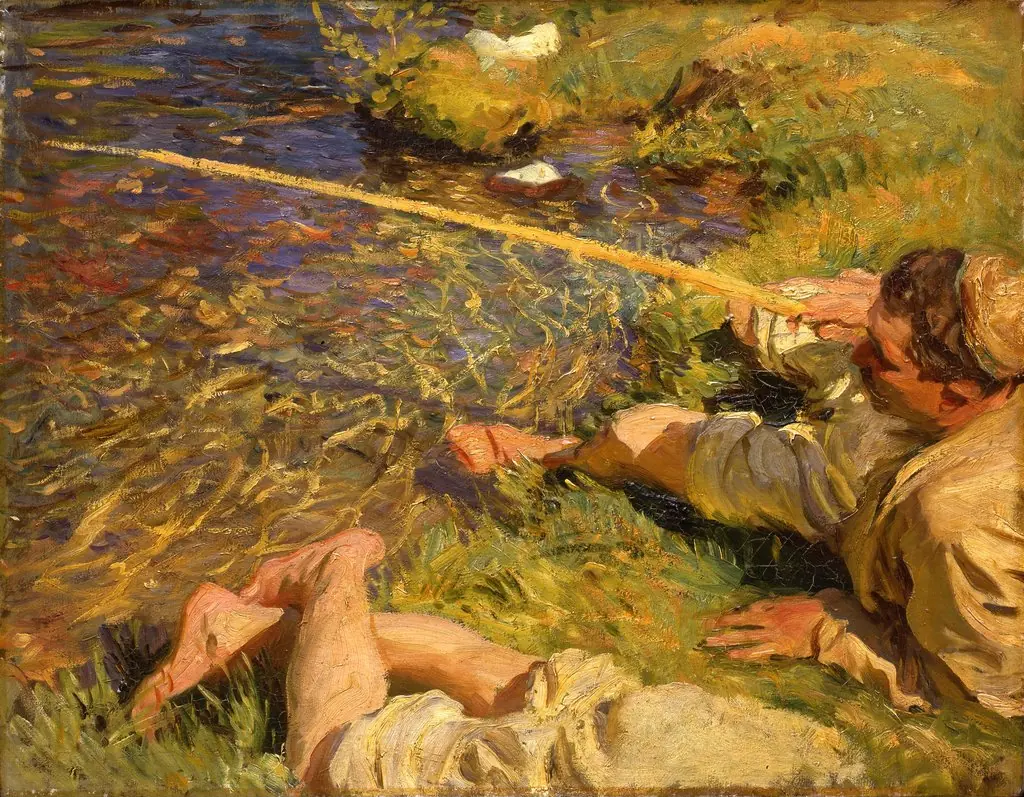 Val d'Aosta: A Man Fishing
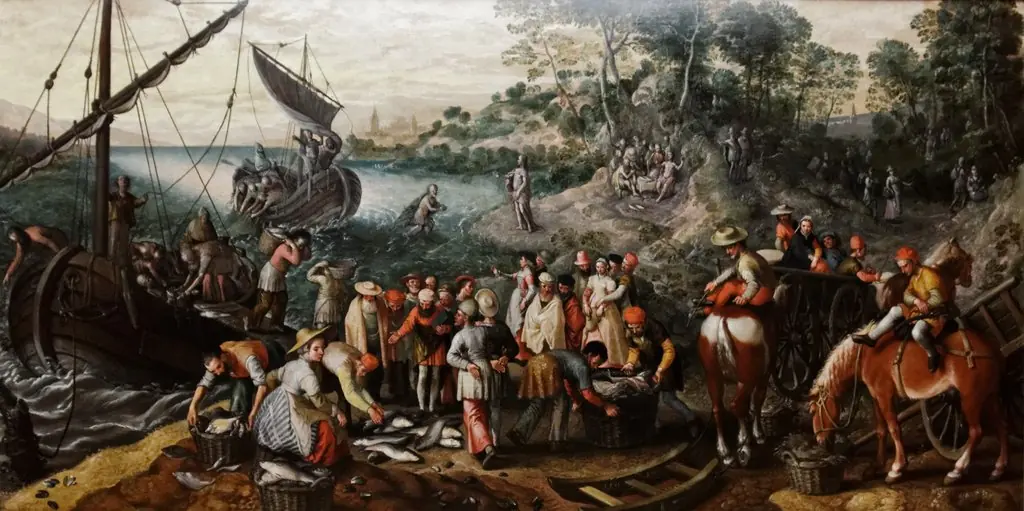 The Miraculous Draught of Fishes
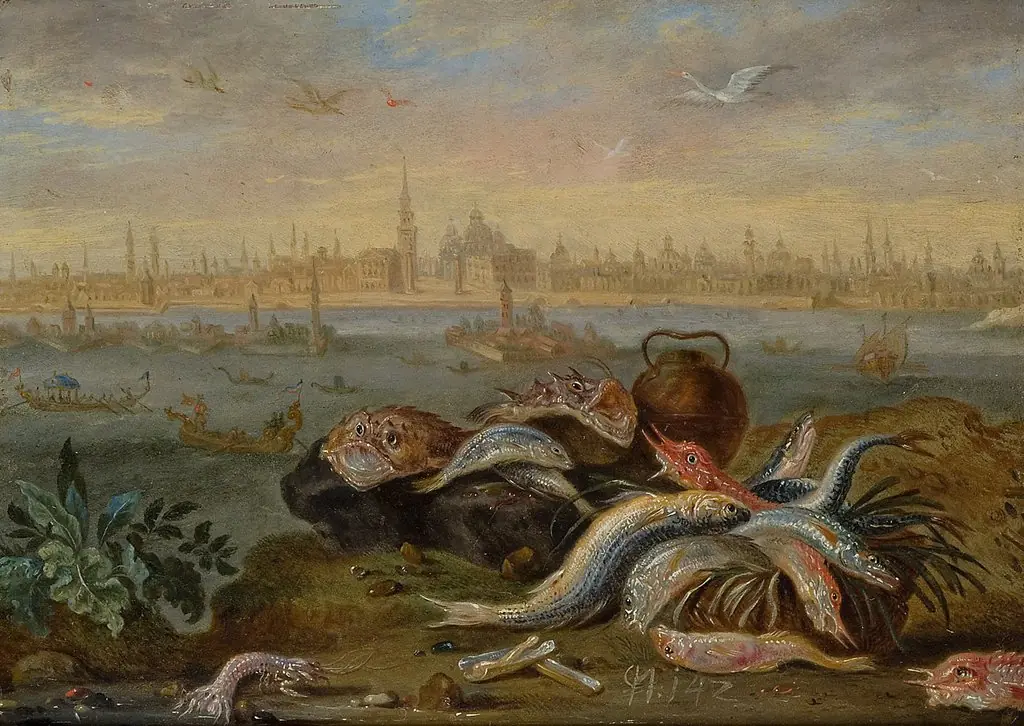 Ansichten aus den vier Weltteilen mit Szenen von Tieren: Venedig
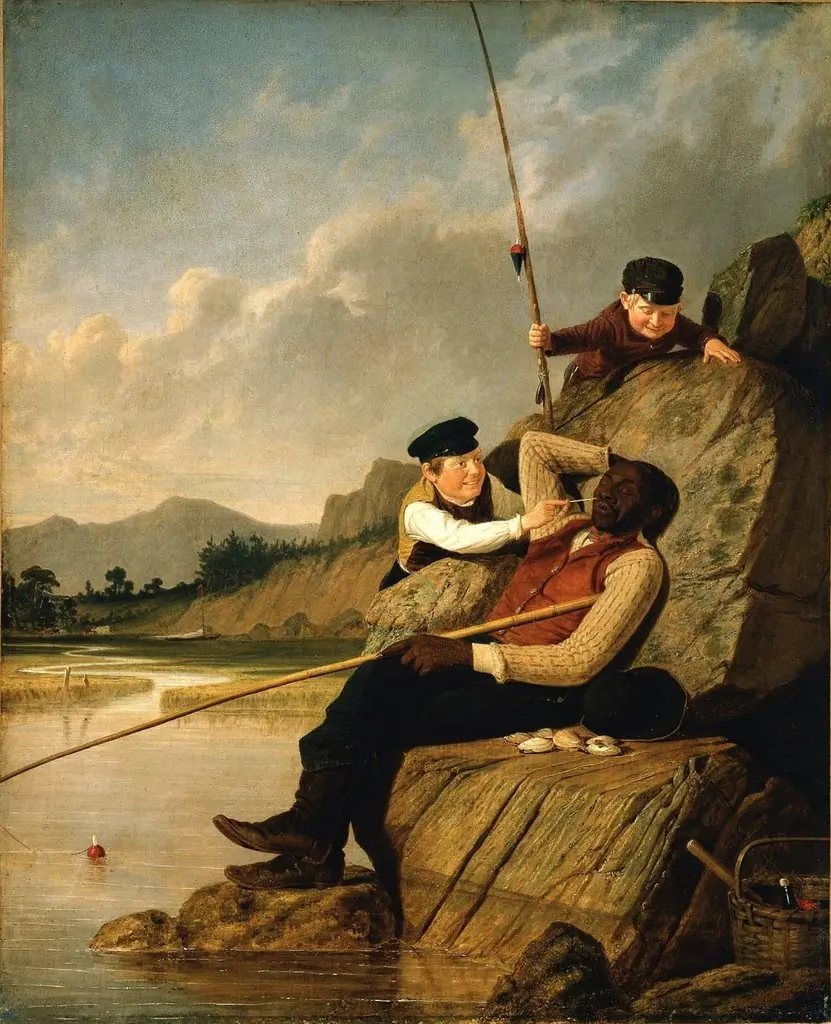 Waking Up
 Early Snow on the River
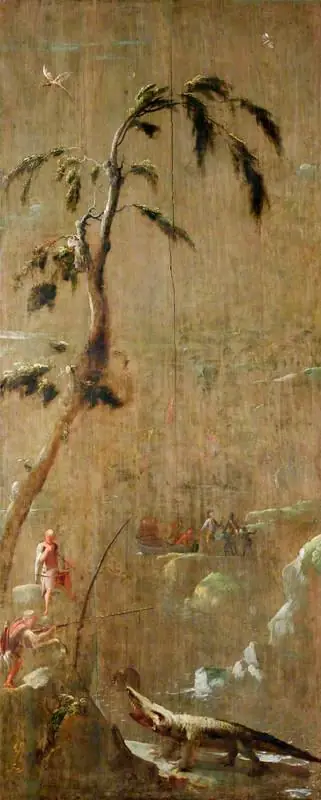 A Chinese Fisherman Hunting a Crocodile
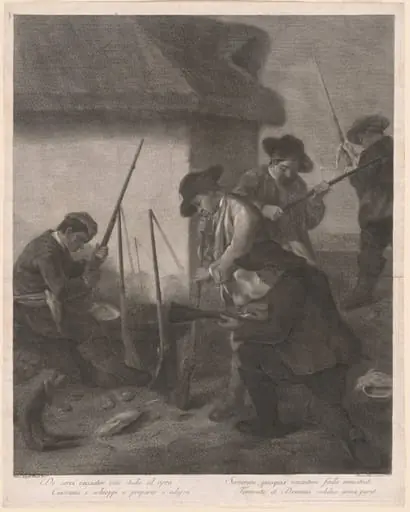 De Servi Cacciator... (Servants Preparing the Guns for the Hunt)
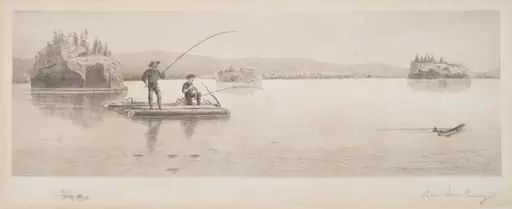 Untitled (Log Raft Fishing)
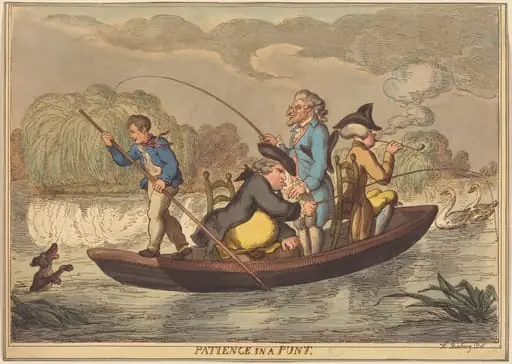 Patience in a Punt
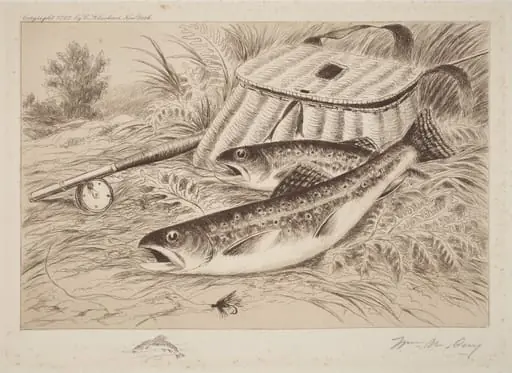 A Good Catch
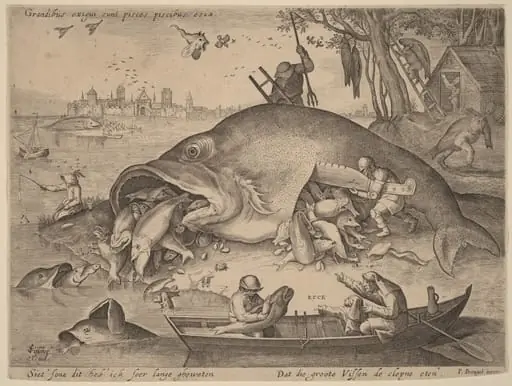 The Big Fish Eat the Little Fish
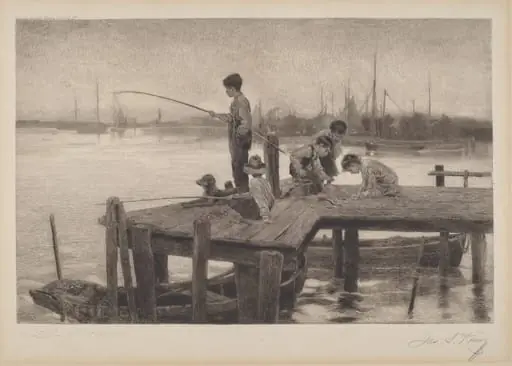 Young Anglers
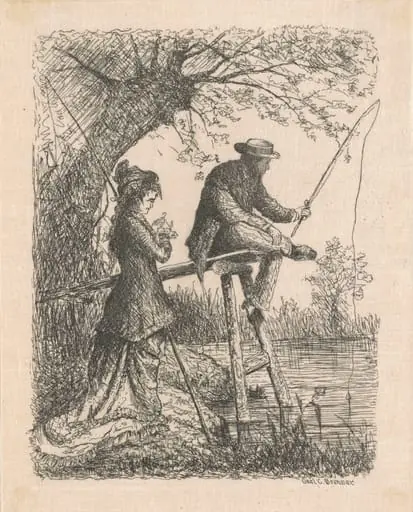 Fishing
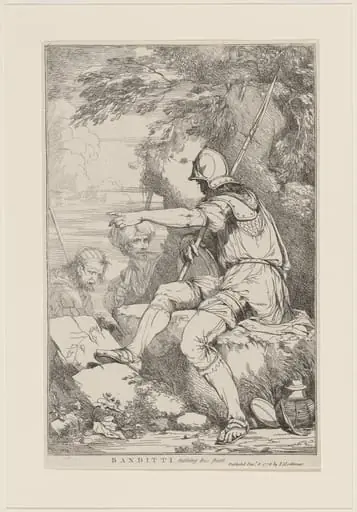 Banditti Taking His Post
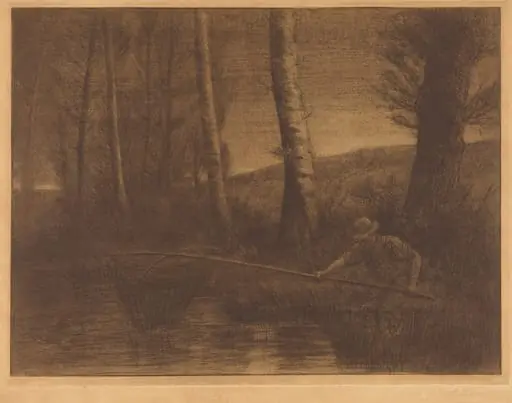 Fisherman with a Hoop-net (La peche a la truble)
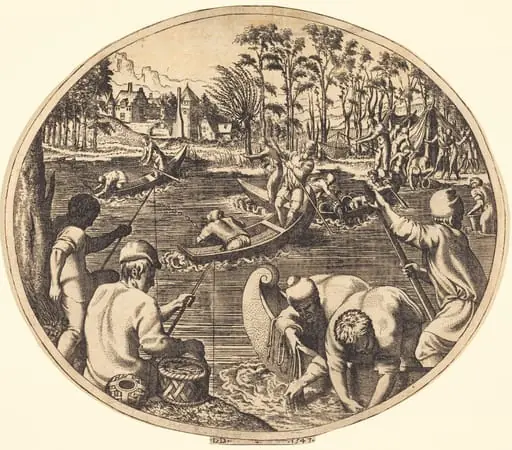 Fishing Scene
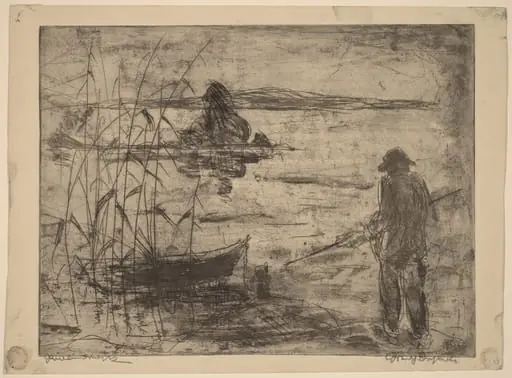 Fishing on the Havel River
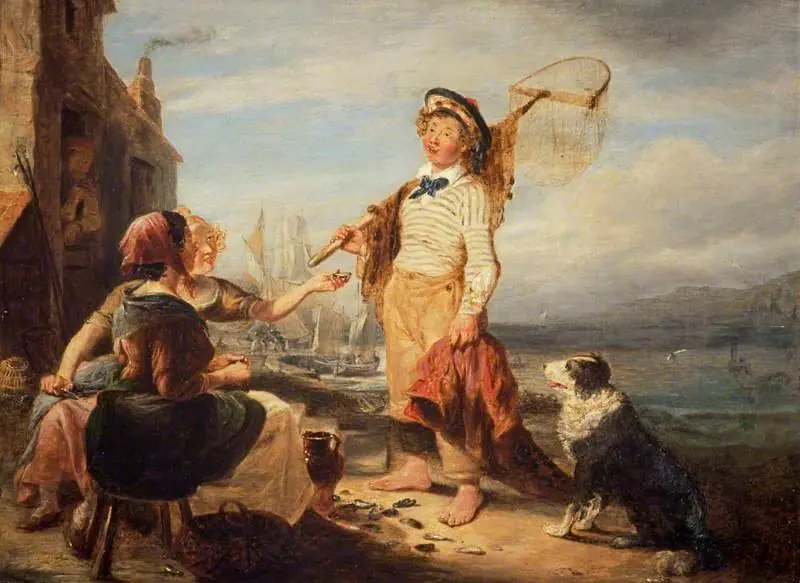 Fisher Folk
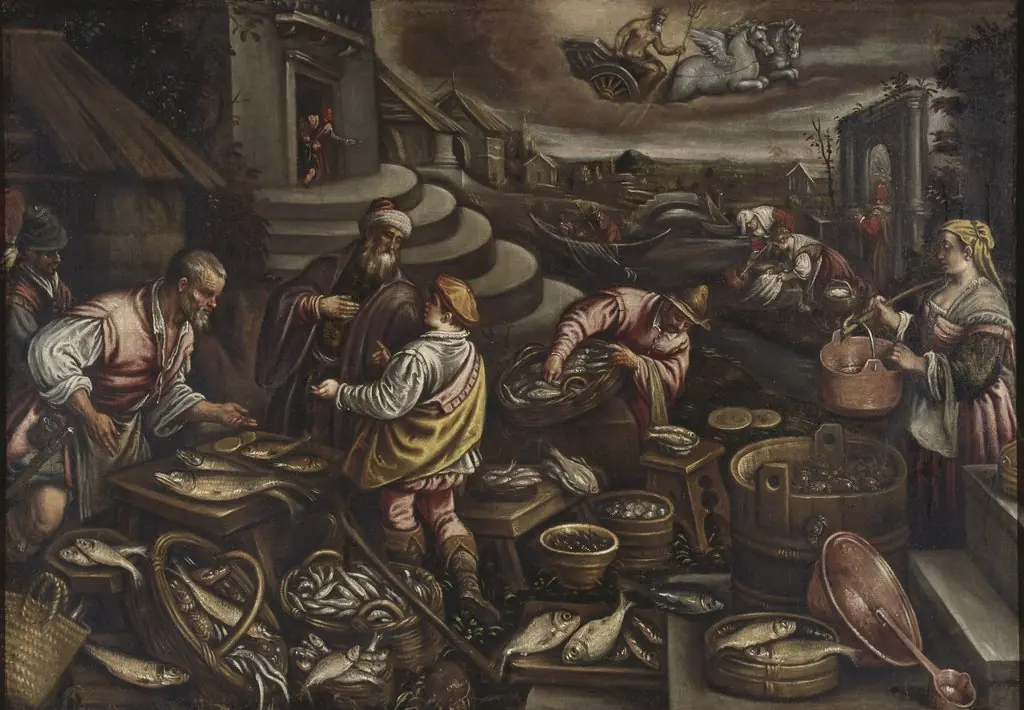 Water
Water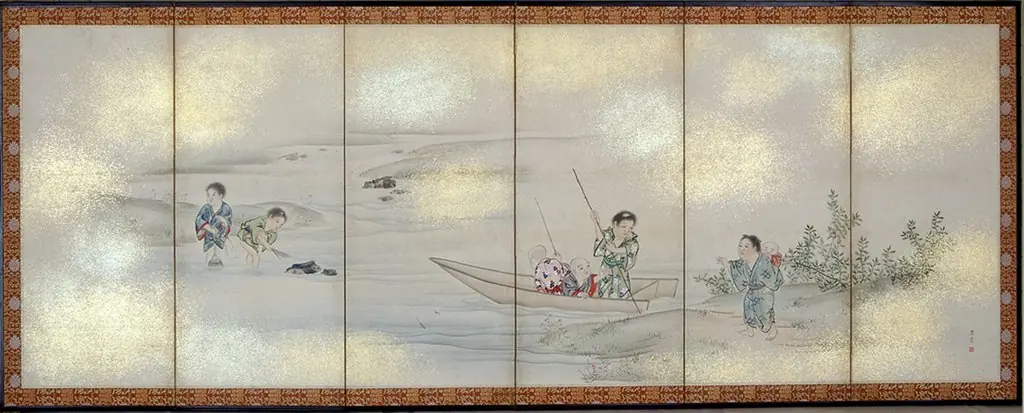 Children Playing in Summer and Winter
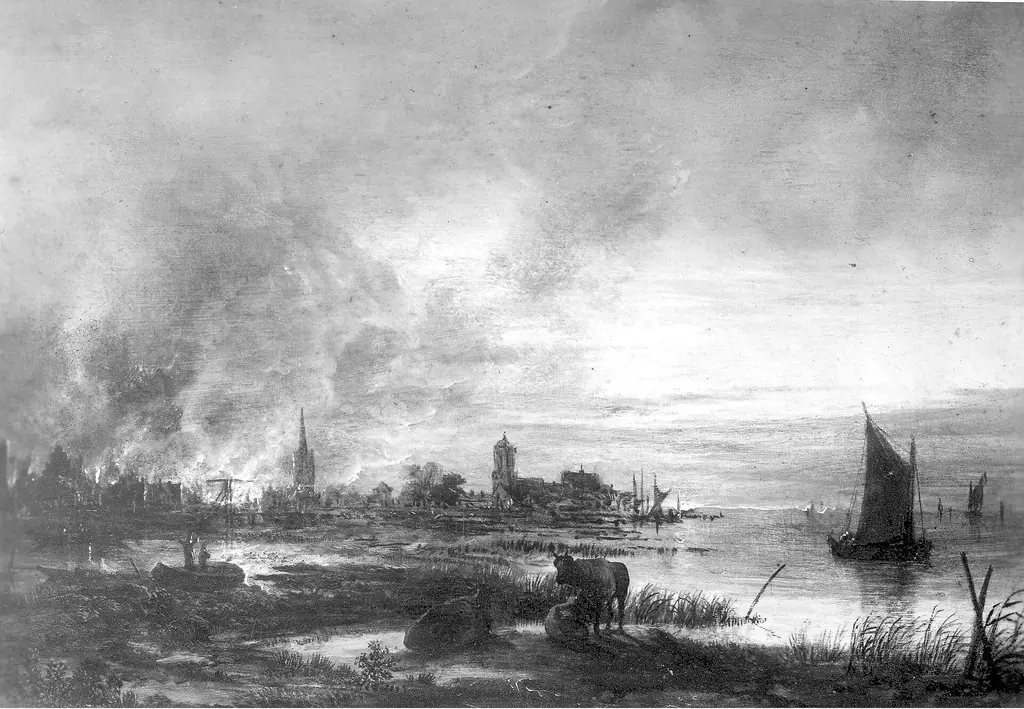 Fire in a town
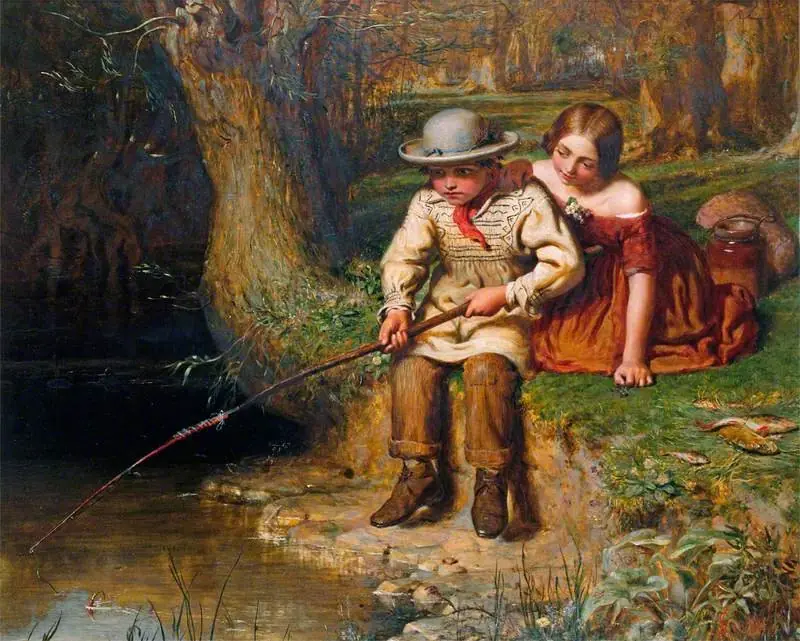 Another Bite
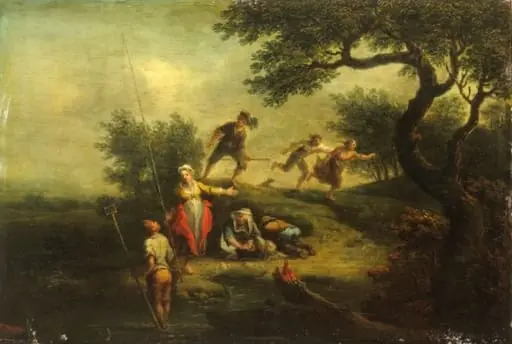 Peisaj cu pescari; pandant: Peisaj cu pescari și băiat cu flaut
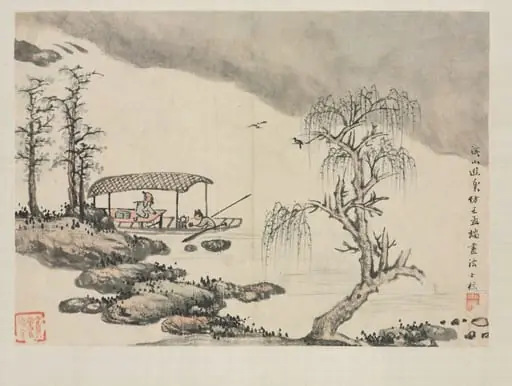 Landscape Album in Various Styles: Pleasure in a Mountain Brook
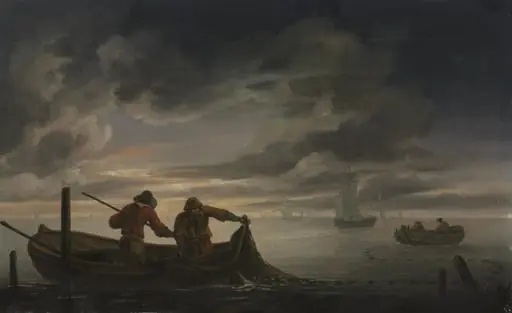 An Estuary Scene with Fisherman
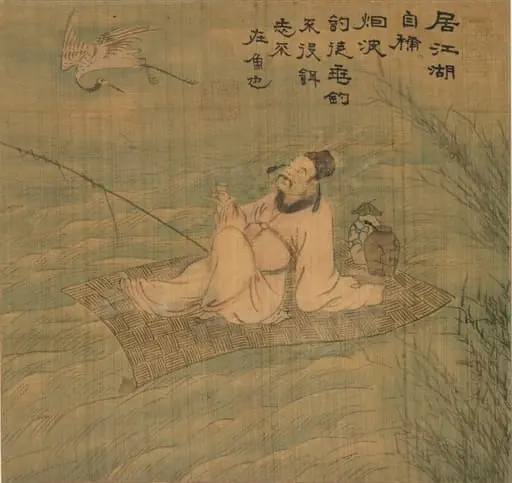 Poet Fisherman
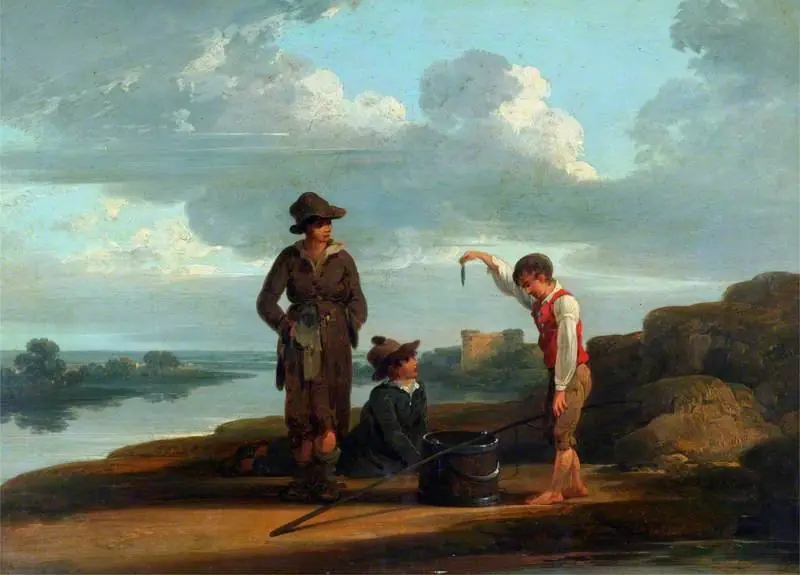 River Scene, with Boys in the Foreground
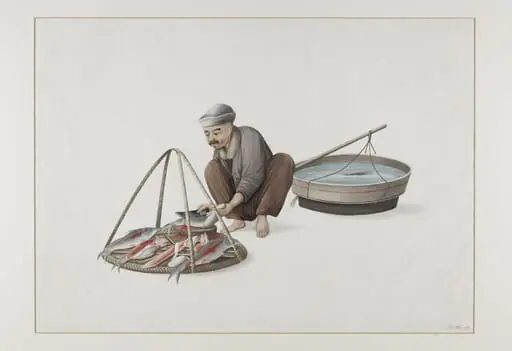 A Fishmonger
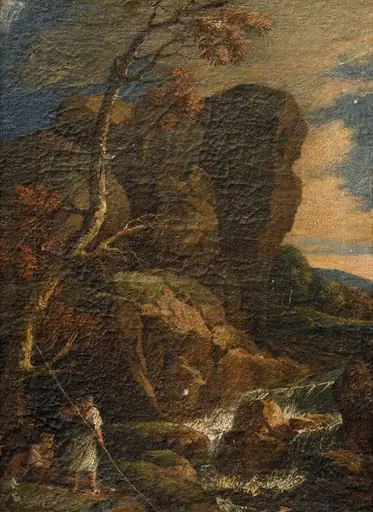 Peisaj cu stânci
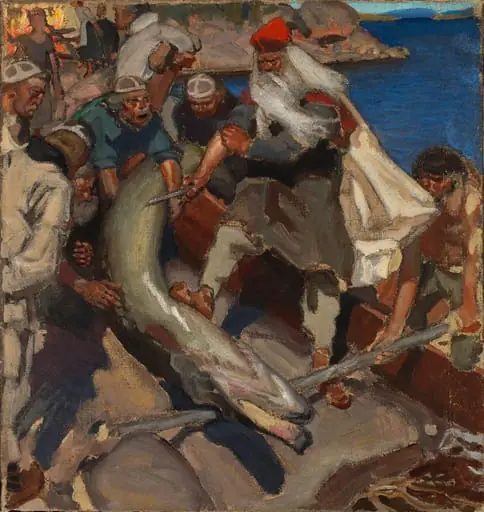 Suuri hauki
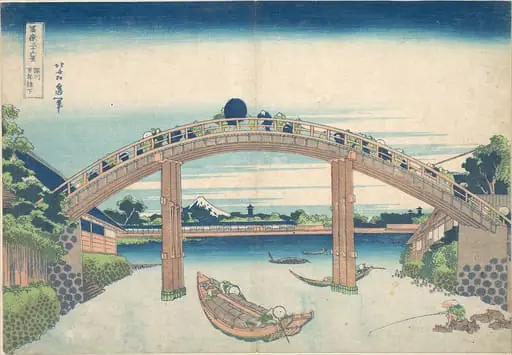 冨嶽三十六景 深川万年橋下|Under the Mannen Bridge at Fukagawa (Fukagawa Mannenbashi shita), from the series Thirty-six Views of Mount Fuji (Fugaku sanjūrokkei)
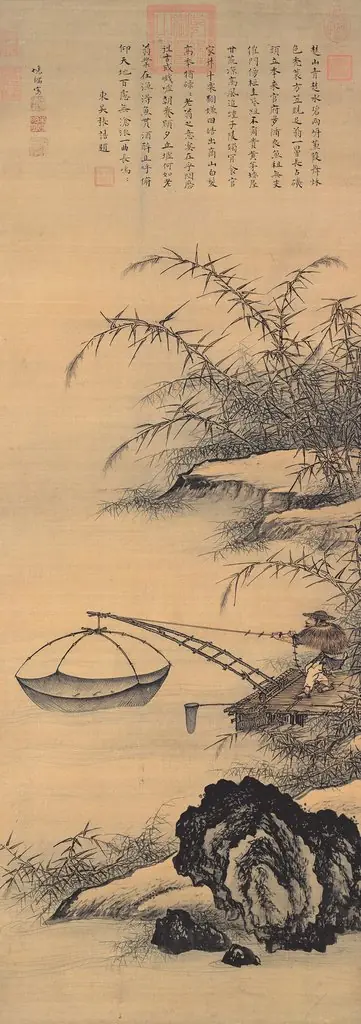 Netting Fish
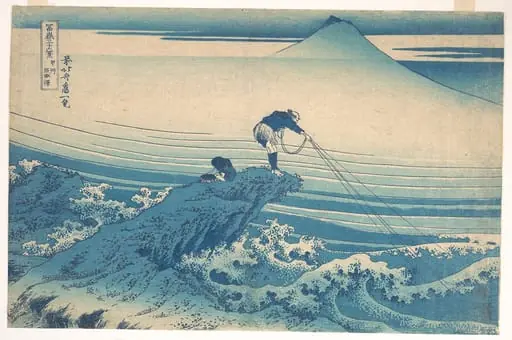 冨嶽三十六景 甲州石班沢|Kajikazawa in Kai Province (Kōshū Kajikazawa), from the series Thirty-six Views of Mount Fuji (Fugaku sanjūrokkei)
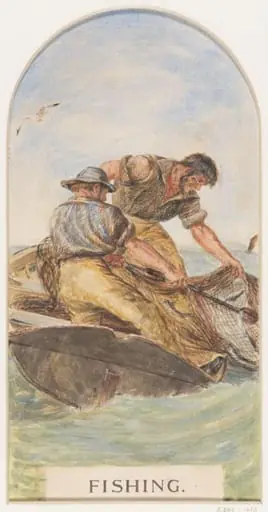 Untitled
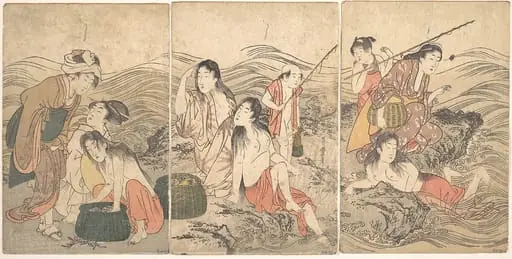 Untitled
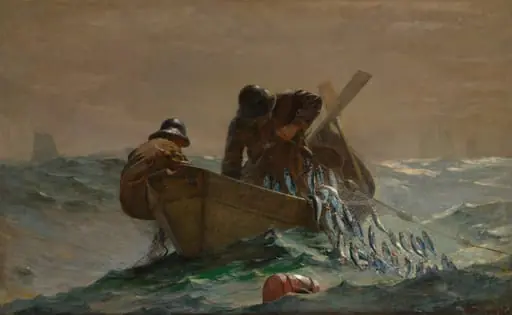 The Herring Net
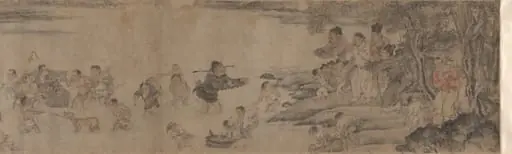 Yang Pu Moving His Family
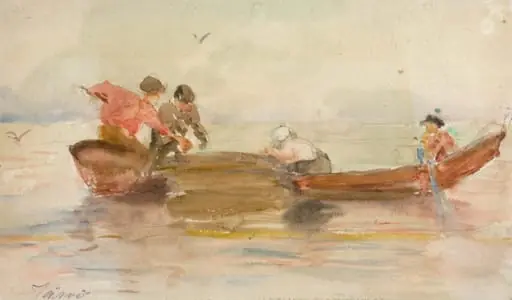 Järvö -luonnos Isorysä teokseen
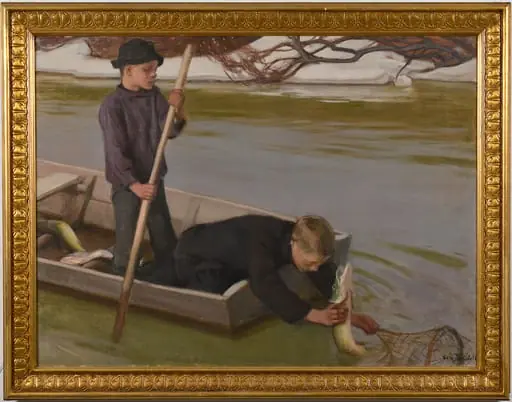 Kalastavia poikia
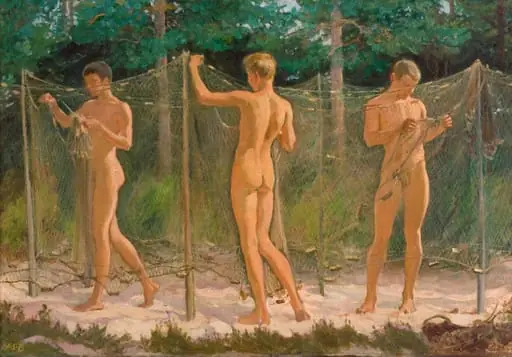 Pojat verkkoja puikkaroimassa
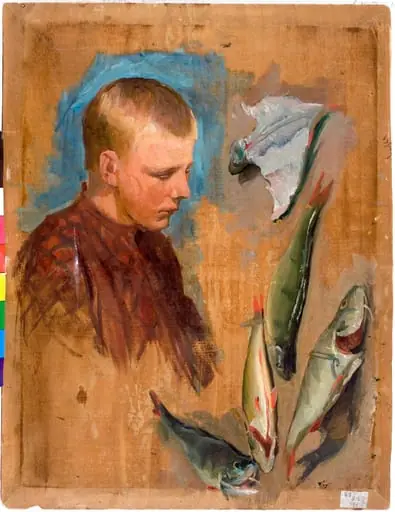 Luonnos Pojat luodolla-maalaukseen
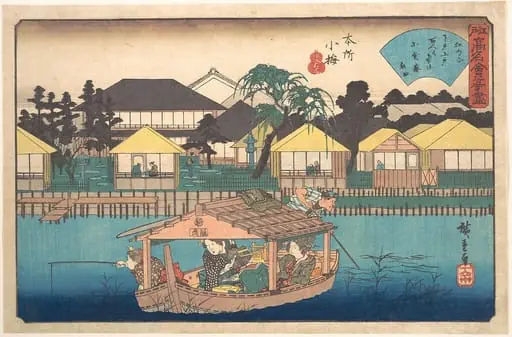 江戸高名会亭尽 本所小梅 小倉庵|Honjo Komme (Ogura-an)
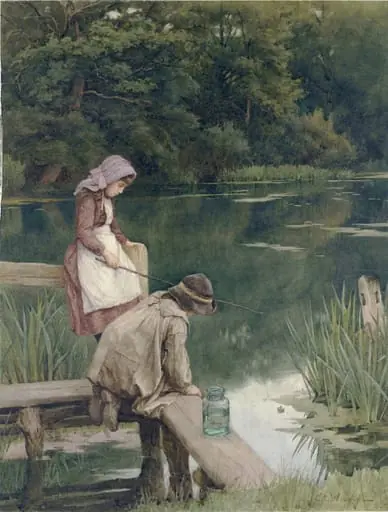 Rustic Anglers
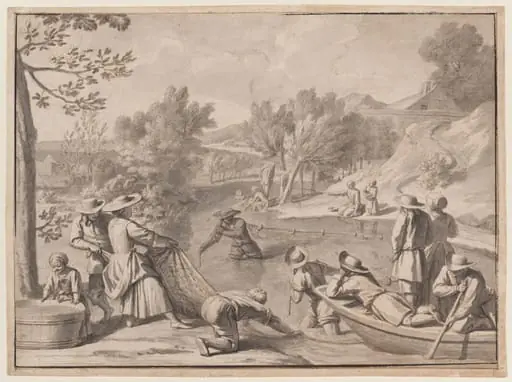 August: Fishing
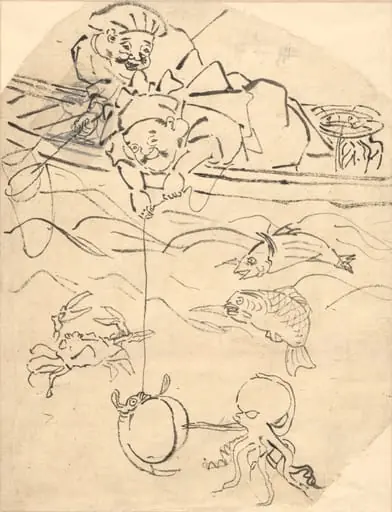 Daikoku and Ebisu, Two of the Seven Gods of Happiness
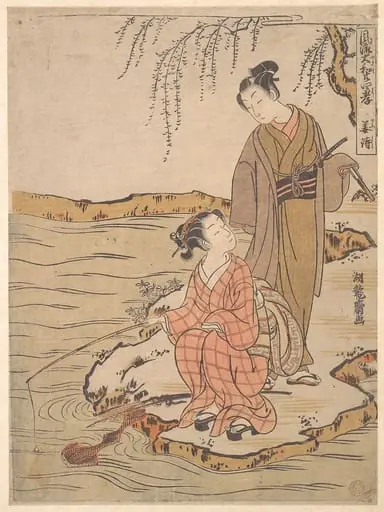 Untitled
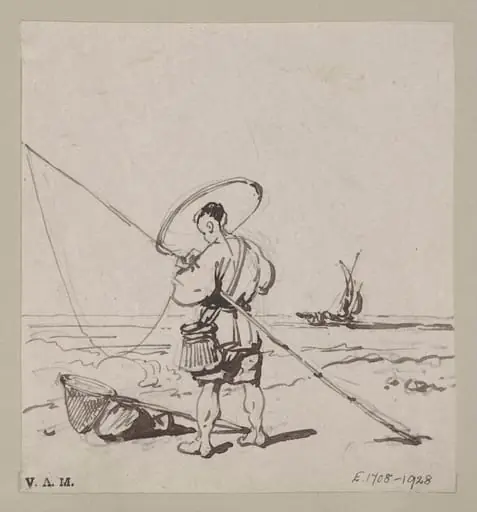 A fisherman by the sea with rod, line and net
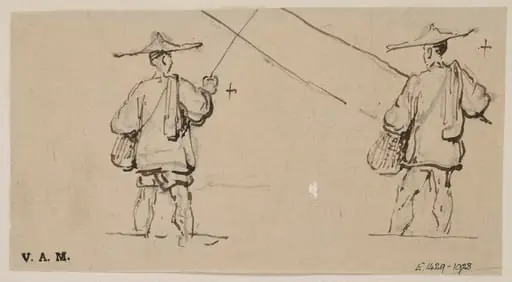 Two drawings of fishermen
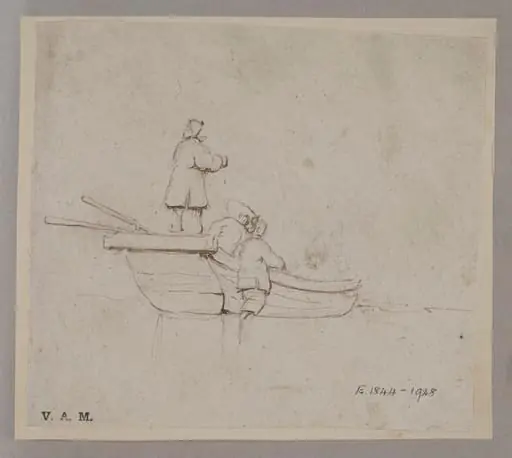 Three Chinese figures with a small boat
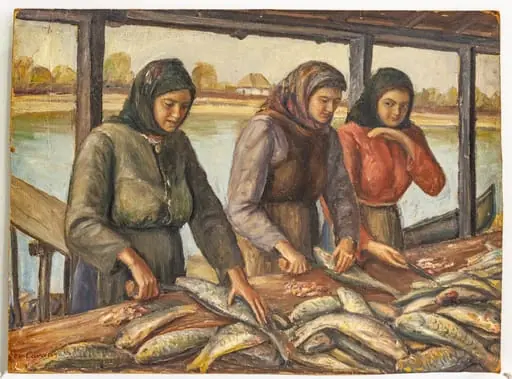 Munca la pește
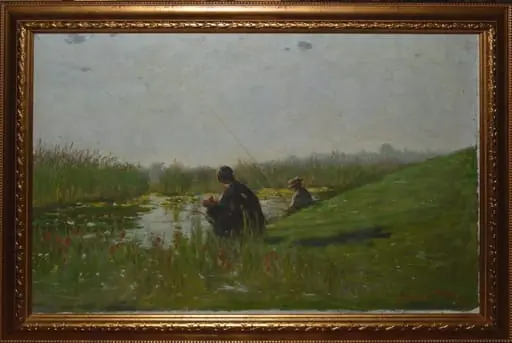 La pescuit (Băneasa)
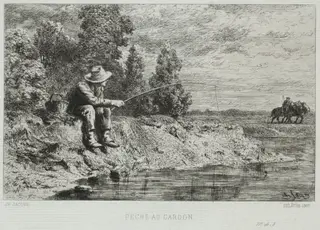 Fishing
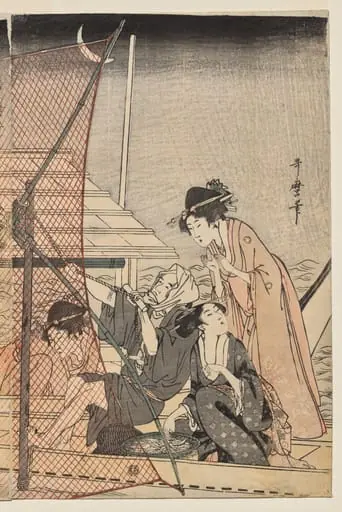 Net Fishing at Night
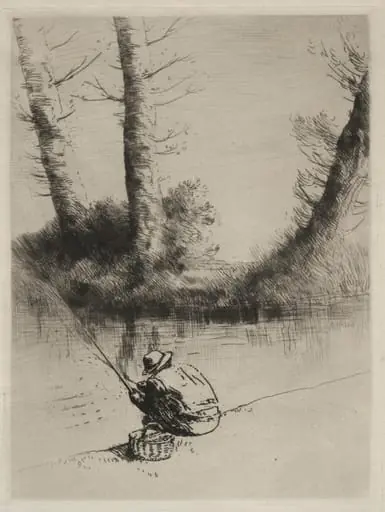 Le Pêcheur à la Ligne
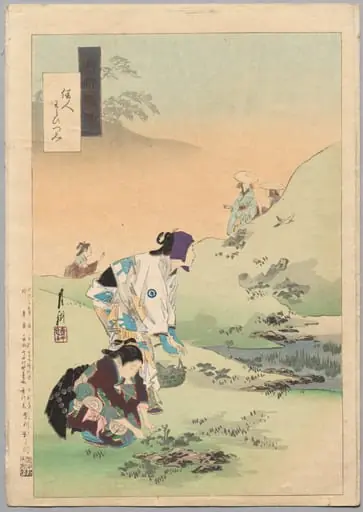 Beauties Harvesting Bracken, from the series Gekkō’s Miscellaney
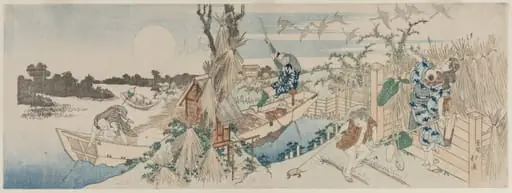 Landscape with Ferry Boat, Geese and Full Moon
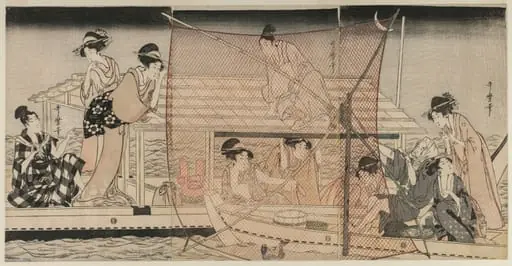 Net Fishing at Night on the Sumida River
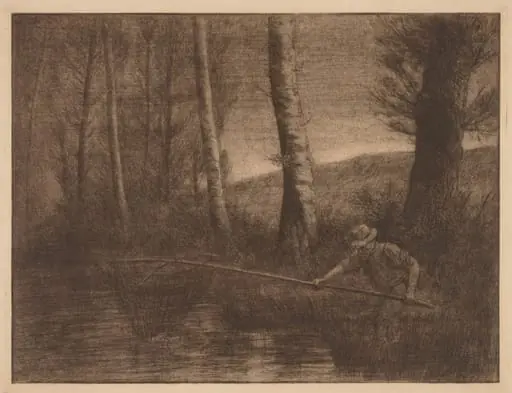 The Fish in the Hoop Net
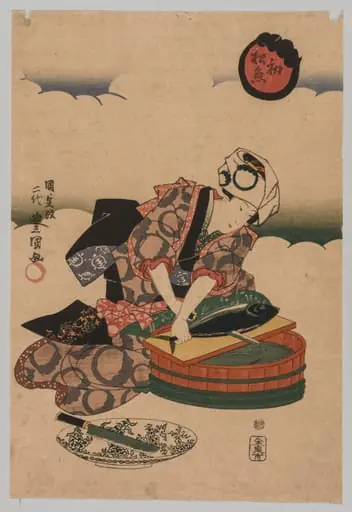 First Bonito of the Year
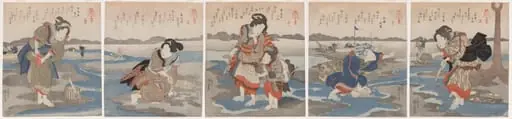 A Low Tide Pentaptych
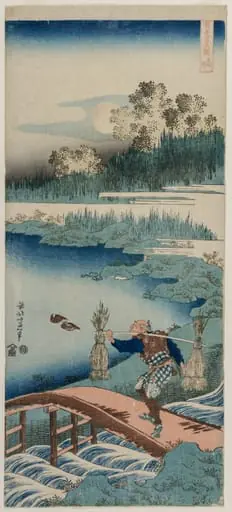 The Rush Gatherer, from the series A True Mirror of Chinese and Japanese Poetry
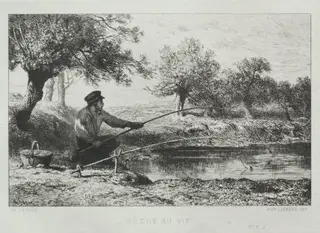 Fishing
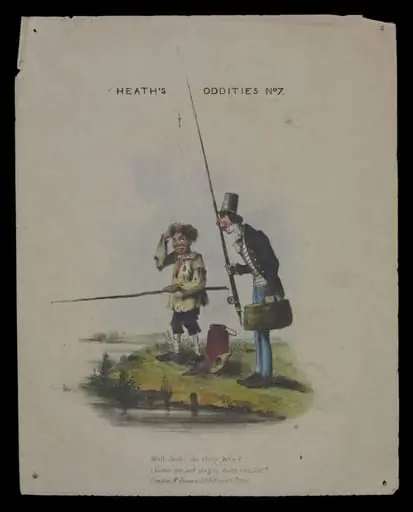 Heath's Oddities
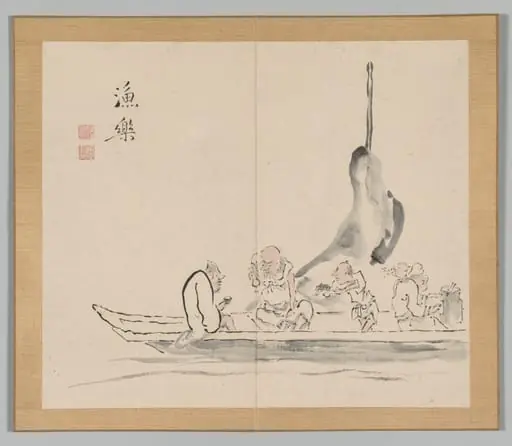 Reverberations of Taiga, Volume 2 (leaf 28)
Frequently asked questions
What is Fishing?
Fishing is the activity of trying to catch fish.
How many Fishing works does Artifact World Gallery have?
Artifact World Gallery holds 140 public-domain Fishing works, all free to view and download.
Who are the key Fishing artists?
Key Fishing artists in the collection include François Boucher, Asher Brown Durand and Canaletto.
Where can I see Fishing works?
Fishing works in the collection are held by Metropolitan Museum of Art, Cleveland Museum of Art and National Gallery of Art.