Artwork
Claude Monet Painting by the Edge of a Wood
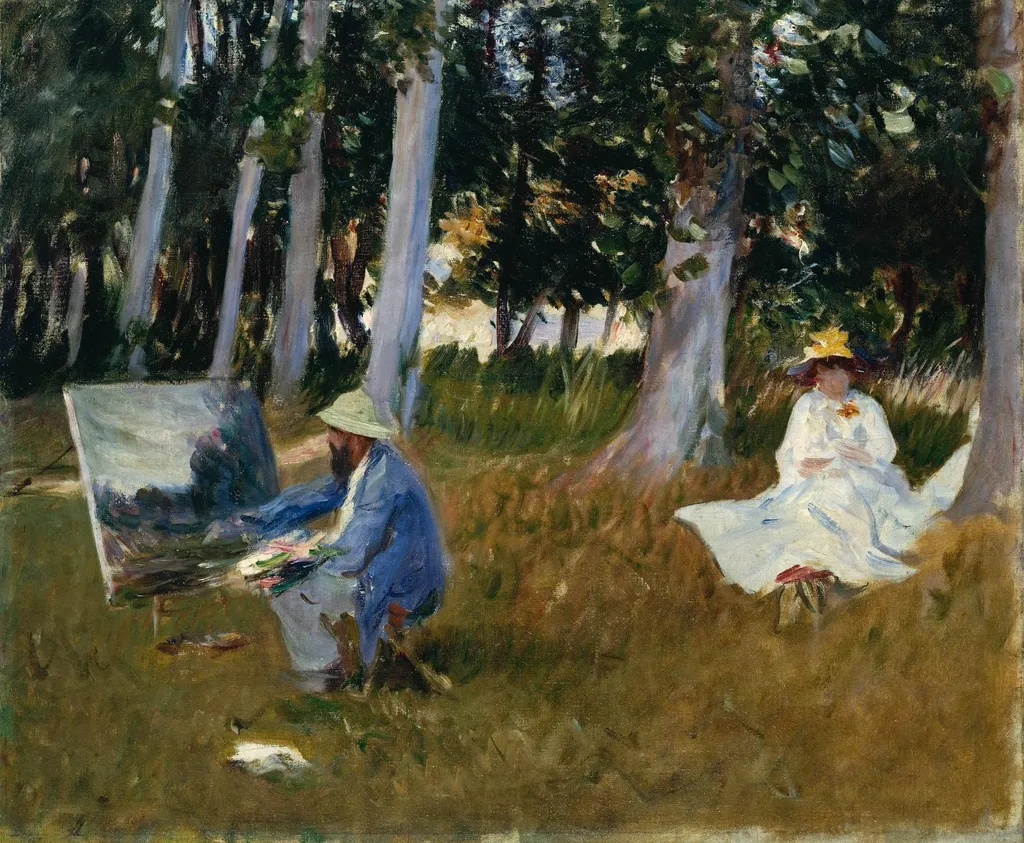
Claude Monet Painting by the Edge of a Wood is an oil painting by the Impressionist artist John Singer Sargent. It dates from 1893 and is held in the collection of the Metropolitan Museum of Art.
About this work
Subject & Meaning
The composition serves as a homage to Monet's practice of painting outdoors, capturing the artist amidst the natural light and vegetation at the edge of a wood.
Painted in 1893, this work depicts the French Impressionist Claude Monet working en plein air in the countryside. He is accompanied by a female figure, identified by some sources as Alice Hoschedé, though others note she remains unidentified. The composition serves as a homage to Monet's practice of painting outdoors, capturing the artist amidst the natural light and vegetation at the edge of a wood.
Sargent renders the scene with rapid, fragmented strokes of vivid white, green, and pink, visually echoing the Impressionist technique itself. Beyond a simple portrait, the painting represents a moment in which Sargent, primarily known for formal portraiture, experimented with Impressionist methods. It symbolizes the mutual admiration and professional kinship between the two artists, highlighting the significance of working directly from nature.
Technique & Style
The work is executed in oil on canvas and was painted en plein air using rapid, broken brushstrokes that characterize Sargent's early Impressionist experiment. Contemporary descriptions record a bright palette of whites, greens and pinks applied in fragmented touches to capture the fleeting light and the figure of Claude Monet at work outdoors, accompanied by Alice Hoschedé. The loose handling and visible brush marks reflect Sargent's attempt to emulate Monet's plein-air practice while retaining his own portraitive precision. The painting entered the Tate collection in 1925 as a gift from the artist's sisters.
History & Provenance
Executed in 1893, this oil on canvas depicts Claude Monet painting en plein air. The work remained in John Singer Sargent's possession until his death in 1925, after which it was retained by his sisters, Emily Sargent and Violet Ormond. That same year the sisters donated the piece to Tate in London through the Art Fund, where it is held under accession number N04103.
Its provenance reflects the close personal and professional relationship between Sargent and Monet, and the painting stands as an example of Sargent's early experimentation with Impressionist technique.
Context
John Singer Sargent's oil on canvas, Claude Monet Painting by the Edge of a Wood, entered the Tate collection in 1925 as a gift from the artist's sisters. The work portrays Monet at work outdoors, a subject that situates it within the plein-air practice of the Impressionist movement. Scholarship identifies the painting as one of Sargent's forays into Impressionist technique, noting its loose brushwork and vivid palette as evidence of his dialogue with French contemporaries.
Although minor within Sargent's oeuvre, the piece is regarded as historically significant for illustrating transatlantic artistic exchange and the diffusion of plein-air ideals in late-19th-century art.
Legacy
Although the painting occupies a minor place within Sargent's broader output, it holds importance as a visual document of plein-air practice and of the friendship between the two artists. Sargent retained the work until his death, indicating his lasting admiration for Monet. It is cited in scholarship on Impressionism in Britain.
The work entered Tate in 1925 as a gift from the artist's sisters Emily Sargent and Violet Ormond, securing its place in a major public collection where it continues to be studied as an early example of Sargent's engagement with Impressionist technique.
Overview
John Singer Sargent's c.1885 oil painting, "Claude Monet Painting by the Edge of a Wood," captures the renowned French Impressionist artist at work outdoors. This portrait showcases Monet engaged in en plein air painting, a hallmark of his practice, while accompanied by Alice Hoschedé, who would later become his second wife. The work is notable as an early instance of Sargent's engagement with Impressionist techniques, reflecting his artistic development through direct observation of a leading figure in the movement.
Own this work as a print
Artist & collection
Artist
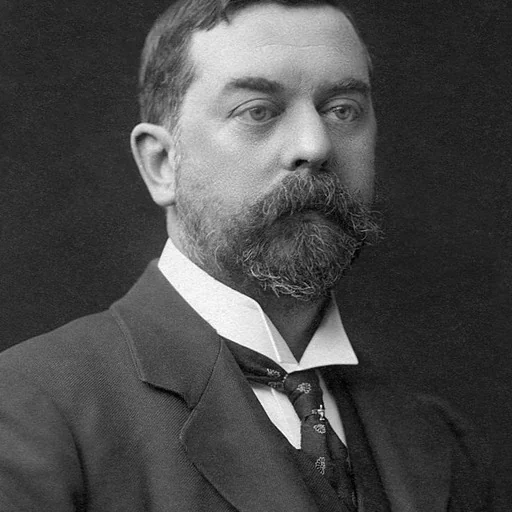
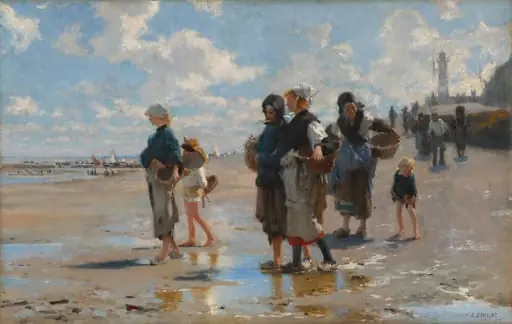
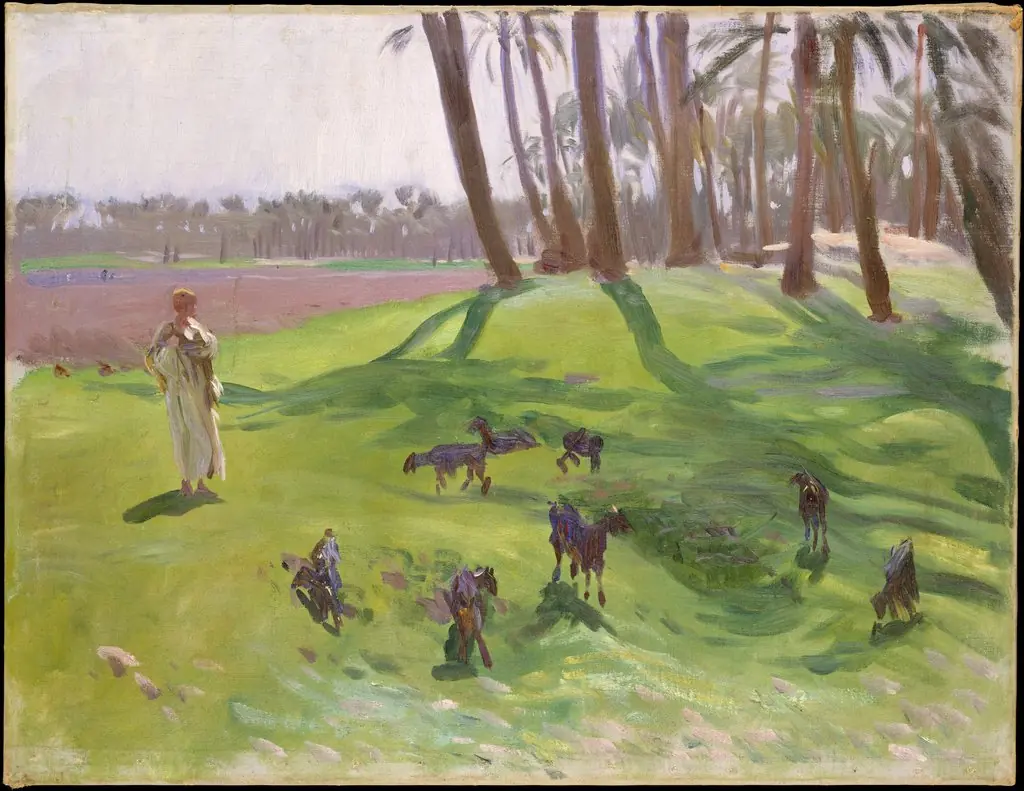
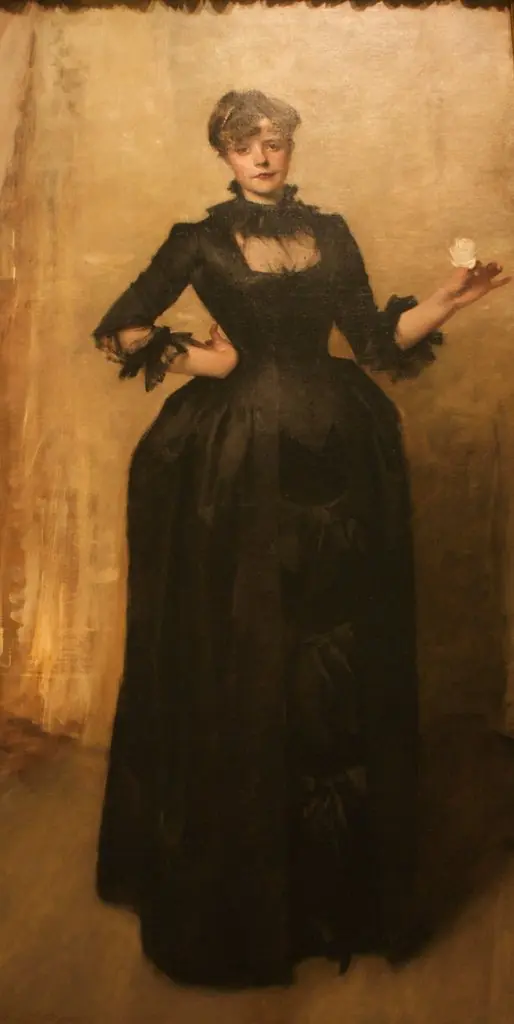
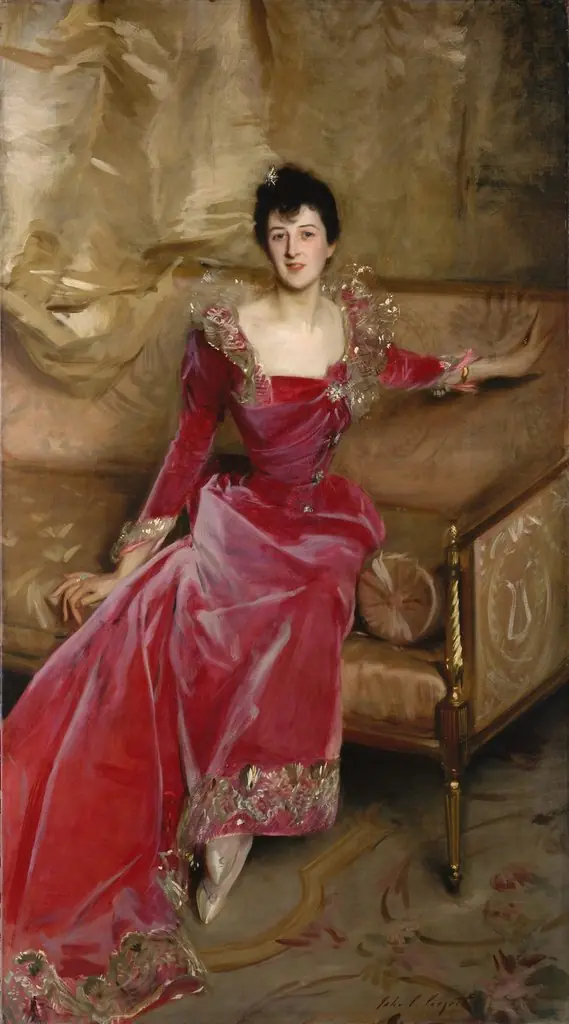
John Singer Sargent (; January 12, 1856 – April 15, 1925) was an American expatriate artist, considered the "leading portrait painter of his generation" for his evocations of Belle Époque and Edwardian-era luxury.

- Camille Monet und ihr Sohn Jean in Argenteuil
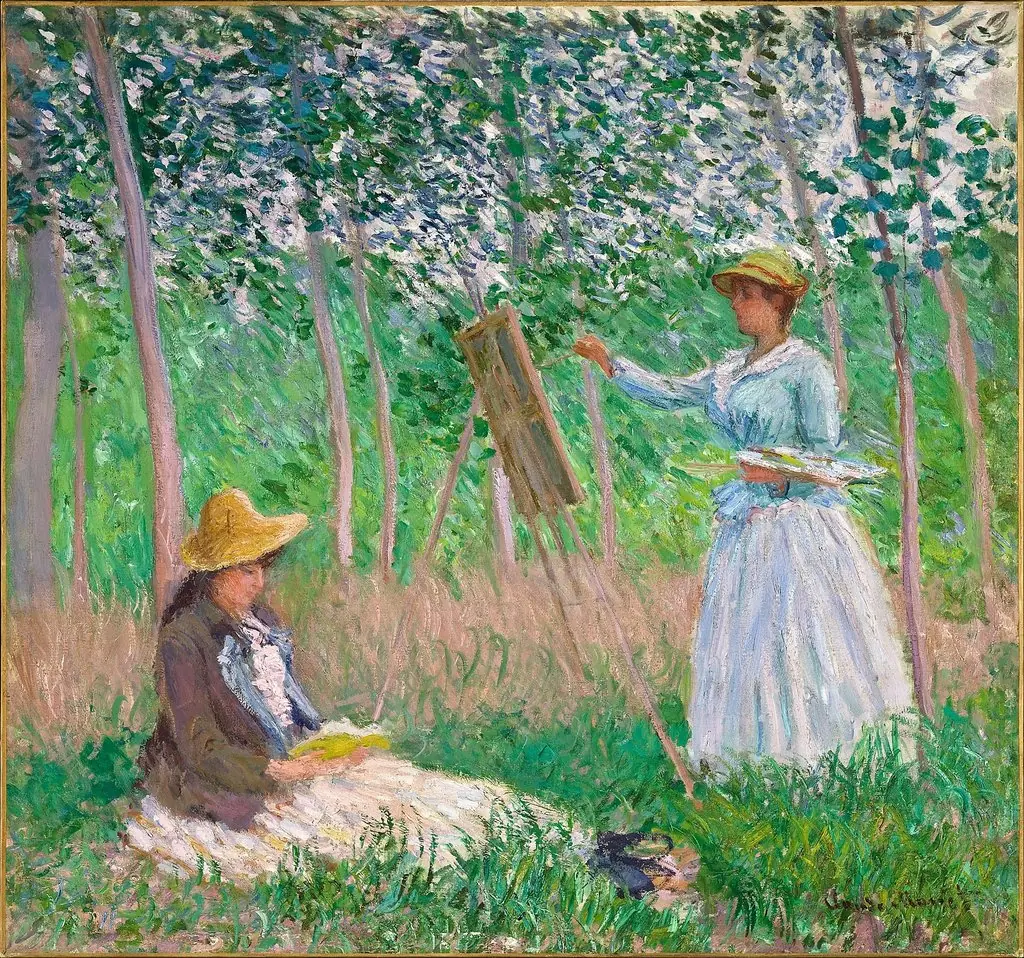 In the Woods at Giverny: Blanche Hoschedé at Her Easel with Suzanne Hoschedé Reading
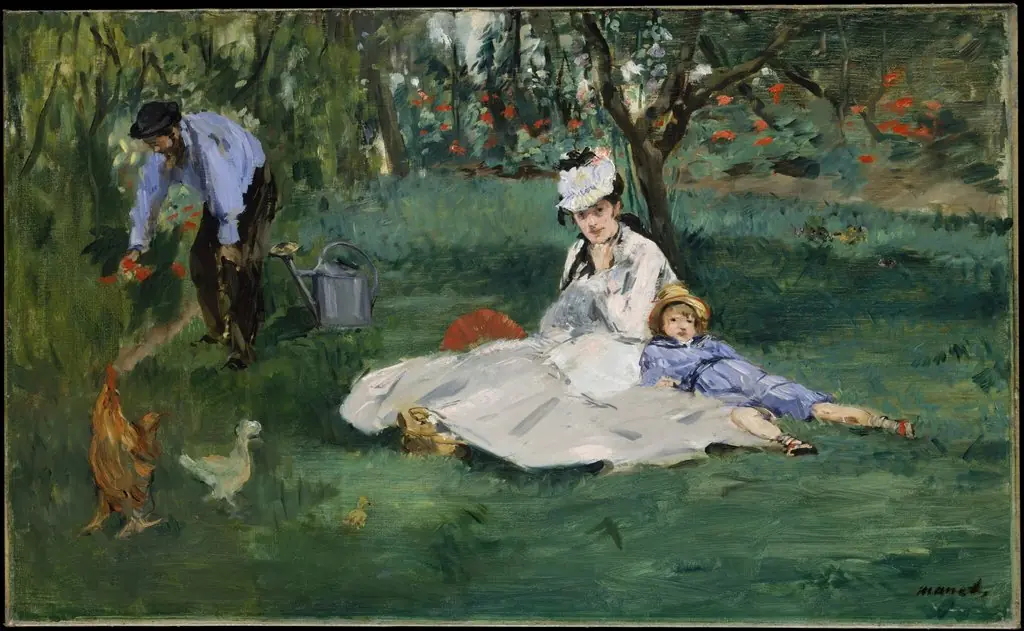 The Monet Family in Their Garden at Argenteuil
 Madame Monet and Her Son
 Oarsmen at Chatou
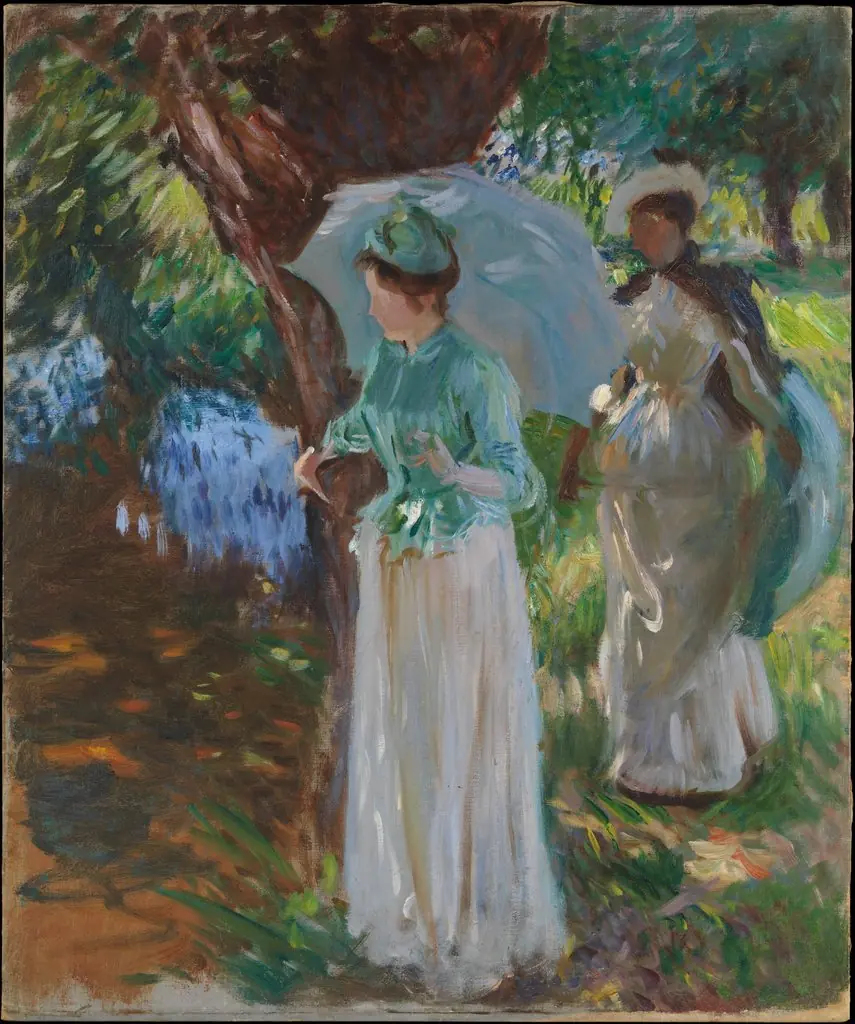 Two Girls with Parasols
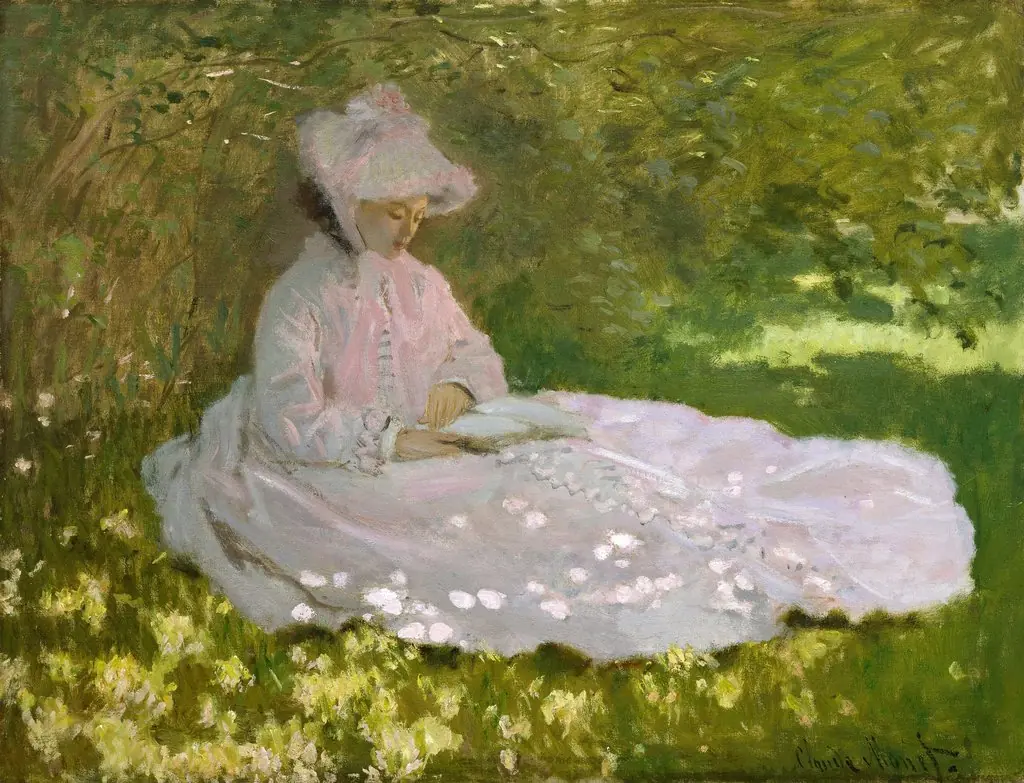 Springtime
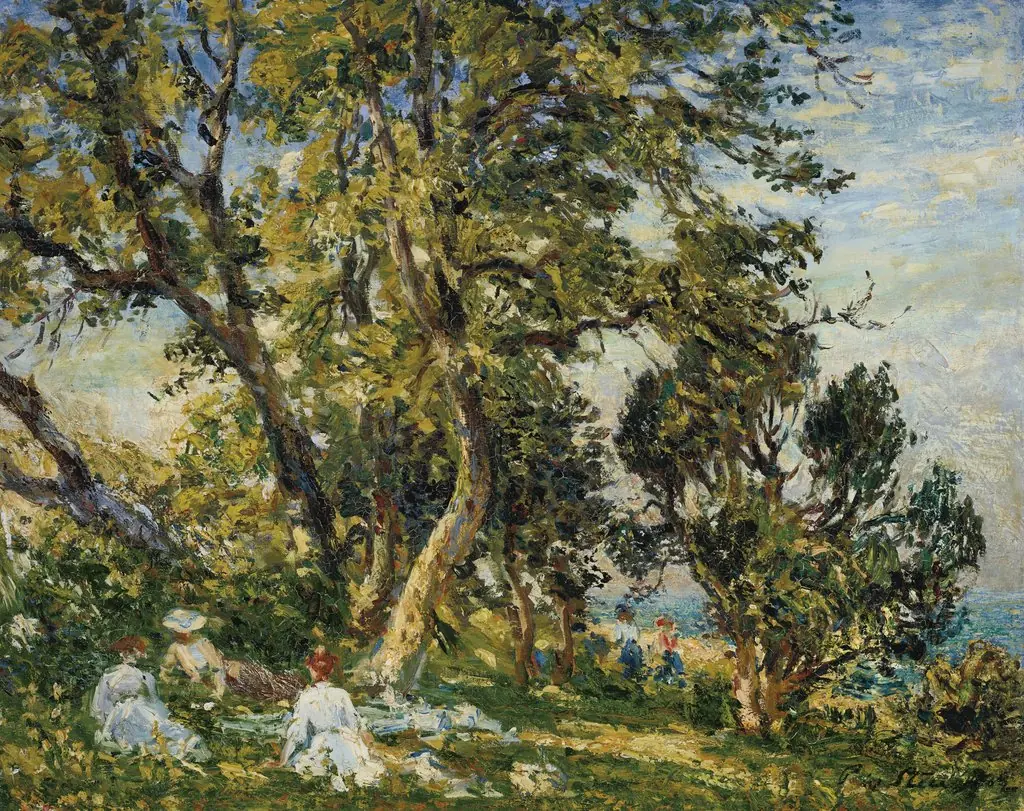 Under the Trees
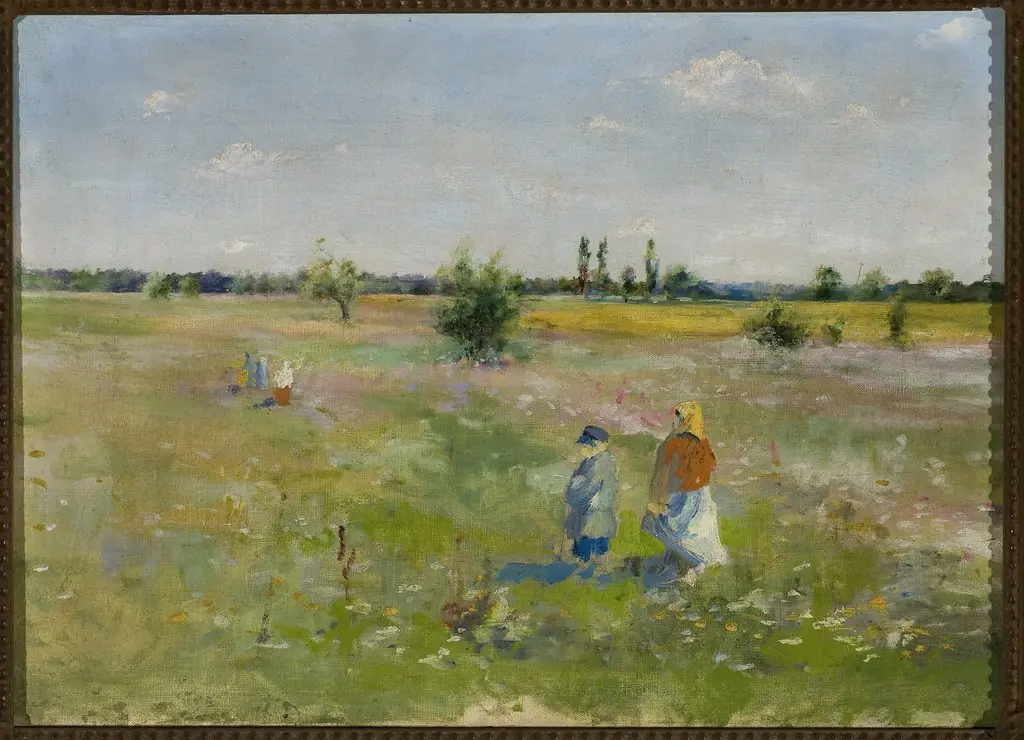 In the meadow
 The Fountain, Villa Torlonia, Frascati, Italy
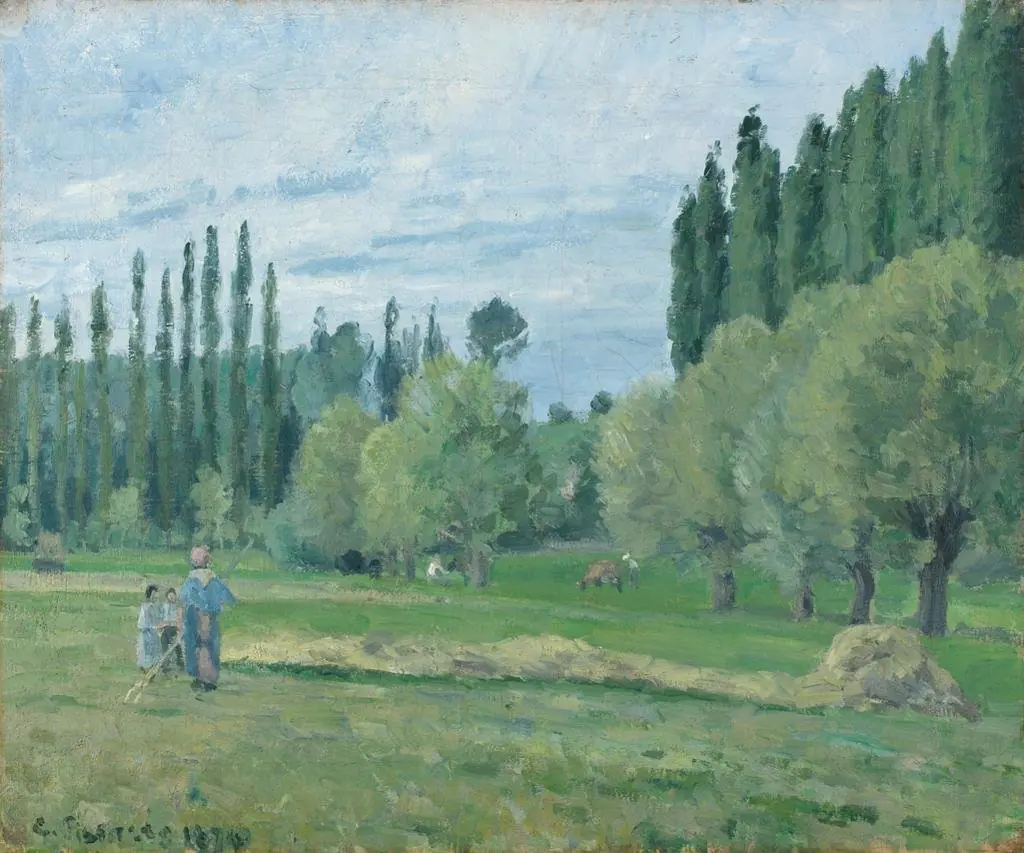 Haymaking
 Au bord de l'étang (The Pond)