Artwork
Lady Sassoon
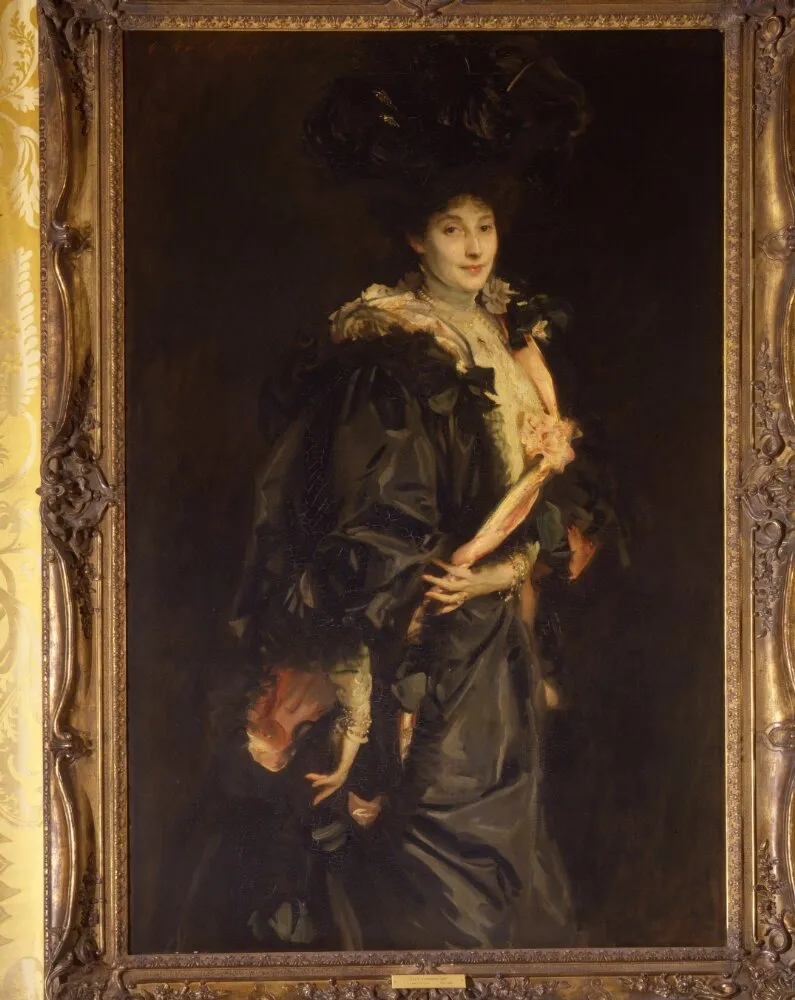
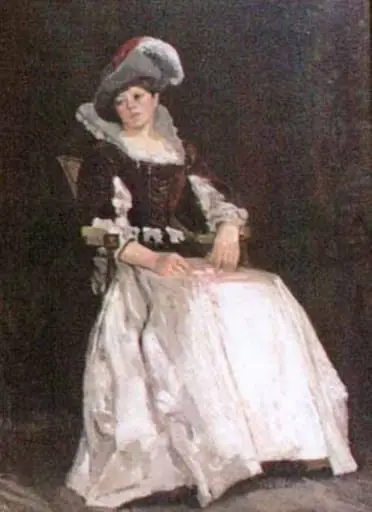
Lady Sassoon is an oil painting by the Impressionist artist John Singer Sargent. It dates from 1907 and is held in the collection of the Nationalmuseum.
About this work
Overview
Though American by birth, Sargent lived and worked primarily in Europe, where he developed a distinctive style blending realism with impressionistic brushwork.
John Singer Sargent painted this portrait of Lady Sassoon in 1907 using oil on canvas. The work reflects his reputation as a leading portraitist of the upper classes during the late 19th and early 20th centuries. Though American by birth, Sargent lived and worked primarily in Europe, where he developed a distinctive style blending realism with impressionistic brushwork. The painting is now part of the Nationalmuseum’s collection in Stockholm.
Subject & Meaning
The subject is Lady Sassoon, a member of the prominent Sassoon family known for their wealth and cultural influence. Depicted with composed grace, she holds a parasol and rests one hand on her hip, conveying quiet confidence. Her expression is calm, with a faint smile suggesting poise rather than overt display. The portrait emphasizes social stature through restrained elegance, avoiding theatricality in favor of dignified presence.
Technique & Style
Sargent employed fluid, confident brushstrokes to render fabric textures and light effects, particularly in the lace collar and the folds of the dark dress. The background is muted and indistinct, allowing the figure to emerge with clarity. His handling of light and shadow creates depth without harsh outlines, aligning with impressionist sensibilities while retaining precise anatomical control. The parasol and hat are rendered with suggestive detail, not exhaustive finish.
History & Provenance
Commissioned during Sargent’s peak years as a portraitist, the painting entered the Nationalmuseum’s collection in Sweden after passing through private hands. Its journey from London to Stockholm reflects the international circulation of elite portraiture in the early 20th century. No significant alterations or restorations are documented, and the work remains in good condition, preserving Sargent’s original execution.
Context
Painted during the Edwardian era, the portrait captures a moment when aristocratic women were increasingly visible in public life, yet still bound by codes of decorum. Sargent’s patrons often belonged to transnational elites, bankers, diplomats, and cultural patrons, who valued subtlety over ostentation. The painting reflects a broader trend in portraiture: emphasizing character and refinement rather than symbolic attributes or heraldic displays.
Legacy
Lady Sassoon exemplifies Sargent’s ability to convey social nuance through composition and touch. While not among his most widely reproduced works, it remains a key example of his mature style, where technical mastery serves psychological subtlety. The portrait continues to be studied for its balance between realism and atmospheric suggestion, influencing later generations of portrait painters seeking to avoid sentimentality.
Artist & collection
Artist
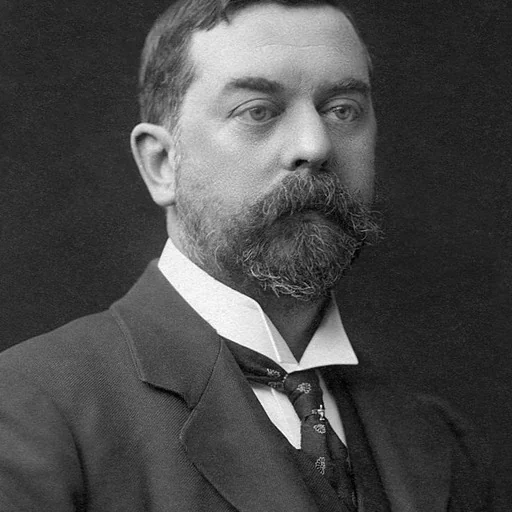
John Singer Sargent (; January 12, 1856 – April 15, 1925) was an American expatriate artist, considered the "leading portrait painter of his generation" for his evocations of Belle Époque and Edwardian-era luxury.

 Portretul Doamnei Grant
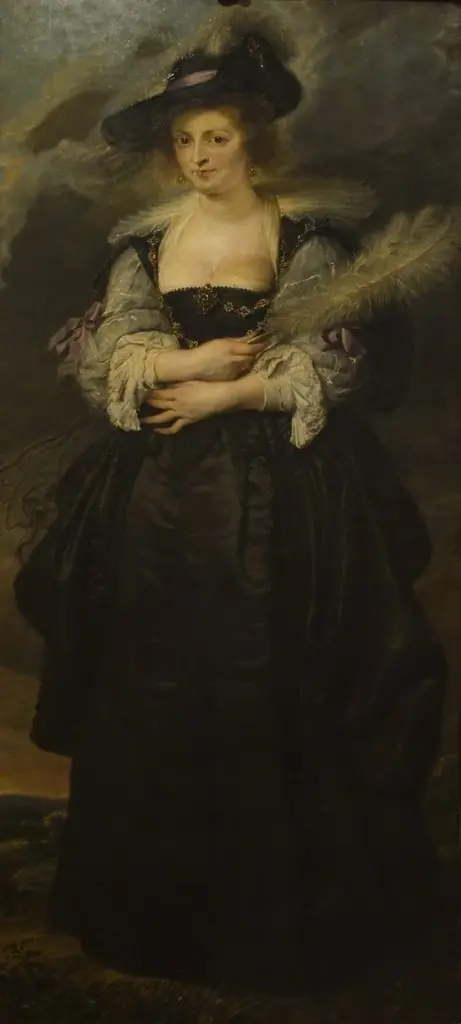 Portrait of Helena Fourment
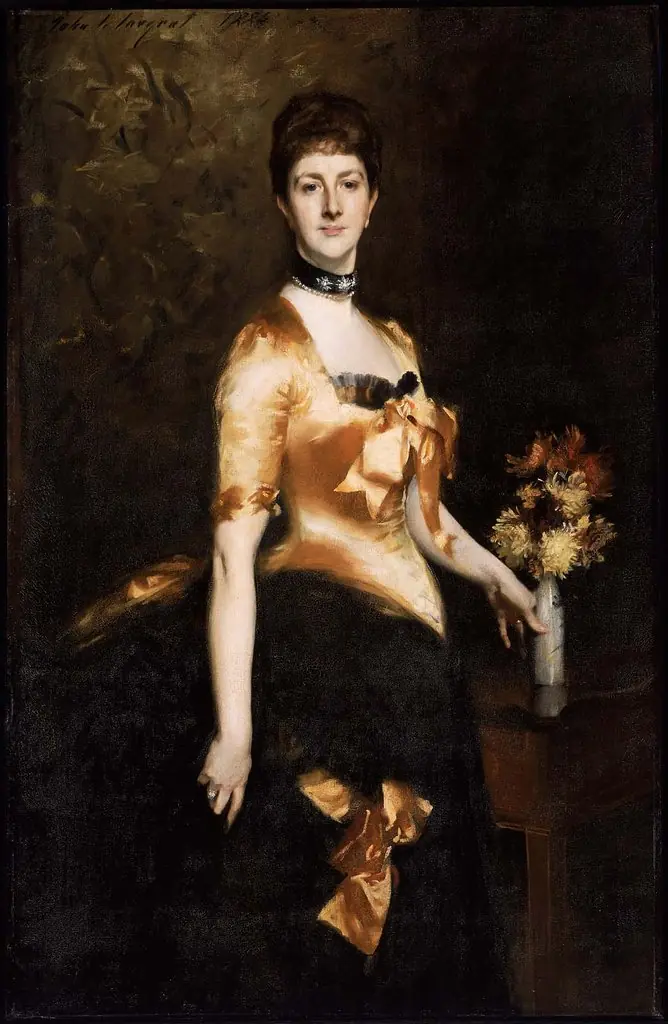 Edith, Lady Playfair (Edith Russell)
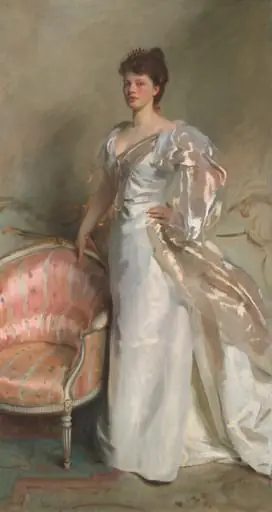 Mrs. George Swinton (Elizabeth Ebsworth)
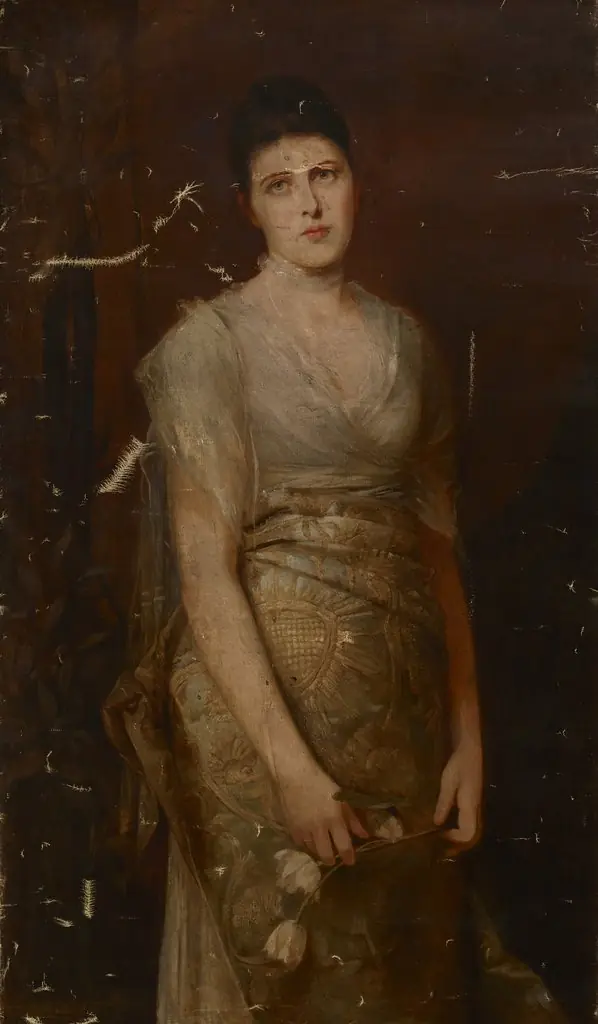 Portrait of Alicja Worms
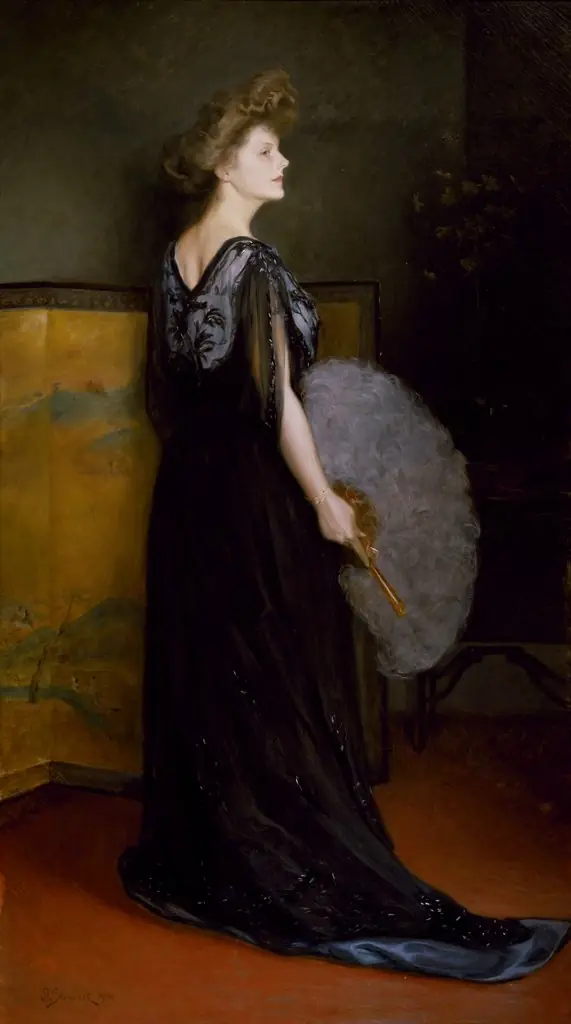 Portrait of Mrs. Francis Stanton Blake
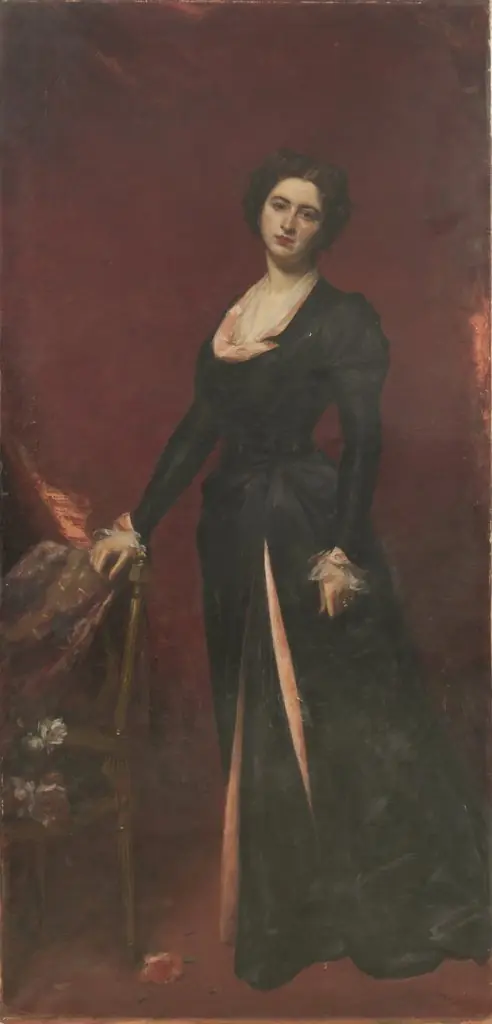 (Retrato de María del Carmen Reyna y Roballos de Fernández Blanco), Retrato de María Reyna de Fernández Blanco
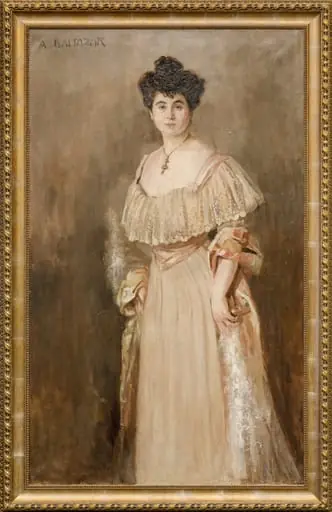 Portret de femeie
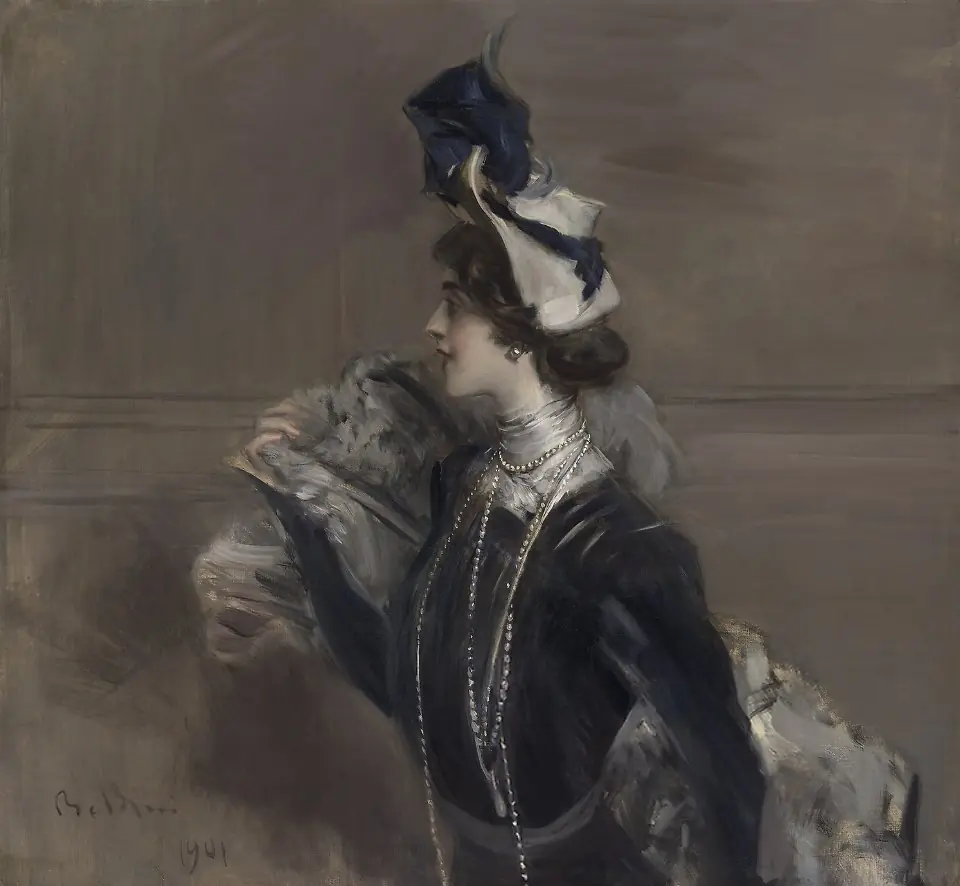 Portrait of Mme. Lina Cavalieri
 Femeie în fotoliu