Artwork
Alexander Anderson
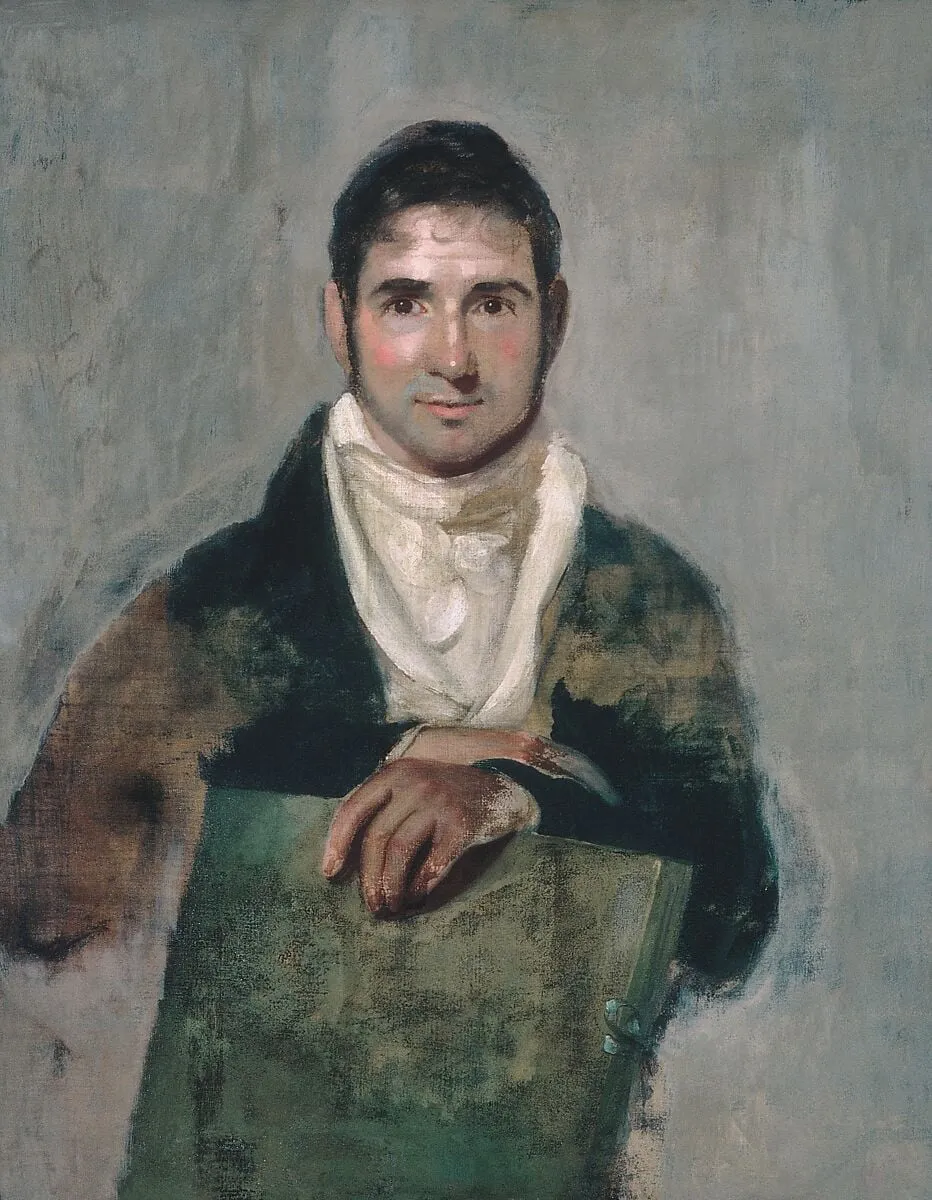
Alexander Anderson is an oil painting by the American Folk Art artist John Wesley Jarvis. It dates from 1815 and is held in the collection of the Metropolitan Museum of Art.
- Accession no.
- 81.16
- Credit line
- Gift of Robert Hoe Jr., 1881
About this work
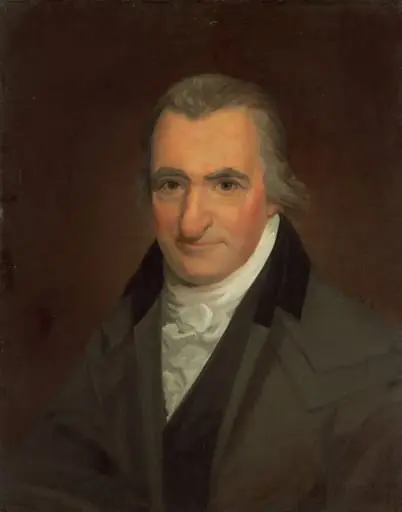
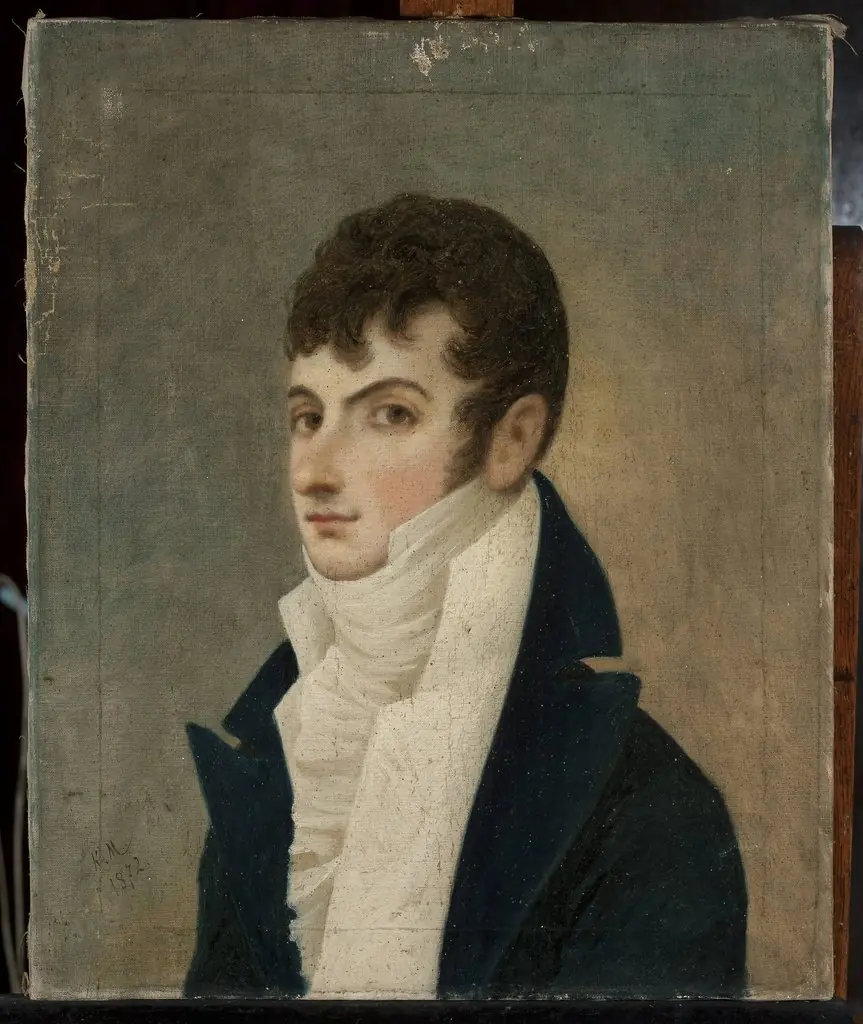
A man in a dark coat looks straight at you, one hand tucked inside his vest. His face is lit softly, like candlelight.
Jarvis painted this in 1815, when American artists were still figuring out their own style. Most portraits then copied European poses, but this one feels quiet and direct, less fancy, more real.
If you like this, look up other portraits by John Wesley Jarvis.
Subject & Meaning
The work presents a solitary male sitter rendered in a conventional portrait format, emphasizing the sitter’s presence through frontal pose and detailed attire.
The work presents a solitary male sitter rendered in a conventional portrait format, emphasizing the sitter’s presence through frontal pose and detailed attire. As a portrait created in 1815, it functions as a visual record of status and identity within early American society, reflecting the cultural value placed on individual likeness. The painting’s classification as a portrait in the American Wing and its inclusion in the Metropolitan Museum of Art’s collection underscore its role as a representative example of early American portraiture, where the subject’s expression and clothing convey social standing without overt symbolic iconography.
Technique & Style
The portrait of Alexander Anderson is an oil painting on canvas executed by John Wesley Jarvis in 1815. The work employs oil paint applied to a woven canvas support, a standard technique for American portraiture of the period. As a genre portrait, it presents a male sitter in a bust‑length format, reflecting the formal conventions of early nineteenth‑century American portraiture.
Details regarding the artist’s handling, surface condition, or any subsequent alterations are not recorded in the available sources.
History & Provenance
Executed in 1815, this oil-on-canvas portrait depicts Alexander Anderson and was created by the artist John Wesley Jarvis. The work dates specifically to that year, marking its inception in the early nineteenth century. Currently, the painting resides in the collection of the Metropolitan Museum of Art, where it is classified within the American Wing.
The available records confirm the medium as oil paint applied to canvas, with dimensions recorded as 86.4 by 68.6 units. While the artist and date of creation are established, specific details regarding the original commission, subsequent ownership chains, or provenance history prior to its museum acquisition are not provided in the current documentation.
Overview
John Wesley Jarvis completed this oil on canvas portrait, titled Alexander Anderson, in 1815. The painting depicts a male sitter, likely Alexander Anderson himself, presented in a direct and engaging manner. This work is a notable example of American portraiture from the early 19th century, reflecting the artistic trends and developing styles of the period.
Context
Created in 1815, Alexander Anderson emerged during a formative era for American art. Artists in the United States were actively seeking to establish a national artistic identity, moving away from strict adherence to European conventions. This portrait exemplifies a shift towards a more direct and unadorned style, which would become characteristic of American portraiture as it evolved independently from its European predecessors.
Artist & collection

Artist
John Wesley Jarvis (1781–1839) was an American artist, born in South Shields.

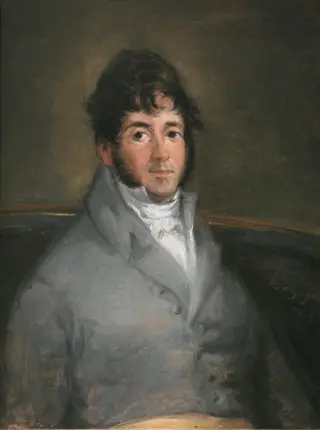
- The Actor Isidoro Máiquez
 Portrait of Isidoro Maiquez
 Self-Portrait
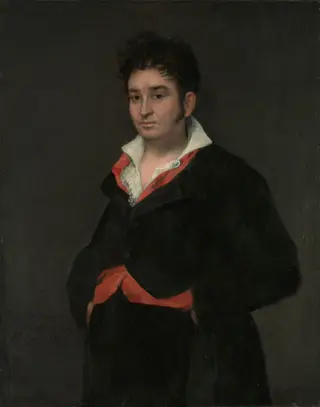 Portrait of Don Ramón Satué
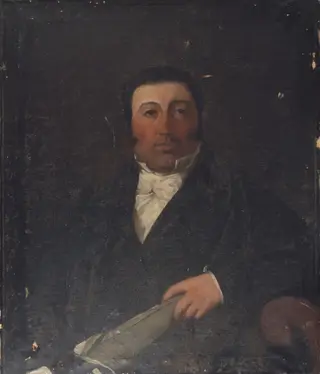 George Bowen of Llwyngwair III
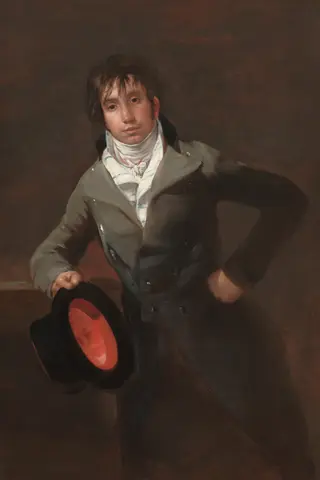 Bartolomé Sureda y Miserol
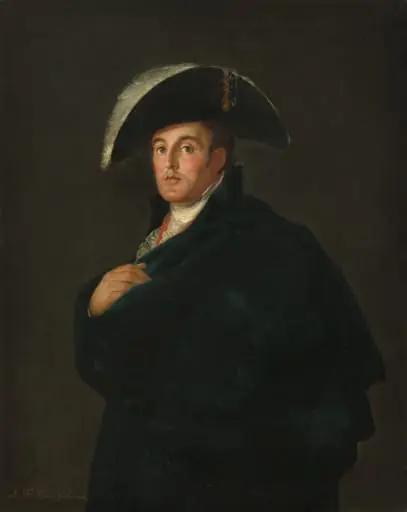 The Duke of Wellington
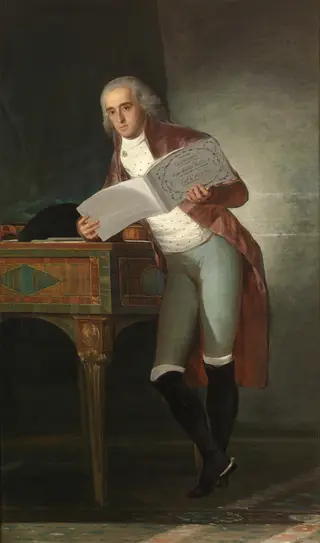 José Álvarez de Toledo, marqués de Villafranca y duque de Alba
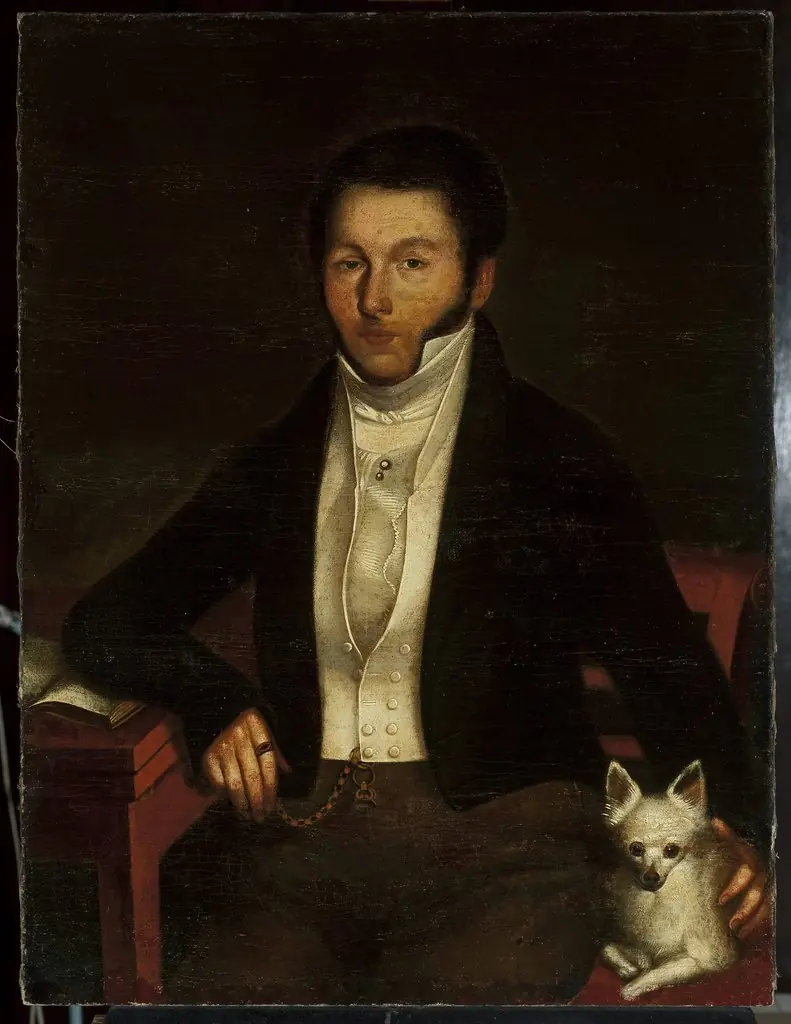 Portrait of Ignacy Innocenty Makowielski
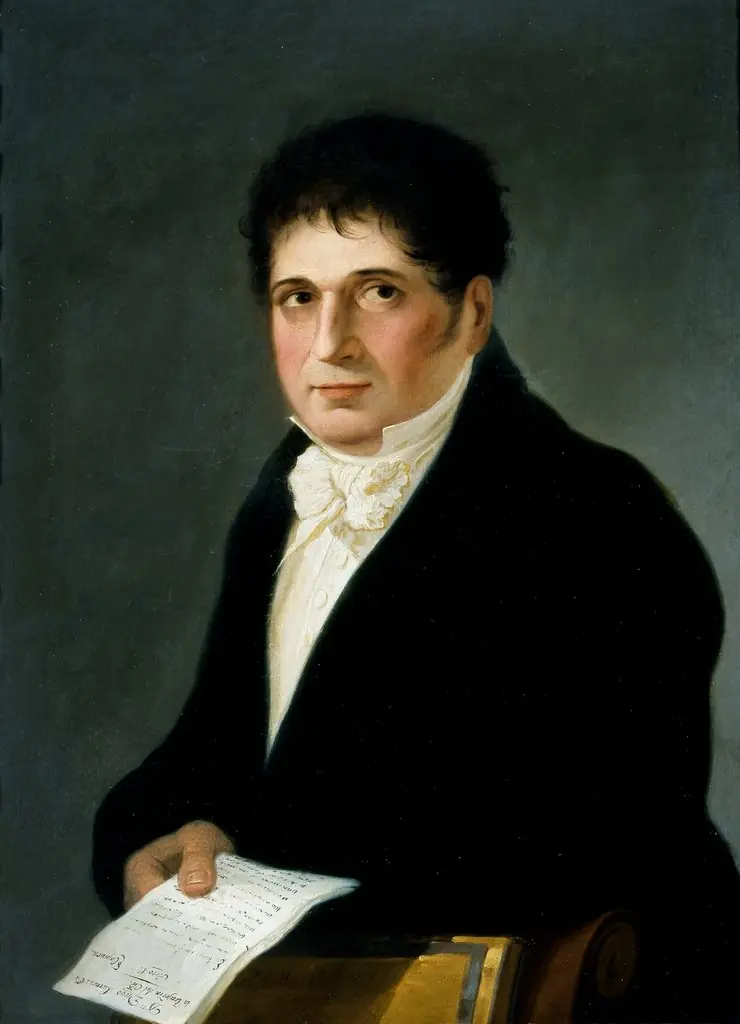 Retrato del famoso ''barba'' del Teatro del Príncipe don Joaquín Caprara estudiando el papel de Diego Láynez en la tragedia de ''El Cid''
 Portrait of Don Juan Antonio Cuervo
 Portrait of Count Paweł Sołtyk, castellan of Sandomierz