Artwork
Mr. Cook
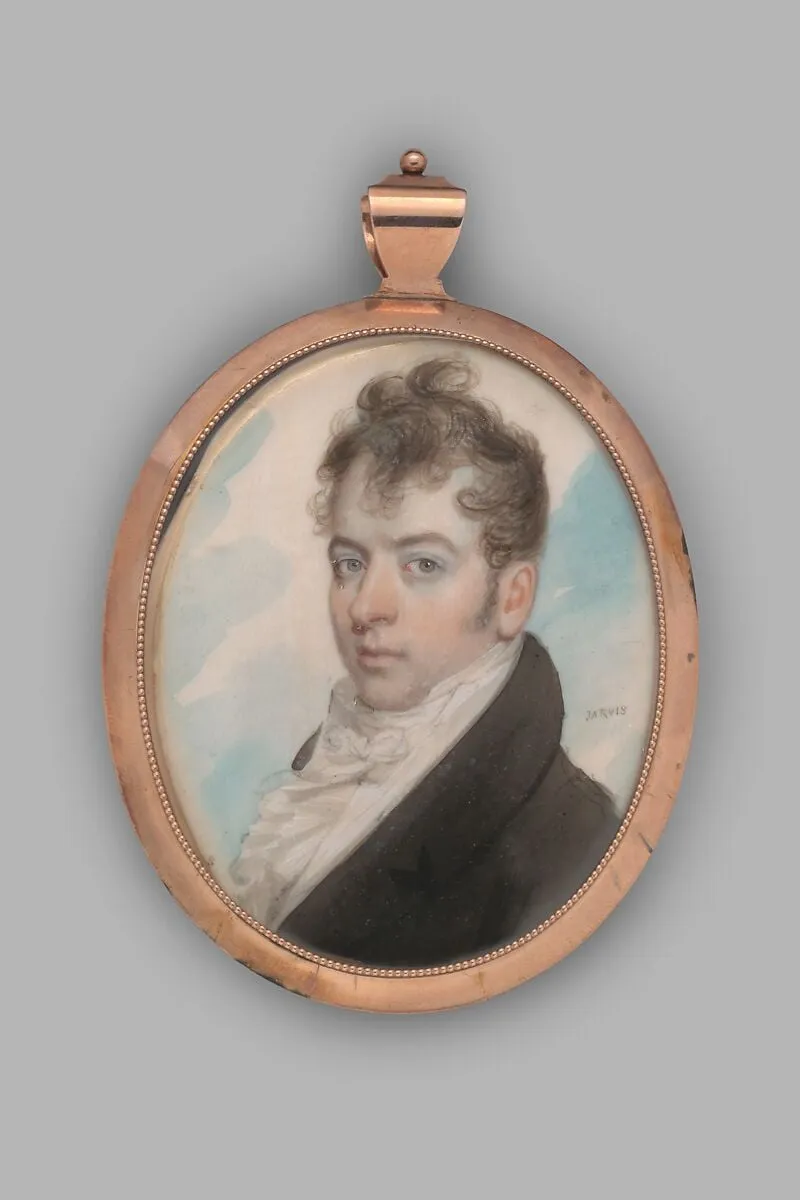
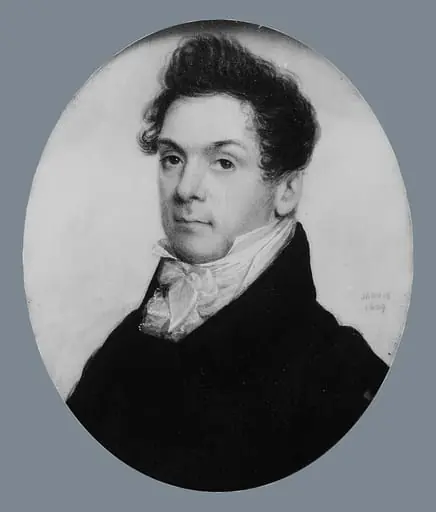
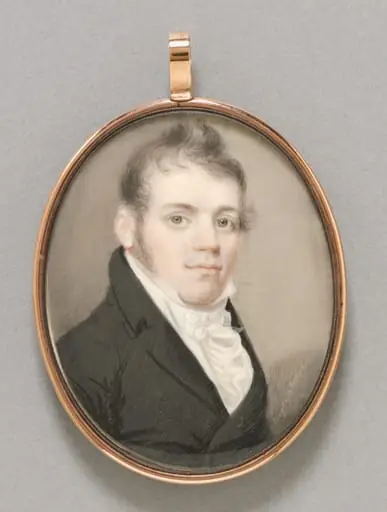
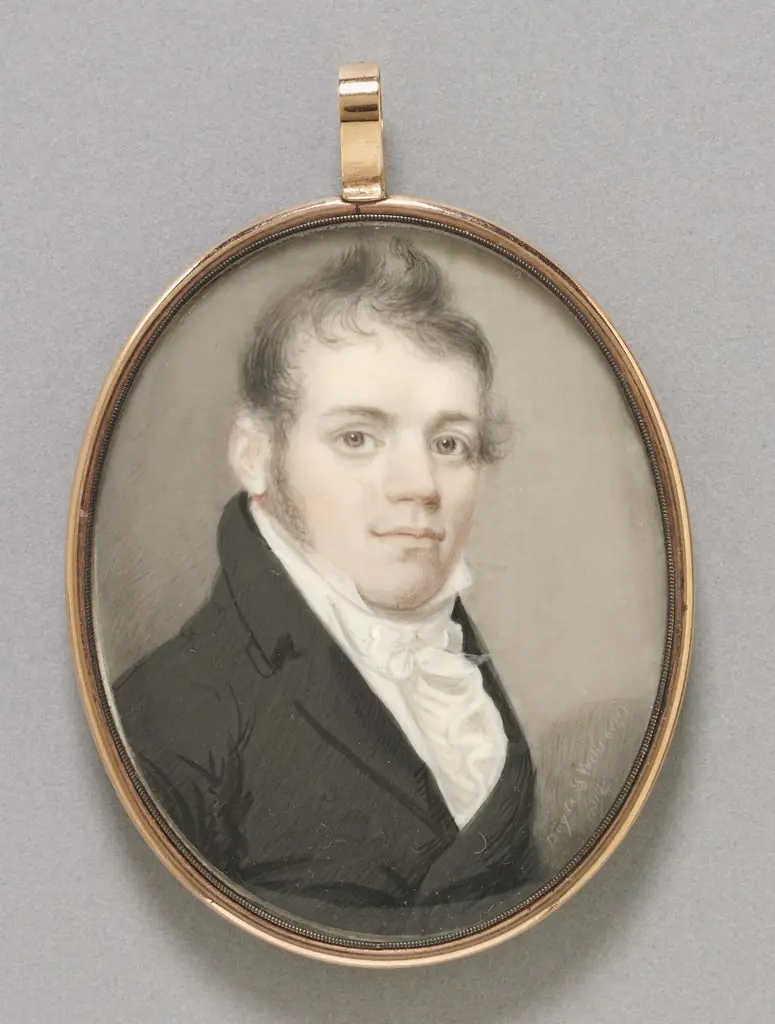
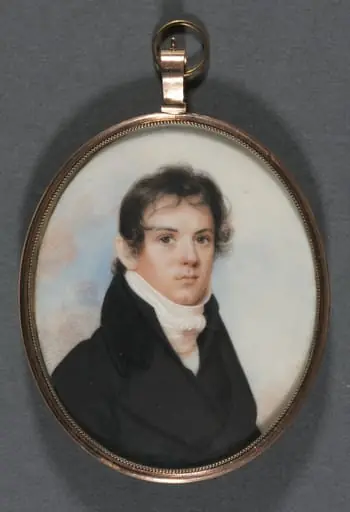
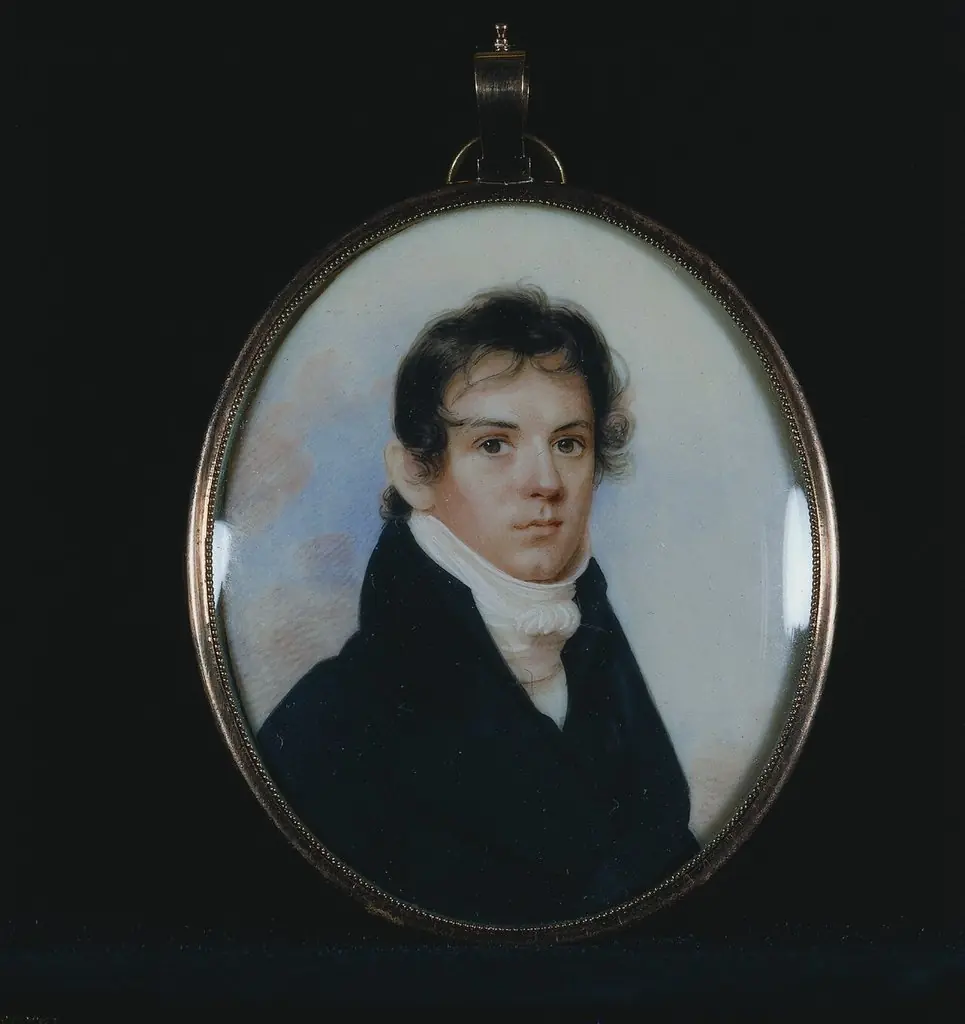
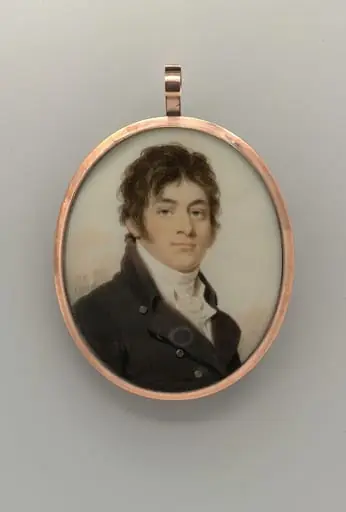
Mr. Cook is a watercolor painting by the American Folk Art artist John Wesley Jarvis. It dates from 1810 and is held in the collection of the Metropolitan Museum of Art. This watercolor portrait, titled Mr.
About this work
Most people in 1810 didn’t have photos, so this was as close as they got to keeping a loved one’s face.
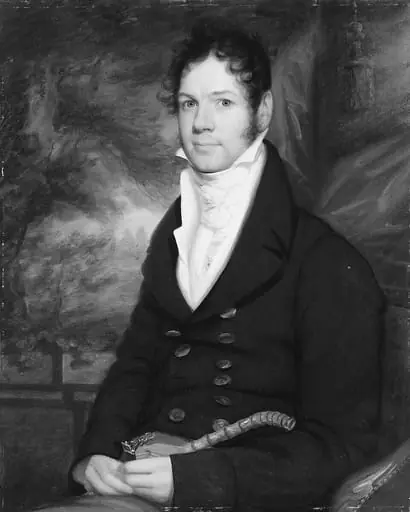
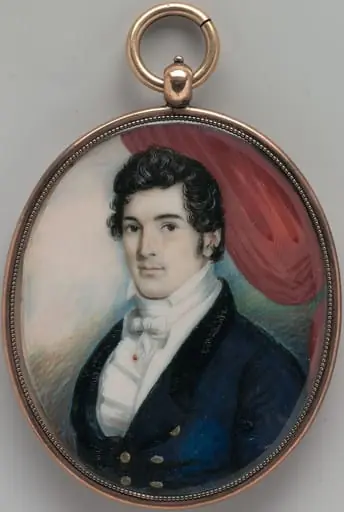
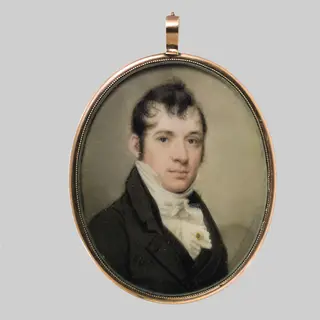
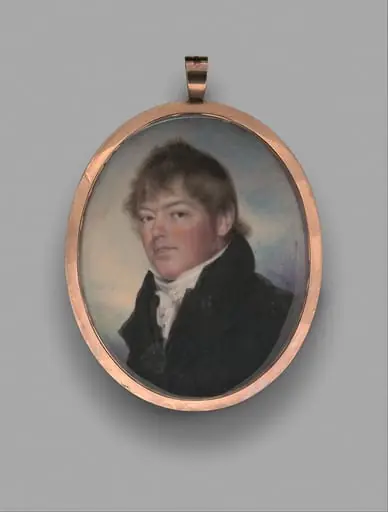
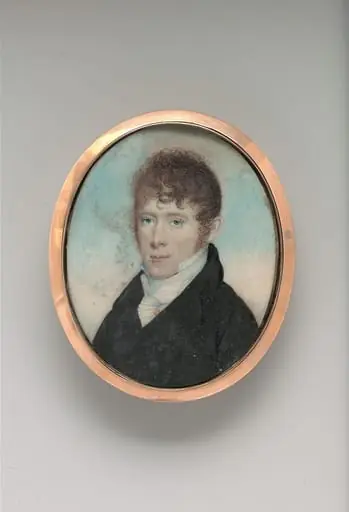
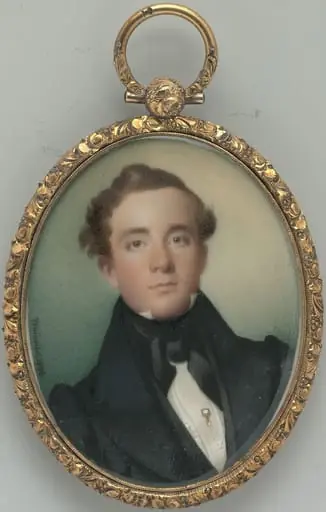
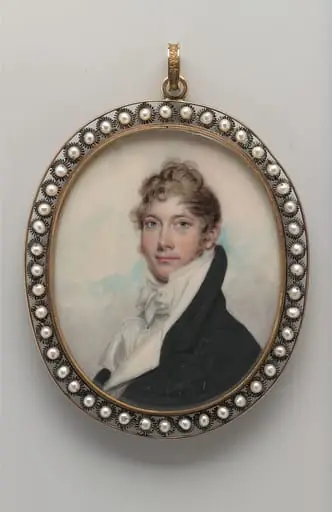
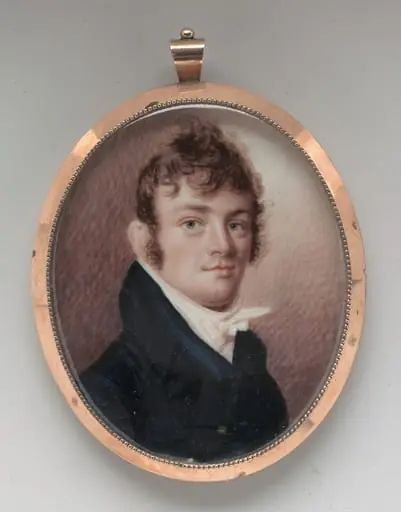
A man in a dark coat looks straight at you, his face lit softly. His hair is neat, his expression calm.
This tiny painting was made on ivory, yes, the same stuff buttons are made of. Watercolor on ivory was a fussy, delicate job, but it gave portraits a glow that paper couldn’t. Most people in 1810 didn’t have photos, so this was as close as they got to keeping a loved one’s face.
If you like how light plays on skin, look up the technique: watercolor.
Technique & Style
Created in 1810 by John Wesley Jarvis, Mr. Cook is a portrait executed in watercolor on an ivory support. This miniature format results in intimate dimensions, measuring approximately 7.3 by 5.7 cm. The work exemplifies the early nineteenth-century American tradition of painting small-scale likenesses on ivory, a material prized for its luminous quality which allows the translucent watercolor pigments to glow. As a portrait depicting a male subject, the piece relies on the specific handling of the medium to capture facial features within a confined space.
The combination of watercolor and ivory defines the object's physical character and visual aesthetic, distinguishing it from oil paintings on canvas or wood panels common in larger portraiture of the era.
History & Provenance
The portrait miniature known as Mr. Cook was executed in 1810 by the American artist John Wesley Jarvis. Created as a watercolor on ivory, the work measures approximately 7.3 by 5.7 cm. The specific circumstances regarding its original commission or the identity of the sitter beyond the title remain unrecorded in the available documentation. The miniature is held in the collection of the Metropolitan Museum of Art, where it is classified within The American Wing as a portrait depicting a male subject.
The available sources do not provide a specific accession number, inventory reference, or documented exhibition history for the work.
Legacy
The painting Mr. Cook, executed by John Wesley Jarvis in 1810 as a watercolor on ivory, is recorded as a portrait within The American Wing and is housed in the Metropolitan Museum of Art. Its dimensions of 7.3 × 5.7 cm and its classification as a portrait are documented in the museum's catalogue. As an early example of American portraiture, the work is part of the museum's permanent collection and contributes to the study of early nineteenth-century portrait conventions.
Overview
This watercolor portrait, titled Mr. Cook, was created by John Wesley Jarvis in 1810. Rendered on a small piece of ivory, it presents a direct likeness of a man. The work exemplifies the intimate scale and meticulous detail characteristic of miniature portraits from the early 19th century, serving as a personal memento in an era predating photographic technology.
Subject & Meaning
The painting features a man identified as Mr. Cook, depicted in a dark coat, looking directly forward. His face is gently illuminated, highlighting his composed expression and neatly styled hair. This direct gaze and calm demeanor suggest a formal yet personal encounter, intended to capture and preserve the sitter's individual appearance for private contemplation or family record.
Context
Created in 1810, Mr. Cook reflects the common practice of commissioning miniature portraits before the advent of photography. For many, these small, portable artworks were the closest means available to retain a visual memory of loved ones. Such pieces were often cherished personal possessions, offering a tangible connection to an individual's appearance in a time without mass-produced images.
Artist & collection

Artist
John Wesley Jarvis (1781–1839) was an American artist, born in South Shields.