Artwork
Lottery Sisters
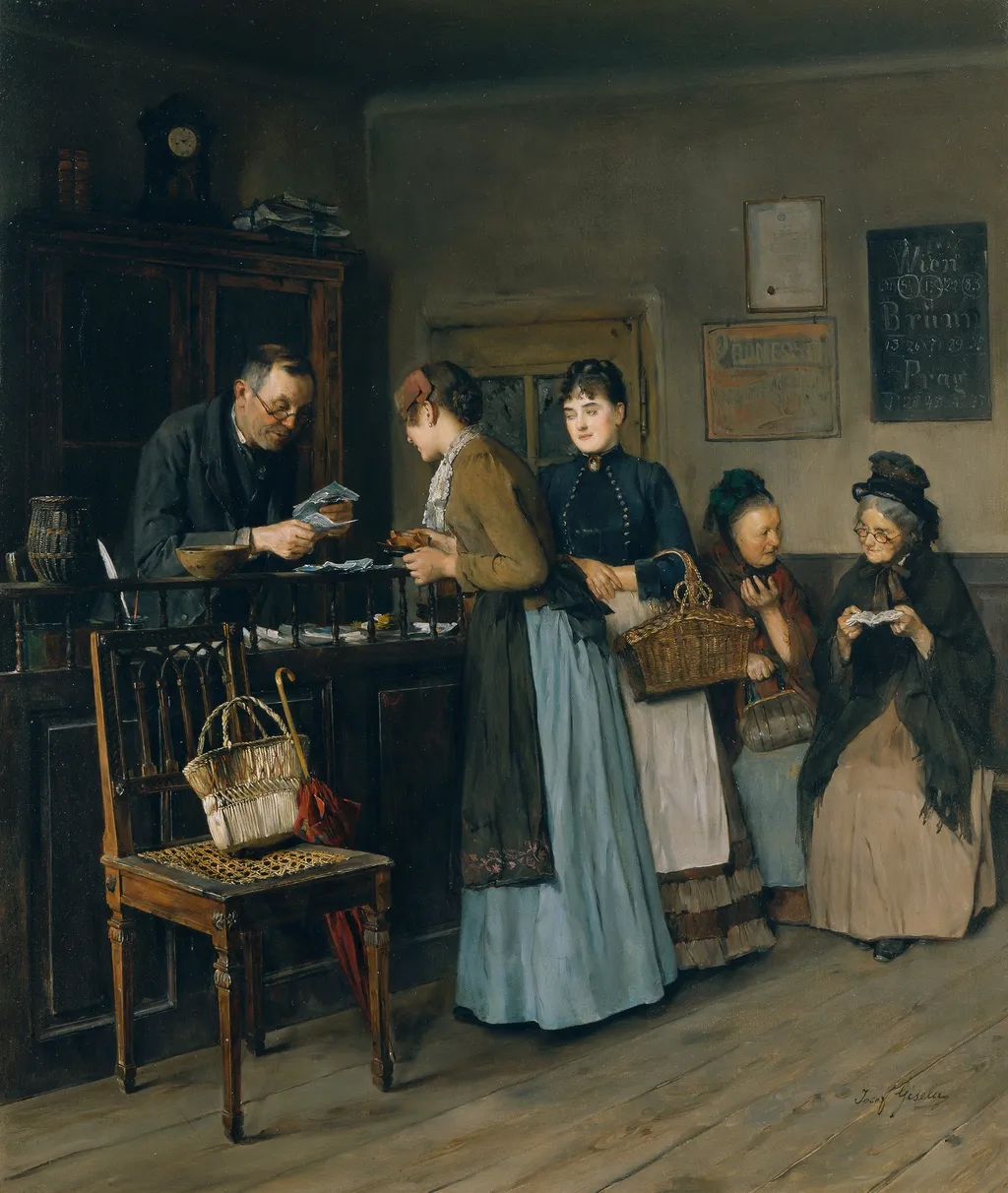
Lottery Sisters is an oil painting by the Post-Impressionist artist Josef Gisela. It dates from 1894 and is held in the collection of the Kunsthistorisches Museum.
About this work
Subject & Meaning
Painted in oil on panel in 1888, the work belongs to a tradition of small-scale genre scenes that observe everyday human interaction.
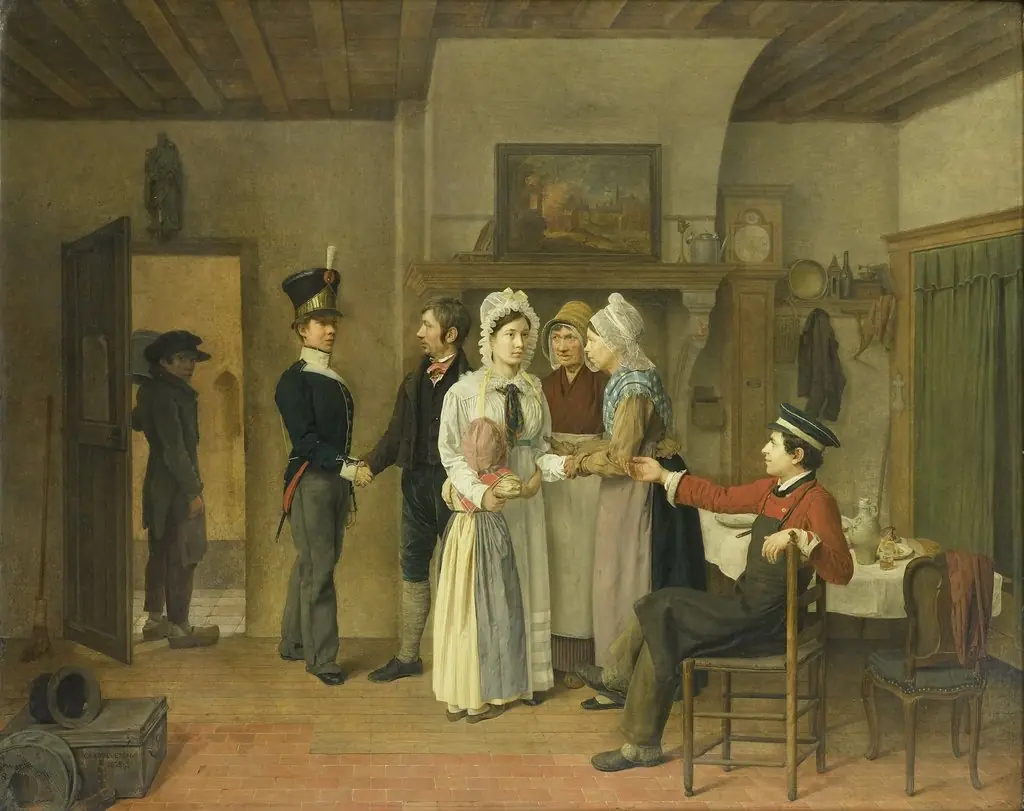
Lottery Sisters depicts a woman and a man seated together, with a chair included among the represented elements. The pairing of male and female figures suggests a domestic or social encounter rather than a formal portrait, while the chair anchors the composition as an interior scene. Painted in oil on panel in 1888, the work belongs to a tradition of small-scale genre scenes that observe everyday human interaction.
The title implies a narrative centered on the two figures and their shared engagement with a lottery ticket or drawing, lending the otherwise quiet interior a moment of anticipation and shared fortune.
Technique & Style
The work is an oil painting executed on wooden panel, a format documented in the artwork’s technical record. It depicts a woman, a man, and a chair, rendered in a compositional arrangement that reflects the artist’s handling of spatial depth and figure interaction. The painting measures 61 cm in height and 47.5 cm in width, dimensions that align with the recorded support specifications.
Stylistically, the piece showcases a naturalistic approach to form and color, characteristic of late‑19th‑century European academic practice. The brushwork and surface treatment emphasize a smooth finish, contributing to a balanced visual harmony that underscores the formal qualities of the composition.
History & Provenance
Lottery Sisters was created in 1888 by the artist Josef Gisela. Executed in oil paint on a panel, the work measures 61 cm in height and 47.5 cm in width. The painting is currently held in the collection of the Belvedere, which is part of the Kunsthistorisches Museum in Vienna.
No specific details regarding the original commission or intermediate ownership history prior to its acquisition by the Belvedere are provided in the available records.
Context
Josef Gisela’s Lottery Sisters (1888) occupies a modest yet intriguing position within fin-de-siècle Viennese genre painting. While the artist’s oeuvre remains less scrutinized than that of contemporaries like Gustav Klimt or Carl Schuch, Lottery Sisters exemplifies the period’s fascination with quotidian scenes imbued with subtle social commentary. Scholars have noted its compositional restraint, tight framing, muted palette, and understated interaction between figures, as characteristic of Gisela’s approach, which prioritized quiet observation over dramatic narrative.
The work’s reception has largely been overshadowed by the broader Secessionist movement, yet its inclusion in the Belvedere’s collection underscores its value as a document of middle-class life in late Habsburg Vienna. Limited scholarly attention has focused on its potential dialogue with Biedermeier traditions or its contrast with the more flamboyant symbolism emerging contemporaneously. Its technical precision, particularly in rendering textiles and domestic interiors, aligns with the academic training Gisela likely received, though without definitive records of his education or influences.
Overview
Lottery Sisters is an 1894 oil painting by Josef Gisela, housed at the Kunsthistorisches Museum. Contrary to initial descriptions, the work does not solely depict a chair but rather a nuanced scene of five figures within a dimly lit, cluttered interior.
Legacy
While specific influences or direct artistic lineage are not outlined, the work's attention to detail and use of chiaroscuro situate it within broader late 19th-century artistic practices that valued realism and technical skill.
Own this work as a print
Artist & collection

 An Accident
 Die ereilten Flüchtlinge
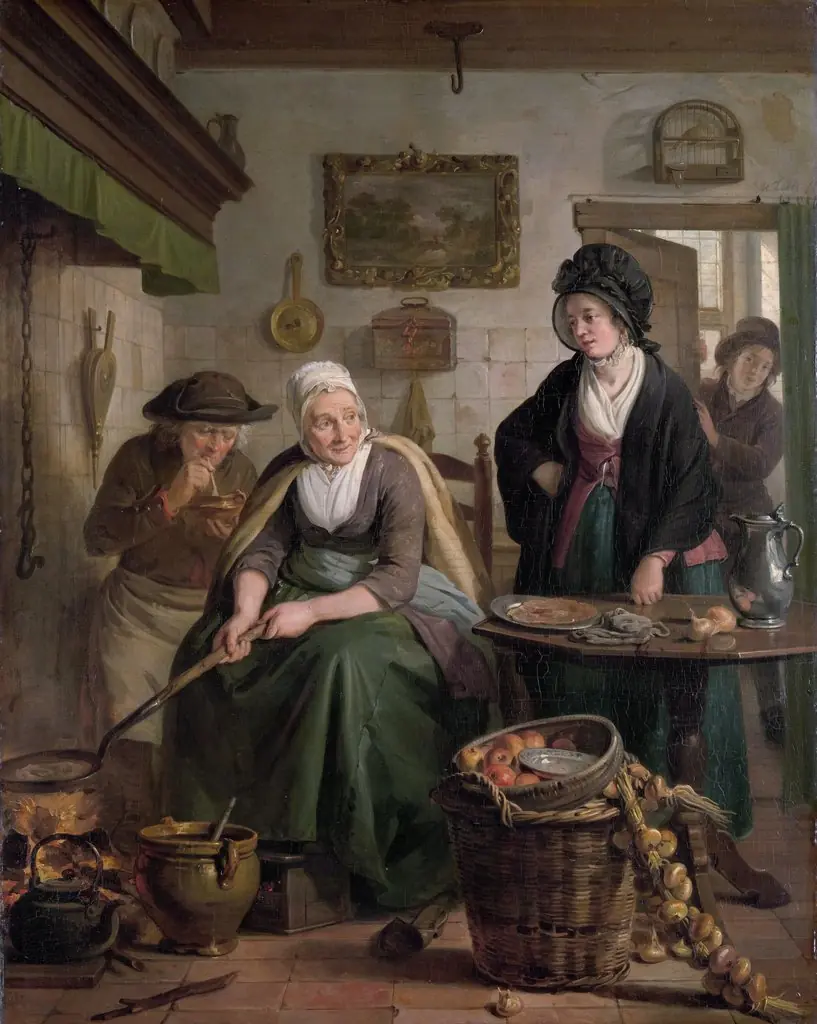 Woman Baking Pancakes
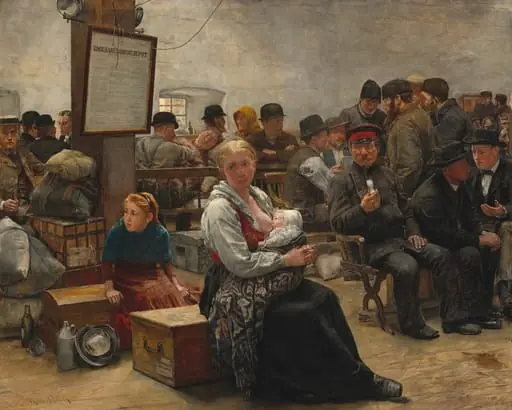 In the Land of Promise, Castle Garden
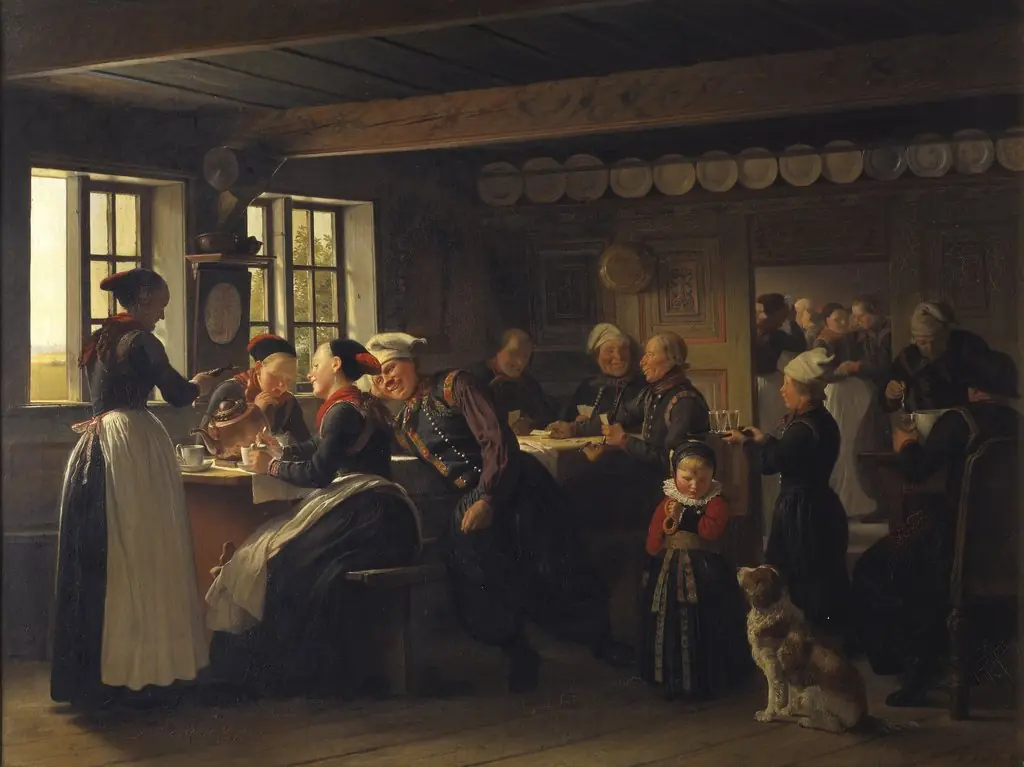 Interior with peasants from the region of Amager
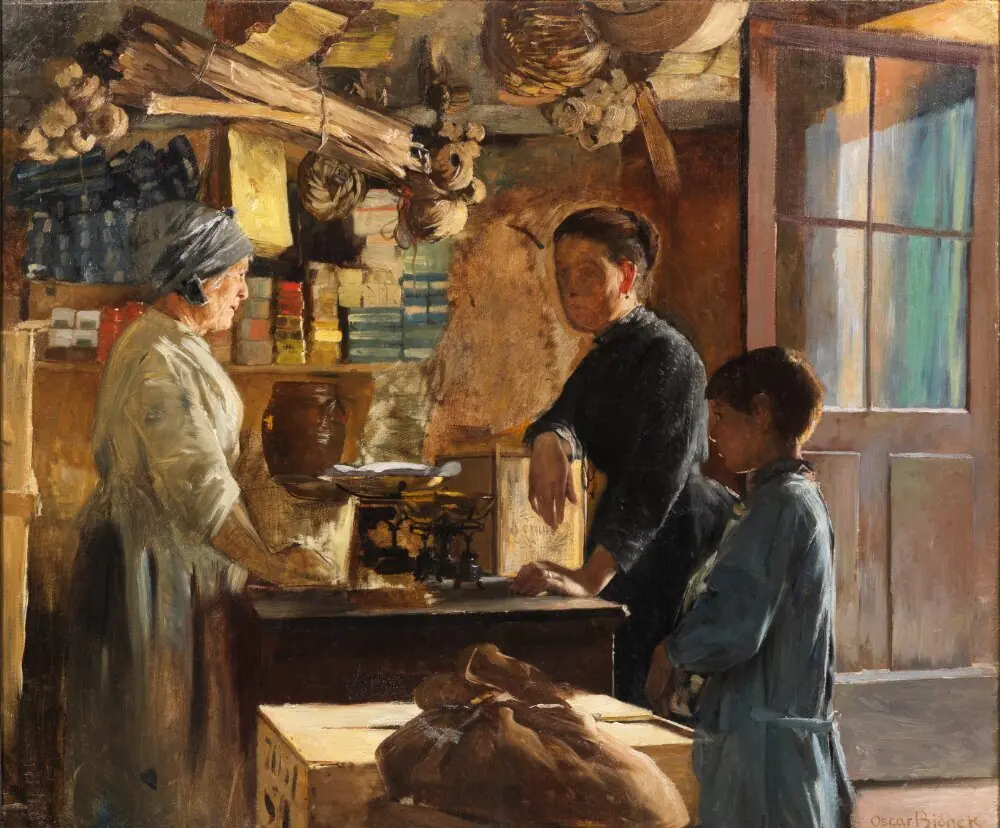 The Store in Grez-sur-Loing
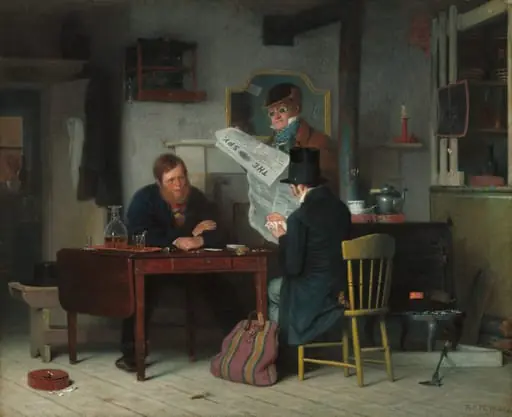 Waiting for the Stage
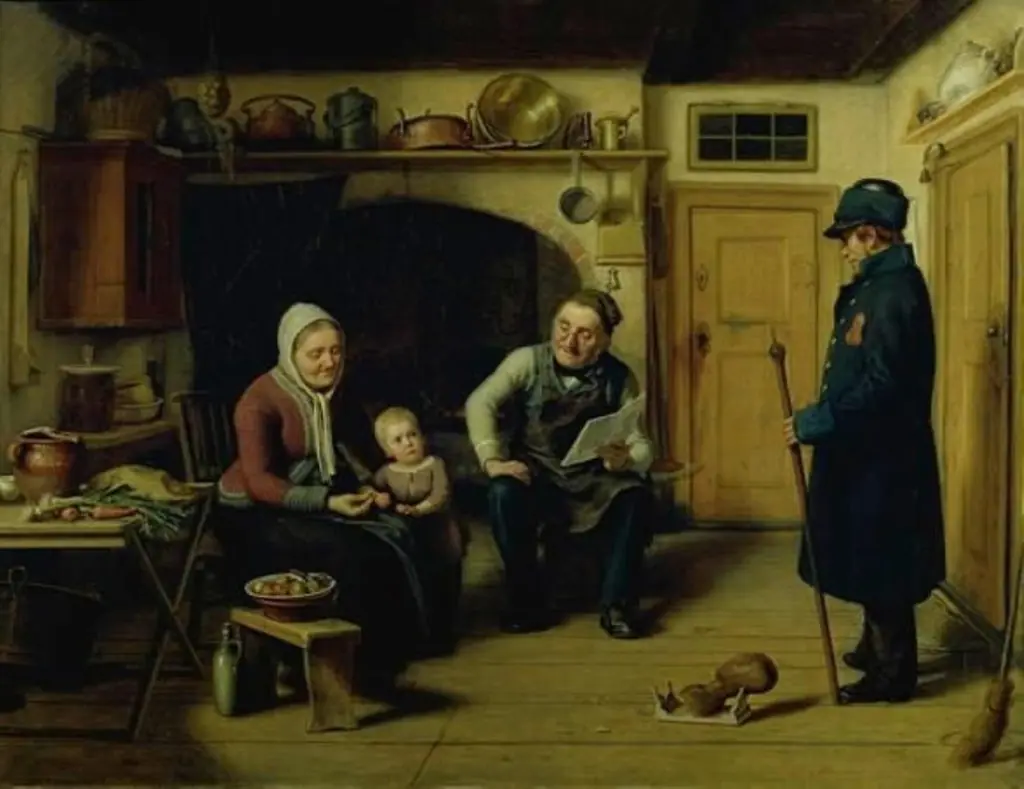 Vægteren på nytårsvisit. Køkkenscene
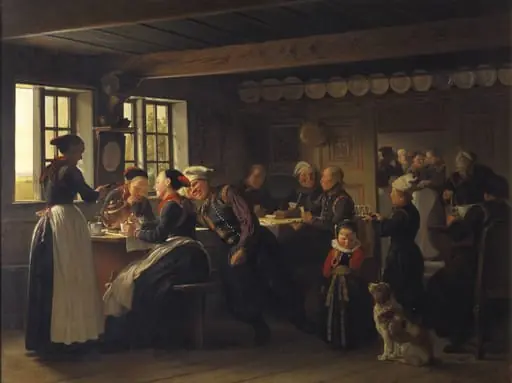 Episode af et gilde på Amager
 Vægteren på nytårsvisit. Køkkenscene
 The Soldier's Farewell
- Girl at the Lottery