Artwork
Saul
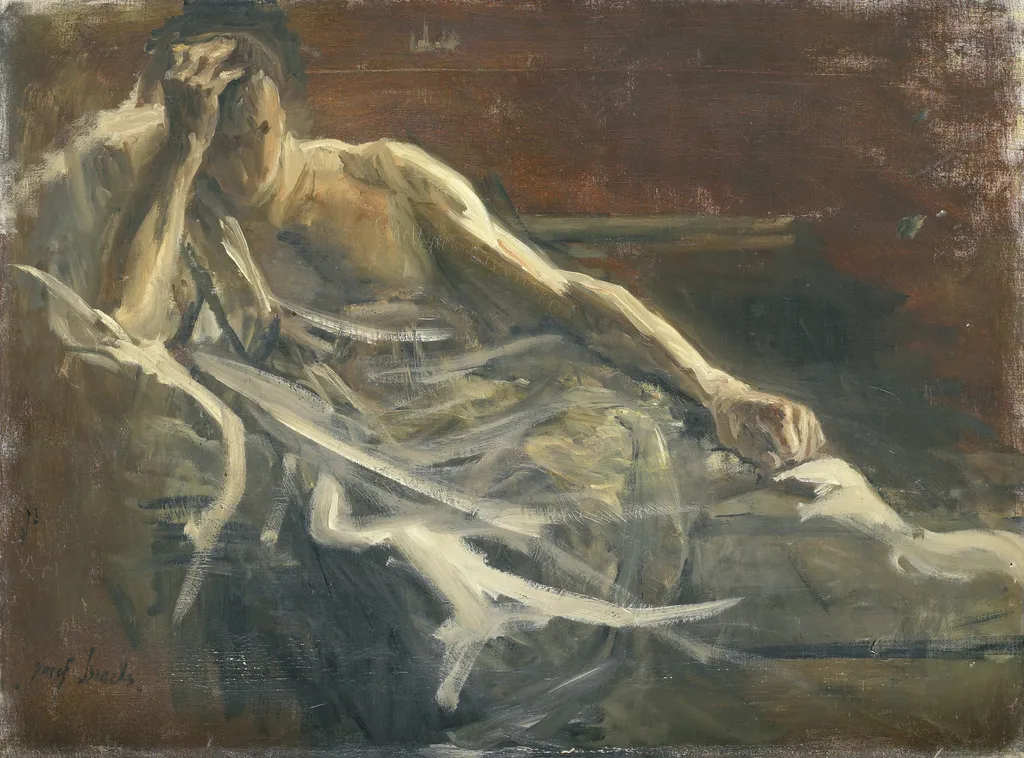
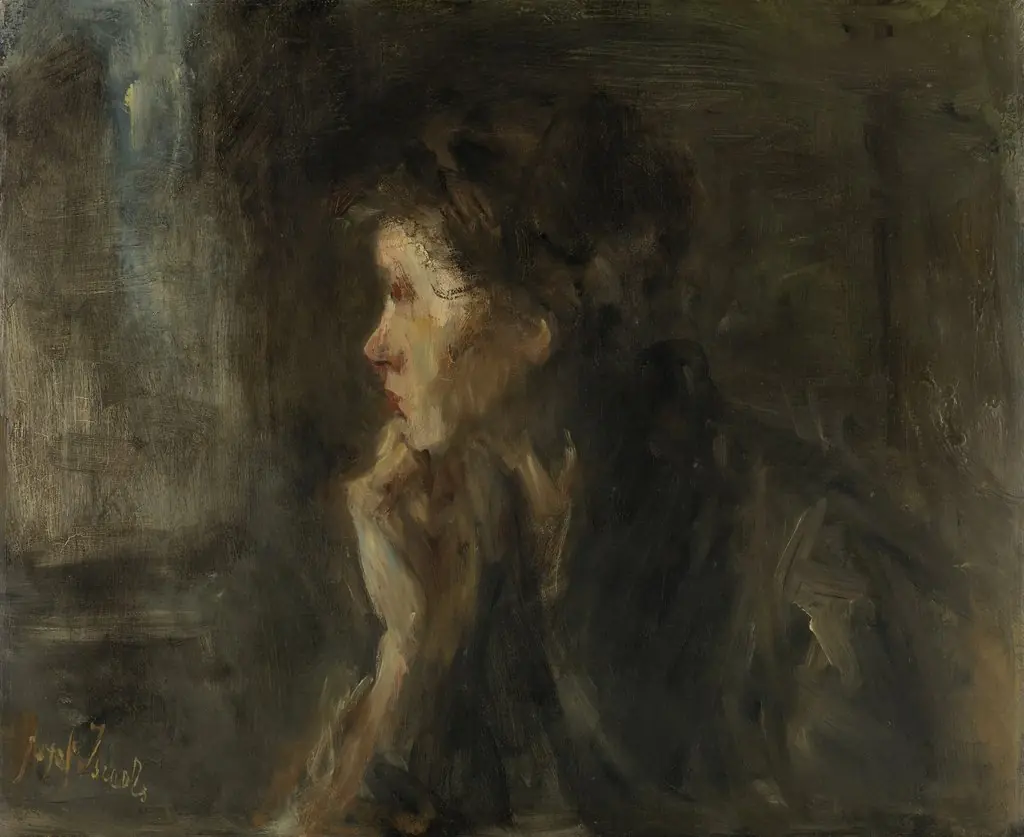
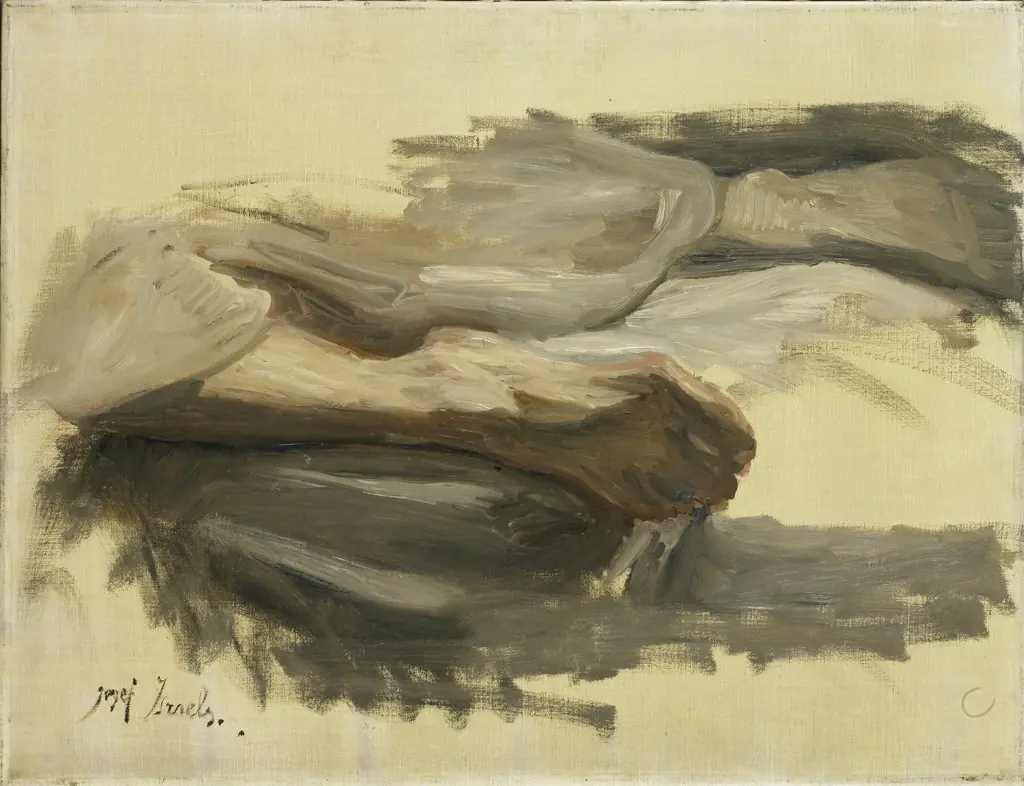
Saul is an oil painting by the Post-Impressionist artist Jozef Israëls. It dates from 1900 and is held in the collection of the Rijksmuseum.
About this work
Technique & Style
Saul is an oil painting executed on canvas, reflecting the realist tradition of late 19th‑century Dutch art. The work measures 60 cm by 80 cm and was completed in 1899, employing conventional oil paint application on a stretched canvas support. Its formal composition emphasizes stark chiaroscuro and a restrained palette, aligning with the religious genre and the artist’s broader realist style.
History & Provenance
The painting Saul was created in 1899 by Jozef Israëls as an oil on canvas work measuring 60 cm by 80 cm. It was commissioned as a religious genre painting and entered the collection of the Rijksmuseum, where it remains today. The work’s provenance traces directly to its creation in 1899 through its acquisition by the museum, with no recorded changes in ownership.
Overview
Created in 1900 by Jozef Israëls, a prominent figure of the Dutch Hague School, Saul is an oil painting that resides in the Rijksmuseum’s collection. The work belongs to the religious genre and reflects a post‑impressionist approach, combining a somber narrative with a tactile surface.
Subject & Meaning
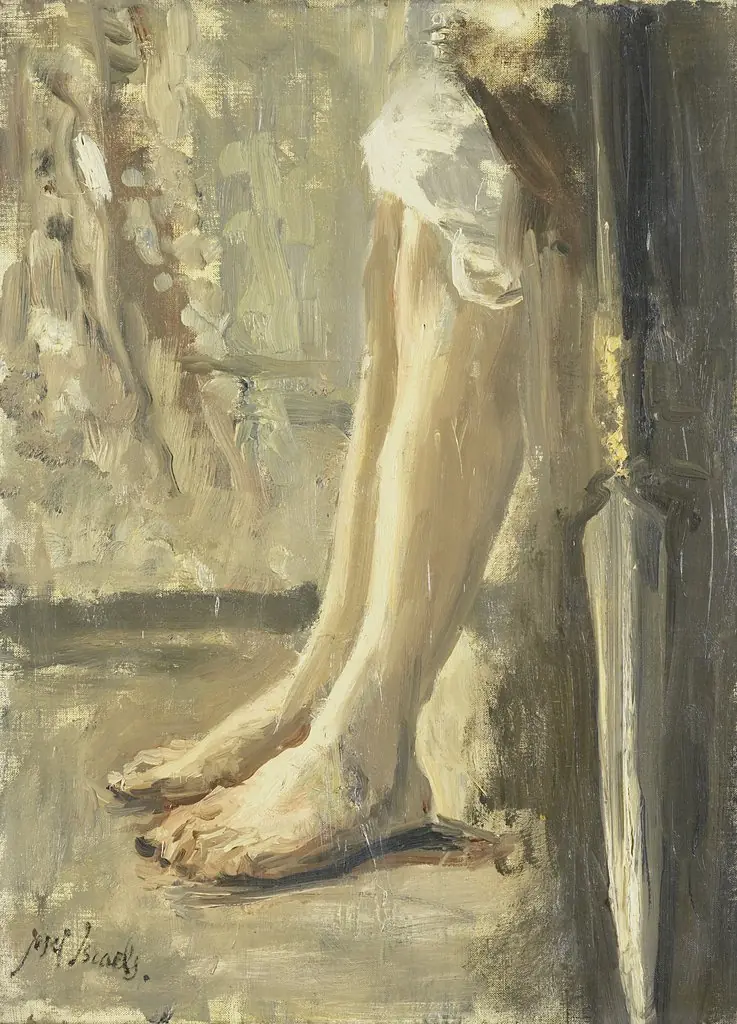
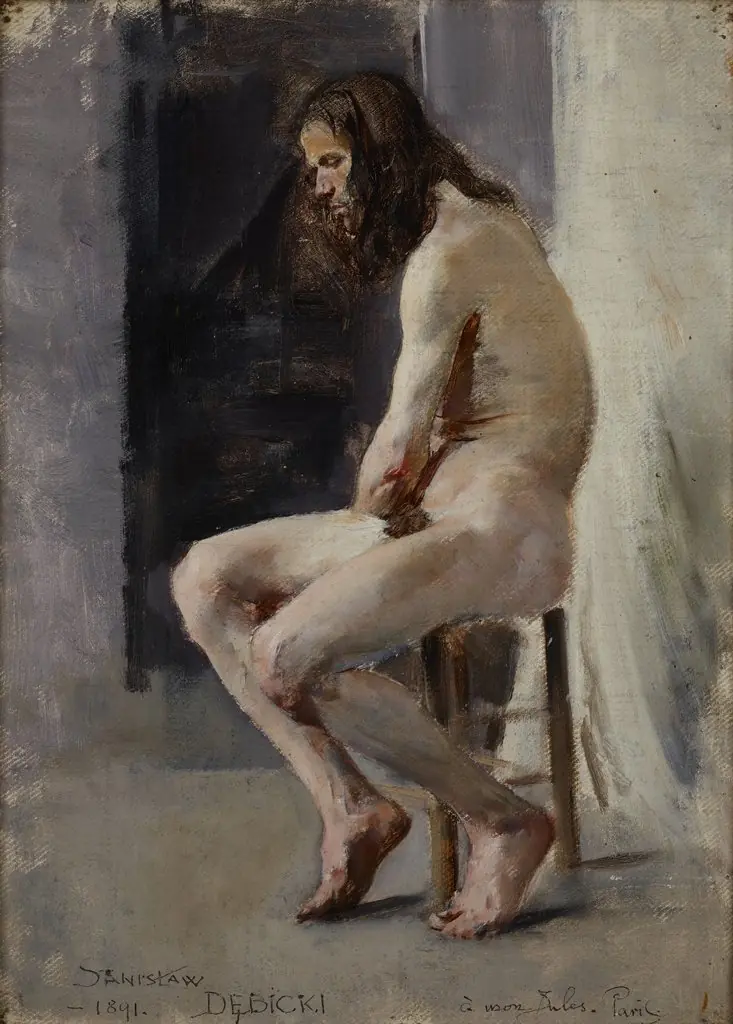
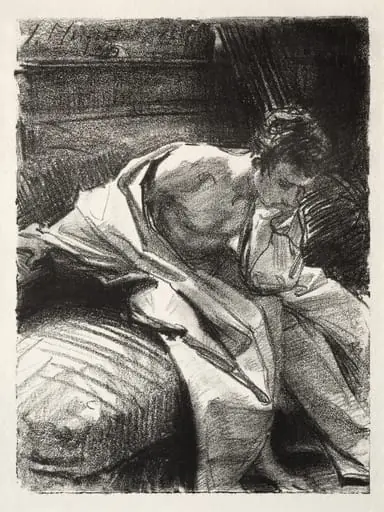
The canvas depicts a solitary figure reclined on a simple blanket, head tilted back and arms relaxed at the sides. The dim, indistinct background suggests a shadowy interior or night sky, while a faint distant shape, perhaps a window or a boat, adds a hint of narrative beyond the immediate scene.
Context
During the late 1800s, the Hague School emphasized realistic depictions of everyday life and landscape, often with muted palettes. In Saul, Israëls extends this sensibility into a religious subject, merging the school’s naturalistic tone with post‑impressionist textural experimentation.
Own this work as a print
Artist & collection
Artist
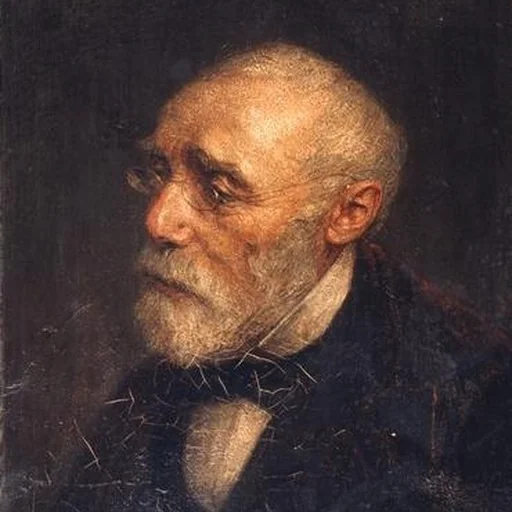
Jozef Israëls (Dutch pronunciation:; 27 January 1824 – 12 August 1911) was a Dutch painter.