Artwork
Kreuztragung Christi
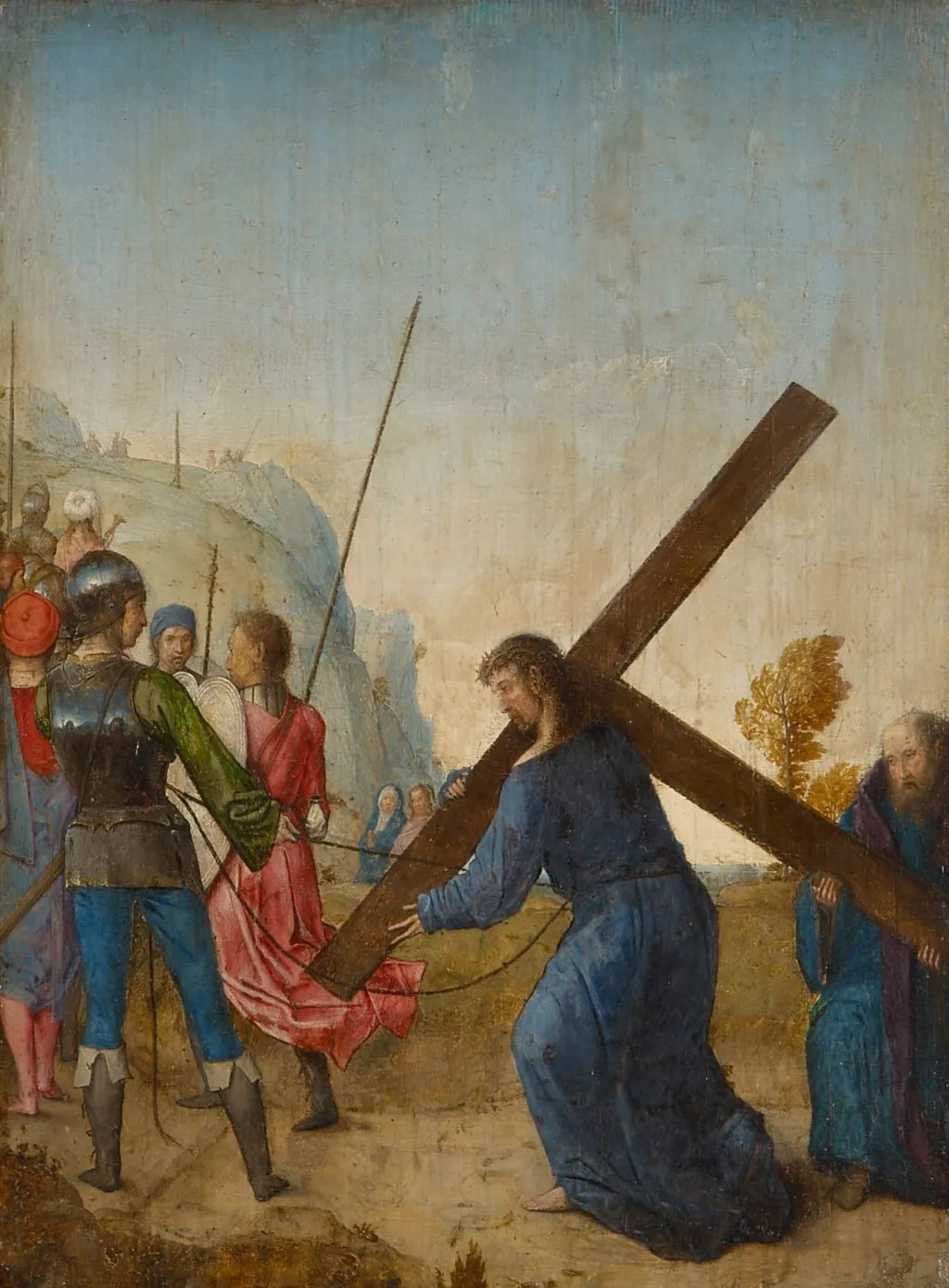
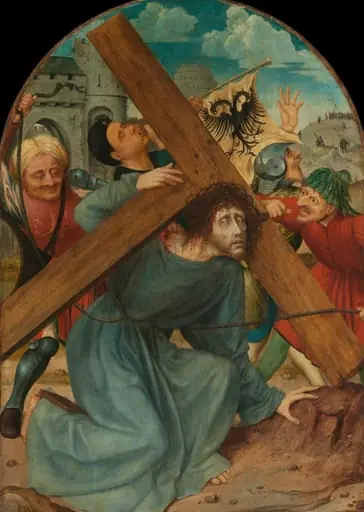
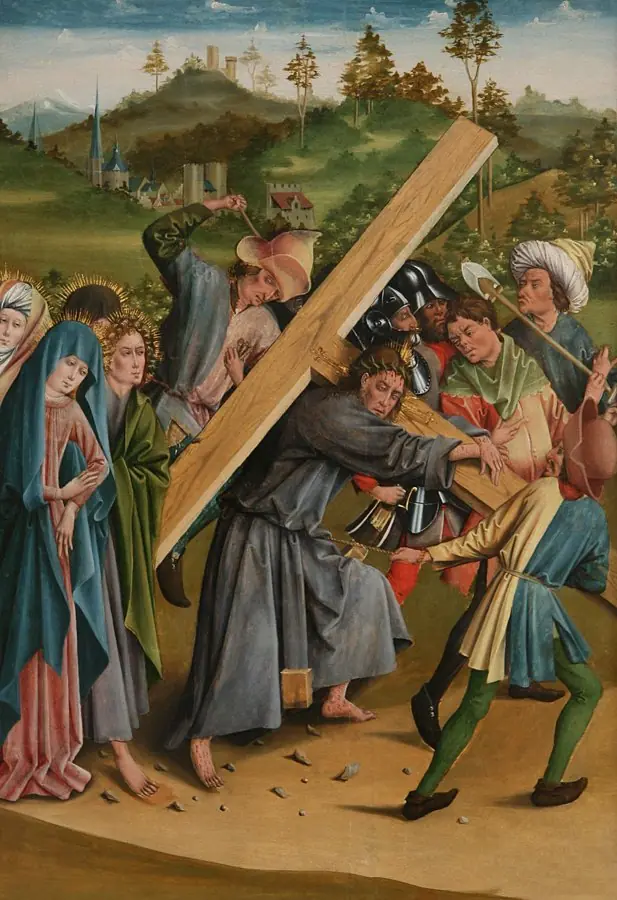
Kreuztragung Christi is an oil painting by the Northern Renaissance artist Juan de Flandes. It dates from 1500 and is held in the collection of the Kunsthistorisches Museum.
About this work
Subject & Meaning
The surrounding figures, some indifferent, others hostile, highlight the human context of divine suffering and foreshadow the crucifixion.
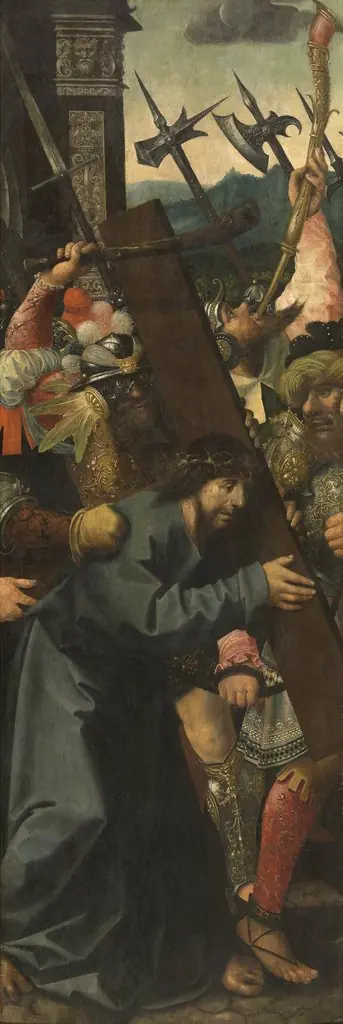
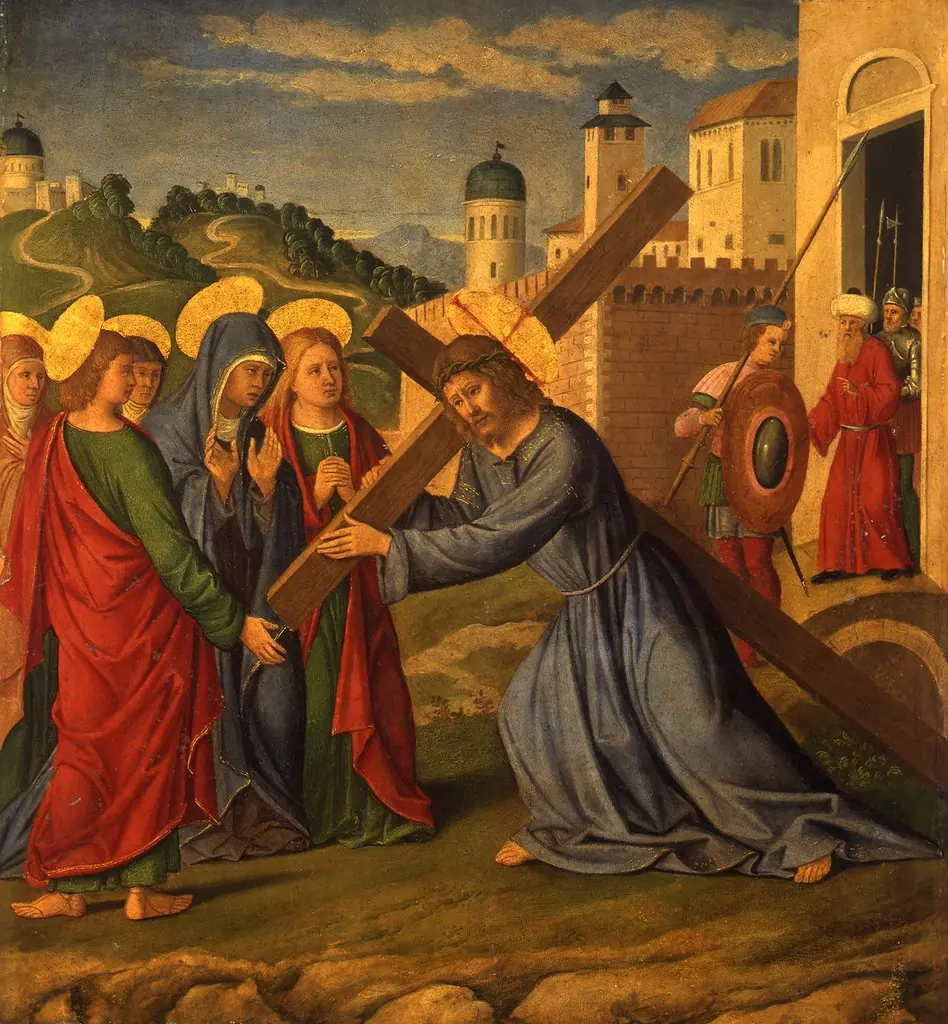
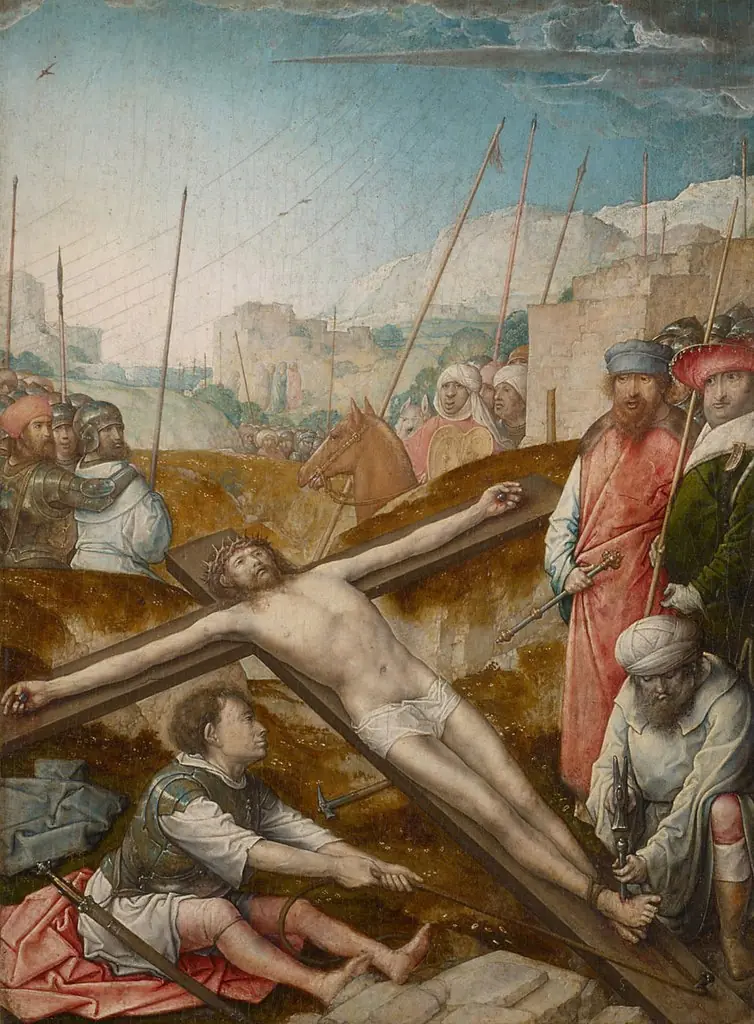
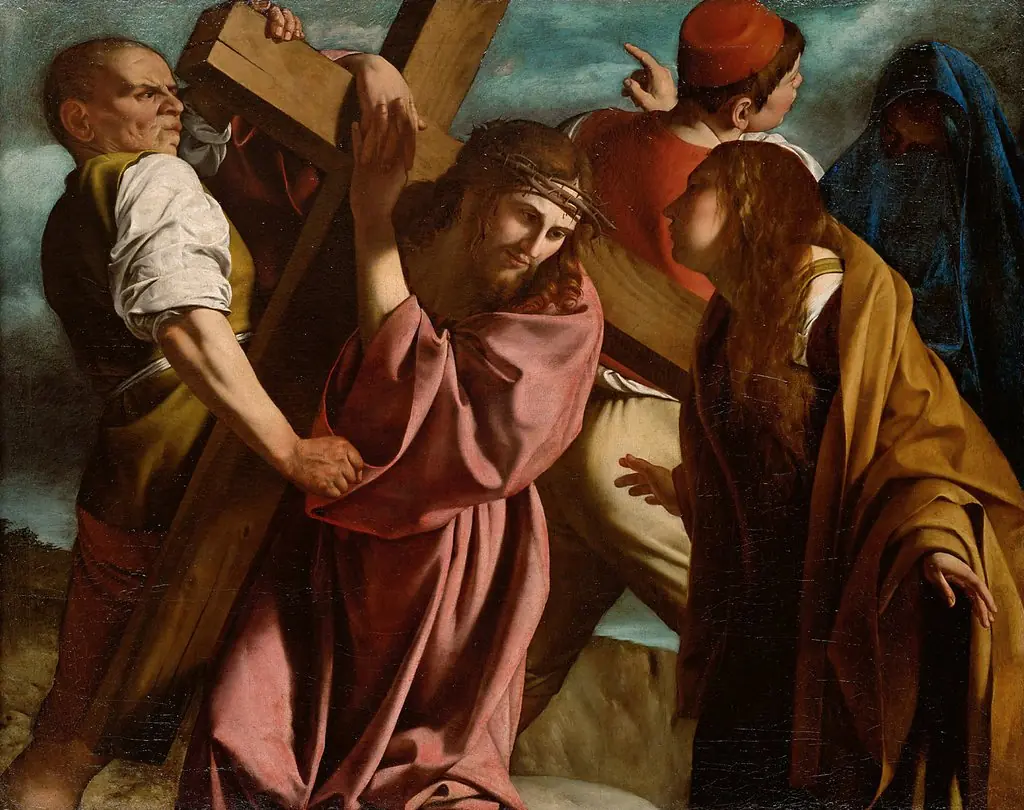
The work depicts the Kreuztragung Christi, the moment in the Passion when Christ carries the cross toward Calvary. The composition centers on Christ bowed under the weight of the crossbeam, flanked by soldiers and onlookers who drive him forward. A haloed Christ appears in the foreground, underscoring his sacred burden and impending sacrifice.
Symbolic elements include the cross itself, signifying both Christ’s redemptive mission and the instrument of his death. The surrounding figures, some indifferent, others hostile, highlight the human context of divine suffering and foreshadow the crucifixion. The scene conveys penitential themes central to late medieval and early Renaissance religious art, emphasizing Christ’s physical and spiritual endurance as a model of Christian fortitude.
Technique & Style
Created in 1500, Kreuztragung Christi is executed in oil paint on an oak panel support. The work measures 21 cm in height and 15 cm in width, presenting a compact format typical of devotional panels from this period. Stylistically, the painting falls within the genre of religious art, depicting the specific narrative of Christ carrying the cross.
The medium and support combination reflects the standard practices of early 16th-century panel painting in the Low Countries and Spain.
History & Provenance
The painting Kreuztragung Christi was created by the artist Juan de Flandes around the year 1500. Executed in oil paint on an oak panel, the work depicts the religious subject of Jesus Christ carrying the cross. The piece measures 21 cm in height and 15 cm in width.
It is currently held in the collection of the Kunsthistorisches Museum, where it remains located. No specific details regarding the original commission or a detailed chain of previous ownership are provided in the available records, though its inception is firmly dated to the turn of the sixteenth century.
The painting is part of the collection at the Kunsthistorisches Museum, where it is catalogued under its inventory number. It has been displayed in exhibitions at this institution, including a 1953 show of Spanish primitives and a 2004 exhibition on Early Netherlandish painting.
The work is accessioned as part of the museum's holdings of Early Netherlandish art, listed in the collection database with the identifier corresponding to its entry in the museum's records.
Overview
Juan de Flandes’ oil painting titled Kreuztragung Christi dates from around 1500 and is part of the collection of the Kunsthistorisches Museum. The work presents a compact, narrative scene of the crucifixion episode, focusing on the physical burden of the cross‑bearer and the surrounding figures who assist or direct him.
Context
The work reflects the devotional practices of the early 1500s, when visual representations of the Passion were employed to foster personal contemplation. Juan de Flandes, trained in the Northern Renaissance tradition, adapts that visual language to a Spanish court context, merging detailed figure work with a simplified, symbolic landscape.
Artist & collection