Artwork
The Birth of the Virgin
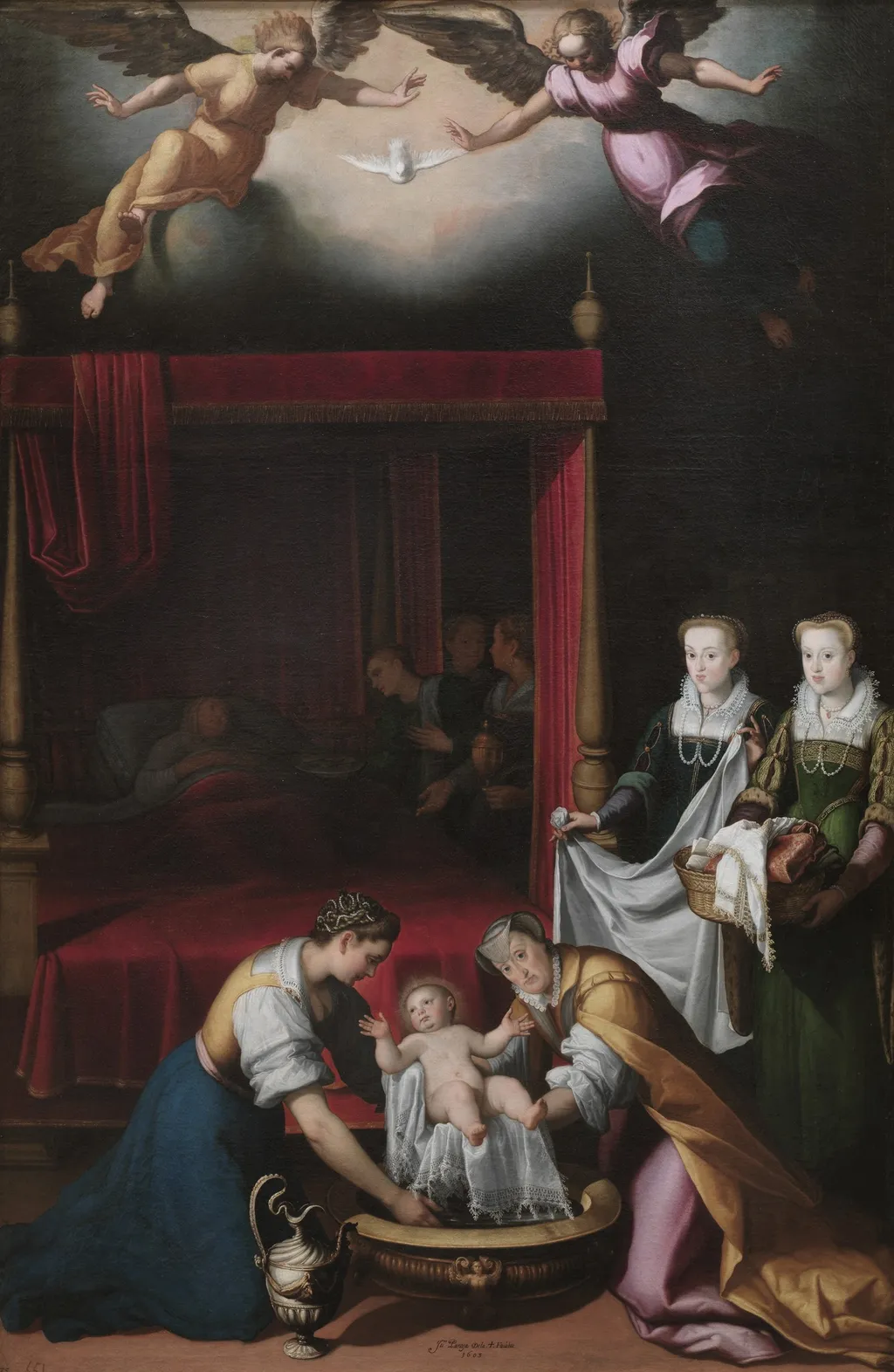
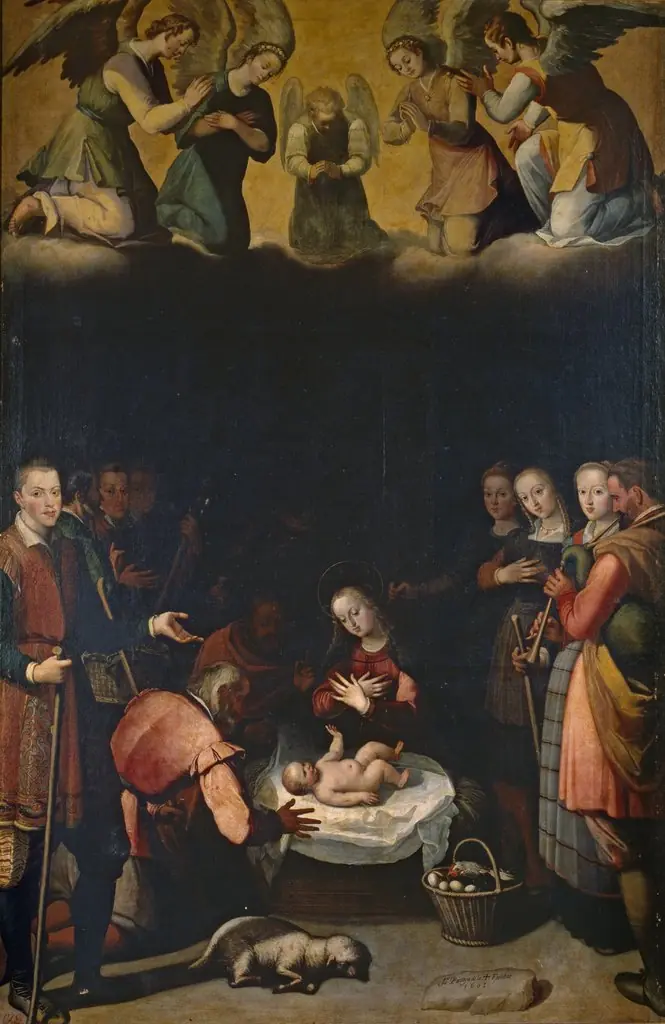
The Birth of the Virgin is an oil painting by the Early Baroque Italian artist Juan Pantoja de la Cruz. It dates from 1603 and is held in the collection of the Museo del Prado.
About this work
Subject & Meaning
The visual narrative includes specific iconographic details, such as the depiction of a gemstone within the composition.
The painting depicts the birth of the Virgin Mary, a central event in Christian religious tradition. As a work of religious art created in 1603, the scene illustrates the arrival of the future mother of Jesus. The visual narrative includes specific iconographic details, such as the depiction of a gemstone within the composition.
This element contributes to the symbolic representation of the subject, aligning with the broader genre of religious paintings that focus on sacred narratives and divine figures.
Technique & Style
Executed in 1603, this religious painting by Juan Pantoja de la Cruz utilizes oil paint applied to a canvas support. The work measures 260 cm in height and 172 cm in width, presenting a substantial vertical format typical of large-scale devotional imagery. The composition focuses on the birth of the Virgin Mary, incorporating detailed depictions of gemstones within the scene.
As a piece held by the Museo del Prado, the artwork exemplifies the artist's approach to sacred subjects through the medium of oil on canvas during the early seventeenth century.
History & Provenance
Juan Pantoja de la Cruz executed The Birth of the Virgin in 1603. Created as a religious work, the painting utilizes oil paint on canvas to depict the nativity of the Virgin Mary. The composition includes representations of gemstones within the scene.
Measuring 260 cm in height and 172 cm in width, the artwork currently resides in the collection of the Museo del Prado.
Legacy
The Birth of the Virgin has been recognized as a key early work of Spanish Counter-Reformation painting, shaping devotional imagery in the early Baroque period. Its composition influenced later artists at the Spanish court, particularly in the depiction of sacred birth narratives within the royal collection. The painting remains part of the Museo del Prado's permanent display, cited in scholarly accounts of 17th-century religious art in Spain.
Overview
Juan Pantoja de la Cruz, a Spanish painter active at the royal court, completed the oil painting The Birth of the Virgin in 1603. The work portrays a domestic interior in which a newborn infant is attended by several women, while three angelic figures hover above, bearing light and a dove. The canvas is part of the Museo del Prado’s collection.
Own this work as a print
Artist & collection
Artist
Juan Pantoja de La Cruz (1553 – 26 October 1608) was a Spanish painter, one of the best representatives of the Spanish school of court painters.

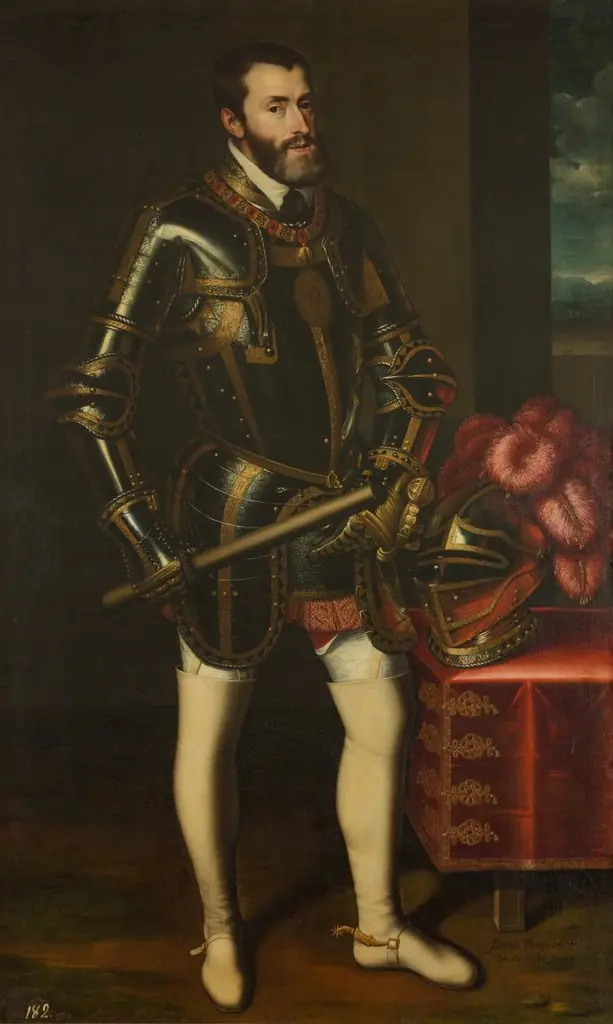 The Emperor Charles V
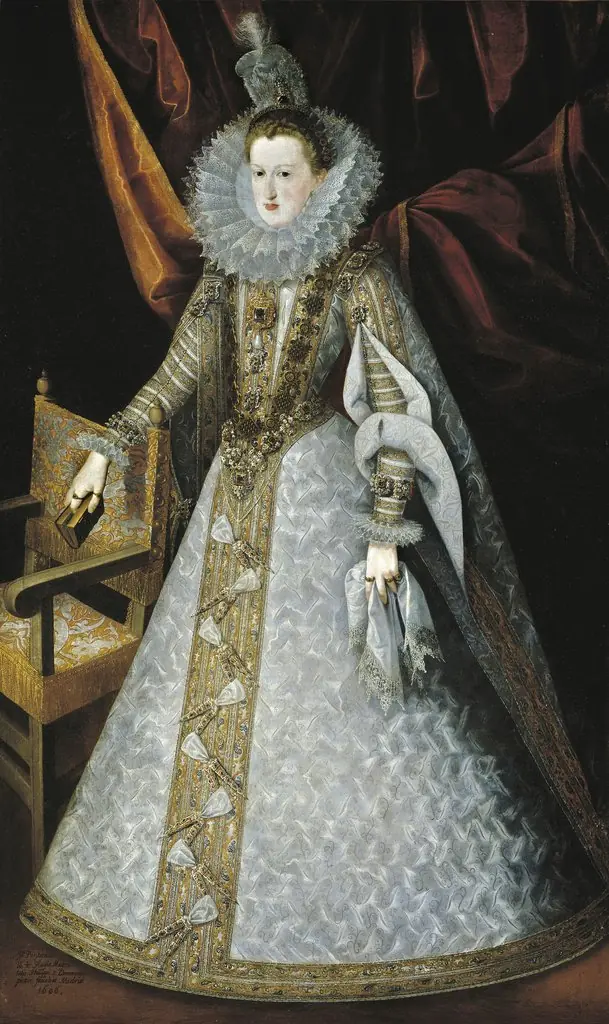 Margaret of Austria
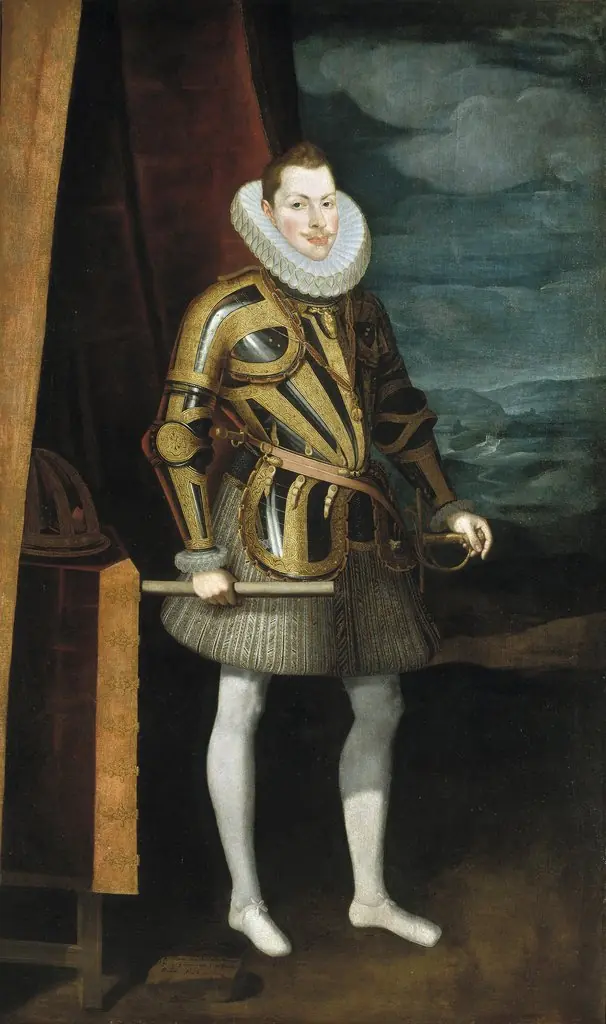 Philip III
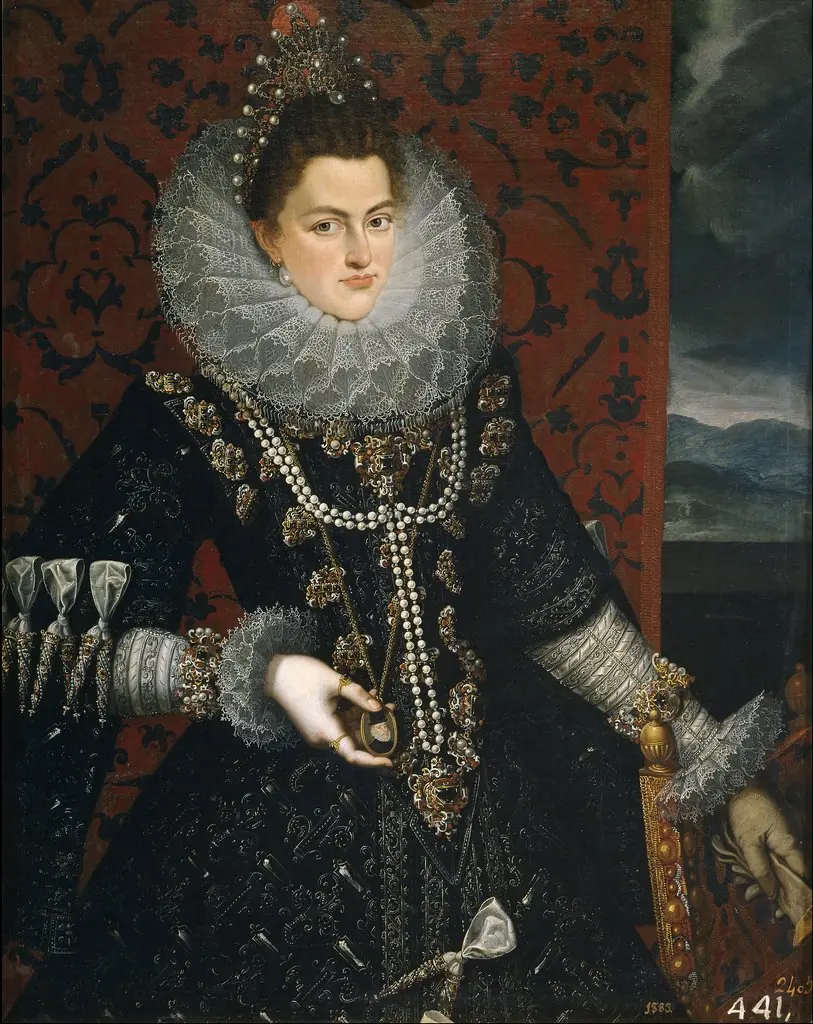 The Infanta Isabel Clara Eugenia
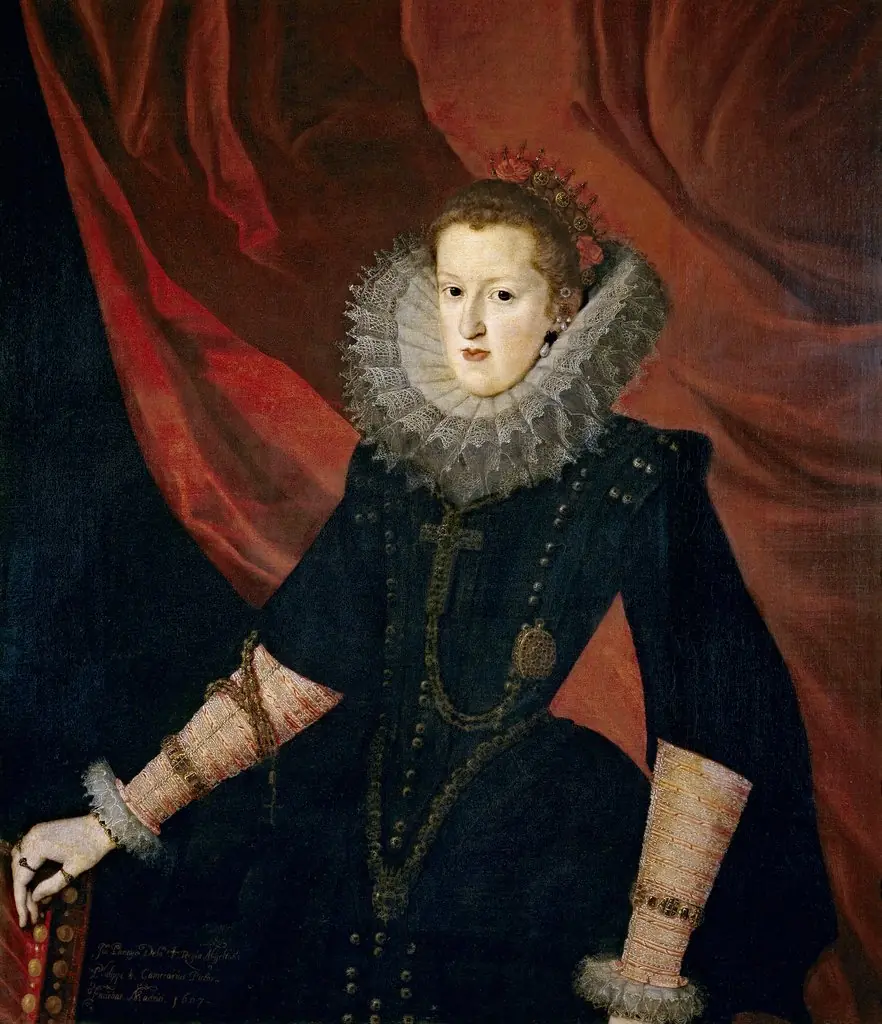 Margaret of Austria
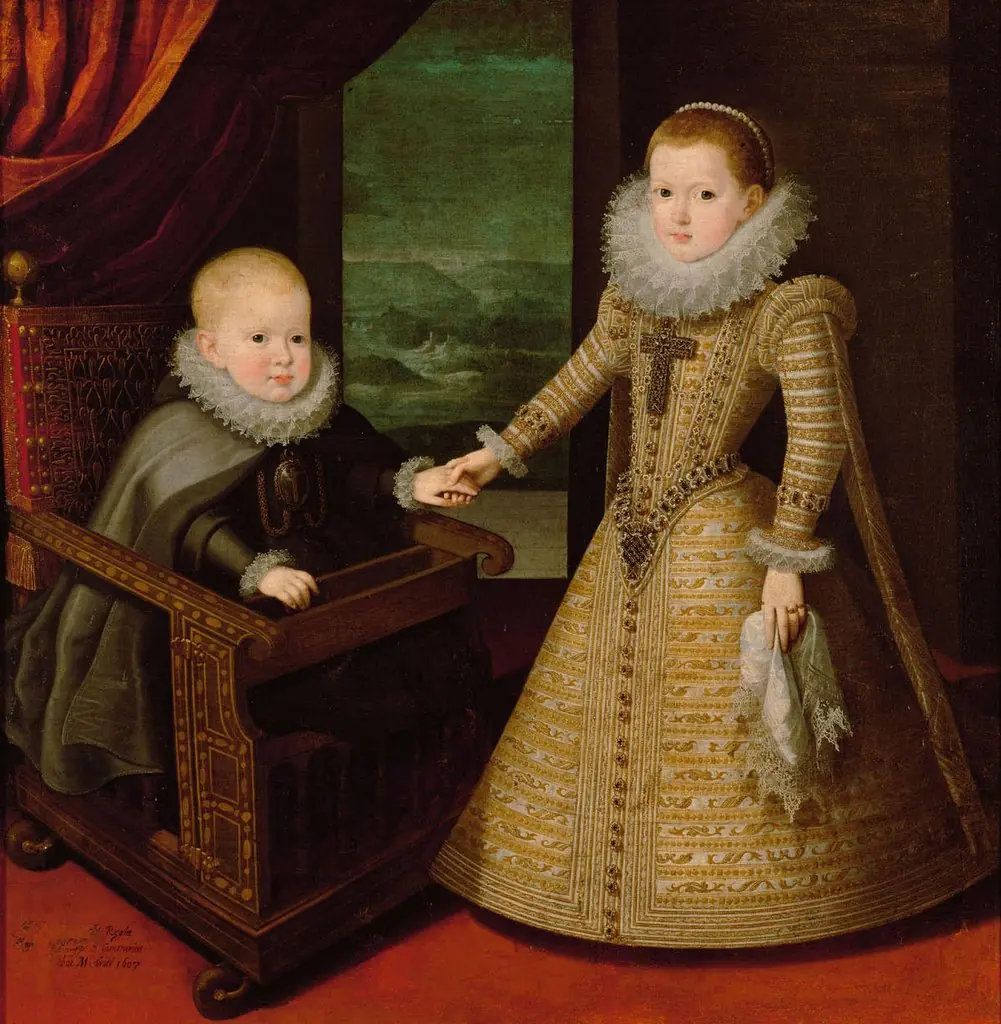 König Philipp IV. von Spanien (1605-1665) in geistlichem Gewand und seiner Schwester Infantin Anna (1601-1666), Bildnis in ganzer Figur
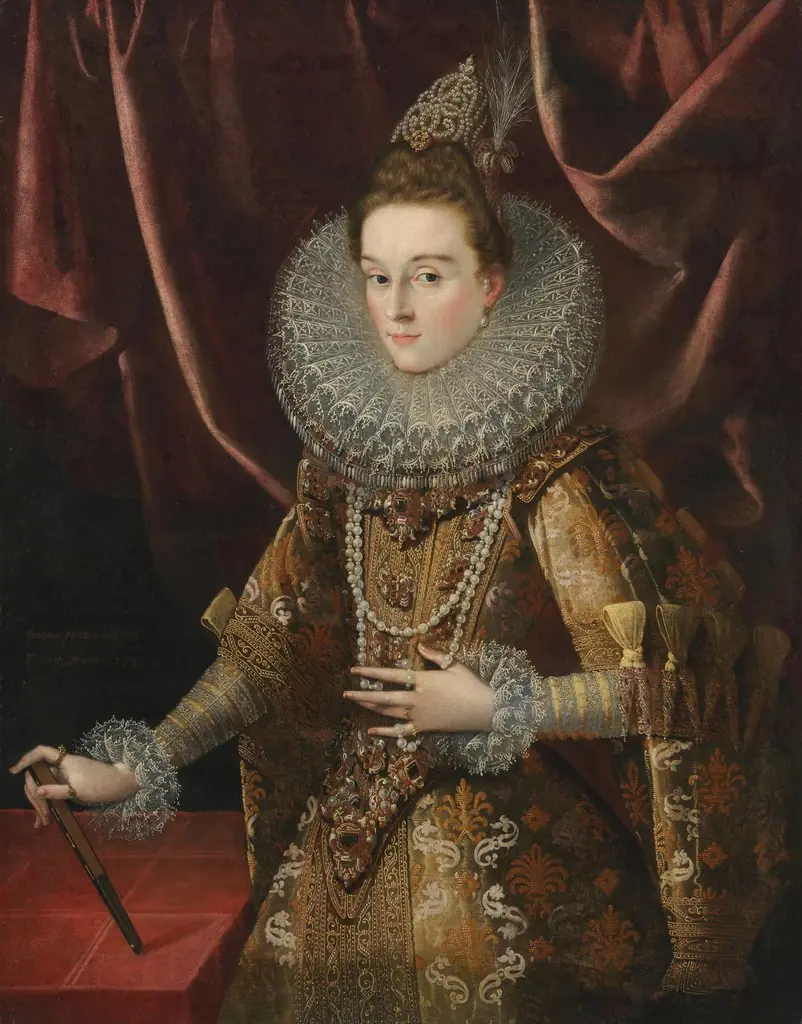 Isabella Clara Eugenia by Juan Pantoja de la Cruz
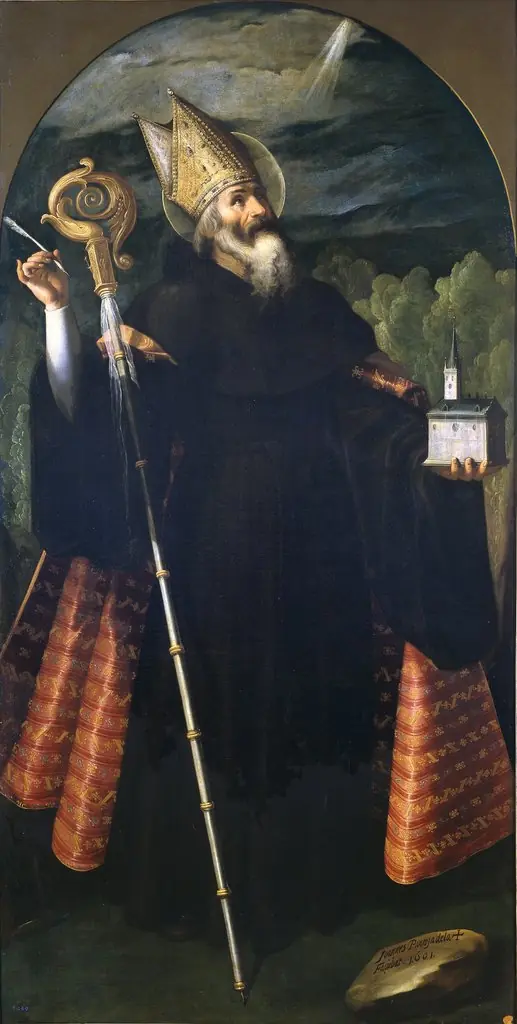 Saint Augustine