Artwork
Flowers and Birds in a Spring Landscape
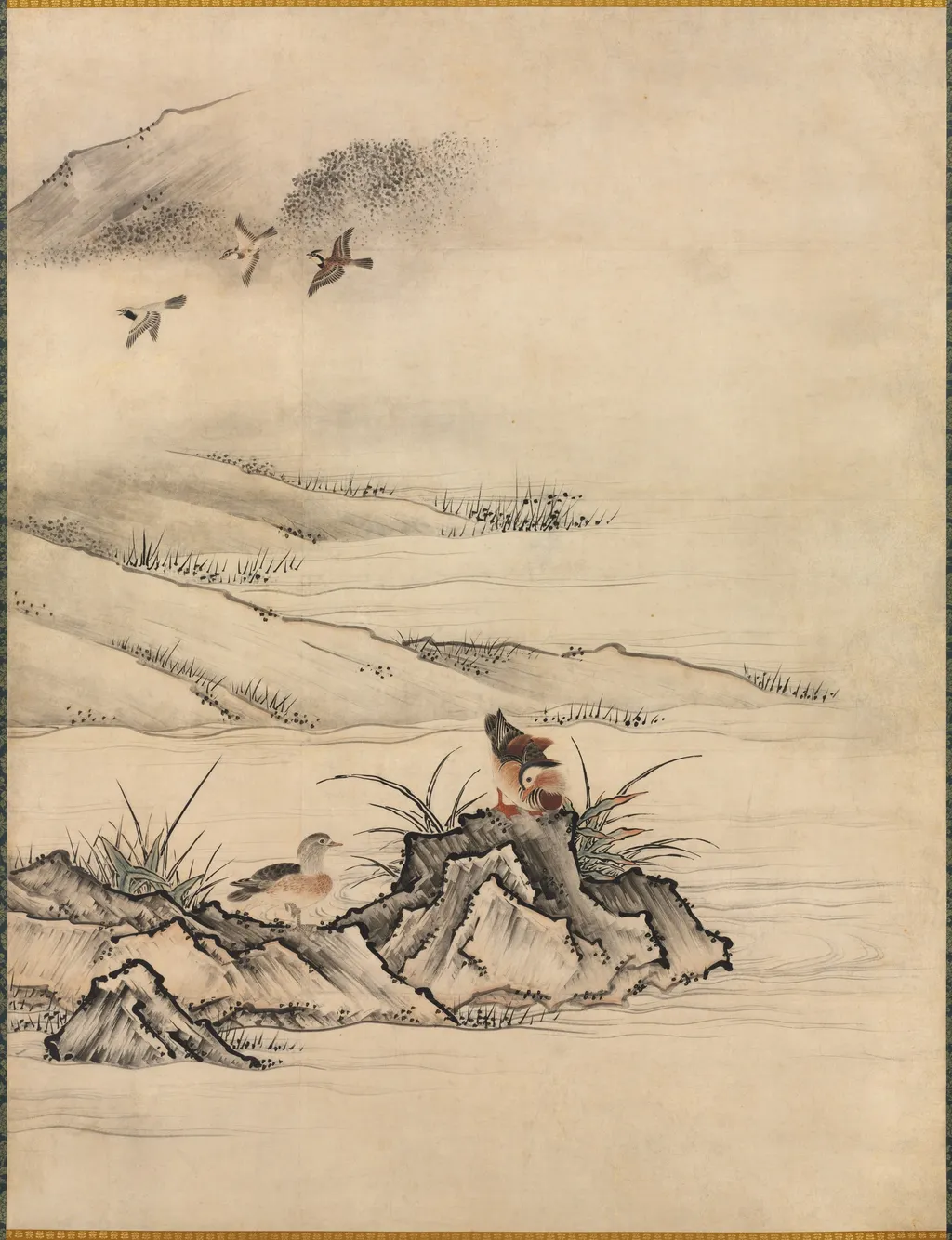
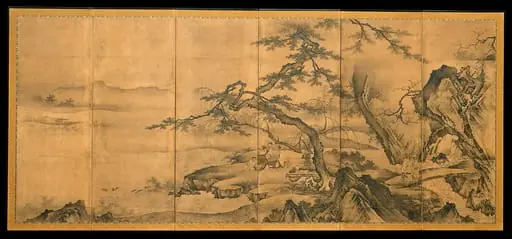
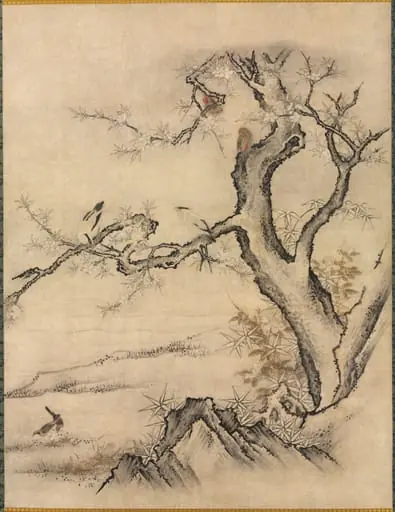
Flowers and Birds in a Spring Landscape is an unspecified painting by the Kanō school artist Kano Motonobu. It dates from 1529 and is held in the collection of the Cleveland Museum of Art.
About this work
History & Provenance
Flowers and Birds in a Spring Landscape was created in 1529 in Japan by Kanō Motonobu, an artist active during the late Muromachi period. The painting is held by the Cleveland Museum of Art, where it is recorded under accession number 1970.6.3, indicating that it was accessioned in 1970. No earlier ownership history or commission details are documented in the available sources.
Overview
Created in 1529 by Kanō Motonobu, a prominent painter of the Kanō school, this work is a modestly sized ink and color painting titled Flowers and Birds in a Spring Landscape. It is part of the permanent collection of the Cleveland Museum of Art and exemplifies the school’s approach to landscape subjects during the early sixteenth century.
Subject & Meaning
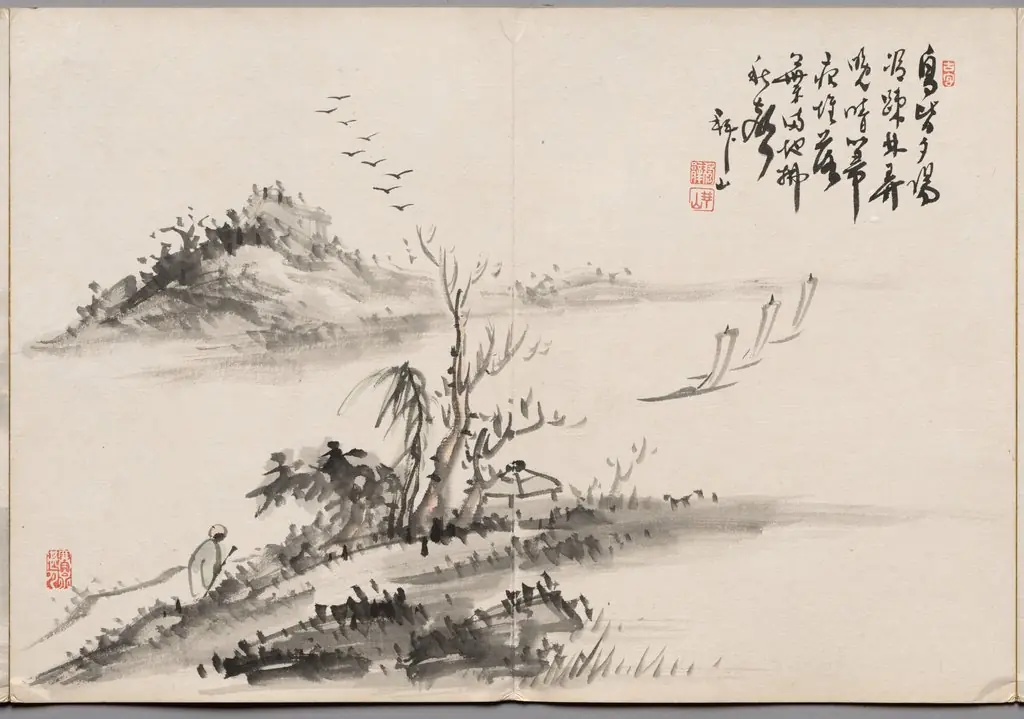
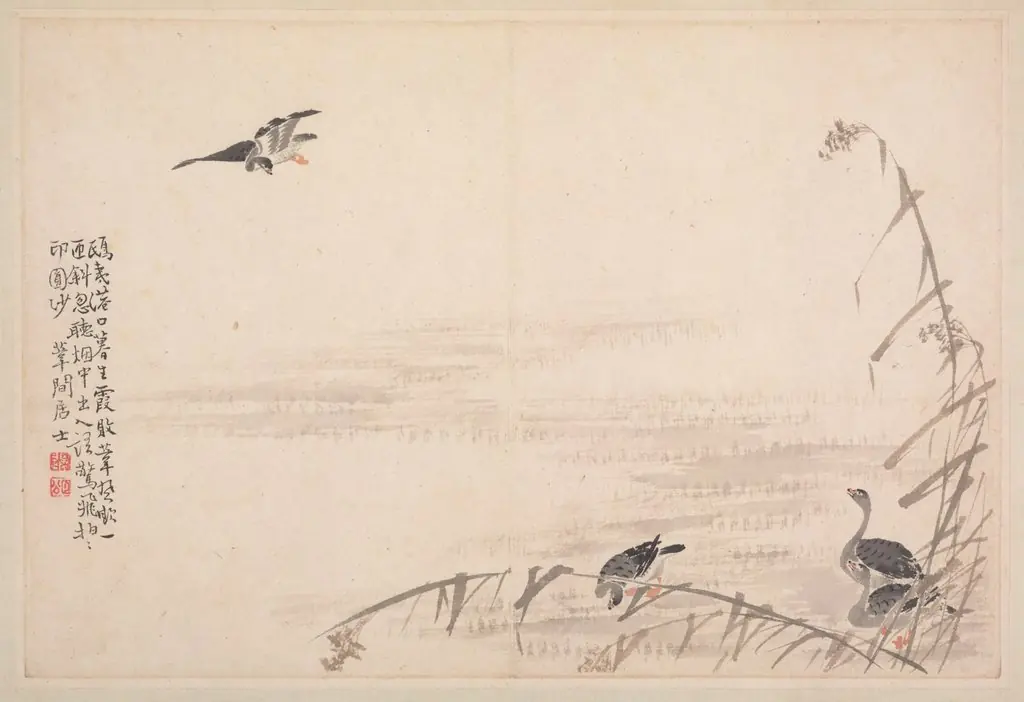
The composition presents a tranquil spring setting where a solitary crane stands on a rocky outcrop amid sparse grasses and delicate blossoms. Above the ground, three smaller birds trace a gentle arc across the sky, while a winding path leads the eye toward distant, softly rendered hills. The scene conveys a sense of quiet renewal associated with the season.
Technique & Style
Motonobu employs restrained brushwork, using fine, flowing lines to delineate the crane and foliage. Subtle washes of light brown and green establish atmosphere, while a small dash of vermilion highlights the crane’s head. The painting relies on delicate shading rather than intricate detail, creating depth through tonal variation and the strategic placement of negative space.
Context
Kanō Motonobu was instrumental in expanding the influence of the Kanō school, leveraging political ties and patronage to shape artistic training throughout the Edo era. This painting illustrates the school’s characteristic blend of Chinese-inspired brush techniques with Japanese subject matter, a synthesis that would dominate official court and temple commissions for generations.
Own this work as a print
Artist & collection