Artwork
狩野常信筆 四愛図 |Four Admirers
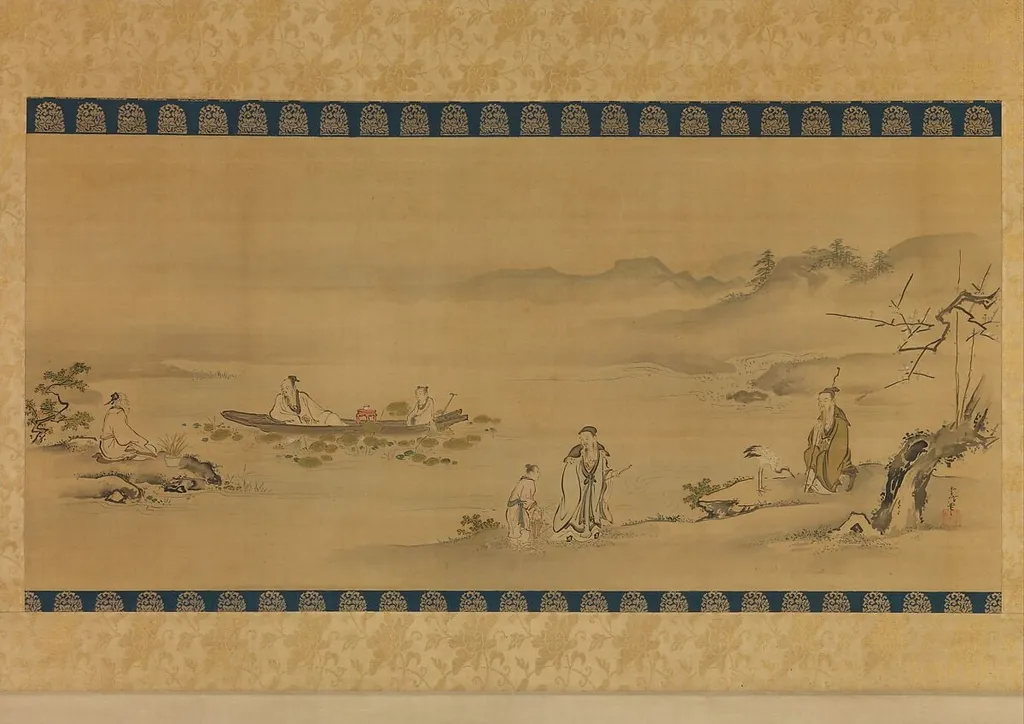
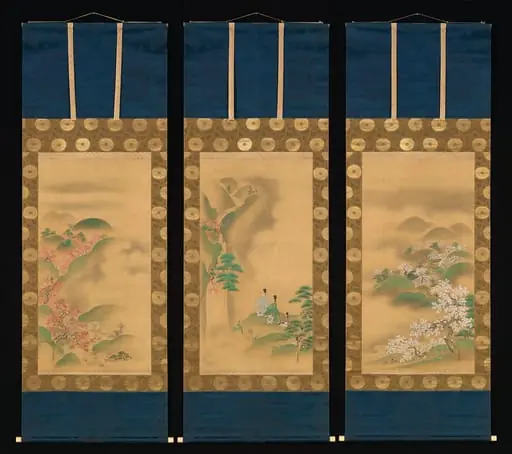
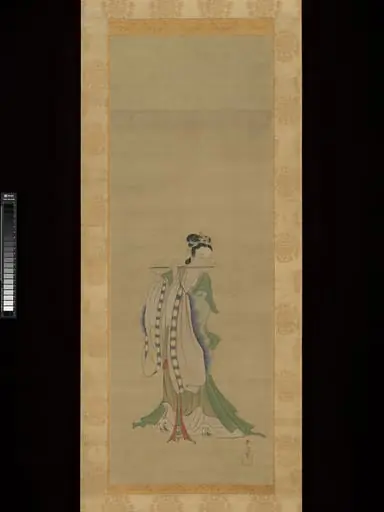
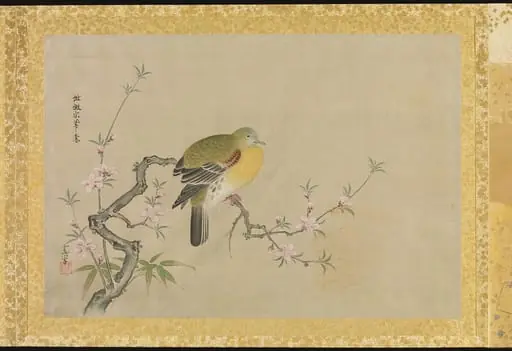
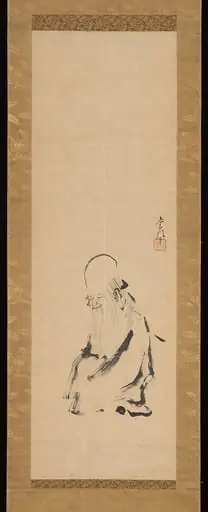
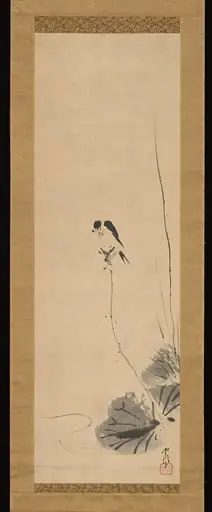
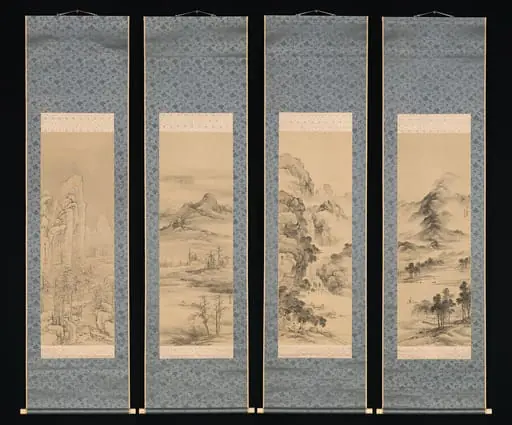
狩野常信筆 四愛図 |Four Admirers is an ink painting by the Baroque artist Kano Tsunenobu. It dates from 1690 and is held in the collection of the Metropolitan Museum of Art.
About this work
Subject & Meaning
The painting thus conveys a contemplative engagement with the environment, characteristic of Kanō Tsunenobu’s genre work.
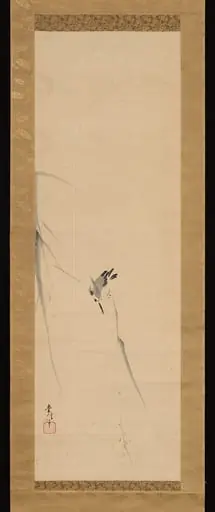
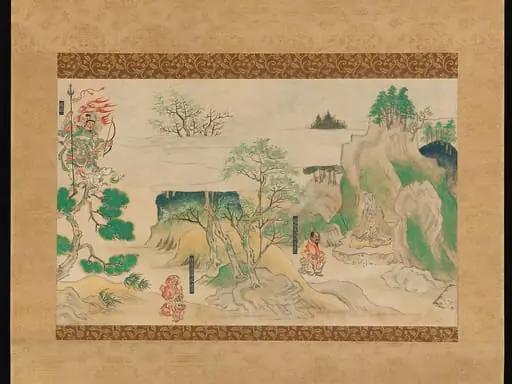
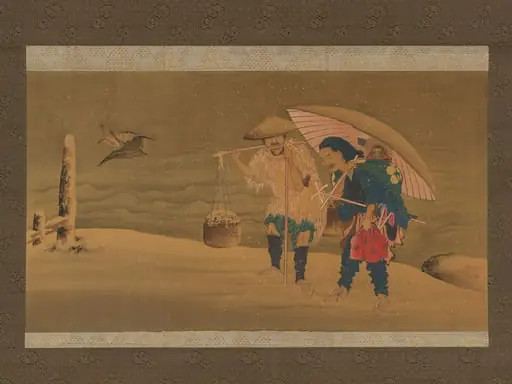
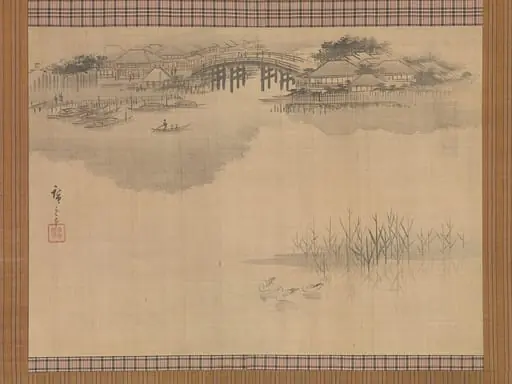
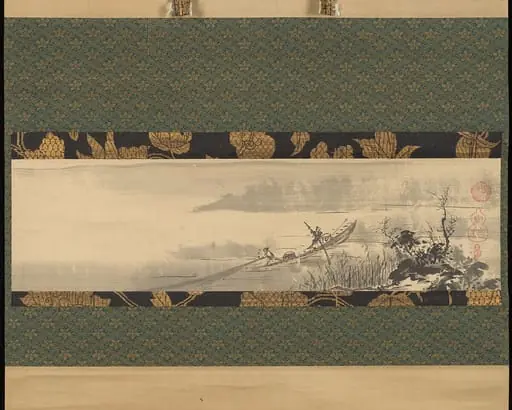
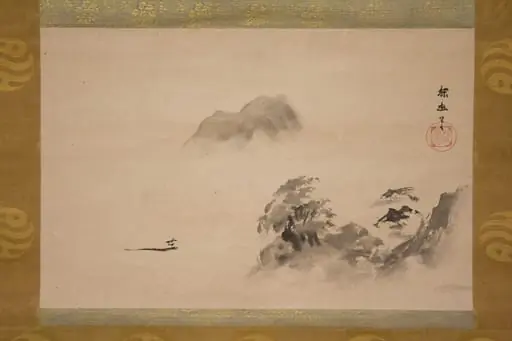
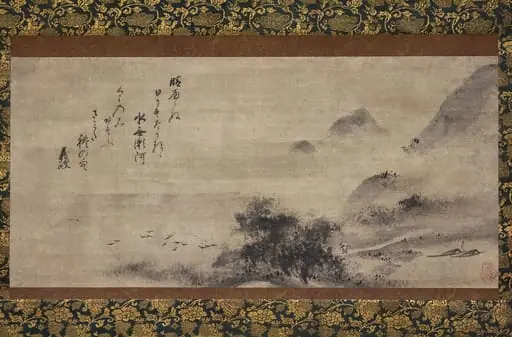
The hanging scroll titled "Four Admirers" (狩野常信筆 四愛図) portrays a solitary man in a small boat set within an expansive landscape, a composition typical of Edo‑period Japanese painting. According to the documented sources, the work is classified as a landscape painting and explicitly depicts a boat and a man, emphasizing the interplay between human figure and natural scenery. While the precise symbolic meaning is not detailed in the provided references, the subject matter reflects the period’s interest in observing and representing nature, with the boat and its occupant serving as a focal point within the broader landscape. The painting thus conveys a contemplative engagement with the environment, characteristic of Kanō Tsunenobu’s genre work.
History & Provenance
Four Admirers is held in the collection of the Metropolitan Museum of Art, where it is catalogued as a hanging scroll executed in ink and color on silk. The work, dated 1690 and attributed to Kano Tsunenobu, is classified within the museum's paintings holdings and falls under the genre of landscape painting. No accession number or detailed exhibition history is recorded in the available documentation.
Overview
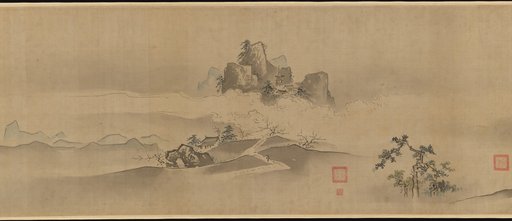
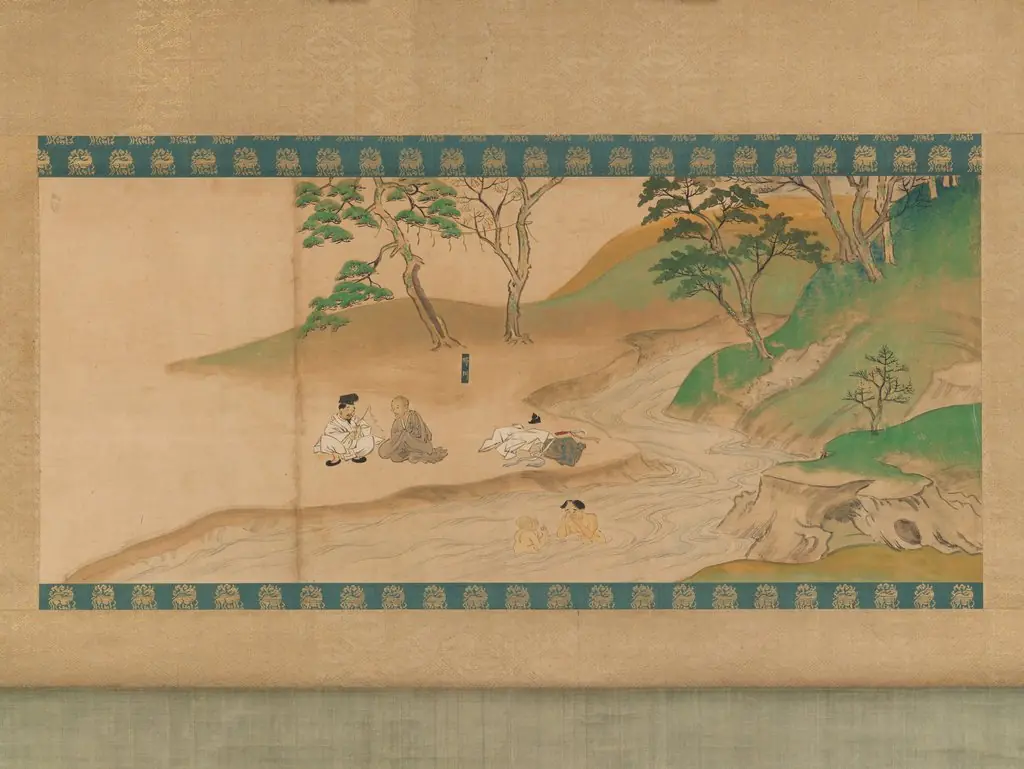
Kano Tsunenobu's "Four Admirers" is an Edo period hanging scroll rendered in ink and color on silk. It depicts a serene landscape where four figures drift in small boats on a tranquil river. The artwork captures a moment of quiet contemplation, characteristic of scholarly pursuits often depicted during this era. The soft palette and delicate brushwork contribute to its contemplative atmosphere.
Technique & Style
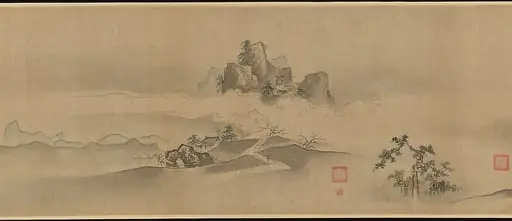
Executed as a hanging scroll using ink and color on silk, the medium itself contributes to the painting's ethereal quality. The silk ground allows the pigments to diffuse subtly, creating a gentle luminosity reminiscent of dawn. Tsunenobu employs delicate ink strokes to suggest the water and soft washes for the distant hills and trees, which recede into a hazy, atmospheric perspective, enhancing the scene's tranquility.
Context
Created by Kano Tsunenobu during Japan's Edo period, "Four Admirers" reflects a prevalent artistic trend of the time. Artists frequently depicted scholars or literati engaging with natural settings, symbolizing intellectual refinement and a connection to the natural world. Such scenes often conveyed ideals of quiet contemplation and the pursuit of knowledge away from urban distractions, resonating with cultural values of the period.
Artist & collection