Artwork
Untitled
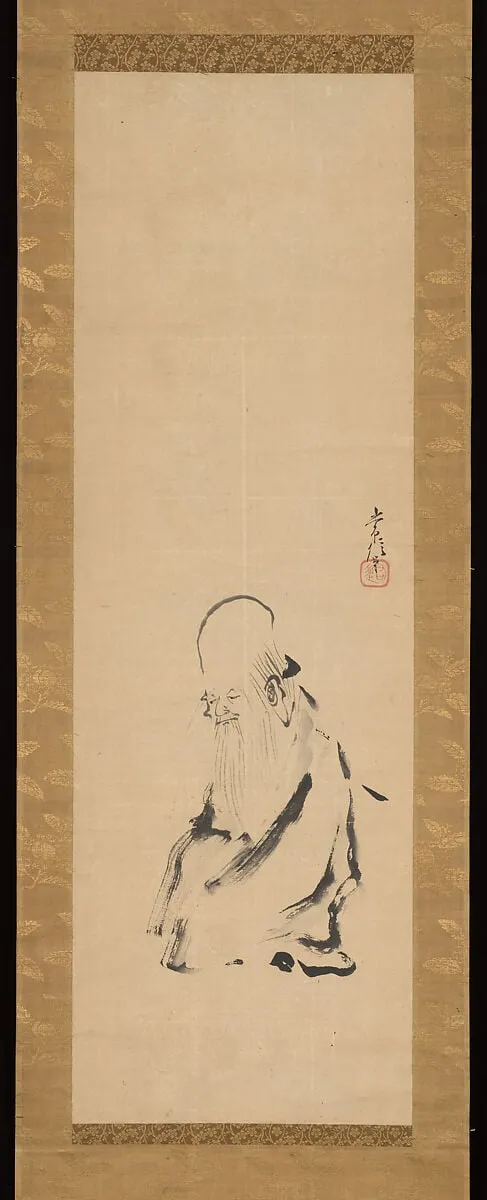
Untitled is an ink painting by the Baroque artist Kano Tsunenobu. It dates from 1690 and is held in the collection of the Metropolitan Museum of Art.
- Accession no.
- 61.63
- Credit line
- Purchase, Gifts, Bequests, and Funds from various donors, by exchange, 1961
About this work
Technique & Style
As a hanging scroll, the support is paper, which was a common material for this genre and medium combination in late 17th-century Japan.
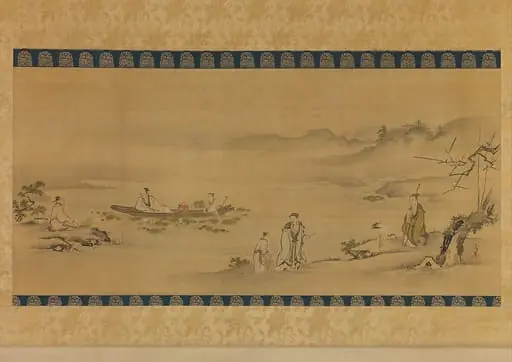
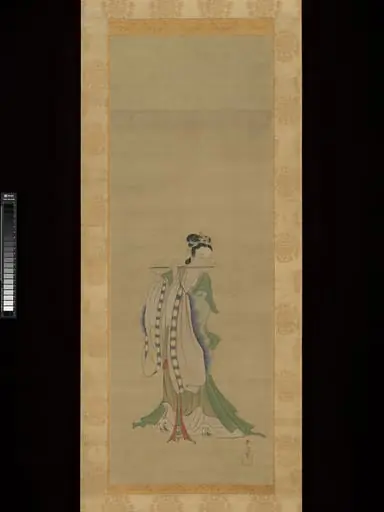
Created in 1690, this work by Kano Tsunenobu is executed in ink and color on paper. It functions as one part of a triptych of hanging scrolls, a format typical for Japanese landscape paintings of the period. The piece depicts a man within a landscape setting.
The physical dimensions of the scroll are 78.7 cm in height and 28.9 cm in width. As a hanging scroll, the support is paper, which was a common material for this genre and medium combination in late 17th-century Japan.
History & Provenance
Painted in 1690 by Kano Tsunenobu, this landscape is one panel of a triptych of hanging scrolls executed in ink and color on paper. The work depicts a man and was created in Japan. It is held in the collection of the Metropolitan Museum of Art.
Overview
Created in 1690 by Kano Tsunenobu, this hanging scroll forms part of a lost triptych. Executed in ink and color on paper, the work presents a solitary figure set against a stark landscape. The composition captures a brief, contemplative instant within an otherwise larger narrative that has not survived.
Subject & Meaning
The central figure is a man clad in a dark robe, standing on a rugged path and gripping a long staff. Behind him, a contorted pine clings to the cliff face while clouds drift overhead, suggesting a journey through a harsh, perhaps spiritual, terrain. The isolated posture conveys quiet resolve.
Context
Produced during the Genroku era, the work reflects the period’s interest in integrating Chinese-inspired monochrome techniques with Japanese subject matter. The Kano school, dominant in official and aristocratic circles, often used such narrative scrolls for didactic or decorative purposes, situating this piece within a broader tradition of episodic visual storytelling.
Artist & collection

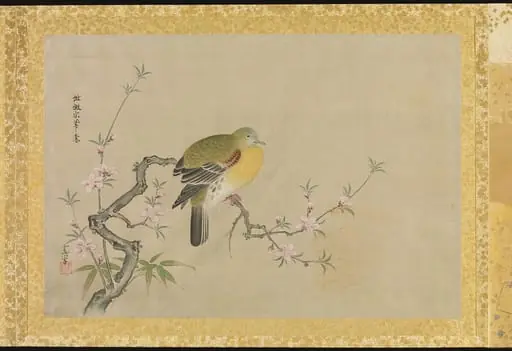
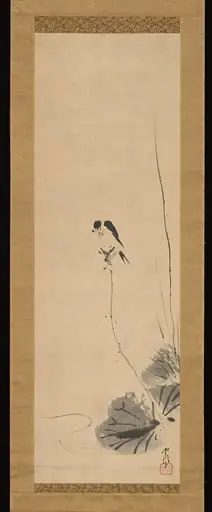
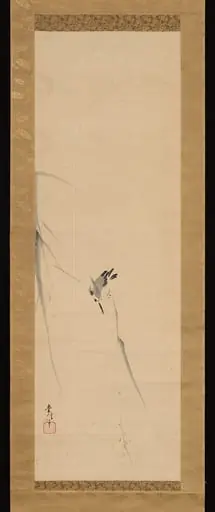
- Untitled
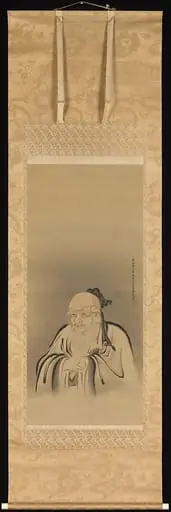 狩野探幽筆 神農・夏冬山水図|Portrait of Emperor Shennong
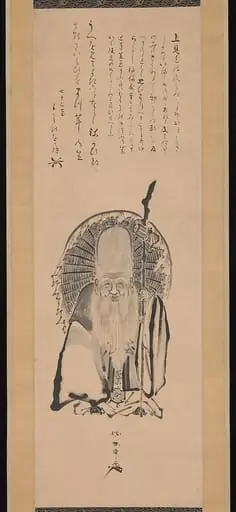 Untitled
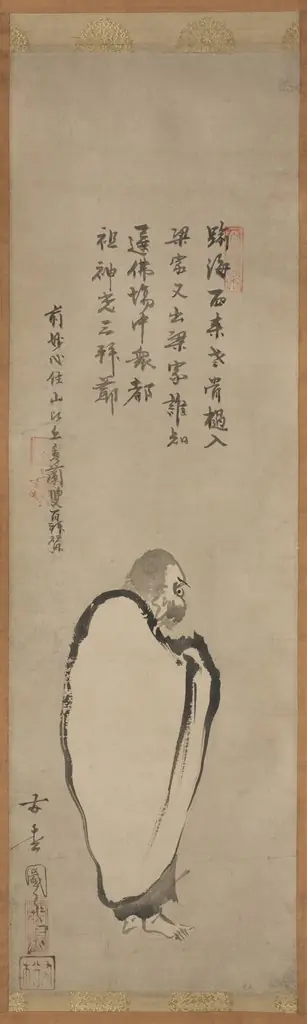 Figure of Daruma
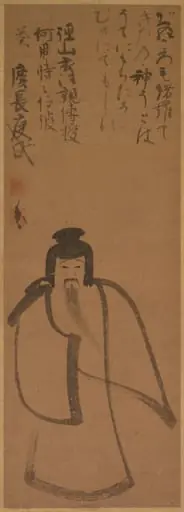 Tenjin Traveling to China
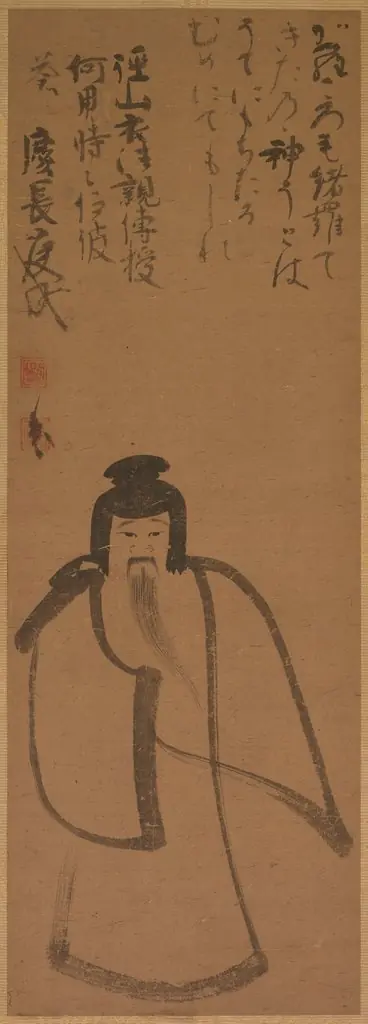 Tenjin Traveling to China
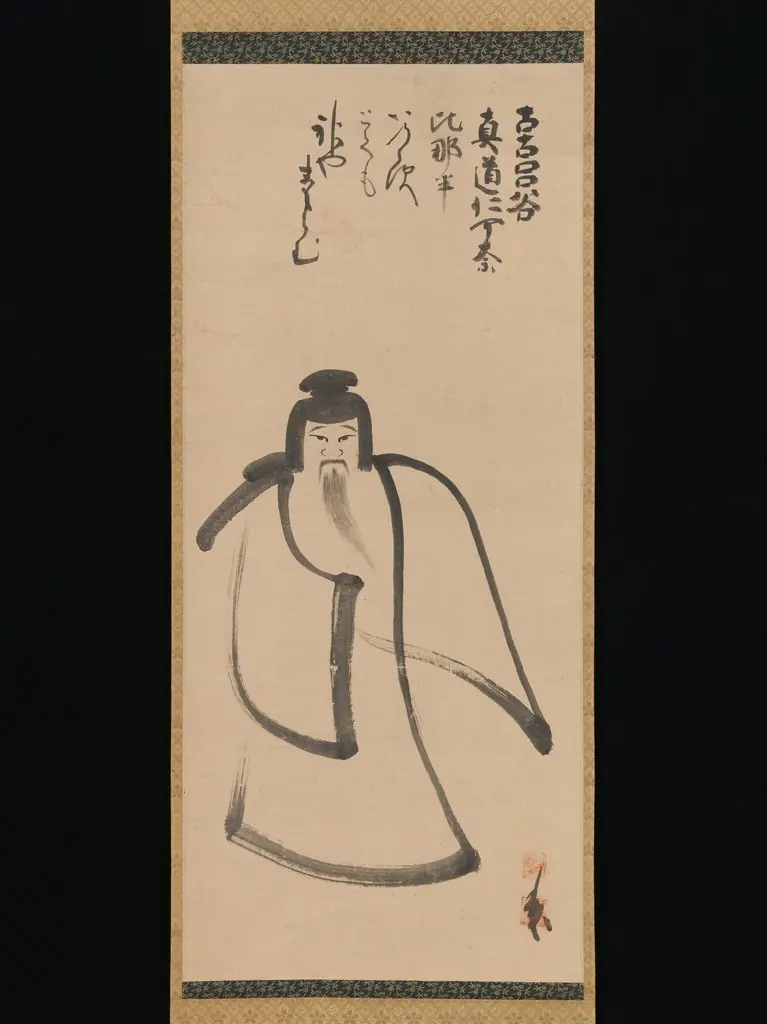 Tenjin Traveling to China
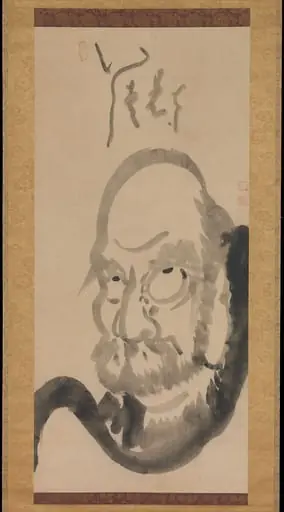 白隠慧鶴筆 達磨像|Portrait of Bodhidharma
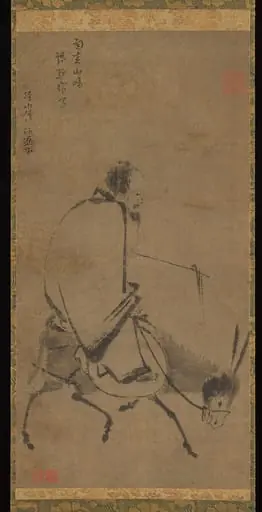 南宋 佚名 騎驢圖 軸|Chan master riding a mule
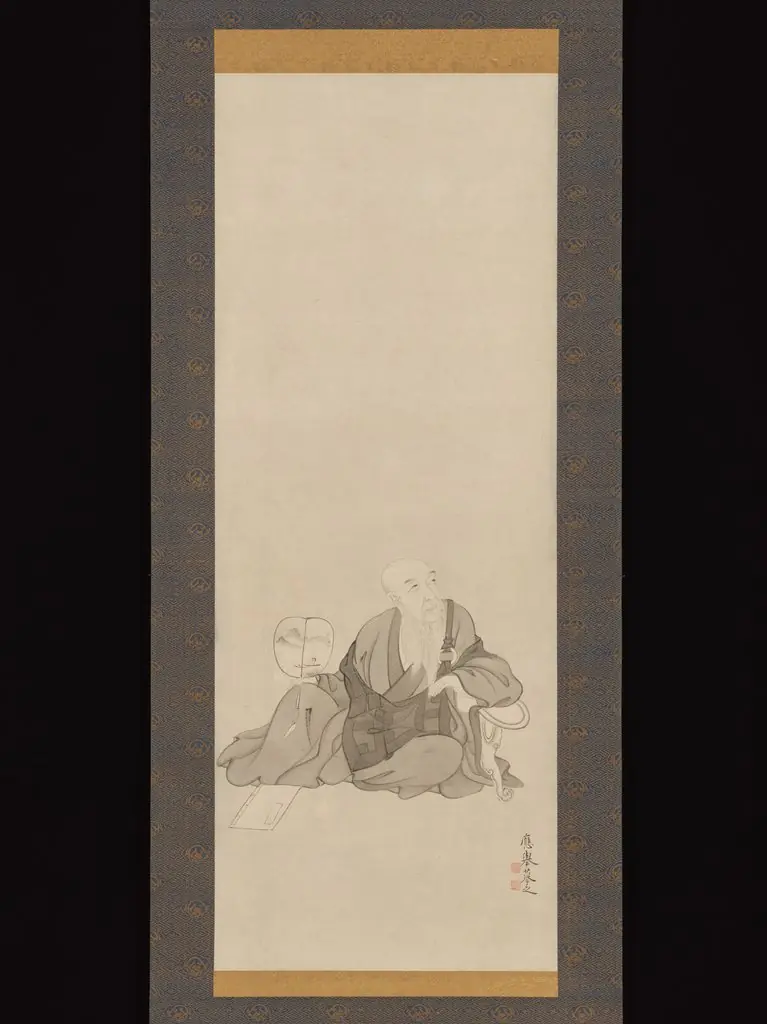 Portrait of Botanka Shōhaku
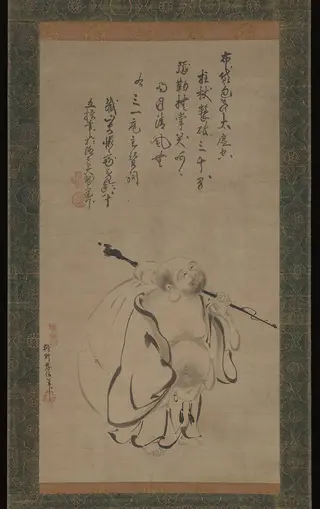 狩野孝信筆 布袋図「拄杖擊破三千界。彌勒撫掌笑呵呵,明月清風無。」|Hotei
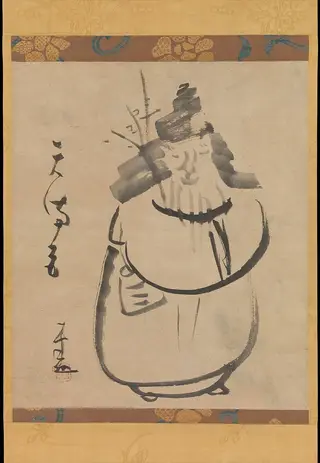 「天満宮」 渡唐天神図|“Tenmangū,” Sugawara no Michizane as Tenjin Traveling to China