Artwork
狩野常信筆 楊貴妃吹笛図|Yang Guifei Playing a Flute
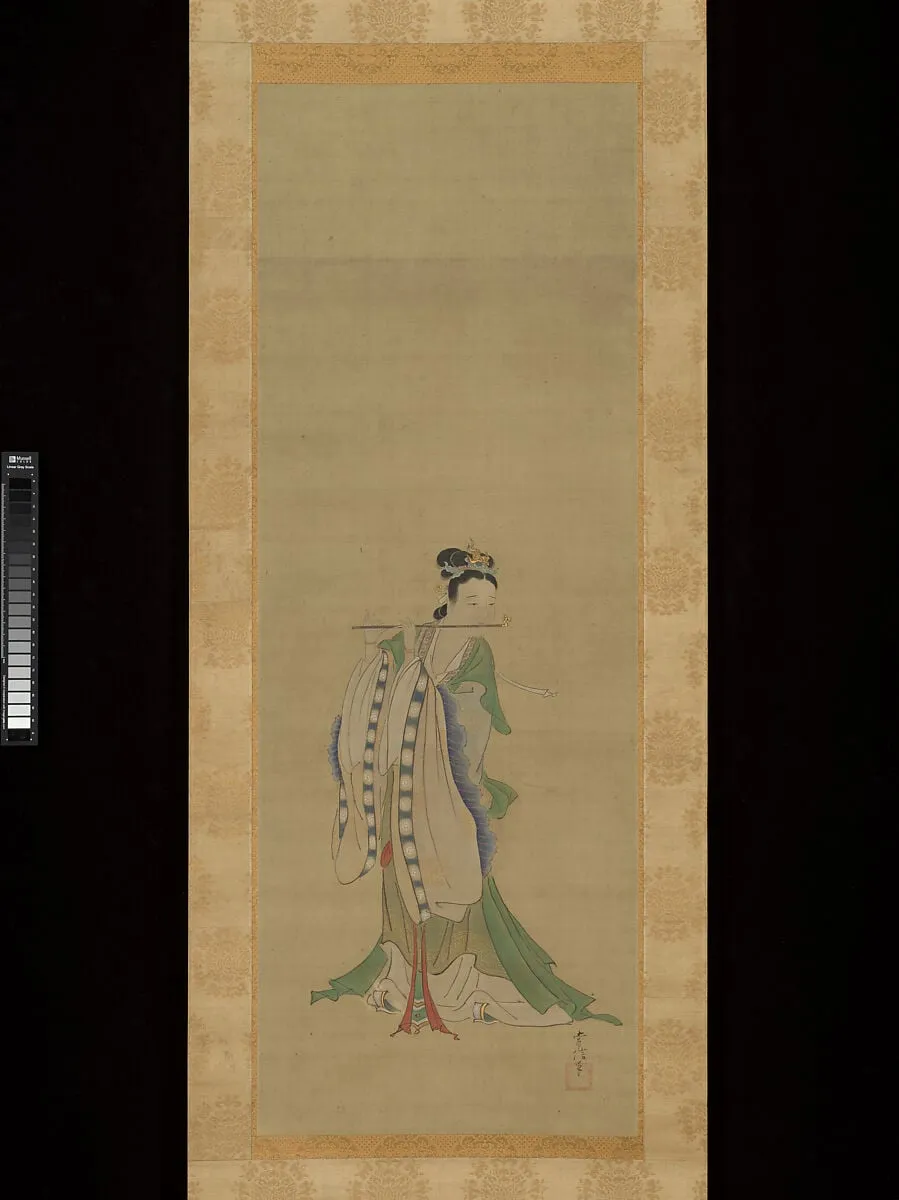
狩野常信筆 楊貴妃吹笛図|Yang Guifei Playing a Flute is an ink painting by the Baroque artist Kano Tsunenobu. It dates from 1674 and is held in the collection of the Metropolitan Museum of Art.
About this work
Subject & Meaning
The composition thus conveys both the individual's identity and the broader aesthetic values of elegance and leisure.
The painting shows the Chinese imperial favorite Yang Guifei holding a flute, identified as the subject of the work. Its iconography consists of a solitary woman accompanied by a flute, elements that in the period were associated with courtly refinement and musical accomplishment. Executed in 1674 by Kano Tsunenobu as a hanging scroll in ink and color on silk, the piece functions as a portrait that elevates the historical figure within a Japanese artistic tradition, reflecting contemporary interest in Chinese cultural icons. The composition thus conveys both the individual's identity and the broader aesthetic values of elegance and leisure.
Technique & Style
Executed in 1674 by Kanō Tsunenobu, this work is a hanging scroll painted with ink and color on silk. The composition features a solitary female figure, identified as Yang Guifei, depicted playing a flute. Stylistically, the piece functions as a portrait, utilizing the traditional silk support common to Japanese painting of the period.
The application of color alongside ink suggests a polychrome approach typical of the Kanō school's formal portraiture. The physical dimensions of the scroll are approximately 90.8 cm in height and 33 cm in width. While specific details regarding the current condition or precise brushwork handling are not explicitly detailed in the available records, the medium and format establish the work as a formal, vertical presentation intended for display.
History & Provenance
The painting was executed in 1674 by Kano Tsunenobu, a member of the Kano school of Japanese painting, as a hanging scroll rendered in ink and color on silk. It portrays the Tang-dynasty consort Yang Guifei playing a flute, a subject drawn from Chinese historical legend. According to the museum record, the work entered the collection of the Metropolitan Museum of Art, where it remains on view.
No earlier owners or commissioning details are documented in the available sources, and the precise circumstances of its creation remain unspecified beyond the dated production year.
Overview
Created in 1674 by Kano Tsunenobu, a leading master of the Kano school during the Edo period, this hanging scroll depicts Yang Guifei, the celebrated consort of Emperor Xuanzong of Tang, playing a bamboo flute. The composition centers on the figure seated upon a rock, dressed in voluminous, flowing robes that suggest movement and elegance. Her hair is elaborately pinned with flowers, while cherry blossoms drift through the air, blending Chinese historical subject matter with Japanese aesthetic sensibilities.
Executed in ink and color on silk, the work demonstrates Tsunenobu's characteristic synthesis of the Kano tradition's bold brushwork with refined, delicate coloring. The artist employs soft ink lines to define the figure's form and drapery, creating a sense of grace and serenity. This painting reflects the enduring popularity of Chinese historical and literary themes in Japanese art, reinterpreted through a distinctly Japanese lens.
As a work from the early Edo period, it illustrates Tsunenobu's role in adapting the Kano style to suit the tastes of the Tokugawa shogunate and the rising merchant class, who appreciated both the technical mastery and the cultural allusions present in such depictions.
Context
Although Yang Guifei originated from Chinese history, her story and image were widely embraced in Japan, frequently appearing in various artistic forms. Kano Tsunenobu's depiction reflects a broader trend within Japanese painting of portraying historical and literary figures from China. Such works often served to explore themes of beauty, power, and fate, integrating foreign narratives into the Japanese aesthetic tradition.
Artist & collection

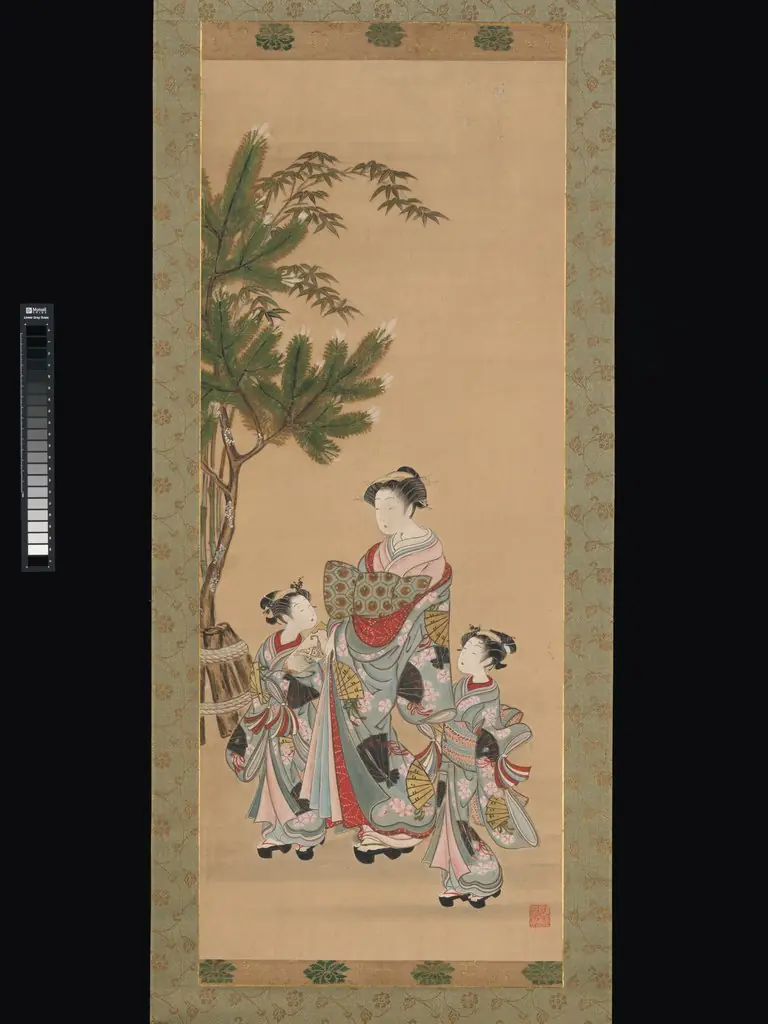 Courtesan and Two Attendants on New Year's Day
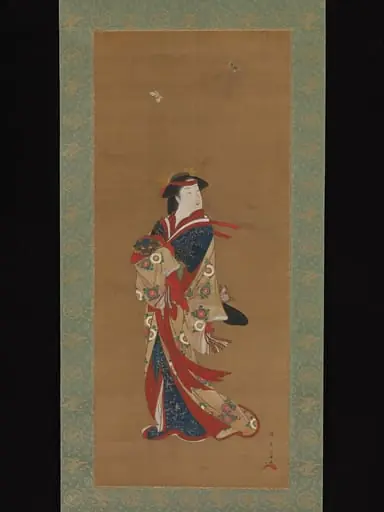 Untitled
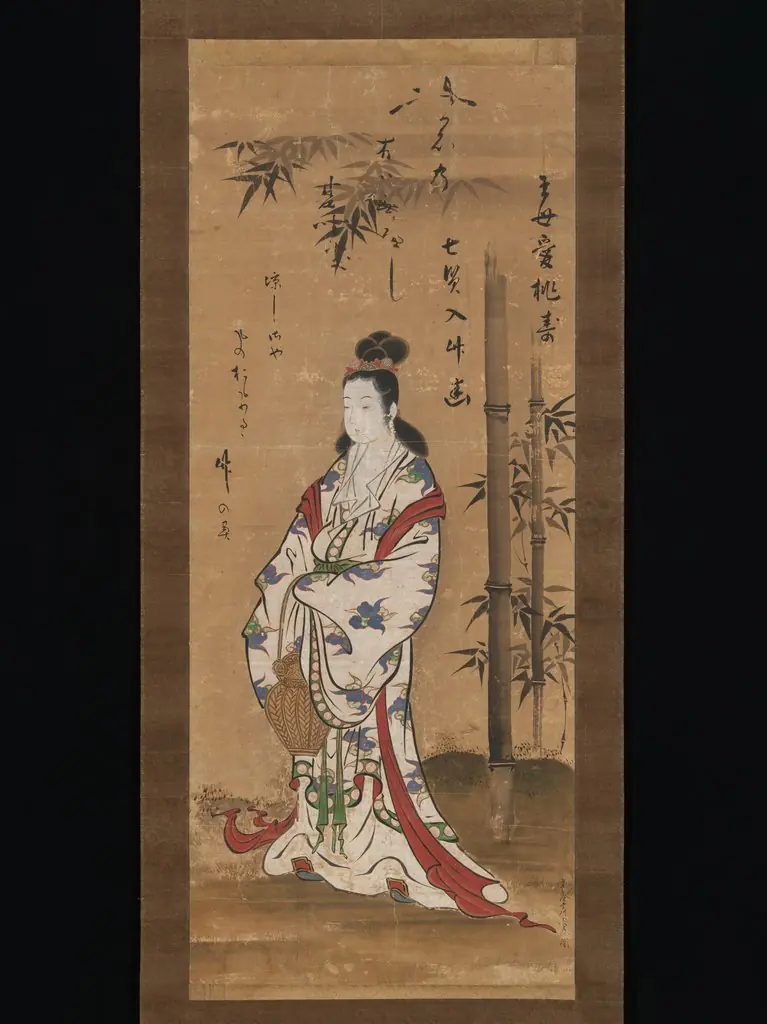 Gyoran Kannon
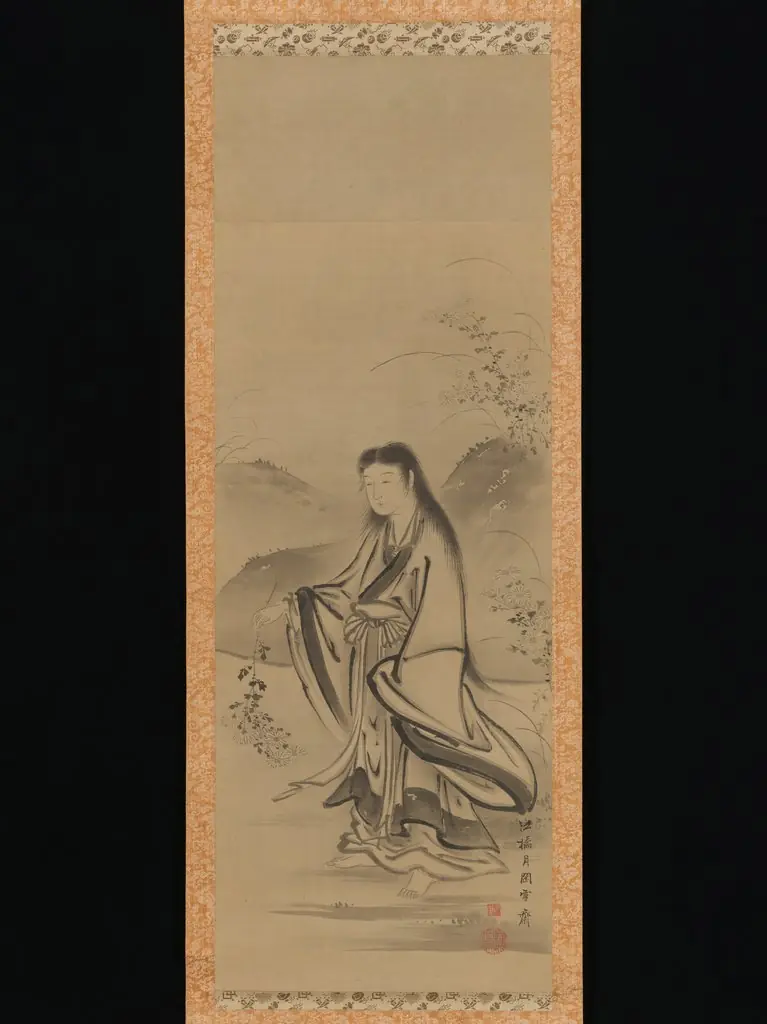 Kiku Jidō (Chrysanthemum Boy)
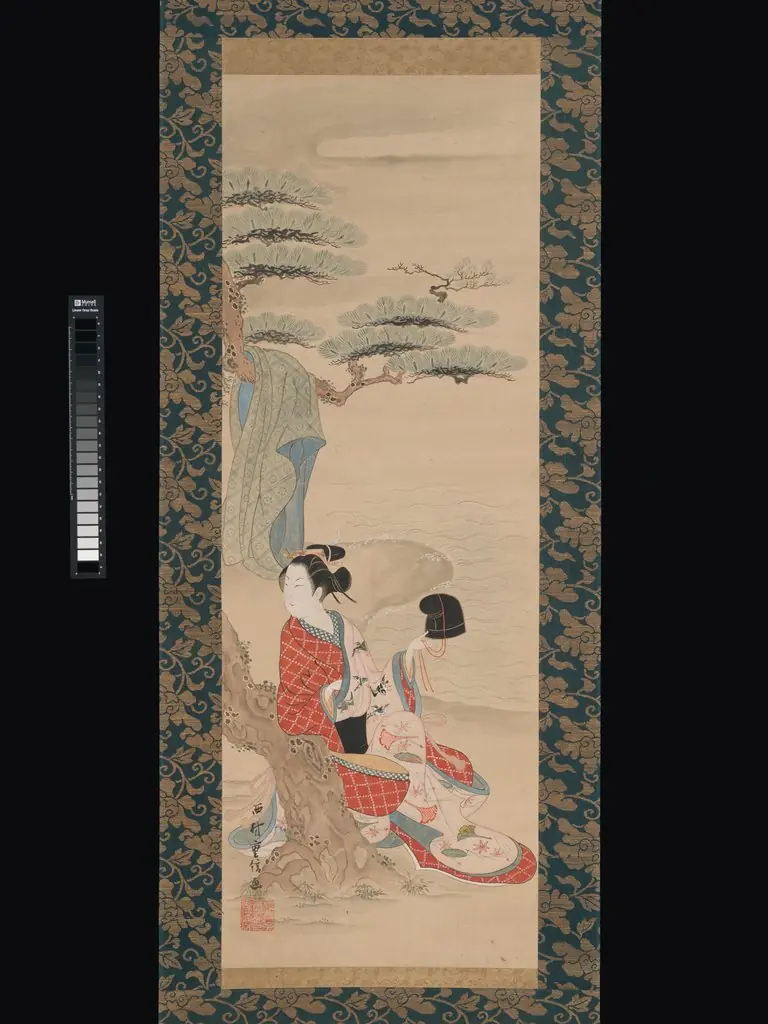 The Brine Maiden Matsukaze
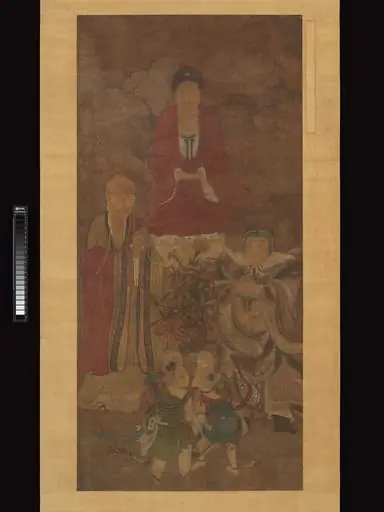 明 佚名 禮佛圖 軸|Shakyamuni with luohan, heavenly king, and boys
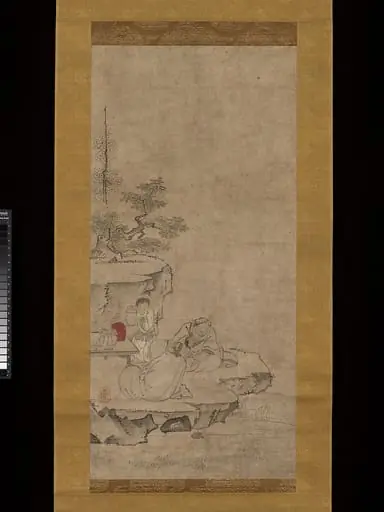 Untitled
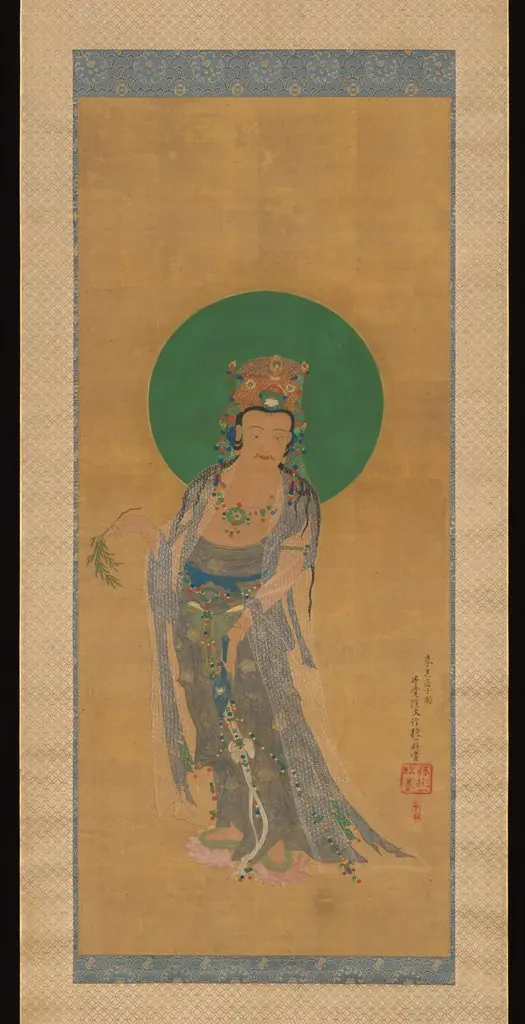 Willow Kannon
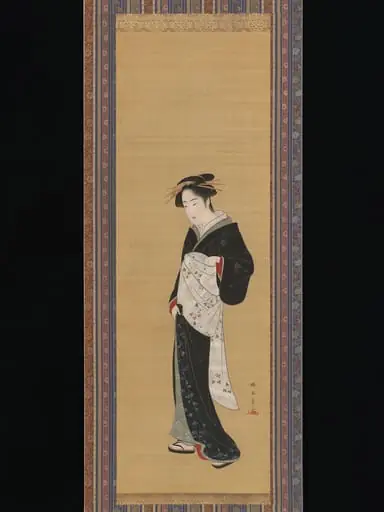 勝川春章筆 立姿美人図|Woman in a Black Kimono
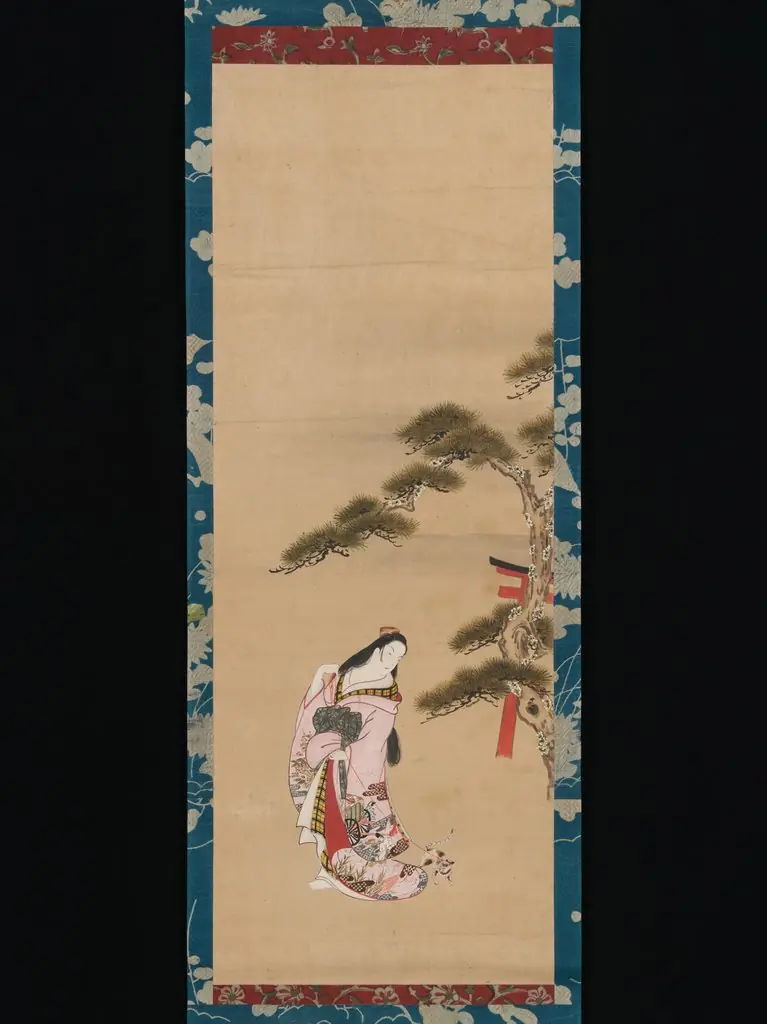 The Third Princess and a Cat, from the "New Herbs I" (Wakana I) chapter The Tale of Genji (Genji monogatari}
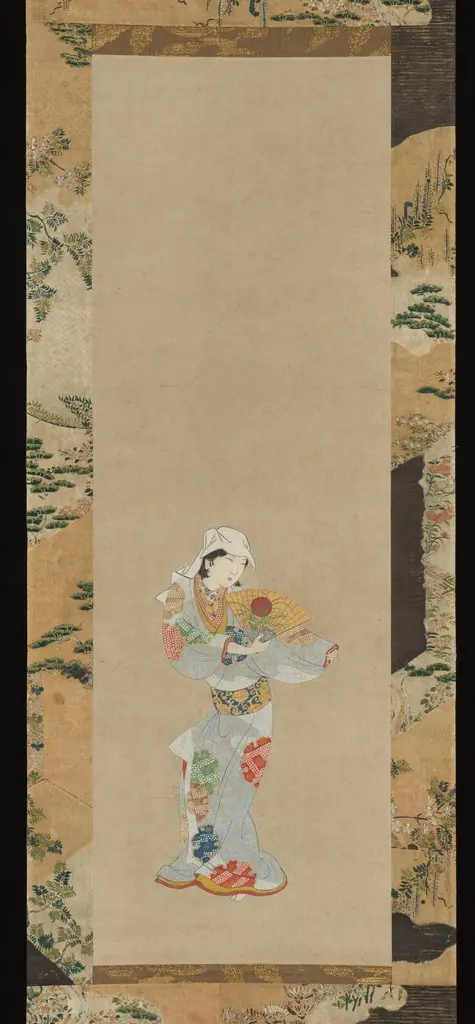 Dancer with a Fan
- Untitled