Artwork
狩野常信筆 滝見業平図|Nunobiki Waterfall, Mount Yoshino, and Tatsuta River
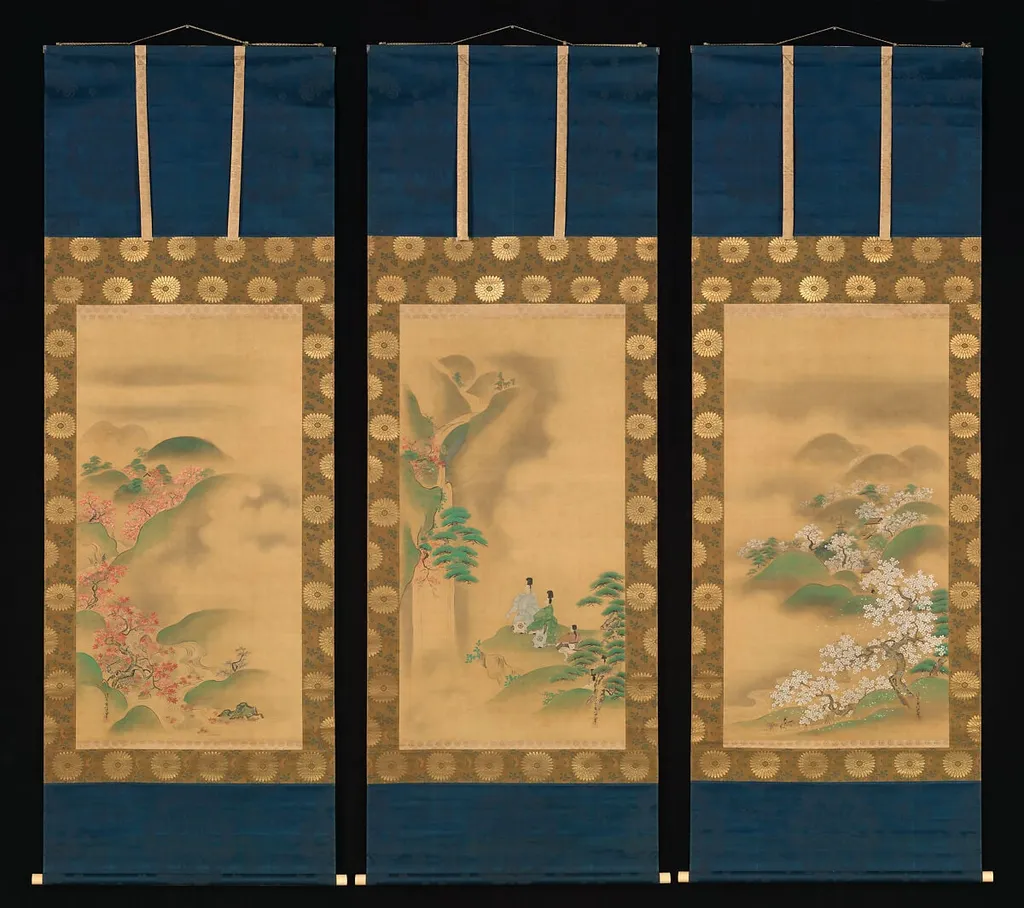
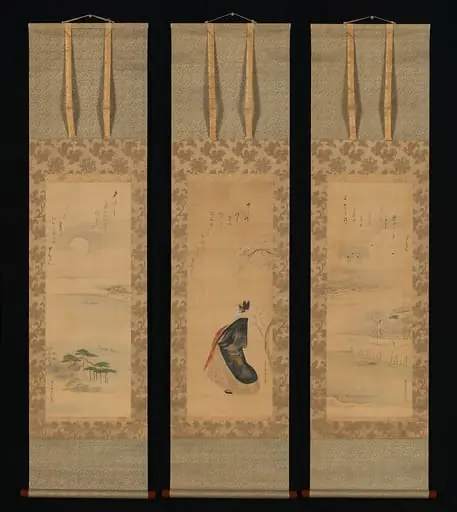
狩野常信筆 滝見業平図|Nunobiki Waterfall, Mount Yoshino, and Tatsuta River is an ink painting by the Baroque artist Kano Tsunenobu. It dates from 1709 and is held in the collection of the Metropolitan Museum of Art.
About this work
Technique & Style
The artist employed ink and mineral colors applied directly onto a silk support, a standard medium for formal Japanese painting of the period.
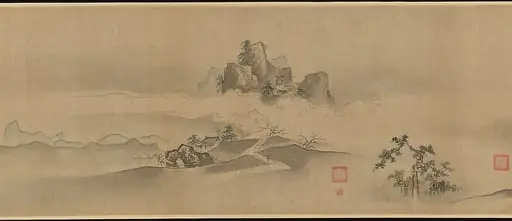
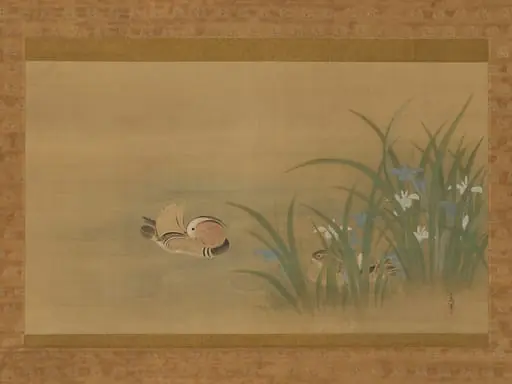
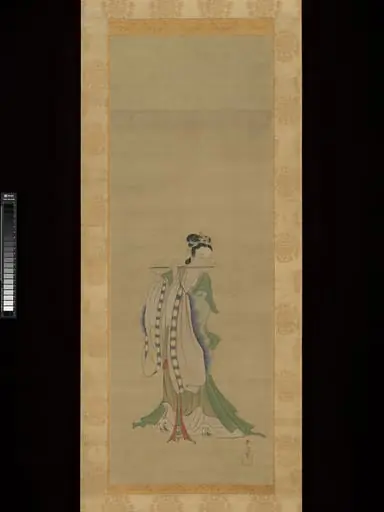
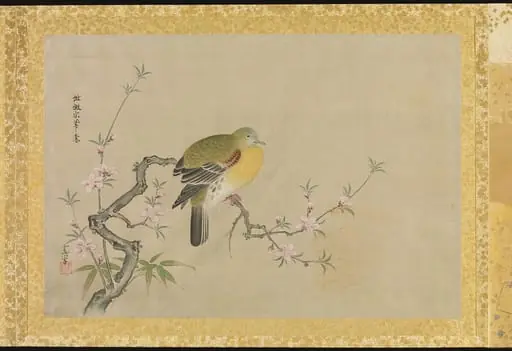
Executed after 1709 by Kanō Tsunenobu, this work comprises a triptych of hanging scrolls. The artist employed ink and mineral colors applied directly onto a silk support, a standard medium for formal Japanese painting of the period. Stylistically, the piece functions as a landscape composition that integrates specific natural elements, including mountains, rivers, and waterfalls, alongside floral motifs and a human figure.
The arrangement across three distinct panels suggests a panoramic handling of space, characteristic of the genre, allowing for a continuous visual narrative that connects the depicted geography of Mount Yoshino and the Tatsuta River. The use of color on silk indicates a finished, polished aesthetic typical of the Kanō school's approach to such subjects.
History & Provenance
The work, titled 狩野常信筆 滝見業平図|Nunobiki Waterfall, Mount Yoshino, and Tatsuta River, is a triptych of hanging scrolls executed in ink and color on silk by Kano Tsunenobu sometime after 1709. It depicts a flower, a man, a mountain, a river, and a waterfall. The painting entered the collection of the Metropolitan Museum of Art, where it remains on display.
Its provenance traces from the artist’s workshop to the museum’s acquisition, though specific sale or donation records are not publicly documented. The work is catalogued as part of the museum’s Japanese painting holdings and is studied within the context of late‑Edo period landscape art.
The triptych of hanging scrolls titled Nunobiki Waterfall, Mount Yoshino, and Tatsuta River by Kanō Tsunenobu is held in the collection of the Metropolitan Museum of Art. Created after 1709, the work depicts a landscape featuring a man, mountains, a river, a waterfall, and flowers. While the artwork is confirmed to be part of the museum's holdings, the provided sources do not specify a particular inventory or accession number, nor do they list any specific exhibitions in which the piece has been displayed.
Overview
This triptych, titled Nunobiki Waterfall, Mount Yoshino, and Tatsuta River, is a set of three hanging scrolls rendered in ink and color on silk. The paintings depict expansive natural vistas, characteristic of traditional Japanese landscape art. The composition presents a continuous scene across the three panels, inviting contemplation of the natural world.
Subject & Meaning
The artwork portrays distinct, celebrated natural sites: the Nunobiki Waterfall, Mount Yoshino, and the Tatsuta River. The presence of pink maple leaves and tiny red flowers, alongside gold clouds, firmly establishes an autumn setting. Two robed figures, almost subsumed by the grandeur of the landscape, are depicted on a cliff, observing the waterfall.
This suggests a contemplative engagement with nature, a common theme in East Asian art, often associated with the poet Ariwara no Narihira.
Artist & collection

- 山本梅逸筆 四季山水図|Landscapes of the Four Seasons
 蜀山人(大田 南畝)賛 雪・月・花図 |Snow, Moon, and Cherry Blossoms (Yoshiwara in Three Seasons)
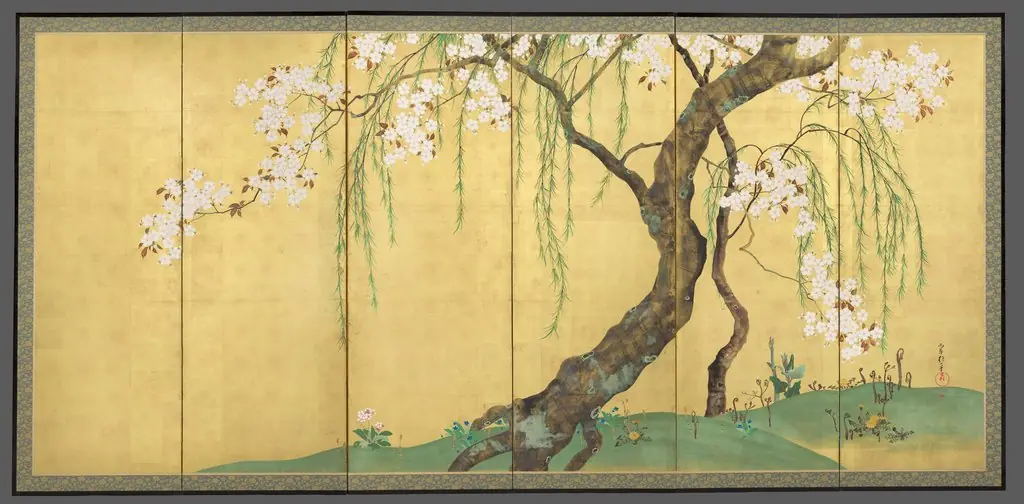 Cherry and Maple Trees
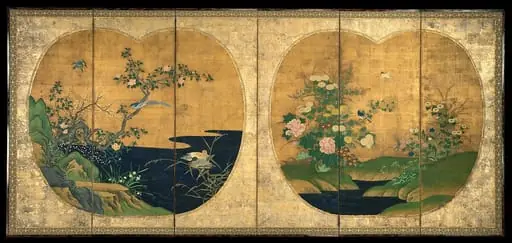 狩野周信筆 秋冬花鳥図屏風|Birds and Flowers of Autumn and Winter
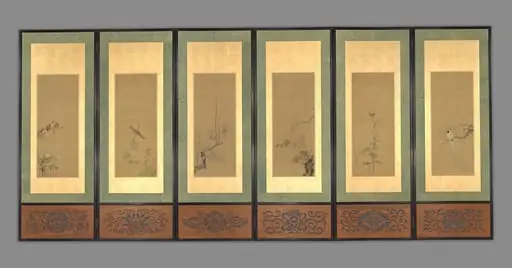 狩野探幽・狩野尚信・清原雪信 花鳥図屏風|Birds and Flowers
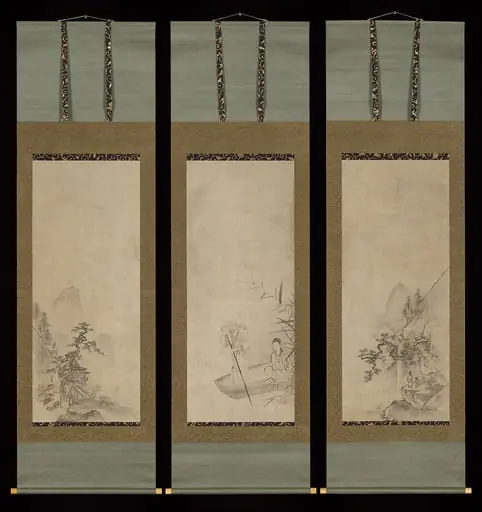 Untitled
 Flowers of All Seasons
 池田孤邨筆 四季花鳥画|Flowers and Birds of the Four Seasons
 Flowers and Grasses
 Flowers and Grasses
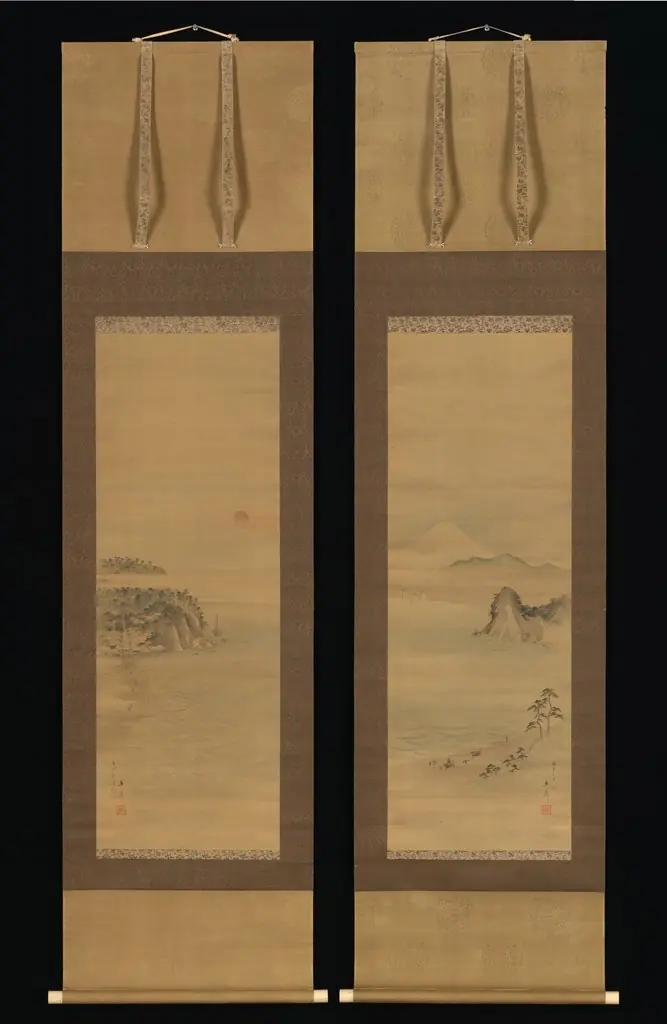 Shichirigahama and Enoshima
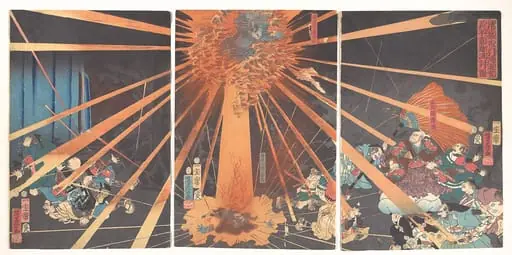 歌川芳房画 「清盛布引滝遊覧 義平霊難波討圖」|Kiyomori’s Visit to Nunobiki Waterfall: The Ghost of Yoshihira Taking Revenge on Nanba