Artwork
狩野常信筆 潇湘八景図巻|Eight Views of the Xiao and Xiang Rivers
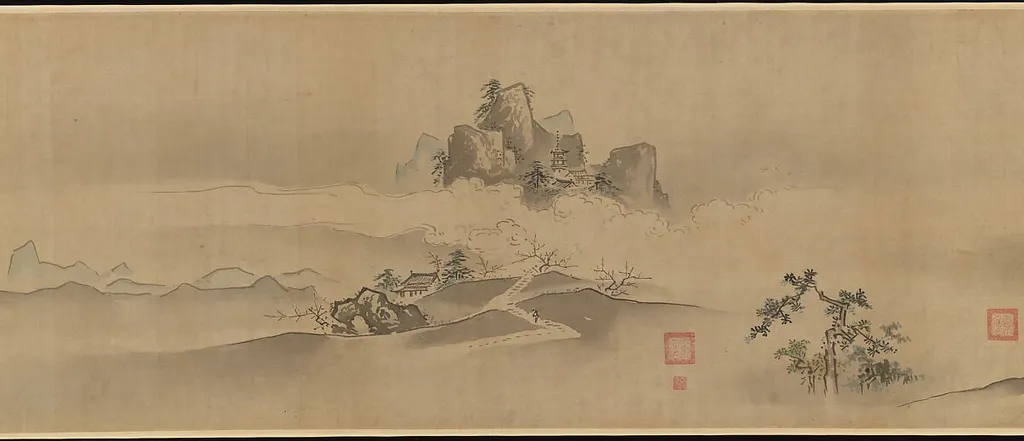
狩野常信筆 潇湘八景図巻|Eight Views of the Xiao and Xiang Rivers is an ink painting by the Baroque artist Kano Tsunenobu. It dates from 1674 and is held in the collection of the Metropolitan Museum of Art.
- Accession no.
- 26.146
- Credit line
- Purchase, Fletcher Fund and J. Pierpont Morgan Gift, 1926
About this work
Subject & Meaning
The work illustrates a series of mountainous and riverine scenes, embodying the classic genre of landscape painting.
Created in 1674 by Kanō Tsunenobu, this handscroll depicts the Eight Views of the Xiao and Xiang Rivers, a renowned landscape motif originating from Chinese poetry and painting traditions. The work illustrates a series of mountainous and riverine scenes, embodying the classic genre of landscape painting. While the specific iconography of each of the eight views is not detailed in the provided records, the subject matter focuses on natural scenery, specifically mountains and waters, rendered in ink and color on silk.
As a Japanese interpretation of this celebrated theme, the scroll represents the continuation of East Asian landscape traditions within the Kano school during the Edo period, emphasizing the aesthetic appreciation of nature.
Technique & Style
Created in 1674, the Eight Views of the Xiao and Xiang Rivers is executed as a handscroll on silk. The artist, Kano Tsunenobu, employed ink and color to render the landscape, utilizing the traditional medium and support characteristic of Japanese painting of the period. The work depicts mountainous terrain and riverine scenes within the landscape genre.
While specific details regarding the brushwork handling, current physical condition, or precise stylistic nuances of the ink application are not detailed in the available records, the formal classification identifies the piece as a painted landscape. The integration of color with ink on the silk support defines the material composition of this handscroll.
History & Provenance
Executed in 1674 in Japan, the handscroll Kano Tsunenobu titled 狩野常信筆 潢湘八景図巻 (Eight Views of the Xiao and Xiang Rivers) was painted in ink and color on silk. The work belongs to the landscape genre and depicts eight riverine scenes. It entered the collection of the Metropolitan Museum of Art, where it remains on view.
The painting’s creation history is documented through its dated inscription and the artist’s established practice of producing large-scale decorative scrolls for elite patrons. Its provenance is traced through the museum’s acquisition records, confirming continuous ownership since its acquisition.
Context
The handscroll by Kano Tsunenobu, dated 1674, exemplifies the Kanō school’s integration of Chinese-inspired scenery with Japanese decorative sensibility, situating the work within the artist’s broader practice of landscape subjects. As part of the Metropolitan Museum of Art’s collection, the piece has been referenced in scholarly discussions of Edo‑period visual culture, underscoring its role in the development of Japanese landscape painting. The depiction of mountainous terrain aligns with the genre’s conventions and reflects contemporary aesthetic interests, making the scroll a key reference point for studies of artistic exchange between China and Japan during the seventeenth century.
Overview
Kano Tsunenobu's Eight Views of the Xiao and Xiang Rivers, created in 1674, is a handscroll rendered in ink and color on silk. This painting presents a series of landscape scenes, capturing the atmospheric beauty of the Xiao and Xiang river regions. It is designed to be experienced sequentially, unfolding a narrative of natural vistas as the scroll is gradually unrolled.
Artist & collection

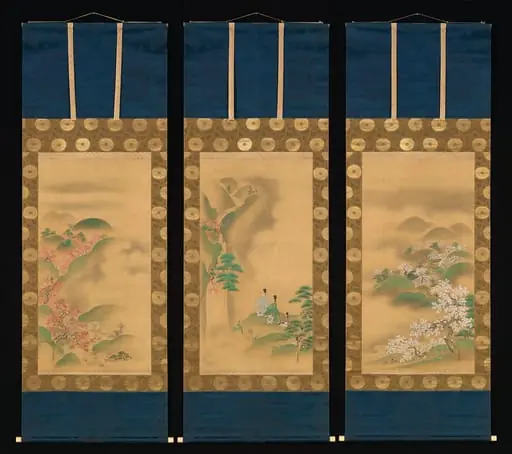
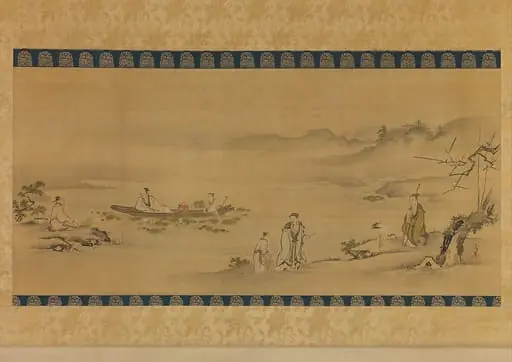
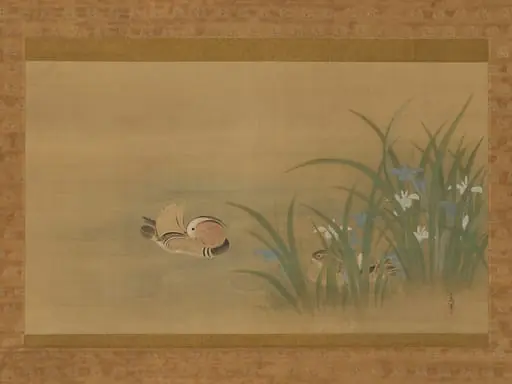
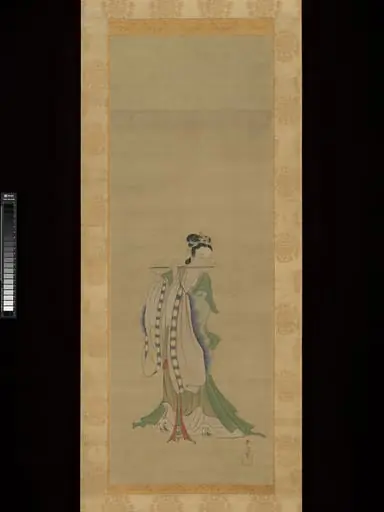
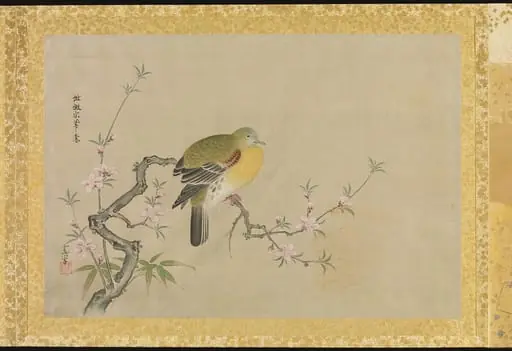
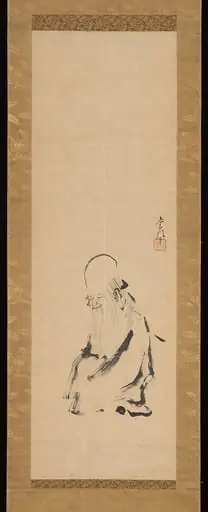
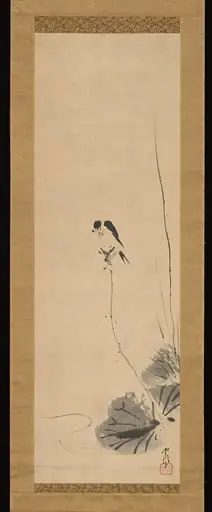
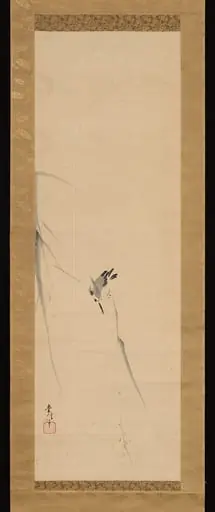
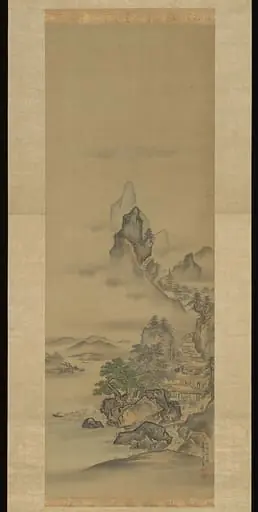 狩野探水守常筆 蓬莱山・瀟湘八景図|Mount Penglai with Eight Views of Xiao and Xiang
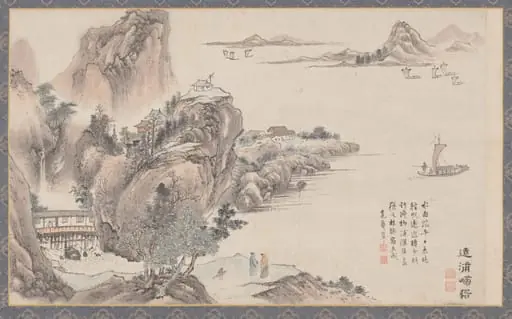 Returning Sails off a Distant Shores, from Eight Views of Xiao-Xiang
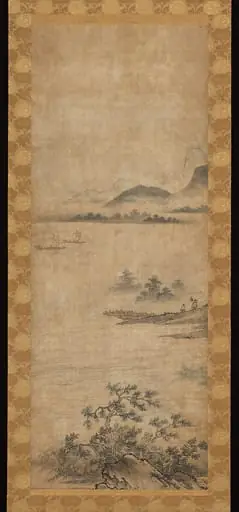 瀟湘八景図|Eight Views of the Xiao and Xiang Rivers
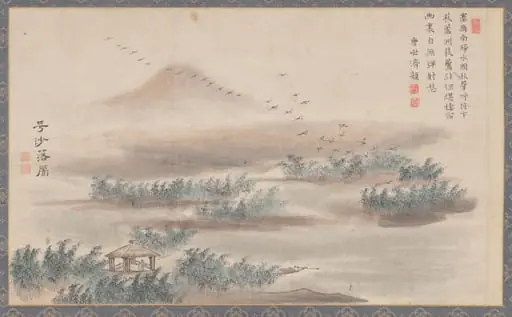 Wild Geese Descending on a Sandbar, from Eight Views of Xiao-Xiang
 明 佚名 舊傳夏珪 長江萬里圖 卷 (後半)|Second half of Ten Thousand Li of the Yangzi River
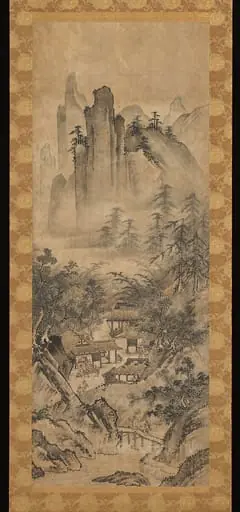 瀟湘八景図|Eight Views of the Xiao and Xiang Rivers
 明 佚名 舊傳夏珪 長江萬里圖 卷 (前半) |First half of Ten Thousand Li of the Yangzi River