Artwork
Tenjin Traveling to China
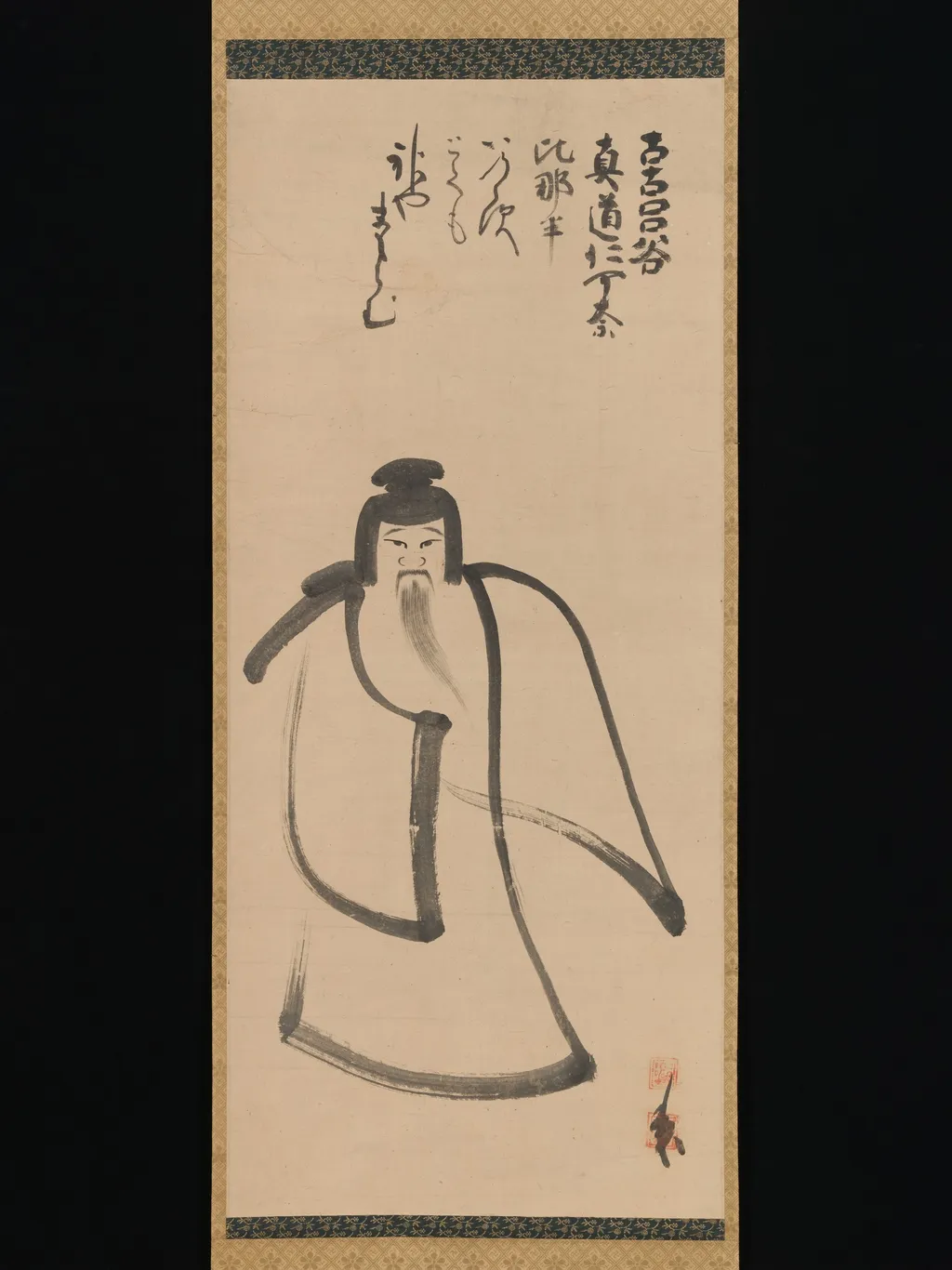
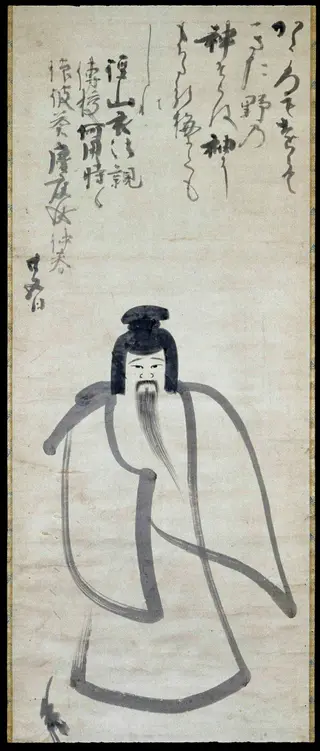
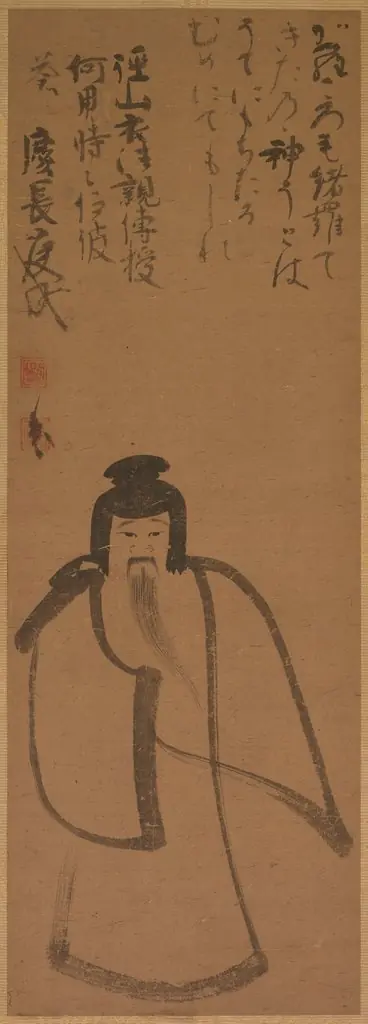
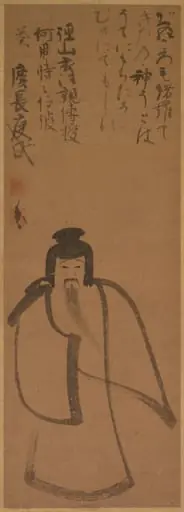
Tenjin Traveling to China is an unspecified painting by the Nanga artist Konoe Nobutada. It dates from 1594 and is held in the collection of the Metropolitan Museum of Art.
About this work
History & Provenance
No further details regarding its commission, earlier ownership history, or specific circumstances of its creation are provided in the available sources.
Created in 1586 in Japan, this painting is attributed to the Japanese artist Konoe Nobutada. The work, titled Tenjin Traveling to China, dates specifically to that year according to institutional records. It is currently held in the collection of the Metropolitan Museum of Art, where it has been cataloged as part of their holdings.
No further details regarding its commission, earlier ownership history, or specific circumstances of its creation are provided in the available sources.
Tenjin Traveling to China is held by the Metropolitan Museum of Art, where it is catalogued under the accession number 2015.300.72. The painting, a work by Konoe Nobutada dated 1586, entered the museum's collection as part of its holdings of Japanese paintings. No further details about its acquisition circumstances or prior exhibition history are documented in the available sources.
Overview
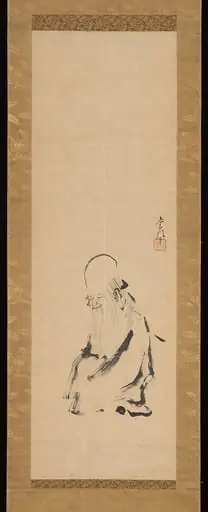
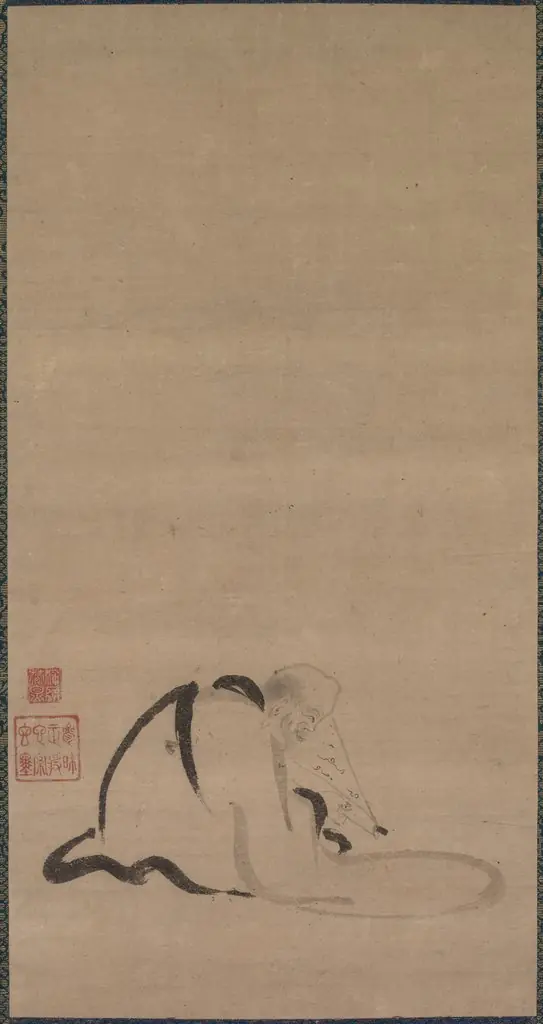
Tenjin Traveling to China is a painted work executed in 1594 by the Japanese court painter Konoe Nobutada. The composition centers on a solitary figure rendered in a stark, almost empty field, and the piece is part of the collection of the Metropolitan Museum of Art in New York.
Subject & Meaning
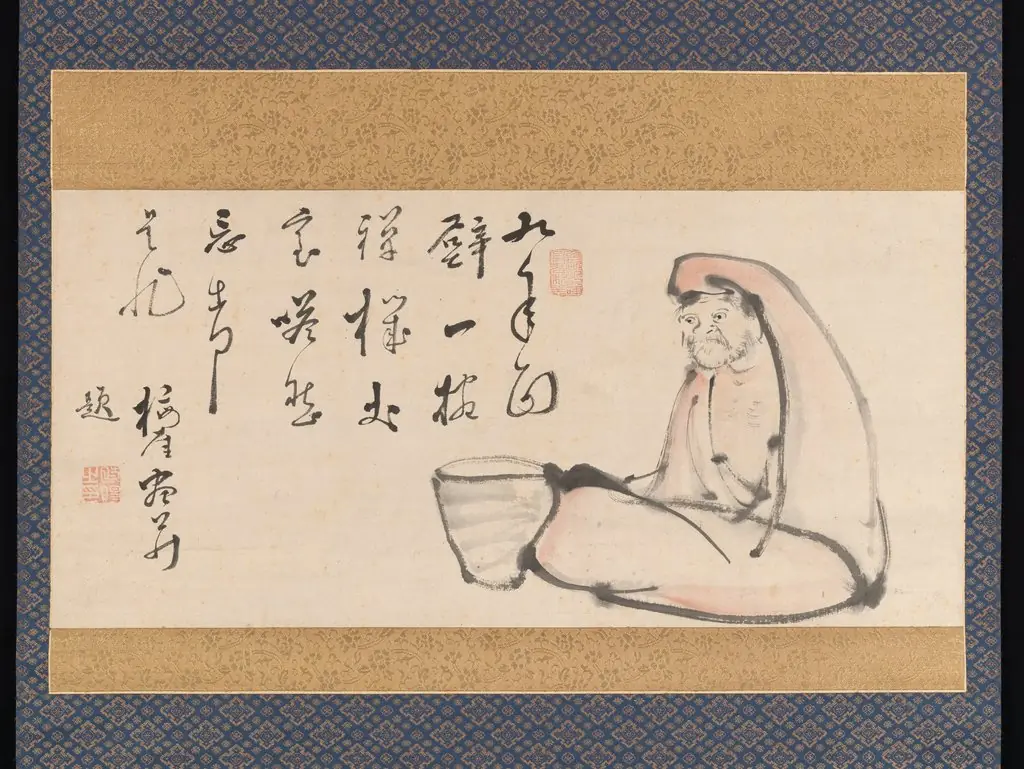
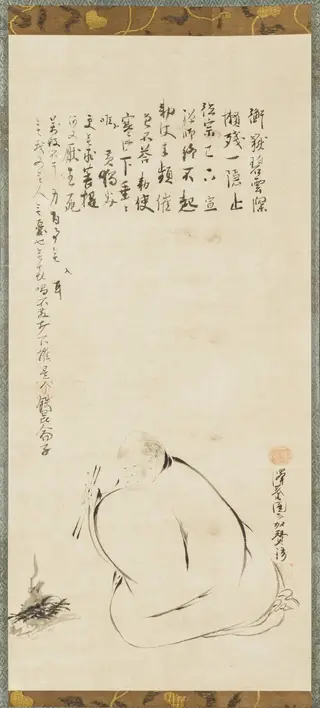
The image presents a slender, upright man dressed in unadorned robes, clutching a long staff. He wears a rounded face, a short beard, and a black hat, suggesting the identity of a traveling scholar or envoy, a motif linked to the legendary deity Tenjin’s mythic journey to China.
Technique & Style
Nobutada employs confident, bold brushwork, defining the figure with thick, black lines that contrast sharply against the minimal background. The deliberate omission of detail in the surrounding space focuses attention on the solitary figure, a stylistic choice that underscores the painting’s contemplative atmosphere.
Own this work as a print
Artist & collection