Artwork
Tenjin Traveling to China
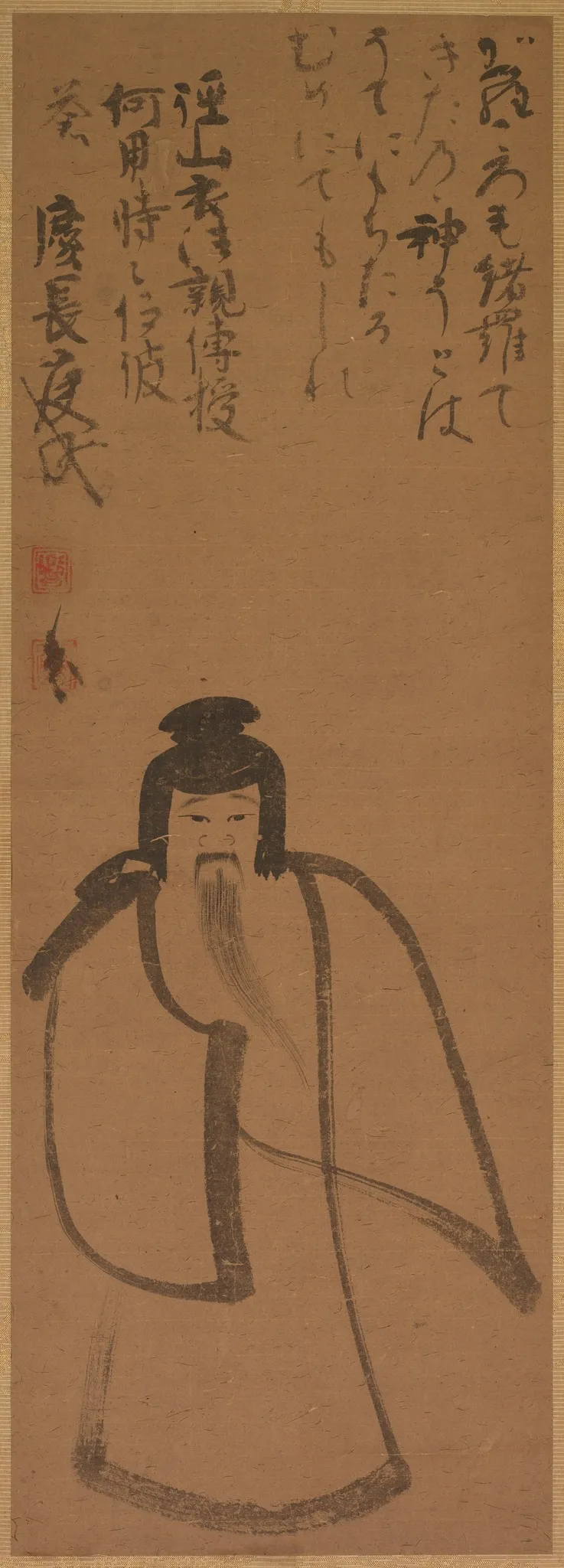
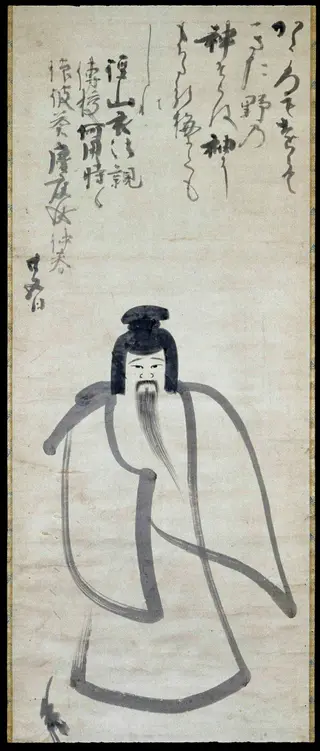
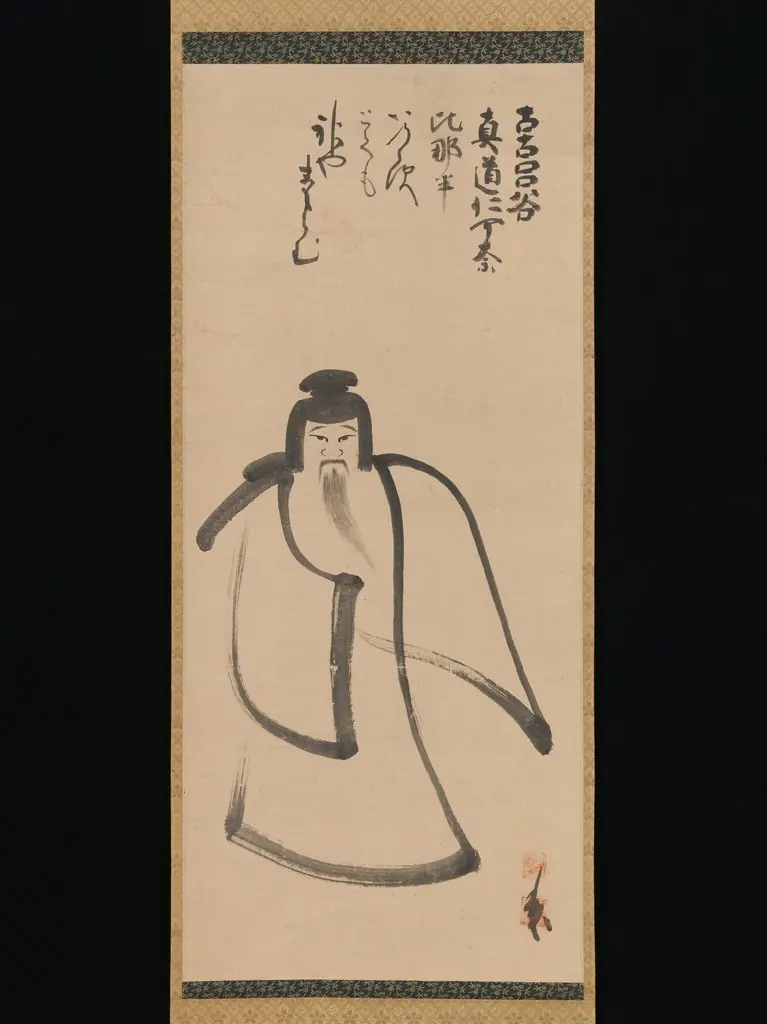
Tenjin Traveling to China is an unspecified painting by the Yōga artist Konoe Nobutada. It dates from 1610 and is held in the collection of the Cleveland Museum of Art.
About this work
History & Provenance
The Tenjin Traveling to China by Konoe Nobutada is held in the collection of the Cleveland Museum of Art, where it is recorded under accession number 2015.
The painting Tenjin Traveling to China was created in 1610 by the Japanese artist Konoe Nobutada (1565–1614). Executed in Japan, the work dates to the early seventeenth century, specifically the year of the artist's death. The piece is currently part of the collection at the Cleveland Museum of Art, where it is cataloged under the accession number 2015.456. This acquisition represents a significant holding of Japanese painting from the Muromachi to Edo transition period.
The Tenjin Traveling to China by Konoe Nobutada is held in the collection of the Cleveland Museum of Art, where it is recorded under accession number 2015.456.
The painting was exhibited at the Cleveland Museum of Art in the exhibition "Japanese Art from the Cleveland Museum of Art," held from October 16, 2016, to January 8, 2017.
Overview
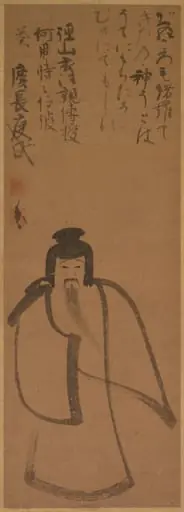
Created in 1610 by the Japanese painter Konoe Nobutada, the work titled Tenjin Traveling to China is part of the collection of the Cleveland Museum of Art. The painting presents a solitary figure rendered in a restrained palette, set against a muted, light‑brown ground that emphasizes the subject’s dignified presence.
Subject & Meaning
The central figure is a bearded man dressed in traditional Japanese court attire, his long white beard and black hat marking him as a person of status. His calm expression and composed posture convey an air of serenity, suggesting a contemplative journey or spiritual pilgrimage rather than a literal travel narrative.
Technique & Style
Nobutada employs bold, confident brushstrokes and a limited range of pigments, focusing on ink and subtle washes of brown. The loose robe with wide sleeves and the hand concealed within the sleeve are delineated with minimal detail, reflecting the artist’s preference for simplicity that nonetheless conveys elegance and refined movement.
Context
Konoe Nobutada was active during a time when Japanese court painters were integrating Chinese literary themes with native aesthetic values. The title alludes to the deity Tenjin, traditionally associated with scholarship, embarking on a journey to China, a motif that reflects the cultural exchange and reverence for learning prevalent in early 17th‑century Japan.
Artist & collection