Artwork
"Convenience in Drawing Water" from Jūben (Ten Conveniences); "Pleasure of Dawn" from Jūgi (Ten Pleasures)
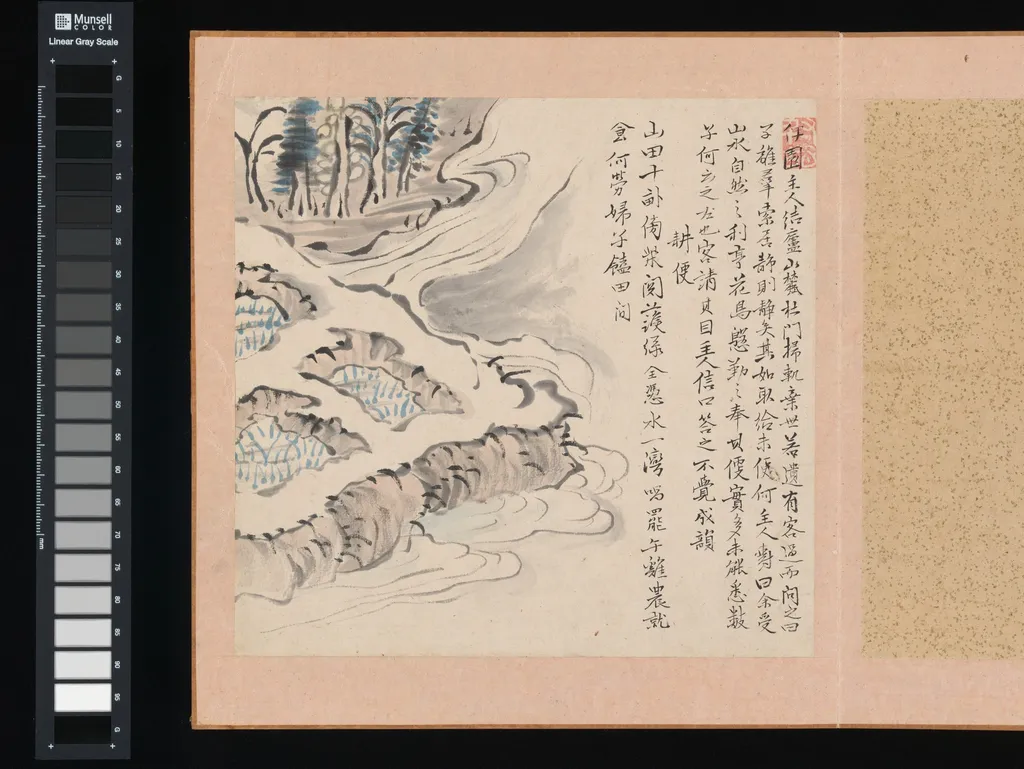
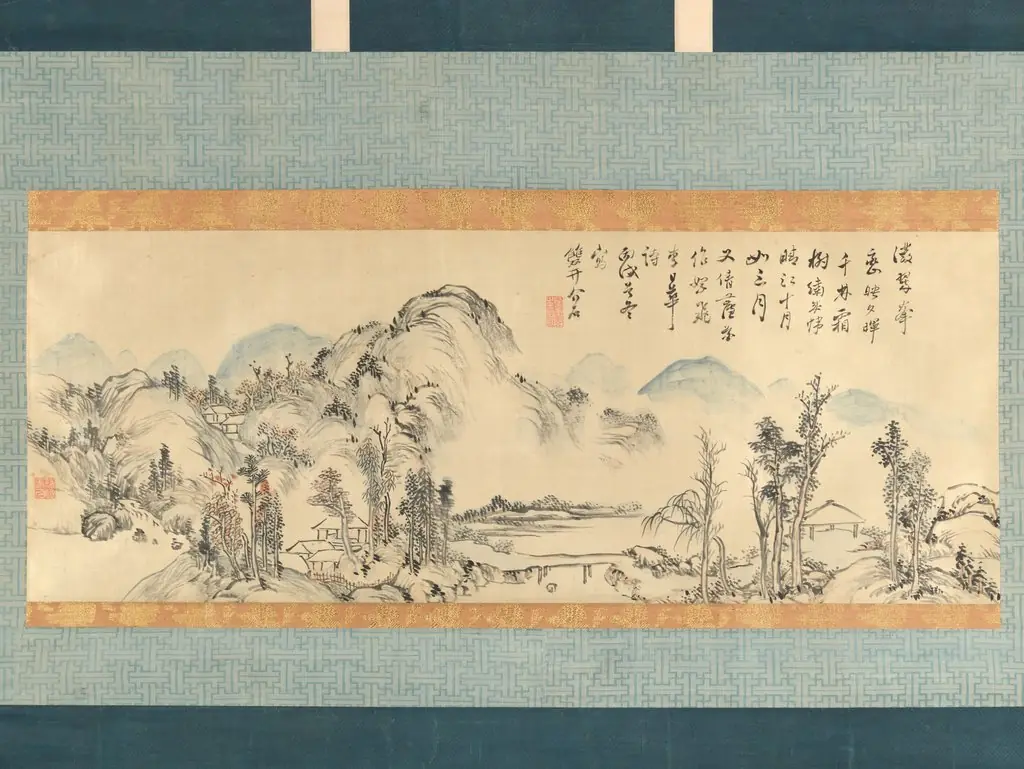
"Convenience in Drawing Water" from Jūben (Ten Conveniences); "Pleasure of Dawn" from Jūgi (Ten Pleasures) is an unspecified painting by the Nanga artist Totoki Baigai. It dates from 1800 and is held in the collection of the Metropolitan Museum of Art.
About this work
Subject & Meaning
Specifically, the imagery centers on a man engaged in daily activities within these settings.
The works "Convenience in Drawing Water" from the Jūben (Ten Conveniences) series and "Pleasure of Dawn" from the Jūgi (Ten Pleasures) series by Totoki Baigai depict landscapes that focus on human interaction with the natural environment. Specifically, the imagery centers on a man engaged in daily activities within these settings. The titles suggest an exploration of the aesthetic and practical values found in routine tasks, such as drawing water, and the appreciation of natural moments, like the break of dawn.
As landscape paintings created in 1800 in Japan, these pieces represent a genre interest in finding pleasure and convenience within the ordinary rhythms of life.
History & Provenance
The two paintings "Convenience in Drawing Water" from the series Jūben (Ten Conveniences) and "Pleasure of Dawn" from the series Jūgi (Ten Pleasures) were created by the artist Totoki Baigai in 1800, as recorded in the work's cataloguing data. They are classified as landscape paintings and were produced in Japan. Both works are now held in the collection of the Metropolitan Museum of Art.
The available sources do not provide further details regarding the original commission, intermediate ownership, or acquisition history of the pair.
Overview
This painting by Totoki Baigai, created in 1800, is titled "Convenience in Drawing Water" and "Pleasure of Dawn." It belongs to a larger set of works known as Jūben (Ten Conveniences) and Jūgi (Ten Pleasures). The artwork presents a serene landscape scene, focusing on a solitary figure engaged in a common daily activity. It is currently part of the collection at The Metropolitan Museum of Art.
Technique & Style
Baigai employed a restrained palette, primarily utilizing soft grays and blues to create a subdued atmosphere. The artist's brushwork is characterized by quick, loose strokes, particularly evident in rendering the water and the figure's movement. Flowing lines define the forms, contributing to the painting's dynamic yet understated quality.
Integrated into the right side of the composition is text, likely a poem or explanatory notes, which adds a literary dimension to the visual narrative.
Own this work as a print
Artist & collection

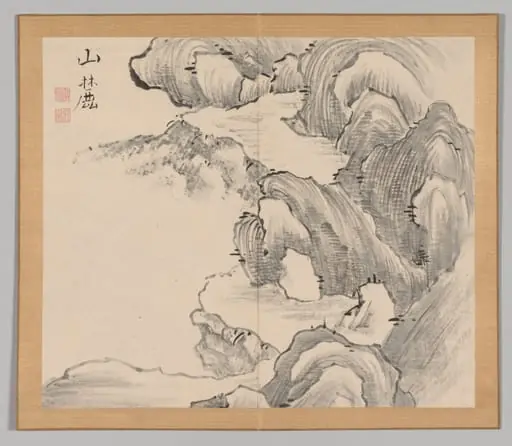
- Reverberations of Taiga, Volume 1 (leaf 28)
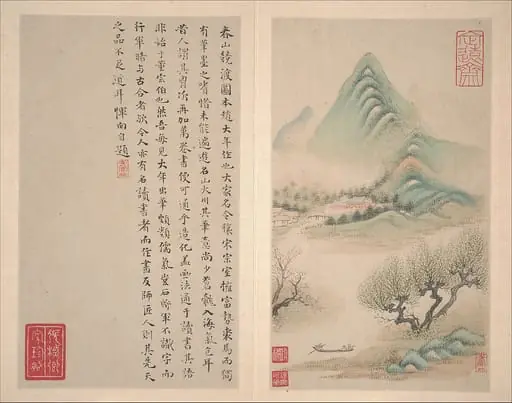 明/清 惲向 仿古山水圖 冊 紙本|Landscapes after old masters
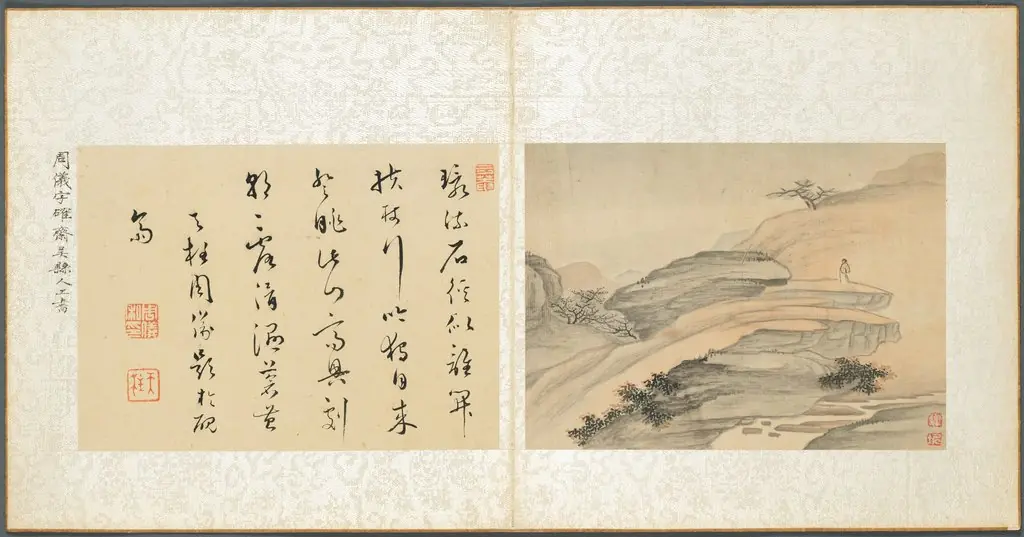 Album of Miscellaneous Subjects, Leaf 5
 Painting Eight from Album of Paintings by Haizan
 Painting Two from Album of Paintings by Haizan
 Reverberations of Taiga, Volume 1 (leaf 11)
 Album of Miscellaneous Subjects, Leaf 3
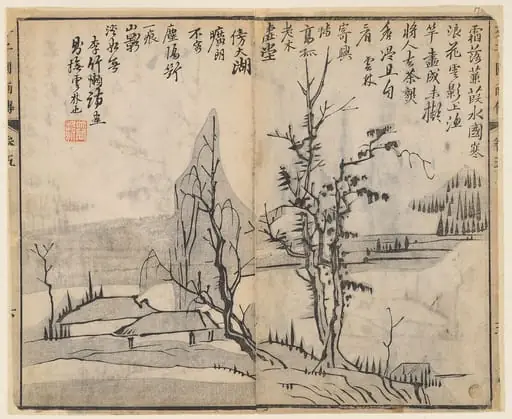 清 王槩 畫圖、李漁出版 《芥子園畫傳》 木版畫|Page from the Mustard Seed Garden Manual of Painting
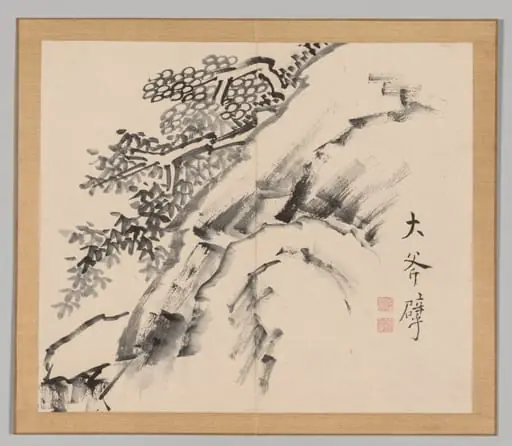 Reverberations of Taiga, Volume 1 (leaf 9)
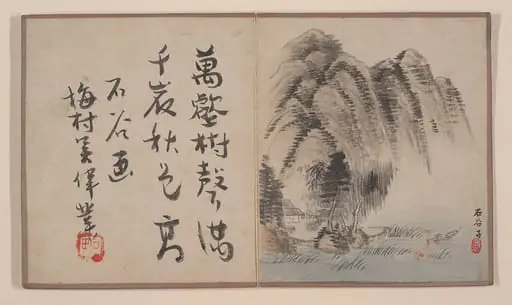 Untitled
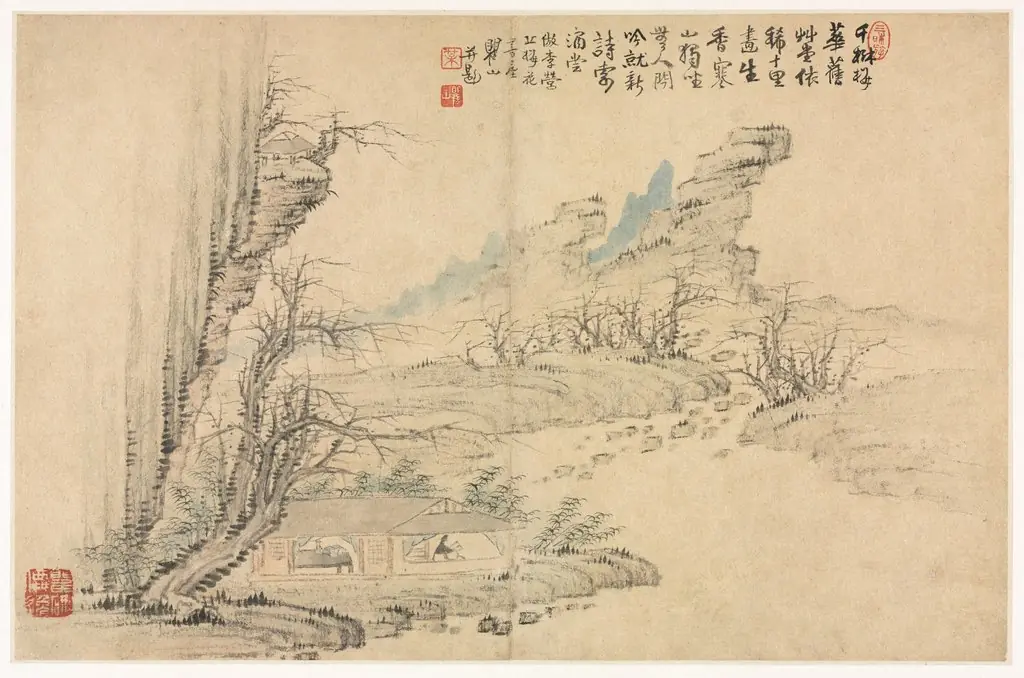 Landscapes in Various Styles after Old Masters
 Green Peaks