Artwork
The Nativity

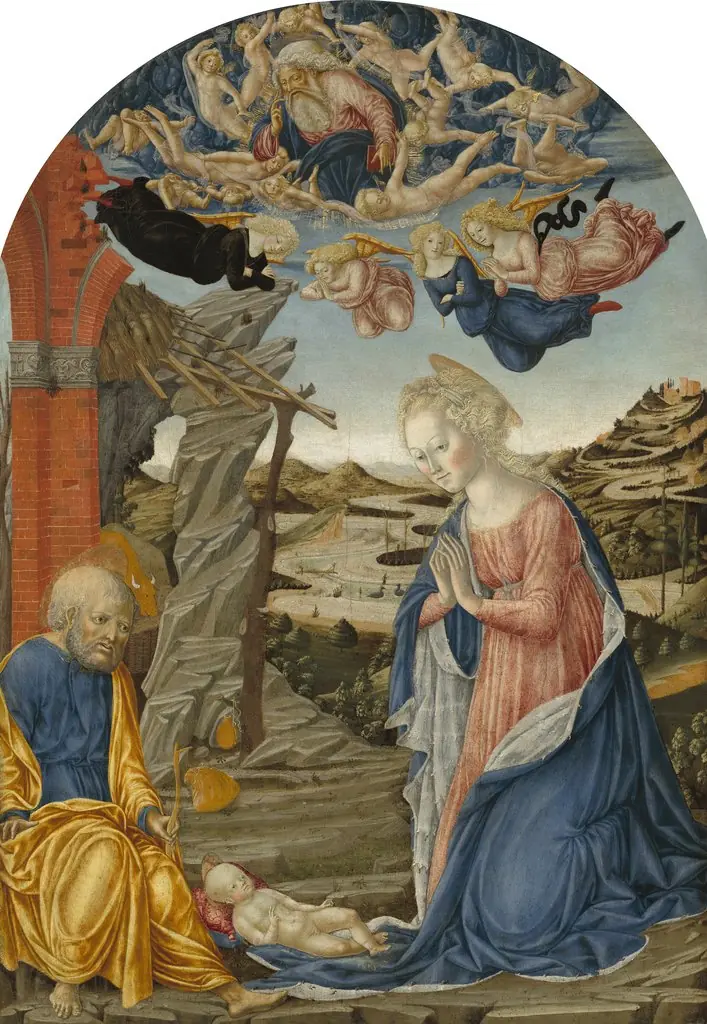
The Nativity is an oil painting by the Early Renaissance artist Filippo, Fra Lippi. It dates from 1445 and is held in the collection of the National Gallery of Art.
About this work
Subject & Meaning
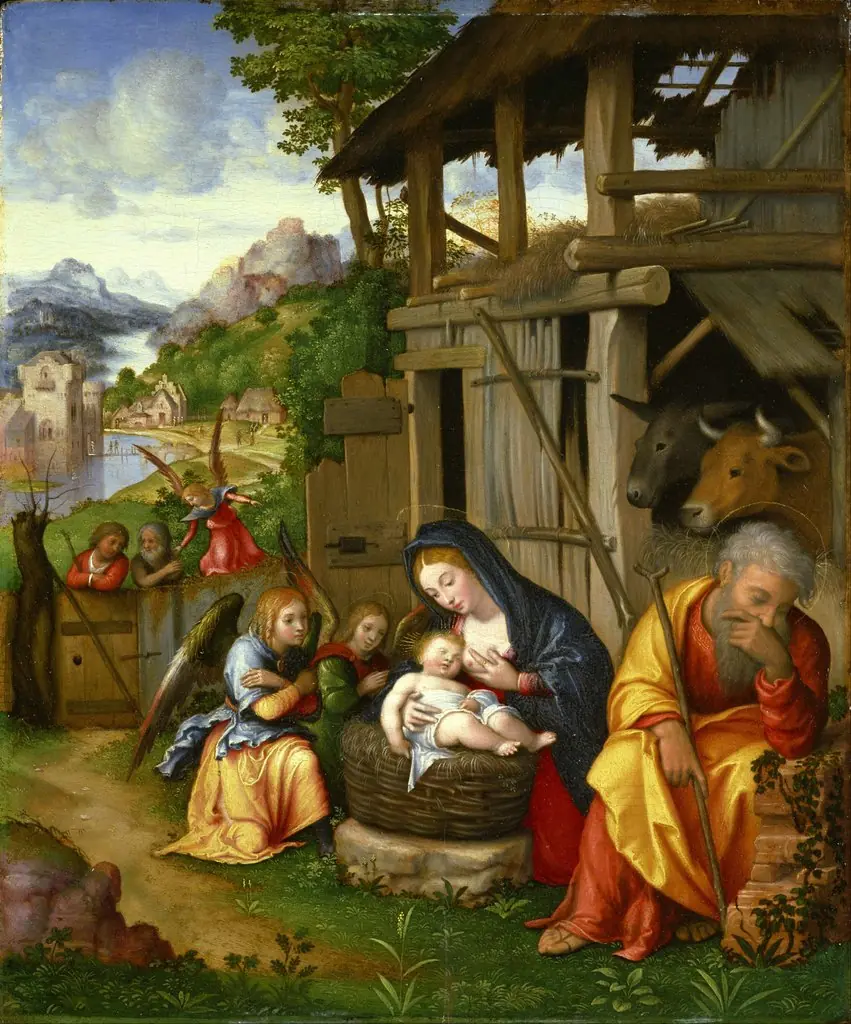
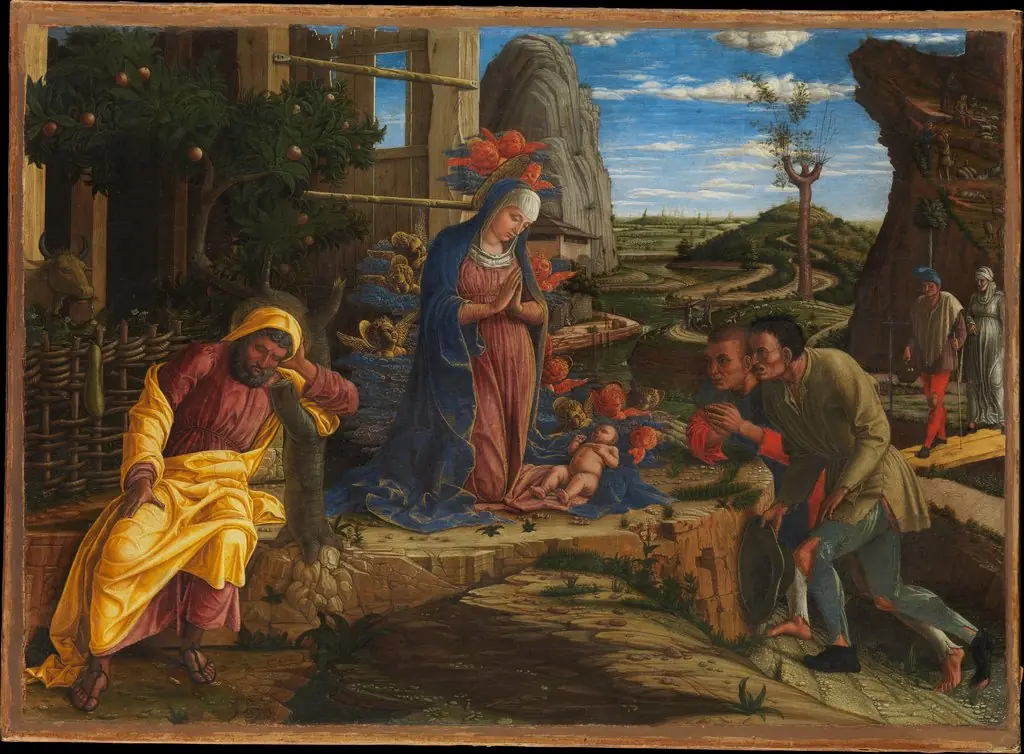
Fra Filippo Lippi’s The Nativity (1455) depicts the birth of Jesus Christ, adhering to traditional Christian iconography of the Nativity scene.
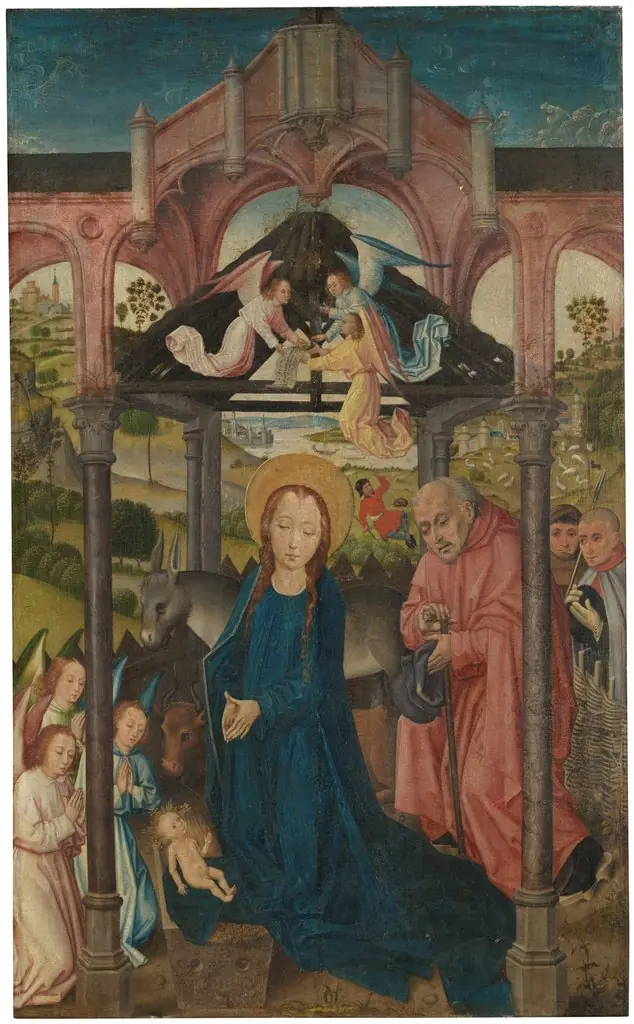
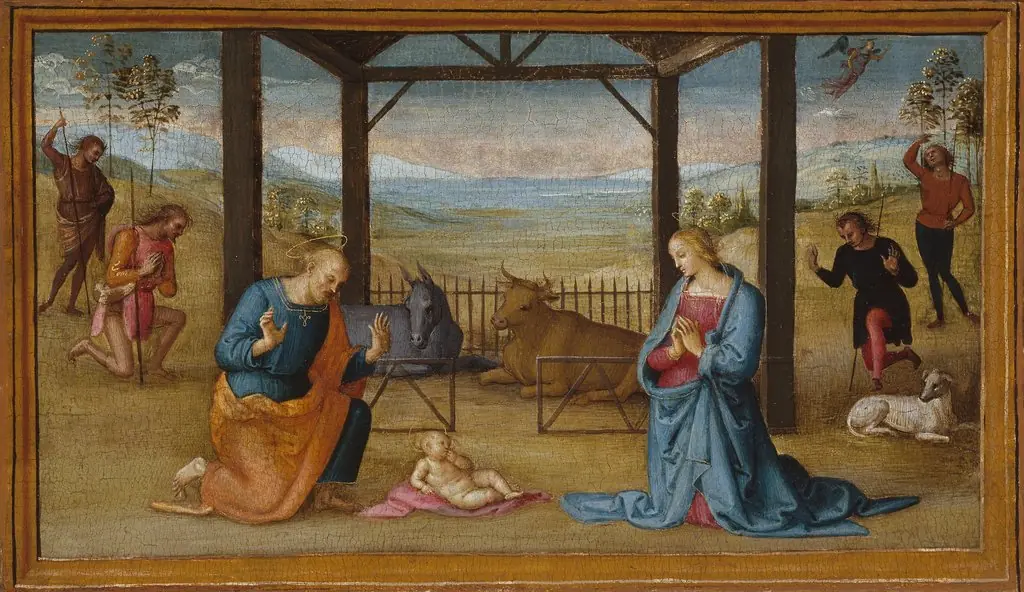
Fra Filippo Lippi’s The Nativity (1455) depicts the birth of Jesus Christ, adhering to traditional Christian iconography of the Nativity scene. The work centers on the Christ Child, flanked by the Virgin Mary and Saint Joseph, as identified in contemporary records (1, 2). The composition reflects core religious symbolism: the Christ Child embodies divine incarnation, Mary signifies maternal devotion and purity, and Joseph represents humility and protection.
The scene’s intimate setting, often interpreted as a stable or humble shelter, reinforces the theological themes of humility and divine accessibility, central to the Nativity narrative. By emphasizing these figures, Lippi conveys the foundational Christian doctrine of the Incarnation, where the divine enters the human realm.
History & Provenance
Created by Fra Filippo Lippi in 1455, this tempera and oil painting on panel depicts the Nativity. The work's documented ownership begins with the collection of the Comtesse De Lezze in Nice, though further details regarding this specific holding remain unverified. In October 1937, the painting was sold by Count Alessandro Contini Bonacossi of Florence to the Samuel H. Kress Foundation in New York.
This transaction, dated October 20, 1937, included the work alongside several other paintings. Two years later, in 1939, the Kress Foundation donated the piece to the National Gallery of Art in Washington, D.C., where it remains part of the Samuel H. Kress Collection.
Overview
This small panel painting, titled The Nativity, depicts a central moment in Christian theology. Executed in oil and possibly tempera on wood, the composition centers on the Virgin Mary in devotion beside the infant Christ. An angel hovers above, holding a scroll, while Saint Joseph occupies the background, warming himself by a small fire. The work exemplifies Fra Filippo Lippi's approach to sacred narrative.
Technique & Style
The painting's execution, possibly combining oil and tempera on panel, reflects characteristics of Fra Filippo Lippi's early artistic period. The artist demonstrates a particular sensitivity in rendering light, notably evident in the gentle illumination of the Virgin Mary's face. This careful attention to light and form contributes to the work's intimate and contemplative atmosphere, typical of the artist's devotional commissions.
Artist & collection