Artwork
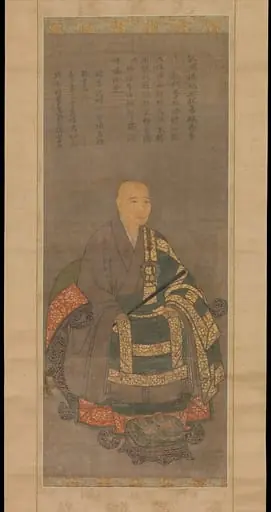
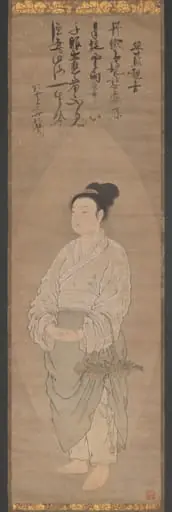
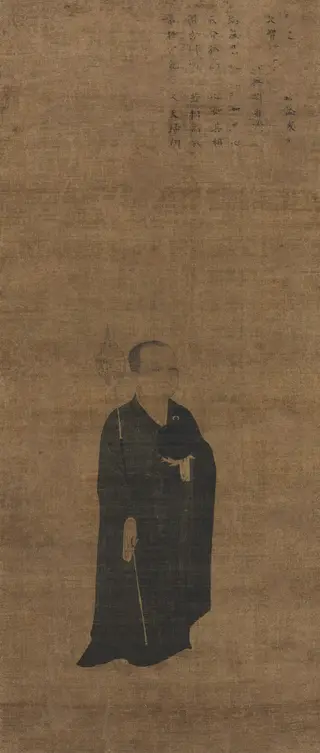
Portrait of Priest Dazhi (1048–1116), Master of Law
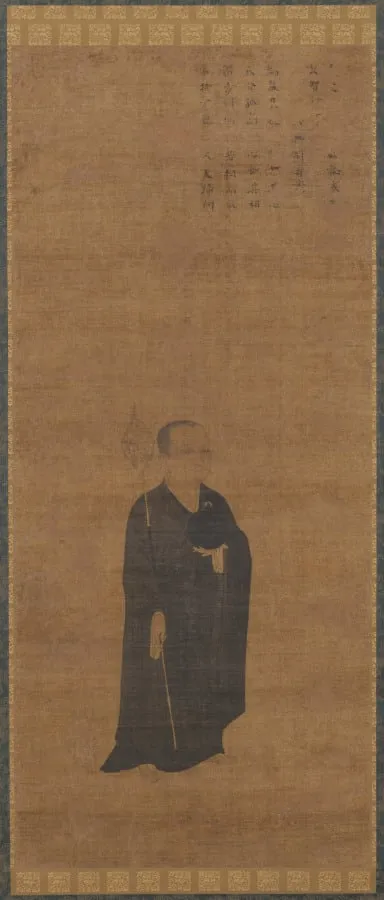
Portrait of Priest Dazhi (1048–1116), Master of Law is an unspecified painting by the Song dynasty painting artist Liu Tao. It is held in the collection of the Cleveland Museum of Art.
- Accession no.
- 1974.29
- Credit line
- Purchase from the J. H. Wade Fund
About this work
It’s rare to see a portrait of a Buddhist teacher from this time, especially one that feels so personal.
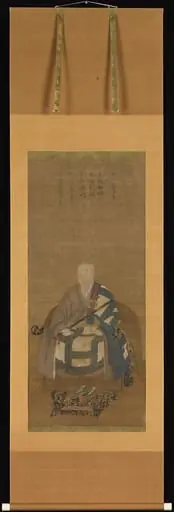
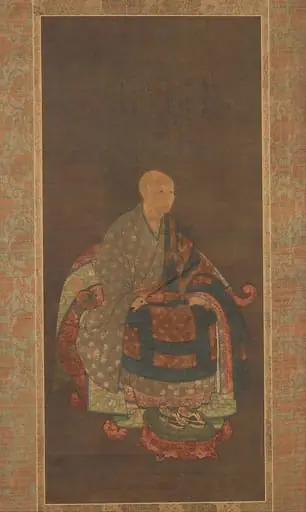
You see an old monk in a dark robe holding a bowl and a walking stick. His face is calm, almost smiling.
This painting was made after the monk died. The emperor gave him a special title, and the artist included it in the picture. It’s rare to see a portrait of a Buddhist teacher from this time, especially one that feels so personal.
If you like this quiet style, look up china, southern song dynasty (1127-1279) to see more.
Overview
This ink-on-paper portrait depicts the Buddhist monk Yuanzhao, posthumously honored as Dazhi Lüshi, a revered master of the Vinaya tradition. Painted after his death in 1116, it was likely commissioned following his 1142 imperial title grant. The work stands as a rare surviving example of a Southern Song-era monastic portrait, blending solemnity with intimate observation, and includes a later inscription by Liu Tao of Changxing.
Subject & Meaning
Yuanzhao is portrayed not as a ceremonial figure but as a wandering ascetic, staff and alms bowl in hand, embodying the Vinaya ideal of simplicity and discipline. His calm, nearly smiling expression suggests inner peace rather than outward piety. The inscription contrasts his unassuming demeanor with spiritual authority, portraying him as both humble and boundless, free from attachment, yet a refuge for both humans and divine beings.
Technique & Style
Rendered in restrained ink washes, the painting emphasizes subtle tonal variations over bold lines. The monk’s robe falls in soft, folded planes, while his face is delicately modeled with fine brushwork to convey age and serenity. The composition is sparse, focusing entirely on the figure against a blank ground, a hallmark of Southern Song monastic portraiture that prioritizes inner presence over environmental context.
History & Provenance
The portrait was created after Yuanzhao’s death, with the imperial posthumous title added to the inscription, likely by Liu Tao, a scholar from Changxing. The inclusion of this honorific confirms the painting’s commemorative purpose and ties it to court-sanctioned veneration. Its survival suggests it was preserved within monastic or scholarly circles, possibly as a devotional object or teaching aid.
Context
During the Southern Song dynasty, monastic figures like Yuanzhao gained renewed prestige as centers of Buddhist learning shifted southward after the fall of Kaifeng. Portraits of revered monks were uncommon, making this work exceptional. It reflects a growing trend of honoring individual teachers through visual representation, aligning with Confucian and Chan ideals of personal virtue and quiet authority.
Legacy
The portrait exemplifies how Southern Song artists translated spiritual ideals into understated visual forms. Its quiet realism and textual integration influenced later Chan Buddhist portraiture, particularly in Japan. As one of the few surviving monastic portraits from the period, it remains a key reference for understanding the intersection of religious devotion, imperial recognition, and artistic restraint in medieval China.
Artist & collection
Artist
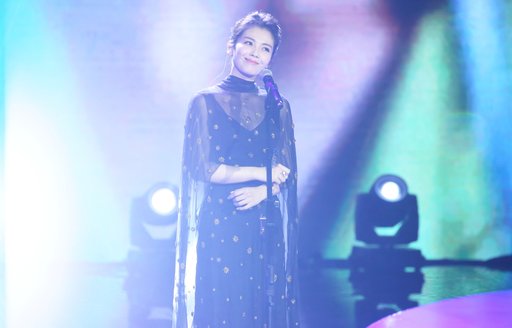
Liu Tao is a Chinese actress. She is known for her roles in My Fair Princess III (2003), Madame White Snake (2006), Mazu (2012), To Elderly With Love (2013), Nirvana in Fire (2015), Legend of Mi Yue (2015), and Ode to Joy (2016).