Artwork
The Game of the Cooking Pot
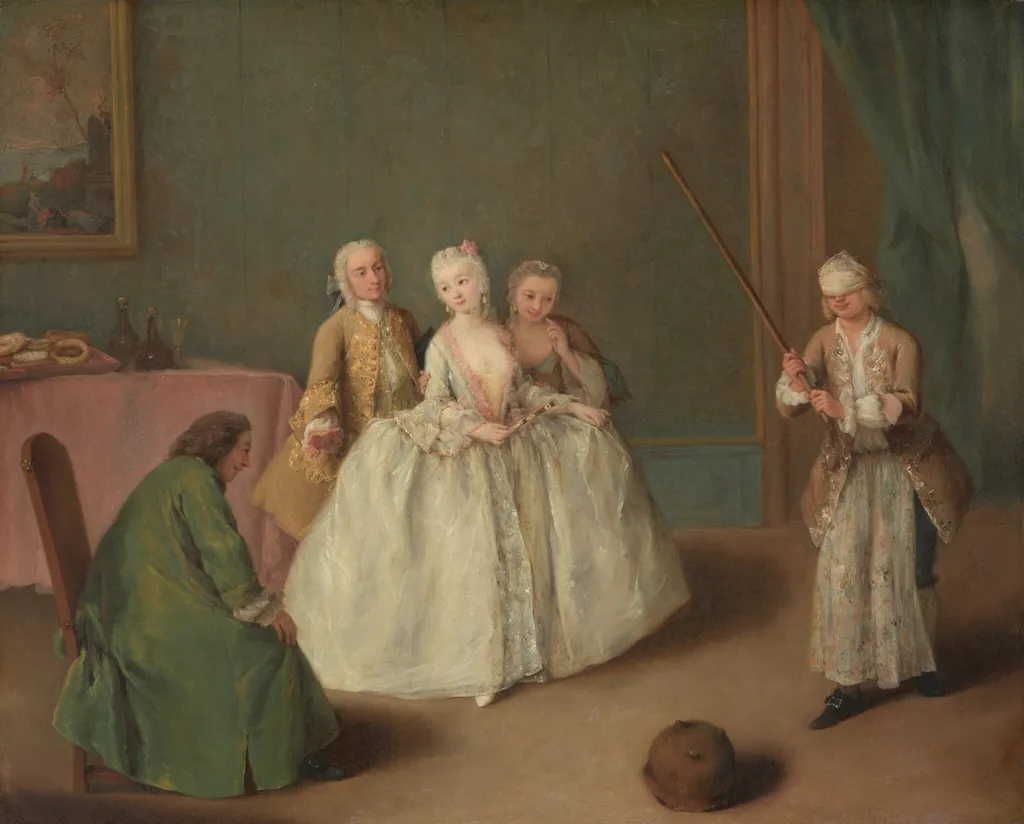
The Game of the Cooking Pot is an oil painting by the Baroque artist Pietro Longhi. It dates from 1744 and is held in the collection of the National Gallery of Art.
About this work
Technique & Style
Longhi's handling reflects his characteristic attention to the textures and details of everyday Venetian life.
The Game of the Cooking Pot is an oil painting on canvas, the medium and modest format (49.9 by 61.7 cm) consistent with Pietro Longhi's small-scale genre scenes. Longhi's handling reflects his characteristic attention to the textures and details of everyday Venetian life. The work belongs to the Samuel H. Kress Collection at the National Gallery of Art, Washington, D.C., having been acquired by the Kress Foundation in 1931 and gifted to the Gallery in 1939.
History & Provenance
Dated 1744, The Game of the Cooking Pot belongs to Longhi's early maturity within Venetian genre painting. It was in the collection of Prince Alberto Giovanelli in Venice by 1896 and remained there until about 1930. It then passed through Count Alessandro Contini Bonacossi in Rome, who sold it in 1931 to the Samuel H. Kress Foundation in New York.
The Foundation donated the work to the National Gallery of Art, Washington, D.C., in 1939 (accession 1939.1.135), where it remains as part of the Kress Collection.
Overview
Pietro Longhi’s oil on canvas, The Game of the Cooking Pot, dates to around 1744. The work belongs to the genre‑painting tradition, depicting a domestic interior populated by elegantly dressed figures engaged in a leisurely gathering. The composition is set in a richly appointed room, its walls adorned with dark‑toned paintings and a polished floor that reflects the scene’s subdued lighting.
Subject & Meaning
Five individuals occupy the space: two women in light, translucent gowns, one fanning herself while the other glances downward, and three men, two in gold‑trimmed attire standing beside the women, and a third kneeling in a green coat, clutching a small object. The arrangement suggests a convivial moment, perhaps a game or social pastime centered on the cooking pot, highlighting the interplay of gendered roles in Venetian leisure.
Context
The painting reflects mid‑18th‑century Venetian society, where affluent households often staged informal gatherings that blended entertainment with culinary display. Longhi’s focus on everyday moments aligns with the period’s interest in genre scenes that documented the customs and fashions of the city’s upper class, offering a window into contemporary domestic culture.
Own this work as a print
Artist & collection


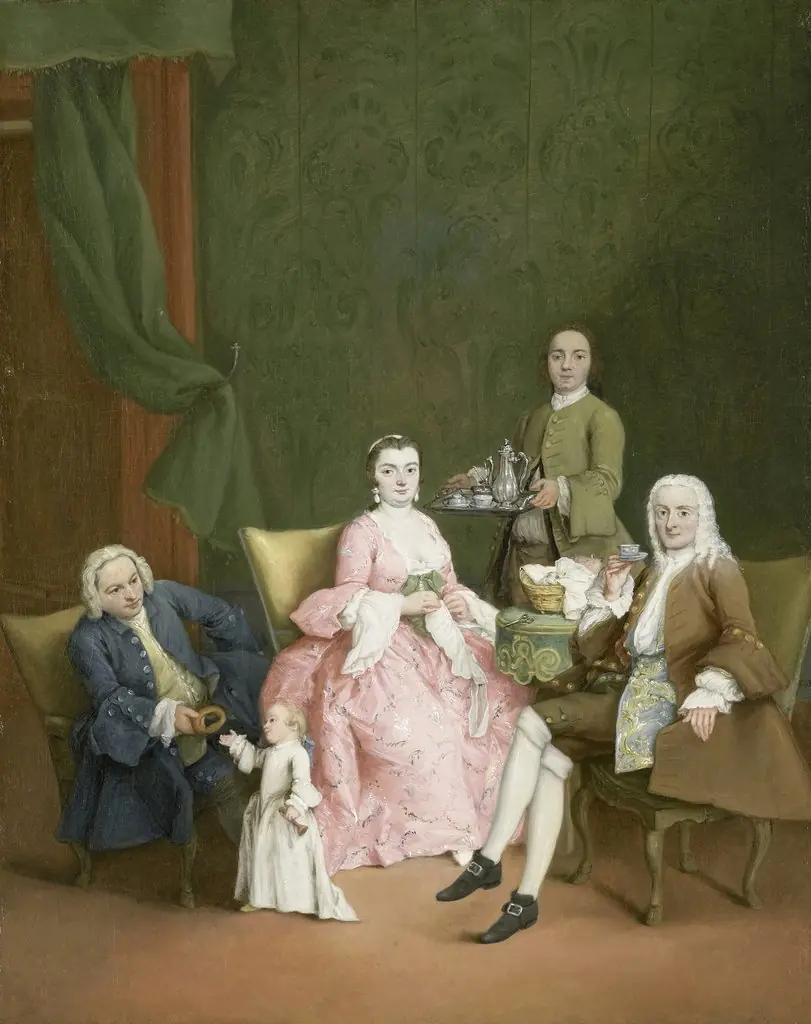
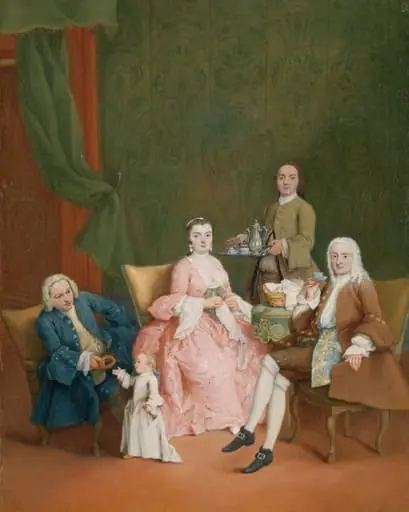
- Portrait of a Venetian Family with a Manservant Serving Coffee
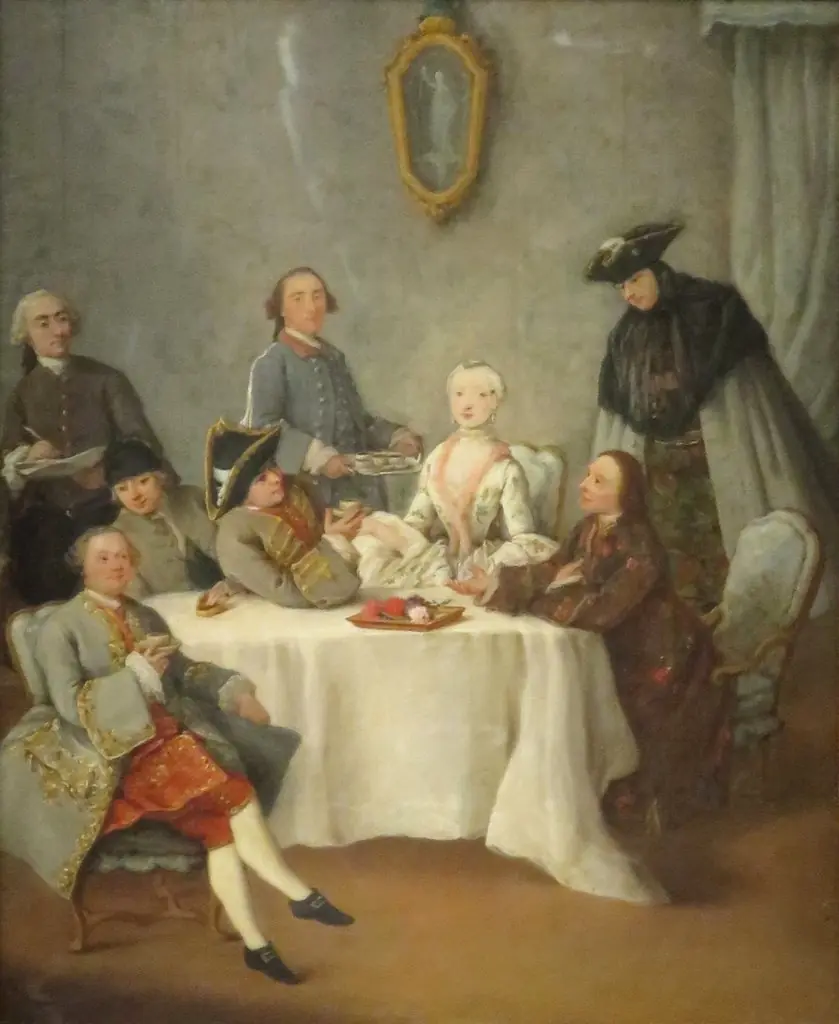 Artist Sketching an Elegant Company
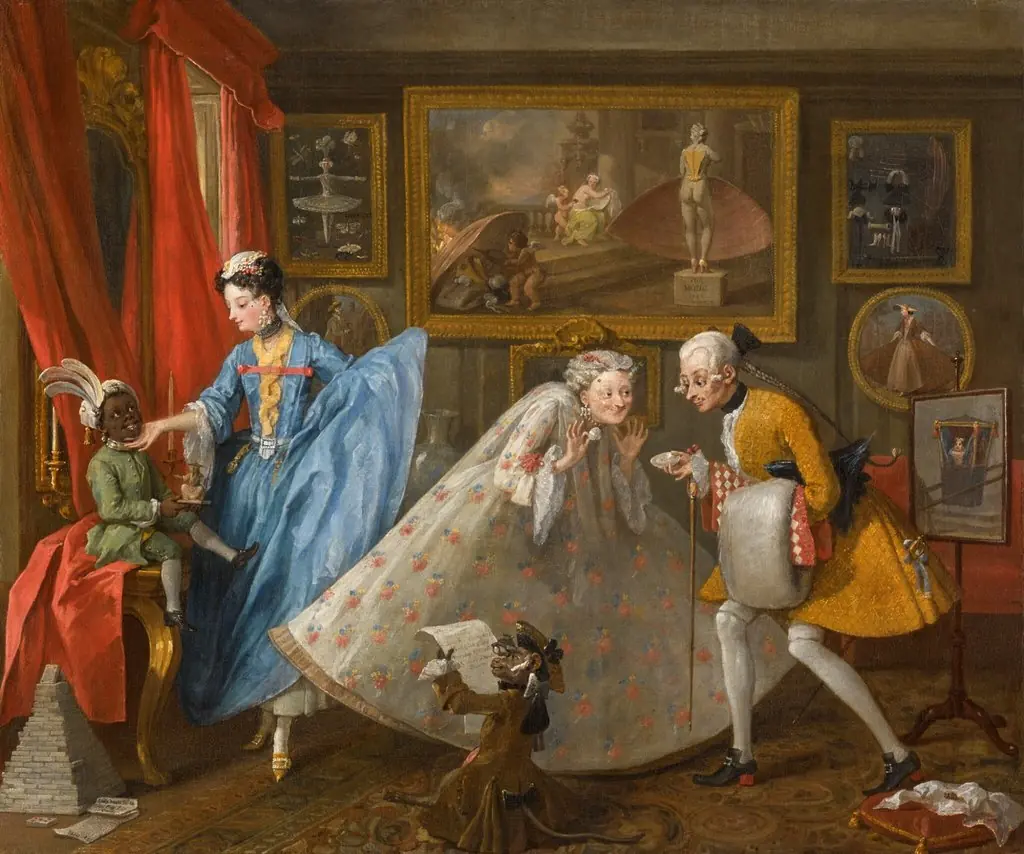 Taste in High Life
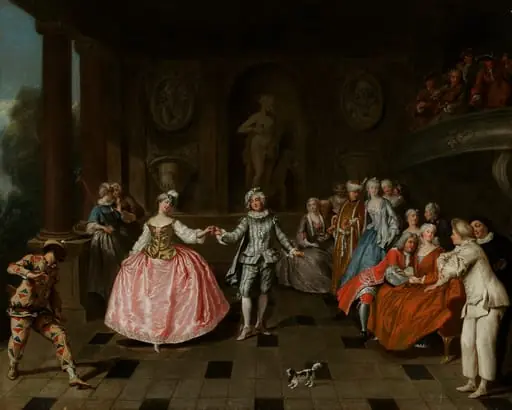 Naamiaistanssiaiset
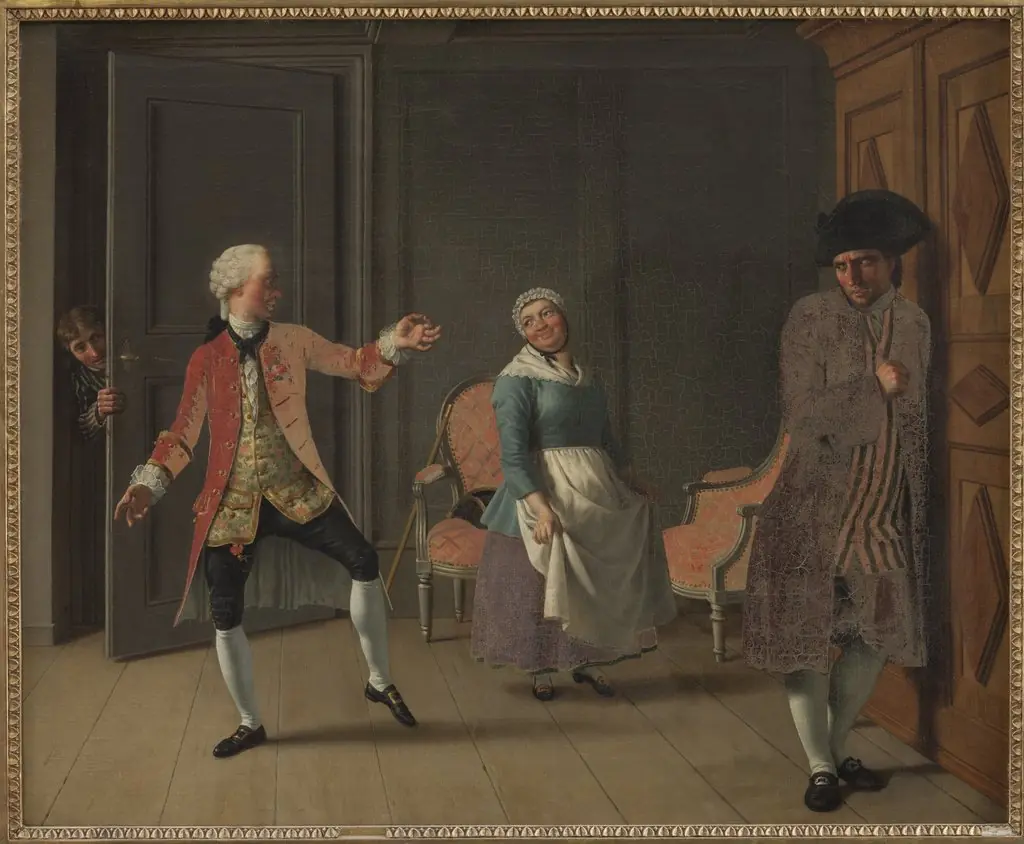 From Ludvig Holberg's "Jean de France", Act 1, Scene 6
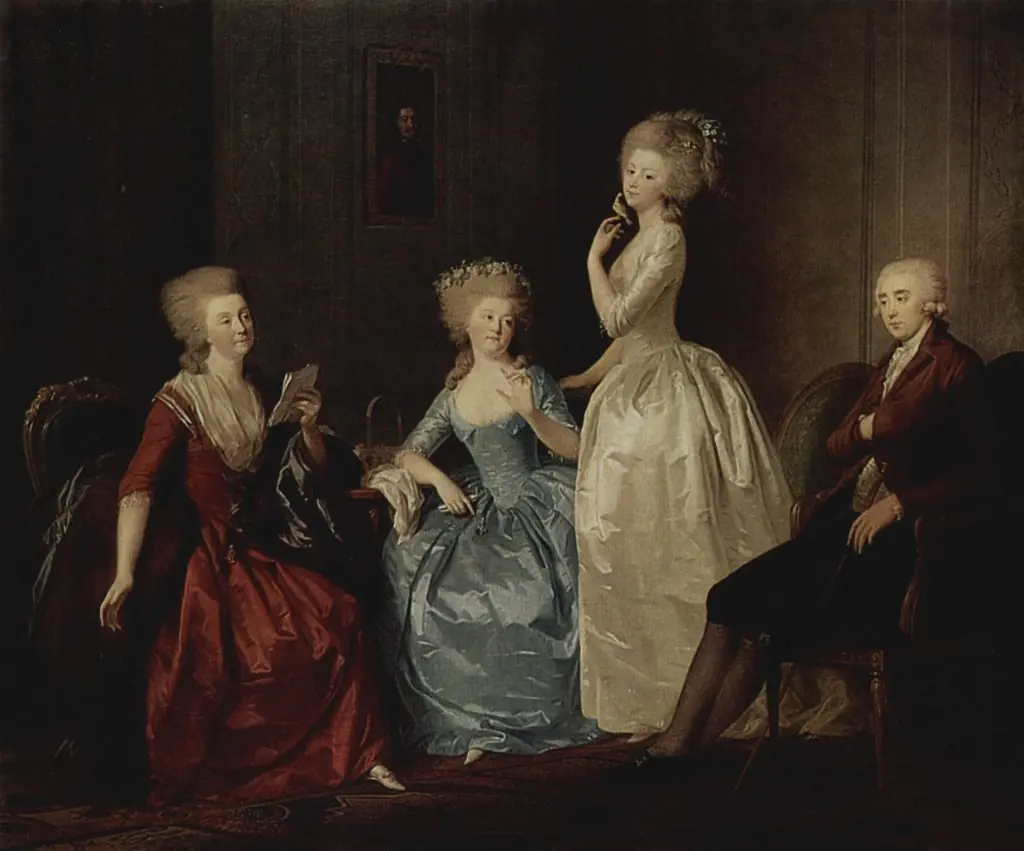 Portrait of the Saltykov Family
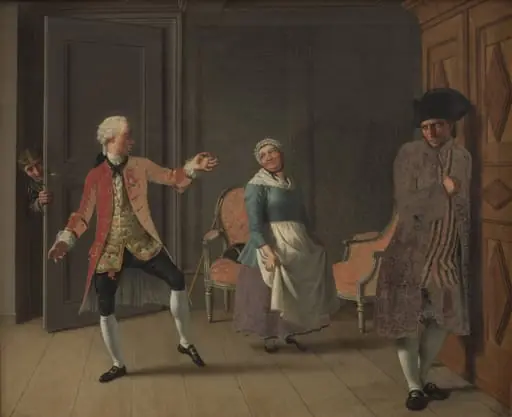 From Ludvig Holberg's "Jean de France", Act 1, Scene 6
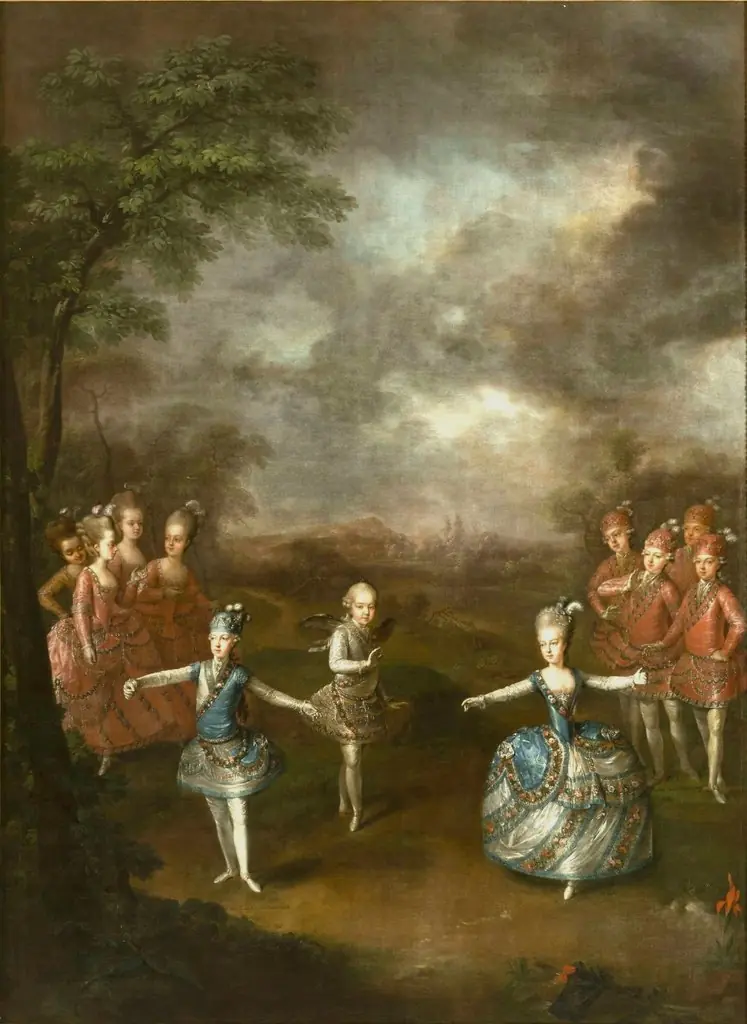 Fête Organized to Celebrate the Marriage of the Emperor Joseph II to Princess Marie-Josèphe of Bavaria 23/24 January 1765
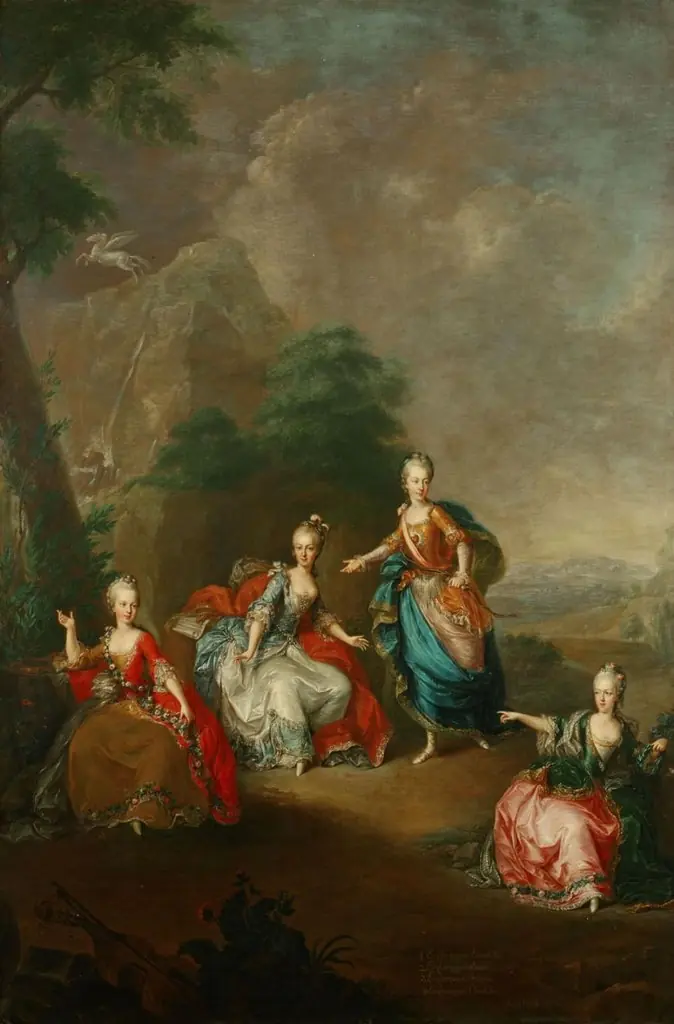 Performance of the opera by Gluck, Il Parnaso Confuso at Schoenbrunn Palace on 24th January 1765
 Dance before a Fountain
 Afternoon Tea