Artwork
Abraham
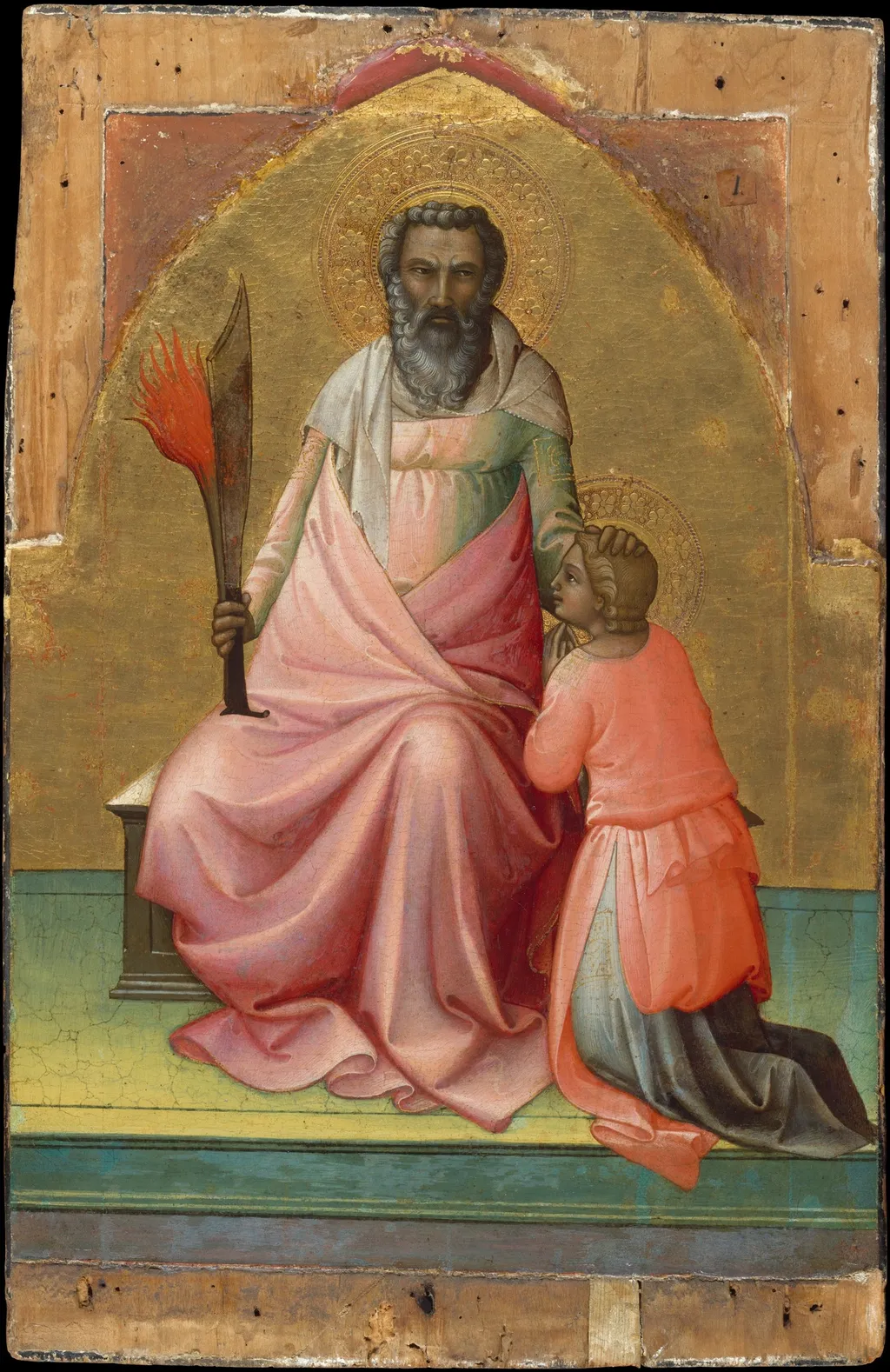
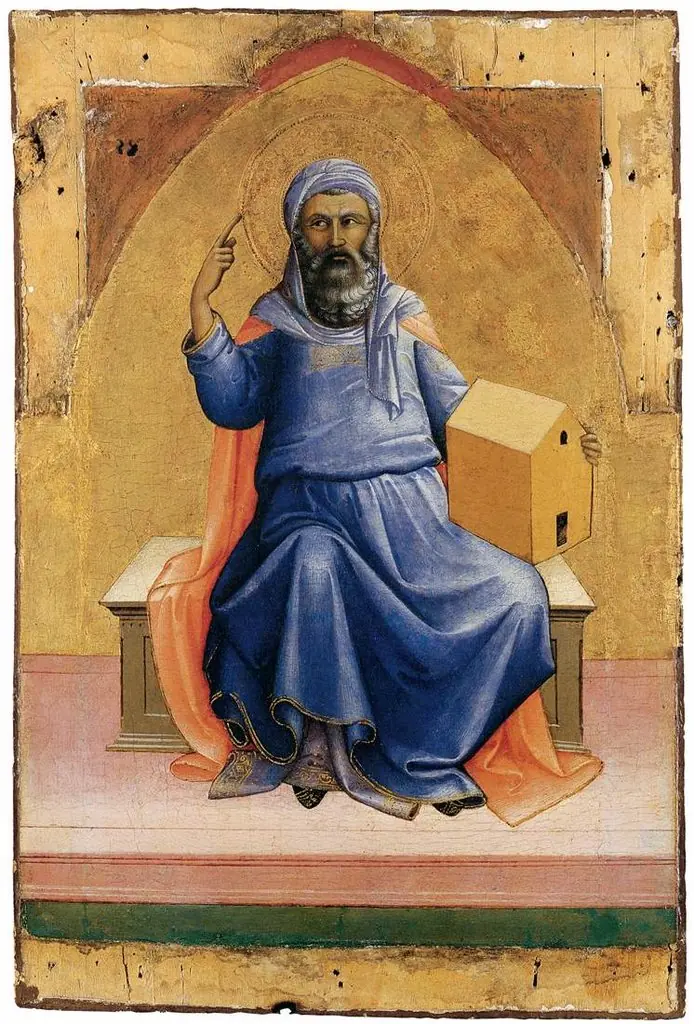
Abraham is a tempera painting by the Italo Byzantine artist Lorenzo Monaco. It dates from 1408 and is held in the collection of the Metropolitan Museum of Art.
About this work
Subject & Meaning
Created by the artist Piero di Giovanni, known as Lorenzo Monaco, the piece utilizes the medium of tempera on panel to convey its spiritual subject matter.
Lorenzo Monaco's 1408 tempera panel depicts the biblical patriarch Abraham, a central figure in religious art. As a work classified within the religious genre, the painting represents the man Abraham, focusing on his identity as a key patriarchal figure. Created by the artist Piero di Giovanni, known as Lorenzo Monaco, the piece utilizes the medium of tempera on panel to convey its spiritual subject matter.
The artwork currently held by the Metropolitan Museum of Art serves as a visual representation of Abraham's significance within the Christian tradition, emphasizing his role through the depiction of the man himself. The composition adheres to the conventions of early 15th-century religious iconography, presenting the subject without additional narrative context in this specific panel format.
Technique & Style
The work titled Abraham, painted by Lorenzo Monaco around 1408, is executed in tempera on a wooden panel. The surface is a flat, gilded background typical of early 15th‑century Italian devotional panels, with fine linear detailing that defines the figure’s drapery and the narrative elements. Brushwork shows a delicate, almost linear quality, while the limited palette of earth tones and gold leaf creates a flattened spatial depth.
The painting’s condition is stable, retaining its original pigments without significant overpainting; conservation records note only minor craquelure in the background. Stylistically, the composition combines a clear, narrative focus on the patriarch Abraham with the ornamental patterning characteristic of the International Gothic style.
History & Provenance
Lorenzo Monaco’s Abraham is dated 1408 and is a tempera on panel painting of religious genre. The work entered the collection of the Metropolitan Museum of Art, where it remains located, as documented by the museum’s records. The painting’s early provenance and original commission are not specified in the cited sources, which establish only the year of creation and the artist’s attribution.
The tempera-on-panel painting titled Abraham, created by Lorenzo Monaco in 1408, is held in the collection of the Metropolitan Museum of Art. While the provided sources confirm the work's location and its attribution to the artist, they do not specify a unique inventory or accession number for this piece. The sources also lack details regarding a specific exhibition history for this artwork.
The work depicts the biblical figure Abraham and measures 66 cm in height and 43 cm in width. As a religious genre piece, it remains part of the museum's permanent holdings.
Context
The work titled Abraham, executed by Lorenzo Monaco in 1408, is a tempera panel depicting the biblical patriarch Abraham. It belongs to the religious painting genre and was created in Florence during the early fifteenth century, reflecting the devotional aesthetic of the period. The panel, measuring 66 × 43 cm, entered the collection of the Metropolitan Museum of Art, where it remains on view, underscoring its significance within Lorenzo Monaco’s oeuvre and the broader trajectory from Gothic naturalism toward early Renaissance narrative painting.
Scholars view the piece as an important example for studying the evolution of narrative figuration in pre‑Renaissance Italian art.
Overview
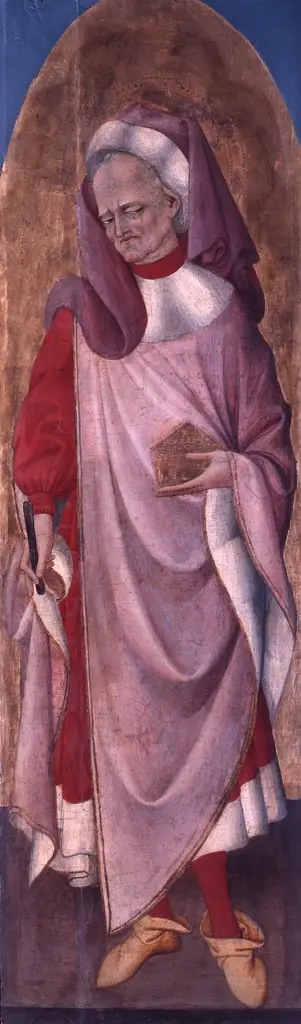
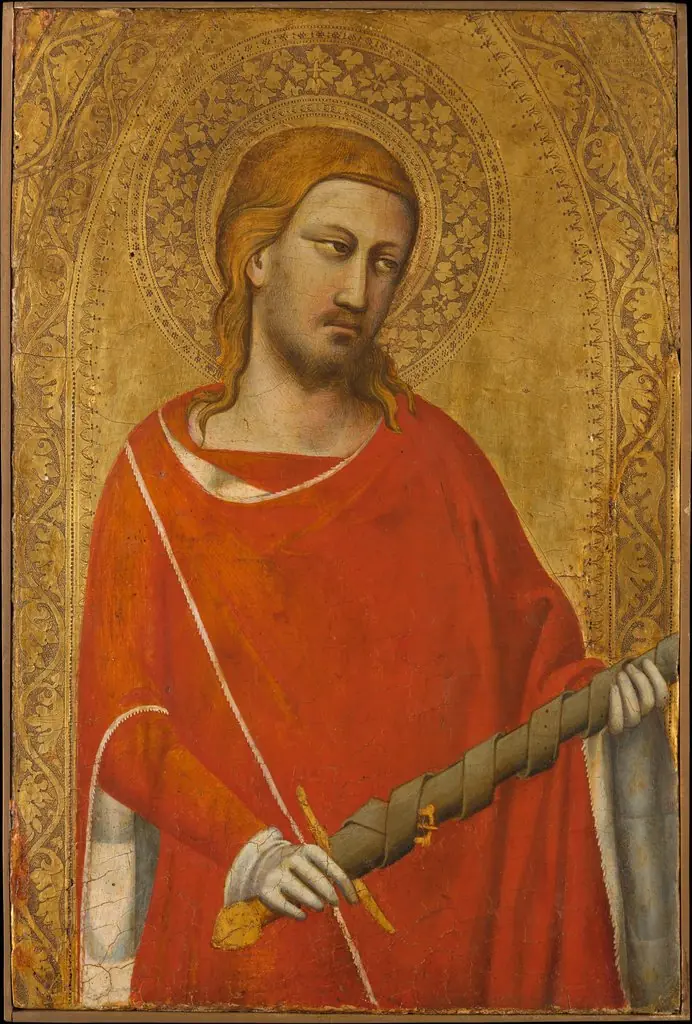
Painted in 1408 by the Italian Gothic master Lorenzo Monaco, this tempera panel depicts the biblical patriarch Abraham. The composition centers on the elderly figure, distinguished by a long white beard and hair, seated on a bench beneath a gilded archway. He wears a pink robe and holds a knife in his right hand and a flame in his left, iconographic elements referencing the Binding of Isaac.
A small child kneels before him, gazing upward, creating a vertical axis of interaction between the generations. The work exemplifies Monaco's late International Gothic style, characterized by elegant linear rhythms, rich coloration, and the extensive use of gold leaf for the background and architectural details. Created during the artist's mature period, shortly before his death in 1425, the painting reflects the devotional aesthetics of early 15th-century Florence, blending spiritual intensity with decorative refinement.
The scene captures the moment of divine testing, emphasizing Abraham's obedience and the emotional weight of the narrative through the figures' expressive postures and the luminous, non-naturalistic setting.
Own this work as a print
Artist & collection

Artist
Lorenzo Monaco was a Sienese painter and miniaturist of the late Gothic to early Renaissance age, active principally in Florence.

![Saint Peter, with Saint James Major [left panel], by Martino di Bartolomeo](https://artifactworldgallery.com/img/martino-di-bartolomeo--saint-peter-with-saint-james-major-left-panel--20178831b0b297bc-w320.webp)