Artwork
David
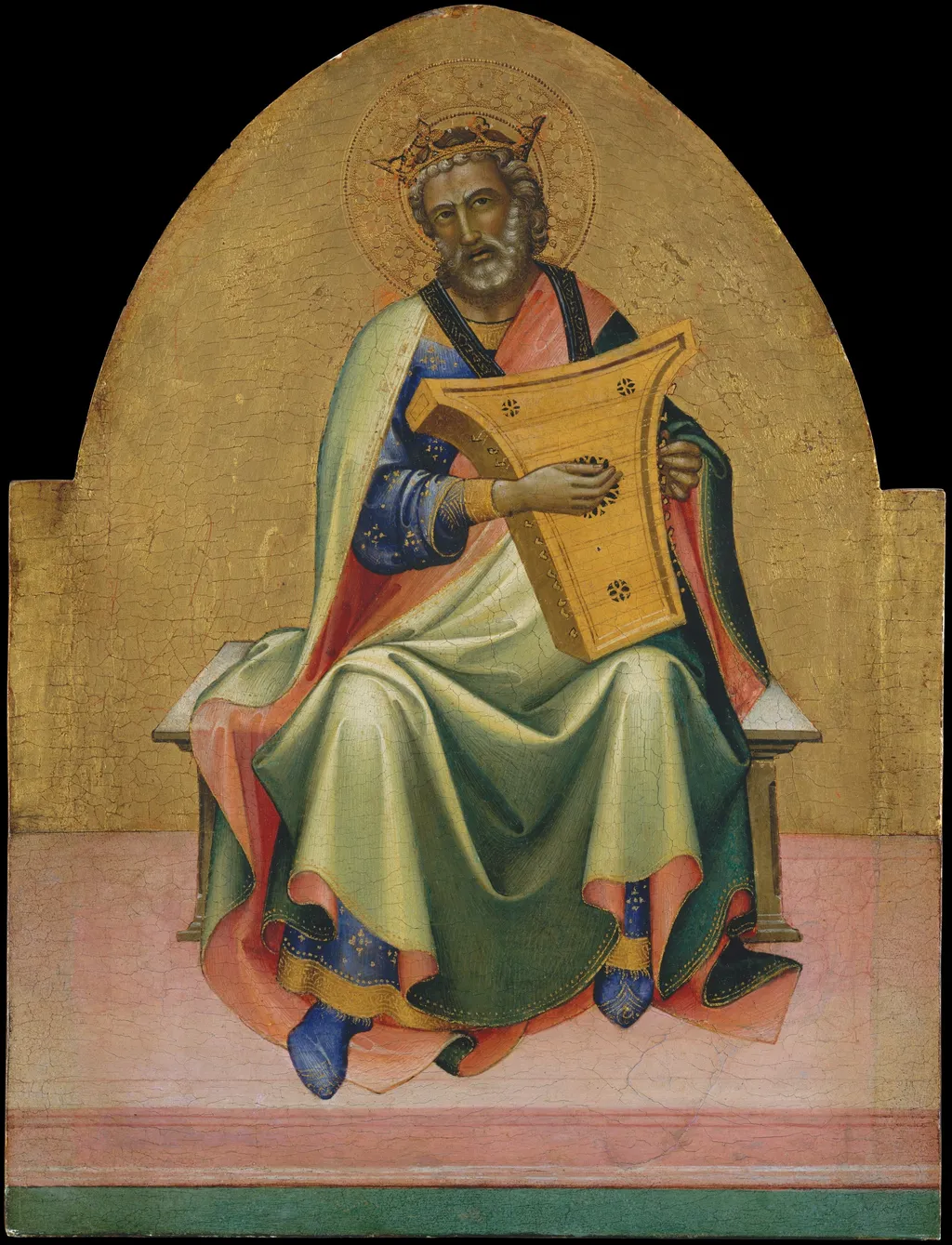
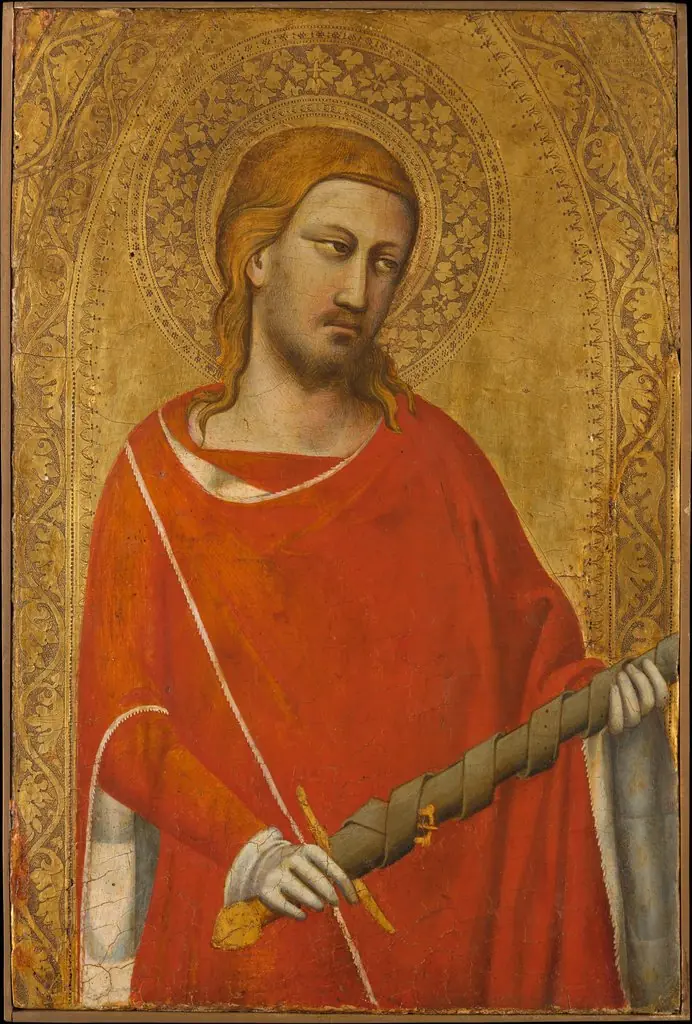
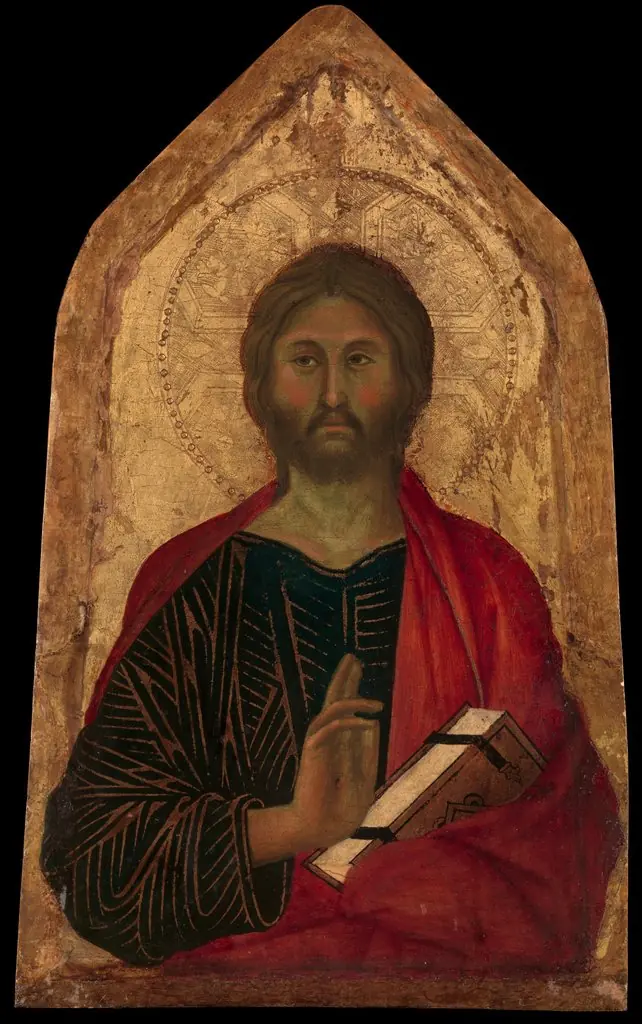
David is a tempera painting by the Early Renaissance artist Lorenzo Monaco. It dates from 1408 and is held in the collection of the Metropolitan Museum of Art.
About this work
Subject & Meaning
As a work of religious art, the piece utilizes the traditional iconography of David to represent themes of piety, divine favor, and the triumph of faith.
Lorenzo Monaco's 1408 tempera painting, titled David, depicts the biblical figure of David accompanied by a musical instrument, likely referencing his role as a psalmist. As a work of religious art, the piece utilizes the traditional iconography of David to represent themes of piety, divine favor, and the triumph of faith. The inclusion of the musical element emphasizes the subject's connection to sacred music and prophecy, distinguishing this representation within the religious genre of early 15th-century Italian painting.
The work serves as a devotional image where the young king is portrayed not merely as a warrior, but as a spiritual figure whose musical offerings align him with divine will.
Technique & Style
The work titled David, painted by Lorenzo Monaco around 1408, is executed in tempera on a wooden panel. Its dimensions measure approximately 57 cm in height by 43 cm in width. The painting belongs to the religious genre and is classified as a panel painting, depicting the biblical hero David alongside a musical instrument. It is part of the collection of the Metropolitan Museum of Art.
History & Provenance
The painting titled David was created in 1408 by the artist Lorenzo Monaco, also known as Piero di Giovanni. Executed in tempera on a panel, the work measures 57 centimeters in height and 43 centimeters in width. It depicts the biblical figure David alongside a musical instrument, fitting within the genre of religious art.
The piece was completed at the beginning of the 15th century and is currently held in the collection of the Metropolitan Museum of Art. The specific commissioning details or the original ownership chain prior to its time at the museum are not detailed in the provided records, but the creation date and attribution to Monaco are established facts regarding its origin.
The painting is held in the collection of the Metropolitan Museum of Art, where it remains located. Created in 1408, the work is catalogued within that institution's holdings as a tempera panel depicting David with a musical instrument. No accession number or detailed exhibition history is recorded in the available sources.
Overview
Lorenzo Monaco's painting, David, created in 1408, is a tempera work depicting a crowned, bearded figure. This panel painting, now housed at The Metropolitan Museum of Art, exemplifies early 15th-century Florentine art. It presents a solemn individual seated on a throne, deeply engrossed in an open book, reflecting the period's artistic and religious conventions through its detailed execution and vibrant palette.
Context
Created in Florence at the beginning of the 15th century, David reflects the artistic trends of the early Quattrocento. Lorenzo Monaco, a Camaldolese monk, was a leading painter in the city, known for his elegant Gothic style infused with emerging Renaissance naturalism. This painting would have served a devotional purpose, likely for a church or private patron, emphasizing spiritual contemplation through its depiction of a revered biblical figure.
Own this work as a print
Artist & collection

Artist
Lorenzo Monaco was a Sienese painter and miniaturist of the late Gothic to early Renaissance age, active principally in Florence.