Artwork
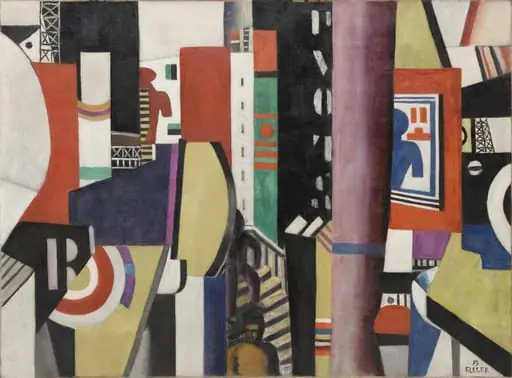
Night Café
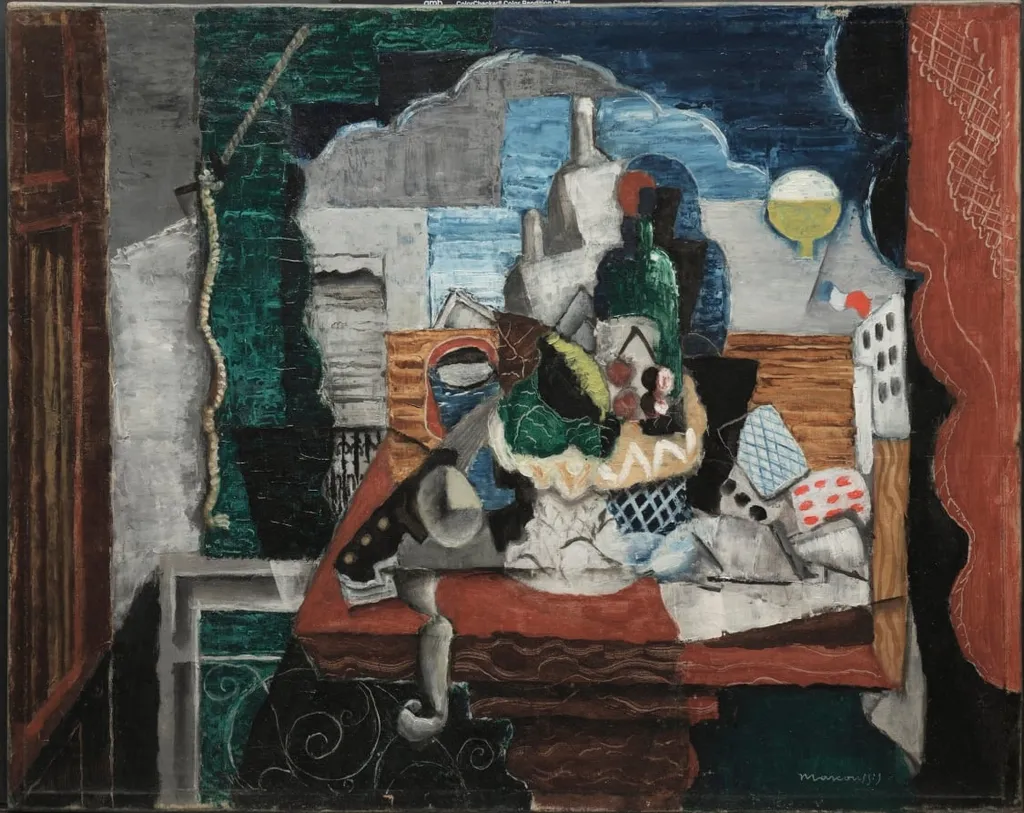
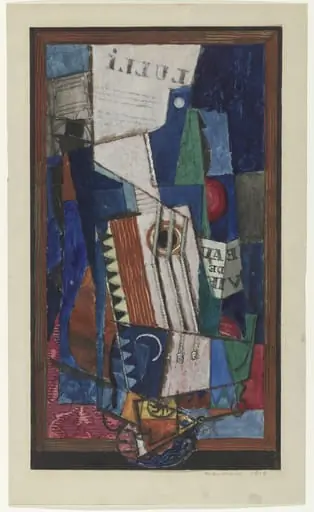
Night Café is an unspecified painting by the Cubism Synthetic artist Louis Marcoussis. It dates from 1923 and is held in the collection of the Cleveland Museum of Art.
- Accession no.
- 2006.139
- Credit line
- Given in loving memory of W. Chave and Mary Tyler McCracken by their daughters
About this work
Overview
The work reflects Marcoussis’s engagement with the avant-garde circles of early 20th-century Paris, particularly his close association with Picasso and Braque.
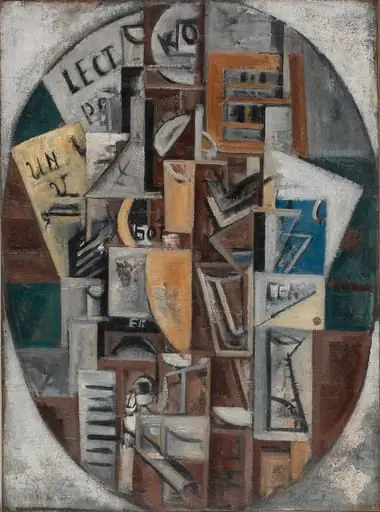
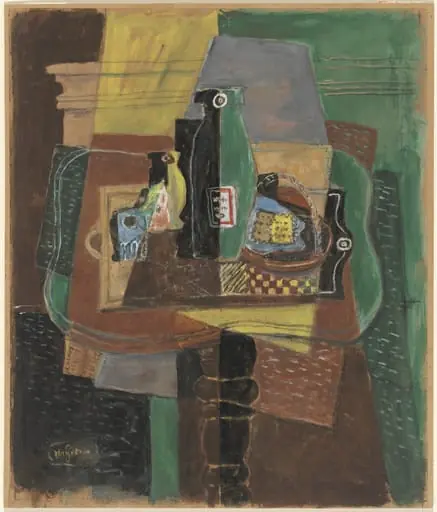
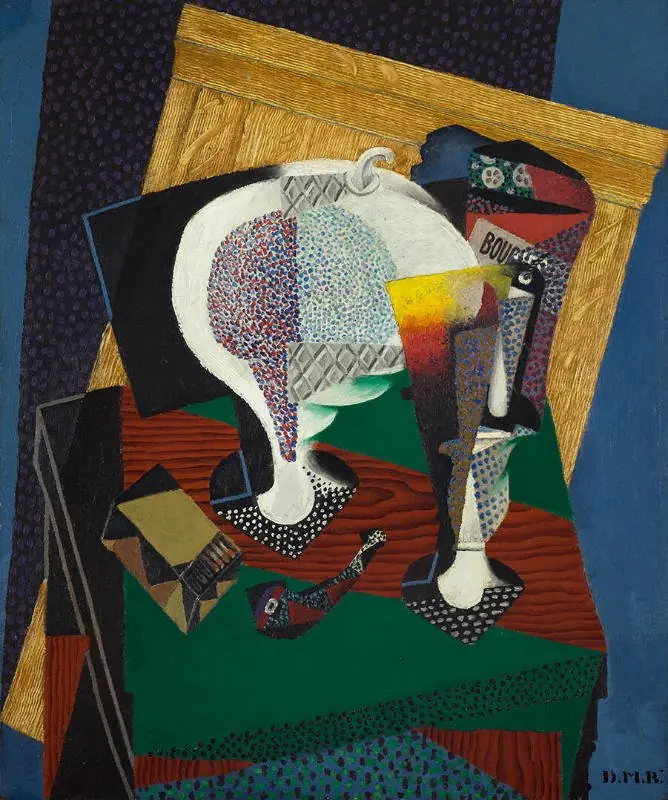
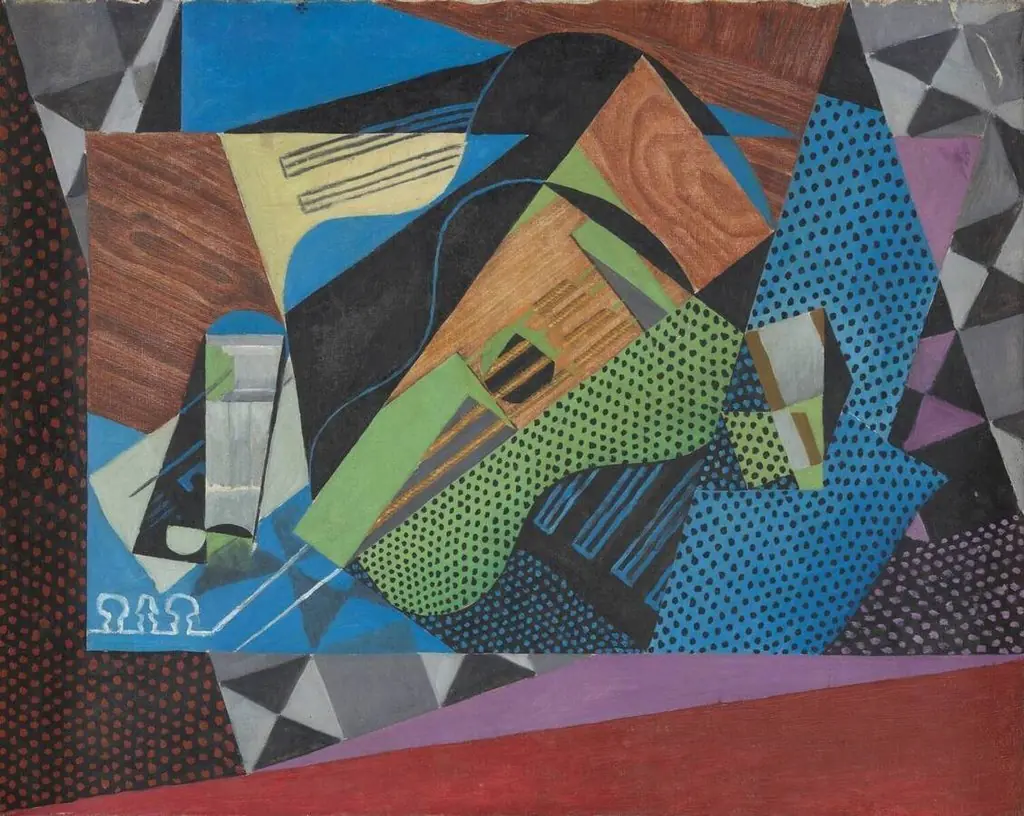
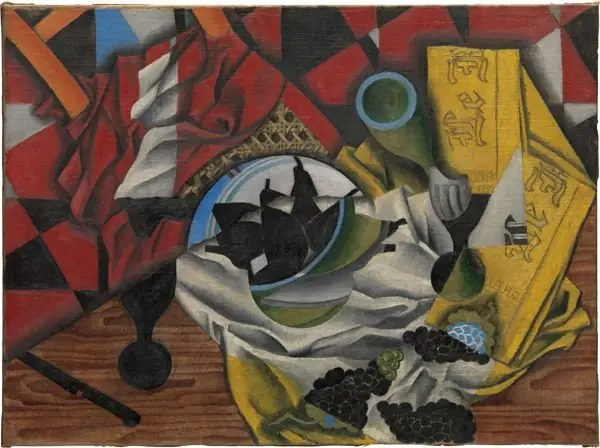
Painted by Louis Marcoussis, Night Café presents an interior scene rendered through the fragmented language of Cubism. The composition centers on a café table, its surface and surrounding objects deconstructed into angular planes. Multiple viewpoints are merged into a single image, challenging conventional spatial logic.
The work reflects Marcoussis’s engagement with the avant-garde circles of early 20th-century Paris, particularly his close association with Picasso and Braque.
Subject & Meaning
The scene depicts a modest café interior, with bottles, glasses, and a newspaper arranged on a tilted table. A yellow hot air balloon and a glimpse of the French flag visible through the window subtly reference Marcoussis’s adopted country. These elements suggest a quiet celebration of French identity, while the domestic still life remains grounded in the everyday. The objects are not merely observed but reassembled to convey perception as an active, shifting experience.
Technique & Style
Marcoussis employs Cubist fragmentation to dissolve traditional perspective: the tabletop angles upward while the floor remains horizontal, allowing simultaneous views of both surfaces. Forms are broken into overlapping geometric planes, with sharp edges and muted tones dominating the palette. The brushwork is deliberate but not decorative, prioritizing structural analysis over illusion.
This method, learned through close observation of Picasso and Braque, transforms a simple interior into a dynamic spatial puzzle.
History & Provenance
Born in Warsaw to a Jewish family that converted to Catholicism, Marcoussis moved to Paris in 1903 and became immersed in the city’s modernist milieu. He was introduced to key figures including Apollinaire, who encouraged him to adopt the surname Marcoussis after a French village. By the time he painted Night Café, he had spent years absorbing Cubist principles, refining them into a personal idiom distinct from his peers while remaining firmly within the movement’s experimental framework.
Context
Created during the height of Analytic Cubism, the painting reflects a broader artistic effort to represent reality beyond optical appearance. Marcoussis’s work emerged alongside Picasso and Braque’s investigations into form and space, yet his approach retained a quieter, more intimate tone. The café setting, common in modernist art, served as a neutral ground for exploring perception, while the inclusion of national symbols subtly aligned his personal journey with the cultural landscape of his adopted home.
Legacy
Though less widely known than his contemporaries, Marcoussis contributed significantly to the evolution of Cubist language through his nuanced handling of space and form. Night Café exemplifies how the movement’s radical techniques could be applied to quiet, domestic subjects without losing conceptual rigor. His work influenced later generations interested in the intersection of perception, memory, and materiality, anchoring his legacy in the quiet innovation of his compositions.
Artist & collection

Artist
Louis Marcoussis was a Polish-French avant-garde painter active primarily in Paris.