Subject
Bottle
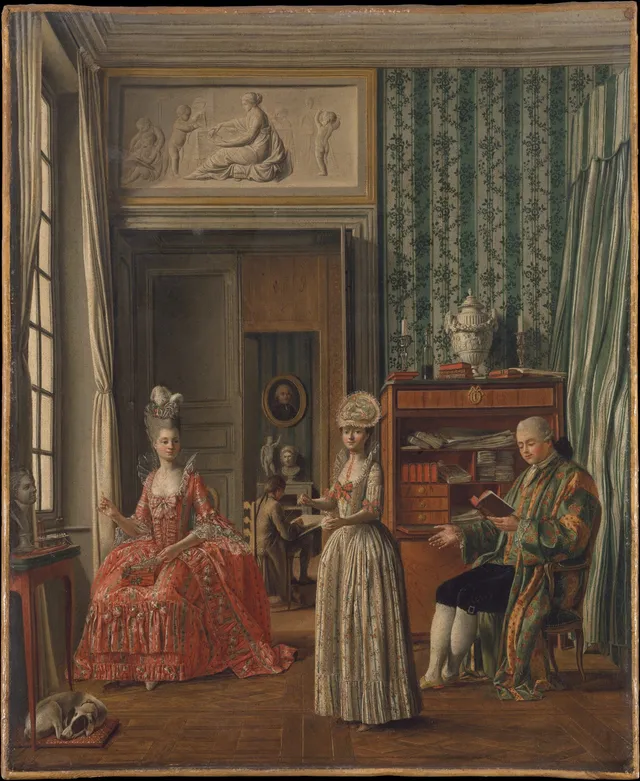
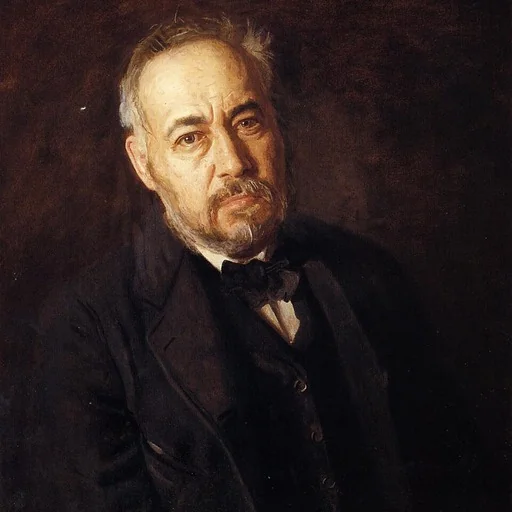
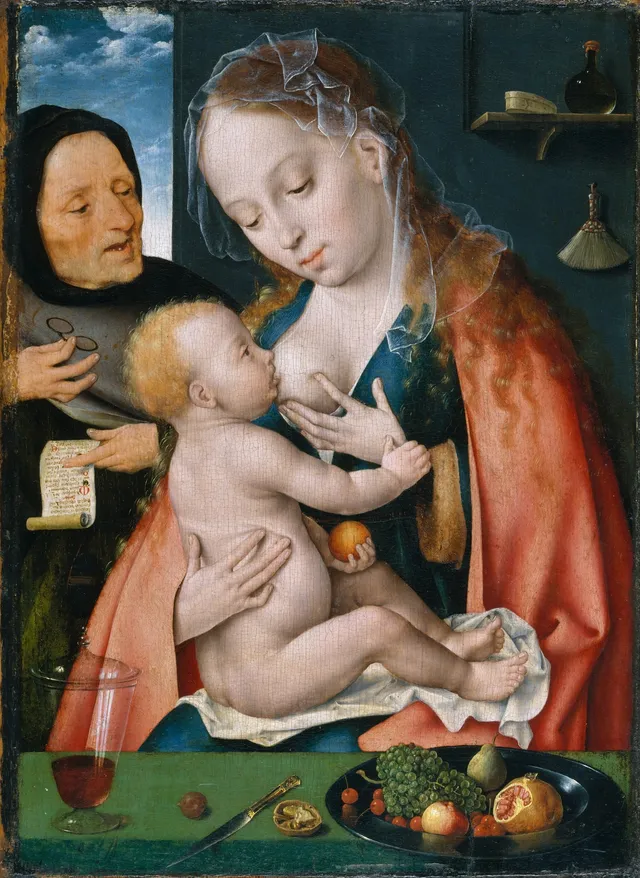
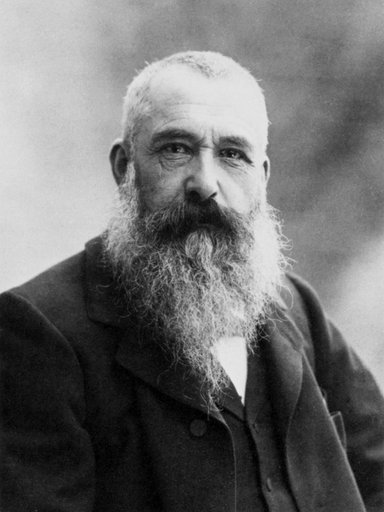
Bottle is a subject in art. The gallery holds 59 works in this subject in art, including works by Thomas Eakins, Francis William Edmonds and Claude Monet.
A bottle is a narrow-necked container made of an impermeable material (such as glass, pottery, porcelain, plastic or aluminium) in various shapes and sizes that stores and transports liquids. Its mouth, at the bottling line, can be sealed with an internal stopper, an external bottle cap, a closure, or induction sealing.
Key artists

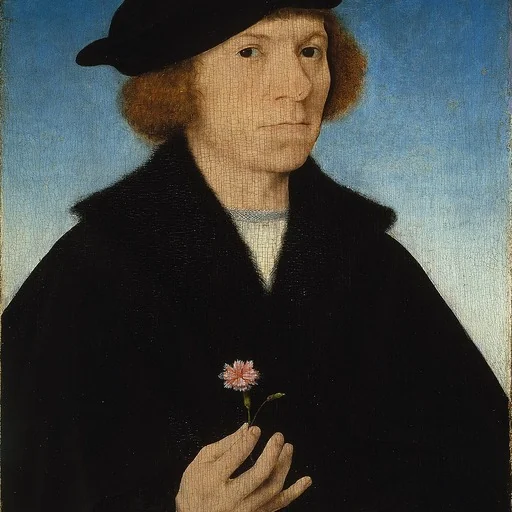
Overview
A bottle is a narrow-necked container made of impermeable material such as glass, pottery, porcelain, plastic, or aluminium, designed to store and transport liquids. Its mouth can be sealed with an internal stopper, external bottle cap, closure, or induction sealing. The bottle has proven to be one of the most enduring and versatile objects in human material culture, appearing in at least 149 works in the collection under discussion. The word first appears in English in the 14th century, deriving from Old French boteille, which stems from vulgar Latin butticula and ultimately from late Latin buttis, a latinisation of the Greek βοῦττις (bouttis) meaning vessel. The Germanic term, reflected in Old High German flaska and Middle High German vlasche, originally meant woven container, referring to the practice of surrounding early bottles made of wood, clay, tin, or sheet metal with wickerwork for protection and easier transport.
Across movements & periods
The treatment of the bottle in art reflects broader transformations in material culture technique and cultural practice. Ancient Mediterranean cultures primarily used the amphora for liquid transport, with small glass bottles appearing in Cyprus, Rhodes, and Persia by the 1st millennium BCE, though not initially for food liquids. Roman bottles, called ampullae, took various forms, typically featuring narrow necks, small mouths, pronounced shoulders, and spherical bodies for stability. The flat bottom gave way to the concave punt in the 4th century CE, improving stability. Medieval European glass production was dominated by Murano, where masters achieved remarkable skill in transparency, coloration, and decoration, producing Renaissance bottles inspired by metal and ceramic tableware forms. Until the late 17th century, glass bottles remained expensive and rare; food liquids traveled in barrels and were served in jugs, pitchers, or leather and tin flasks. The modern wine bottle emerged in 1632 with English diplomat Sir Kenelm Digby's invention, followed by France's first specialized bottle factory founded by Pierre Mitchell at Bordeaux in 1723. Coal-fired furnaces and modified raw materials, particularly manganese additions producing black glass, enabled heavier, more resistant bottles in mid-17th century England. These spread from the 18th century as coal furnace technology diffused. The 19th century brought specialized designs like Hiram Codd's 1872 patented bottle for carbonated drinks, using a marble and rubber washer seal. The 20th century introduced plastic bottles in the 1960s and aluminium bottles in the 2000s, fundamentally altering the object's material presence and cultural associations. Artistic responses tracked these shifts, from the preciousness of early glass to the mass-produced ubiquity of contemporary containers.
Legacy
The bottle's persistence across 149 works in this collection testifies to its fundamental role in visual representation. Its evolution from rare luxury item to mass-produced commodity tracks parallel transformations in global trade, industrial manufacturing, and consumer culture. The technical developments in bottle production, from ancient glassblowing through 17th-century coal-furnace innovations to 19th-century specialized designs and 20th-century plastic and aluminium alternatives, each generated new formal possibilities and cultural associations for artistic engagement. The bottle's contemporary ubiquity, with PET bottles now dominating global markets and four multinational corporations, PepsiCo, Coca-Cola, Nestlé, and Danone, controlling most production and use, has perhaps paradoxically diminished its individual symbolic weight while increasing its value as an index of modernity's material conditions. Environmental consciousness has recently reframed the bottle as a problematic object, its convenience now shadowed by awareness of plastic pollution and recycling imperatives. Artistic interest persists, whether in critical engagement with consumer waste or in continued exploration of the formal and optical properties that have attracted painters for centuries. The bottle's capacity to signify across registers, from humble domesticity to social ritual, from individual psychology to global commodity flow, ensures its continued relevance as a subject for artistic investigation.
Works
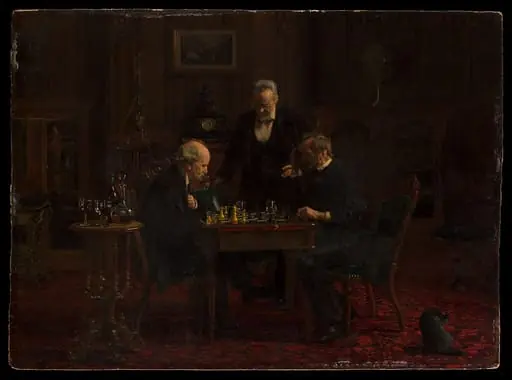 The Chess Players
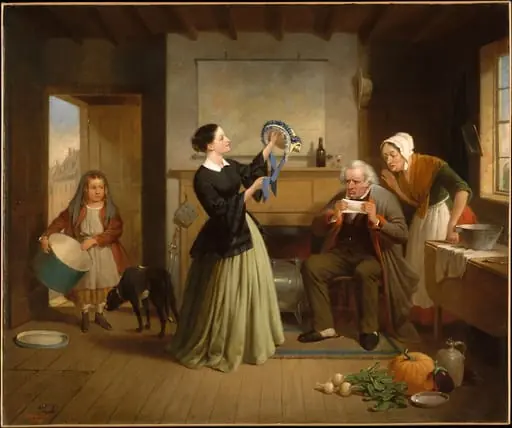 The New Bonnet
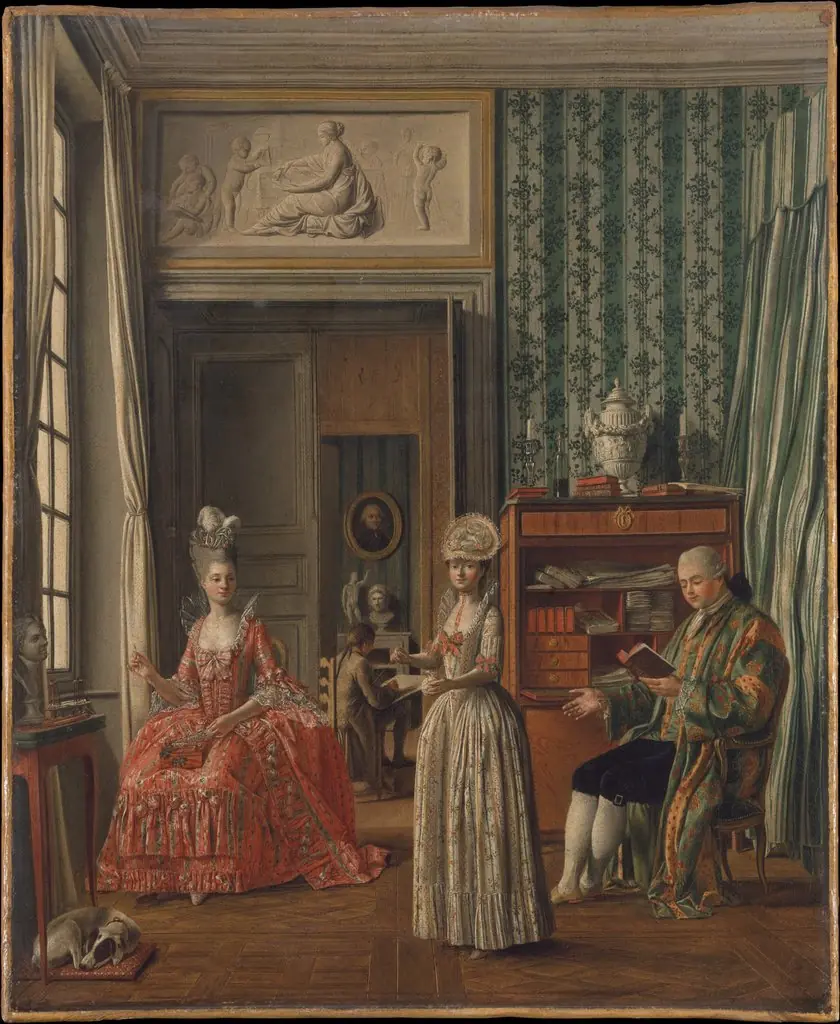 Domestic Scene
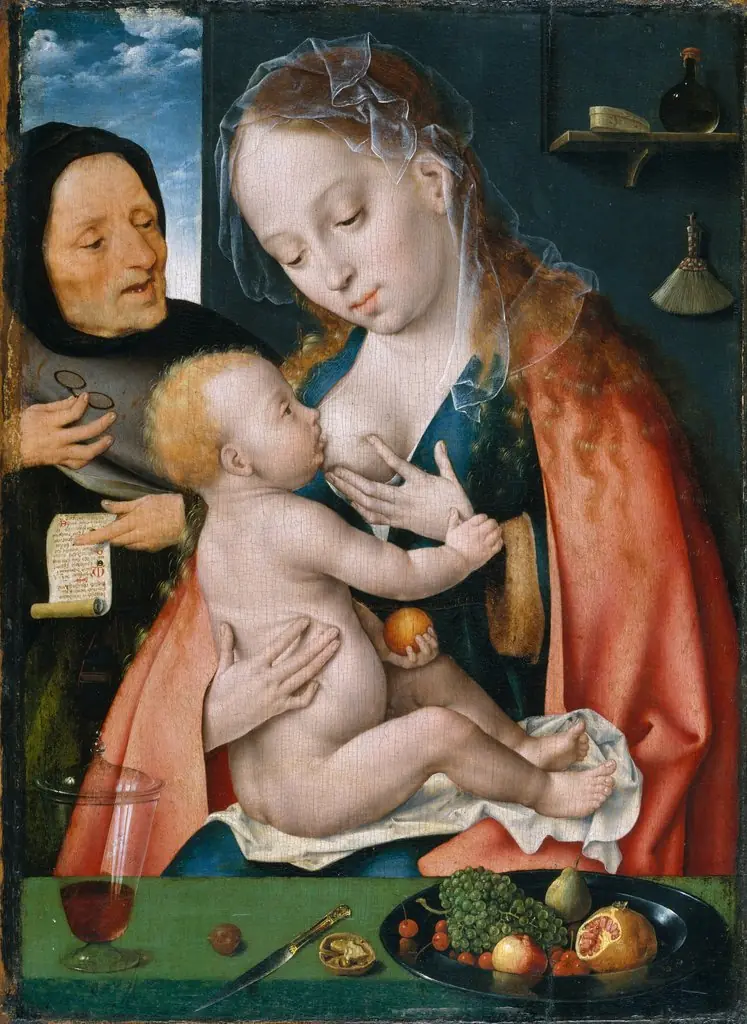 The Holy Family
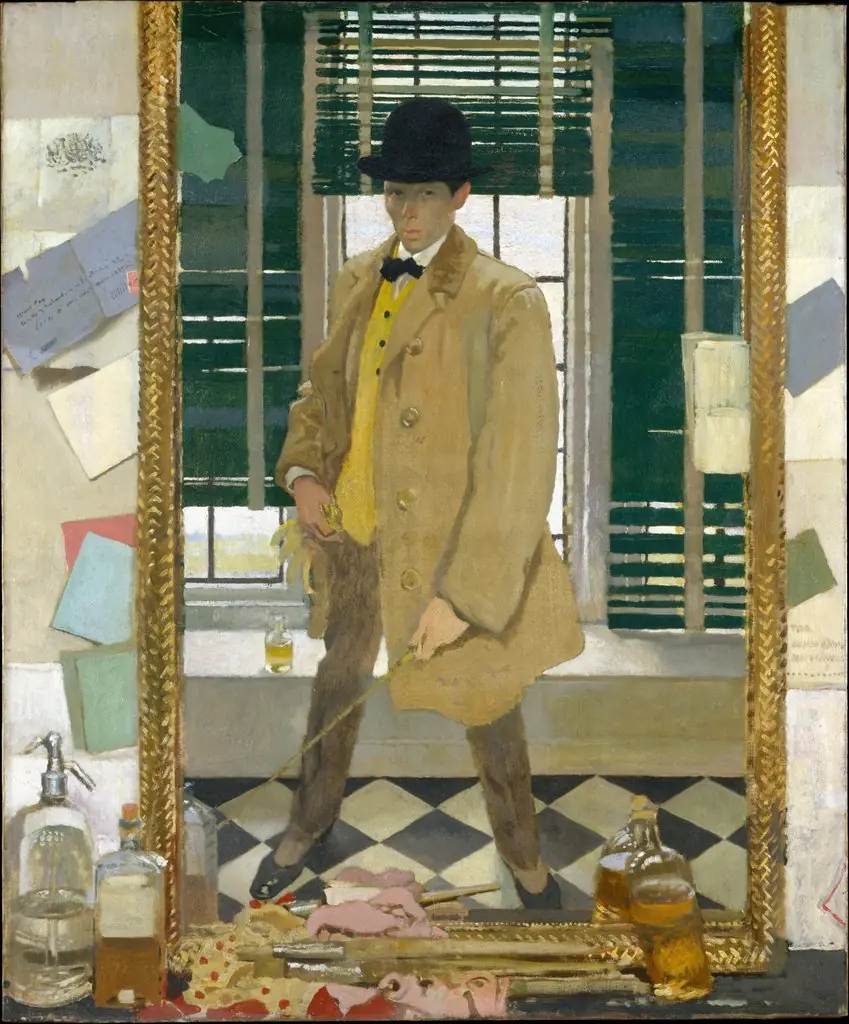 Self-Portrait
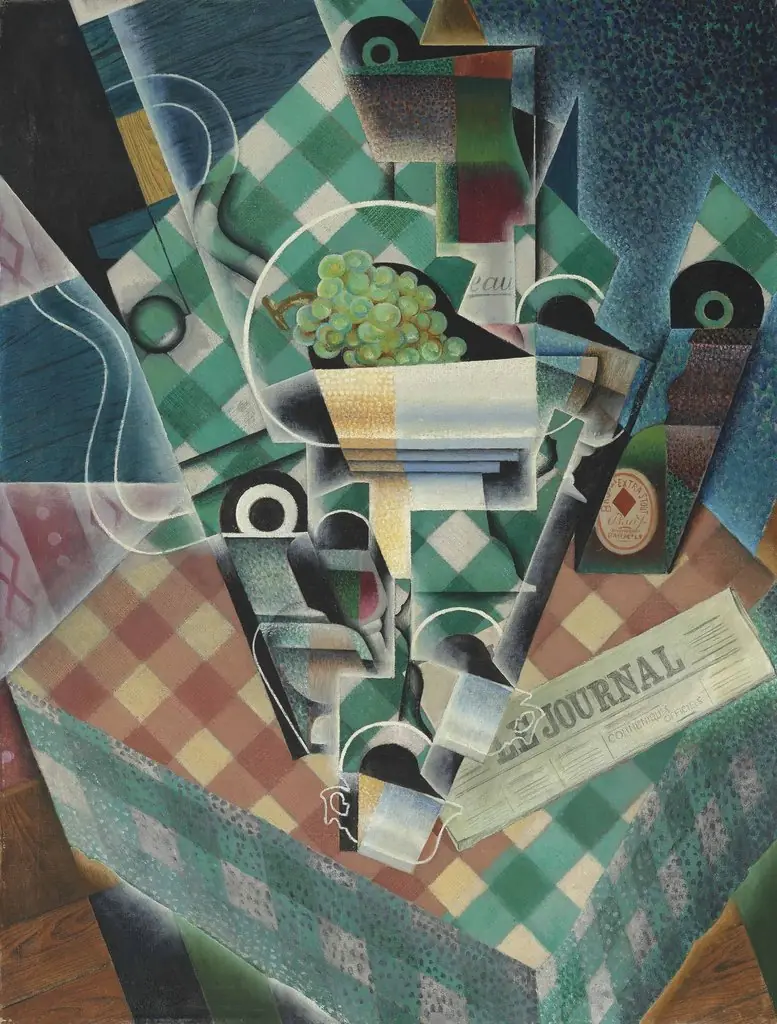 Still Life with Checked Tablecloth
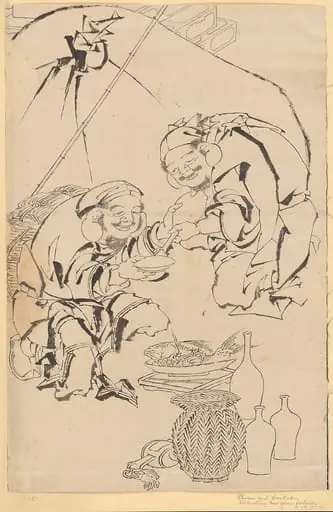 Untitled
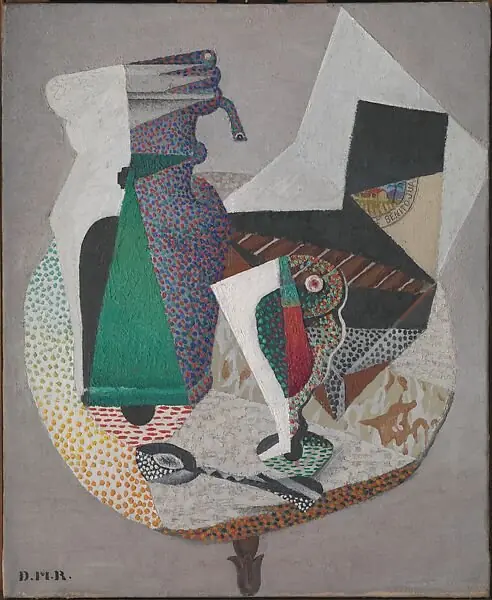 The Café Terrace
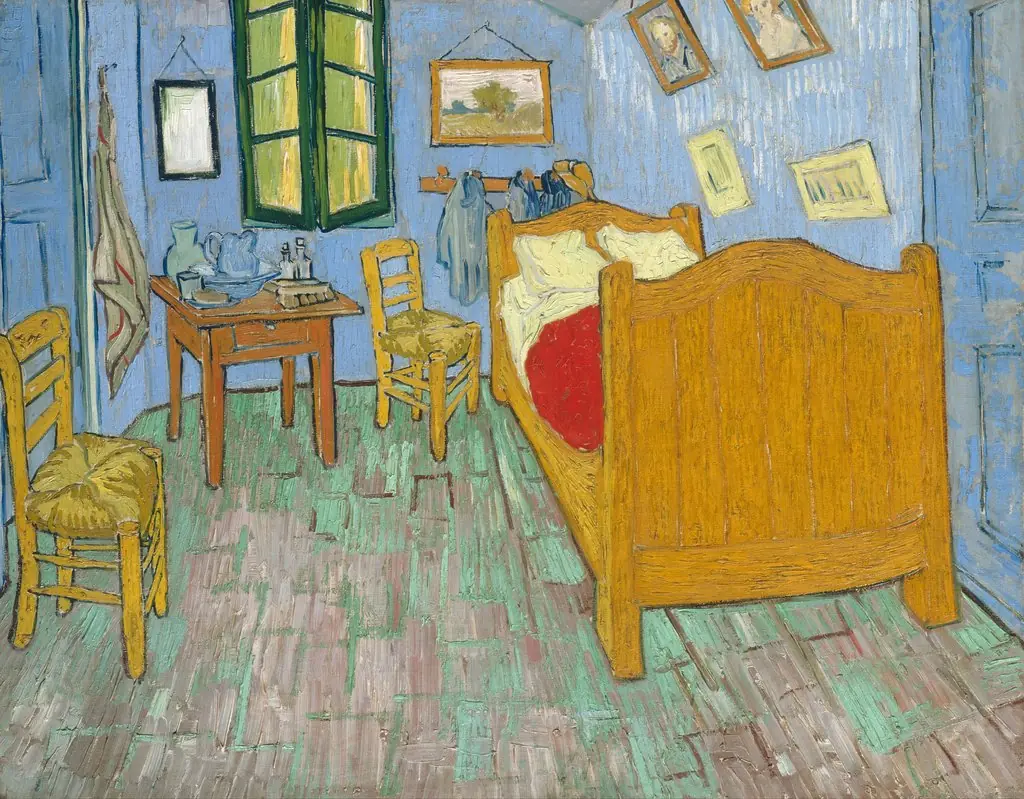 Bedroom in Arles
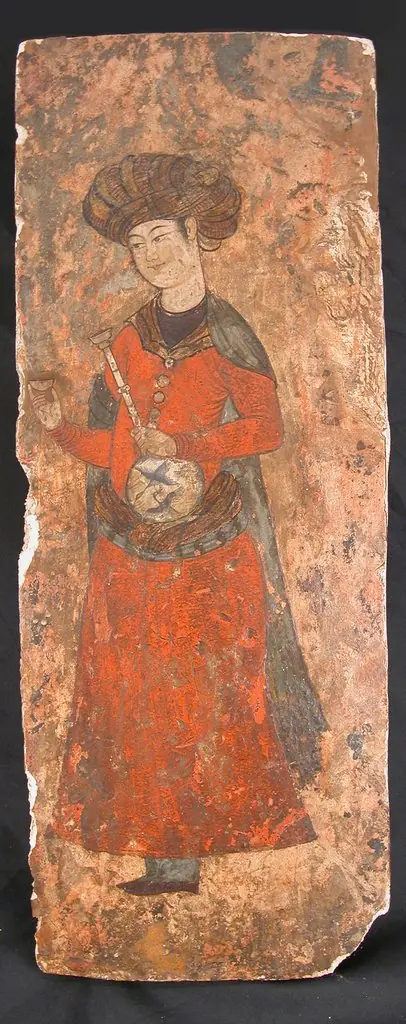 Man Holding a Bottle and a Cup
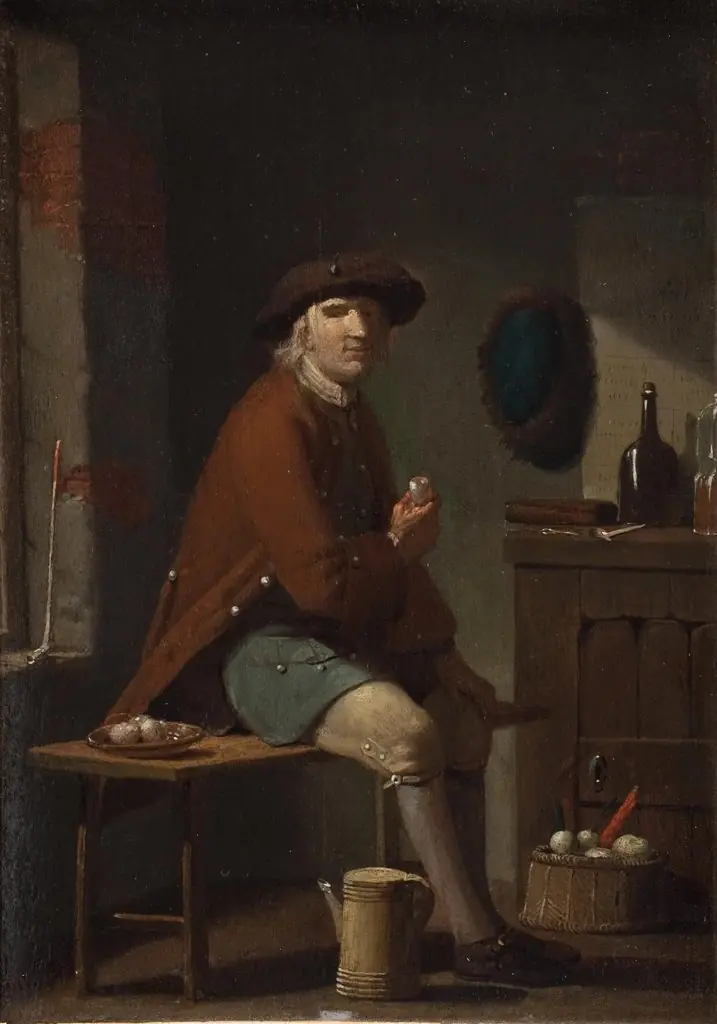 A Man Smoking His Pipe
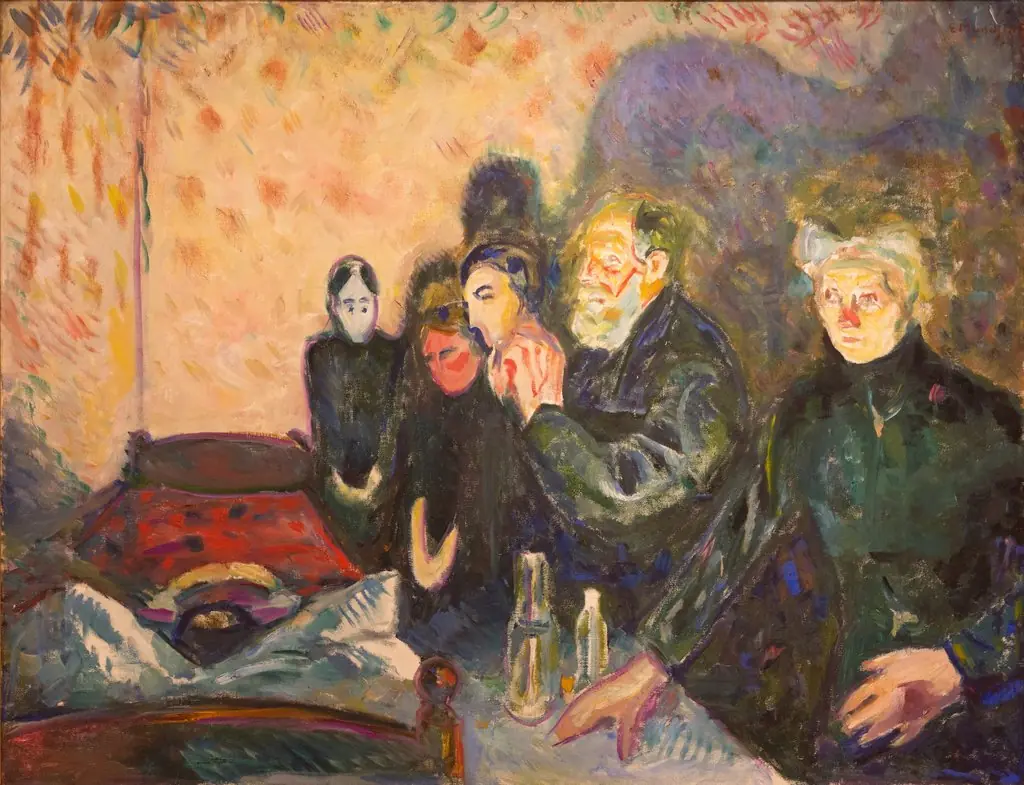 Death Struggle
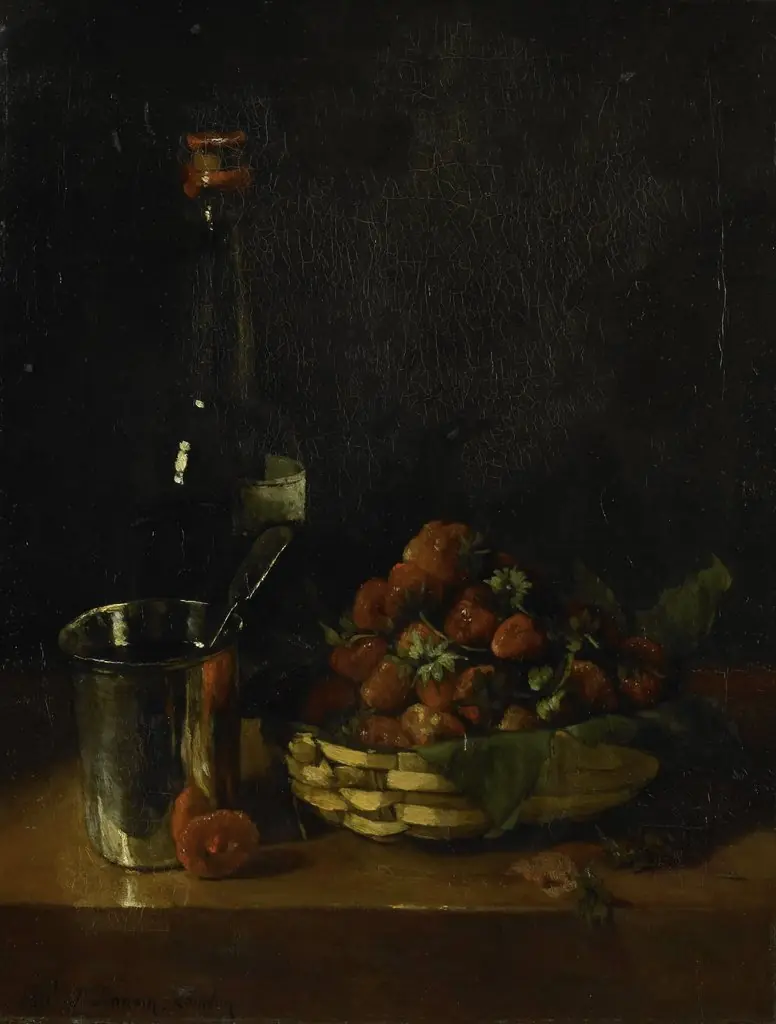 Still life
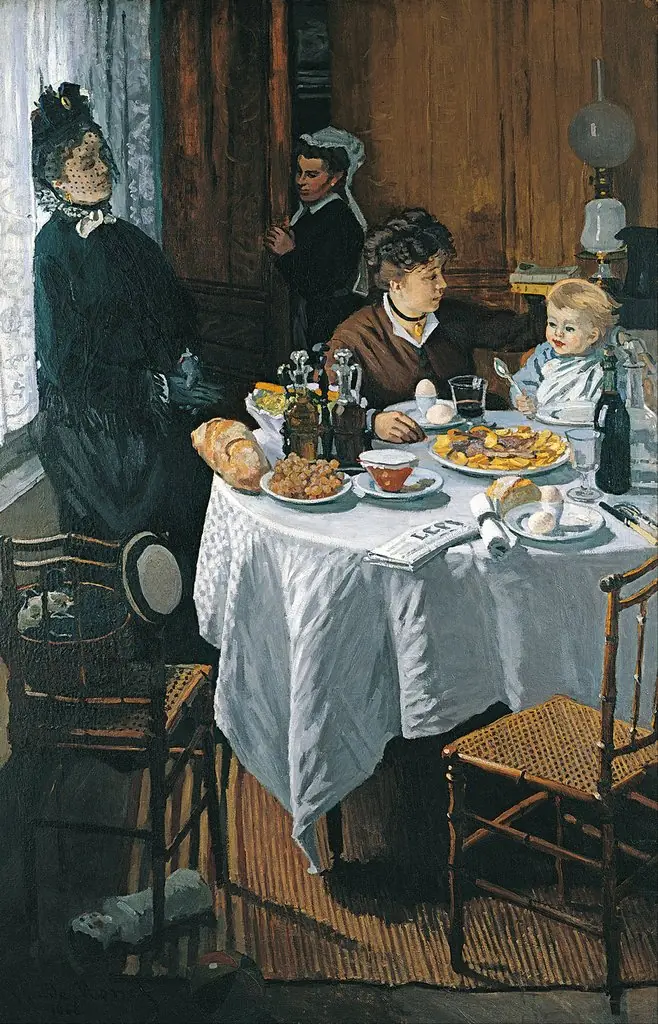 The Luncheon
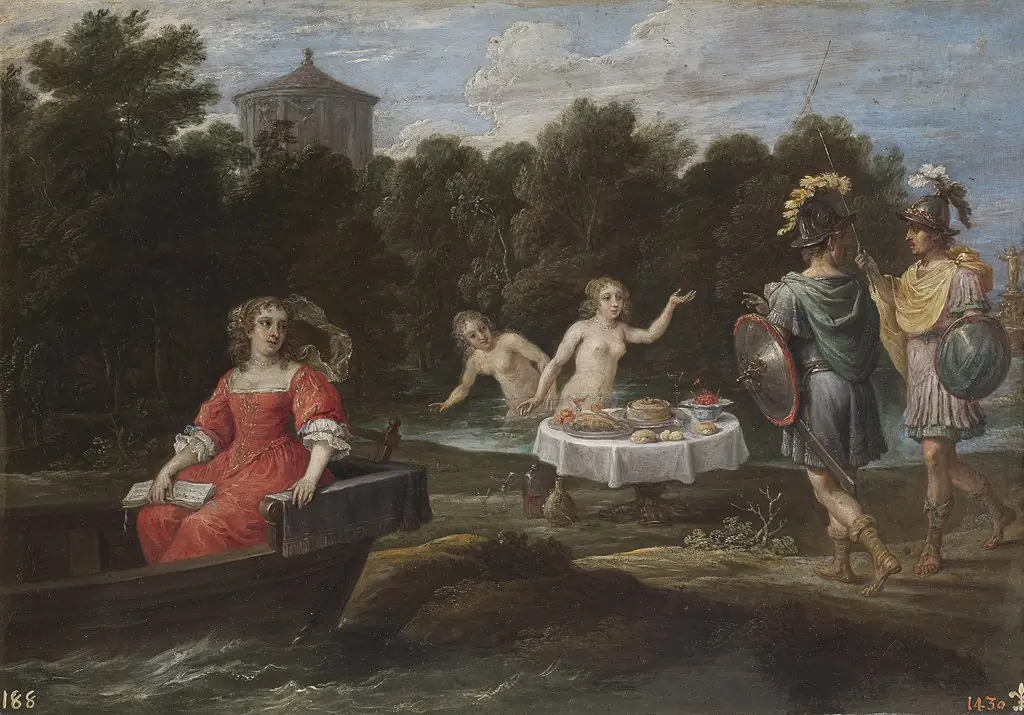 Carlos y Ubaldo en las islas Afortunadas
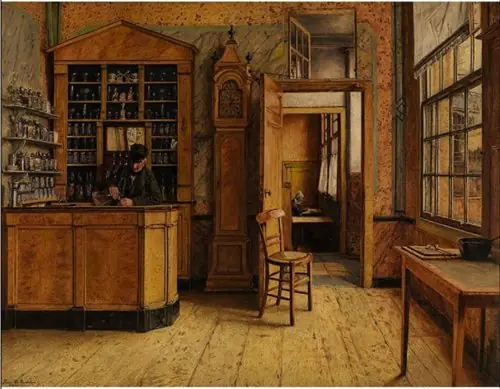 The old inn
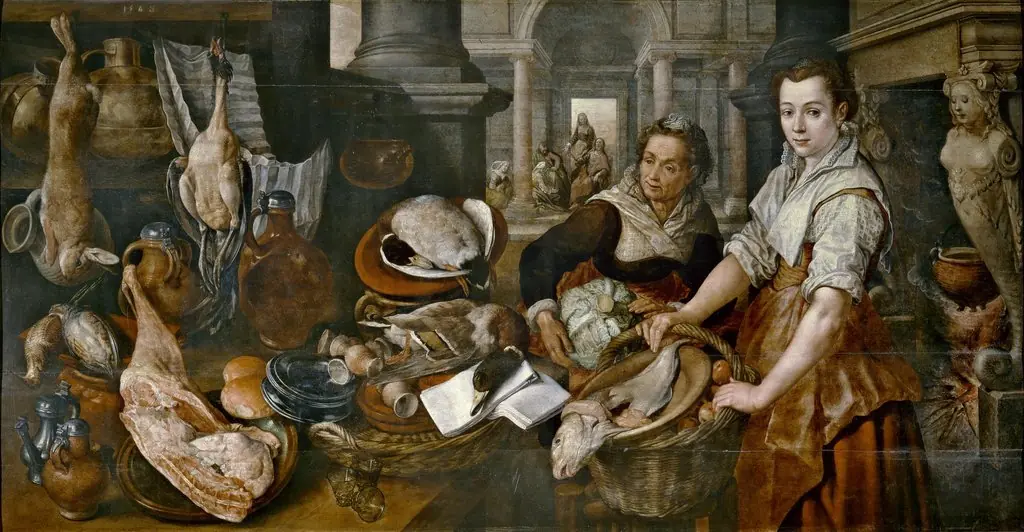 Christ at home with Martha and Mary
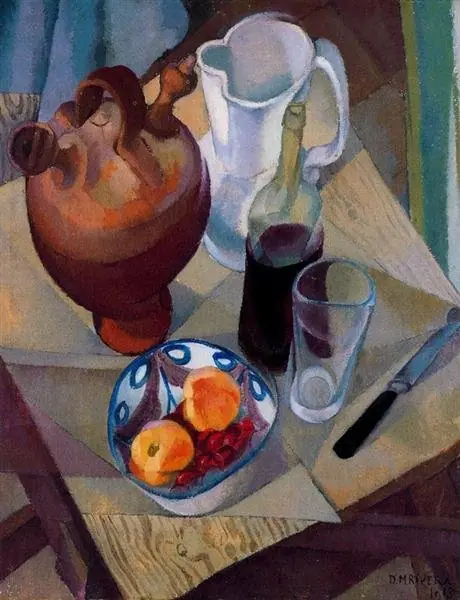 Still Life
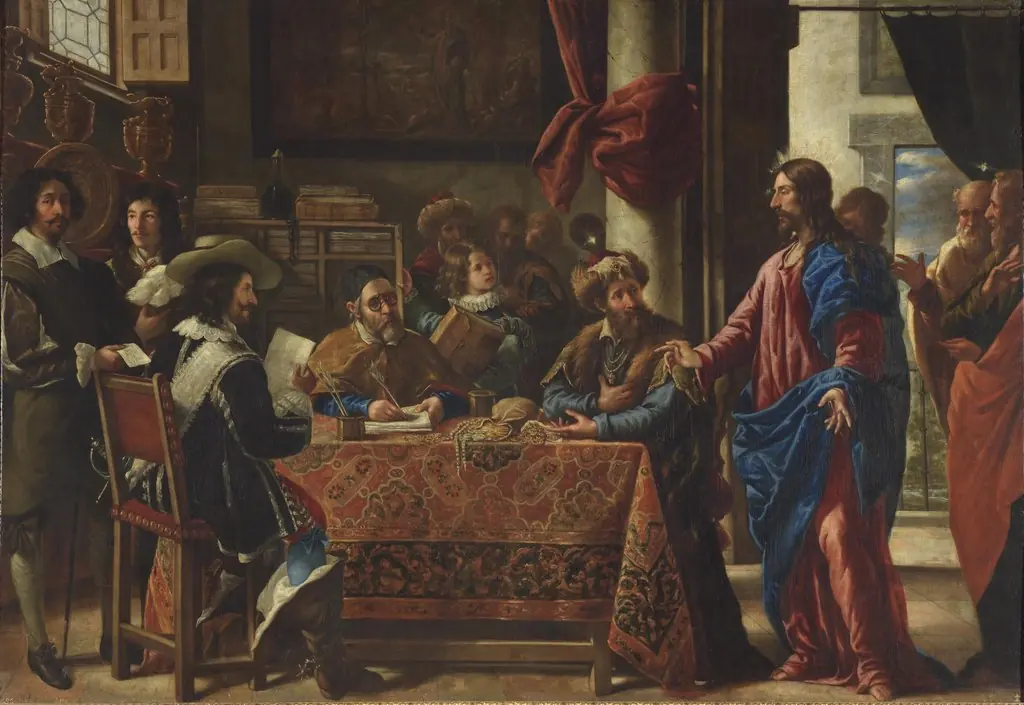 The Calling of Saint Matthew
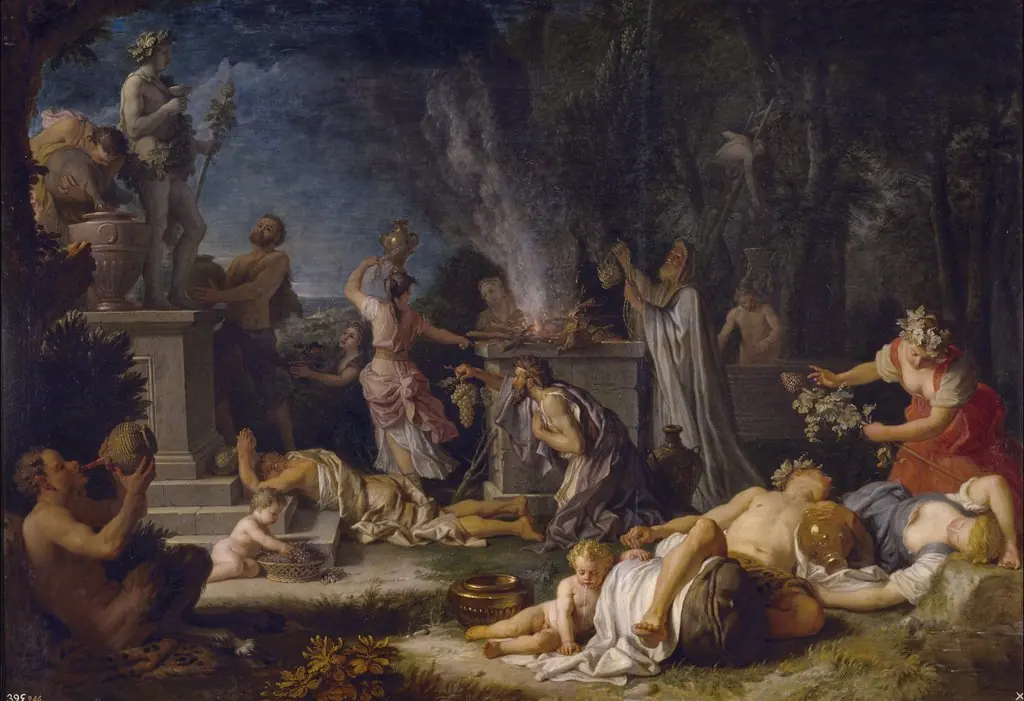 Offering to Bacchus
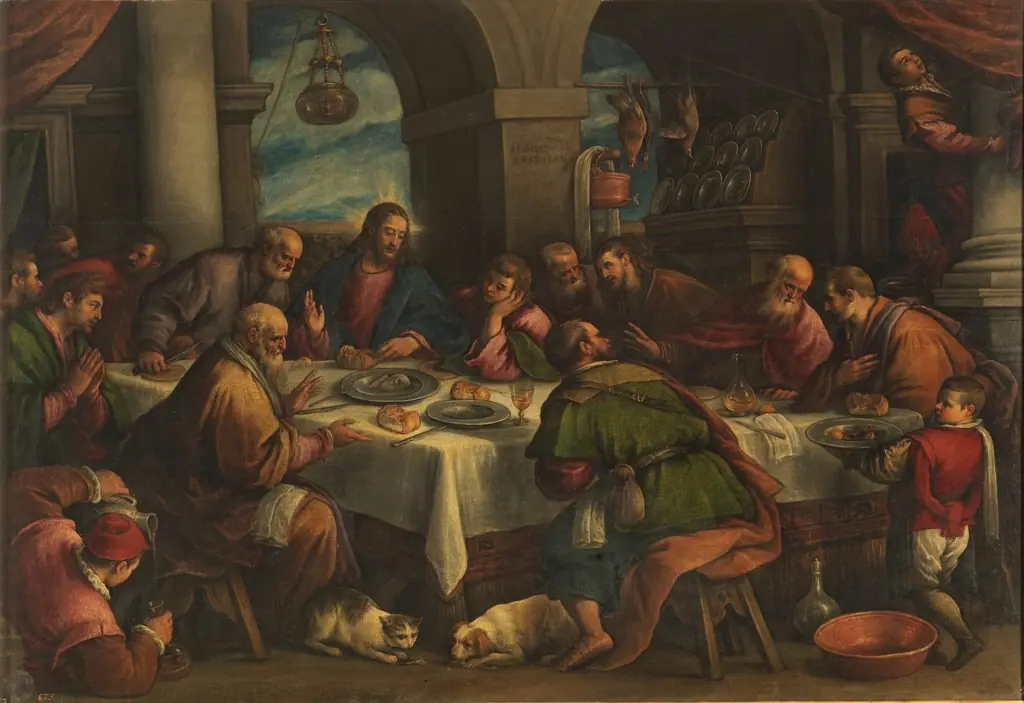 Last Supper
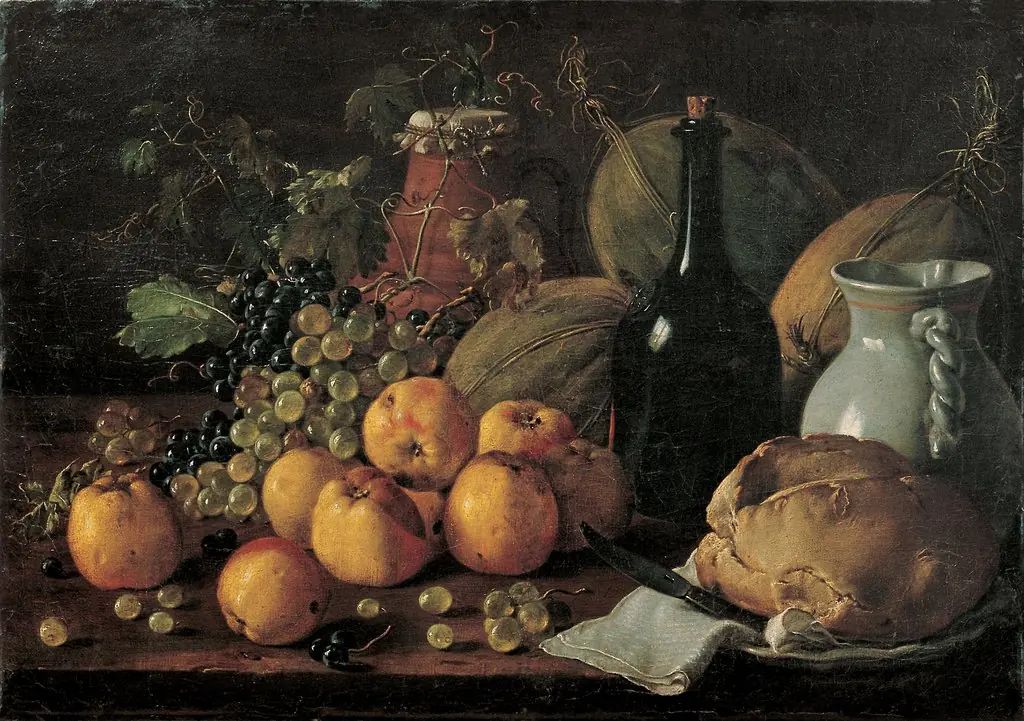 Still Life with Apples, Grapes, Melons, Bread, Jug and Bottle
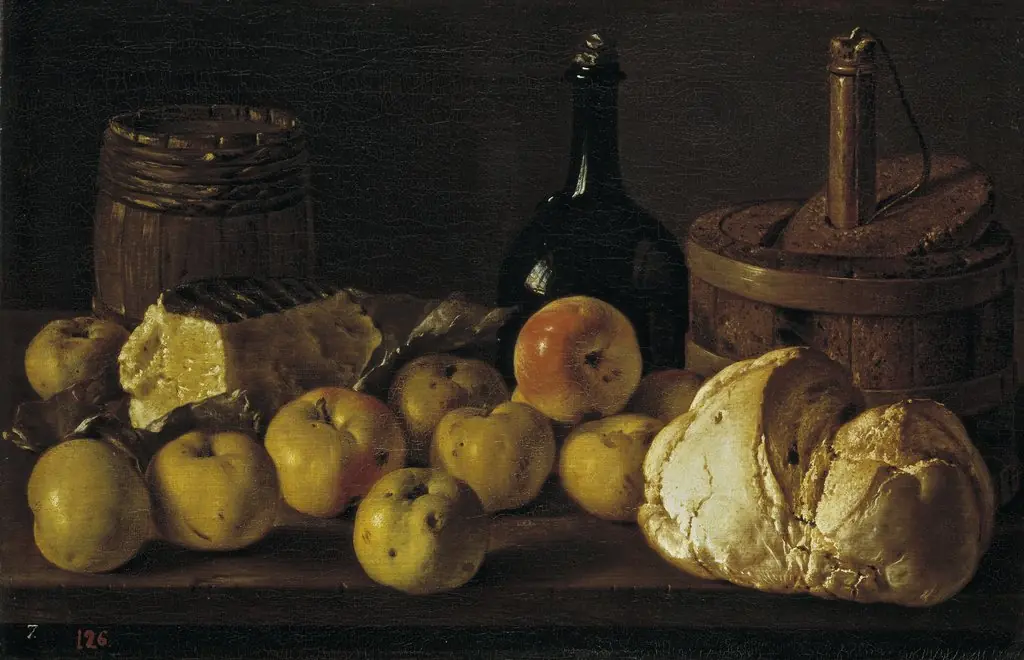 Bodegón con manzanas pan queso y recipientes
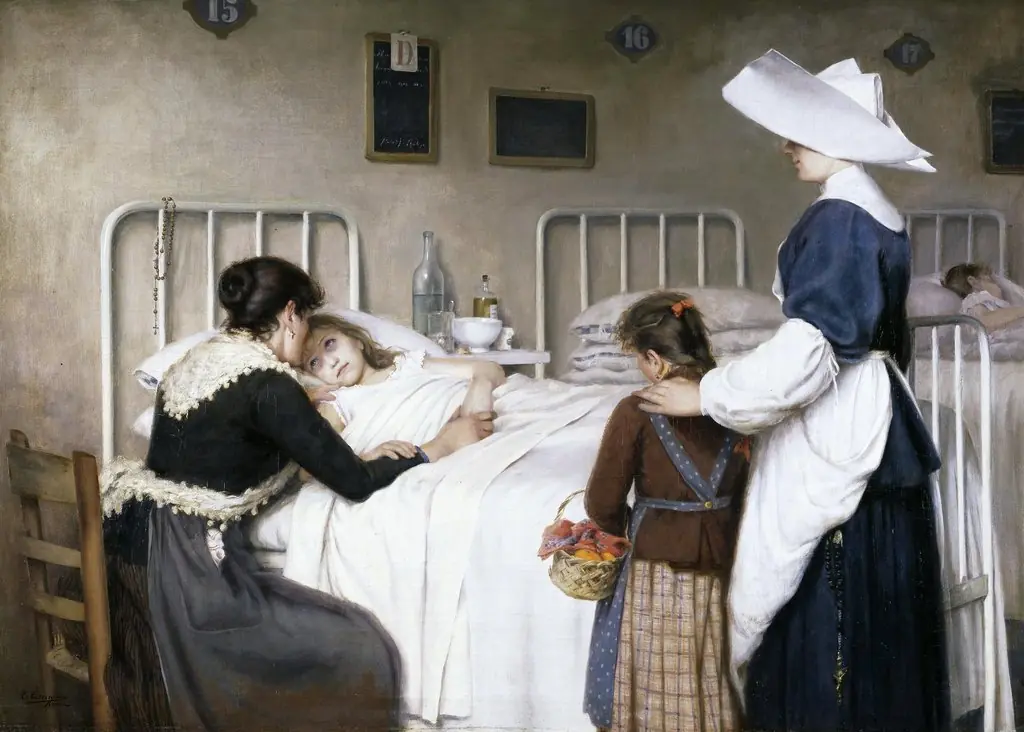 La visita de la madre al hospital
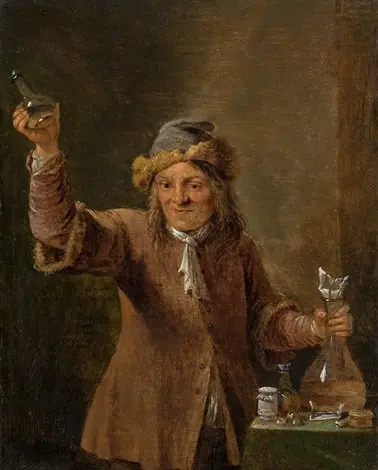 The Village Physician
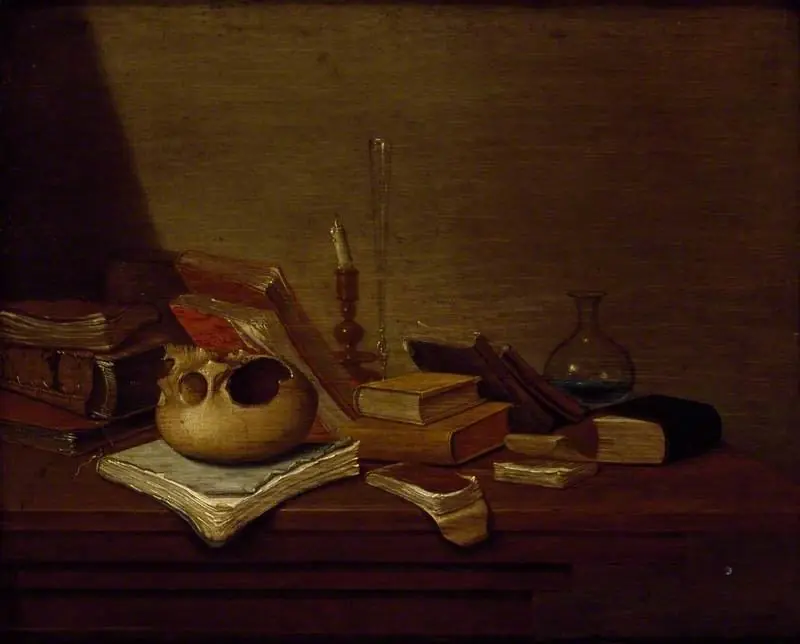 Still life with skull, books, candle and a flask
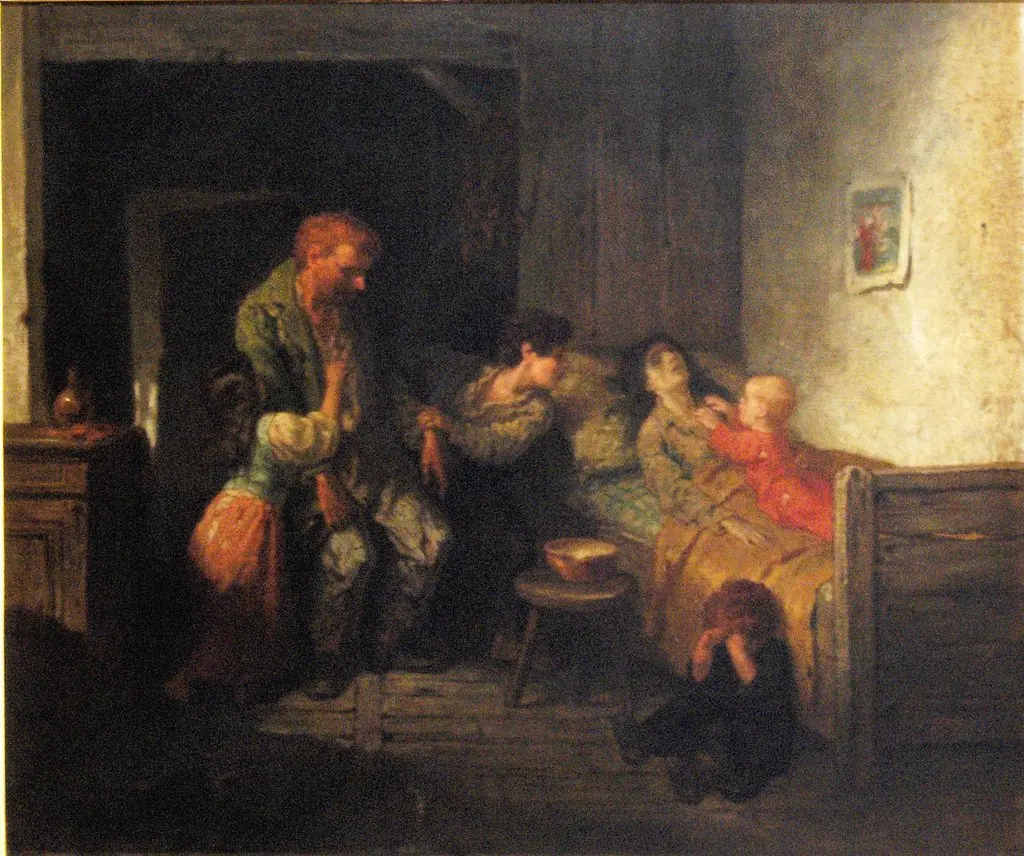 The drunkard
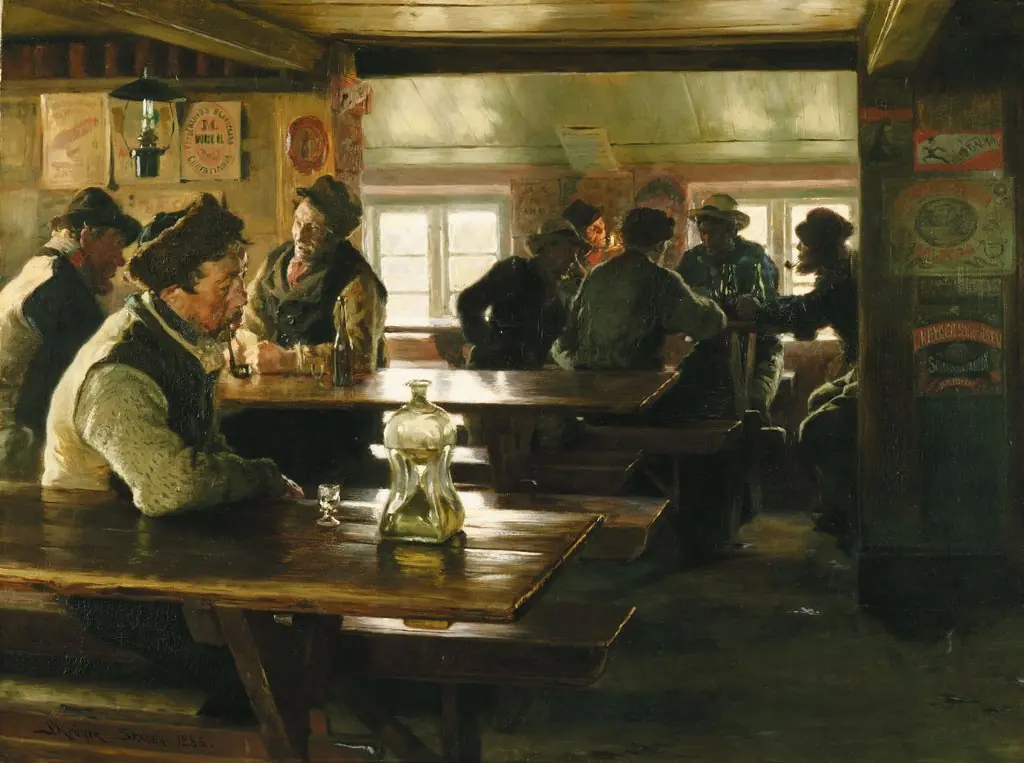 Interior of a Tavern
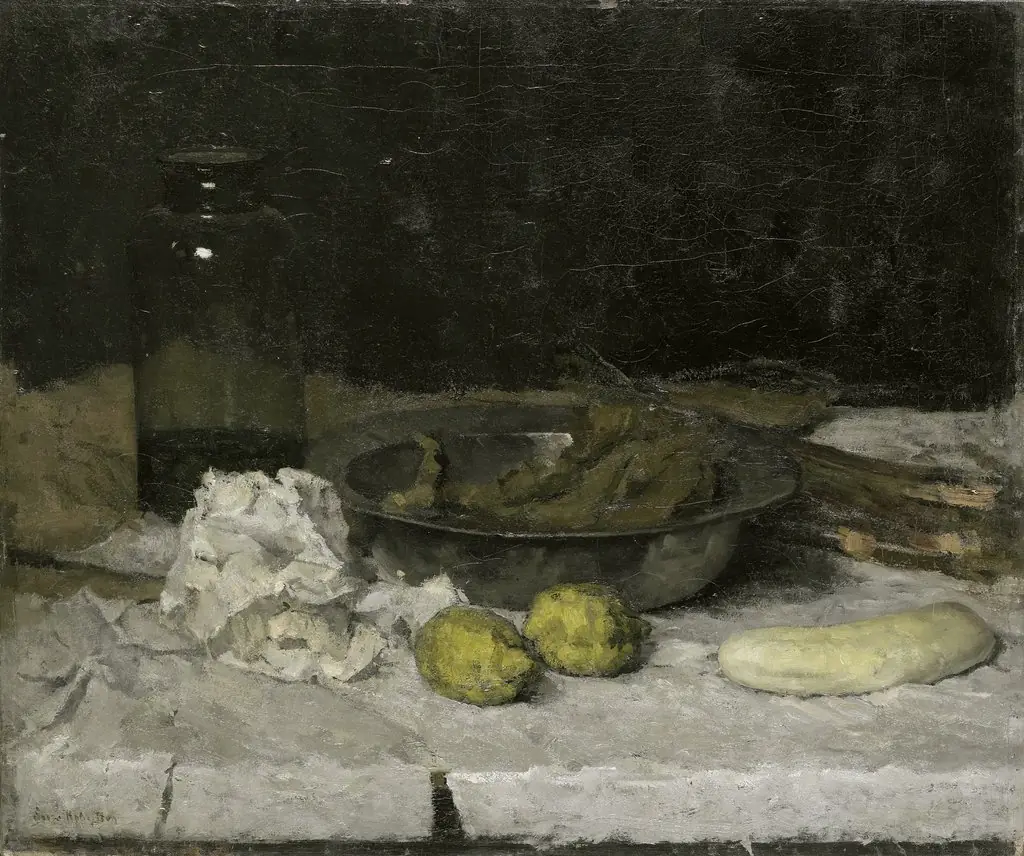 Still life with a a bottle and tin plate
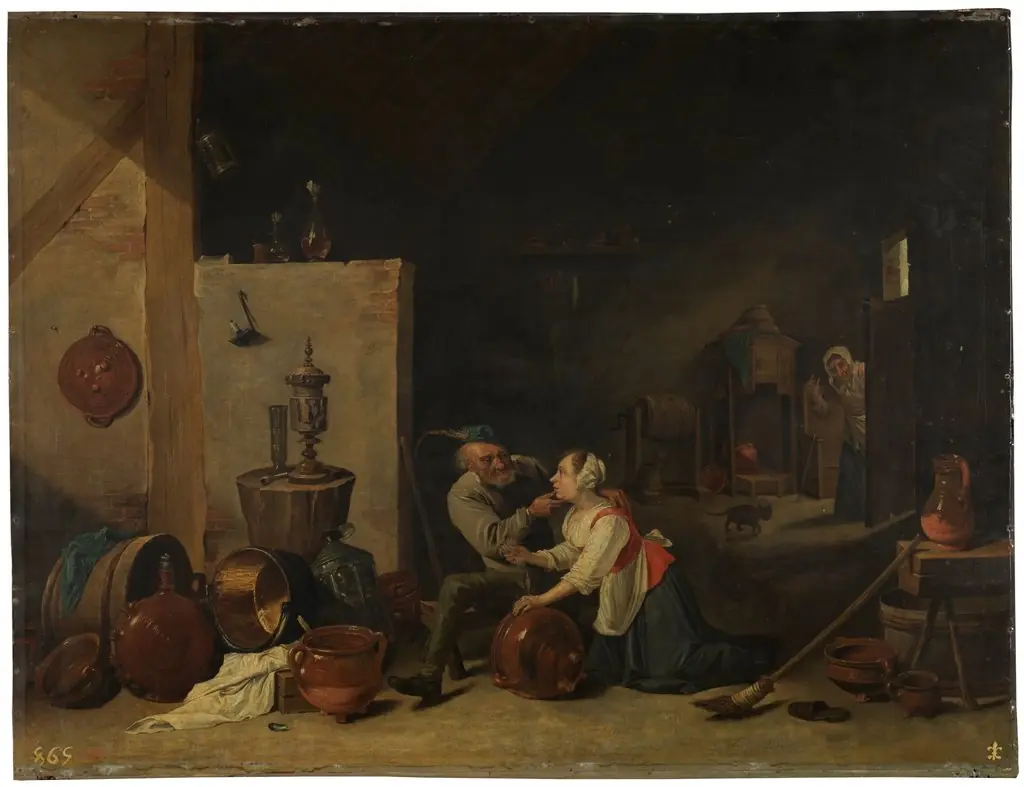 The Old Man and the Maid
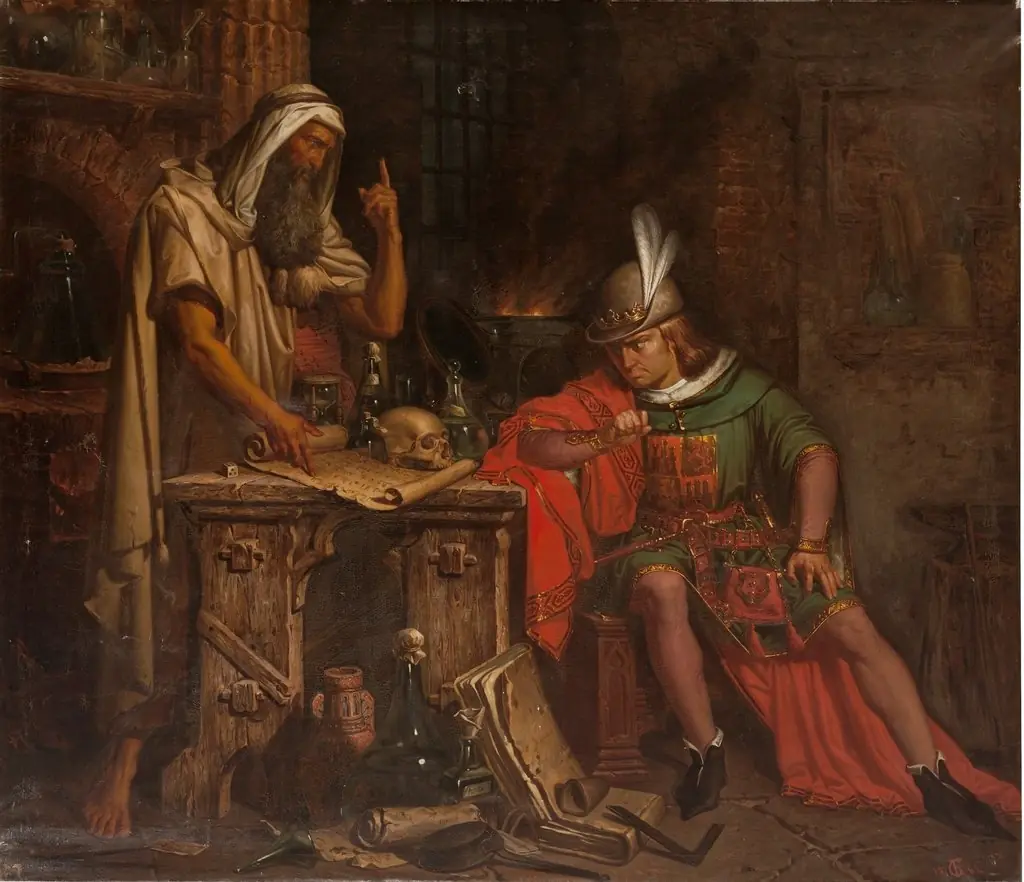 Don Pedro I de Castilla consulta su horóscopo a un moro sabio de Granada llamado Ben-Agatim
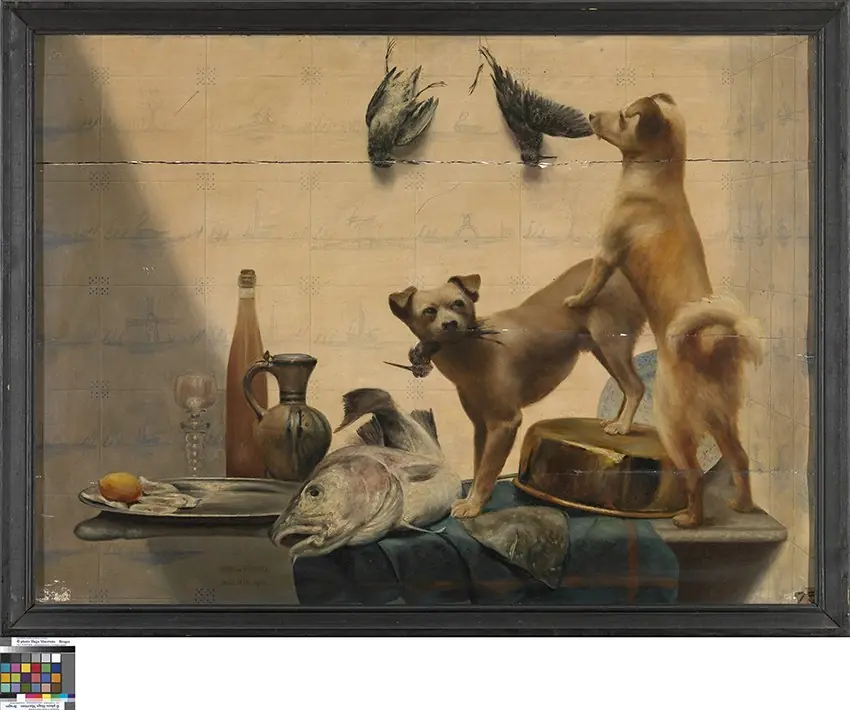 Stilleven met honden
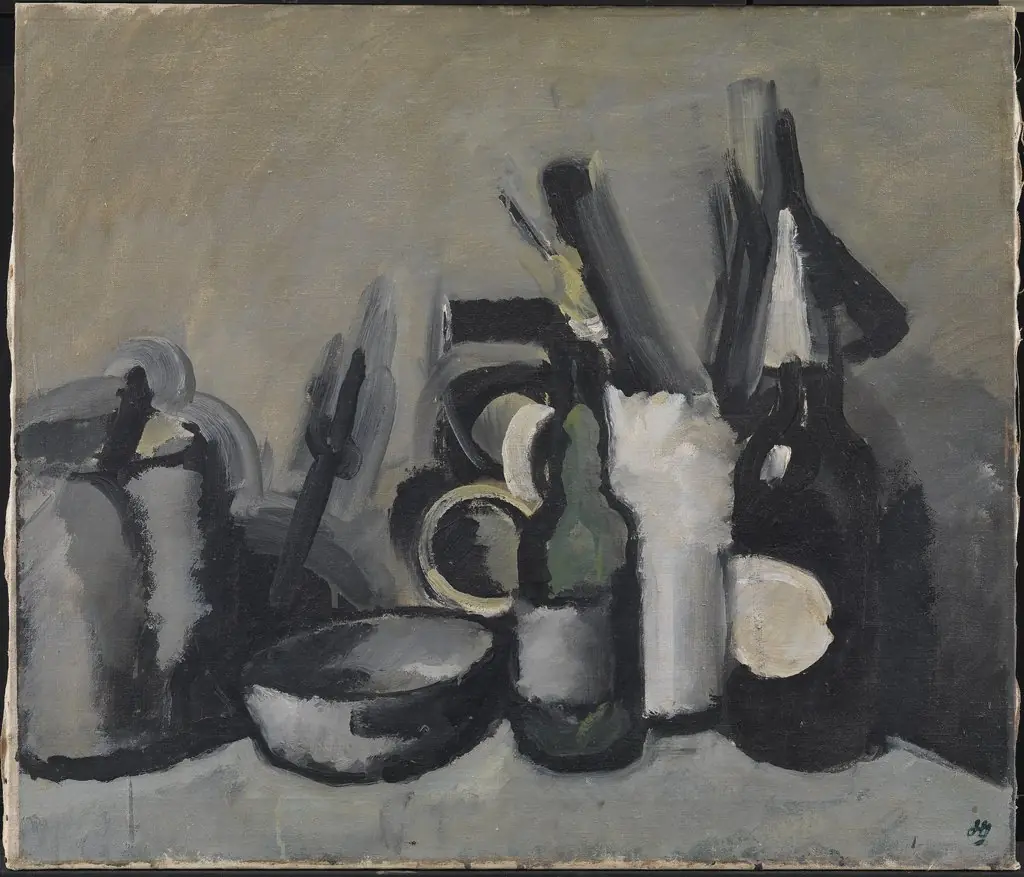 Still Life with Bottle
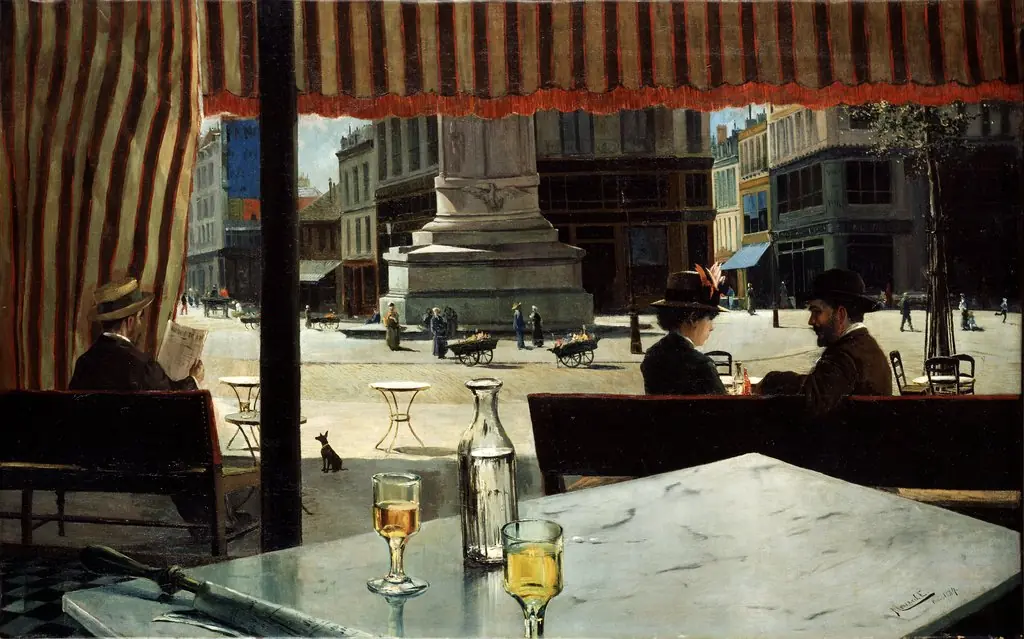 A Square in Paris
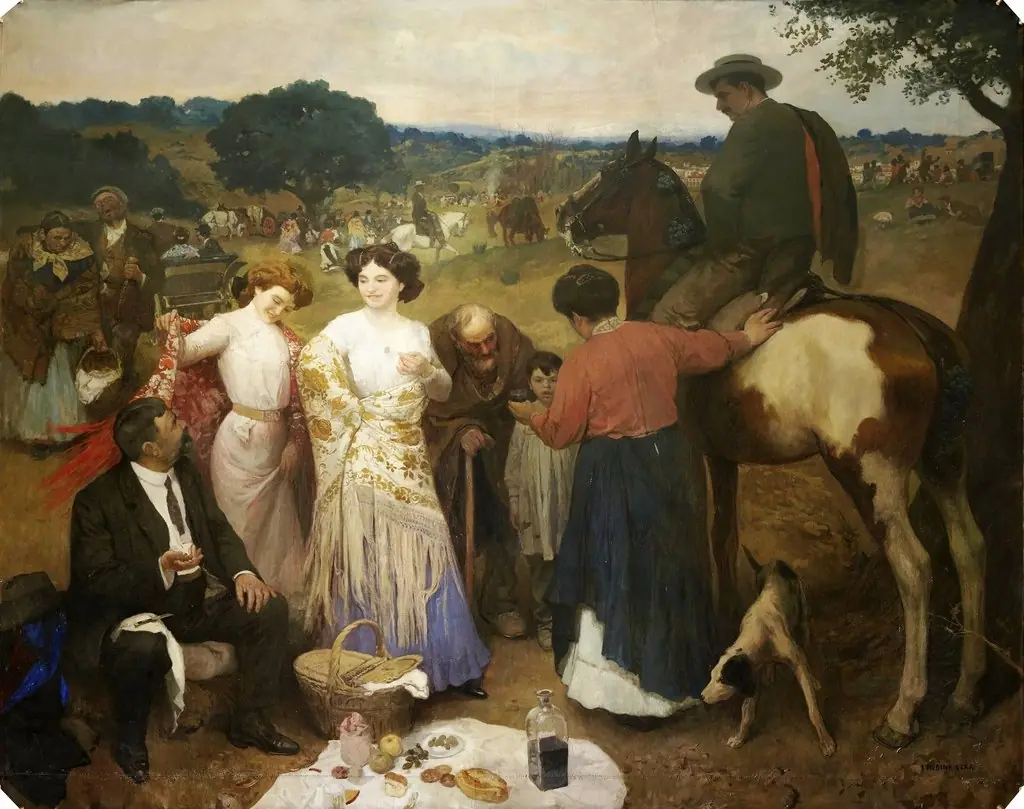 La Romería de San Eugenio
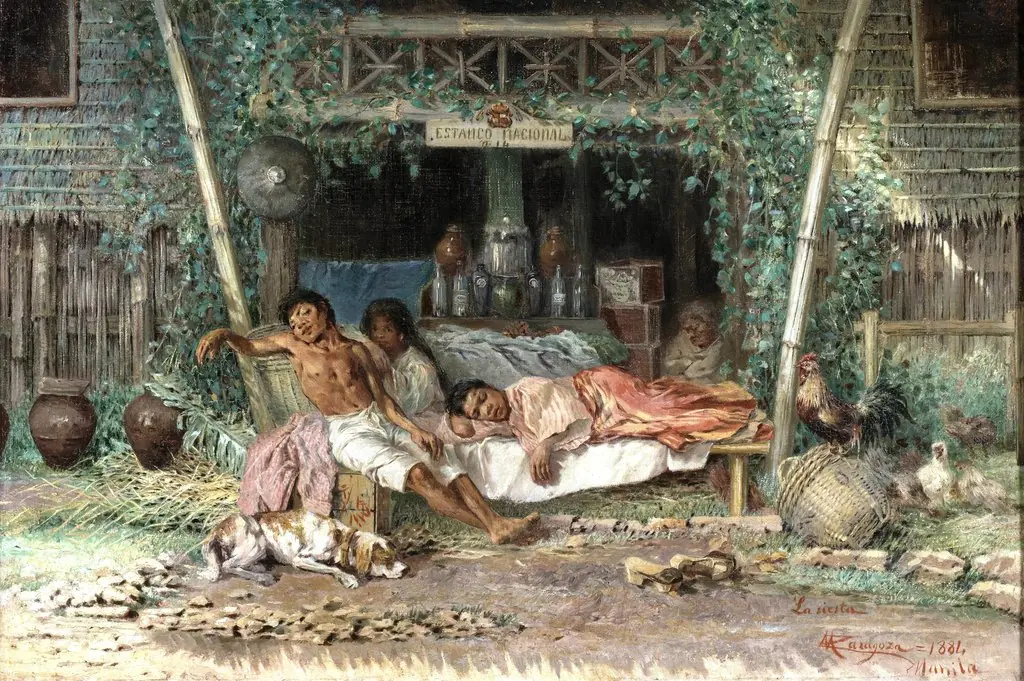 La siesta (Estanco nacional)
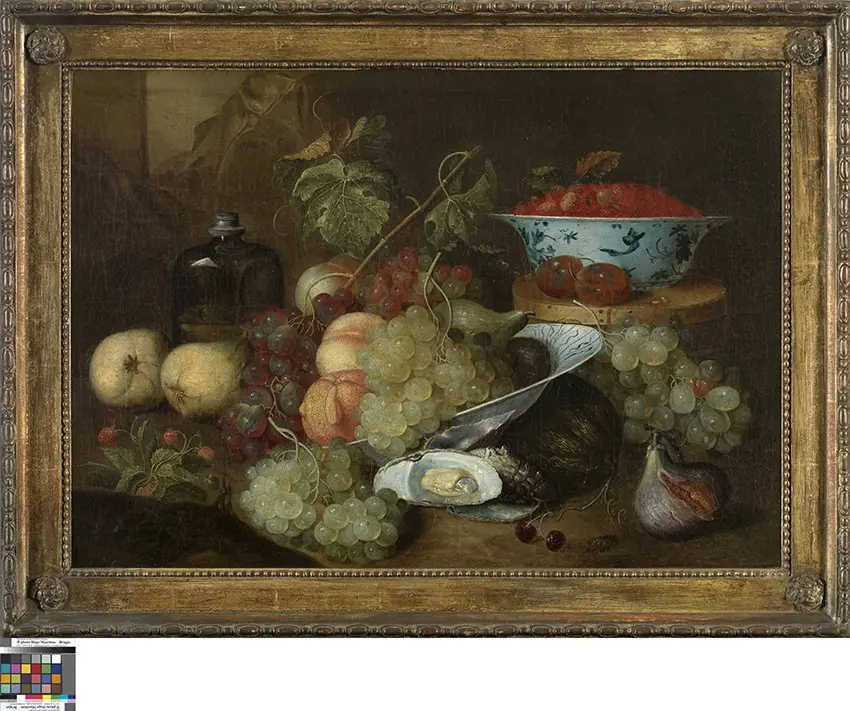 Still Life with Fruit
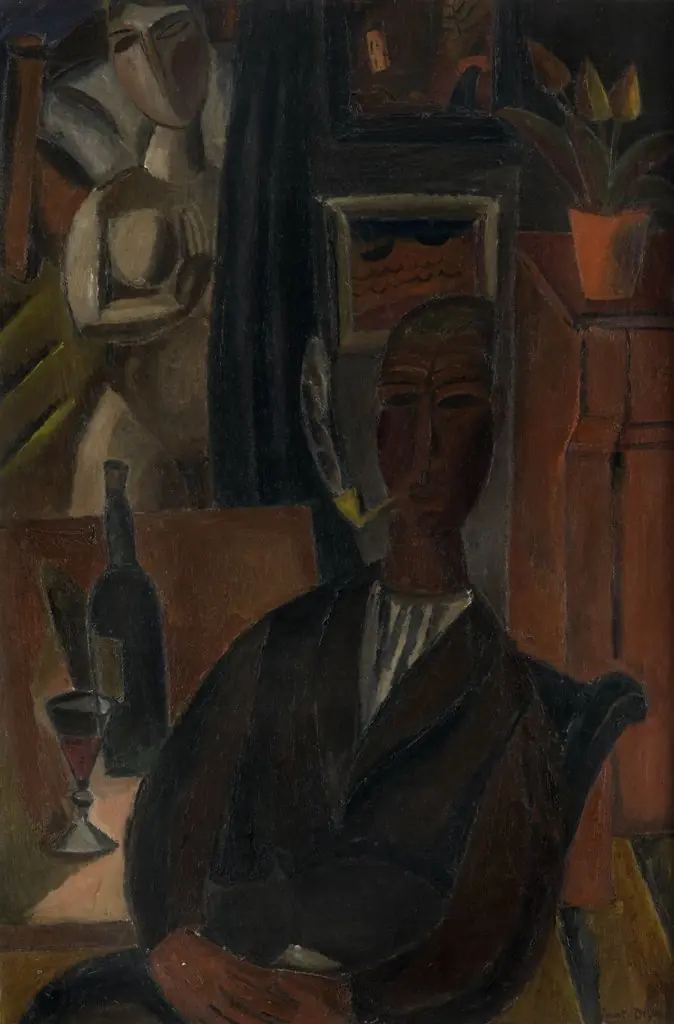 The man with the bottle
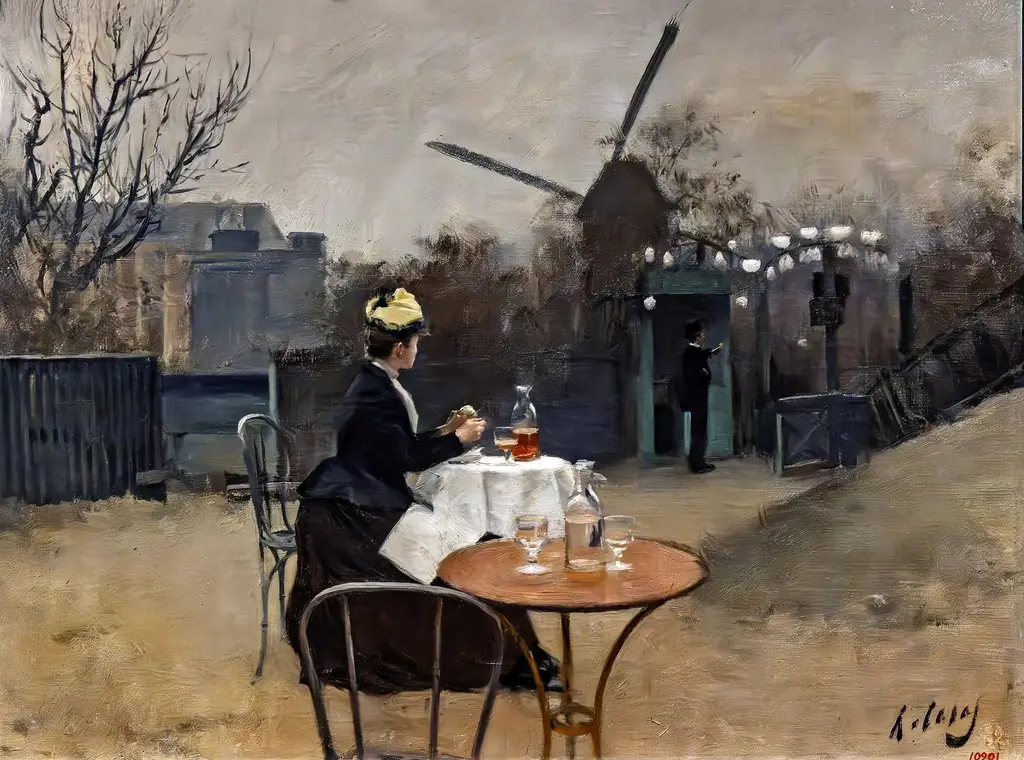 Plein air
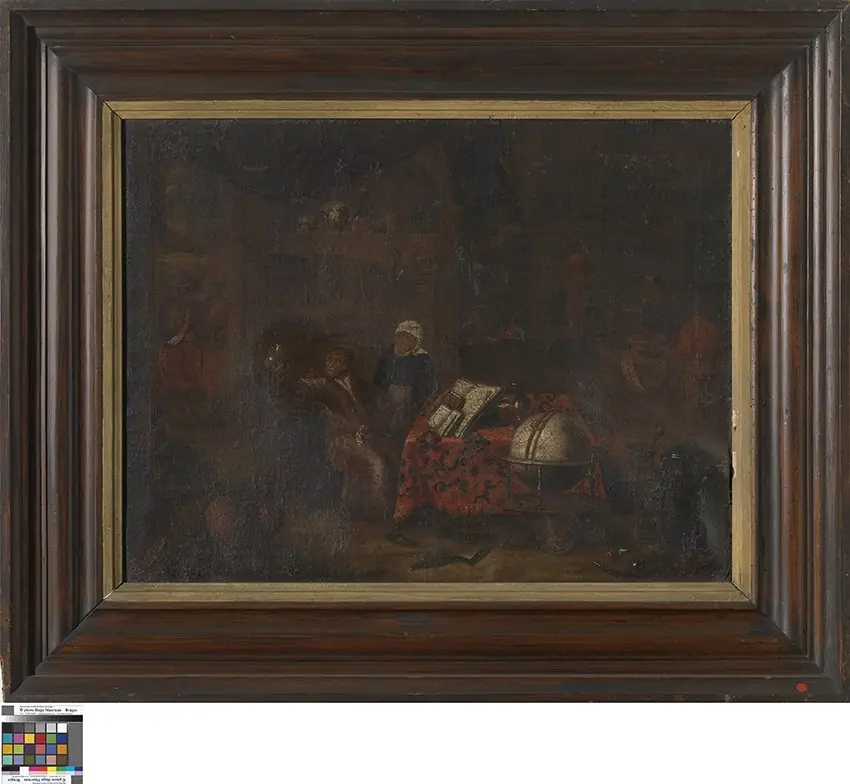 Singerie
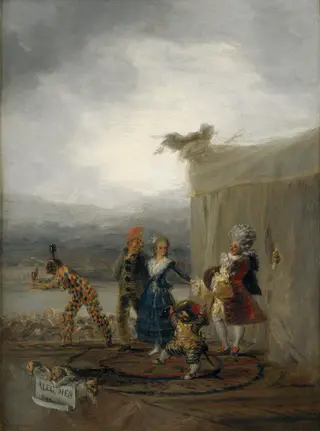 The Strolling Players
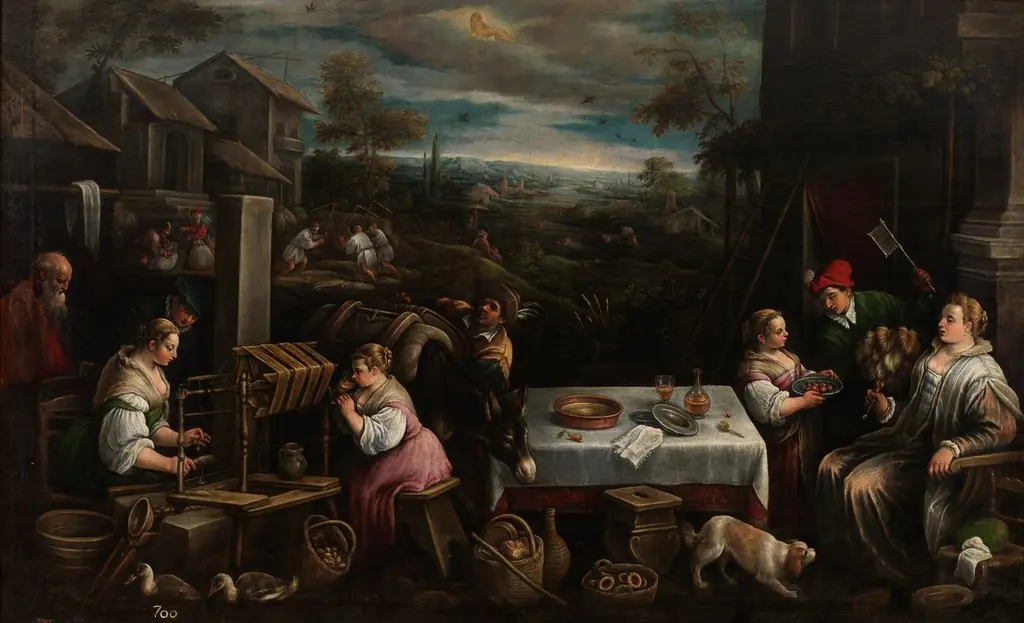 July (Leo)
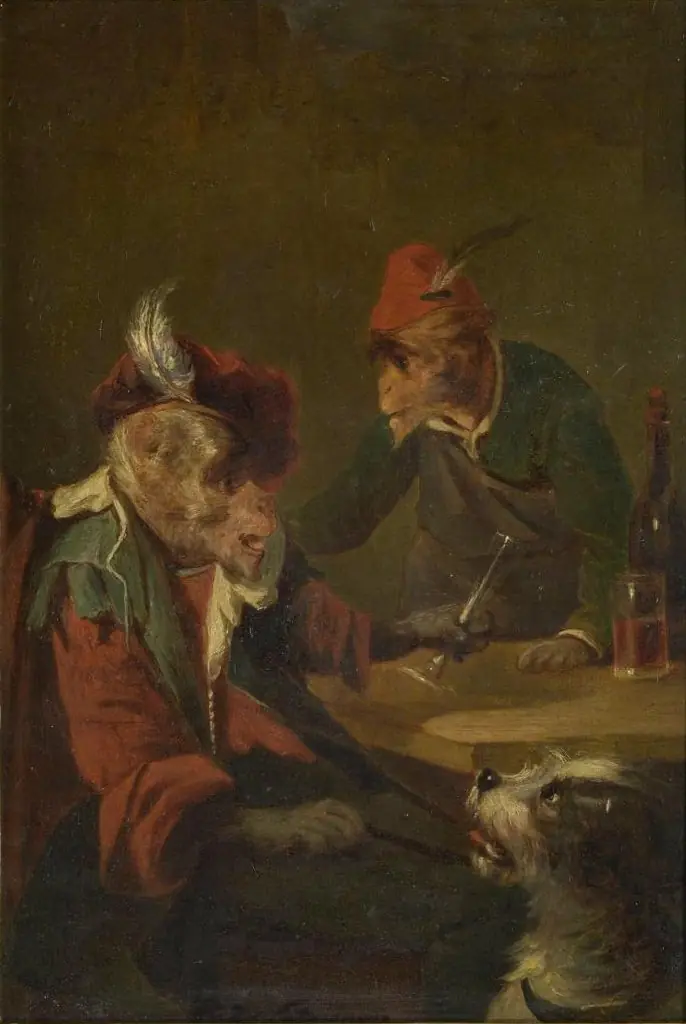 Drinking monkeys and a dog
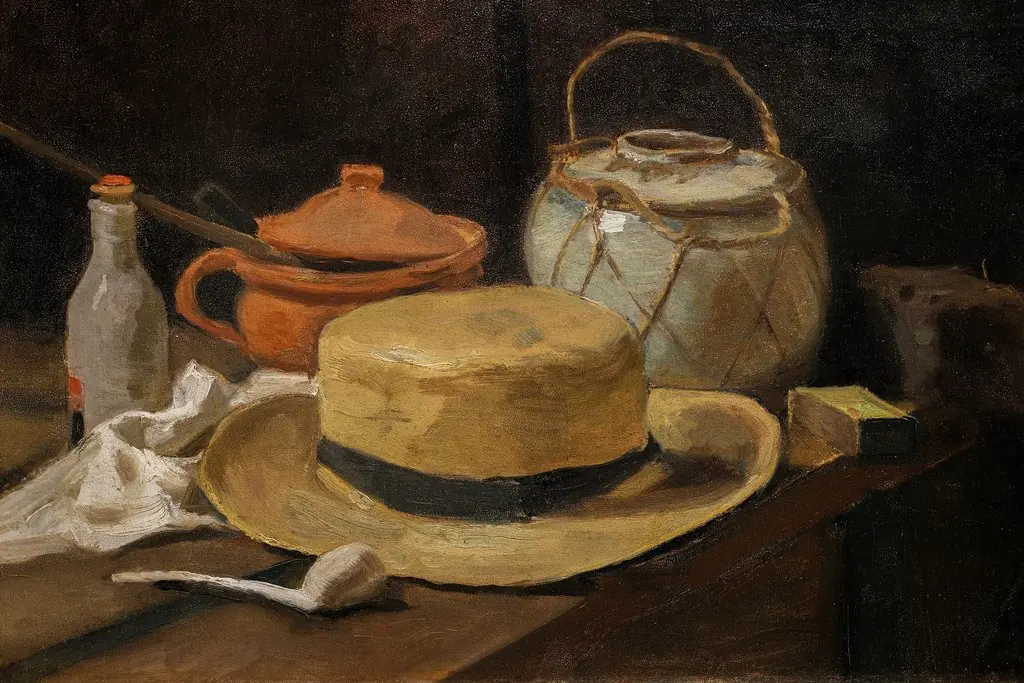 Still Life with Straw Hat
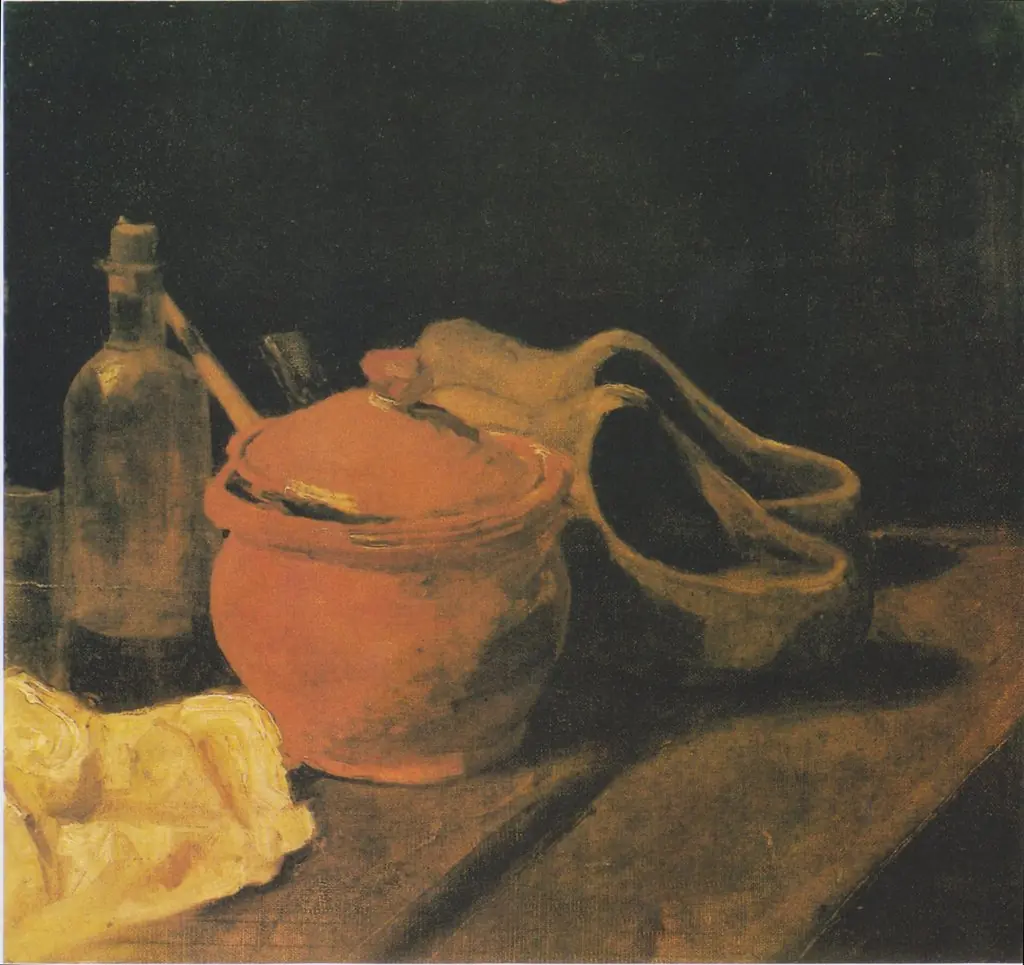 Still Life with Clogs
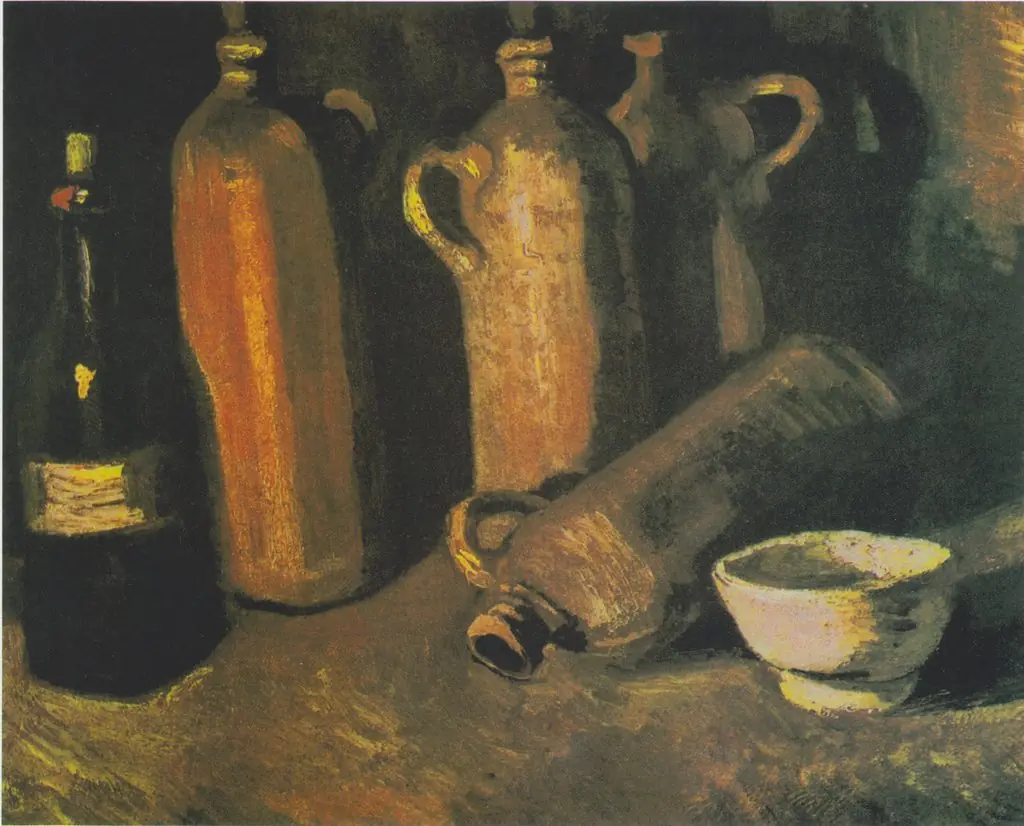 Still Life with Jars
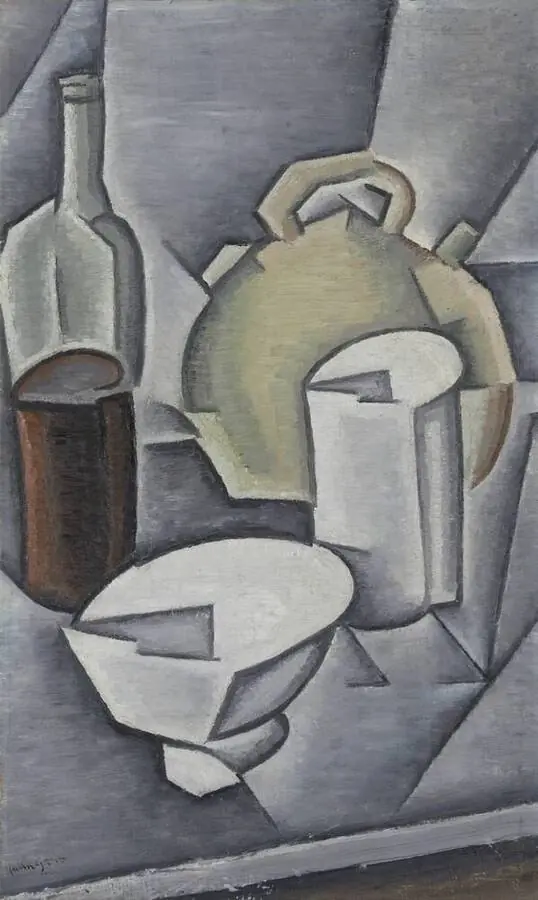 Bottle and Pitcher
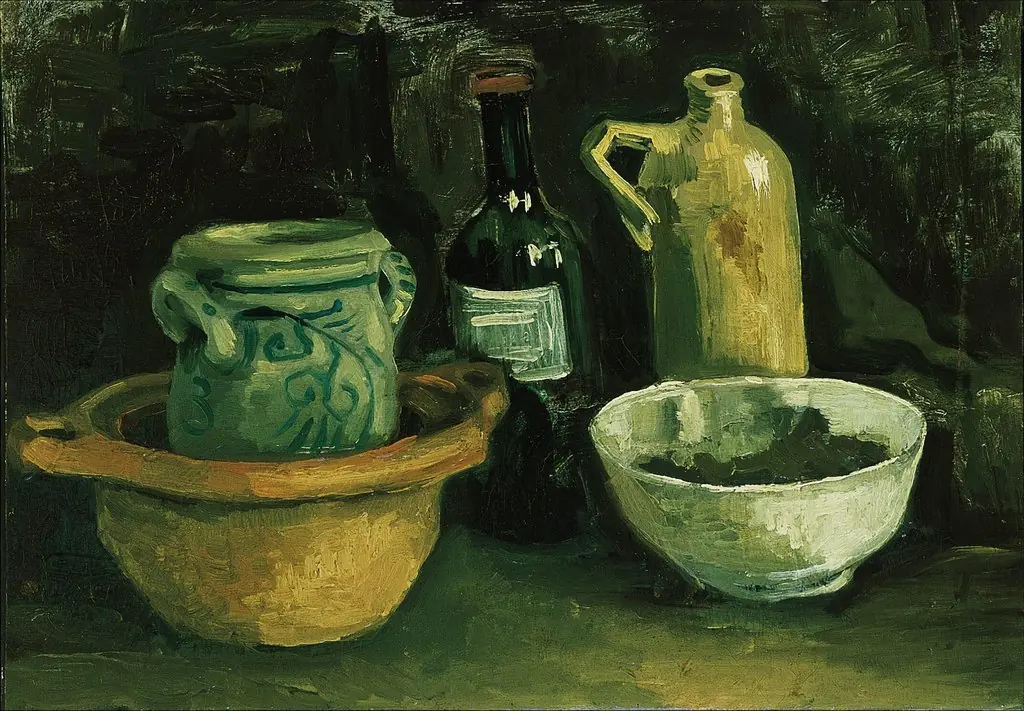 Still Life (F.1972.44.P)
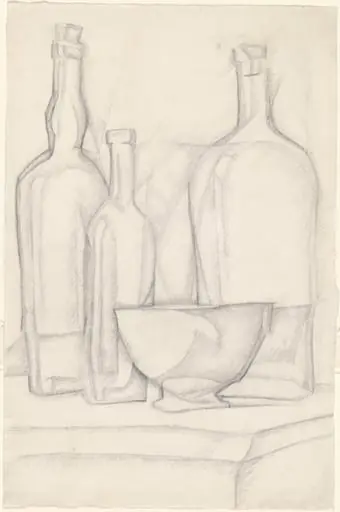 Bottles and Bowl
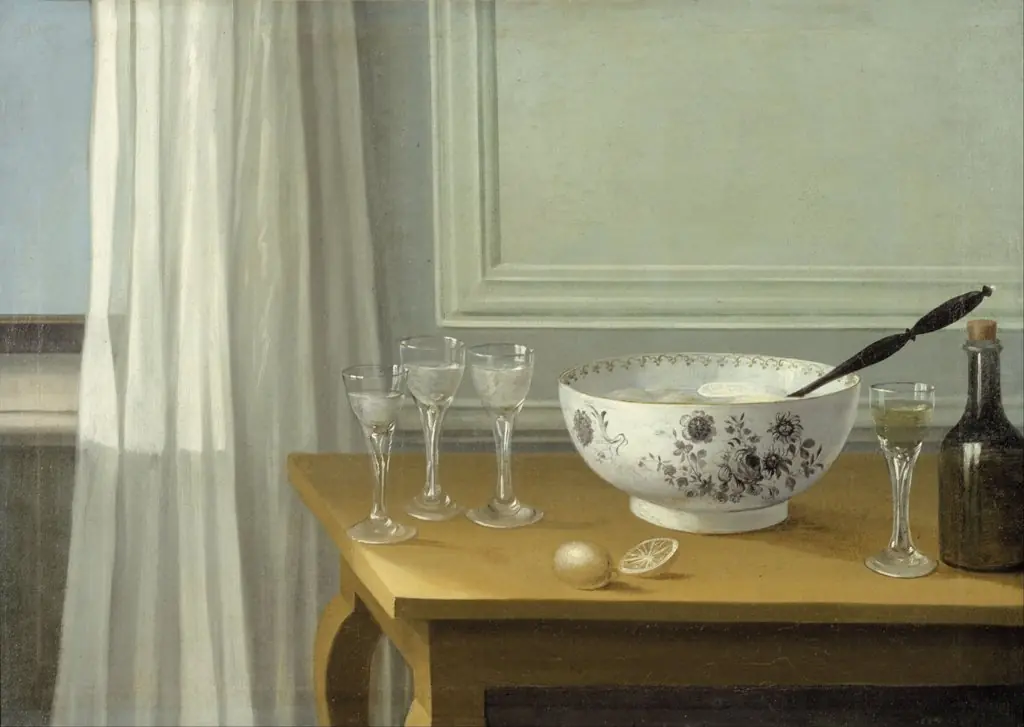 Still Life with a Punch Bowl
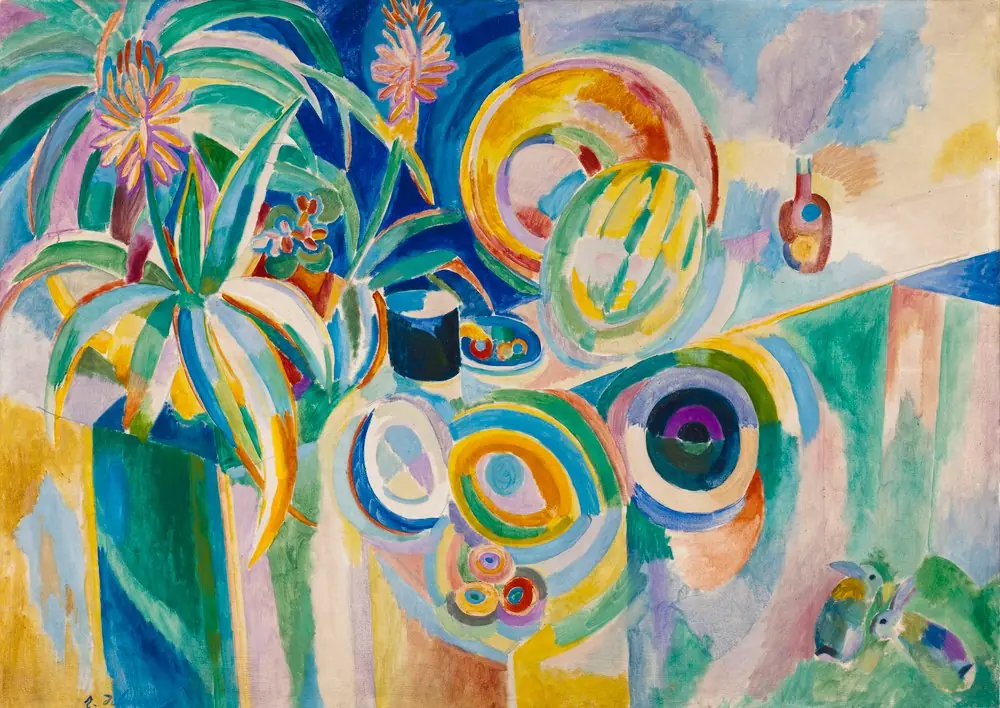 Colorful Symphony
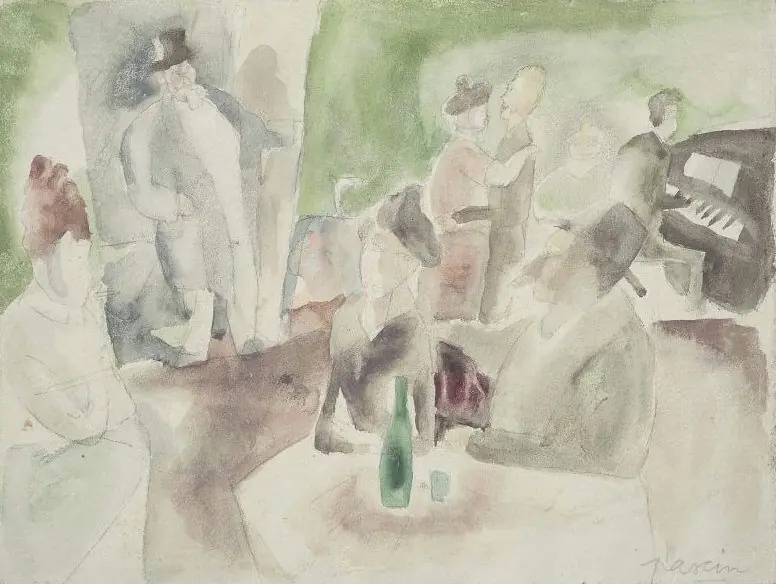 Café scene
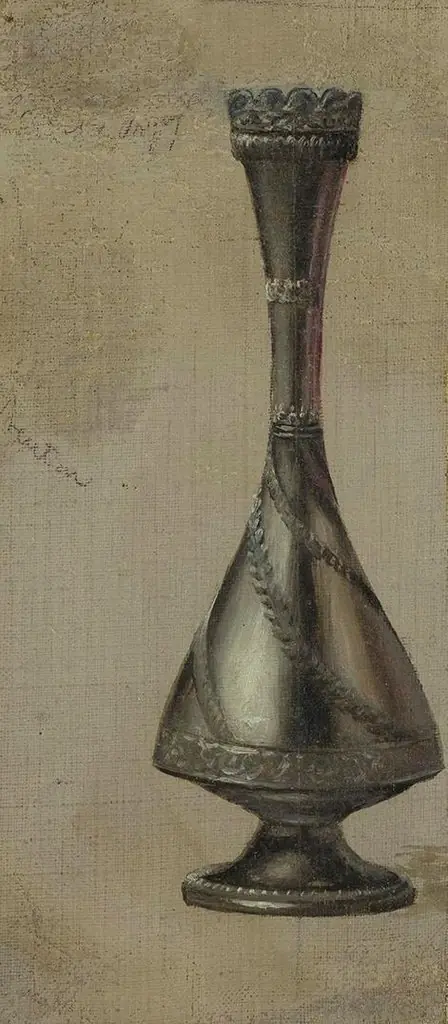 Study of Silver Vase
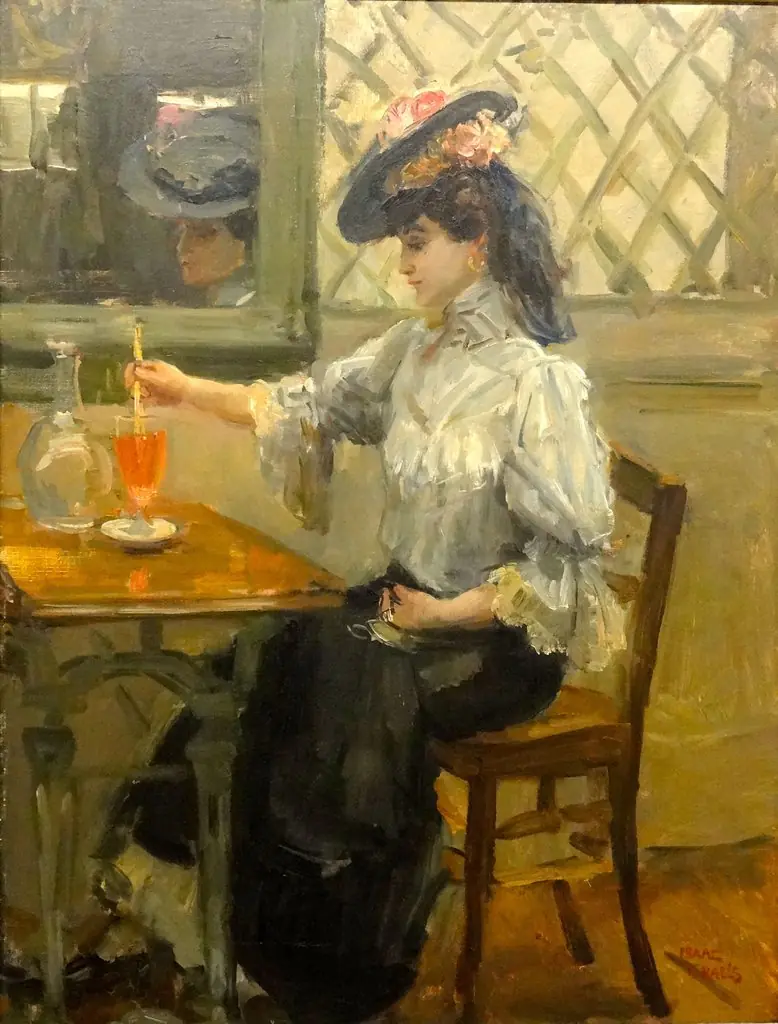 In het café
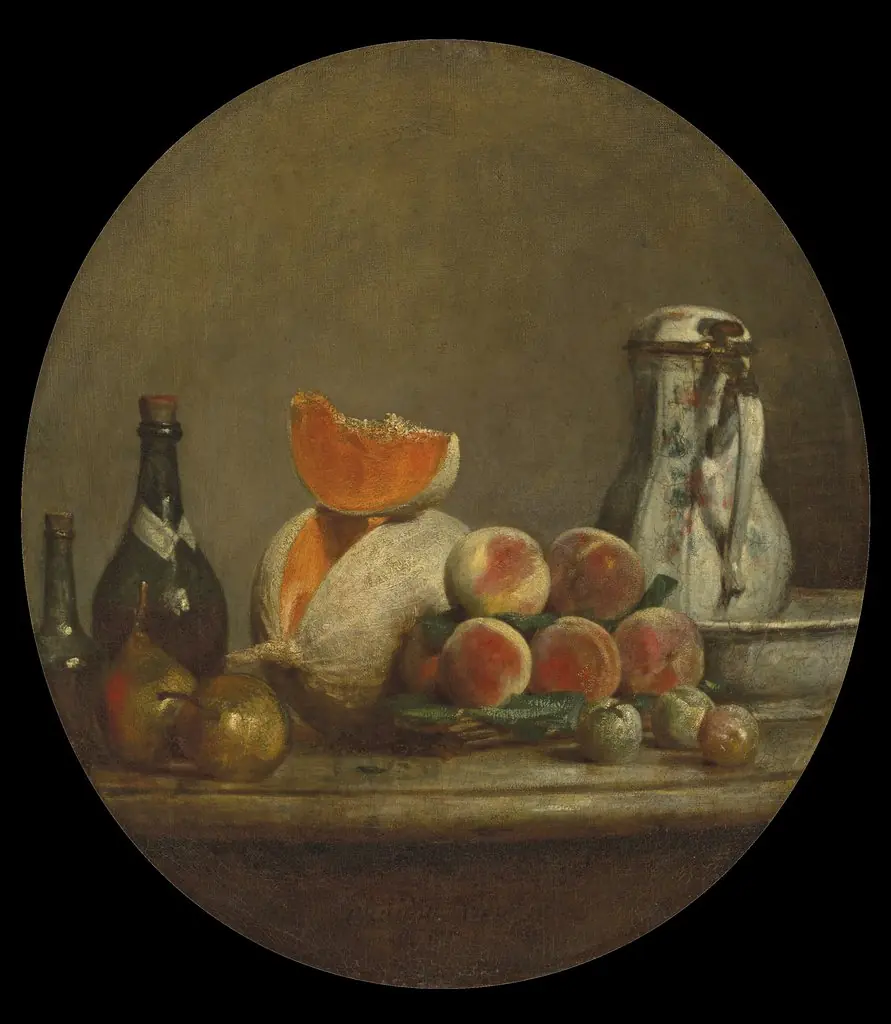 The Sliced Melon
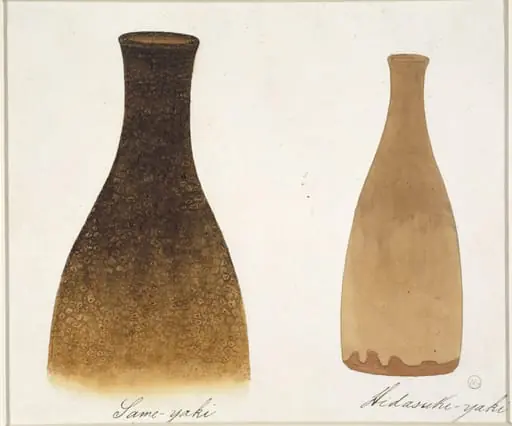 Same-yaki Hidasuki-yaki
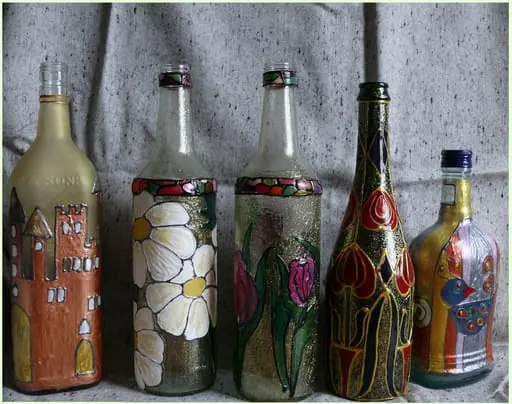 Decorative bottles
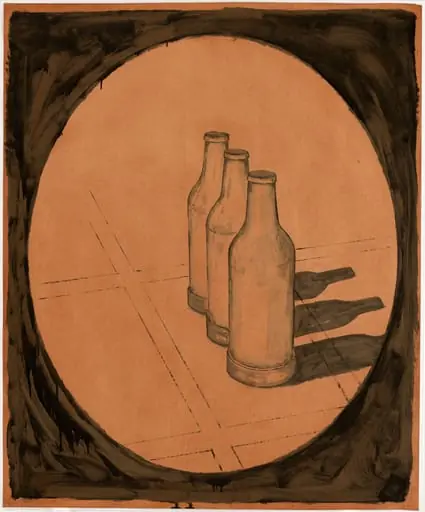 Untitled
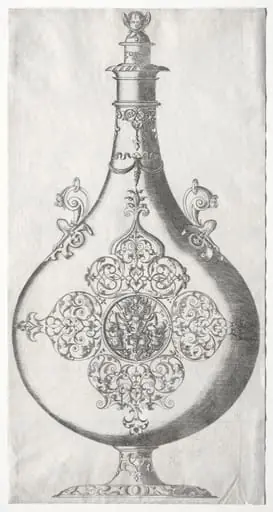 Pear-shaped Bottle with Trophy of Arms
Frequently asked questions
What is Bottle?
Bottle is a subject in art. A bottle is a narrow-necked container made of an impermeable material (such as glass, pottery, porcelain, plastic or aluminium) in various shapes and sizes that stores and transports liquids.
How many Bottle works does Artifact World Gallery have?
Artifact World Gallery holds 59 public-domain Bottle works, all free to view and download.
Who are the key Bottle artists?
Key Bottle artists in the collection include Thomas Eakins, Francis William Edmonds and Claude Monet.
Where can I see Bottle works?
Bottle works in the collection are held by Museo del Prado, Metropolitan Museum of Art and Groeningemuseum.