Artwork
Maria Anna of Austria, Queen of Portugal
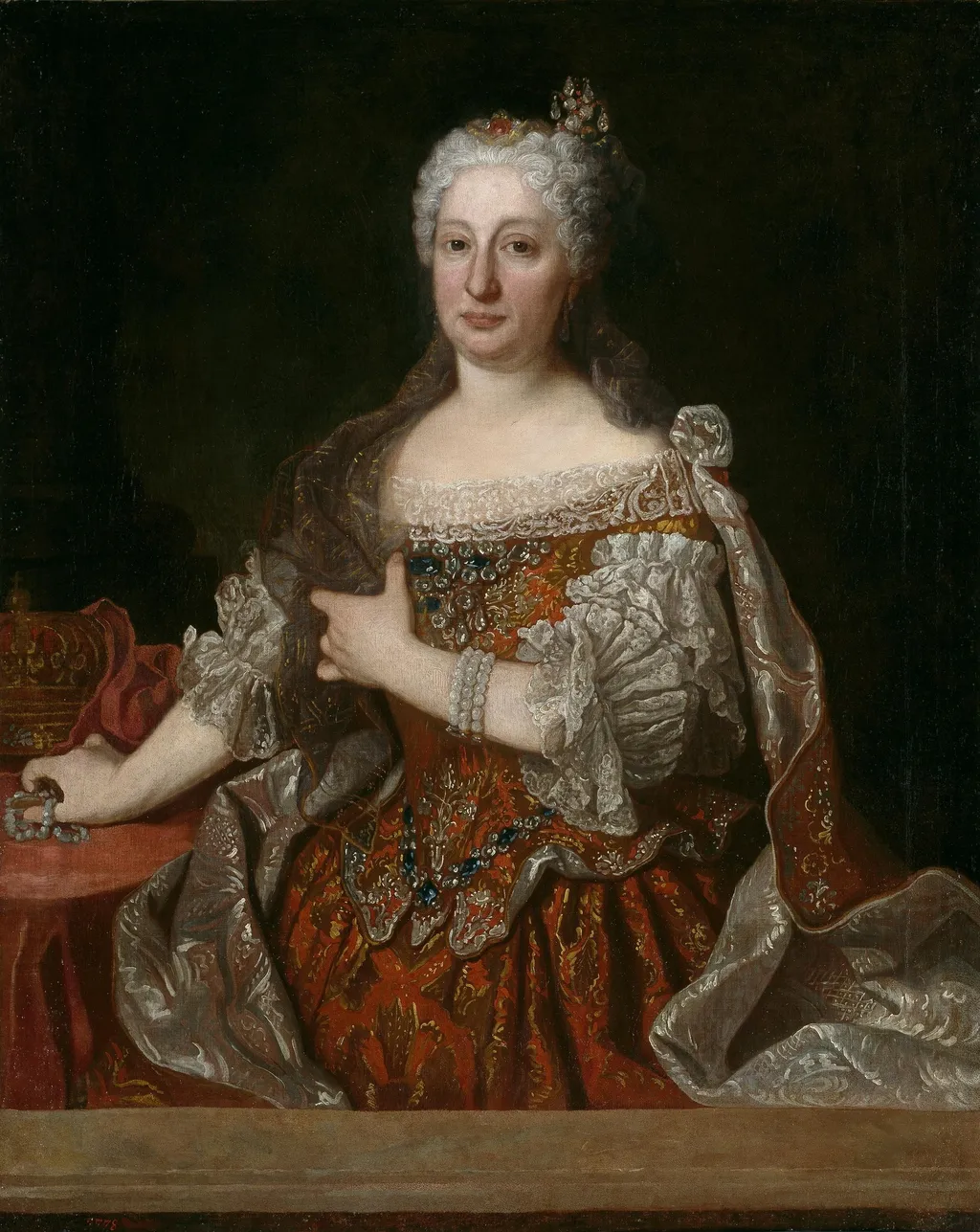
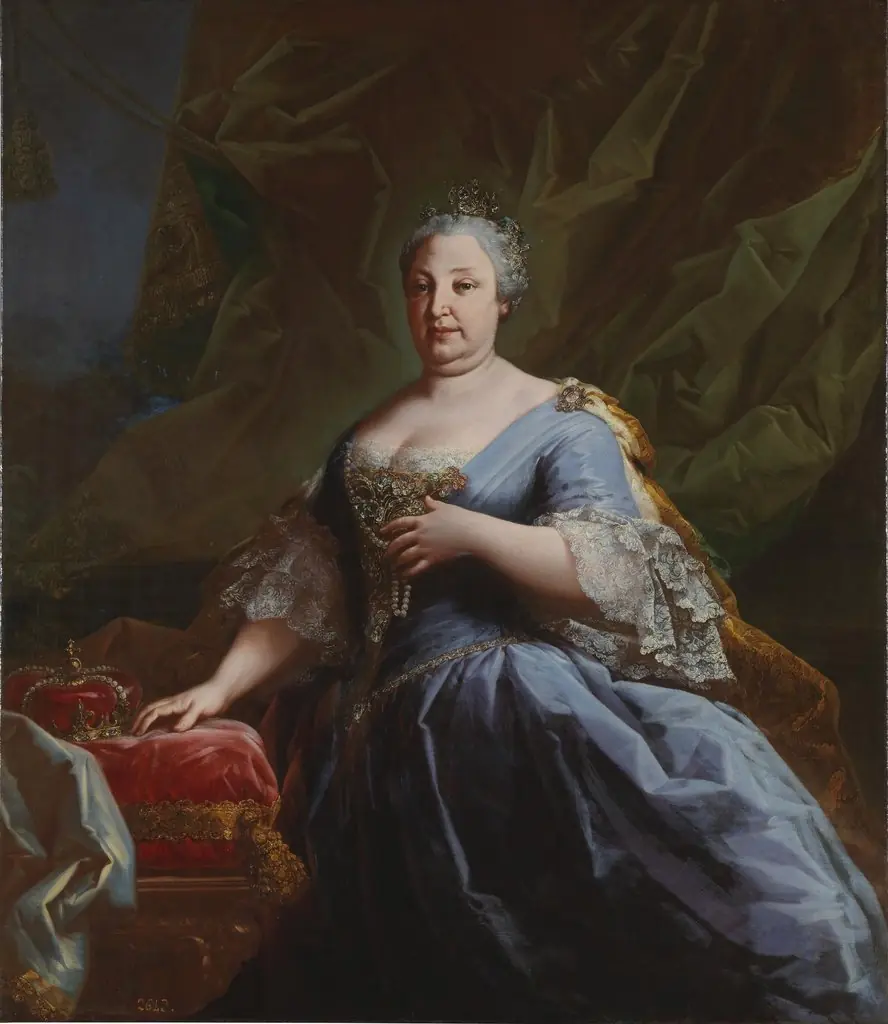
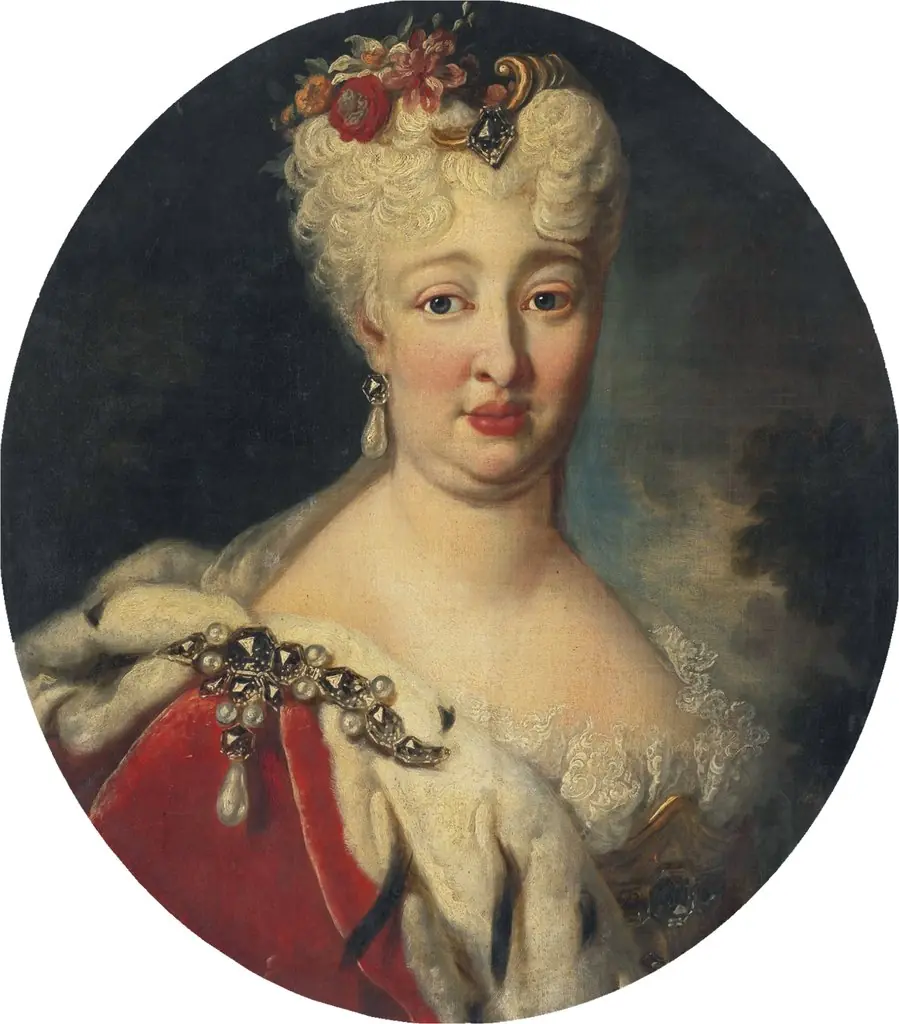
Maria Anna of Austria, Queen of Portugal is an oil painting by the Rococo painting artist Jean Ranc. It dates from 1729 and is held in the collection of the Museo del Prado.
About this work
Subject & Meaning
Executed in Lisbon, the work functions as a formal royal portrait, identifying the sitter as its primary subject through traditional conventions of the genre.
This 1729 oil painting by Jean Ranc depicts Maria Anna of Austria in her capacity as Queen of Portugal. Executed in Lisbon, the work functions as a formal royal portrait, identifying the sitter as its primary subject through traditional conventions of the genre. The image serves as a diplomatic and dynastic representation of the monarch, reflecting her status within the Portuguese court during the early eighteenth century.
Today, the portrait is held by the Embassy of Spain in Washington, D.C., where it continues to represent the historical figure of Maria Anna.
Technique & Style
The portrait was executed in oil paint on canvas, measuring 112 cm by 88 cm, and was created in Lisbon in 1729. It depicts Maria Anna of Austria, Queen of Portugal, and reflects the formal conventions of 18th‑century court portraiture through its precise rendering and restrained palette.
History & Provenance
The portrait was commissioned by the imperial court in Lisbon and executed in 1729 in the Portuguese capital. It was painted by Jean Ranc, who worked at the Portuguese court during the early 18th century. After its creation, the work entered the collection of the Spanish Embassy in Washington, D.C., where it remains on display today.
The painting measures 112 cm by 88 cm and is executed in oil on canvas. It was produced in Lisbon and depicts Maria Anna of Austria, who served as Queen consort of Portugal. The work was later acquired by the Museo del Prado and has been part of its diplomatic holdings.
The creation history reflects the diplomatic connections between Iberian courts, with the portrait serving both as a personal likeness and a symbol of political alliance.
The portrait of Maria Anna of Austria, Queen of Portugal, painted by Jean Ranc in 1729, is part of the collection held by the Museo del Prado and is currently on display at the Embassy of Spain in Washington, D.C. It was created in Lisbon and is cataloged under the inventory number P00968659. The work has been featured in exhibitions at the Prado Museum and has been included in displays at the Embassy of Spain, highlighting its historical and diplomatic significance.
Overview
Jean Ranc’s 1729 oil portrait presents Maria Anna of Austria, the consort of Portugal’s King John V. Rendered in a Rococo idiom, the work captures the queen seated on a chair, her elaborate attire and poised demeanor dominating a subdued backdrop. The painting is part of the Museo del Prado’s collection, reflecting Ranc’s engagement with European royal patrons.
Context
The portrait emerges at a time when Portuguese royalty sought to emphasize their European connections through visual culture. Ranc’s Rococo approach, with its focus on elegance and decorative detail, aligns with the broader trend of aristocratic portraiture that celebrated lineage and splendor across the continent.
Own this work as a print
Artist & collection
Artist
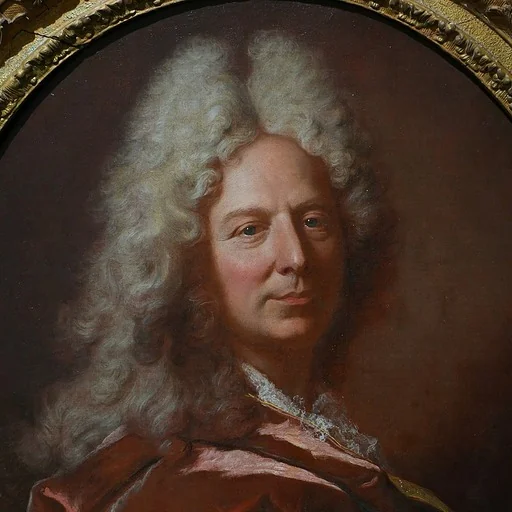
Jean Ranc (28 January 1674 – 1 July 1735) was a French painter, mainly active in portraiture.

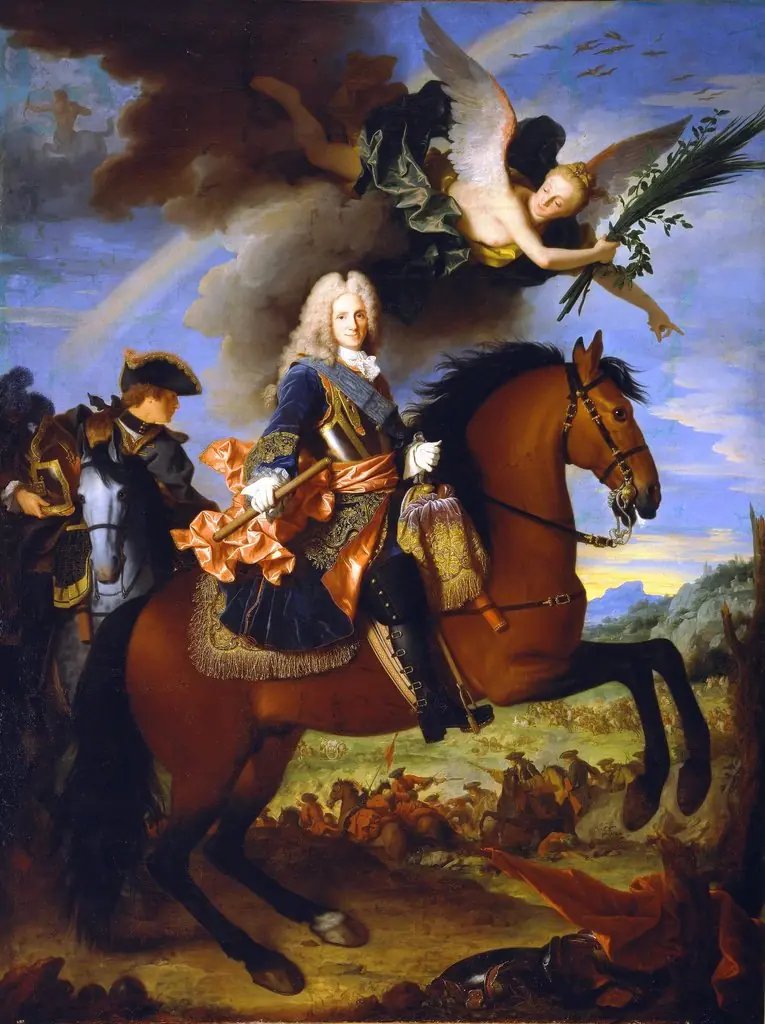
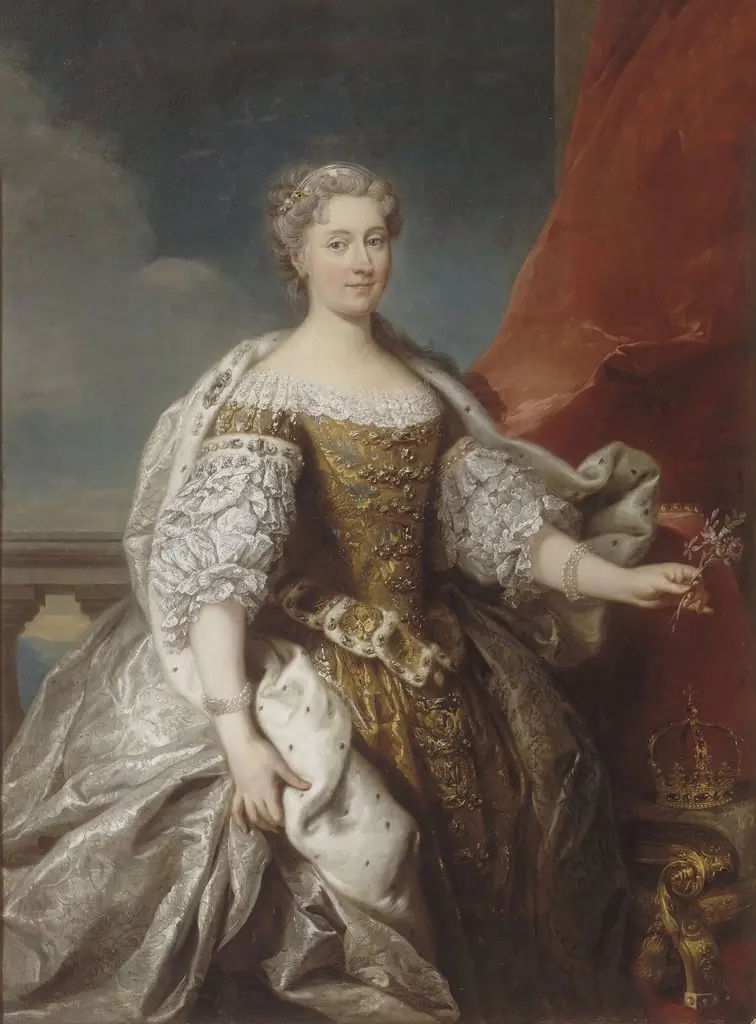
- Catherine Opalińska, Queen of Poland
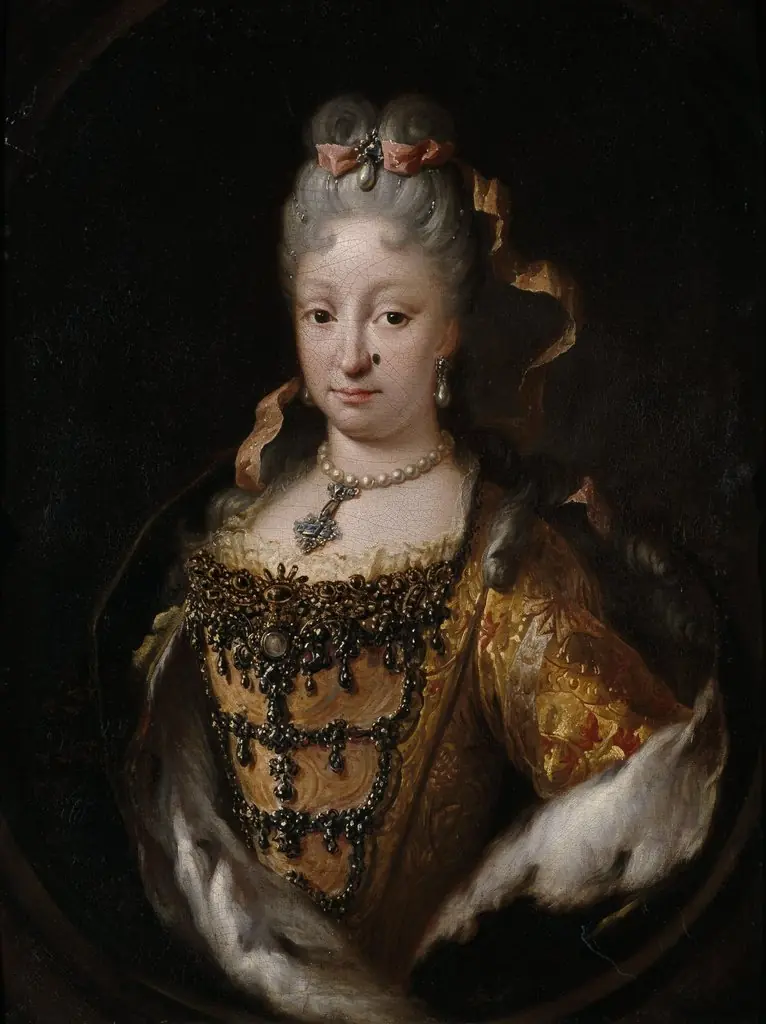 Isabella Farnese
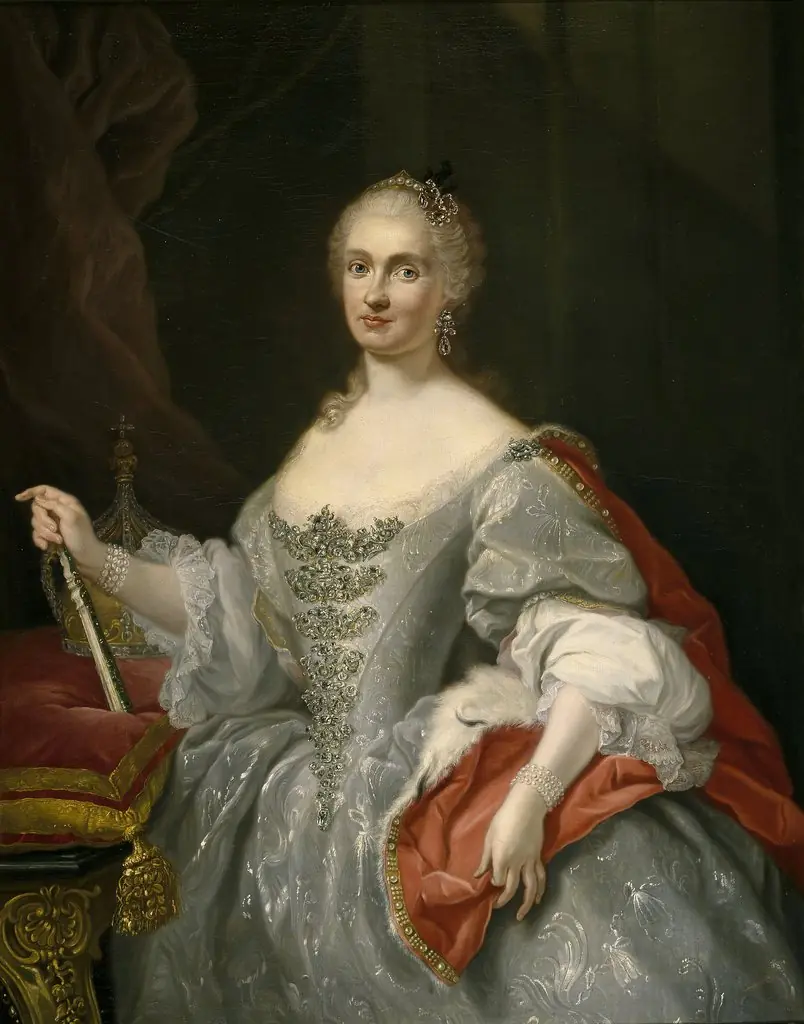 Queen Maria Amalia of Saxony
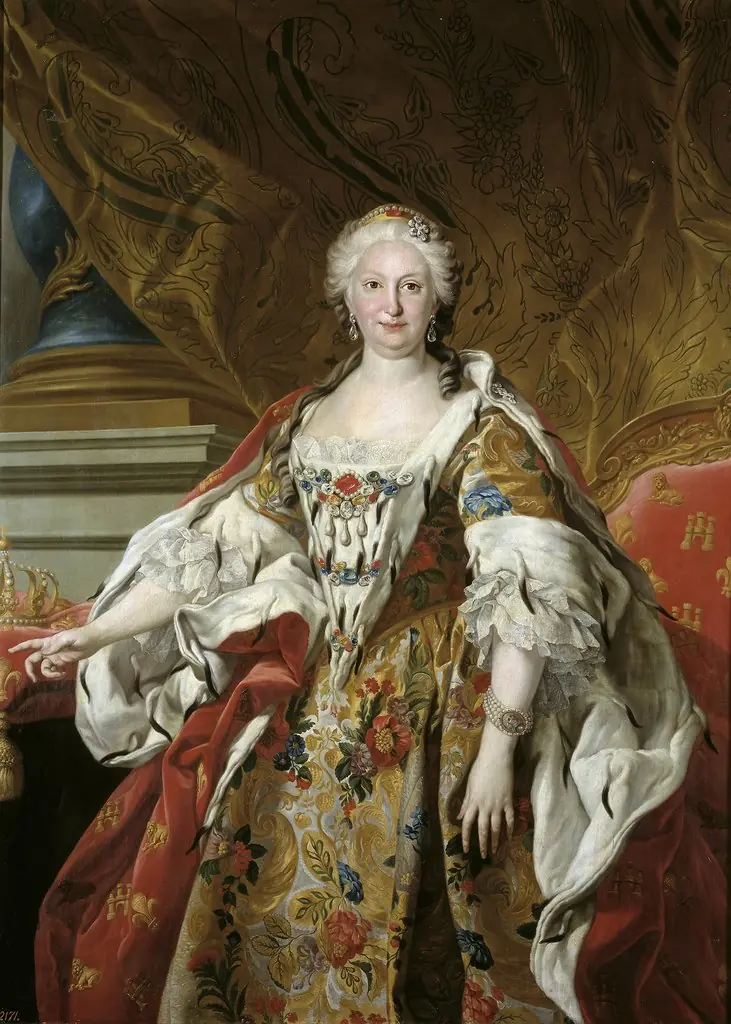 Elisabeth Farnese, Queen of Spain
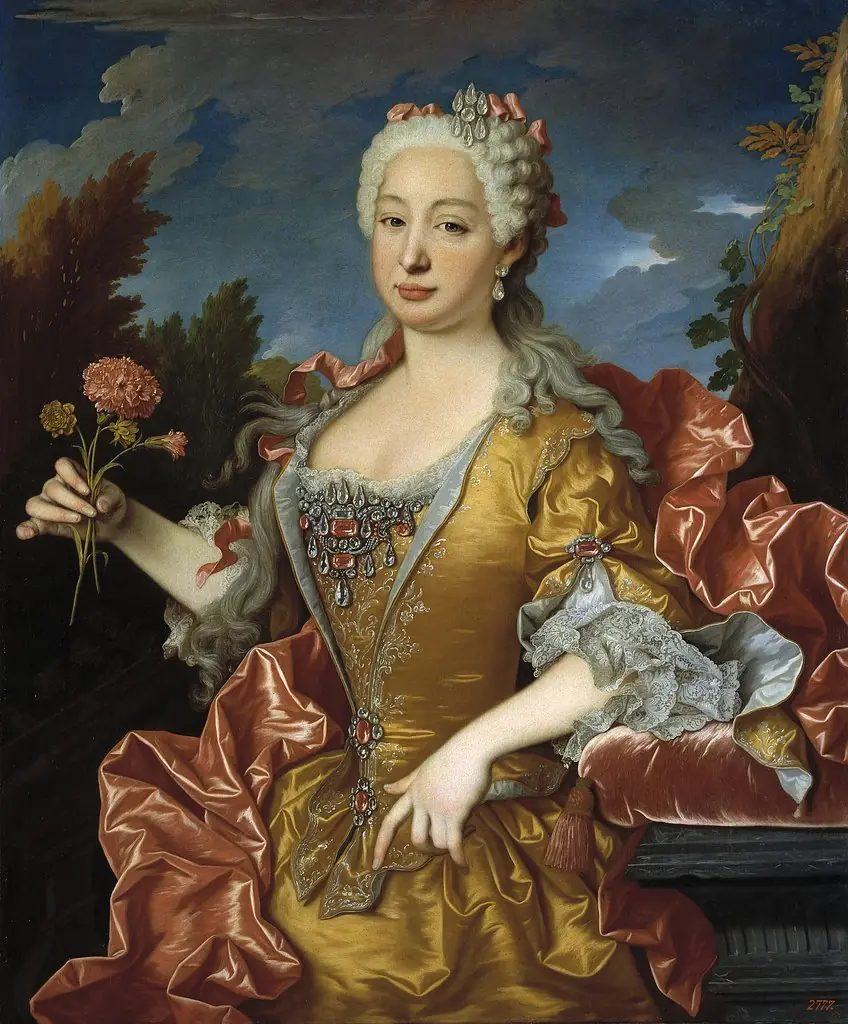 Barbara of Braganza Queen of Spain
![Portrait of a young woman [Sophie Markgräfin von Brandenburg-Bayreuth, née Duchess Sachsen-Weißenfels (1684–1752)?], by Unknown](https://artifactworldgallery.com/img/unknown--portrait-of-a-young-woman-sophie-markgrafin-von-brandenburg--2d73c9561763e528-w320.webp) Portrait of a young woman [Sophie Markgräfin von Brandenburg-Bayreuth, née Duchess Sachsen-Weißenfels (1684–1752)?]
Portrait of a young woman [Sophie Markgräfin von Brandenburg-Bayreuth, née Duchess Sachsen-Weißenfels (1684–1752)?]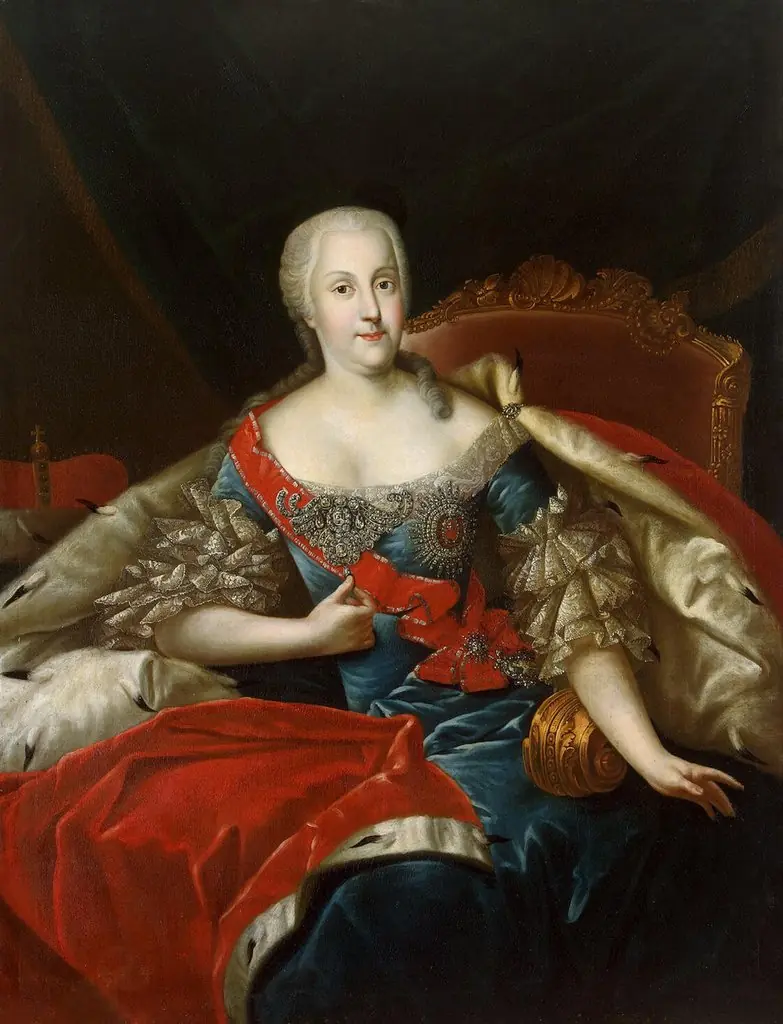 Portrait of Johanna Elisabeth, Princess of Anhalt-Zerbst
 Bárbara de Braganza reina de España
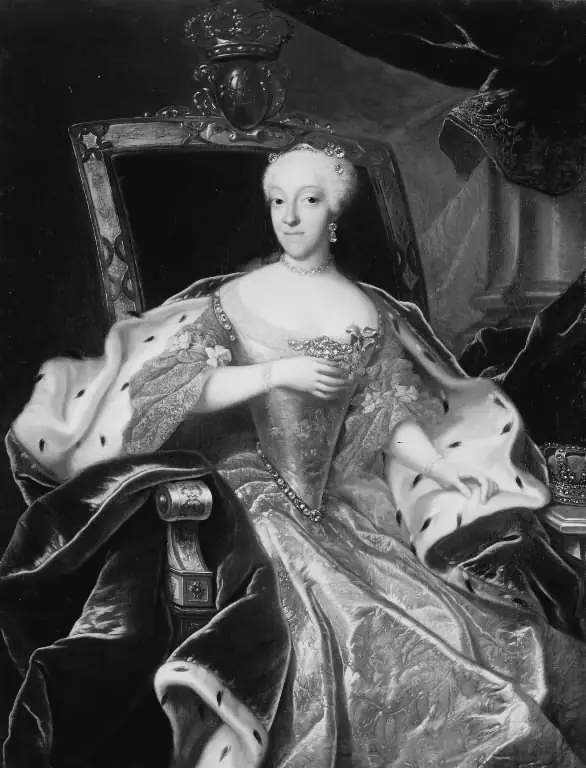 Prinsesse Charlotte Amalie, Frederik IV's datter
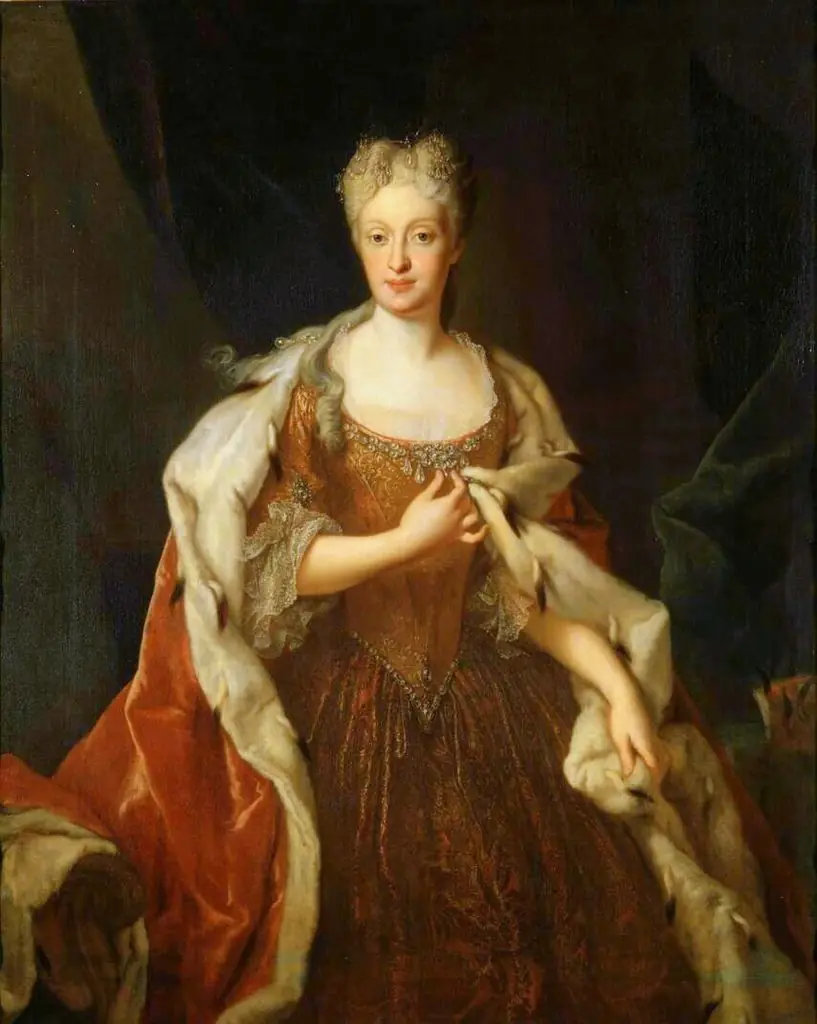 Porträt der Maria Josepha of Austria (1699-1757), Electress of Saxony and Queen of Poland
 Prinsesse Charlotte Amalie, Frederik IV's datter
 Portrait of Countess Palatine Elisabeth Auguste Sofie of Neuburg (1693 - 1728)