Artwork
Saint Rosalia
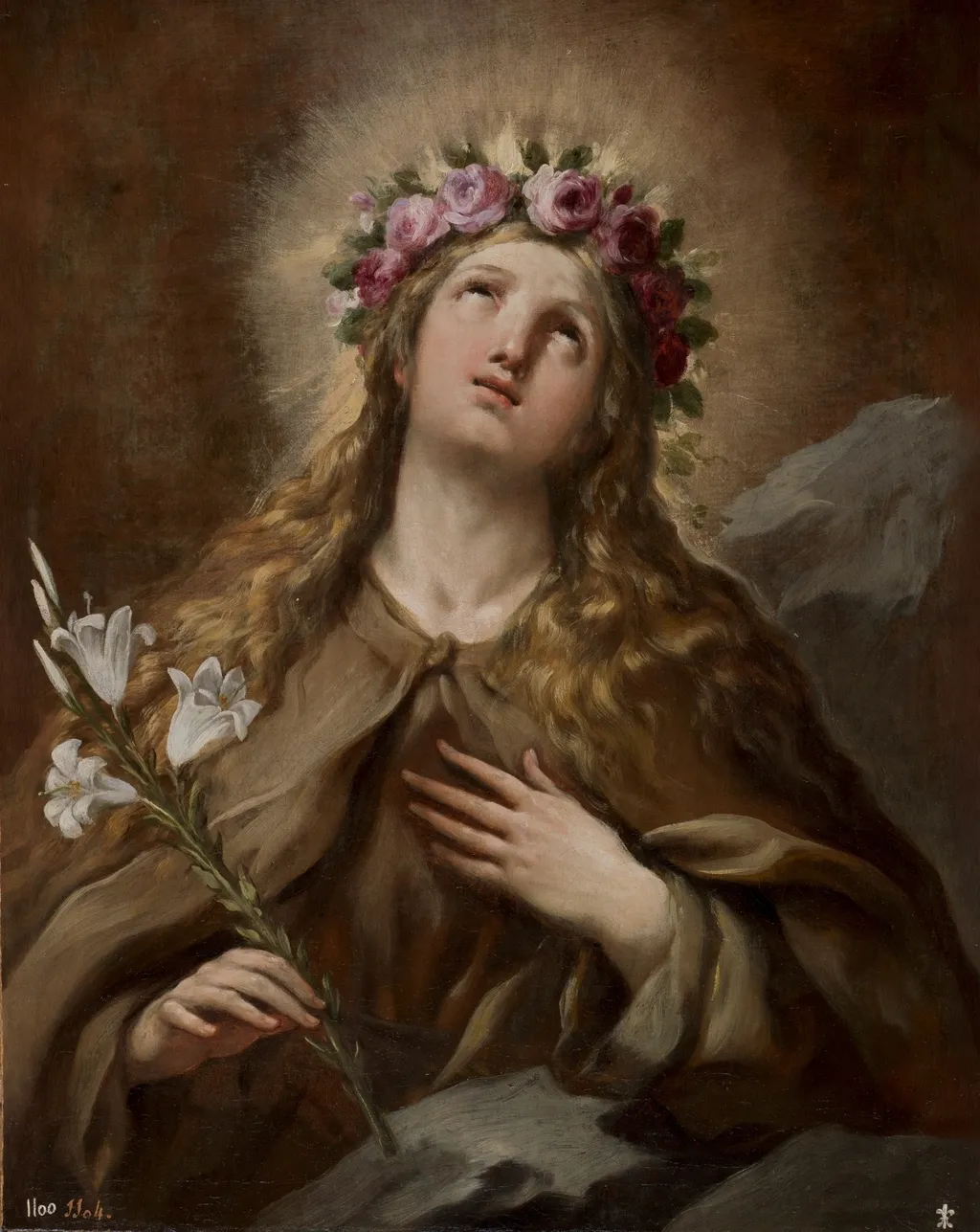
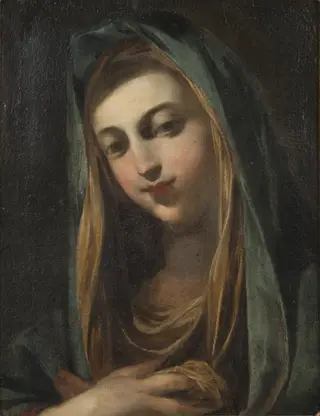
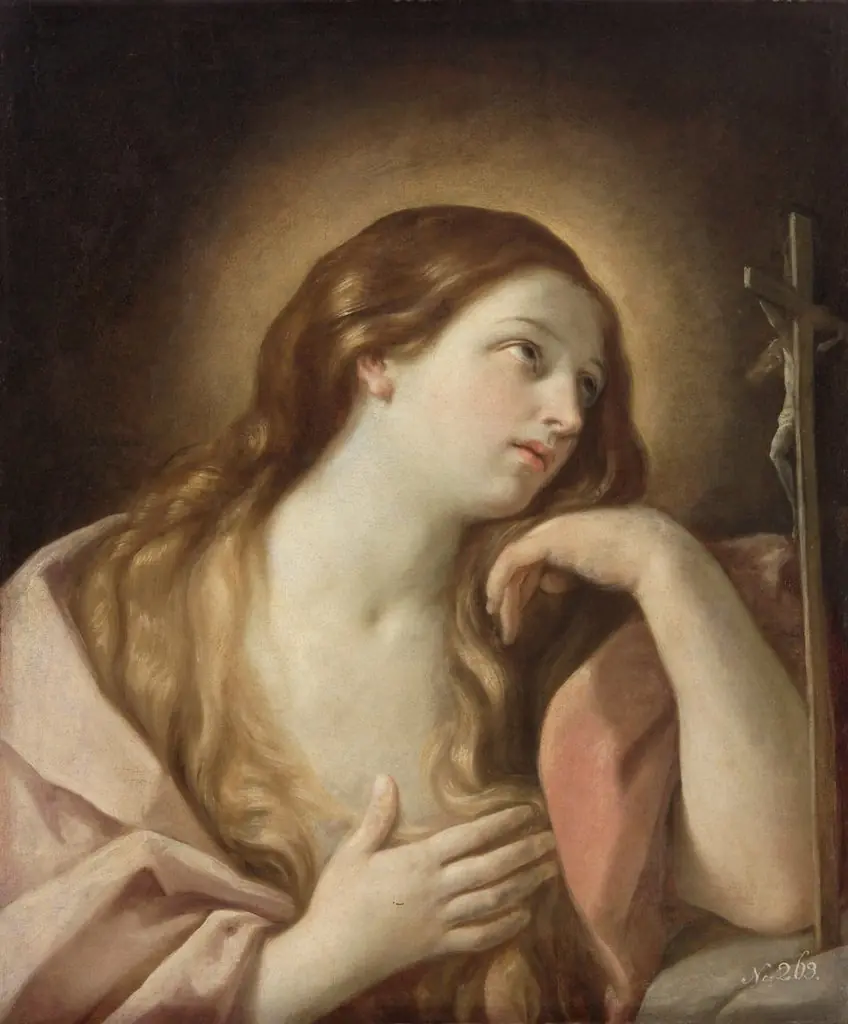
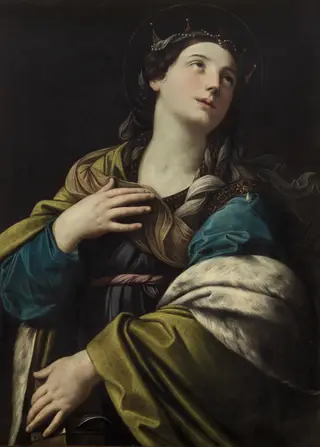
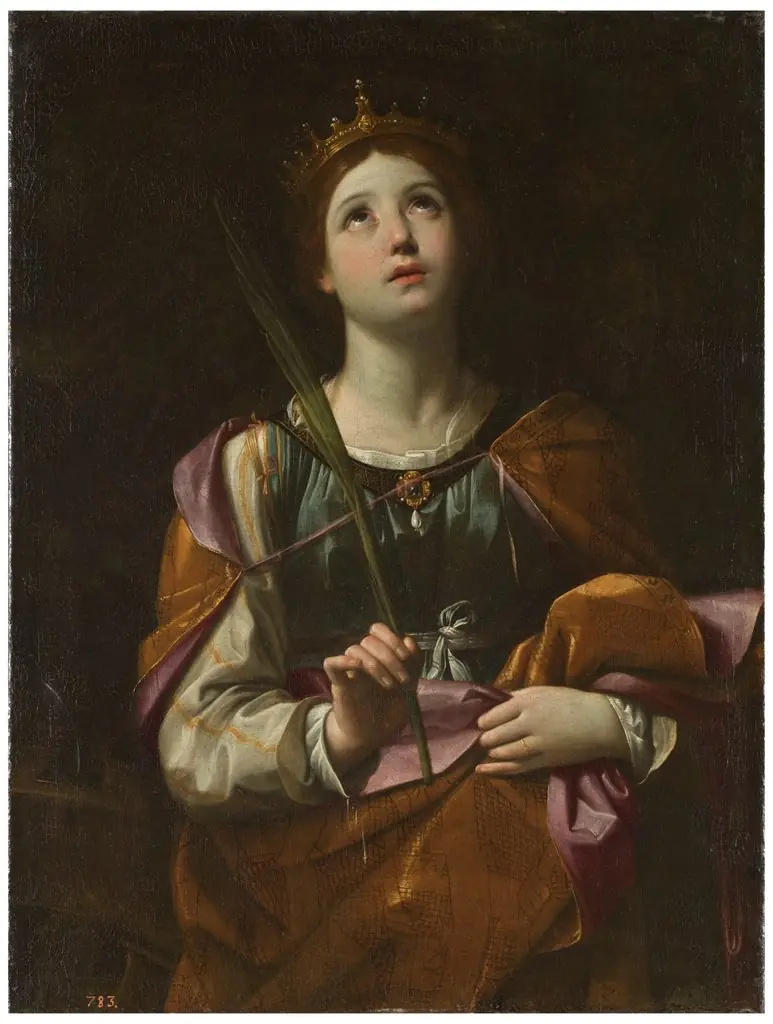
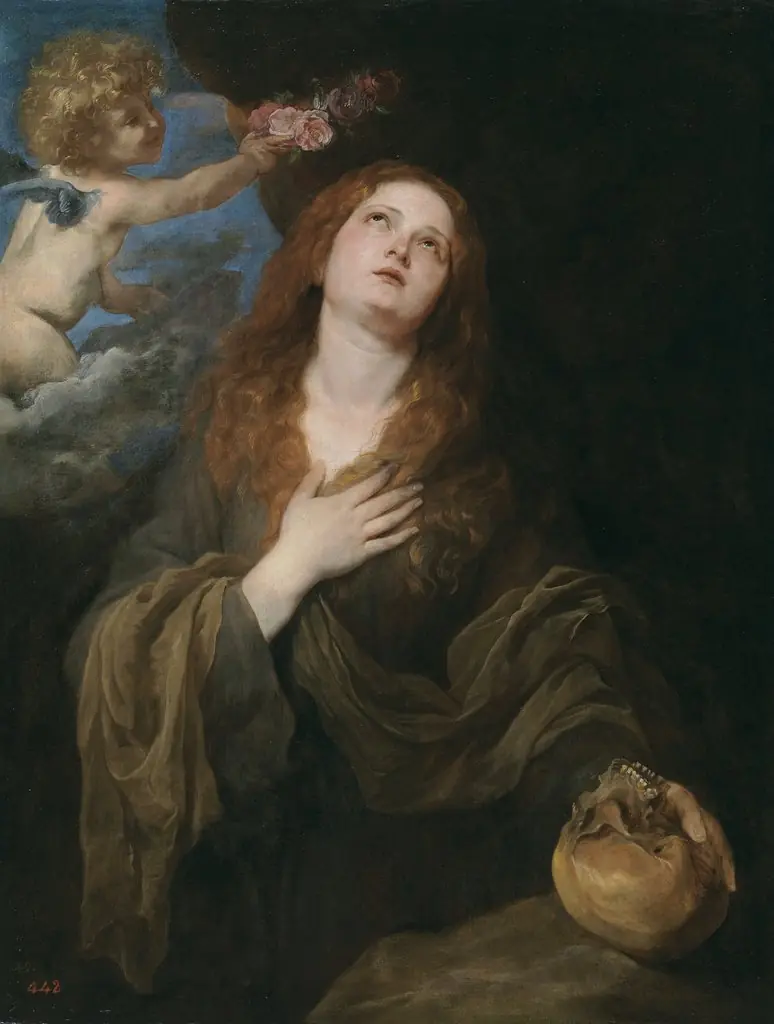
Saint Rosalia is an oil painting by the High Baroque Italian artist Luca Giordano. It dates from 1699 and is held in the collection of the Museo del Prado.
About this work
Subject & Meaning
The composition features the saint alongside a white lily (Lilium candidum), a traditional symbol of purity and virginity often associated with her hagiography.
Luca Giordano's 1697 oil painting depicts Saint Rosalia, the patron saint of Palermo, identifiable through specific religious iconography. The composition features the saint alongside a white lily (Lilium candidum), a traditional symbol of purity and virginity often associated with her hagiography.
As a work of religious art, the piece represents the veneration of the hermitess who, according to tradition, saved the city from plague. The inclusion of the flower serves as a visual attribute to confirm the figure's identity and moral virtue within the Catholic tradition.
Technique & Style
Executed in oil on canvas in 1697, the work shows Giordano’s fluid, painterly handling with rapid, luminous brushwork that animates the drapery and flesh. The palette is high-key, dominated by light silvers and pearly whites contrasted with warm ochres and deep crimson in the saint’s haloed flesh and drapery.
The composition centers on Saint Rosalia, who is portrayed in three-quarter view with head inclined, holding a sprig of Lilium candidum. The handling emphasizes atmospheric recession, with softer edges in the background figures and sharper definition around the saint’s face and emblematic attributes. No specific condition notes are provided.
History & Provenance
Luca Giordano's oil painting Saint Rosalia, dated 1697, is currently held in the collection of the Museo del Prado in Madrid. The work measures 81 cm in height and 64 cm in width. Its provenance includes ownership by Charles III of Spain and Elisabeth Farnese prior to its entry into the museum.
The painting depicts the saint alongside a white lily. No specific accession number or exhibition history is provided in the available records.
Context
Luca Giordano's 1697 Saint Rosalia depicts the saint with symbolic lilies and was created during the Baroque period for Charles III of Spain, reflecting Counter-Reformation themes of personal devotion and royal patronage. Scholarship emphasizes its stylistic synthesis of late 17th-century Spanish devotional painting and Giordano's dynamic naturalistic approach, situating it within his broader exploration of saintly narratives. The work's provenance through the Spanish royal collection and residence at the Museo del Prado underscore its significance within European religious art history.
Legacy
The painting Saint Rosalia by Luca Giordano exerted notable influence after its creation, shaping subsequent religious compositions through its dynamic treatment of martyrdom and saintly iconography. Its composition informed later depictions of penitent saints in Spanish Baroque art, particularly in works emphasizing ascetic resilience. The canvas entered the Spanish royal collection, remaining in the Museo del Prado where it continues to be studied for its technical vigor and devotional intensity, cementing Giordano’s reputation as a master of dramatic religious narrative.
Overview
Luca Giordano’s oil on canvas, dated 1699, portrays the 17th‑century saint revered in Palermo. The work is part of the Prado Museum’s collection and presents the figure in a restrained, devotional pose, surrounded by symbolic flora.
Own this work as a print
Artist & collection

Artist
Luca Giordano was an Italian late-Baroque painter and printmaker in etching. Giordano was one of the most celebrated artists of the Neapolitan Baroque, whose vast output included altarpieces, mythological paintings and…