Artwork
Santa Águeda
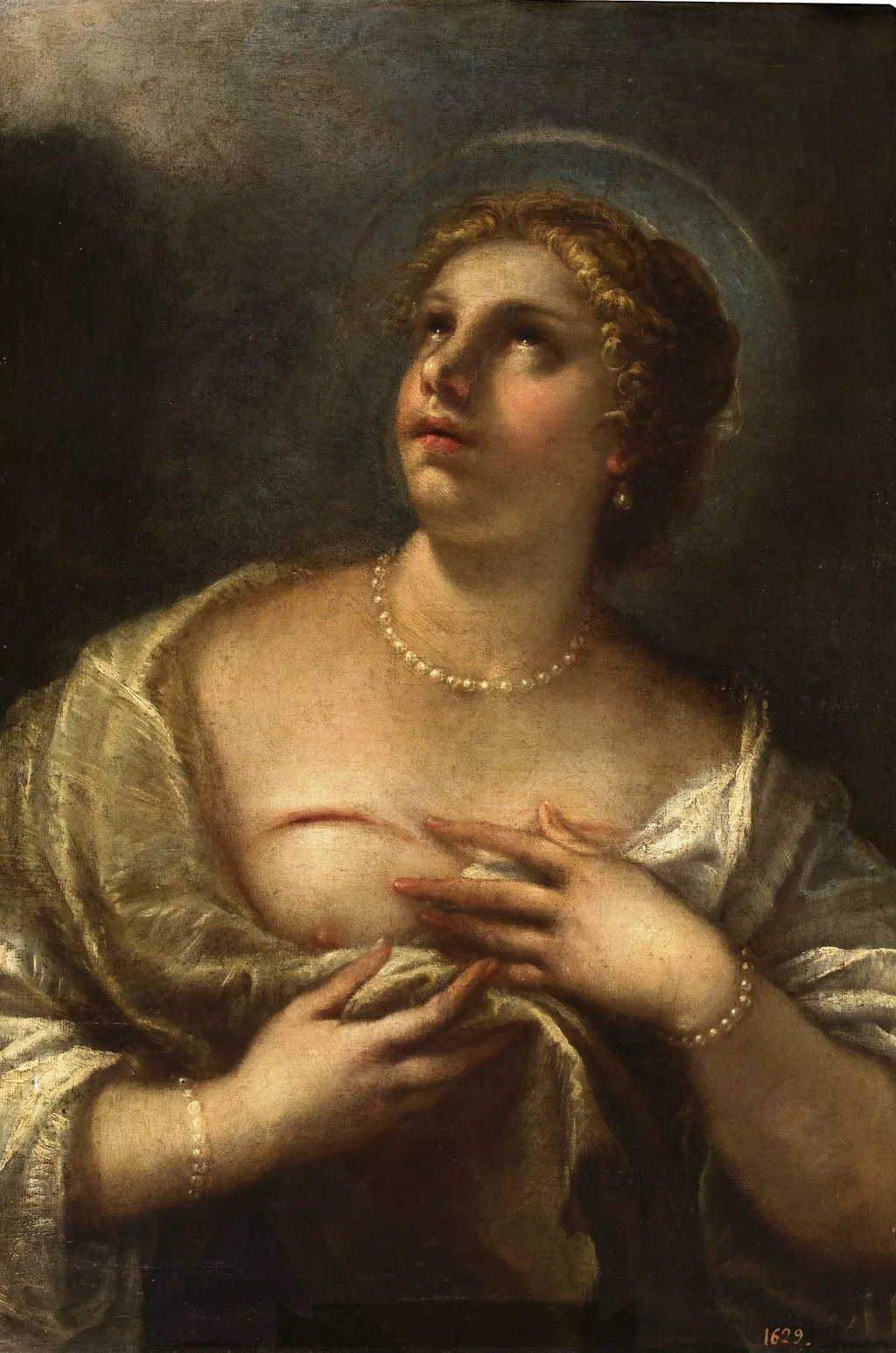
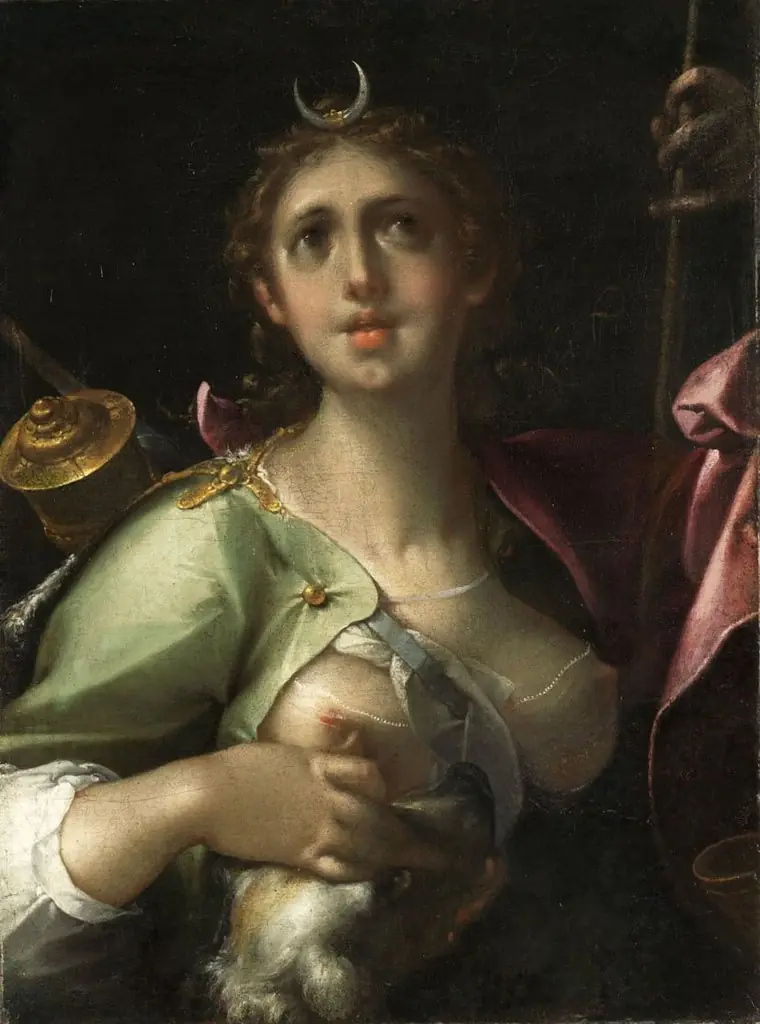
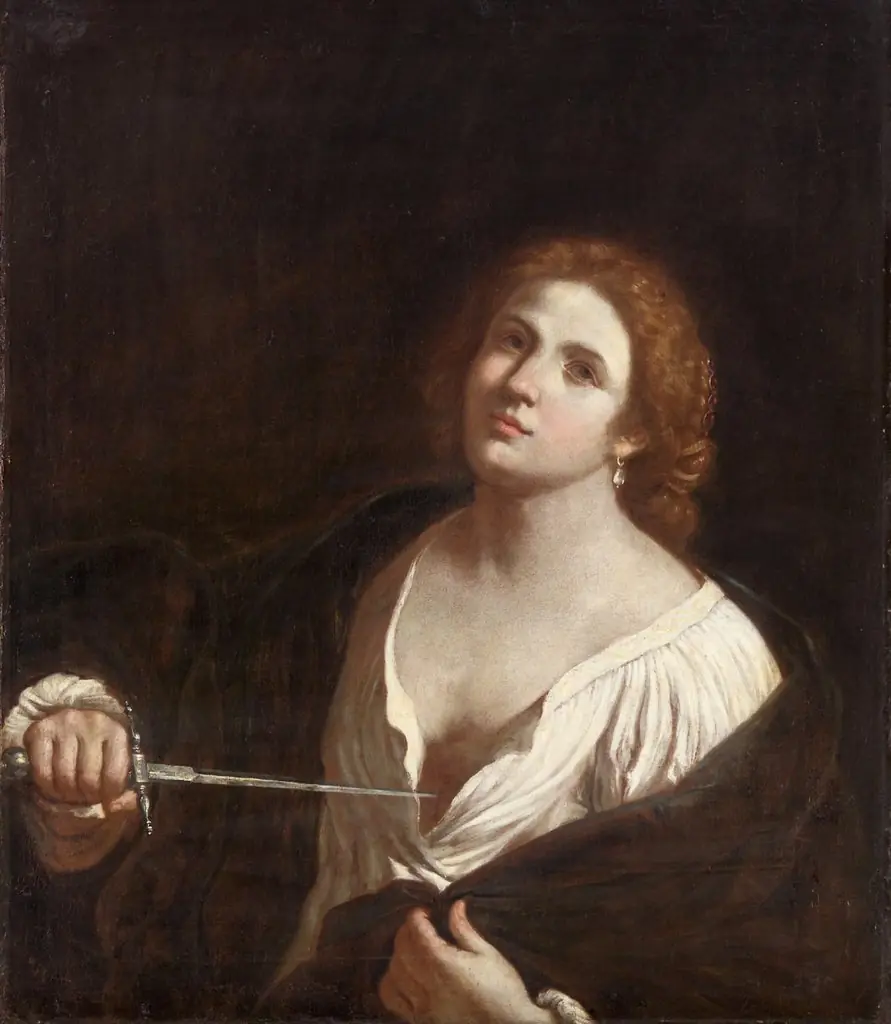
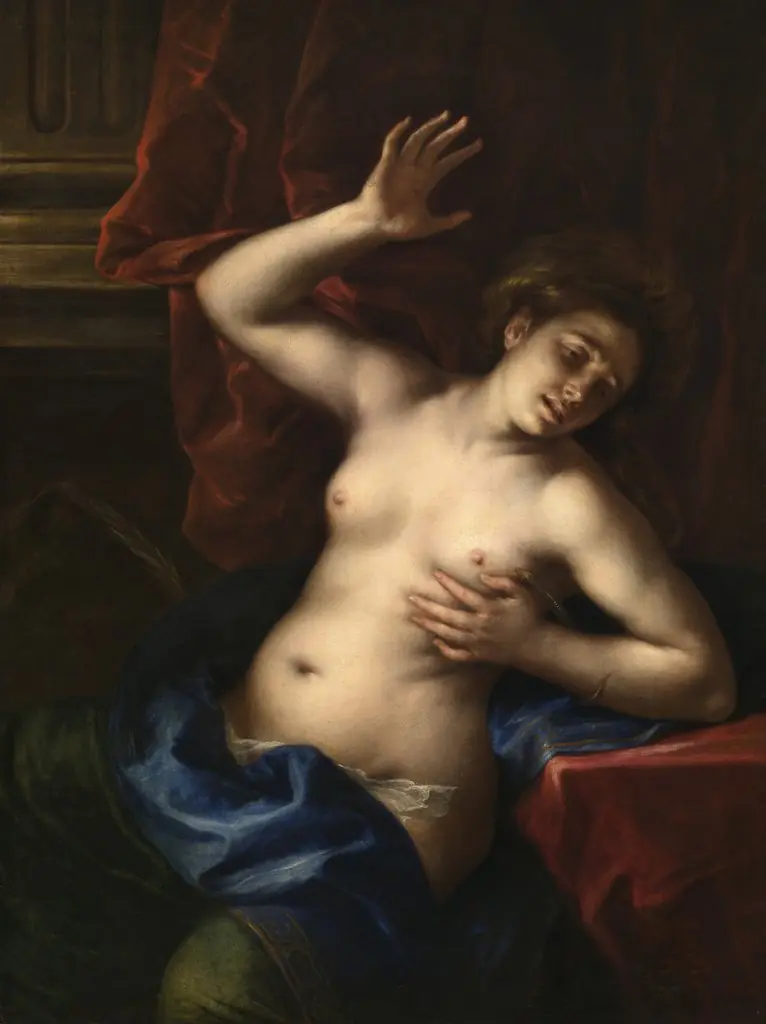
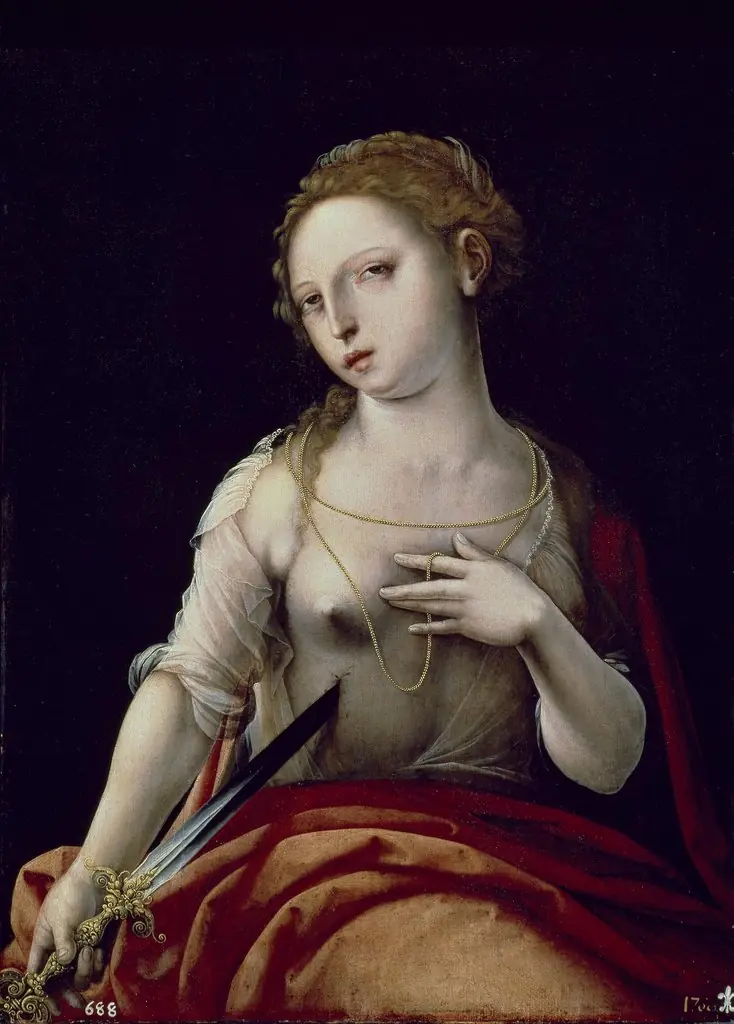
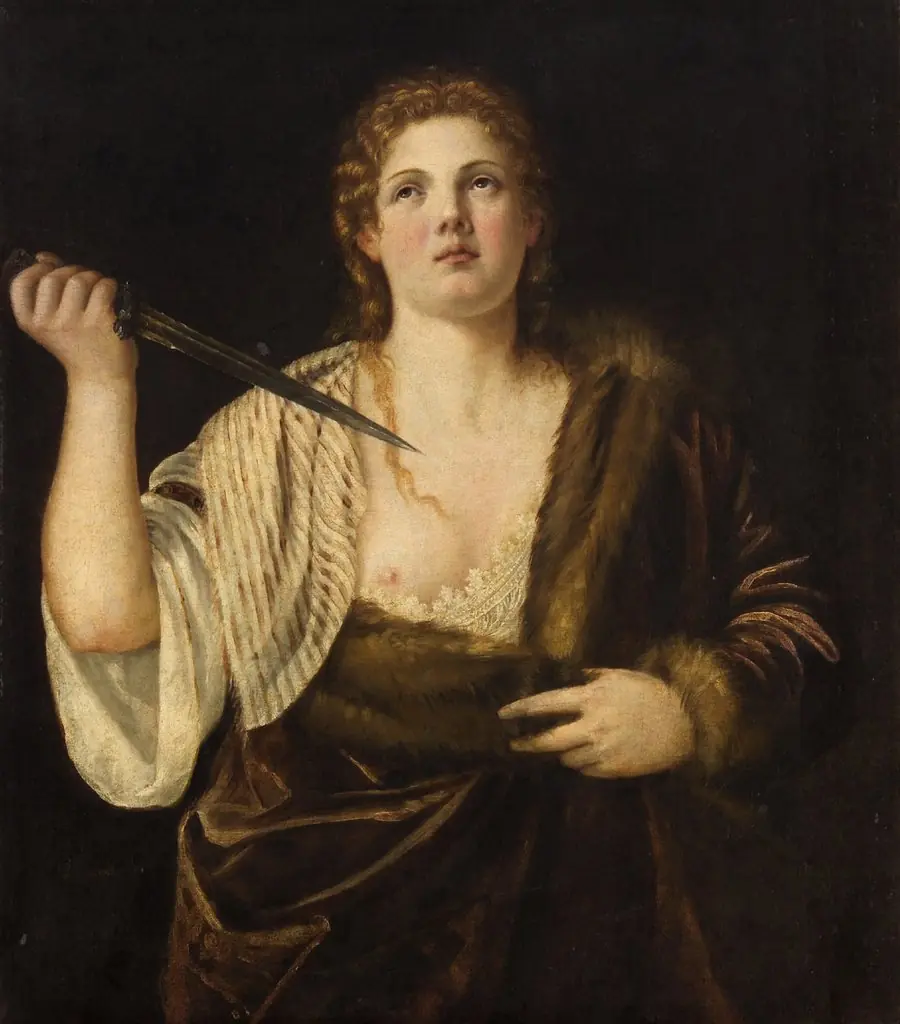
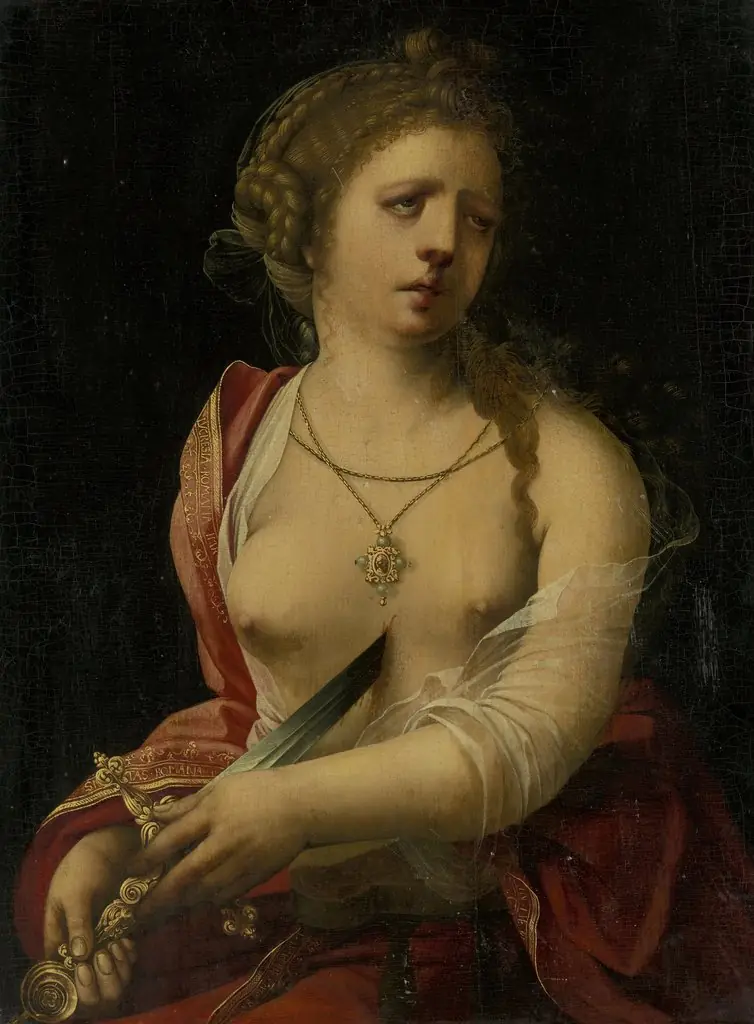
Santa Águeda is an oil painting by the Early Baroque Italian artist Luca Giordano. It dates from 1690 and is held in the collection of the Museo del Prado.
About this work
Subject & Meaning
The composition reflects Giordano's mastery of dramatic chiaroscuro and vibrant coloration, emphasizing the saint's spiritual fortitude.
The painting depicts Saint Agatha, known in Spanish as Santa Águeda, a Christian martyr of the early 5th century. Iconography shows her holding a palm leaf, symbolizing her faith and martyrdom, while the work's religious context underscores its devotional purpose within Counter‑Baroque art. The composition reflects Giordano's mastery of dramatic chiaroscuro and vibrant coloration, emphasizing the saint's spiritual fortitude.
Created in 1680 for the Spanish monarchy, the canvas was originally part of the royal collection before entering the Museo del Prado, where it remains on display.
History & Provenance
The work titled Santa Águeda was painted by Luca Giordano in 1680 as an oil on canvas composition, originally created for religious purposes. It entered the collection of Ferdinand VII of Spain and now resides in the Museo del Prado, where it remains part of the museum's holdings.
The painting is housed in the Museo del Prado, where it is catalogued under the accession number P00968. It entered the museum's collection through the bequest of Ferdinand VII of Spain, who donated several works to the royal collection. The work has been displayed in various exhibitions at the Prado, including a 1990 retrospective of Luca Giordano's religious paintings and a 2005 exhibition on Spanish Baroque masterpieces.
Context
Luca Giordano's 1680 oil painting Santa Águeda depicts a gemstone and was created within the religious art genre, reflecting the artist's engagement with devotional subjects during the late Baroque period. The work is part of the collection at the Museo del Prado, where it was owned by King Ferdinand VII of Spain. Scholarship situates the painting within Giordano's broader oeuvre and the religious artistic context of 17th-century Spain, though specific critical reception details are not documented in the provided sources.
Overview
Santa Águeda is a 1690 oil painting by Luca Giordano, housed at the Museo del Prado. Contrary to the initial description, the painting does not depict a gemstone but rather a contemplative female figure.
Technique & Style
Giordano employed soft brushstrokes to capture the play of light on the subject's face and hands, utilizing chiaroscuro to create a strong contrast between the figure and the dark, nondescript background, thereby emphasizing her presence.
Own this work as a print
Artist & collection

Artist
Luca Giordano was an Italian late-Baroque painter and printmaker in etching. Giordano was one of the most celebrated artists of the Neapolitan Baroque, whose vast output included altarpieces, mythological paintings and…