Artwork
Walking on a Mountain Path in Spring
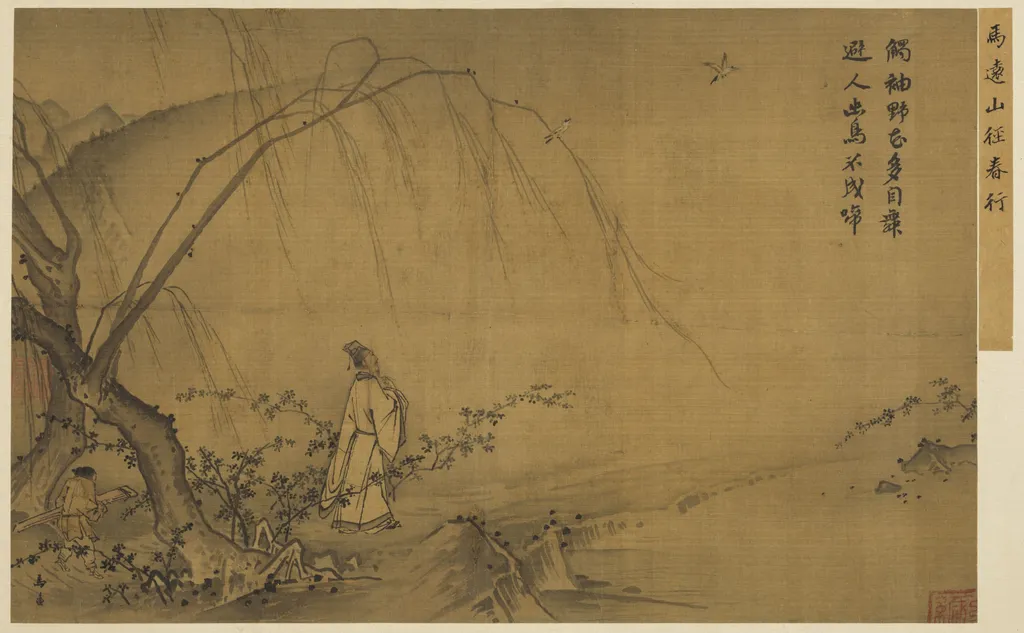
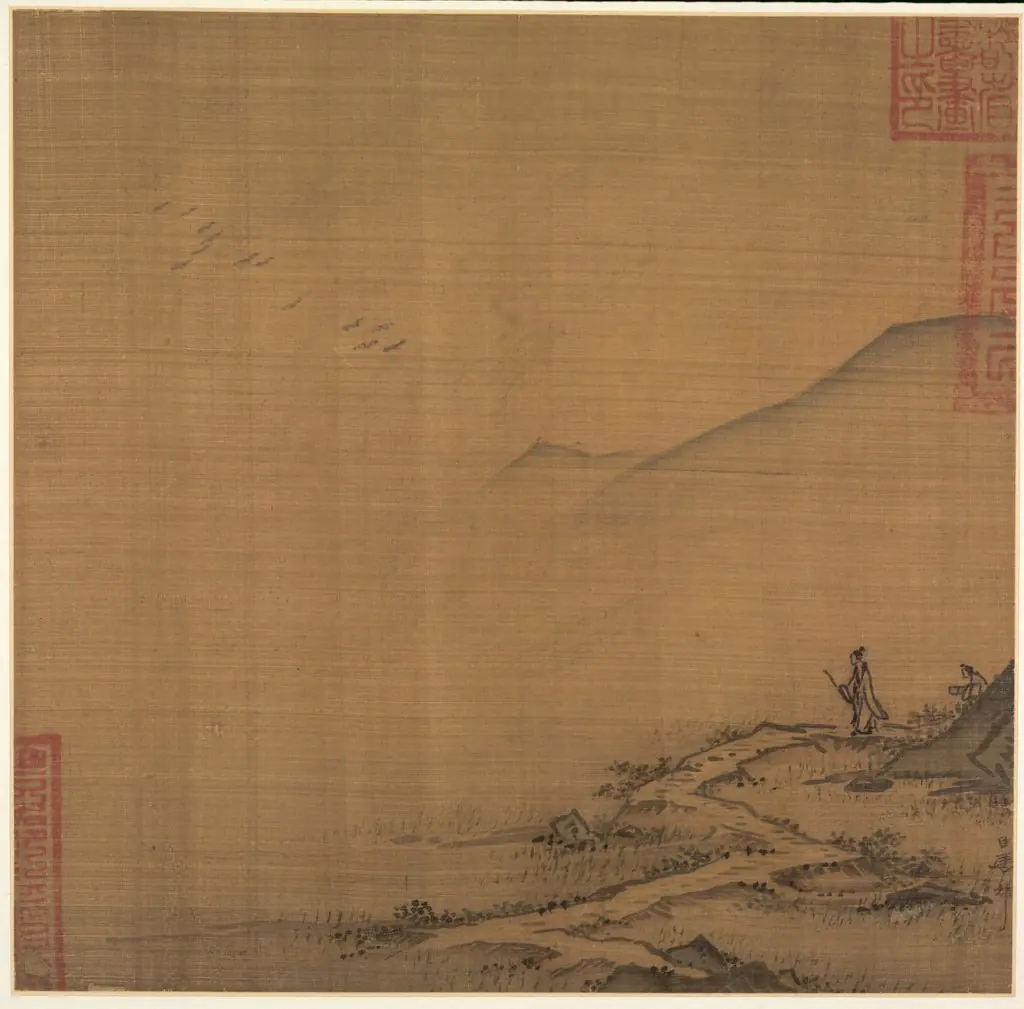
Walking on a Mountain Path in Spring is an unspecified painting by the Song dynasty landscape artist Ma Yuan. It dates from 1196 and is held in the collection of the National Palace Museum.
About this work
Overview
Walking on a Mountain Path in Spring is a silk painting by Ma Yuan (c. 1160-1225), a Chinese artist of the Southern Song dynasty. The work is executed on an album leaf, accompanied by a poem attributed to Emperor Ningzong of Song.
Subject & Meaning
The painting depicts a solitary figure in traditional attire walking along a mountain path in spring, enveloped by lush vegetation and blooming flowers, with distant mountains and flying birds in the background. The serene scene conveys a sense of harmony with nature.
Technique & Style
Characterized by Ma Yuan's distinctive One-Corner style, the painting's composition is predominantly concentrated in one corner. It features a blend of bold and delicate brushstrokes on silk, with a nuanced color palette ranging from deep greens to soft pinks, creating depth and texture.
History & Provenance
The painting includes a poem inscribed in the upper right corner, attributed to Emperor Ningzong of Song, which complements the serene natural theme: 'Wildflowers dance freely when touched by my sleeve. A secluded bird, avoiding people, cannot sing.'
Context
Created during the Southern Song dynasty, this work reflects the era's emphasis on capturing the tranquility of natural landscapes and the introspective relationship between humans and the environment.
Legacy
As a representative of Ma Yuan's One-Corner style, Walking on a Mountain Path in Spring contributes to the understanding and appreciation of Southern Song dynasty's artistic innovations and its enduring influence on Chinese landscape painting.
Own this work as a print
Artist & collection

Artist
Ma Yuan (Chinese: 馬遠; pinyin: Mǎ Yuǎn; Wade–Giles: Ma Yüan; c. 1160–65 – 1225) was a Chinese painter of the Song dynasty. His works, together with that of Xia Gui, formed the basis of the so-called Ma-Xia (馬夏) school of…

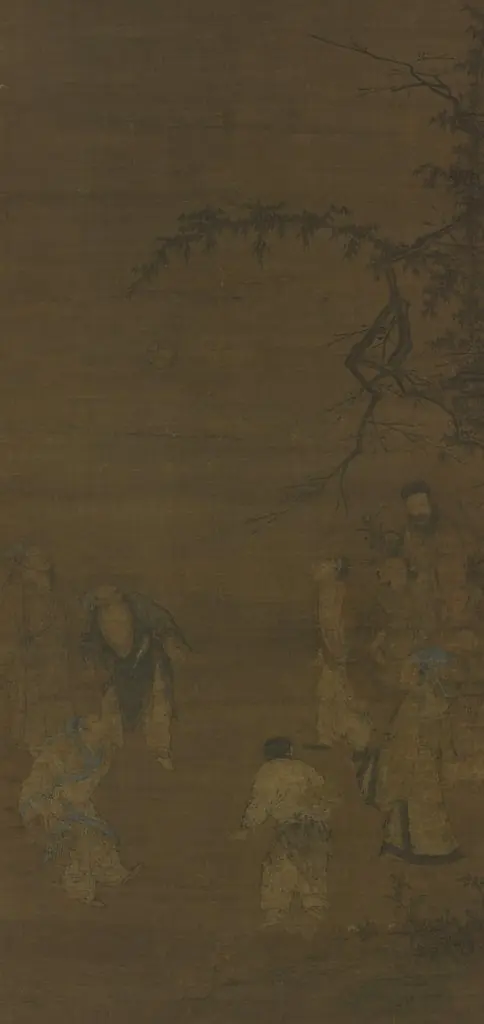
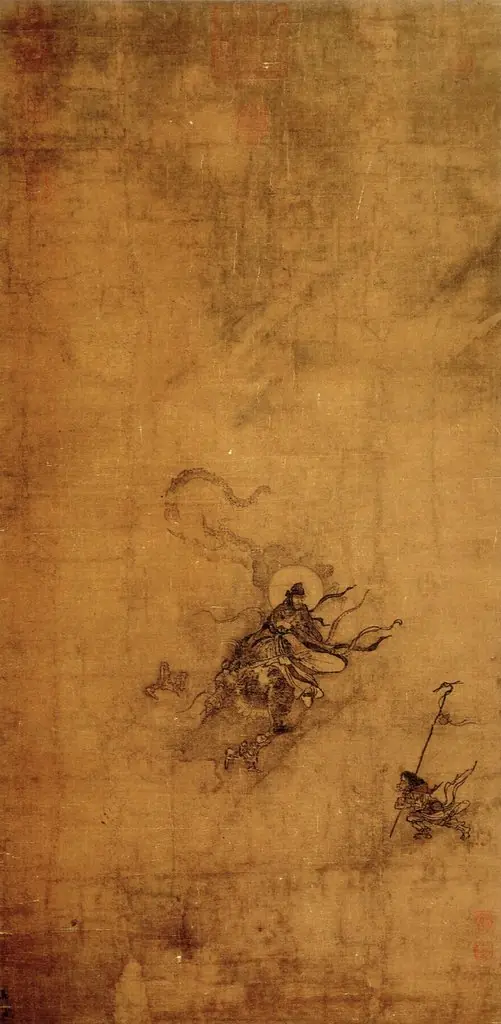
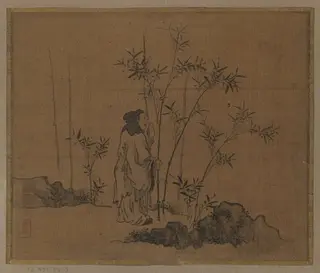
- Album Leaf Painting: Scholar and Bamboo
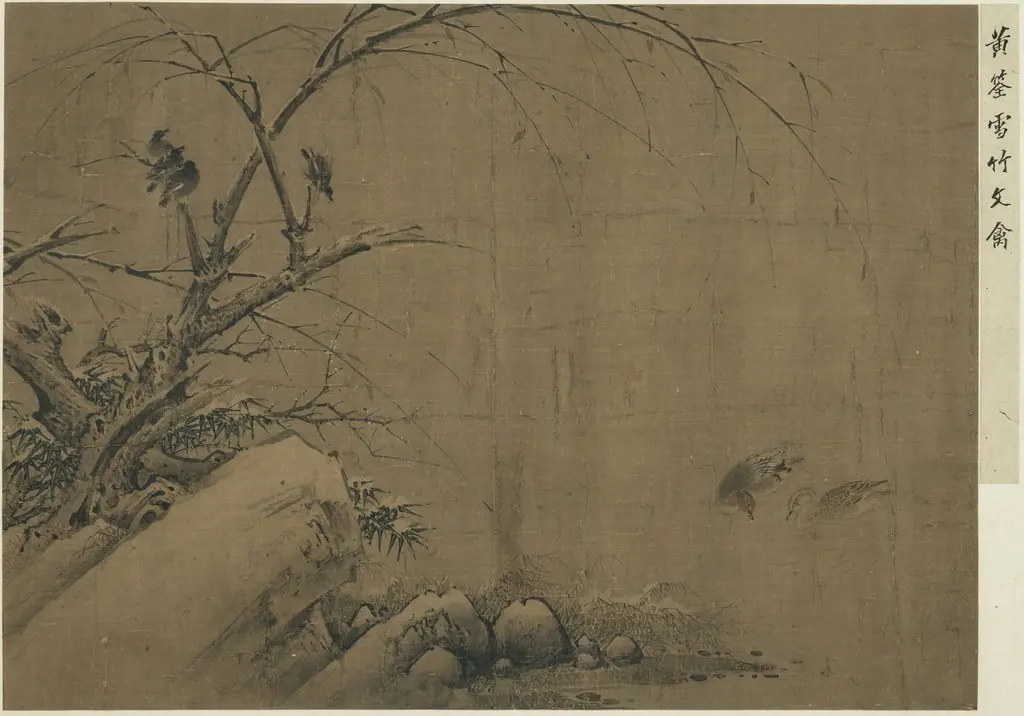 名繪集珍 冊 五代黃筌雪竹文禽
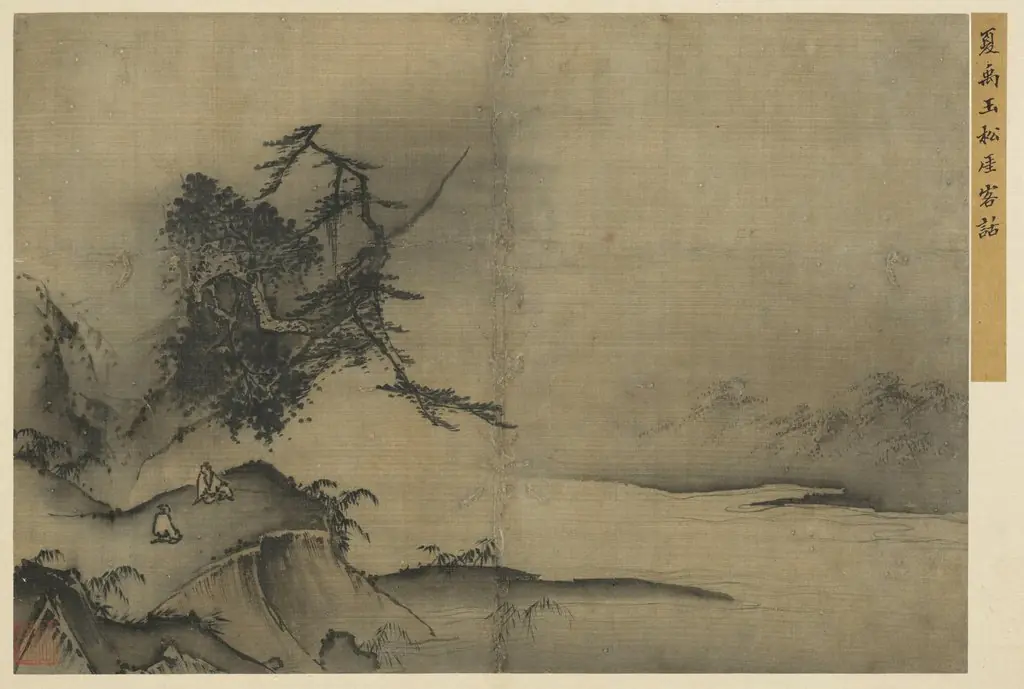 名繪集珍 冊 宋夏珪松厓客話
 A Solitary Crane in the Bamboo Grove
 A Solitary Crane in the Bamboo Grove
 Landscape with Flying Geese
 Gazing at a Waterfall
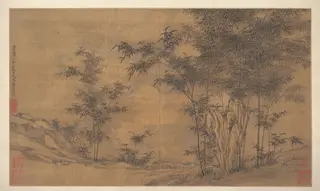 清 佚名 舊傳管道昇 竹石圖 冊頁|Bamboo
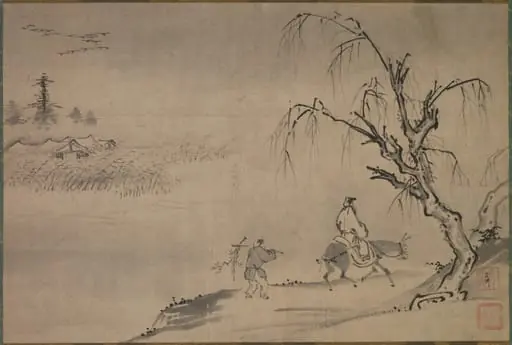 Chinese Literatus in an Autumn Landscape
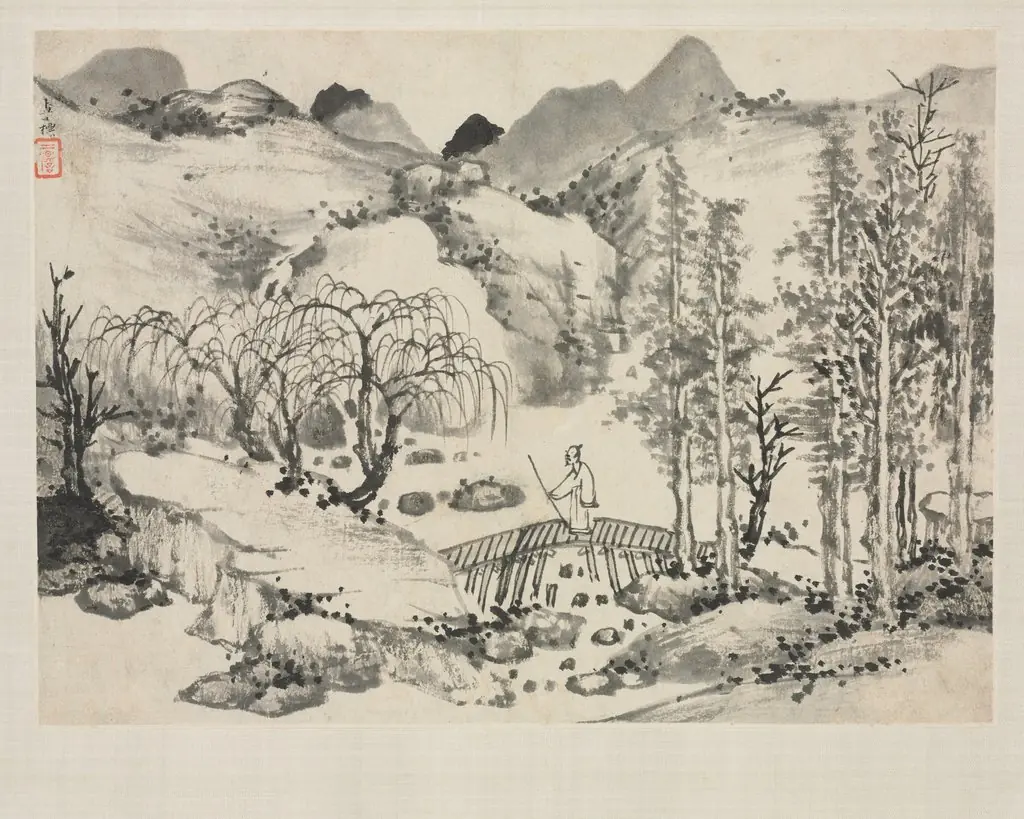 Landscape Album in Various Styles: Landscape with Artist on a Bridge
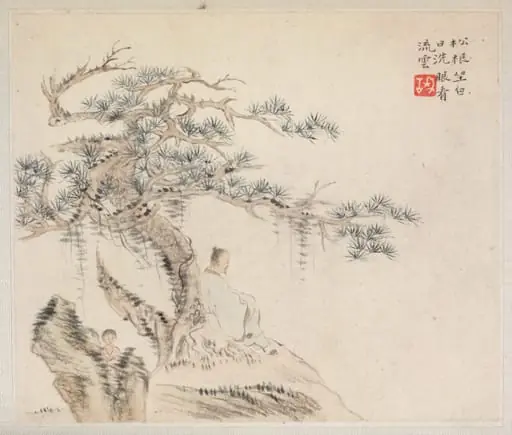 Album of Landscape Painting Illustrating Old Poems
 Chinese Literatus in an Autumn Landscape