Artwork
山水図|Landscape
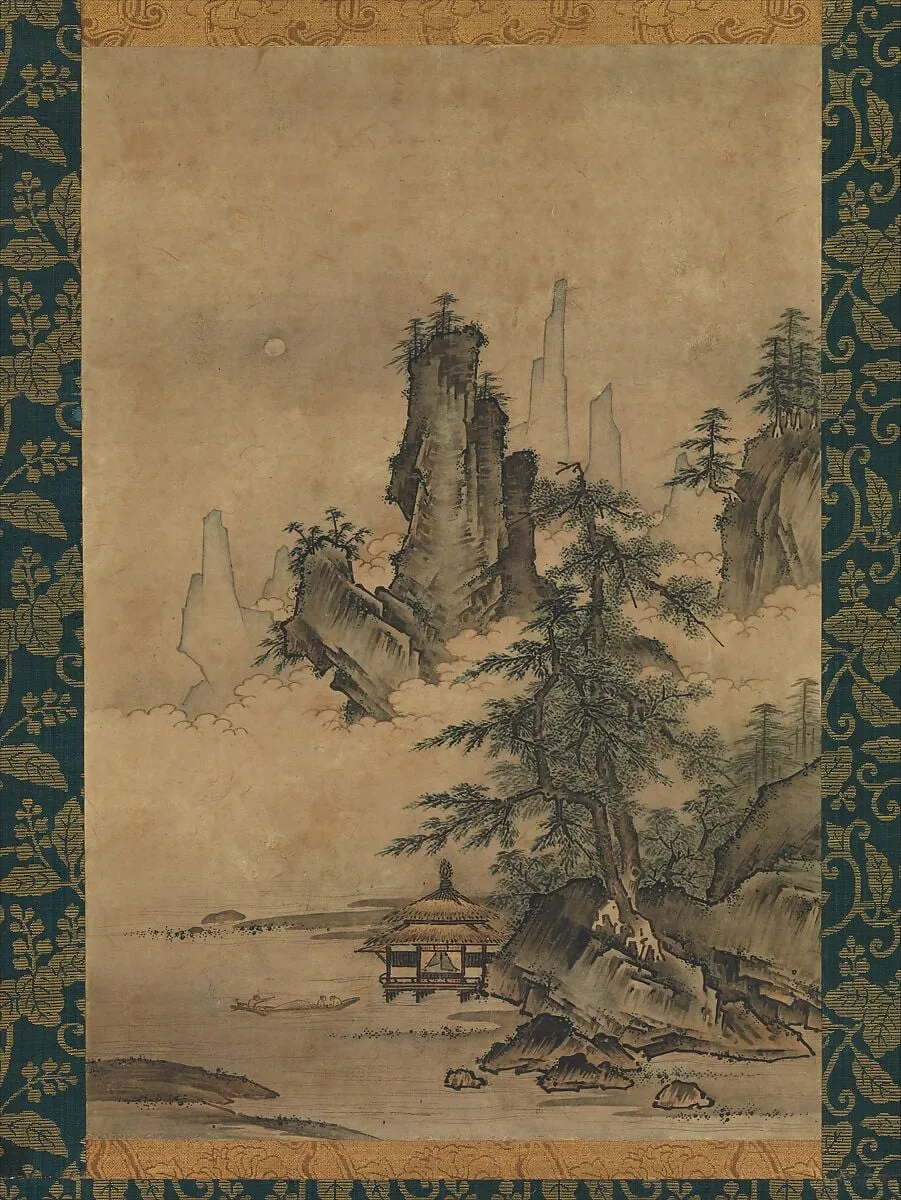
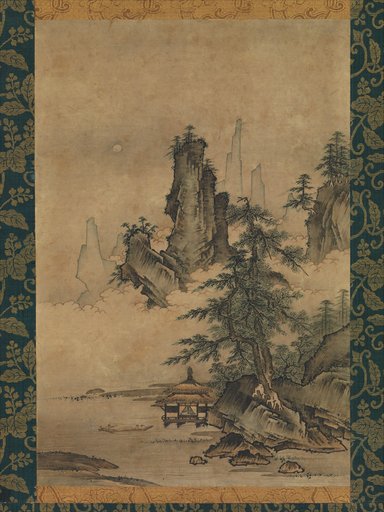
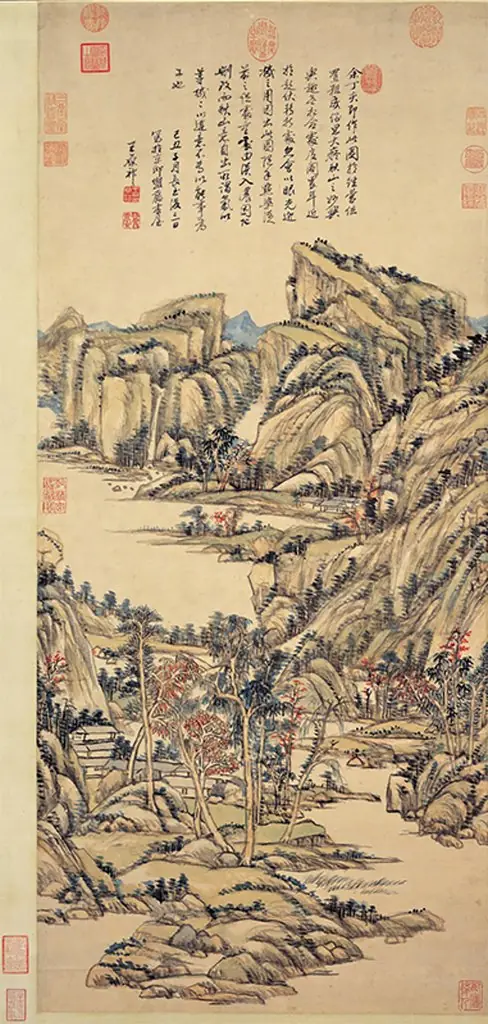
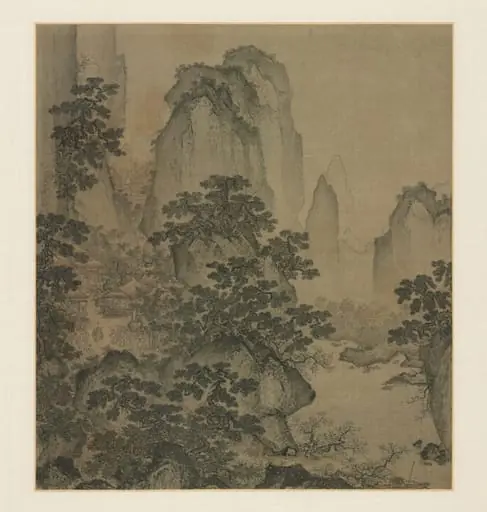
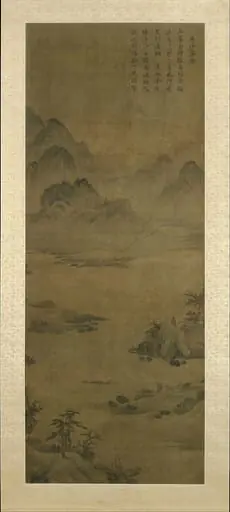
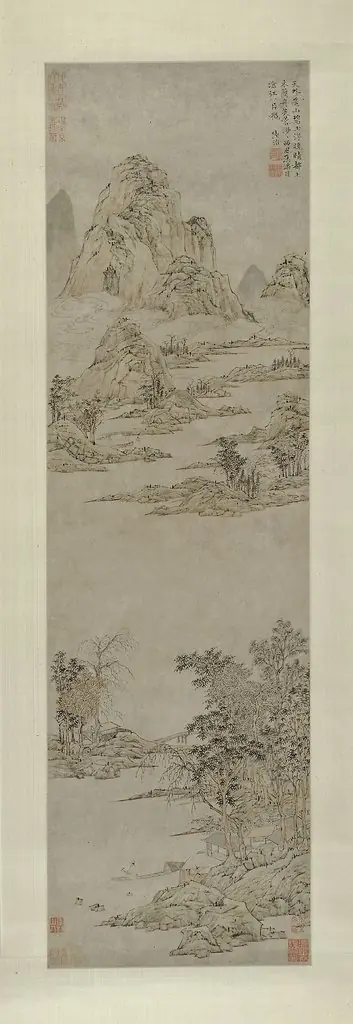
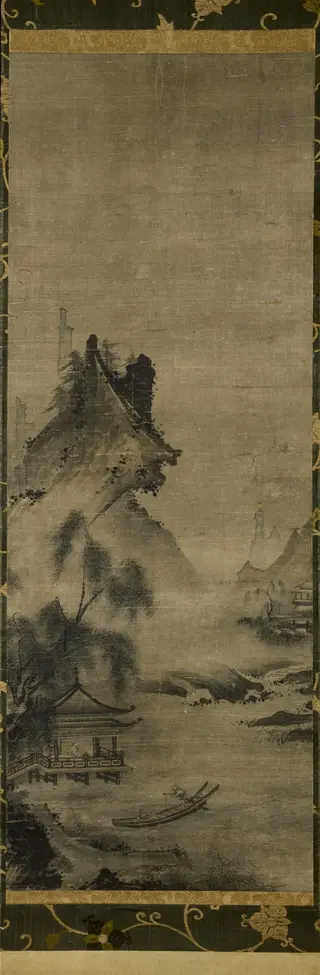
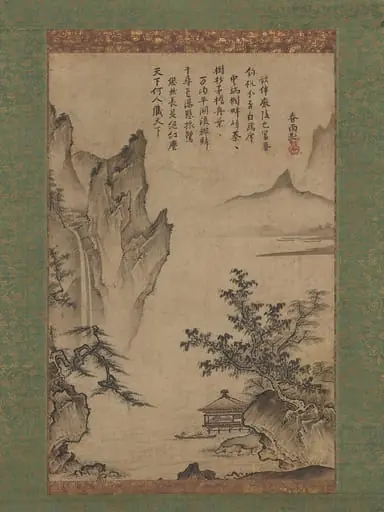
山水図|Landscape is an ink painting by the Nihonga artist Maejima Sōyū. It dates from 1536 and is held in the collection of the Metropolitan Museum of Art. Sōyū's Landscape (山水図), a hanging scroll from the 1500s, utilizes ink and subtle color on paper to portray a natural vista.
About this work
Subject & Meaning
The inclusion of the boat suggests themes of travel or passage through the natural world, a common motif in East Asian landscape art.
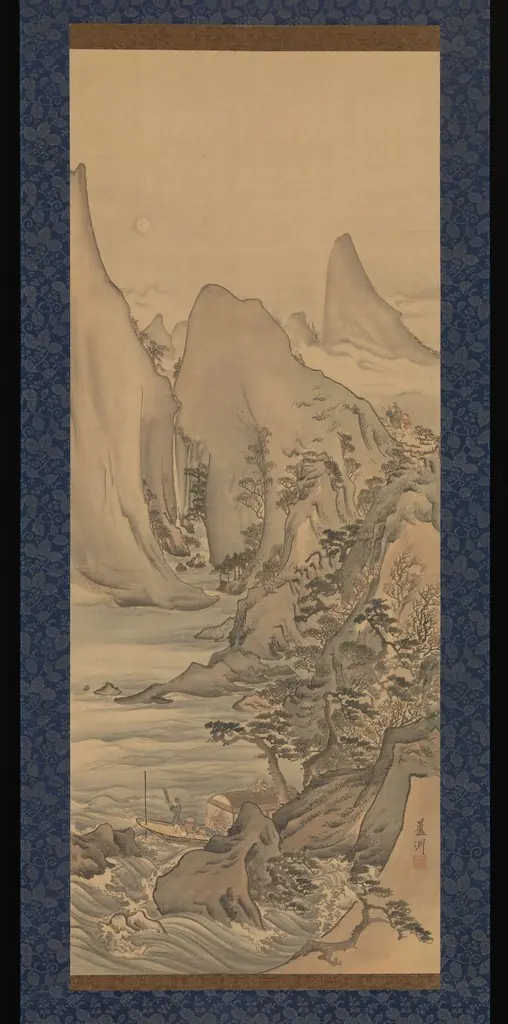
Created by Maejima Sōyū in 1536, this hanging scroll presents a traditional Japanese landscape scene. The composition depicts natural elements including mountains and water, populated by a boat navigating the terrain. As a work classified within the landscape painting genre, the image focuses on the arrangement of these geographical features rather than specific narrative events or human figures.
The inclusion of the boat suggests themes of travel or passage through the natural world, a common motif in East Asian landscape art. The piece serves as a representation of the natural environment, utilizing ink and color on paper to render the mountains and water that define the scene's scope.
Technique & Style
This hanging scroll by Maejima Sōyū is executed in ink and color on paper, a traditional East Asian format suited to vertical mounting and viewing. The work belongs to the landscape genre, depicting mountains and a boat within a natural setting. Painted in 1536, it is held in the collection of the Metropolitan Museum of Art.
The sources confirm the medium, support, and classification but do not provide further detail on brushwork, pigment handling, compositional style, or current condition.
History & Provenance
Created in 1536 in Japan, this landscape hanging scroll was executed by the artist Maejima Sōyū using ink and color on paper. The work, which depicts mountains and a boat, is currently held in the collection of the Metropolitan Museum of Art. While the specific circumstances of its original commission and the details of its ownership chain prior to entering the museum are not detailed in the available records, the piece is firmly attributed to Sōyū with an inception date of 1536.
Context
Maejima Sōyū’s 山水図|Landscape, painted in 1536 as a hanging scroll with ink and color on paper, exemplifies early Japanese suiboku‑ga and the emergence of landscape as a distinct genre in the 16th‑century art market. The work, catalogued as a landscape painting that depicts a boat and mountain, entered the collection of the Metropolitan Museum of Art, underscoring its recognized scholarly significance. Contemporary scholarship highlights its role in documenting the transition from monochrome ink landscapes to colored compositions, positioning it as a key reference point for studies of Muromachi‑period visual culture.
Legacy
Created in 1536, 山水図|Landscape is a hanging scroll by Maejima Sōyū executed in ink and color on paper. The work belongs to the landscape genre and portrays a boat amid mountainous terrain, as recorded in its classification and depicted elements. Its inclusion in the collection of the Metropolitan Museum of Art underscores its recognized significance within Japanese art history, providing a touchstone for later scholarship on early landscape painting.
Consequently, the piece has contributed to the broader understanding of the development of the genre and continues to influence how scholars assess the evolution of Japanese visual culture.
Overview
Sōyū's Landscape (山水図), a hanging scroll from the 1500s, utilizes ink and subtle color on paper to portray a natural vista. The composition features jagged mountains, a river, small boats, and sparse trees. This work is particularly recognized for its deliberate incorporation of unpainted areas, which are integral to its aesthetic and conceptual impact.
Artist & collection