Artwork
Boat under the Moon
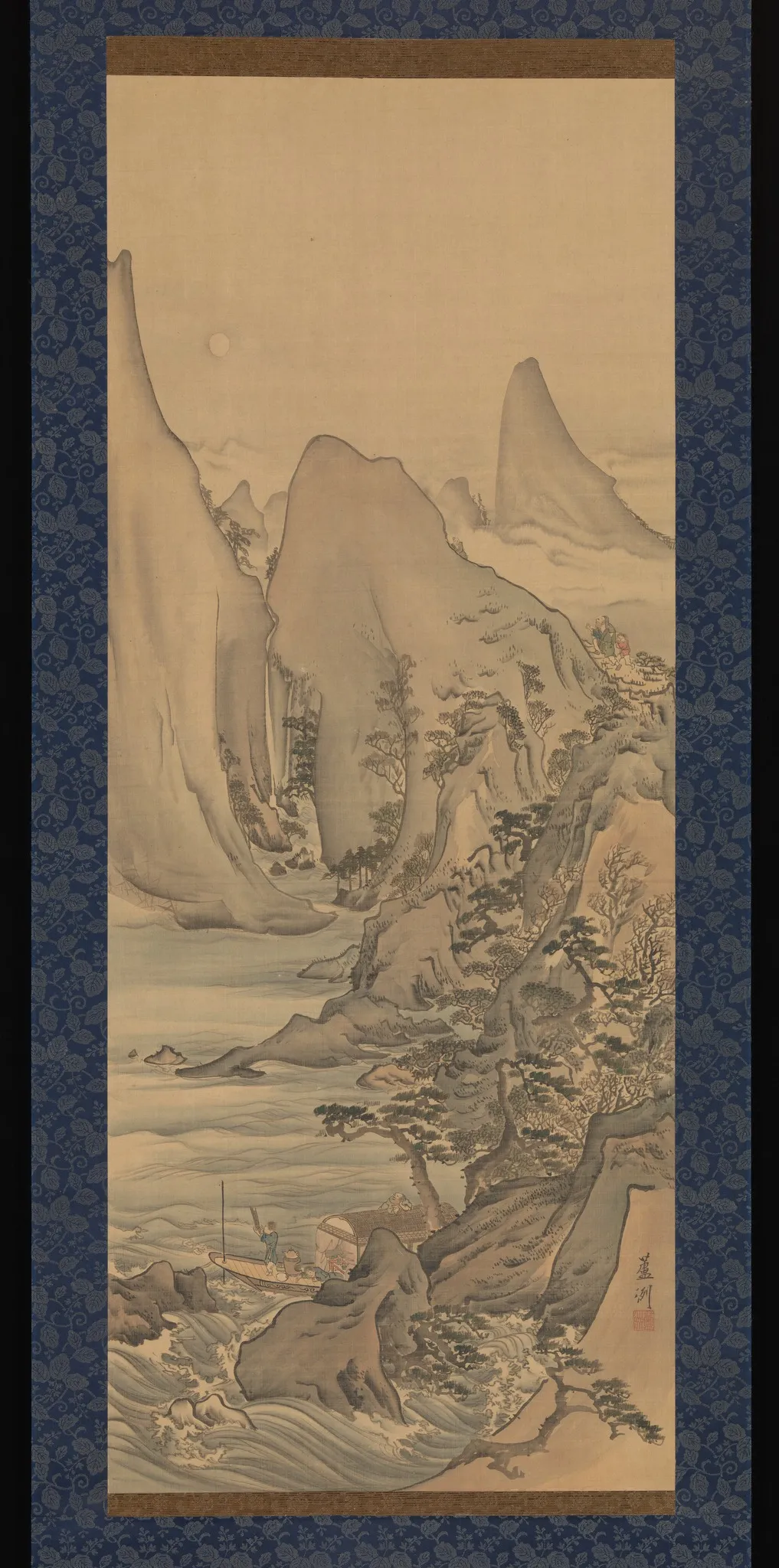
Boat under the Moon is an unspecified painting by the Nanga artist Nagasawa Roshū. It dates from 1816 and is held in the collection of the Metropolitan Museum of Art.
About this work
Overview
Painted in 1816 by Nagasawa Roshū, this ink-on-paper work depicts a solitary boat gliding beneath a crescent moon. Executed in the literati tradition, it captures a quiet moment of nocturnal stillness, emphasizing atmosphere over detail. The piece is part of the collection at The Metropolitan Museum of Art, where it represents early 19th-century Japanese painting rooted in scholarly aesthetics.
Subject & Meaning
The composition centers on a small boat adrift on dark water, framed by a faint lunar glow. No figures are visible, heightening the sense of solitude. The scene evokes contemplation, aligning with classical East Asian ideals of harmony between humanity and nature. The moon, a recurring symbol in poetic traditions, suggests transience and quiet introspection.
Technique & Style
Roshū employed monochrome ink washes with restrained brushwork, using varying tones to suggest depth and texture. The boat is rendered with minimal lines, while the water and sky are suggested through graded washes. This understated approach reflects the literati preference for spontaneity and emotional resonance over ornate detail or realistic depiction.
History & Provenance
Created during the late Edo period, the painting remained within Japanese scholarly circles before entering Western collections. It was acquired by The Metropolitan Museum of Art in the 20th century, where it is preserved as an example of Edo-period ink painting. Its provenance reflects the growing international interest in Japanese literati art during the modern era.
Context
Roshū worked in a tradition influenced by Chinese Southern Song and Yuan dynasty painters, adapting their ideals to Japanese sensibilities. In early 19th-century Japan, literati painting offered an alternative to more commercial styles, appealing to intellectuals seeking spiritual and aesthetic retreat. This work reflects a broader cultural turn toward introspective, nature-centered expression.
Legacy
Though not widely known outside specialist circles, the painting exemplifies the enduring influence of Chinese literati aesthetics in Japan. Its quiet composition continues to inform contemporary understandings of Japanese ink painting as a medium for meditative expression rather than narrative or spectacle.
Artist & collection


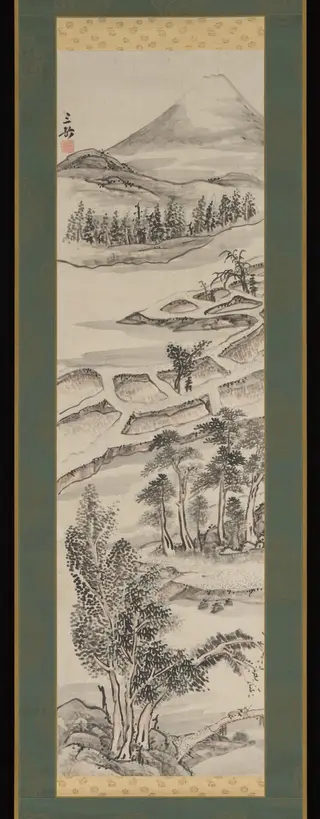 Mount Fuji
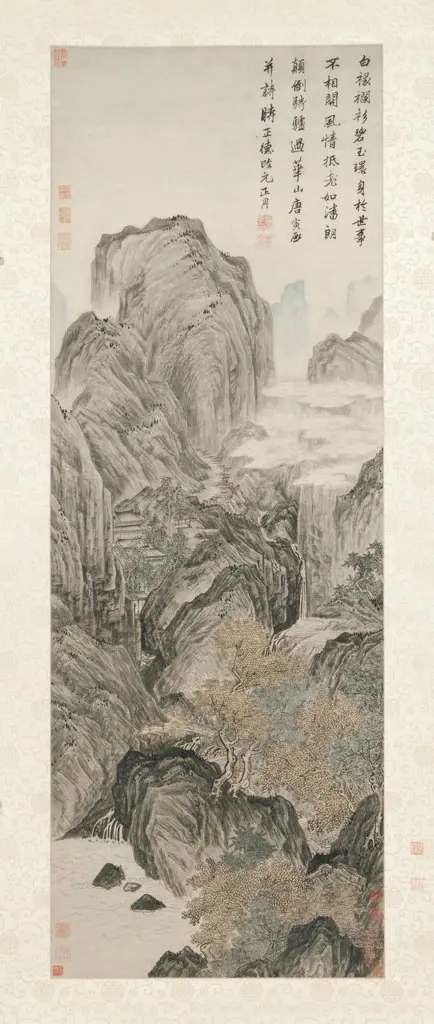 Mount Hua
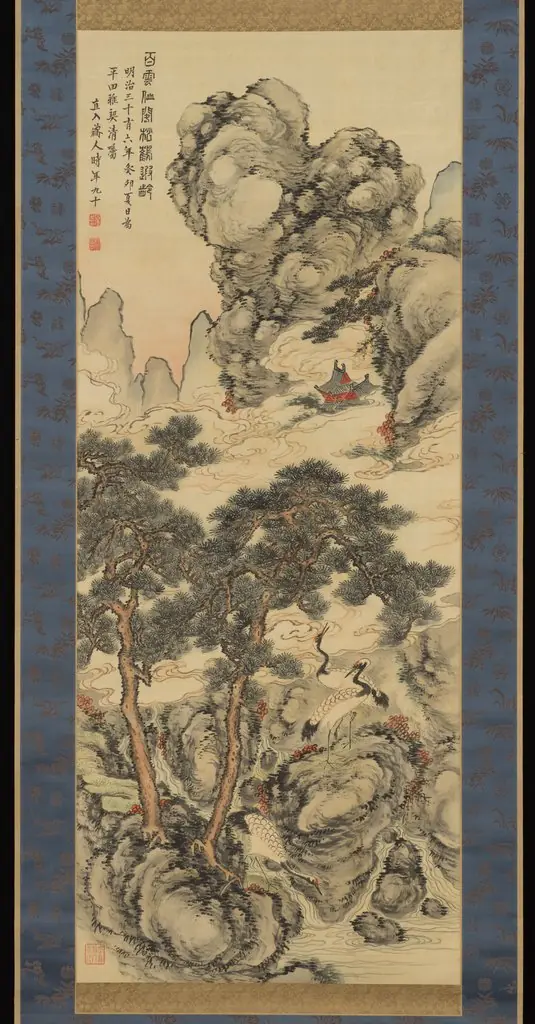 Pines and Cranes of Longevity 松鶴遐齢図
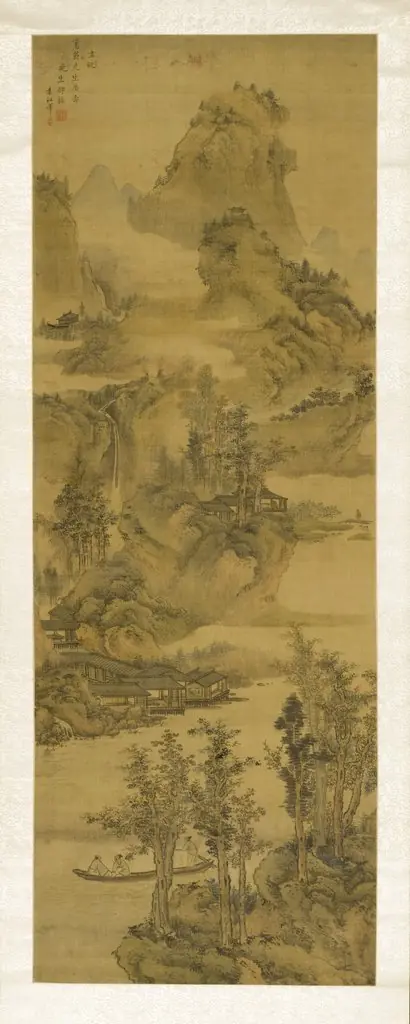 Landscape for Old Man Yu on His Birthday
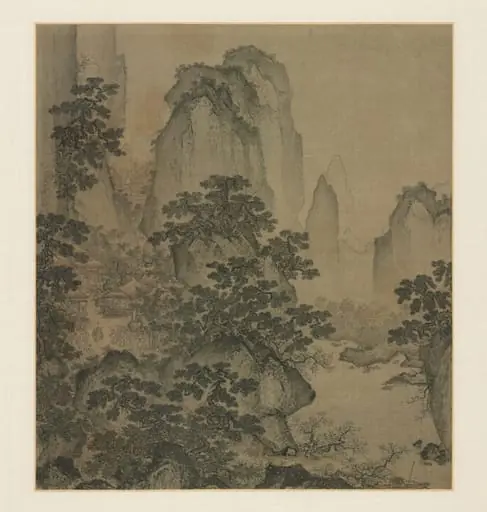 The Haven of the Peach-Blossom Spring
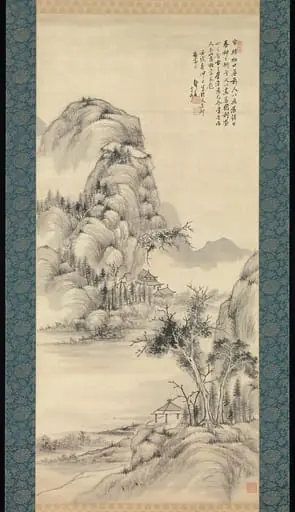 Untitled
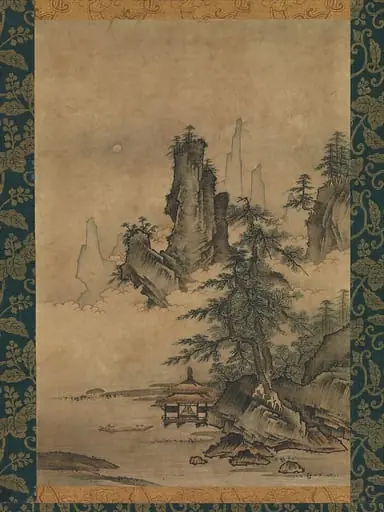 山水図|Landscape
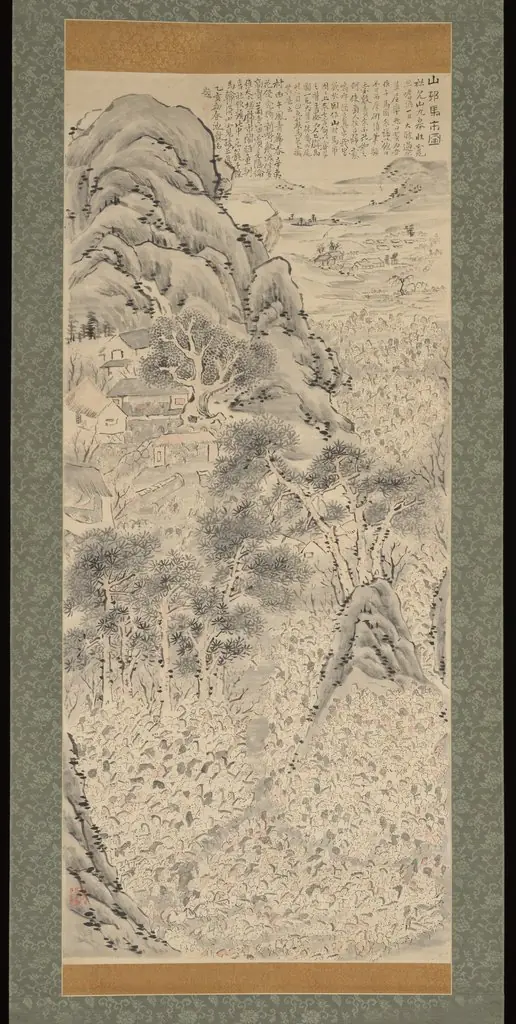 After Ike Taiga’s “Horse Market in a Mountain Village”
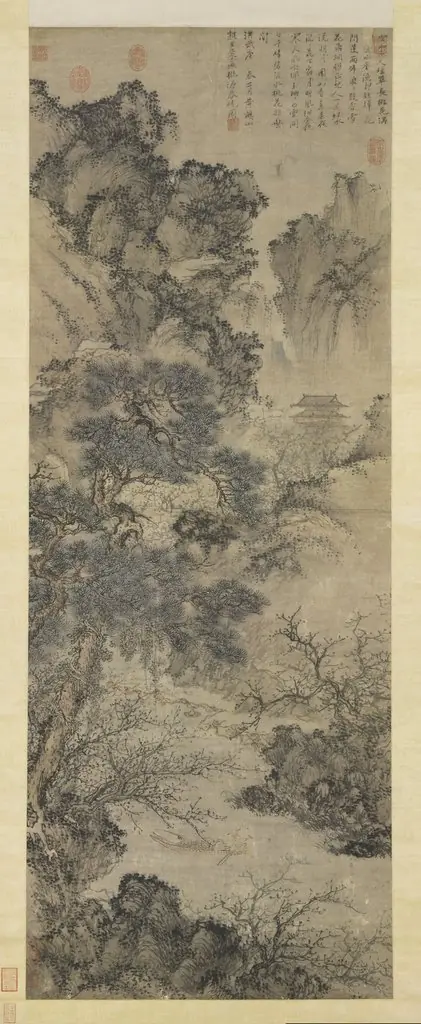 Vernal Dawn at the Peach Blossom Spring
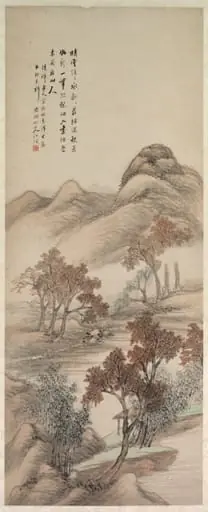 Autumn Landscape
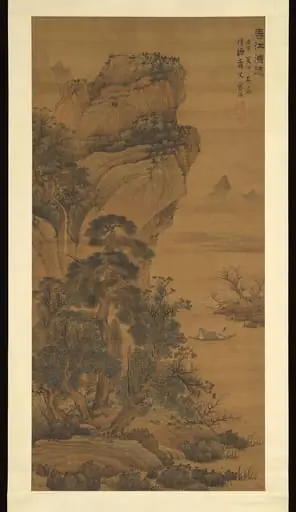 明 藍瑛 春江漁隱圖 軸|Hermit-Fisherman on a Spring River
- Waterfall in Summer Mountain (Kazan hisen zu) 夏山飛泉図