Artwork
Death and the Miser
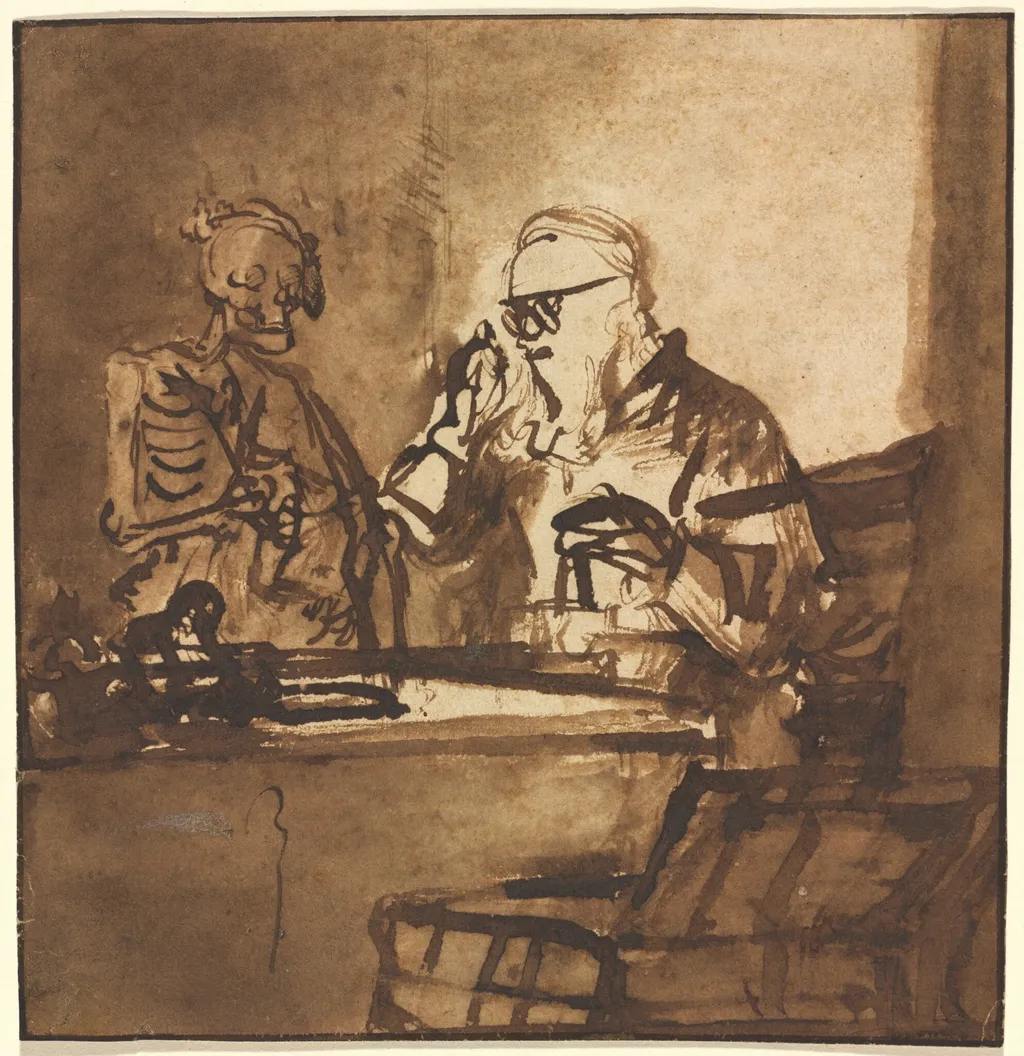
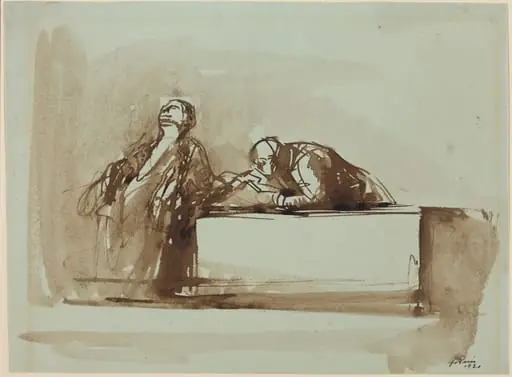
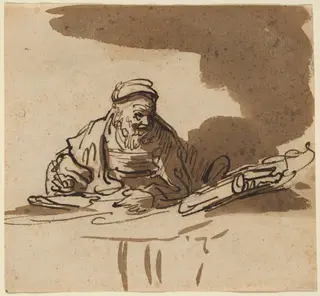
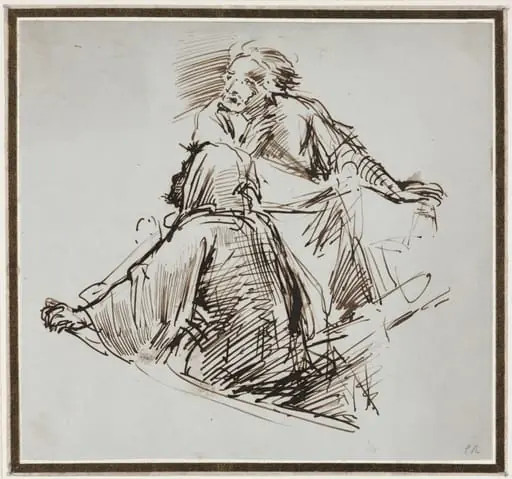
Death and the Miser is an ink drawing by the Baroque artist Nicolaes Maes. It dates from 1652 and is held in the collection of the National Gallery of Art.
About this work
Overview
Created in 1652, this drawing by Nicolaes Maes is executed in pen and brown ink with wash on laid paper. It belongs to an early phase of his career, before he became renowned for portraiture in Amsterdam. The work exemplifies Maes’s interest in moral narratives, a recurring concern in Dutch art of the period, and demonstrates his skill in handling ink to convey both form and atmosphere.
Subject & Meaning
The scene depicts a dying man confronted by the figure of Death, who offers a bag of gold in exchange for his soul. A hidden demon reaches for the miser’s hoarded wealth, while a crucifix lies neglected on the floor. The composition underscores the tension between earthly greed and spiritual salvation, aligning with Protestant moral teachings common in 17th-century Netherlands.
Technique & Style
Maes employs precise pen lines and layered brown washes to model volume and shadow, creating a sense of depth within a compact composition. The restrained palette and controlled brushwork reflect his training under Rembrandt, though the drawing’s intimacy and focus on psychological tension distinguish it from his later, more polished portraits.
History & Provenance
The drawing was produced during Maes’s formative years in Dordrecht, prior to his move to Amsterdam. It has remained in private collections since its creation, with no documented public exhibition until the 20th century. Its survival in good condition offers rare insight into Maes’s preparatory work and thematic preoccupations before he shifted toward portraiture.
Context
In mid-17th-century Holland, moral allegories were widely circulated through prints and drawings, often targeting the vices of wealth and avarice. Maes’s work participates in this tradition, responding to a public culture that valued ethical reflection. His engagement with such subjects preceded his commercial success and reveals a deeper artistic engagement beyond genre conventions.
Legacy
Though Maes is better known for his portraits, this drawing illustrates his early commitment to narrative depth and moral inquiry. It stands as a testament to the intellectual currents shaping Dutch art, where even minor works carried weighty themes. The piece remains a valuable example of how artists used draftsmanship to explore human frailty.
Own this work as a print
Artist & collection
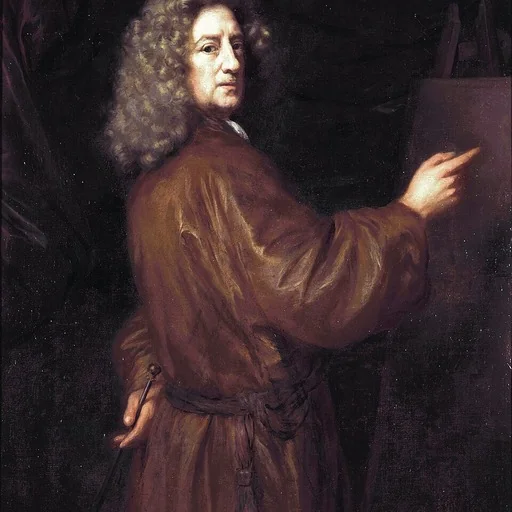
Artist
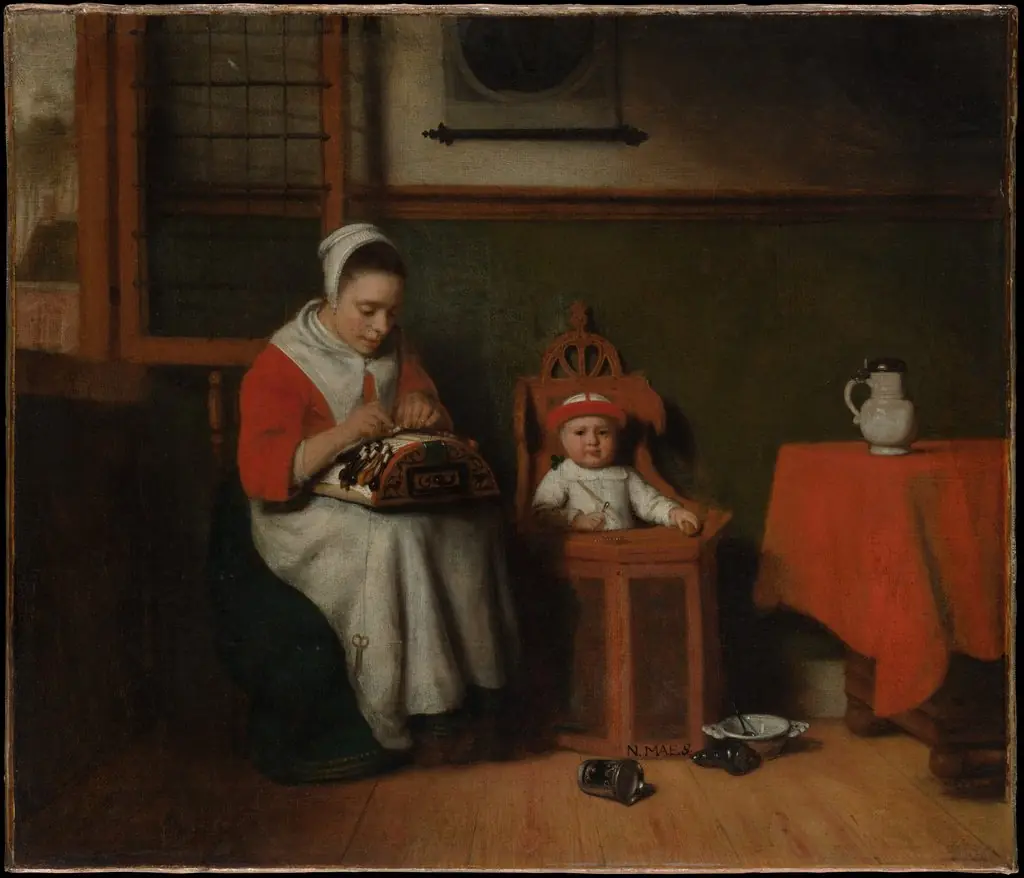
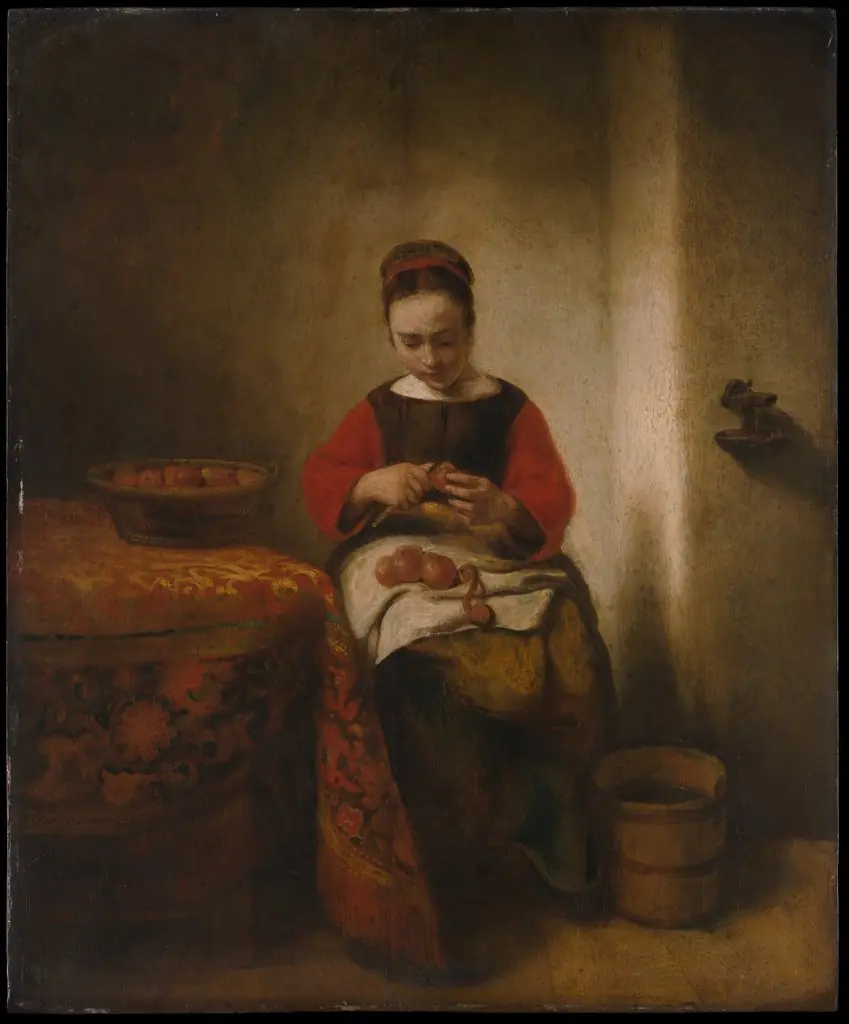
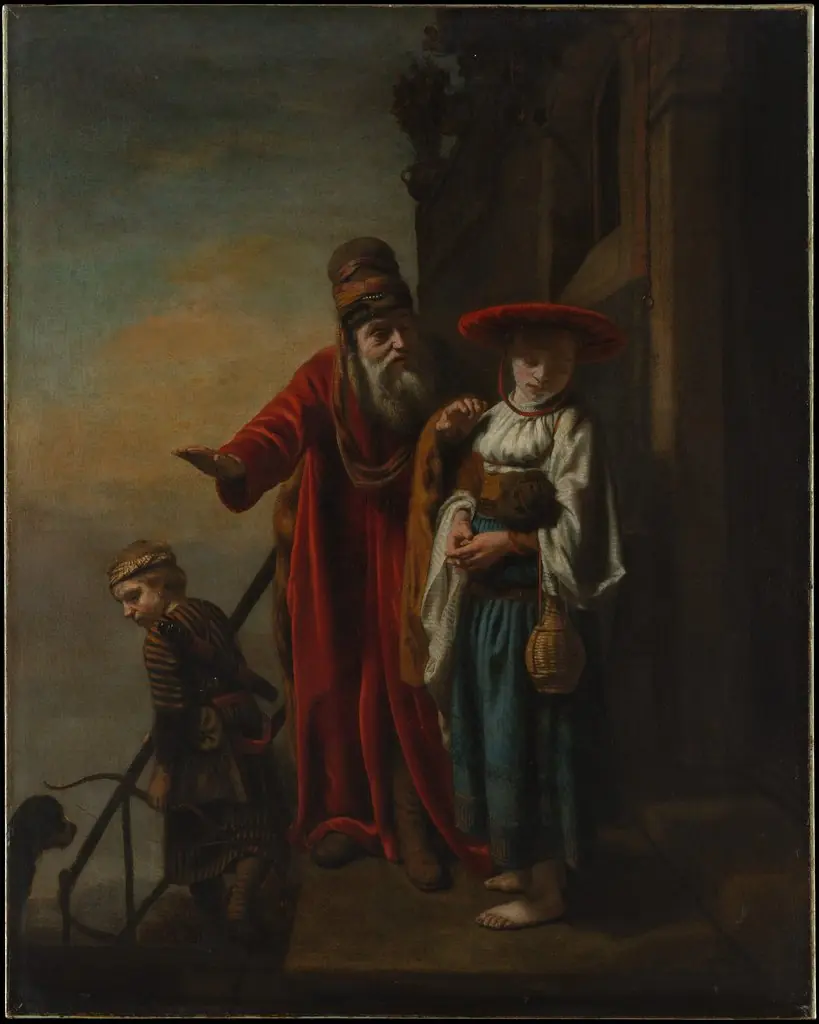
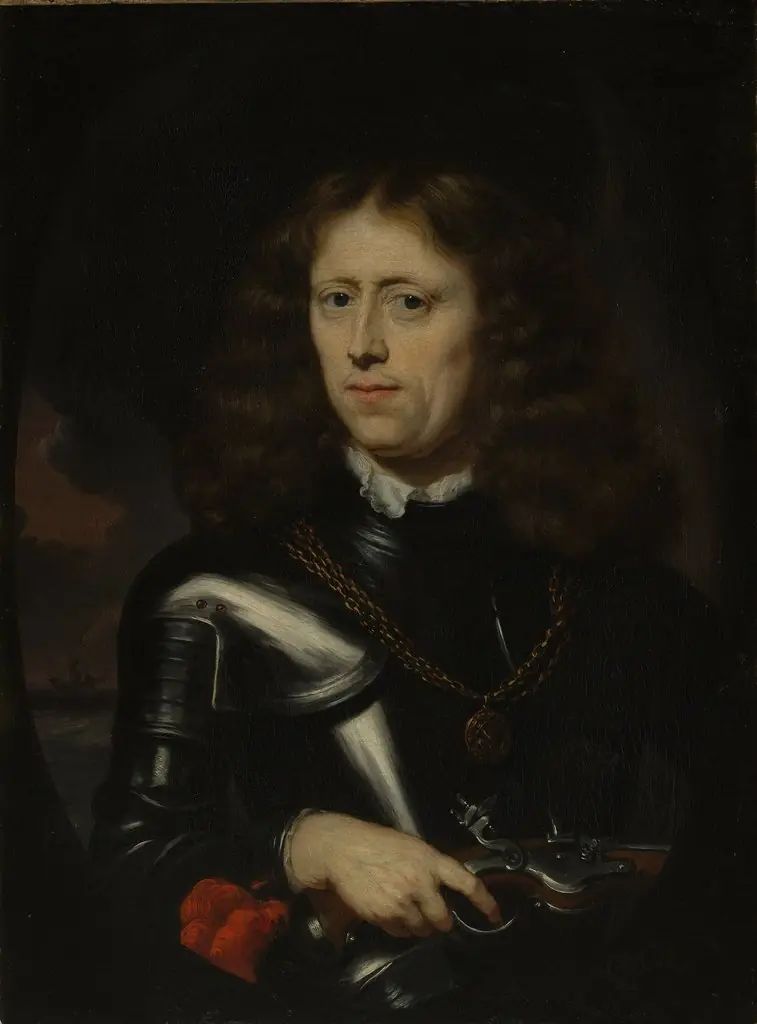
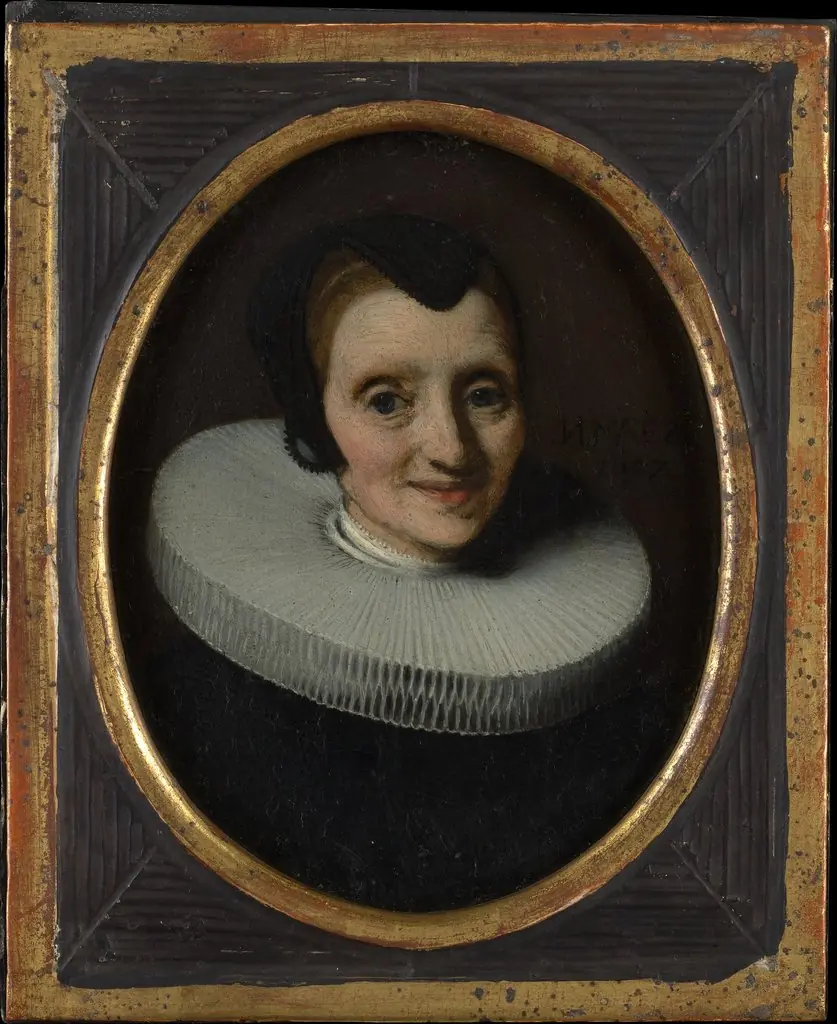
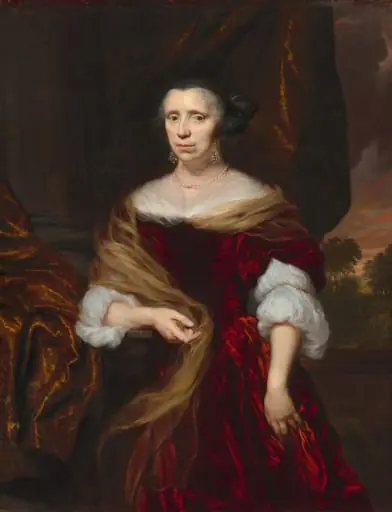
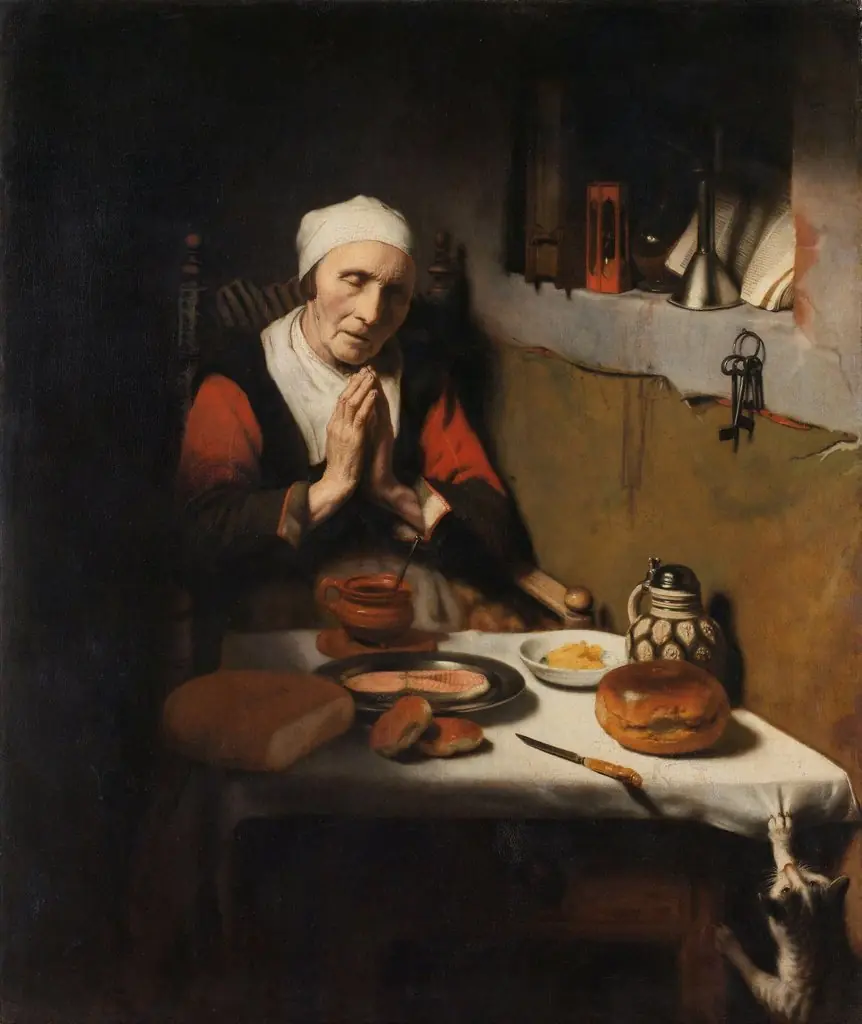
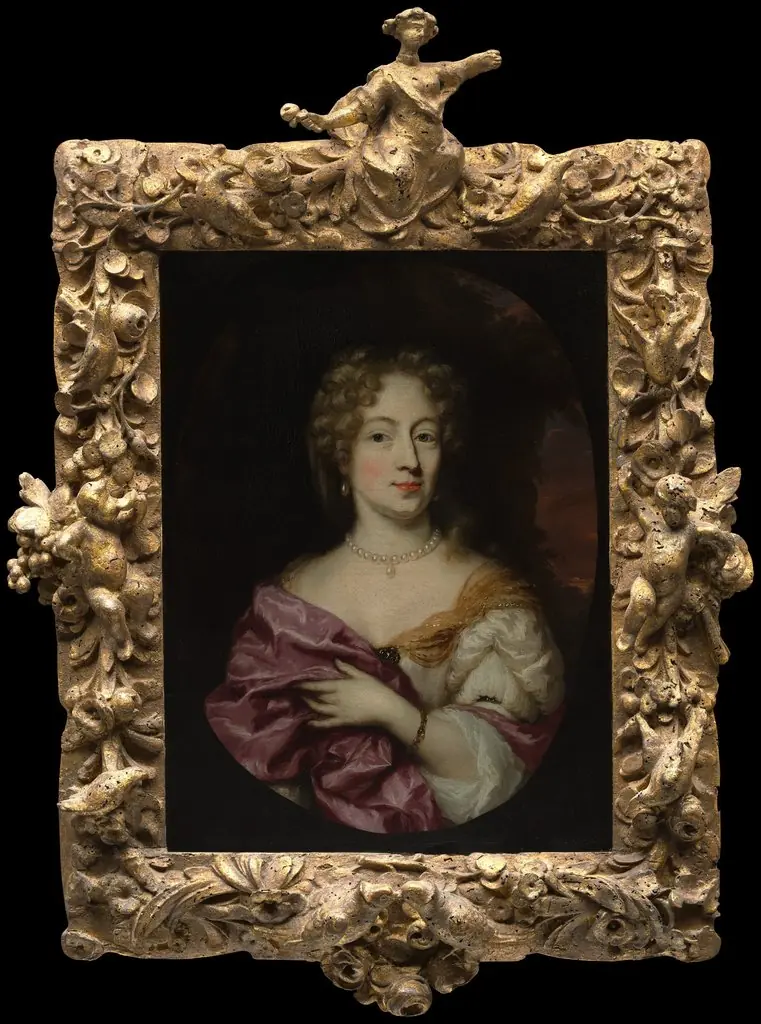
Nicolaes Maes (January 1634 – December 1693; buried 24 December 1693) was a Dutch painter known for his genre scenes, portraits, religious compositions and the occasional still life.