Artwork
Masked Ball at the Opera
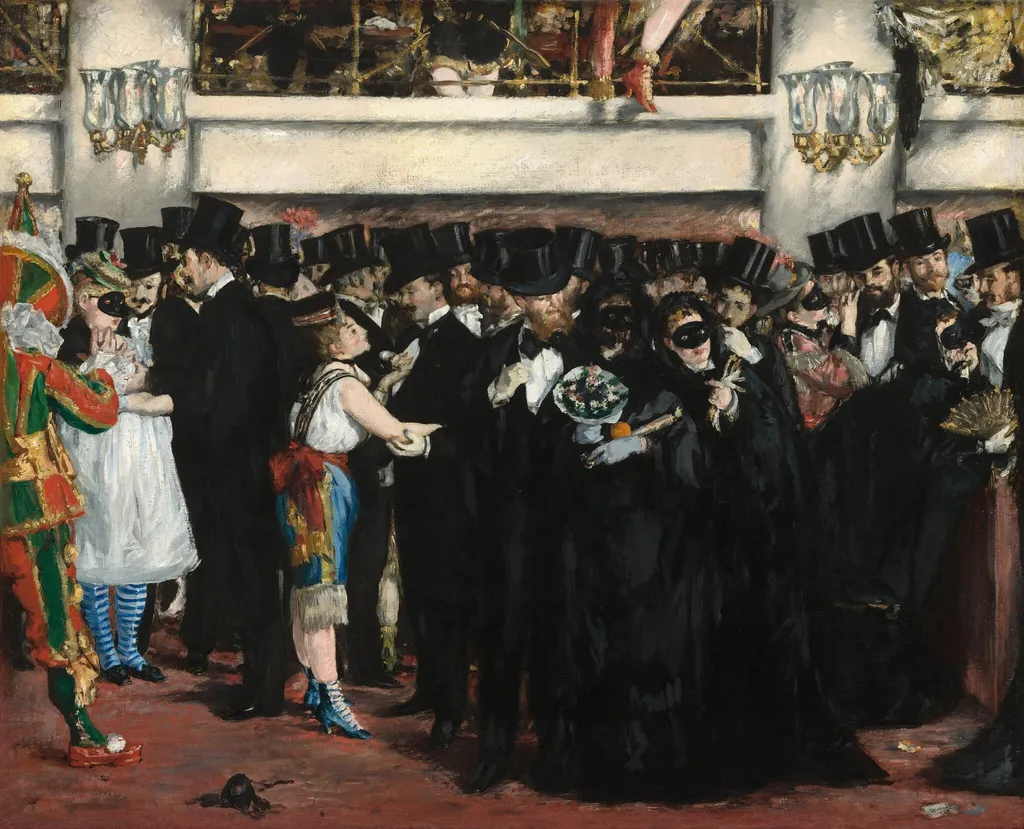
Masked Ball at the Opera is an oil painting by the Impressionist artist Édouard Manet. It dates from 1873 and is held in the collection of the National Gallery of Art.
- Inscription
- Inscribed:lower right: Manet
About this work
Technique & Style
This naturalist approach, characterized by a lack of traditional framing and a focus on fleeting moments, led to its rejection by the 1874 Paris Salon.
Created in the spring of 1873, Masked Ball at the Opera is an oil painting on canvas measuring 59.1 by 72.5 centimeters. Manet executed preparatory sketches on-site at the Opéra Le Peletier before completing the work in his studio, a process that spanned several months. Stylistically, the composition captures a crowded lobby scene rather than the dance floor, featuring figures sharply cropped at the edges to evoke the immediacy of a snapshot.
The artist employed a distinct contrast between the overwhelming monotony of black male attire and the vibrant, extravagant colors of the female masks and bouquets. This naturalist approach, characterized by a lack of traditional framing and a focus on fleeting moments, led to its rejection by the 1874 Paris Salon. The work also includes a rare self-portrait of the artist as a bearded man gazing directly at the viewer.
History & Provenance
Masked Ball at the Opera resides in the National Gallery of Art, Washington, D.C., having entered the museum’s collection as a gift from Mrs. H. Havemeyer in 1982. The painting was refused by the 1874 Paris Salon and, according to later accounts, was not displayed publicly until after Manet’s death. These details are drawn from provenance records, collection listings, and exhibition histories cited in the sources.
The specific accession or inventory number assigned by the National Gallery of Art is not given in the sources consulted.
Context
Manet’s Masked Ball at the Opera (1873) was rejected by the 1874 Salon for its overly naturalistic treatment, a fact noted by contemporary critic Stéphane Mallarmé, who observed that the masks merely break the monotony of black attire. Scholars such as Goncourt, Meier‑Graefe and later Foucault have examined its political undertones and its status as one of the few group portraits and self‑portraits in Manet’s oeuvre. The composition draws on sketches made at the Paris Opéra’s Rue Le Pelletier venue, destroyed by fire the same year, and echoes the earlier Music in the Tuileries (1863) in its depiction of friends as models.
Provenance records show the work passed from Faure to Durand‑Ruel, then to Henry Havemeyer and his wife, eventually entering the National Gallery of Art in 1982.
Legacy
Although rejected by the 1874 Paris Salon for being deemed too naturalist, Masked Ball at the Opera has evolved into one of Manet's most discussed works. Contemporary figures such as Stéphane Mallarmé and Edmond de Goncourt engaged with the painting shortly after its creation, while later scholars including Julius Meier-Graefe and Michel Foucault continued to analyze its significance. Art historians have debated its possible political allusions to the early Third Republic and its formal innovations, such as its snapshot-like composition and explicit sexual undertones.
The work captures the final masquerade held at the Opéra Le Peletier before its destruction by fire in 1873, preserving a fleeting historical moment. Its journey from private ownership by Jean-Baptiste Faure to the Havemeyer collection, and finally its 1982 gift to the National Gallery of Art, underscores its enduring status as a pivotal piece in the artist's oeuvre and the history of Impressionism.
Overview
Édouard Manet's Masked Ball at the Opera is an oil on canvas painting completed in the spring of 1873. This work captures a lively social event, characteristic of Parisian life during the period. It is presently housed in the National Gallery of Art in Washington, D.C., having been gifted to the institution in 1982.
Subject & Meaning
The painting depicts a bustling scene within a Parisian opera house, where attendees in formal attire and elaborate masks mingle. The disguises create an air of anonymity among the figures, a feature noted by Stéphane Mallarmé, who observed how the masks offered a visual counterpoint to the dark clothing of the crowd. Manet's composition conveys the energy and social dynamics of such an event.
Own this work as a print
Artist & collection
Artist
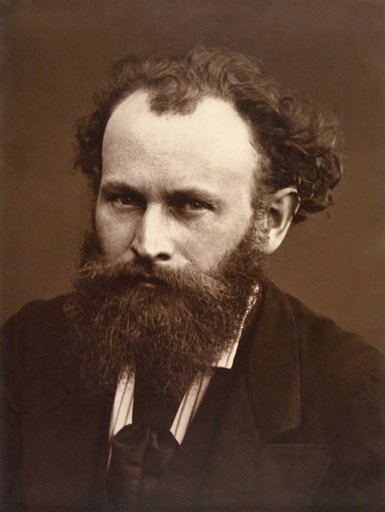
Édouard Manet was a French modernist painter. He was one of the first 19th-century artists to paint modern life, as well as a pivotal figure in the transition from Realism to Impressionism.

- Bal mascat
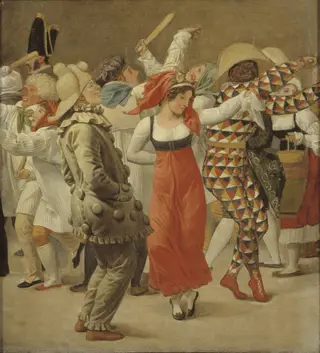 The Carnival in Rome. Fragment
 Café Scene
 The Ridotto Pubblico at Palazzo Dandolo
 Theme from the Venetian Carnival – Gambling House (Il Ridotto)
 Stańczyk
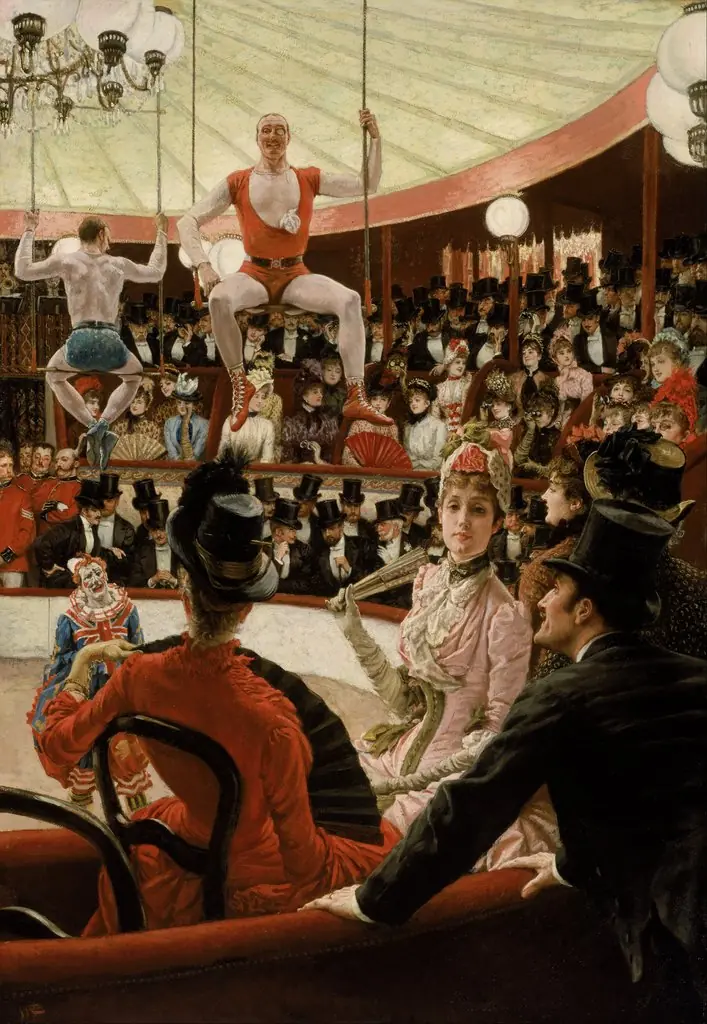 Women of Paris: The Circus Lover
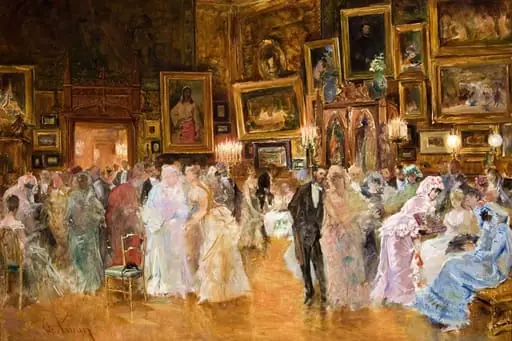 Bal mascat în atelier - Serată
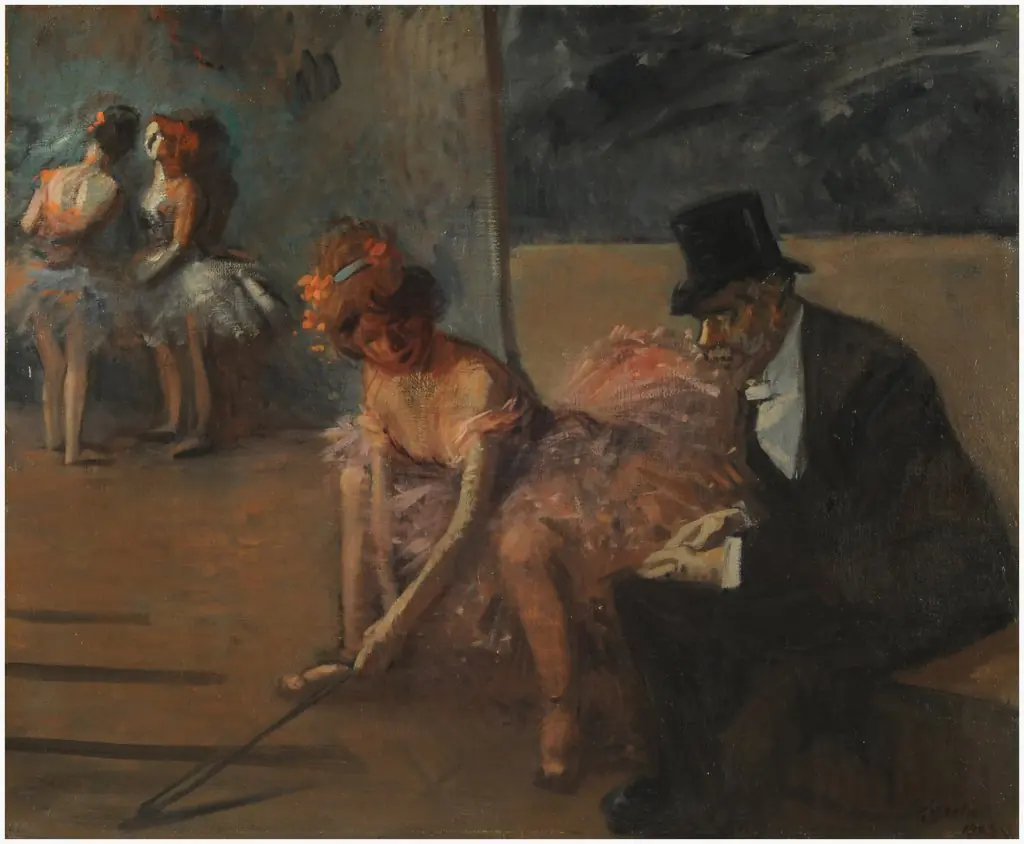 Danseuse et admirateur derrière la scène (Bailarina y admirador tras la escena)
 Concert at the Casino of Deauville
 The Rathskeller
 At the Races