Artwork
Altarpiece of St. Nicholas
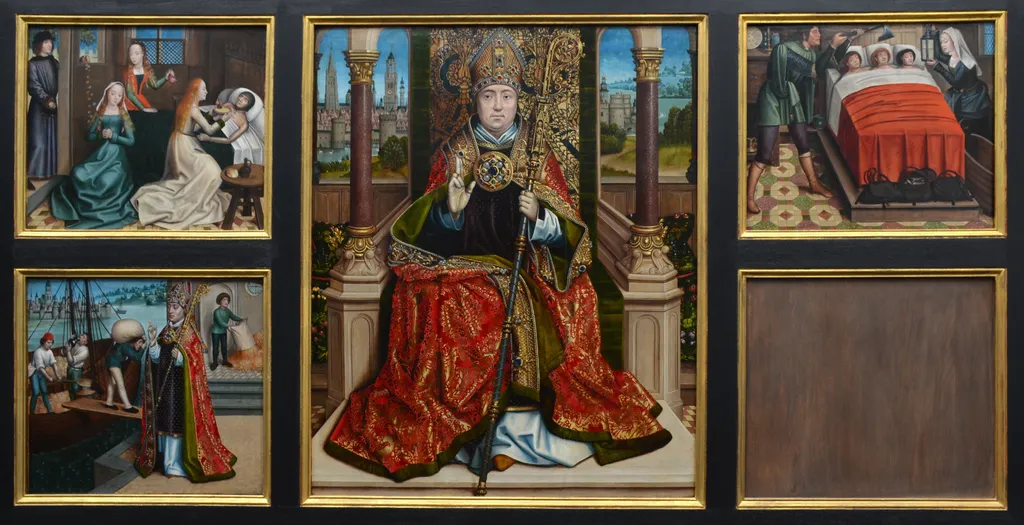
Altarpiece of St. Nicholas is an oil painting by the Northern Renaissance artist Master of the Legend of Saint Lucy. It dates from 1400 and is held in the collection of the Groeningemuseum. The Altarpiece of St.
About this work
Subject & Meaning
Additional symbolic elements such as a boat, cereal, a bed, and a window surround the main action, enriching the visual storytelling of the saint's benevolence.
Created in 1479, this religious panel depicts Saint Nicholas as its central figure, identifiable by his bishop's mitre and crosier. The iconography specifically illustrates the legend of the saint throwing gold bars to three poor girls, a narrative act of charity that defines the work's thematic core.
The setting integrates specific Bruges landmarks, including the Church of Our Lady, the Belfry, and the city walls, grounding the sacred event within a recognizable urban landscape. Additional symbolic elements such as a boat, cereal, a bed, and a window surround the main action, enriching the visual storytelling of the saint's benevolence.
Technique & Style
The Altarpiece of St. Nicholas is executed in oil paint on an oak panel, measuring 101.5 cm in height and 81.5 cm in width. It depicts Saint Nicholas alongside scenes such as the Church of Our Lady, Bruges, a crosier, the Belfry, a tree, city walls, a mitre, bed, window, boat, cereal, and the miracle of Saint Nicholas throwing gold bars to three poor girls. The work belongs to the religious art genre and was created by the Master of the Legend of Saint Lucy in 1479.
The formal composition emphasizes hierarchical arrangement and devotional clarity, with richly detailed iconography rendered in a naturalistic yet symbolic style characteristic of late Gothic religious painting. The handling of light and surface texture reflects careful panel preparation and precise brushwork, contributing to a vivid narrative presence within the devotional context.
History & Provenance
The Altarpiece of St. Nicholas was created in 1479 by the Master of the Legend of Saint Lucy, as confirmed by its date and attributed authorship. Executed in oil paint on an oak panel, the work measures 101.5 cm in height and 81.5 cm in width, aligning with dimensions recorded in the Groeningemuseum's collection. It was commissioned for devotional purposes within a religious context, depicting Saint Nicholas alongside associated iconography such as the Church of Our Lady, Bruges, and symbolic attributes including a mitre and crosier.
The altarpiece has remained in the Groeningemuseum in Bruges since its creation, forming part of the Flemish Art Collection. Its provenance is singular and continuous, with no documented changes in ownership, underscoring its status as a key example of 15th-century religious painting.
The Altarpiece of St. Nicholas is currently held by the Groeningemuseum in Bruges, as part of the Vlaamse Kunstcollectie. The work was created in 1479 by the Master of the Legend of Saint Lucy. While specific accession numbers are not provided in the available records, the painting is cataloged within the museum's collection of religious art.
The artwork depicts Saint Nicholas and scenes associated with his legend, including the donation of gold to three poor girls, set against the backdrop of Bruges landmarks such as the Church of Our Lady and the Belfry.
Context
The Altarpiece of St. Nicholas, painted by the Master of the Legend of Saint Lucy in 1479, occupies a pivotal position in early Netherlandish religious art. Its intricate depiction of Saint Nicholas alongside Bruges landmarks such as the Belfry and Church of Our Lady reflects the devotional practices of late medieval Flanders, where the saint was venerated as a protector and miracle worker. The work's complex iconography, including the famed scene of the saint throwing gold to three impoverished girls, illustrates evolving theological narratives about charity and divine intervention.
Scholarship emphasizes its role within the Master's oeuvre as a bridge between earlier International Gothic styles and the naturalistic detail characteristic of Dutch Renaissance painting, while its provenance at the Groeningemuseum underscores its significance in preserving Flemish artistic heritage.
Legacy
The Altarpiece of St. Nicholas by the Master of the Legend of Saint Lucy has long been recognized as a pivotal example of late 15th-century Netherlandish religious painting. Its intricate composition and detailed iconography, particularly the depiction of Saint Nicholas alongside architectural elements of Bruges, have informed scholarly studies of early Netherlandish art and contributed to reassessments of workshop practices in the Low Countries. The work's presence in the Groeningemuseum collection has ensured its visibility in public exhibitions, reinforcing its reputation as a cornerstone of the museum's medieval holdings and a reference point for the study of devotional imagery in early Netherlandish art.
Overview
The Altarpiece of St. Nicholas is a multi‑panel oil painting dating from the early 15th century. Executed by the anonymous Master of the Legend of Saint Lucy, the work comprises a central image flanked by four smaller scenes. It is part of the collection of the Groeningemuseum in Bruges and presents a narrative centered on the patron saint against a recognizable urban backdrop.
Artist & collection
Artist
Master of the Legend of Saint Lucy
The Master of the Legend of Saint Lucy (fl. 1480–1510) was an unidentified Early Netherlandish painter from Bruges. His name comes from an altarpiece in the church of Saint James in Bruges, dated 1480, depicting three…

 Hieronymus altarpiece
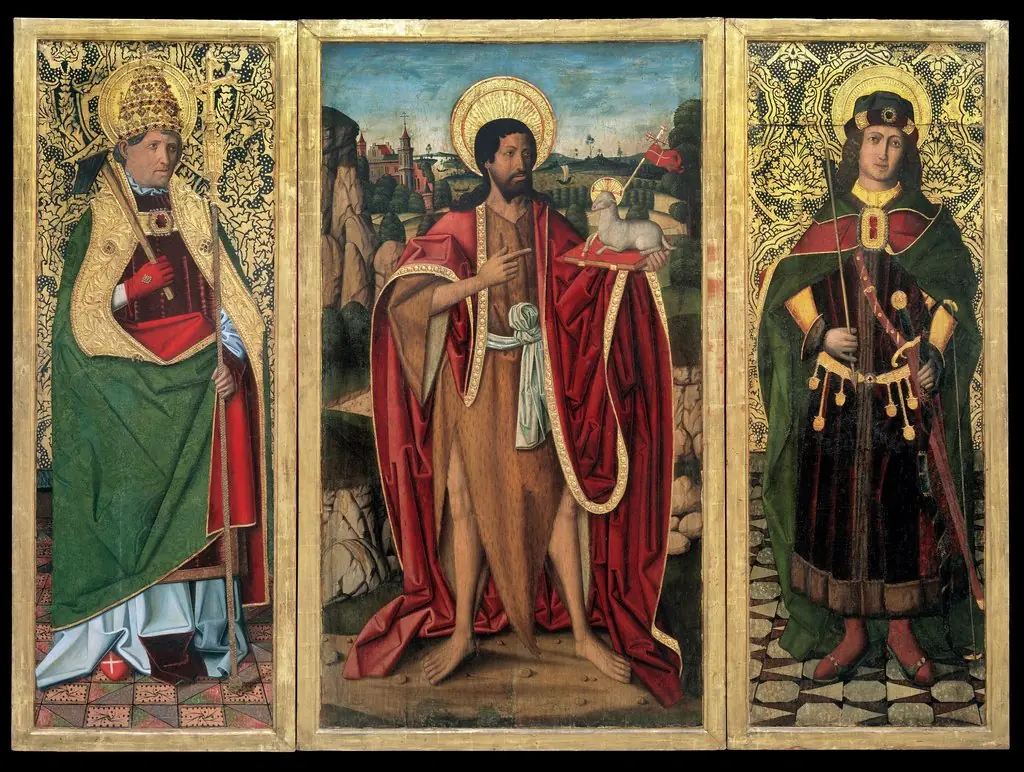 Saint John the Baptist, Saint Fabian and Saint Sebastian
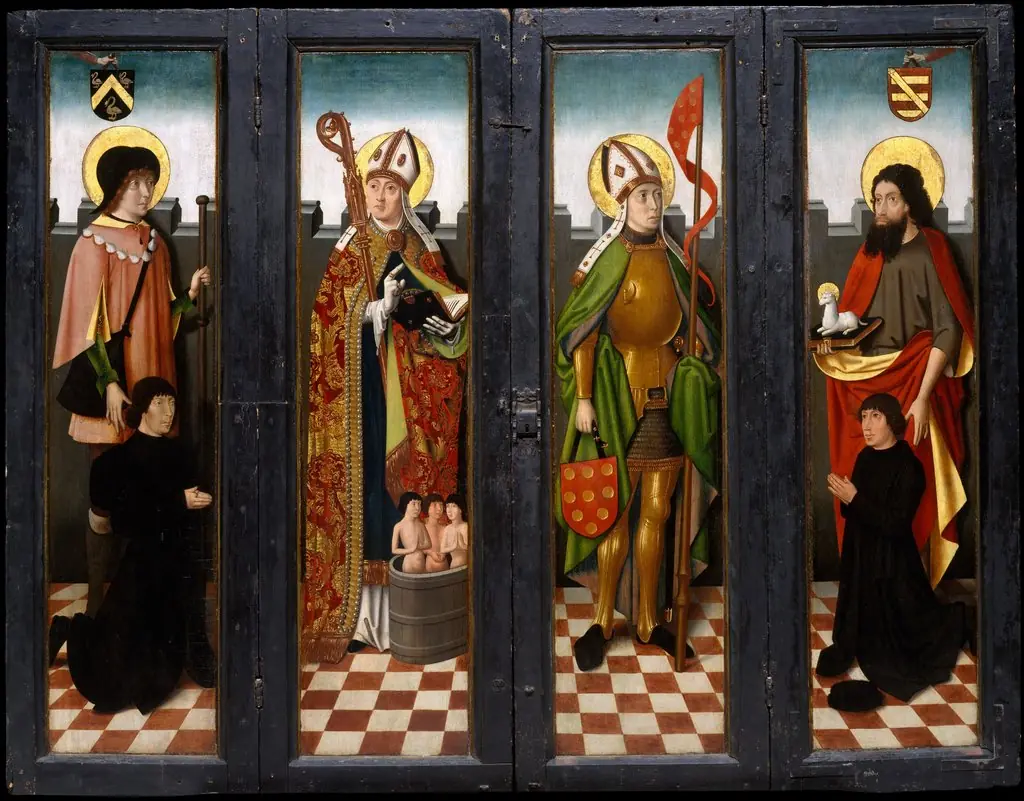 The Life and Miracles of Saint Godelieve
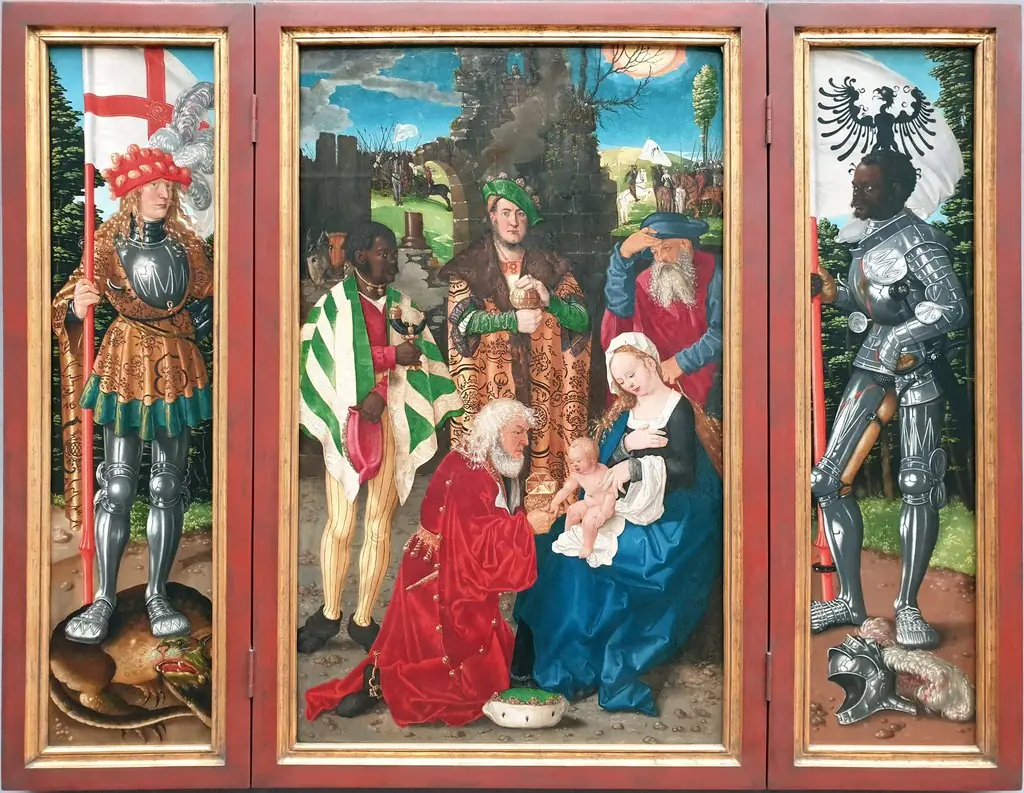 Der Dreikönigsaltar Innentafeln: Anbetung der Könige, der Heilige Georg und der Heilige Mauritius
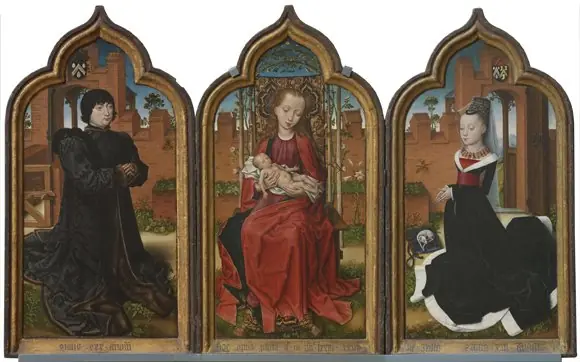 Triptych of Jean de Witte and Maria Hoose
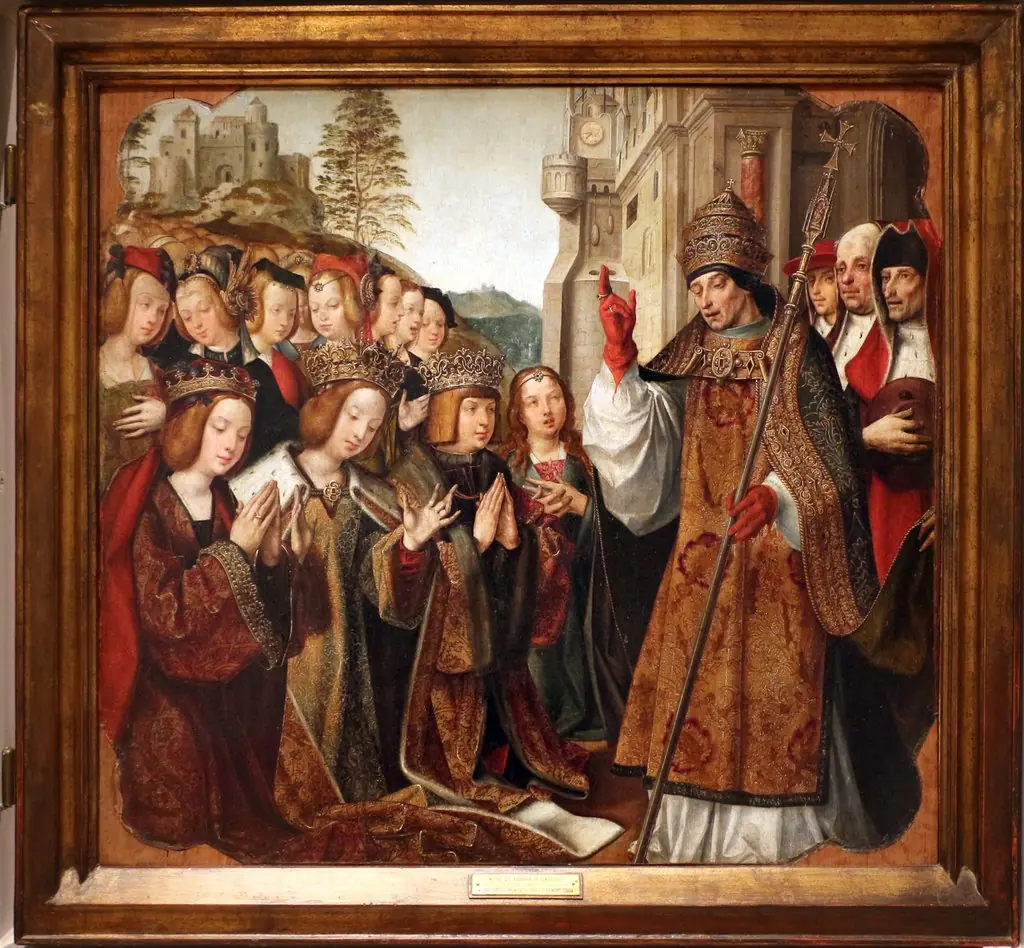 Blessing of Saint Auta by Pope Siricius
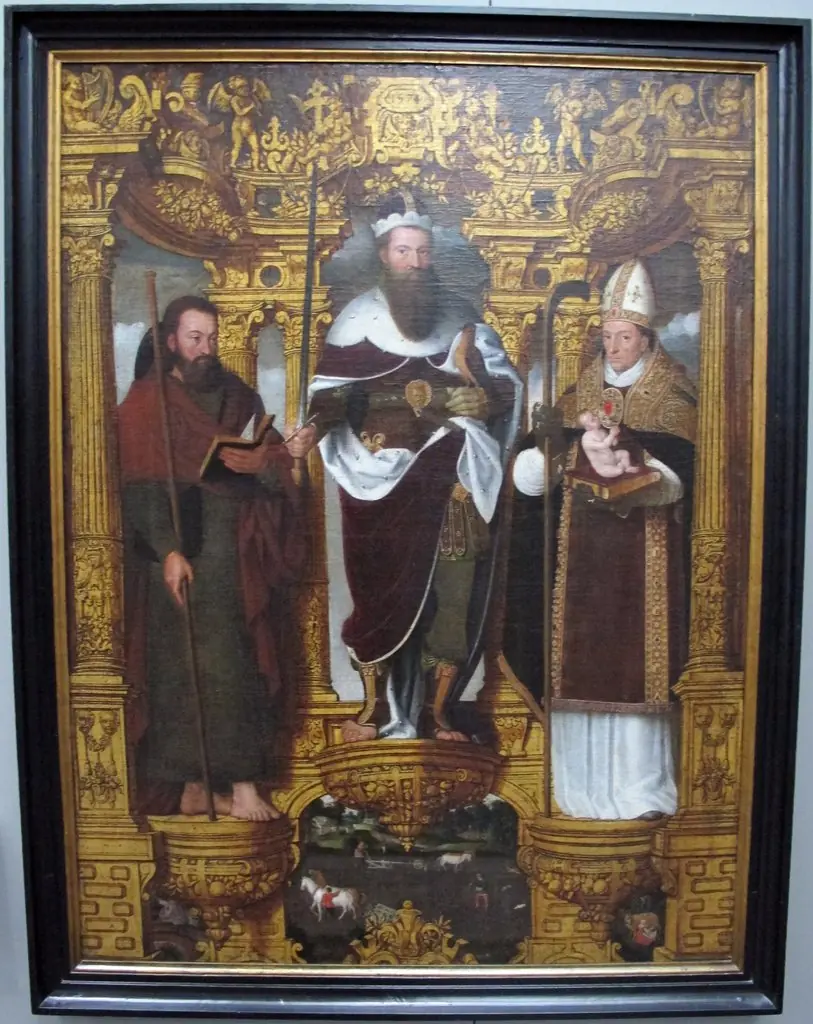 Saints Bavo, James the Great and Willibrord
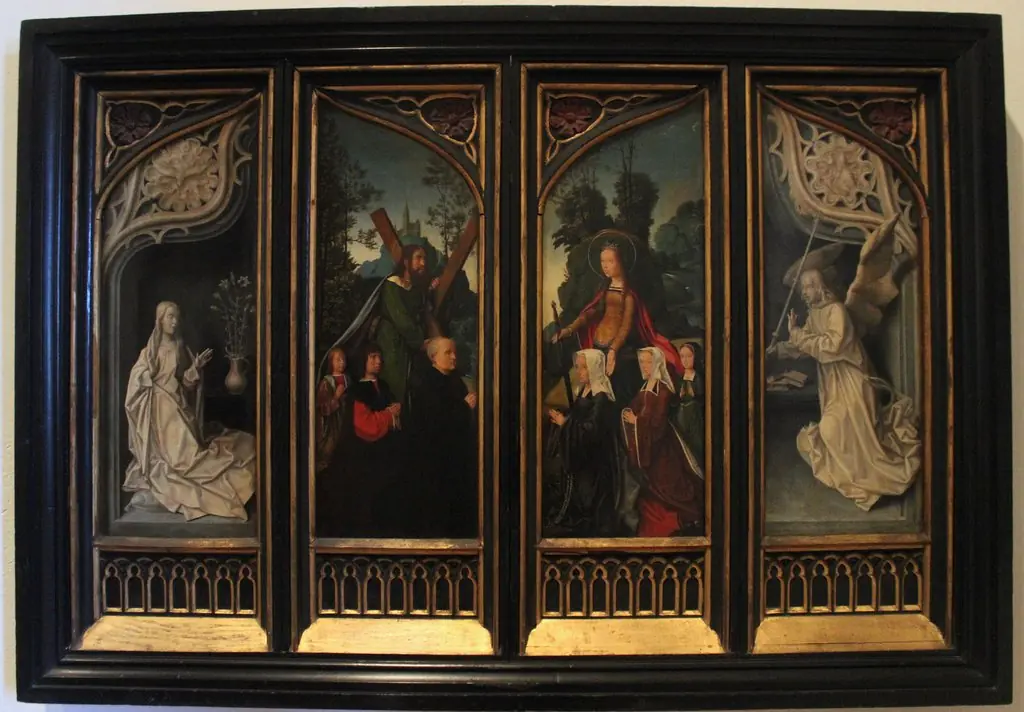 The Annunciate Virgin, Saint Andrew with a Donor and His Sons, Saint Catherine of Alexandria with a Donor and Her Daughters, and the Annunciate Angel
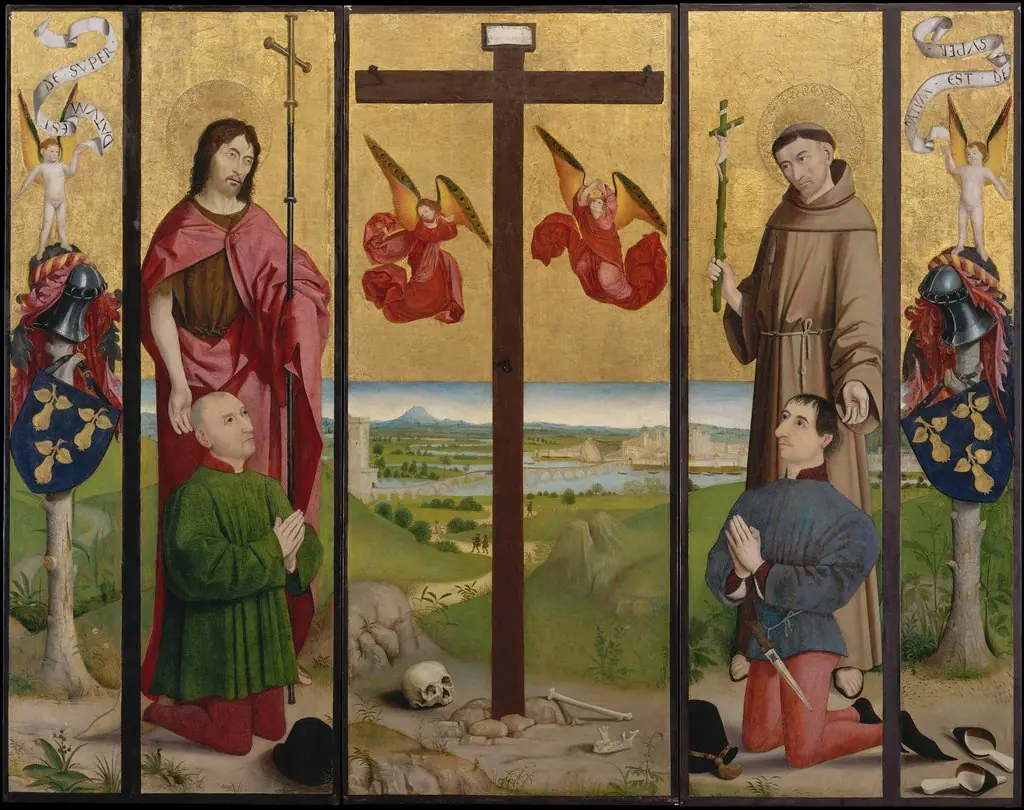 The Pérussis Altarpiece
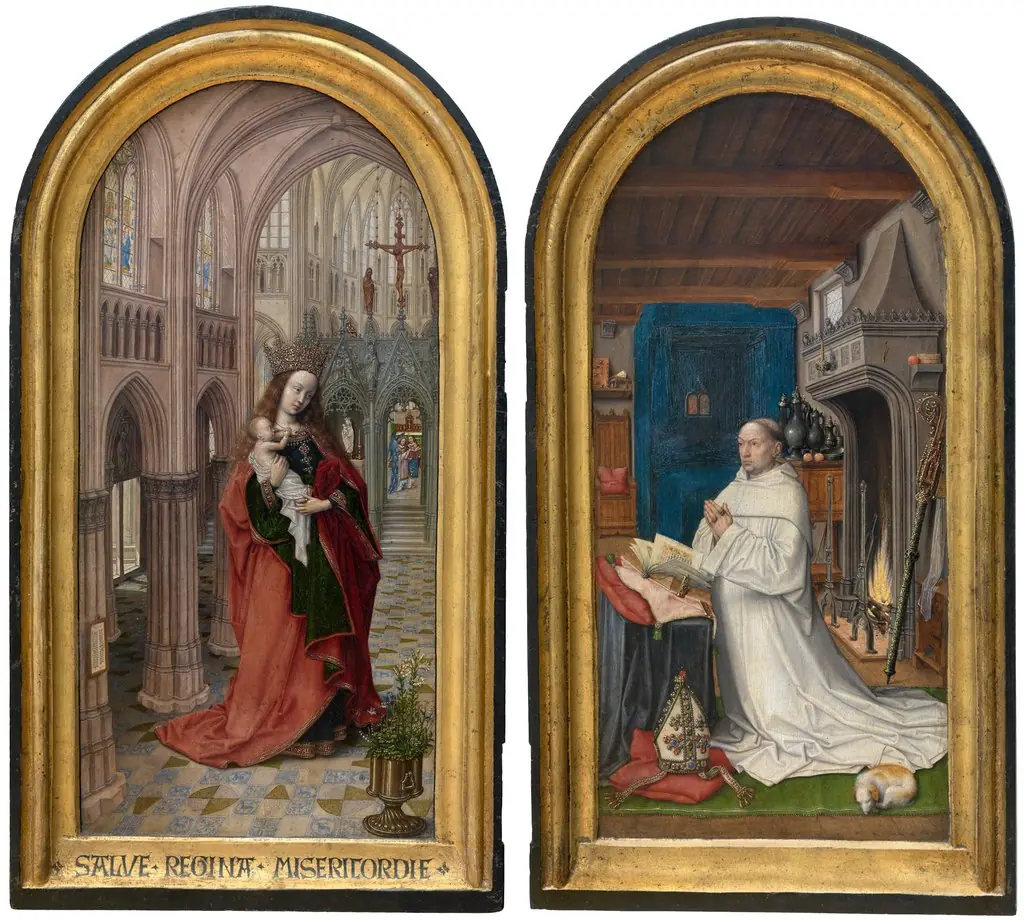 Diptych of Christiaan de Hondt, abbott at Ter Duinen
 Drieluik met de kruisiging
- Altarpiece of Saint Peter