Artwork
Portrait of Coenraad van Heemskerck, Count of the Holy Roman Empire, Lord of Achttienhoven and Den Bosch
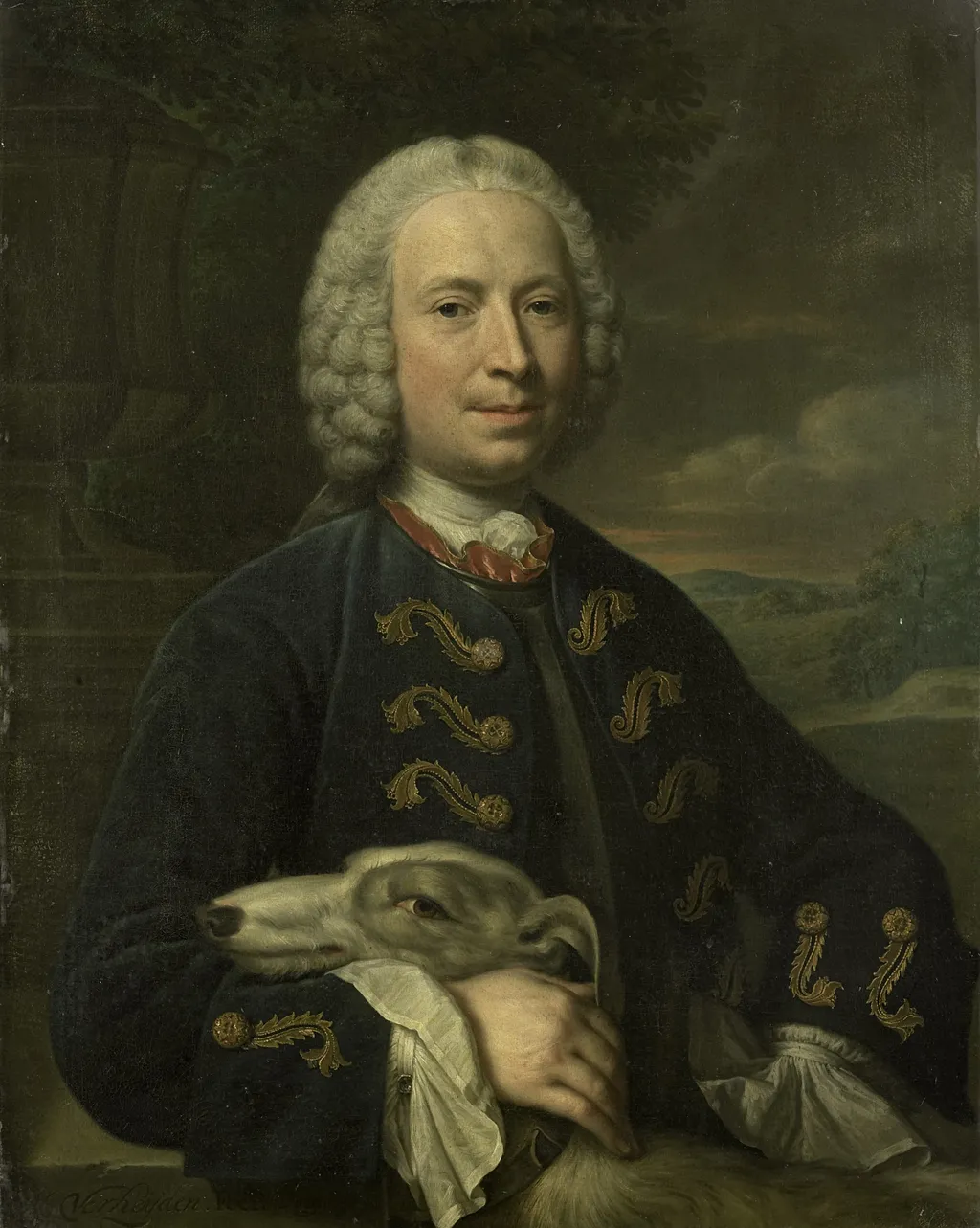
Portrait of Coenraad van Heemskerck, Count of the Holy Roman Empire, Lord of Achttienhoven and Den Bosch is an oil painting by the Rococo painting artist Mattheus Verheyden. It dates from 1750 and is held in the collection of the Rijksmuseum.
About this work
Technique & Style
Its dimensions measure 86 cm in height by 67 cm in width, reflecting the modest scale typical of private aristocratic commissions.
The portrait is executed in oil paint on canvas, a standard support for 18th-century European portraiture. Its dimensions measure 86 cm in height by 67 cm in width, reflecting the modest scale typical of private aristocratic commissions. The handling of light and drapery demonstrates Verheyden's academic technique, blending precise facial rendering with a softened, atmospheric background that emphasizes the sitter's status. The composition adheres to formal portrait conventions of the period, balancing dignified pose with restrained ornamentation.
History & Provenance
The Portrait of Coenraad van Heemskerck, Count of the Holy Roman Empire, Lord of Achttienhoven and Den Bosch was painted in 1750 by Mattheus Verheyden. It is classified as an oil painting on canvas and belongs to the portrait genre. The work measures 86 cm in height and 67 cm in width.
It is part of the collection at the Rijksmuseum in Amsterdam, where it has been listed since its creation.
The painting entered the museum’s holdings as part of its permanent collection, reflecting a continuous ownership record from its completion to the present day. Its creation history is documented through archival records that confirm the artist’s intent to depict the noble sitter in a formal portrait style.
The work was commissioned to commemorate the subject’s status within the Holy Roman Empire and to celebrate his titles and estates. Its dating is firmly established by the inception date recorded in the museum’s catalog.
The painting’s subject, Coenraad van Heemskerck, is identified as a count and nobleman, and the portrait has been displayed in the museum’s European paintings galleries since its acquisition.
Portrait of Coenraad van Heemskerck, Count of the Holy Roman Empire, Lord of Achttienhoven and Den Bosch is housed in the Rijksmuseum collection. The work is catalogued under the inventory number SK-A-1554. It was displayed in the Rijksmuseum exhibition titled "Dutch Masters of the 18th Century" in 1998.
Overview
Created around 1750, this oil on canvas portrait by Dutch painter Mattheus Verheyden depicts Coenraad van Heemskerck, a nobleman entitled Count of the Holy Roman Empire and lord of Achttienhoven and Den Bosch. The work is part of the Rijksmuseum’s collection and presents the sitter in a composed, formal pose, accompanied by a large white dog.
Subject & Meaning
Coenraad van Heemskerck is shown wearing a dark blue coat trimmed with gold embroidery and a white cravat, his carefully arranged curly wig framing a calm, serious expression. The presence of the dog, poised on his shoulder, reinforces themes of loyalty and status, common in 18th‑century aristocratic portraiture.
Context
In the mid‑1700s Dutch portraiture often emphasized the sitter’s rank through luxurious dress and symbolic accessories. Verheyden’s depiction follows this convention, using clothing details and the canine companion to convey Heemskerck’s aristocratic identity within the broader European noble culture of the time.
Own this work as a print
Artist & collection

 Portrait of Pieter Parker, Alderman, Burgomaster and Councilor of Goes
 Portrait of Caspar Adriaen Parduyn, Bailiff of Middelburg
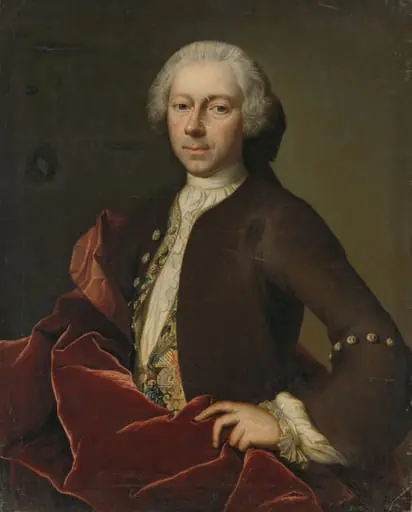 Portrait of Pieter Parker, Alderman, Burgomaster and Councilor of Goes
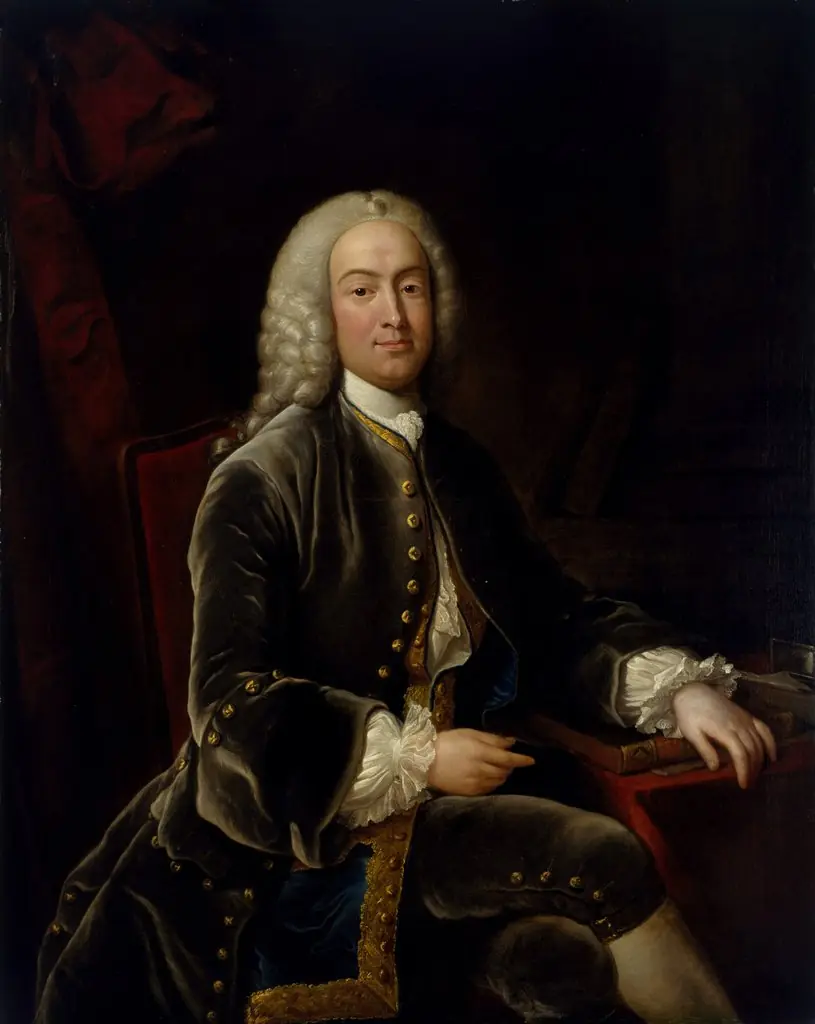 William Murray, 1st Earl of Mansfield
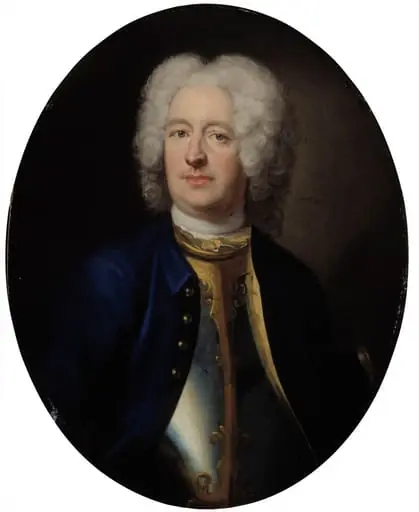 Kenraalimajuri Simon Jacob Wennerstedt
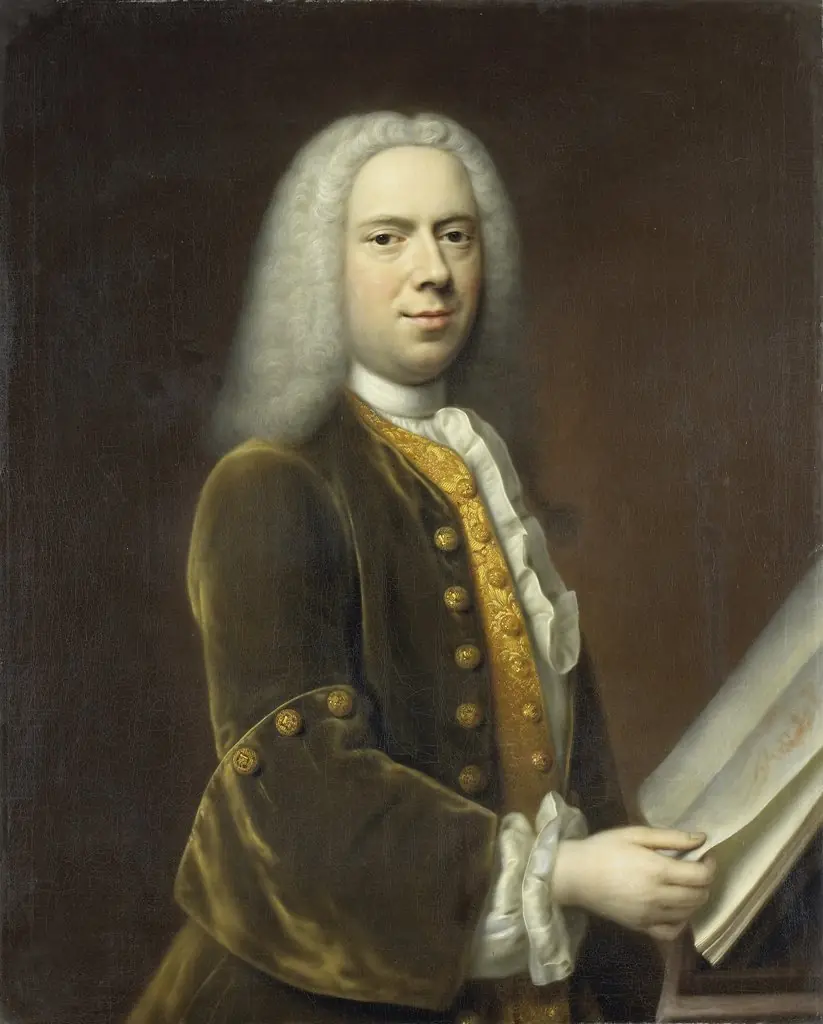 Portrait of a Man, probably Cornelis Troost
 Portrait of a Knight of the Order of Saint John
 Portrait og an Elderly Gentleman
 Portrait of Adriaen Caspar Parduyn, Councilor and Alderman of Middelburg, Son of Caspar Adriaen Parduyn and Maria van Citters
 Portrait of Gustaaf Willem, Baron van Imhoff, Governor-General of the Dutch East India Company