Artwork
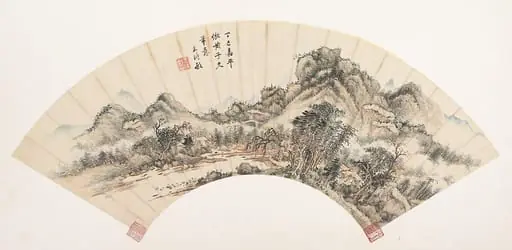
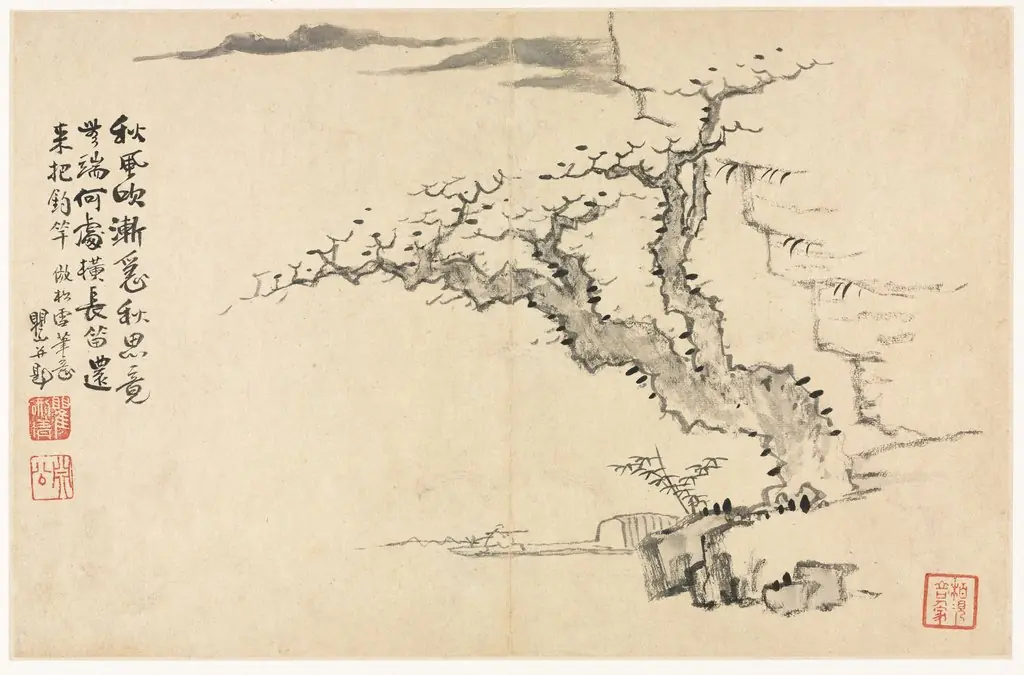
清 倣 梅清 黃海雲濤圖 扇頁|Peaks of Mount Huang
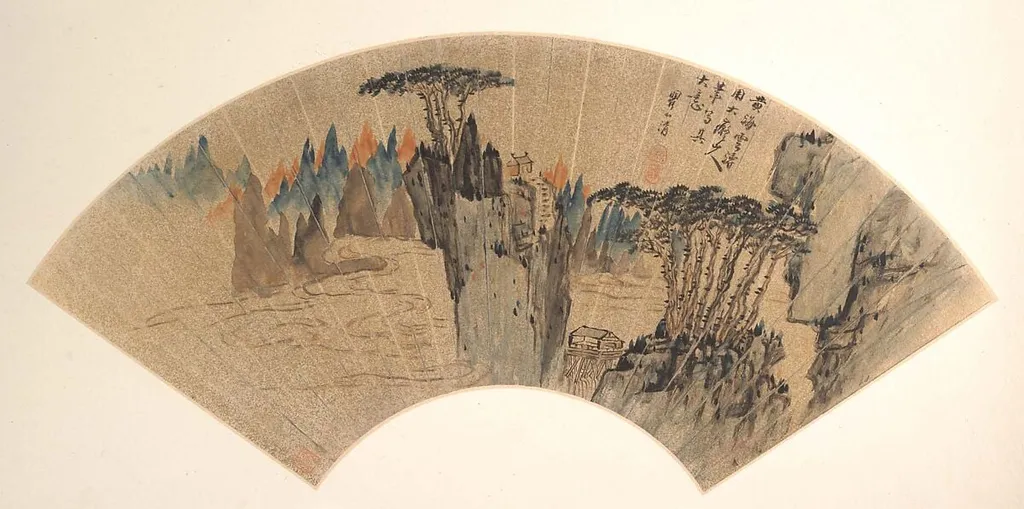
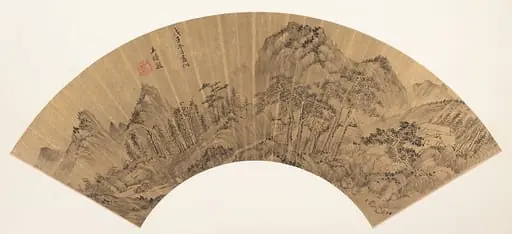
清 倣 梅清 黃海雲濤圖 扇頁|Peaks of Mount Huang is an ink painting by the Baroque artist Mei Qing. It dates from 1660 and is held in the collection of the Metropolitan Museum of Art.
About this work
Subject & Meaning
The title "Peaks of Mount Huang" and the description of "cloud-tide" imagery indicate a representation of the mountain's famous mist-shrouded summits.
The work depicts the mountainous landscape of Mount Huang, specifically focusing on its peaks and cloud formations. As a landscape painting executed in ink and color on gold paper, the subject centers on the natural grandeur of the Huangshan range. The title "Peaks of Mount Huang" and the description of "cloud-tide" imagery indicate a representation of the mountain's famous mist-shrouded summits.
The composition captures the ethereal quality of the clouds interacting with the rugged rock faces, a recurring theme in the artist's exploration of this specific scenic location.
Technique & Style
Peaks of Mount Huang is a folding fan mounted as an album leaf, executed in ink and color on gold paper. The support and mounting format reflect the conventional Chinese practice of preserving fan paintings as album leaves, while the gold-paper ground is characteristic of seventeenth-century literati landscape fan painting. The composition, a landscape depicting mountains, measures 18.4 by 51 centimetres and was produced in China in 1660.
History & Provenance
Peaks of Mount Huang was created by Mei Qing in 1660, executed on a folding fan mounted as an album leaf using ink and color on gold paper. The work is held in the collection of the Metropolitan Museum of Art, where it remains located. The sources do not provide further details regarding an earlier ownership chain, commissioning circumstances, or intermediate provenance prior to its accession by the museum.
Context
Mei Qing, active in the mid-seventeenth century, exemplifies the continuation of literati landscape painting, and his work on a folding fan titled Peaks of Mount Huang illustrates this tradition. The fan, executed in ink and color on gold paper in 1660, measures 18.4 by 51 centimetres and depicts a stylized mountain, a subject long associated with the sacred peaks of China. The work is part of the Metropolitan Museum of Art's collection, underscoring its recognized importance in the study of Chinese painting.
Overview
Mei Qing, an Anhui‑born painter, calligrapher and poet, executed the work known as Peaks of Mount Huang around 1660. Rendered on gold‑toned paper and mounted as a leaf from a folding fan, the piece presents a compact yet intricate mountain scene typical of Qing‑period landscape painting.
Artist & collection

Artist
Mei Qing (Chinese: 梅清; pinyin: Méi Qīng; Wade–Giles: Mei Ch'ing; ca. 1623–1697) was a Chinese landscape painter, calligrapher and poet active during the Qing Dynasty. Mei was born in Xuancheng, Anhui Province. His…

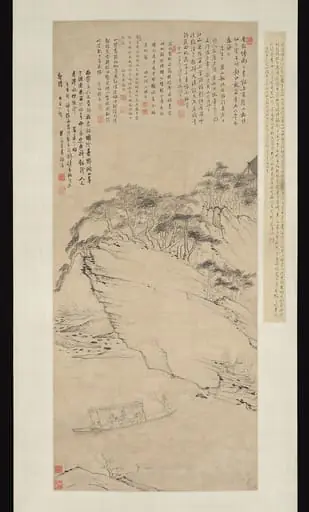 清 倣梅清 響山泛舟圖 軸|Boating beneath Echo Hill
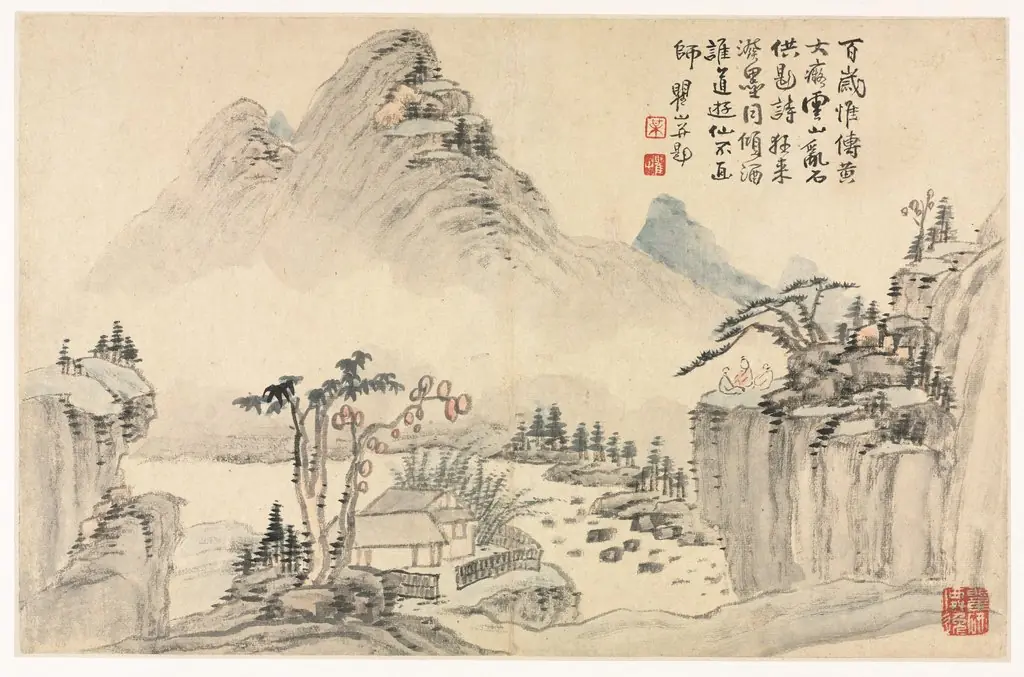 Landscapes in Various Styles after Old Masters
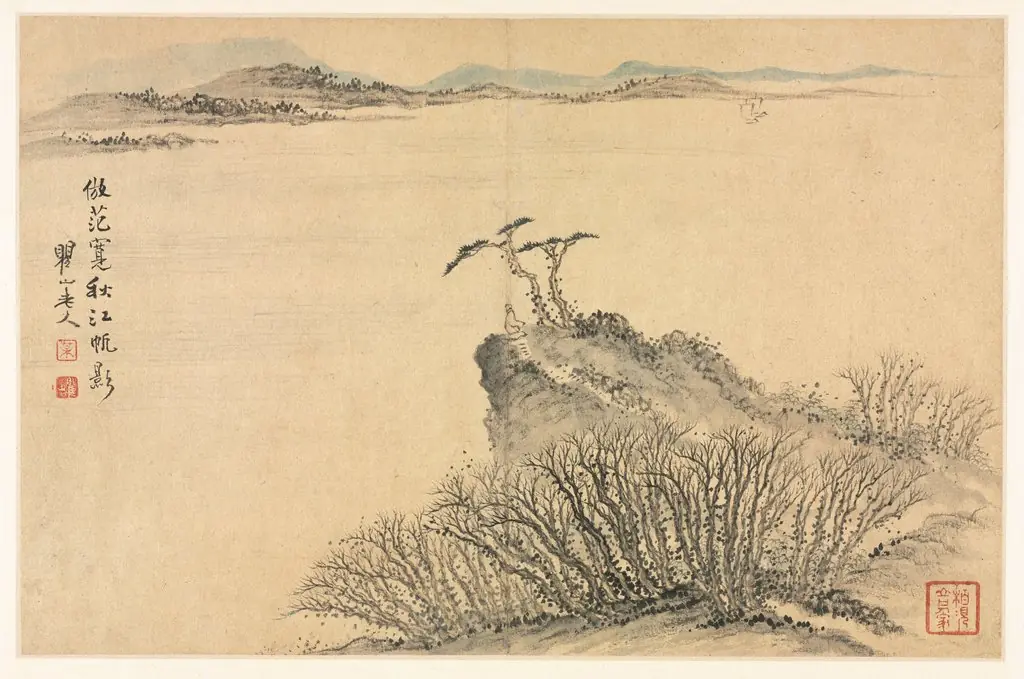 Landscapes in Various Styles after Old Masters
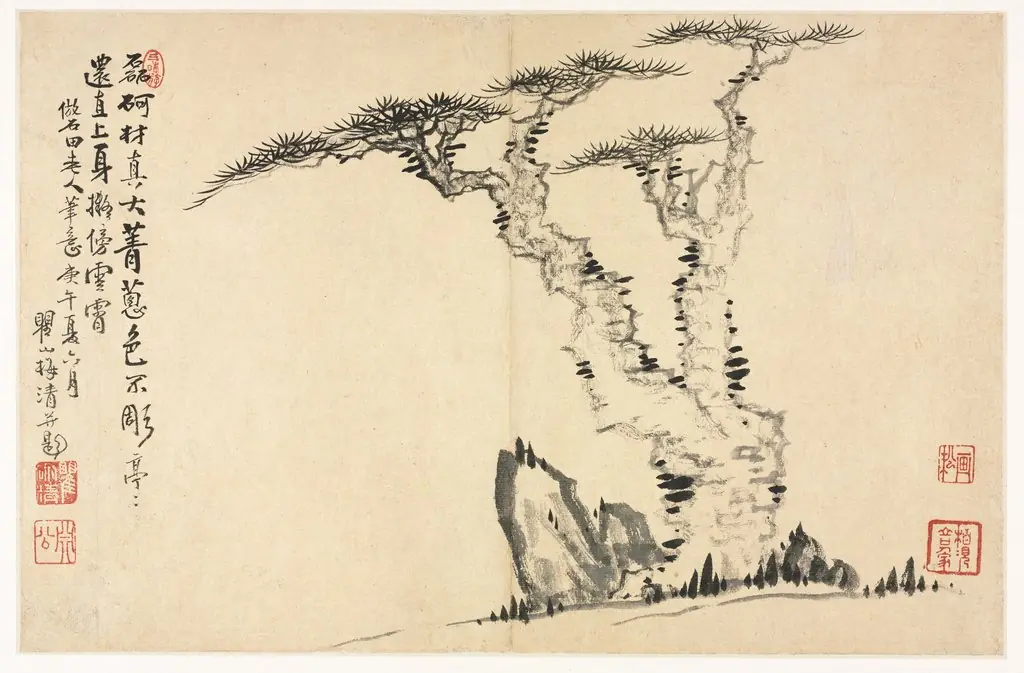 Landscapes in Various Styles after Old Masters
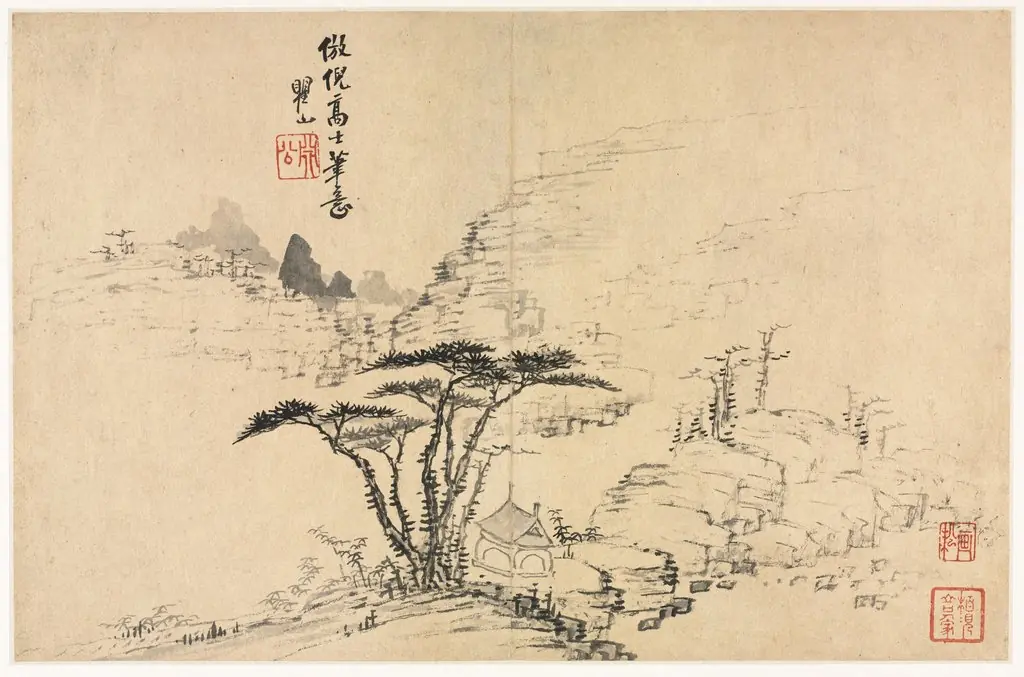 Landscapes in Various Styles after Old Masters
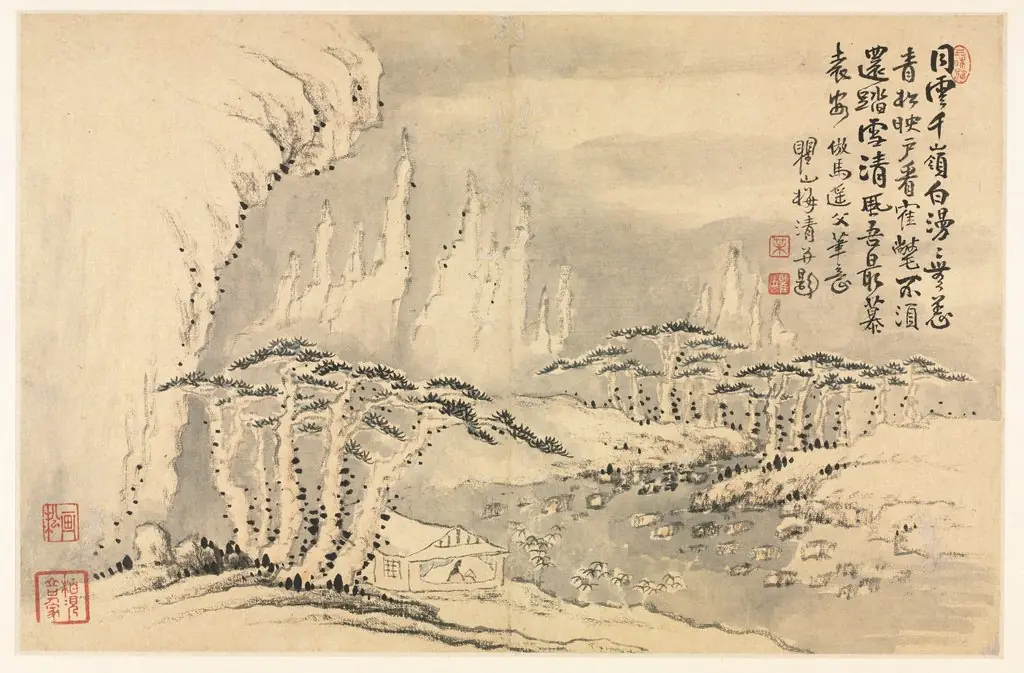 Landscapes in Various Styles after Old Masters
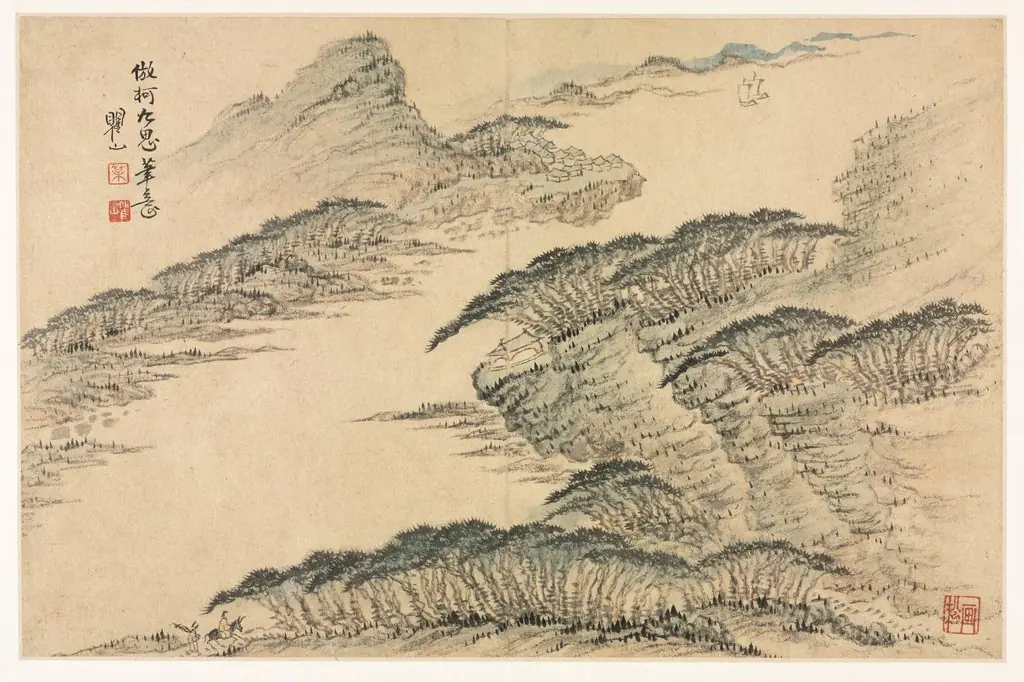 Landscapes in Various Styles after Old Masters
 Landscapes in Various Styles after Old Masters